-
-
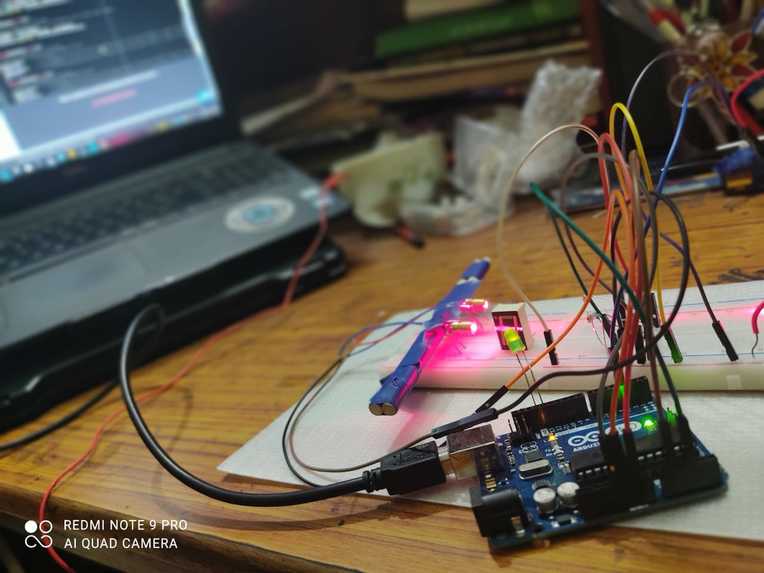
present ongoing status(laser fence testing), before review 1
-
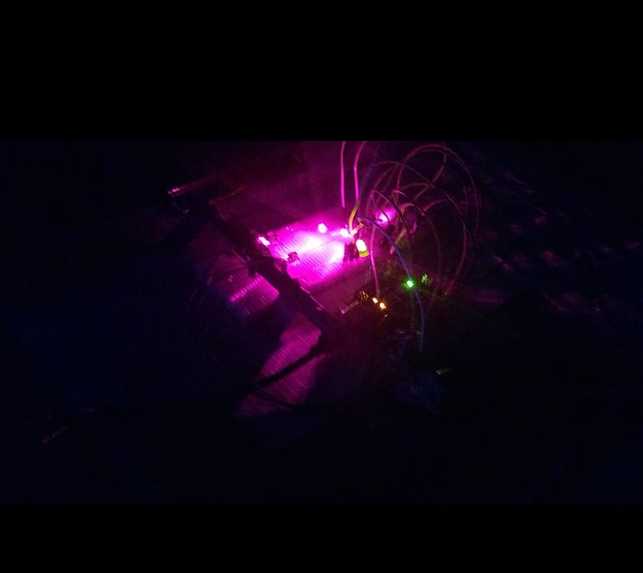
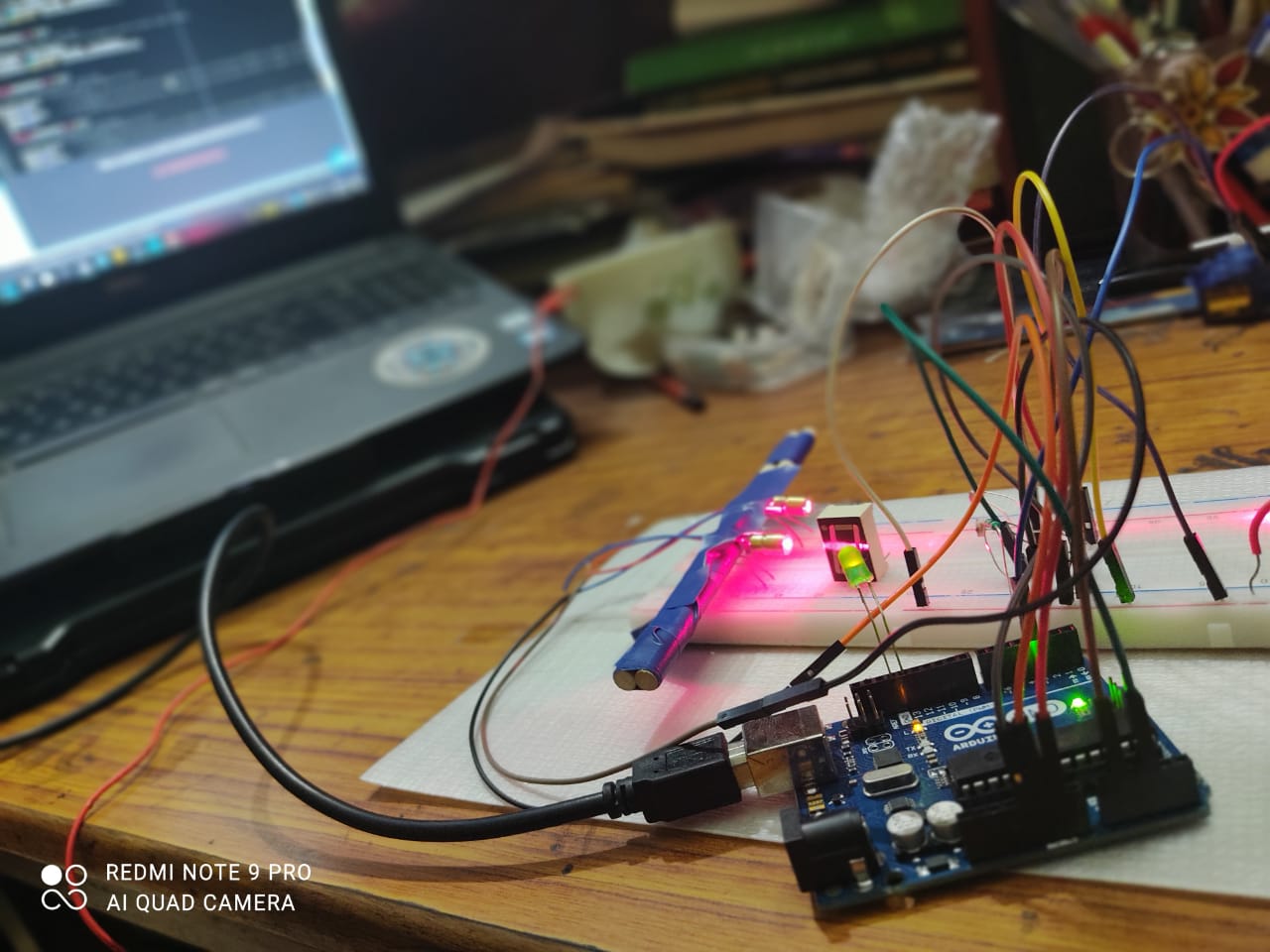
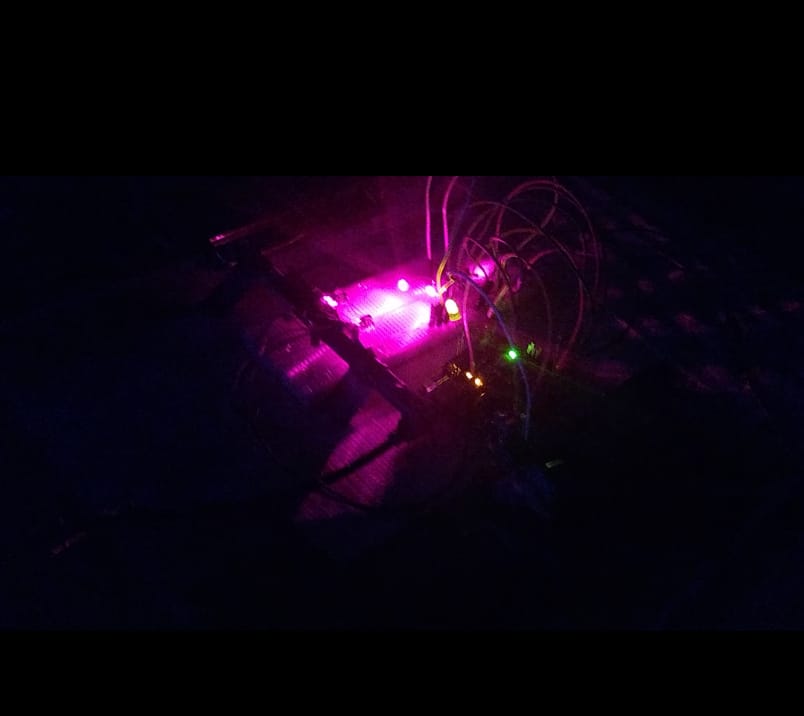
Testing of stacked Laser fence wall
-
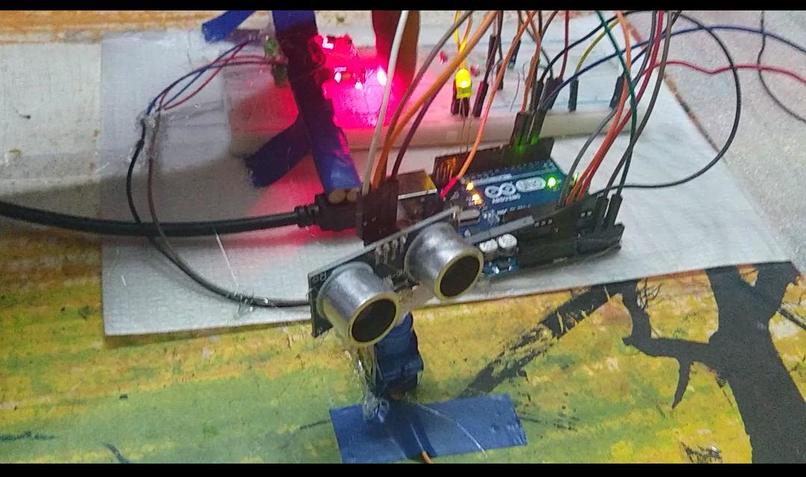
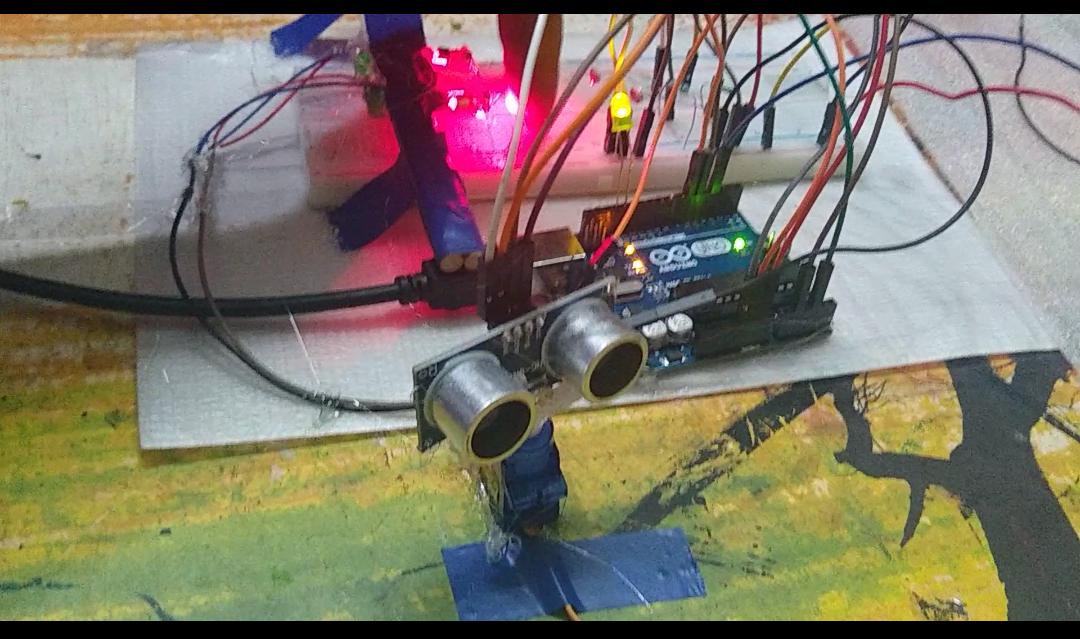
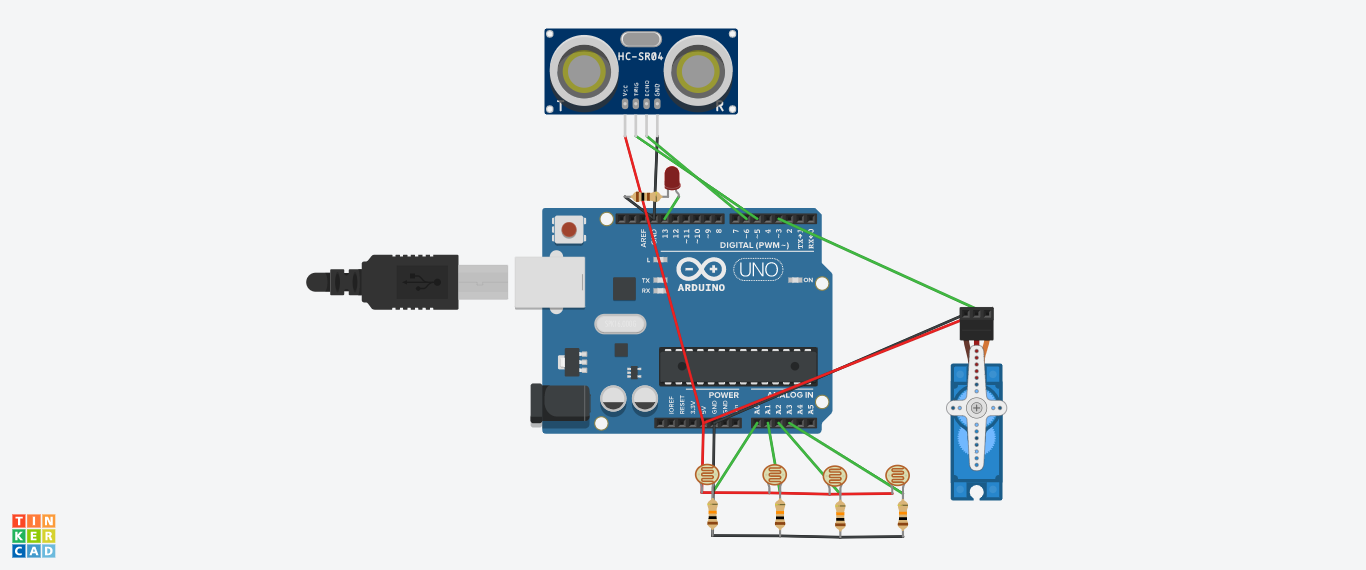
Ultrasonic sensor based RADAR system integrated with stacked laser fence
-
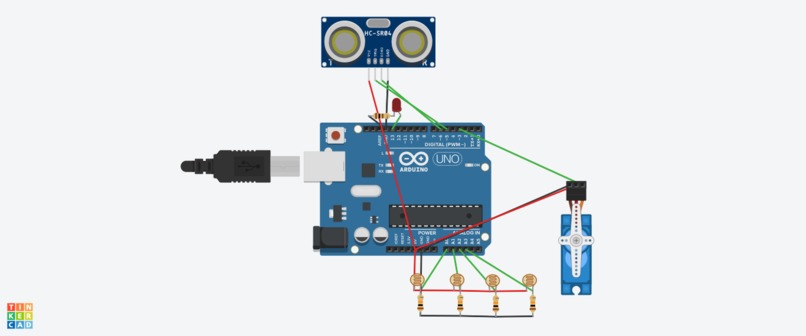
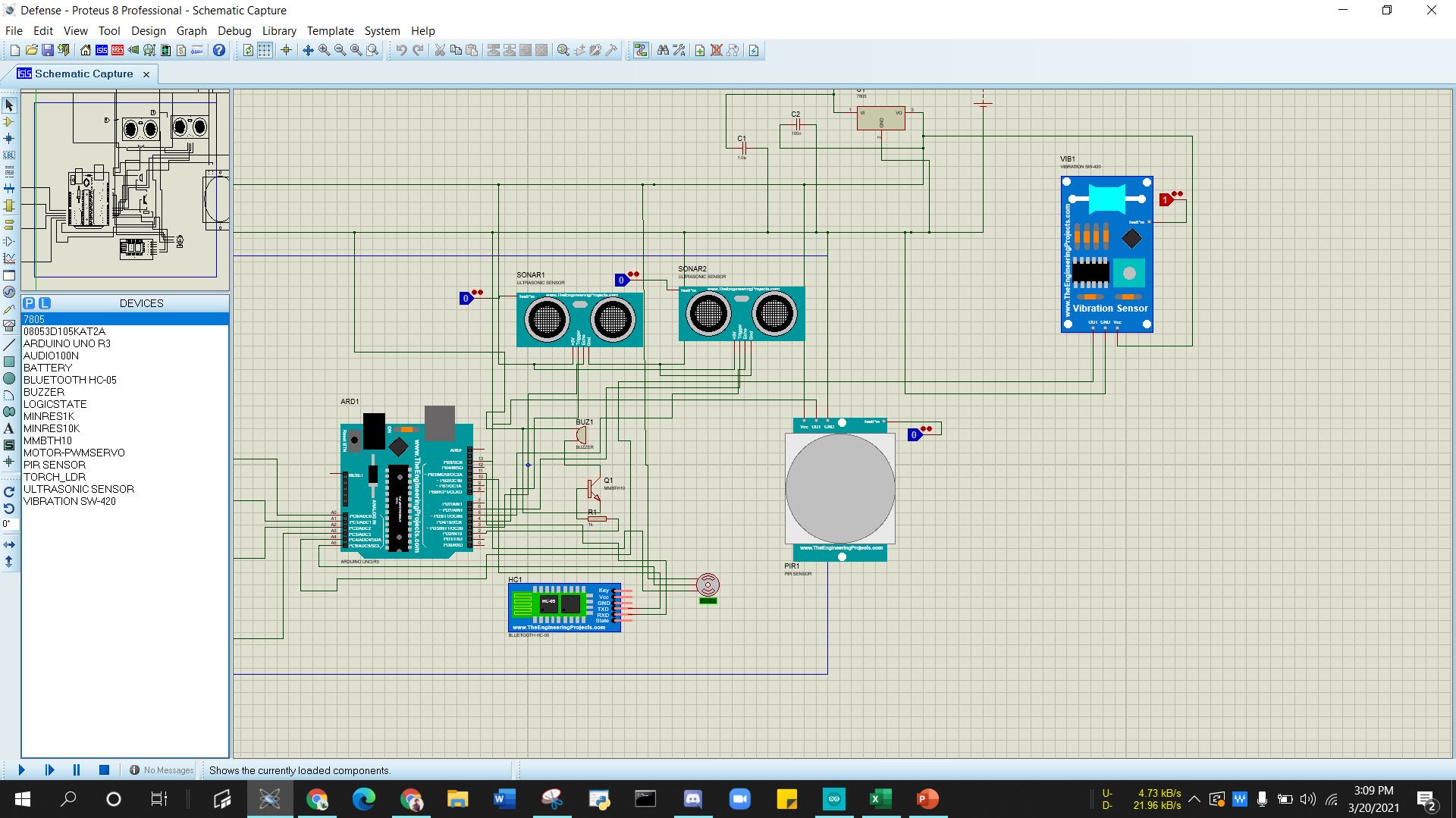
Testing of simulation before review 2
-
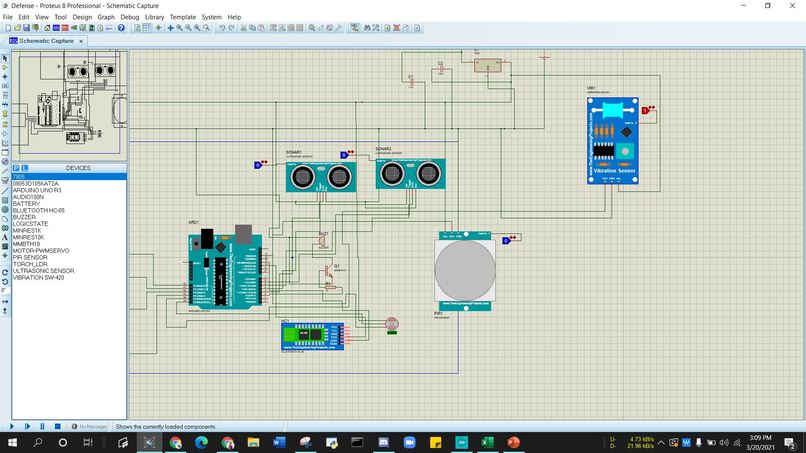
Present on-going work for other sensors for final review
Inspiration
The present fencing system in Kashmir valley and Jammu region near Line of Control, AIOS is a double row fence consisting of concertina wire and was constructed between 2003 and 2005 AIOS is located about 700m from the LoC. The army constructed it to prevent terrorism and the infiltration of cross border illegal activities. AIOS consists of a border fence, electric live wires, sensors, sirens, foot patrols, floodlights, and other surveillance devices including handheld thermal imagers. Infiltration through the existing fences is on the rise for a long time. The current razor sharp concertina wires are not adequate to stop the infiltration of borders.
What it does
We propose a smart Anti Infiltration Obstacle System (AIOS). In this proposal, we will be using various sensors and IoT to push data to the cloud to be accessed by the concerned personnel. This solution will consist of multi-level security features with amalgamation of embedded systems and IoT, which will help to prevent infiltration in sensitive areas where foot-patrol is challenging.
How we built it
The various technologies we will be integrating are:
- Multi stacked Laser wall.
- Ultrasonic based RADAR monitoring system for UAV (Drone) detection.
- Piezo vibration technology and PIR sensors for underground movement monitoring and motion sensing.
- Infrared camera surveillance.
- Electrification and visual indication aid for barbed concentrina wire to prevent infiltration.
- Intrusion alert system for army personnels via Bluetooth connected devices.
- Data being pushed to cloud for future analysis. The team has been divided into subdomains i.e Hardware prototype and circuit design, simulations using Proteus and TinkerCAD, sensor coding, and video editing, with each team member being at different location in India being a major constraint, was responsible for the successful implementation of the each sub domain.
Challenges we faced :
- The biggest challenge was to identify the real time problems and situations that are faced at border areas with the existing anti-infiltration system.
- The other major challenge was that as none of the team members are from a major big city or town, availability of sensors, microcontrollers and even jumper wires were a problem, so we had to arrange the apparatus for the prototype from various third party sources and even use alternatives that serve the purpose without compromising the quality and efficiency of the project.
Accomplishments that we're proud of:
- We have successfully carried on the proper implementation and testing of our main feature i.e the stacked laser fence as well as the sensor based RADAR system.
- Further we have also been able to successfully complete the simulations and verification with hardware prototype.
- Inspite of the logsitic constraints we have been able to finalise the code for all the sensors and would be completing the prototype with final testing by tonight before final review.
What's next for HE-1
- We are working on the final codes and connections of all the sensors and finalising the simulation as wel will be receiving some of our sensors by today evening via post, as we mentioned before that we are arranging things from third parties.
- We have completed the circuit designs, and currently working on simulations of the sensors that will arrive today evening and once we get the rest of the sensors by today evening, work's almost done and we'll be good to go with the testing phase tonight and present it tomorrow morning.


Log in or sign up for Devpost to join the conversation.