-
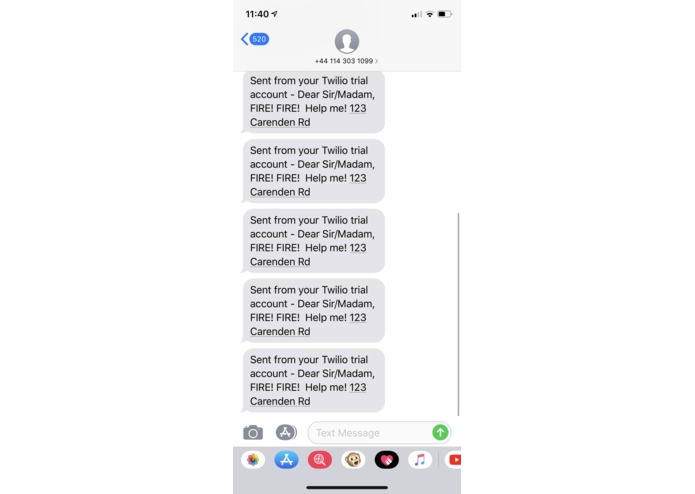
There has been a fire in the house!
-
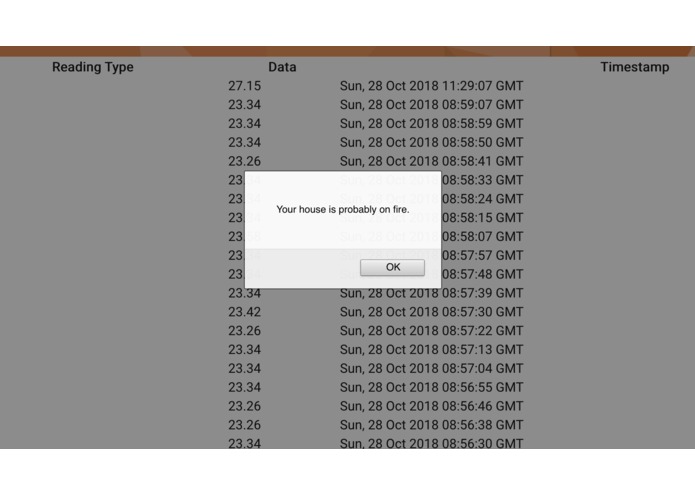
For when theres a fire
-
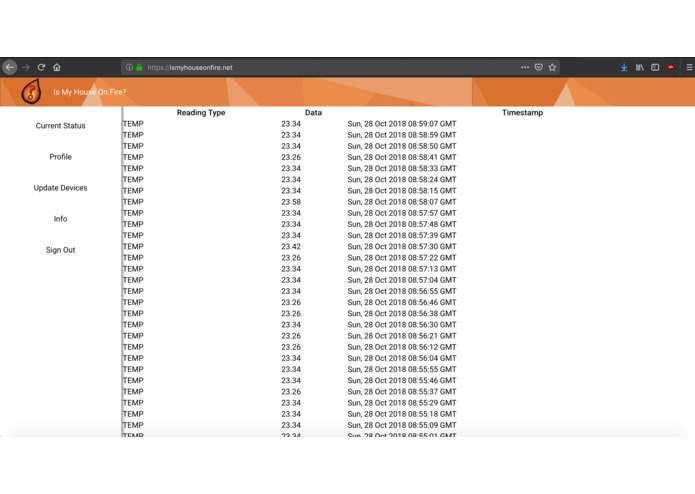
Normal website
-
-
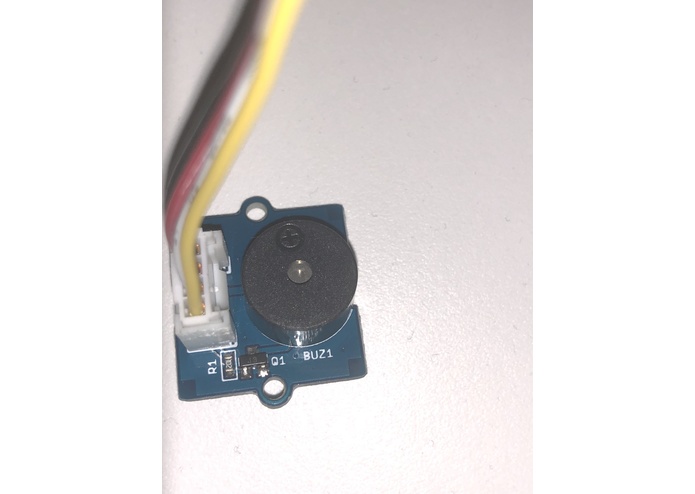
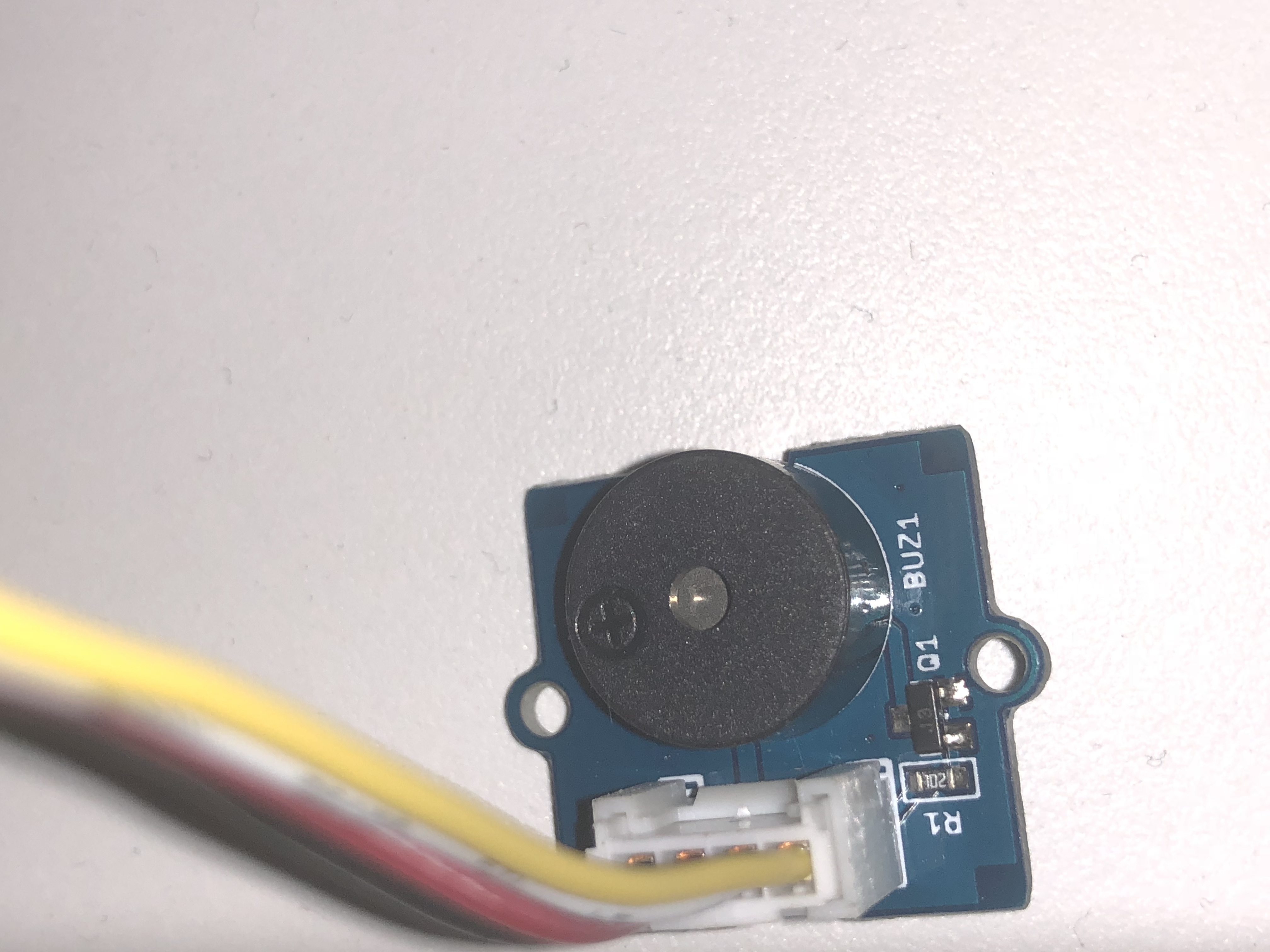
Sensor speaker
-
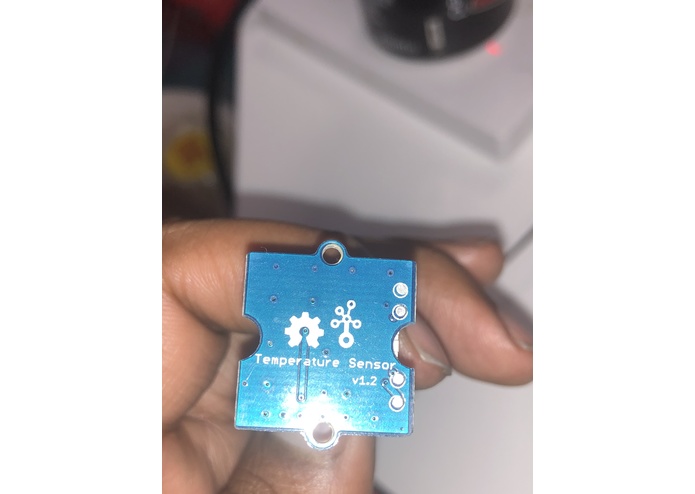
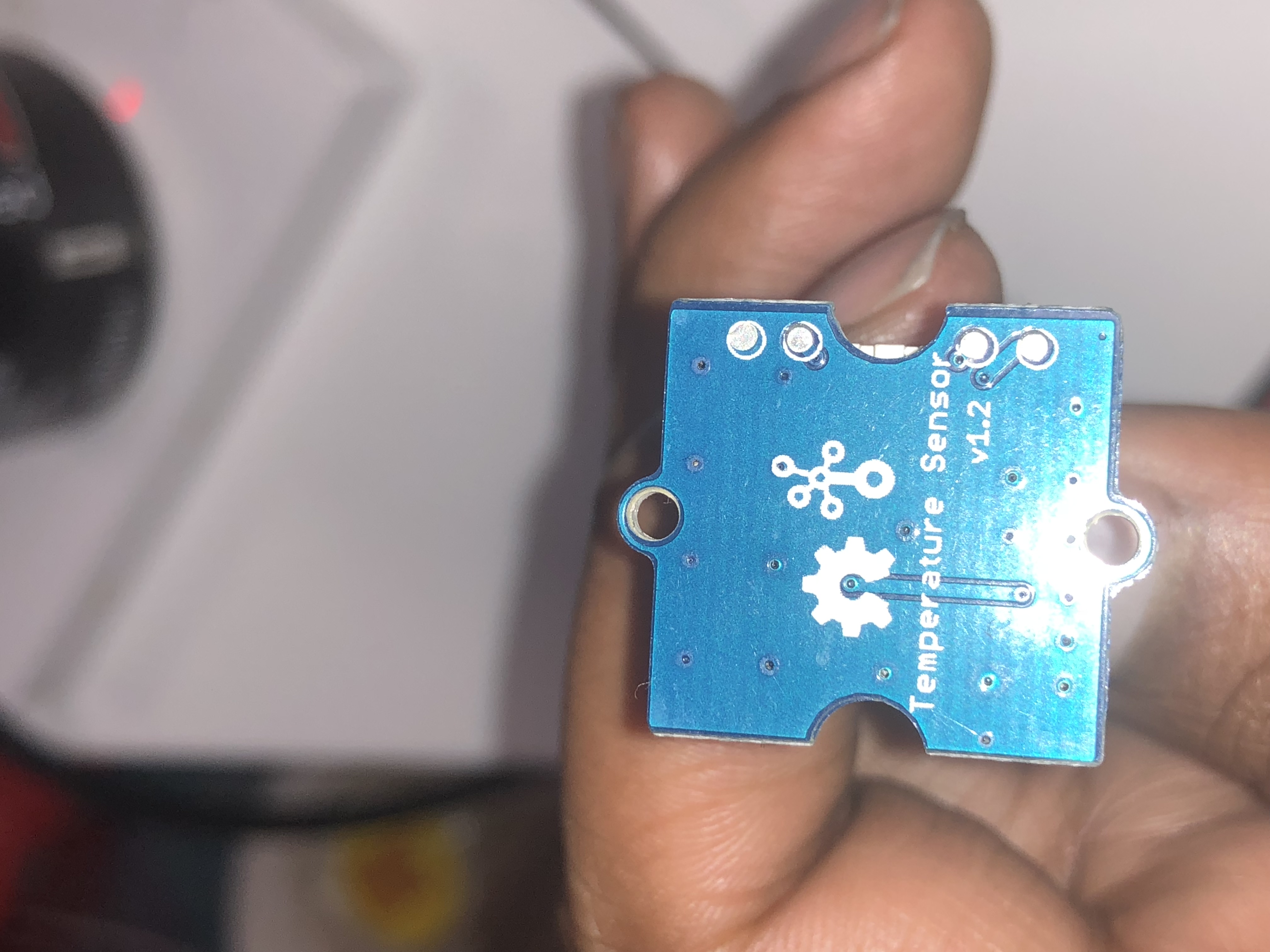
Sensor temperature
-
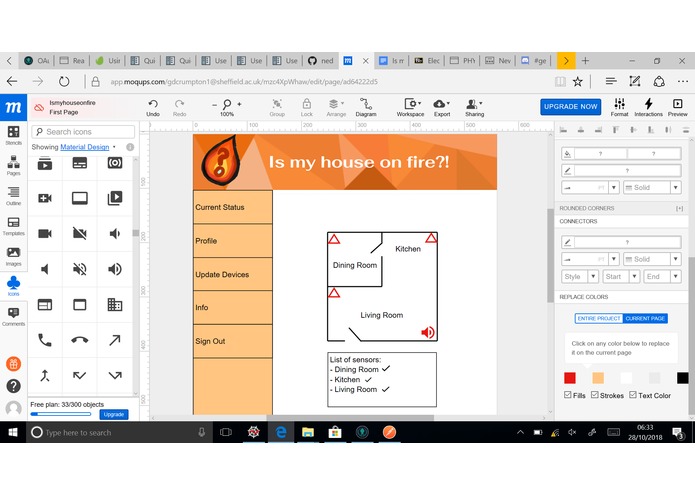
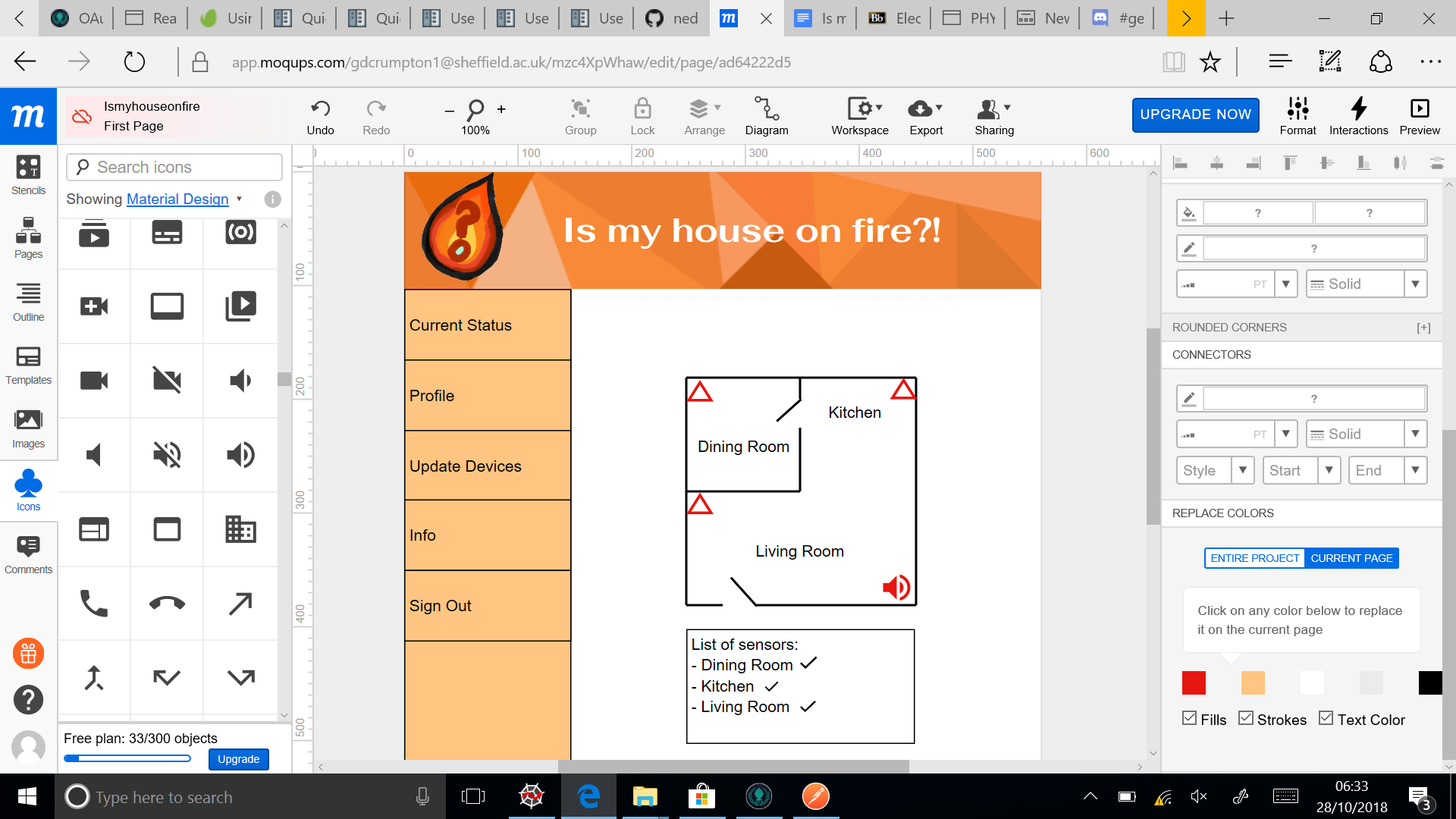
Floorplan where we can monitor individual devices
-
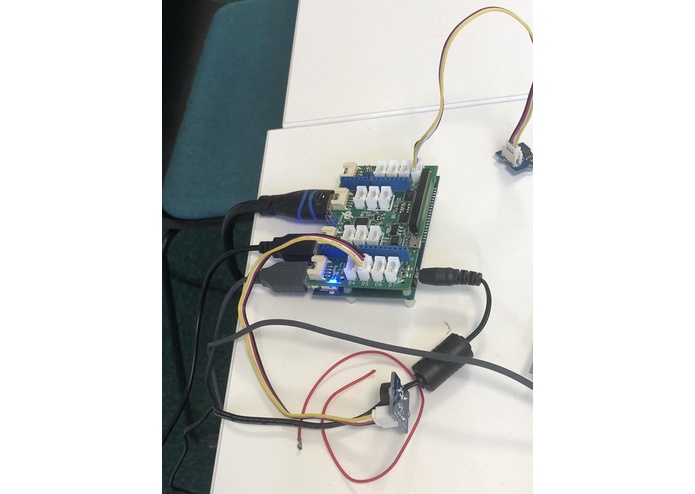
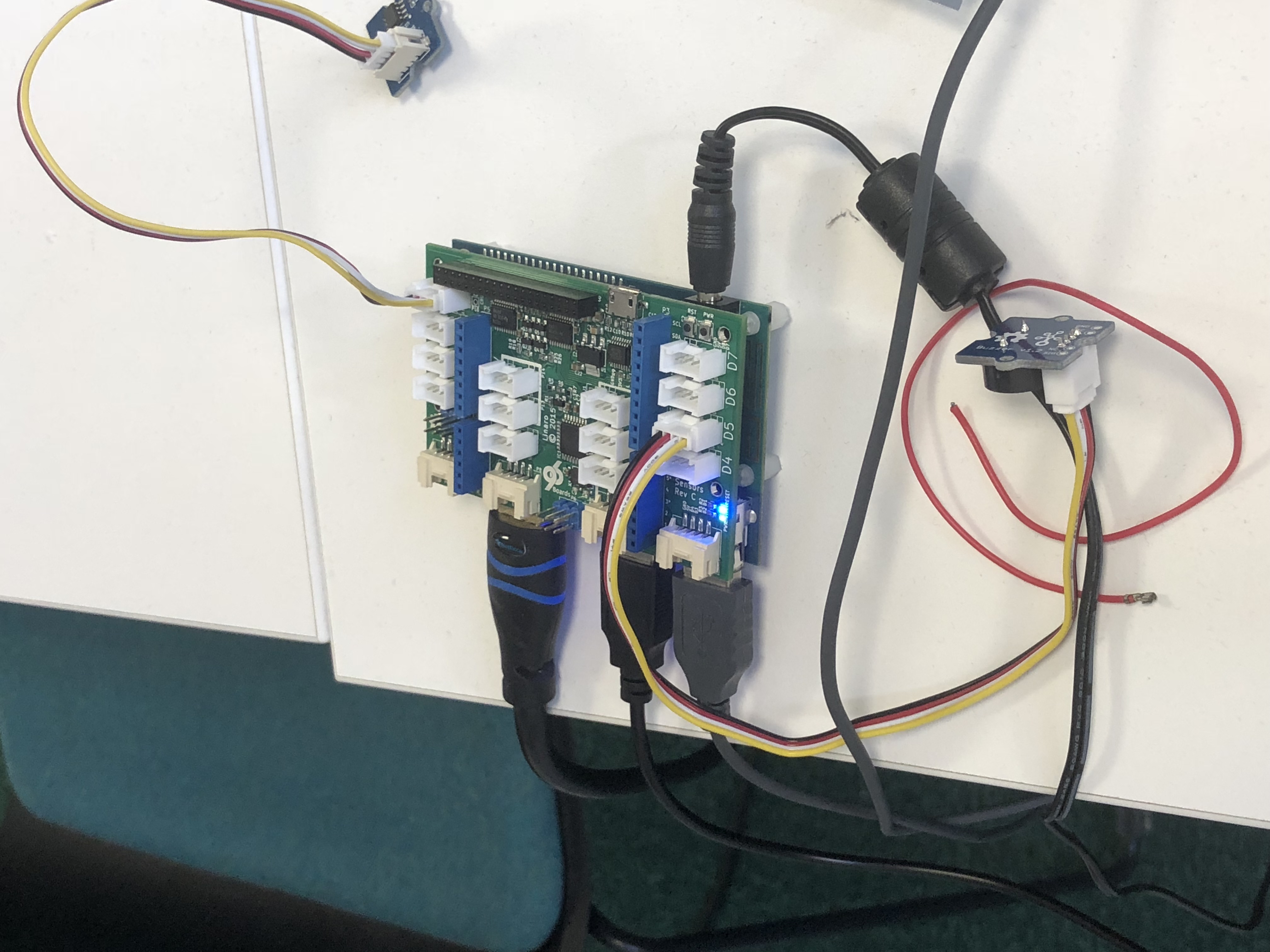
Our board
-
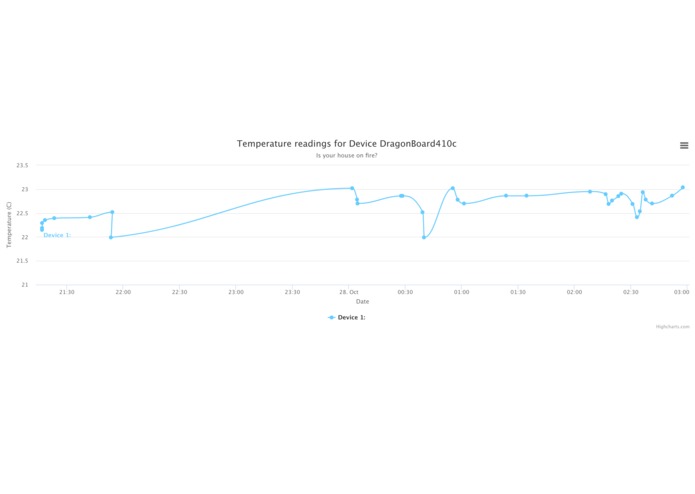
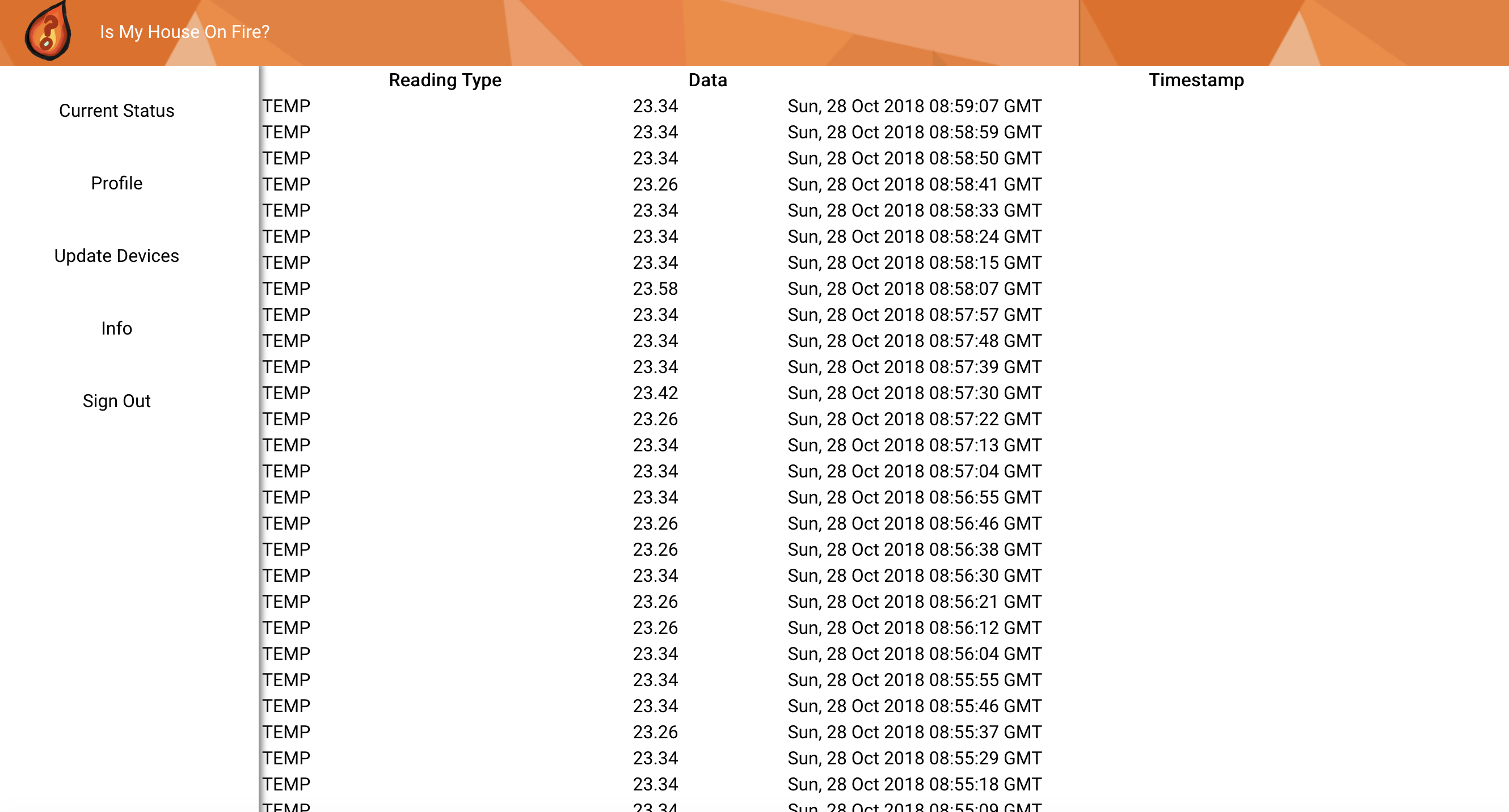
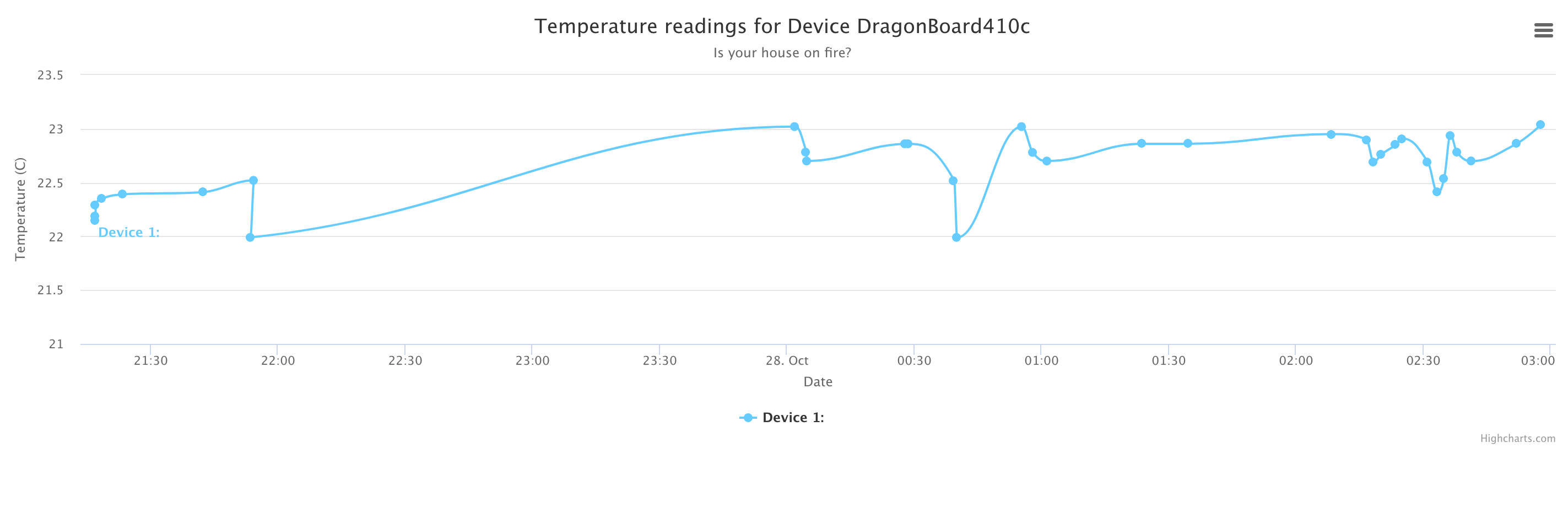
The graph
Inspiration
(we need a room with TV for demo!!)
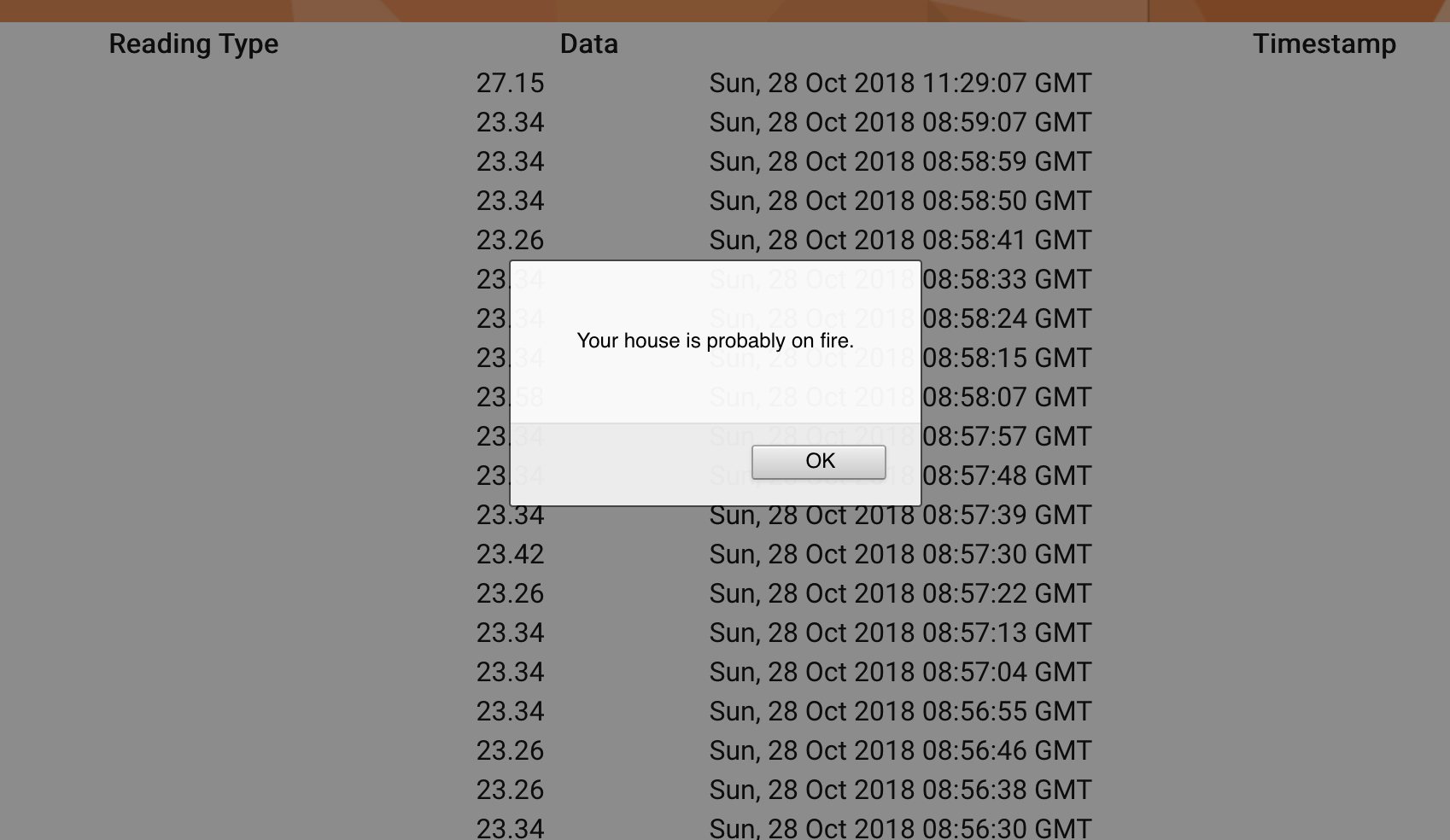
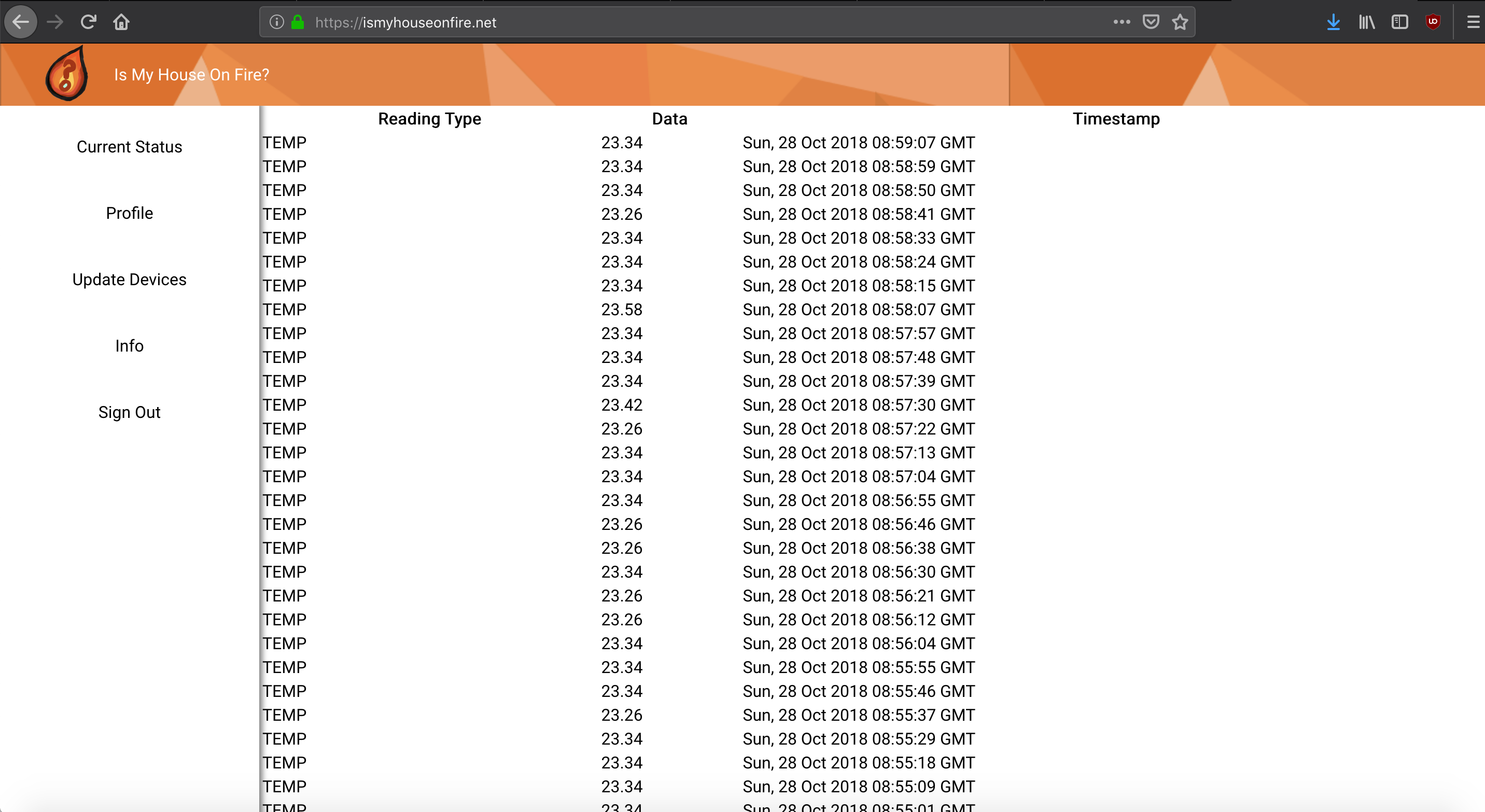
I always hate it when my fire alarm goes off everytime I cook bacon. It's supposed to go off when there's a fire, right? I've had enough of it! Fire alarms cost thousands of pounds, yet it triggers a lot of false positives, leading to wasted time and energy. People pay thousands of pounds to install a full fire alarm system throughout the building whose data cannot be harnessed for data analytics. We decided to use the DragonBoard as a fire alarm so that we can use big data / machine learning to tell the difference between an actual fire and a not-so actual fire. In doing so, we found out that it's capable of more than being just a fire alarm. SO we made https://ismyhouseonfire.net
What it does
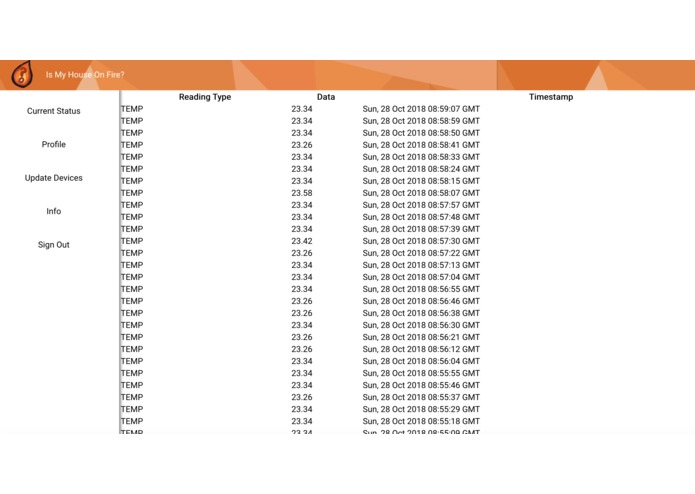
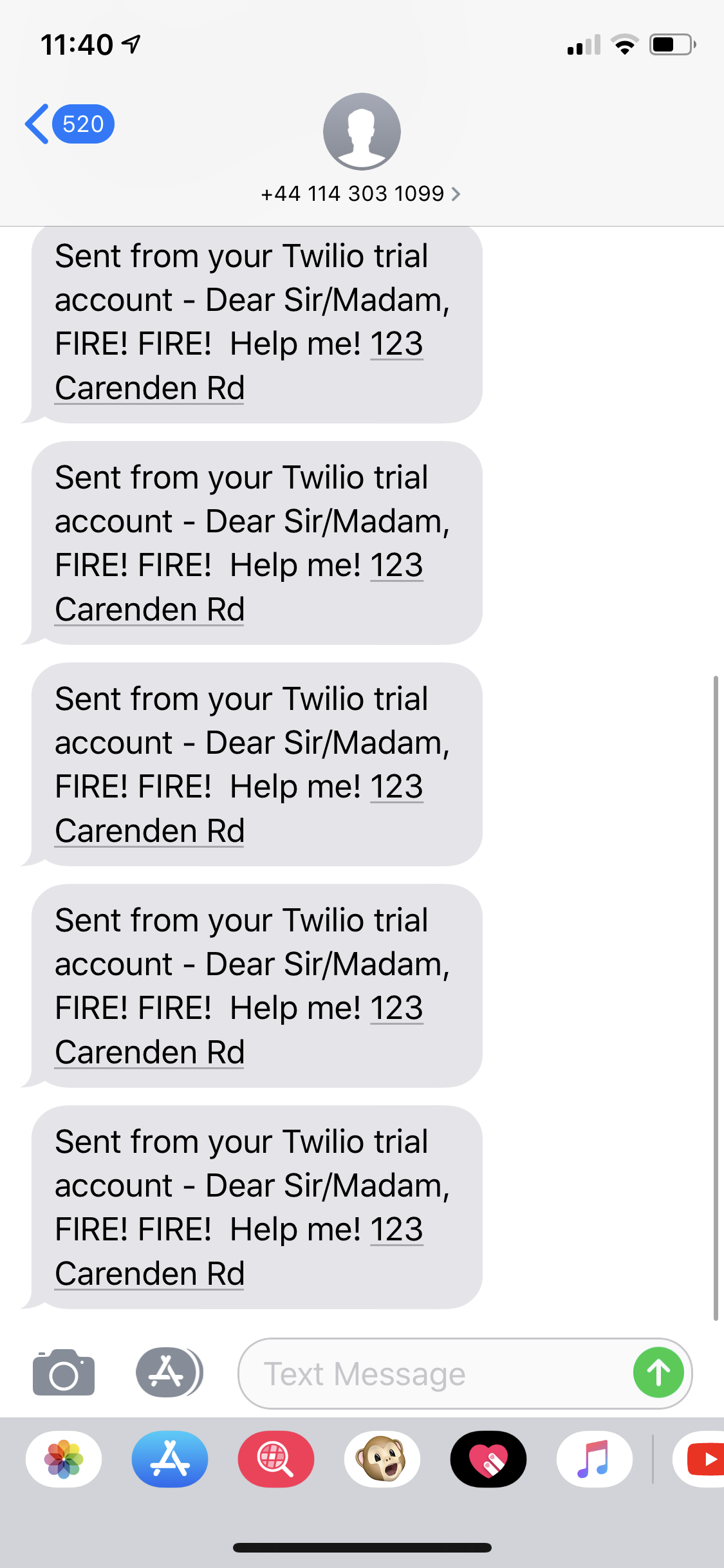
In it's current state, our Smart Home System can measure temperature, and detect the sudden rise of temperature. A very rapid rise in temperature can only be due to one thing, right? Unless you like touching fire alarms for an unnecessarily long time, there is a good chance that it could be a fire. The system detects it and emits an audible alarm. In addition, it sends a text to the user, and also uploads the data securely (using HSTS and HTTPS) to the Google Cloud. It can also measure pressure, but this feature is not active (as the Dragonboard is difficult to use with so little documentation). The website is active at https://ismyhouseonfire.net
The other planned features were to harness the power of big data to measure the differences in air pressure, so as to determine if a window is open, or if a burglar has entered through the window.
How we built it
We used a Qualcomm DragonBoard hooked up to a Temperature/Pressure Sensor and an electronic Buzzer. We used C++ as the interface language between the DragonBoard and the Atmel board, and Python to interact between the DragonBoard and the Google Cloud Server, which runs using Node.js and MySQL.
We used Twilio, a service provider which lets us send a text to any number through a web API
Challenges we ran into
Firstly, the Google Cloud Server implementation took very very long, due to the fact that eduroam is blocking SSH and Samba, without which we were not able to set up the server very quickly. We had to use an external VPN to override the restrictions of the Uni.
Secondly, we registered our super cool domain name which is definitely worthy of a prize (https://ismyhouseonfire.net) where the user can see the data, and also shows super cool graphs. The issue was that the DNS propagation time for Domain.com took ages, so there was difficulty in accessing the website
Thirdly, the DragonBoard was very difficult to set up with the Temperature Sensor, as there was very little documentation. We had to look at chip manufacturer data sheet to come up with an algorithm to use the temperature sensor. I believe the DragonBoard should have more user friendly documentation online, as to how to use the Groove Sensors with Python, as this took 8 hours just for the menial task of setting it up.
Fourthly, one of our team members fell very ill, so one team member had to go with him. Hence we were brought down to two team members just 3 hours before the deadline (during crunch time) and this hurt our morale. As a result of this, most of our features such as machine learning, or polishing, could not be completed! :'(
Accomplishments that we're proud of
We have a working product, that successfully detects the sudden rise of temperature, and also sends a text message. So we are very happy that it works!
In spite of being two team members down, we took over and were able to complete the project, against all odds!
What we learned
We learned not to trust eduroam as it blocks certain ports necessary for setting up a dedicated server. It was also very slow when we needed it. It was probably something that we should have accounted for.
We found out that the DragonBoard was the opposite of user friendly, but we learned how to use it in a short time.
We also found out that though our product started out as an innocent little fire alarm, we also quickly learned that we could hook up more sensors to it and make it into an IoT device capable of Smart Home capabilities.
What's next for SmartHome with DragonBoard + More!
Use the temperature data / pressure data gathered by the SmartHome to check the presence of a person using Machine learning or AI
Temperature data / pressure can also be used to tell the difference between an actual fire and smoke.
This can be also used to detect if a window is open, or if the insulation or poor, as the house would be losing energy quickly. This feature can be added in future
Landlords can use it to monitor multiple houses for fire alarms, etc. This device can be linked to a sound sensor, so as to make sure that the tenants are not making too much noise. Sound sensors can be used to detect burglars by using machine learning to compare it to normal background noise.
According to a study by US Scientists (https://www.bbc.co.uk/news/health-45968005), mother's voice makes a better fire alarm than a loud buzzing sound. Therefore this device can be used to make a custom fire alarm.
Implement a central air conditioning / heating using GeoFencing through mobile app, so that it can automatically turn off central heating when the person is out.
Potential to make a mobile app to monitor your house for fire or safety, etc, pretty much all in one!
A light sensor can be hooked up to the Dragonboard to turn off lights when needed.
The possibilities are endless!!!!!

Log in or sign up for Devpost to join the conversation.