-
-
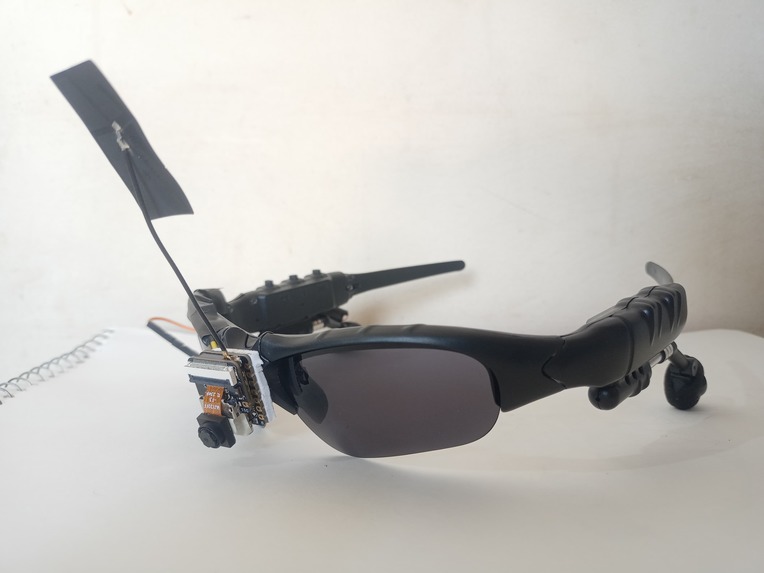
SmartGlasses Prototype
-
-

SmartEye App

Inspiration
Back in college, I had a classmate named Riya who was visually impaired. Every day, I saw how challenging it was for her to navigate crowded hallways, find her way to class, or even read lecture notes. She constantly had to rely on others for simple tasks like identifying people nearby or reading assignment instructions. Watching her struggle made me realize how much a simple tool could change her experience. That’s what inspired me to create SmartEye — AI-powered smart glasses designed to help visually impaired students like Riya gain more independence and confidence in their daily lives.
What it does
SmartEye is a simple yet powerful pair of smart glasses made to help visually impaired students get around more easily. It has a small camera that captures what the user sees and sends the information to a tiny computer inside the glasses. This computer then turns the visual information into audio messages that the user hears through Bluetooth earphones.
With SmartEye, students can hear descriptions of what’s around them, read signs and text, recognize people they know, and even scan barcodes to get product details while shopping. It’s all about giving them a little extra support to move around more confidently and handle everyday tasks without needing as much help from others.
How we built it
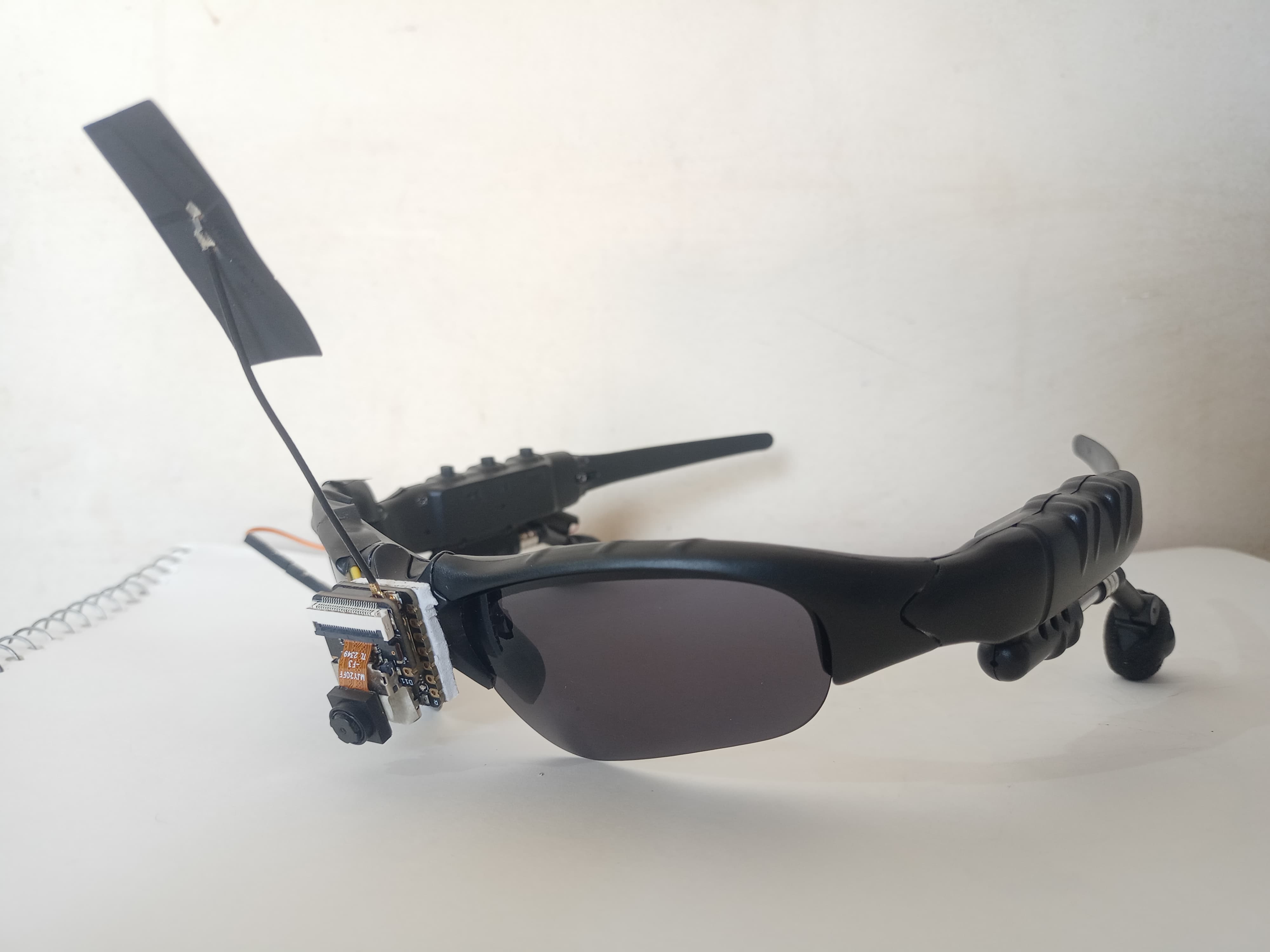
Hardware: The SmartEye glasses feature a camera to capture images of the surroundings, which are sent to the microcontroller for processing. The microcontroller communicates with a mobile app that processes the data and sends audio instructions.
AI Integration: The system uses AI models for scene description, text recognition, and face detection. These models process the captured data in real-time to provide the user with accurate feedback.
Bluetooth Integration: Bluetooth earphones are connected to the system, delivering real-time audio feedback that guides the user.
Challenges we ran into
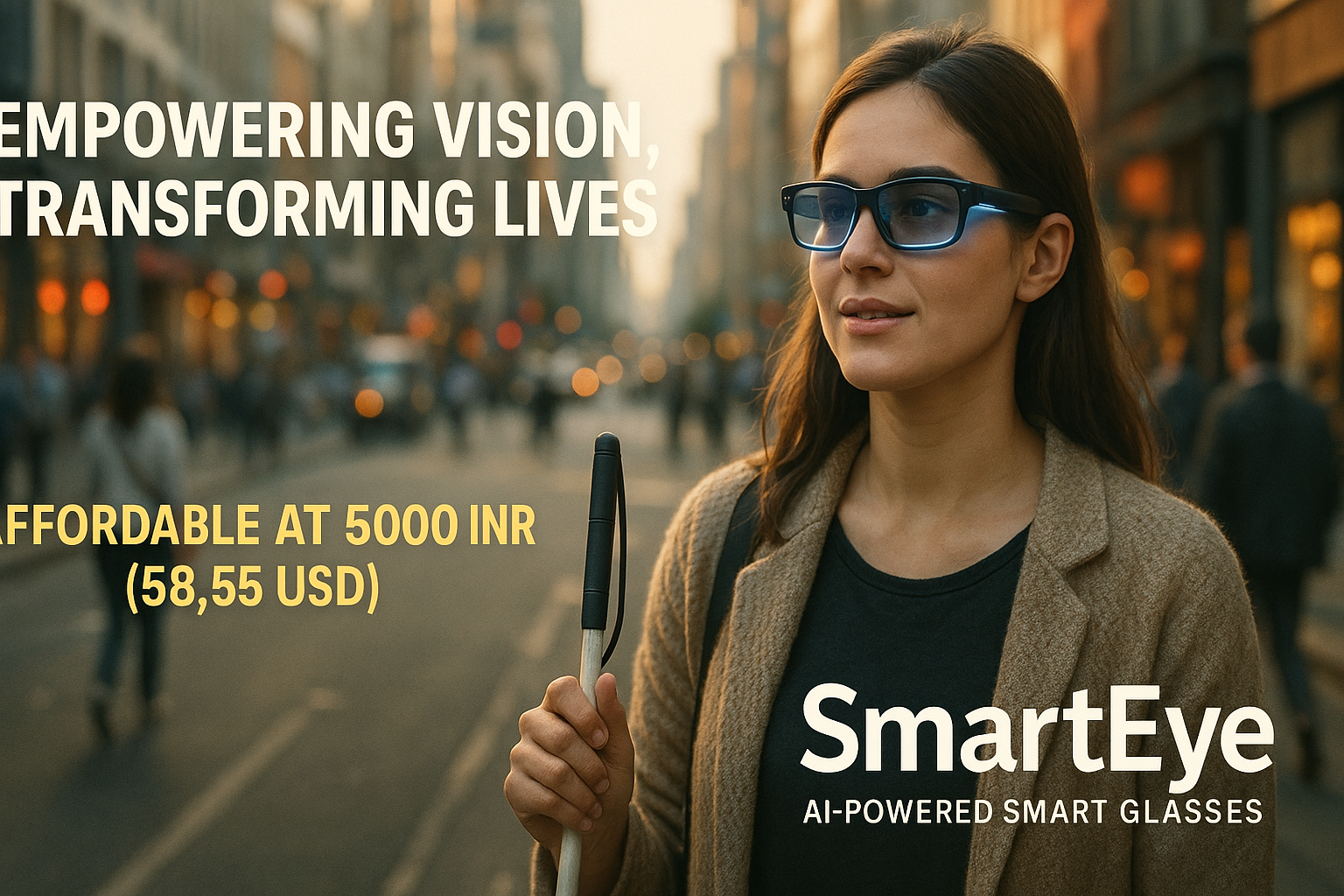
One of the key challenges was ensuring that SmartEye is affordable, with a target price of just 5000 INR (around 58.55 USD), so that it remains accessible for students. Designing a lightweight and comfortable pair of glasses that students can wear throughout the day proved to be a challenge. We had to balance performance with comfort and portability. Developing a simple and intuitive interface for visually impaired users who might not be familiar with advanced technology was a critical hurdle. We focused on voice commands and clear audio feedback to make the system easy to use.
Accomplishments that we're proud of
Successfully integrating AI technologies such as scene description, text recognition, color detection, and product reading into the SmartEye system. These features provide real-time assistance for tasks like identifying objects, reading labels, and even helping with shopping. Designing a wearable, compact device that provides real-time assistance to visually impaired users. The glasses are lightweight and comfortable, making them practical for everyday use. Enabling students to independently navigate their surroundings and access critical information like lecture notes, identifying faces, and understanding their environment, empowering them to live more independently.
What we learned
We gained a deep understanding of the everyday struggles faced by visually impaired students and the importance of assistive technologies in their lives. We learned how to integrate AI for practical, real-world applications like text recognition and object identification.
What's next for SmartEye- AI Powered Smart Glasses for the Visually Impaired
We plan to enhance the SmartEye system by adding currency recognition, GPS navigation, and multi-language support to make it even more useful and versatile for users across the globe. Our goal is to make SmartEye available to visually impaired students worldwide, providing them with the tools they need to be more independent, confident, and empowered.


Log in or sign up for Devpost to join the conversation.