-
-
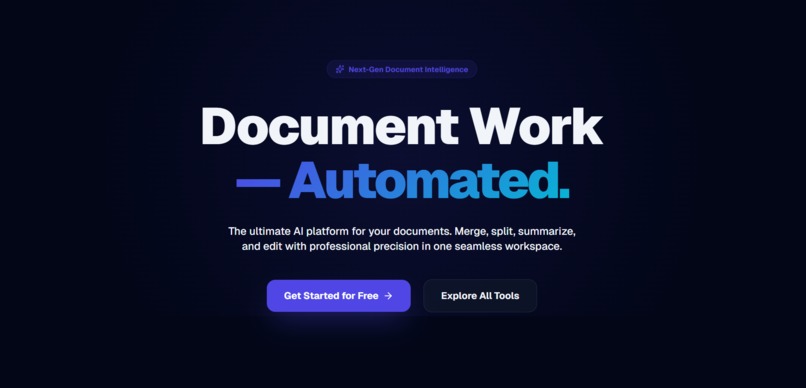
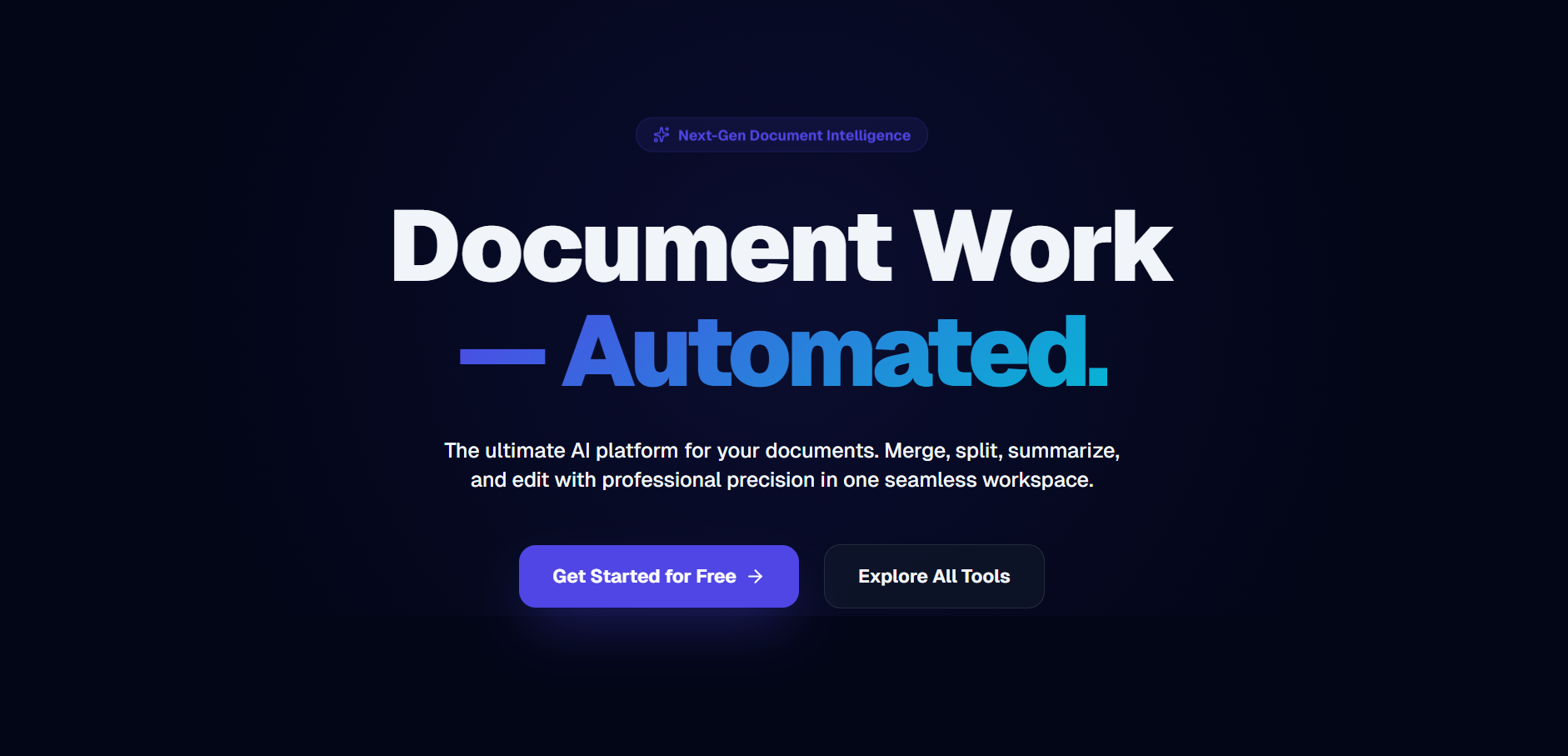
starting dashboard
-
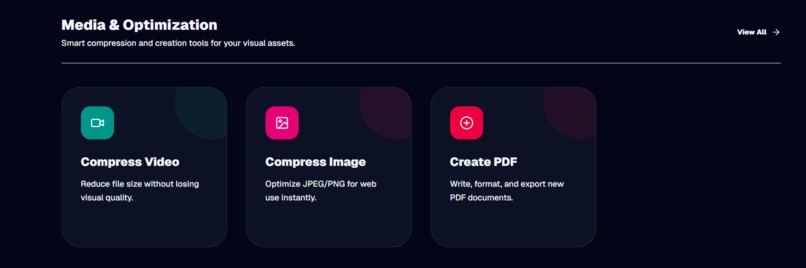
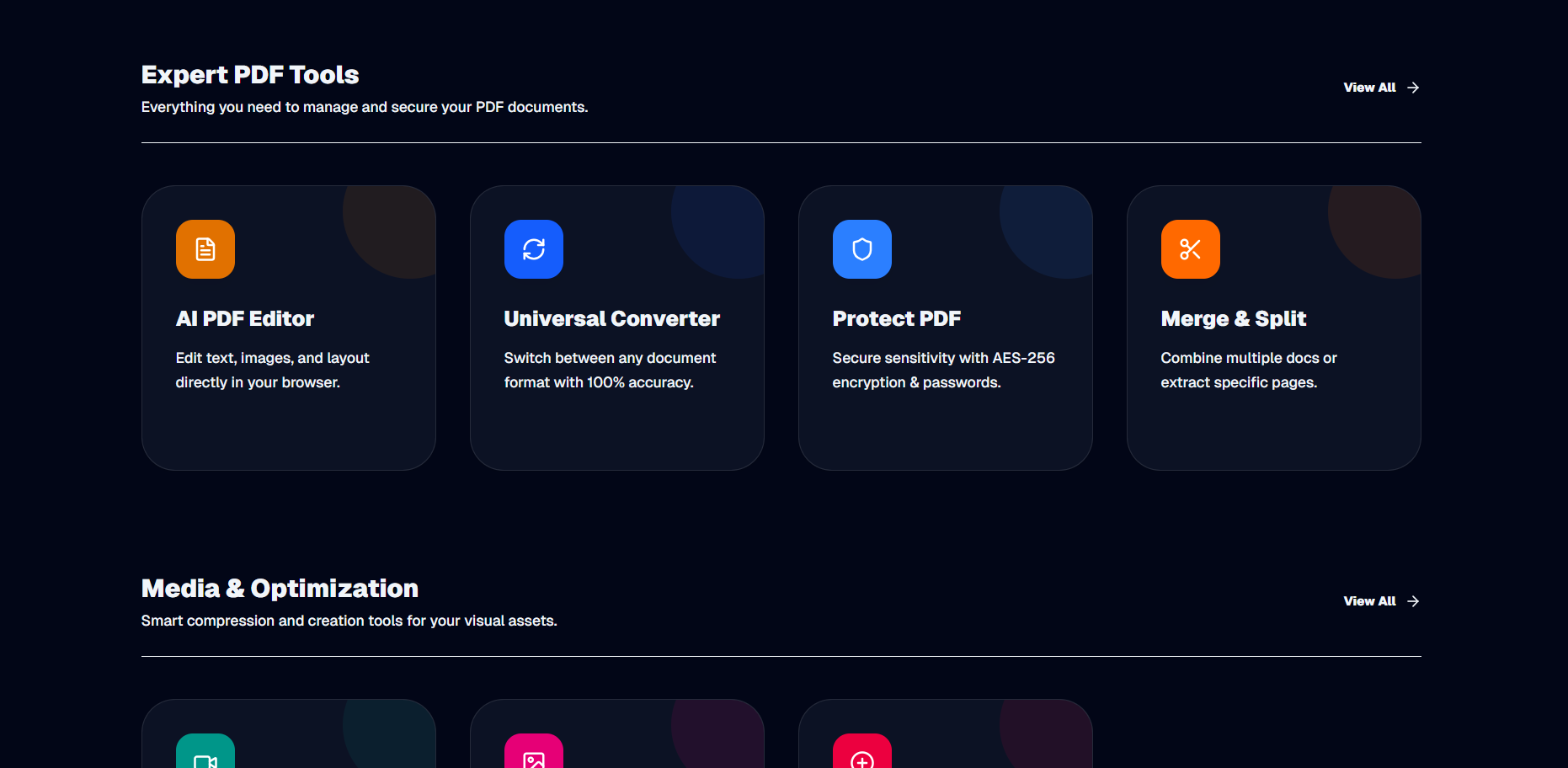
tools
-
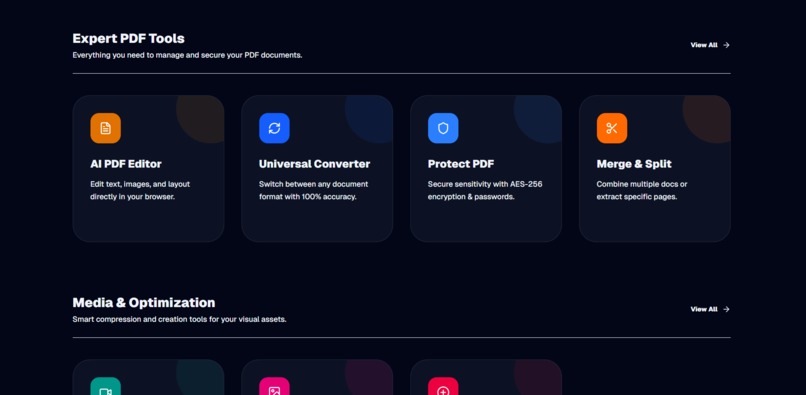
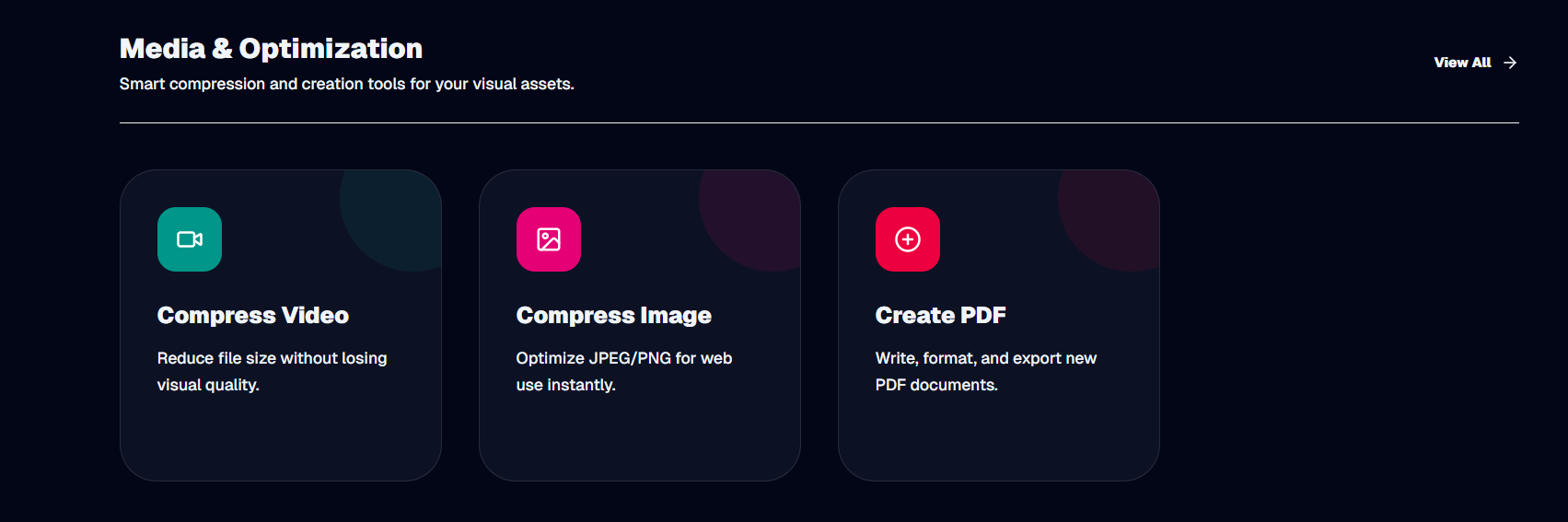
tools
-
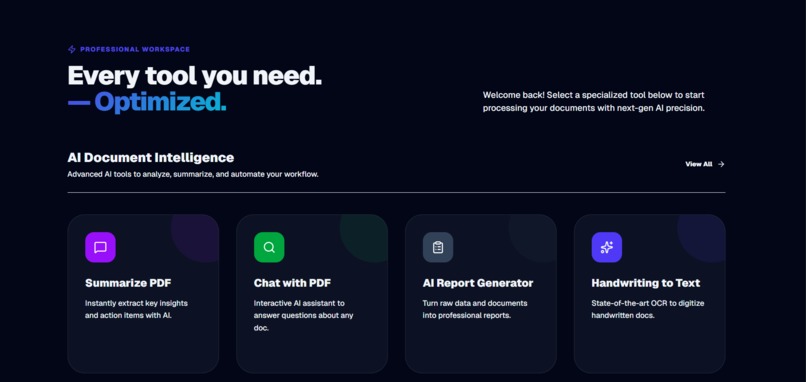
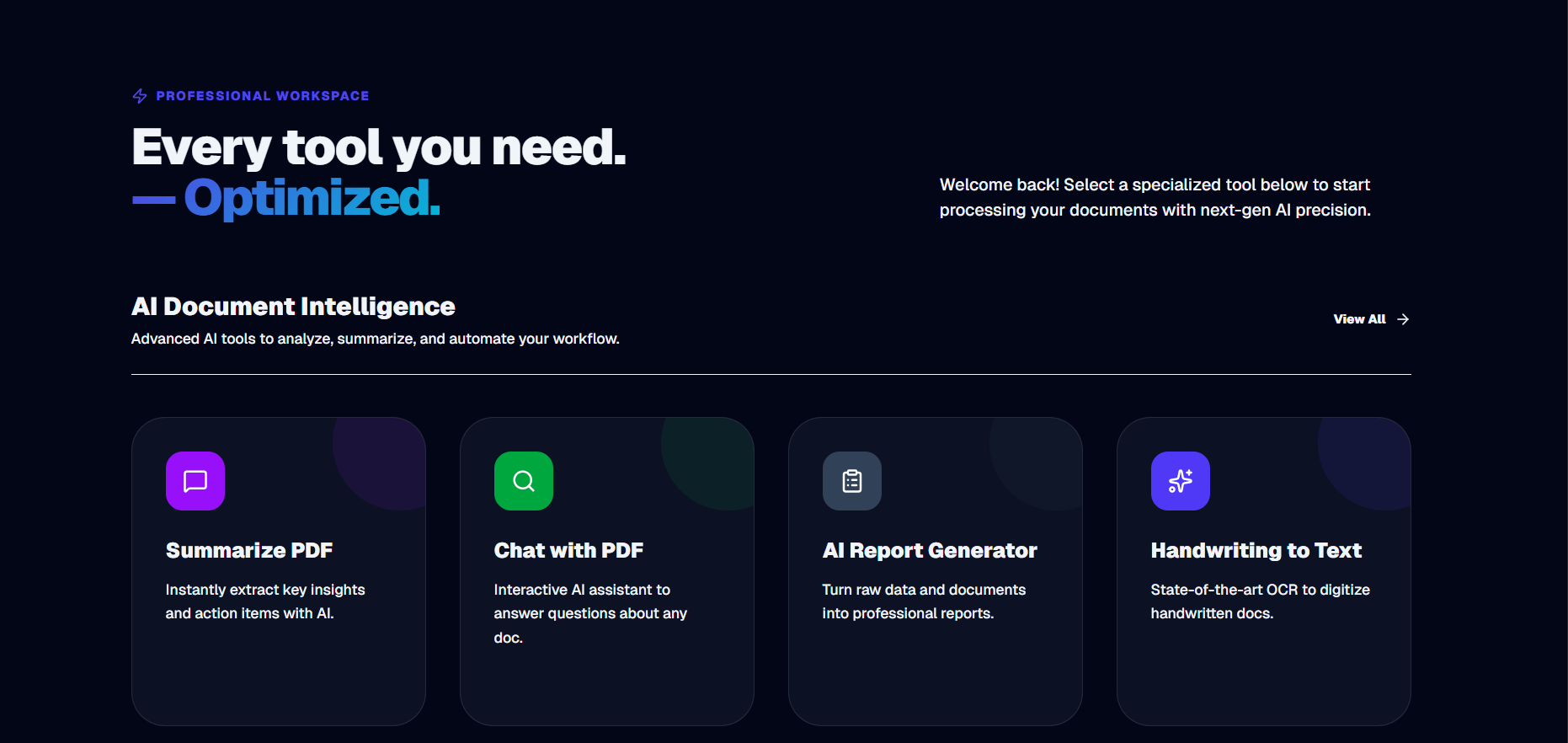
tools
Inspiration
Students, professionals, and teams waste time jumping between multiple tools for PDFs, conversions, OCR, and editing. We wanted to build one AI-powered platform that handles all document tasks seamlessly in a single workspace.
What it does
SmartDocAI is an all-in-one AI document platform that lets users edit PDFs, perform OCR, convert files, manage signatures, and automate document workflows—without switching between different tools.
How we built it
We built SmartDocAI using Next.js for the frontend and FastAPI for the backend. PDF rendering and editing use canvas-based techniques, while OCR and AI processing run on the backend. The system is deployed using Vercel (frontend) and Render (backend) with a clean API-driven architecture.
Challenges we ran into
Making PDF edits look native and original
Handling Linux-compatible document conversion
Managing large file uploads and processing delays
Debugging deployment issues across Docker, Vercel, and Render
Ensuring smooth frontend–backend communication (CORS, env vars)
Accomplishments that we're proud of
Successfully deployed a full-stack AI document system
Integrated OCR, PDF editing, and automation in one platform
Solved real-world deployment and system-level challenges
Built a production-style architecture within hackathon time
What we learned
Real-world document systems are more complex than they look
Cross-platform compatibility matters in production
Clean API design and deployment planning save huge time
AI is most powerful when combined with strong system design
What's next for SmartDocAI
AI-powered automatic form detection
Advanced native-font PDF editing
Smarter document summarization and analytics
User authentication and file history
Scaling the platform for enterprise and education use cases
Built With
- docker
- fabric.js
- fastapi
- javascript
- next.js
- pdf.js
- pymupdf
- python
- react
- render
- typescript
- vercel

Log in or sign up for Devpost to join the conversation.