-
-
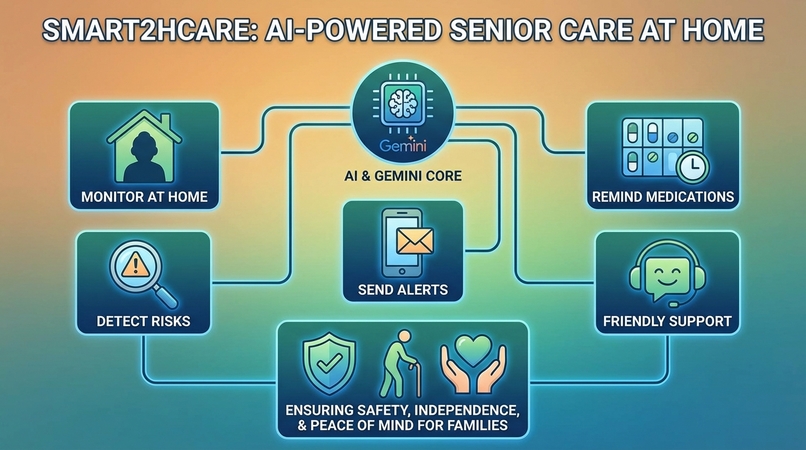
fonctions
-
-
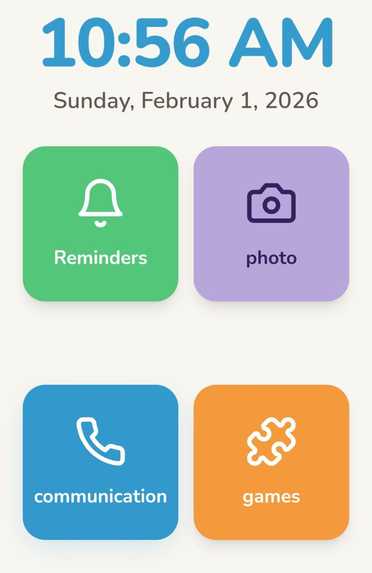
user interface
-
group mediation
-
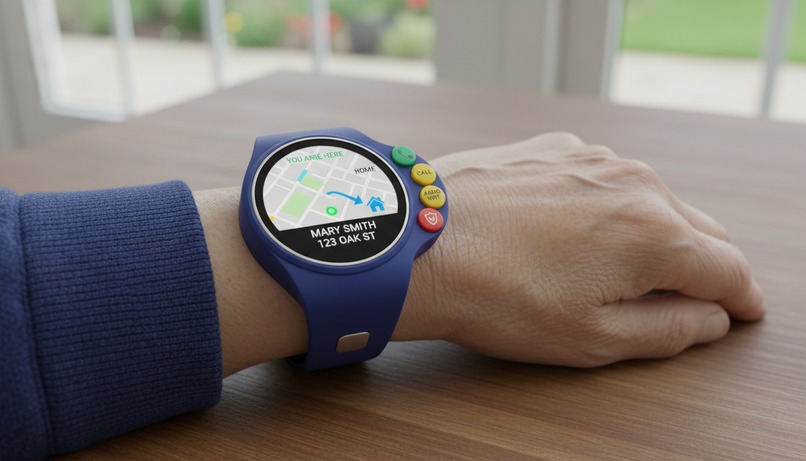
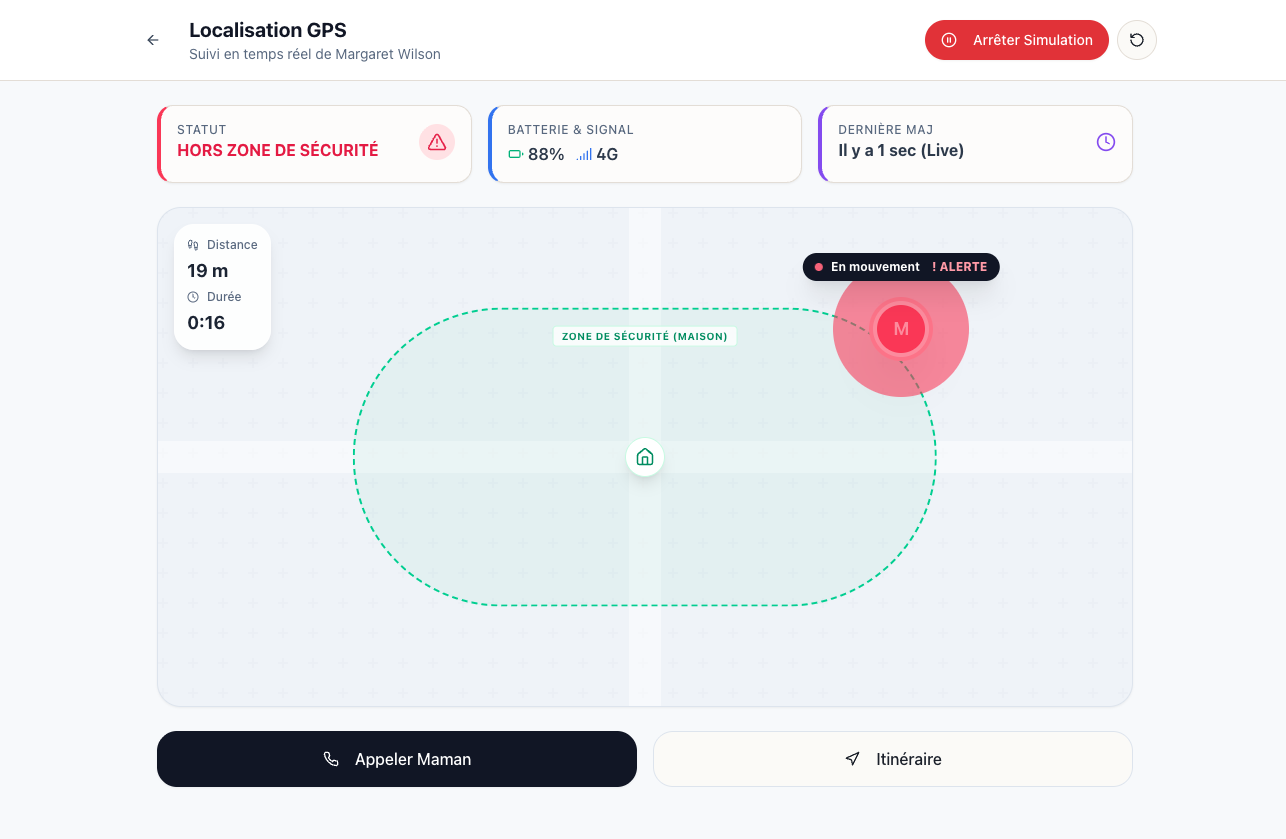
smart GPS
-
-
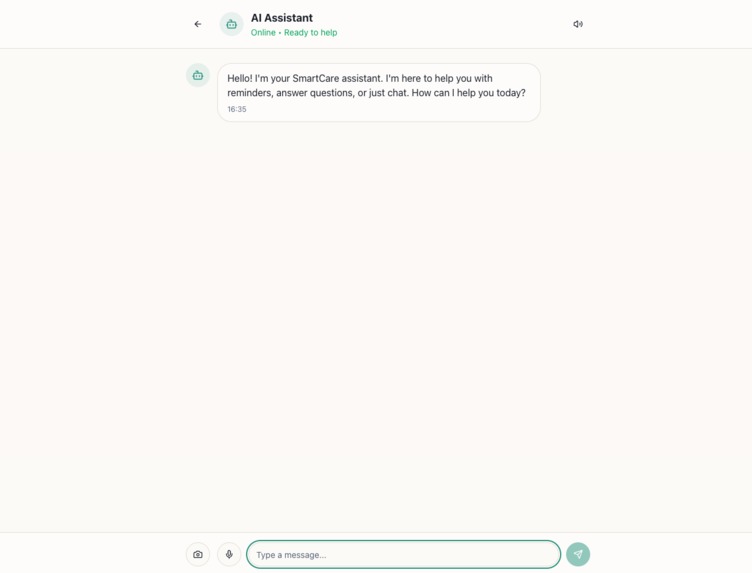
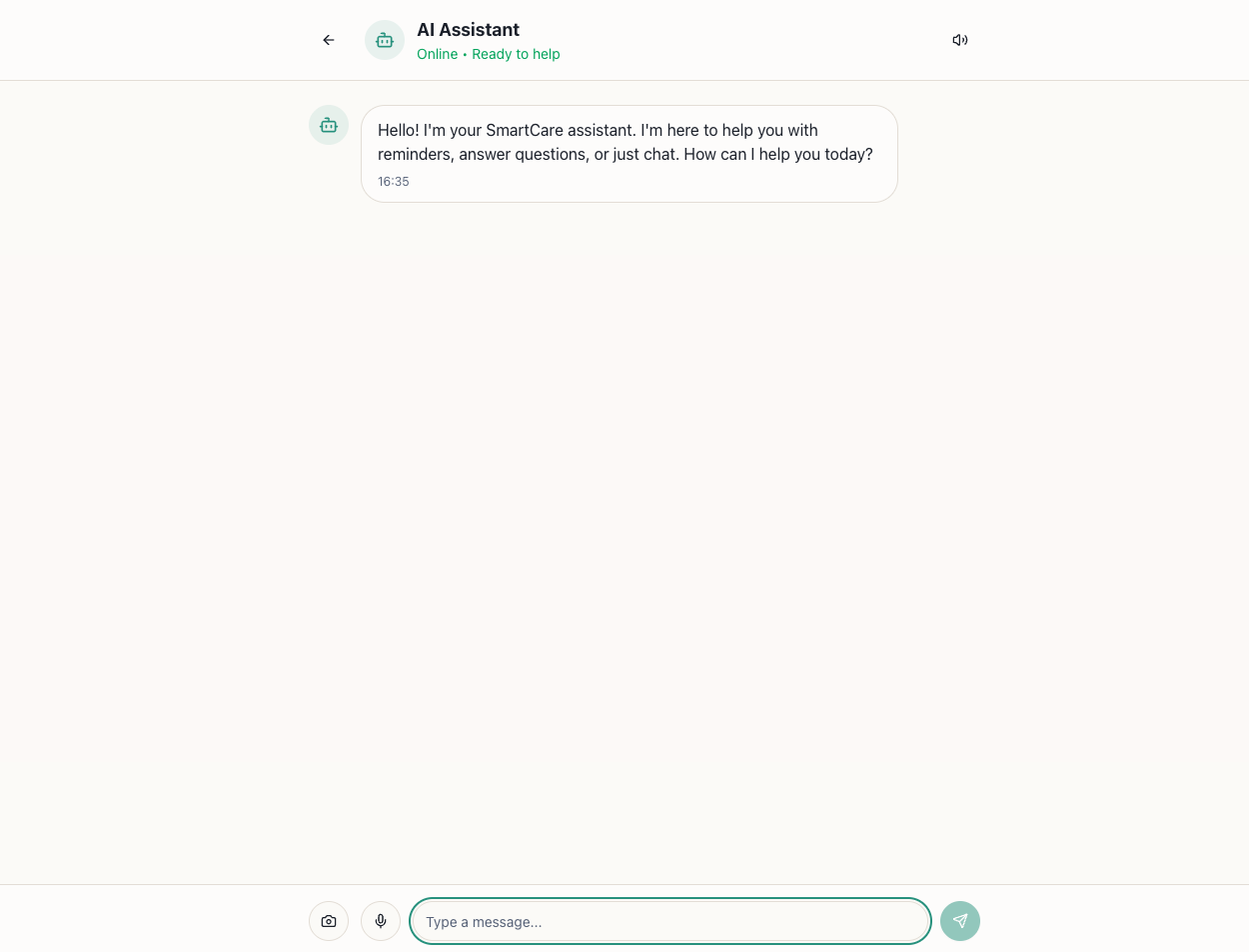
AI chat
-
-
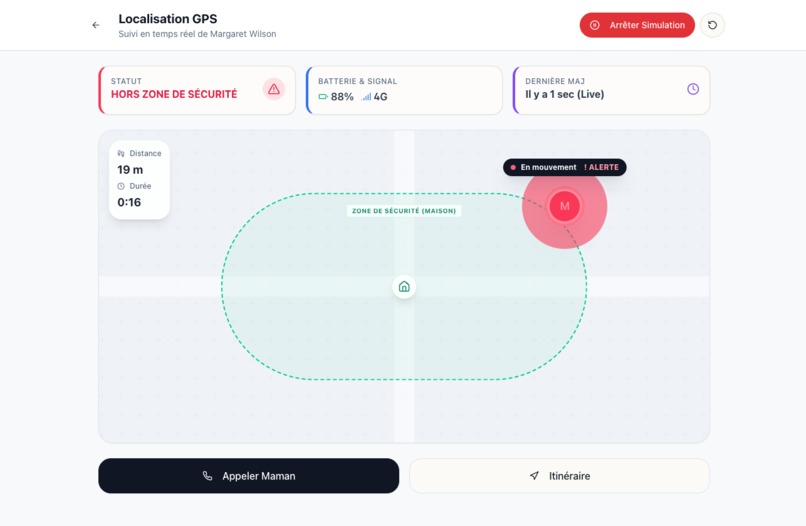
GPS notification
-
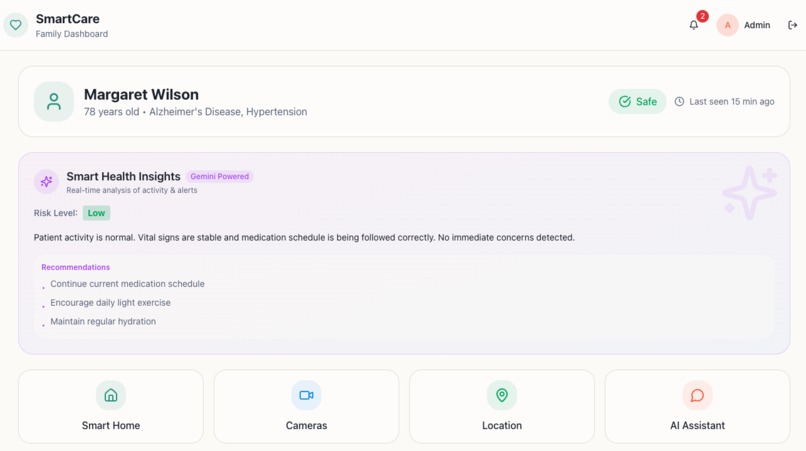
Gemini Health status
-
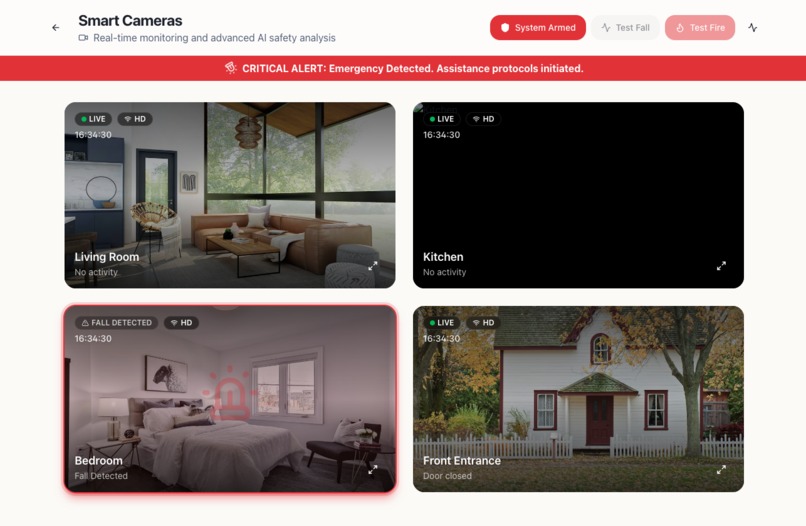
notification alert
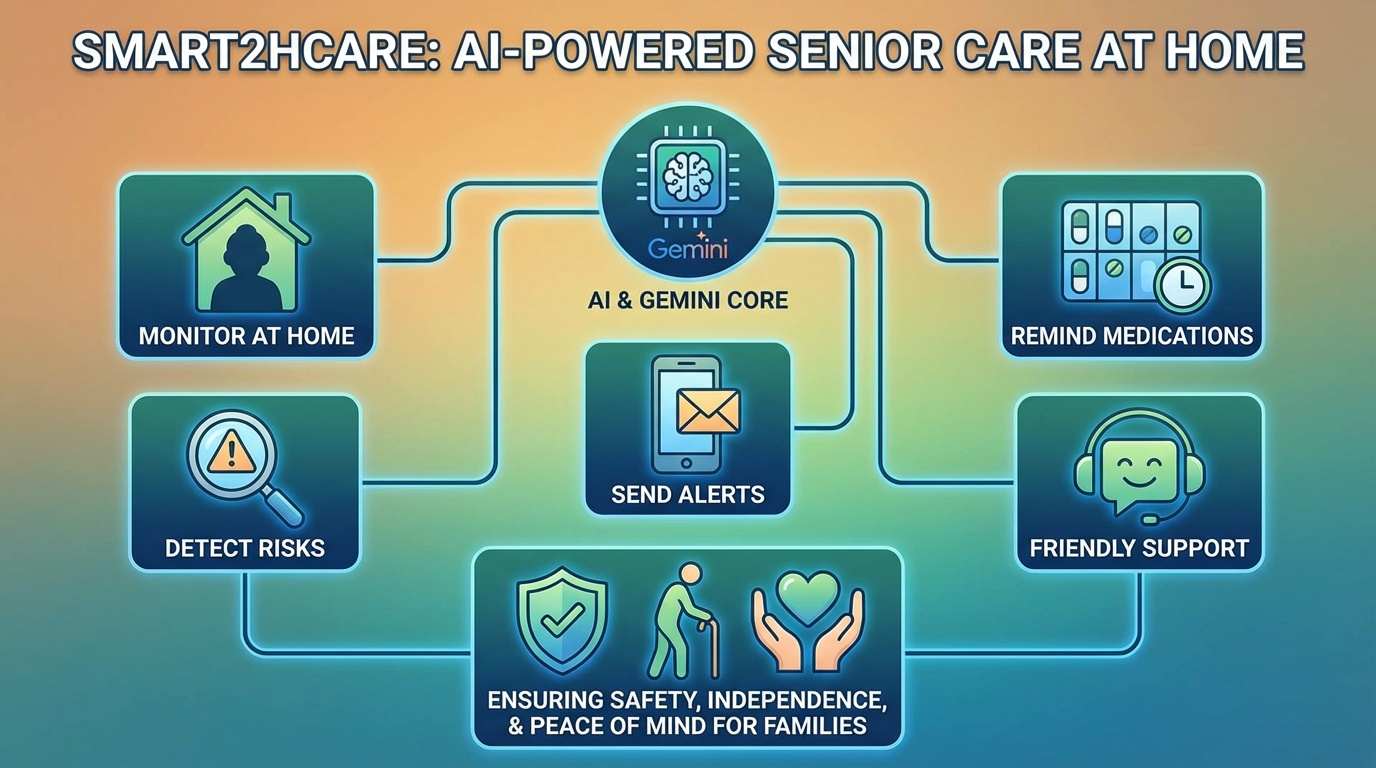
Inspiration
Faced with this anxiety shared by so many families, I wanted to contribute to a concrete solution. I realized that technology, and specifically Gemini AI, could be that vigilant "companion" that restores serenity and security, transforming anxious surveillance into connected benevolence. SmartCare Companion is my answer to protect those who raised us. A Universal Reality What I experience with my mother is not an isolated case; it is the reflection of a silent global crisis. By 2050, the number of people aged over 65 will double to reach 1.6 billion, and dementia cases are expected to triple, affecting 153 million people worldwide.
Already today, millions of family caregivers bear this burden, often at the cost of their own health. SmartCare Companion was designed with this scale in mind: moving from a solution for "my" family to a tool capable of supporting the millions of households living this same reality, offering them the respite and security they deserve.
What it does
SmartCare Companion is a dual-interface application designed for both caregivers (Admin) and seniors (Patient):
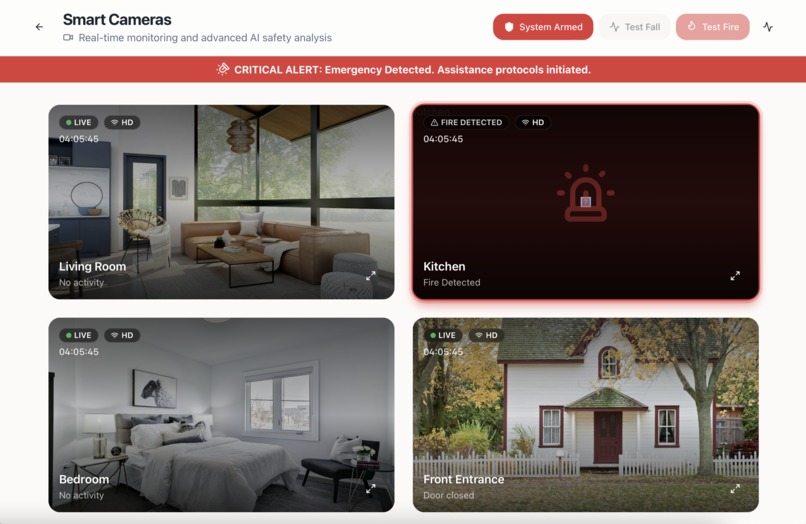
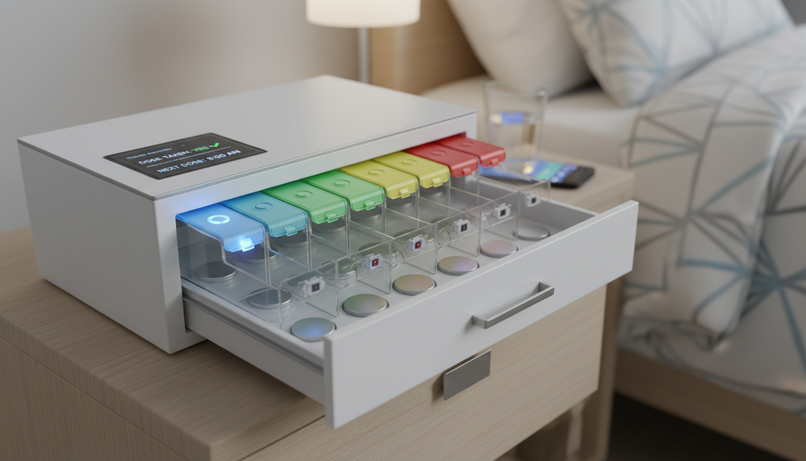
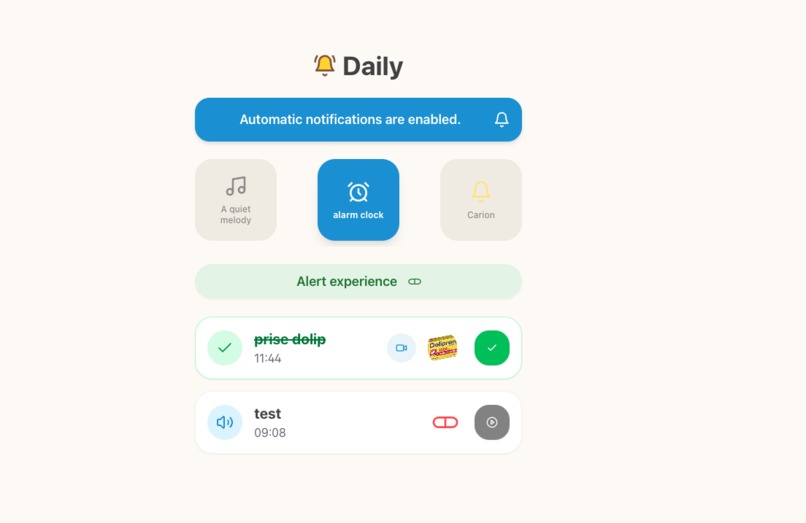
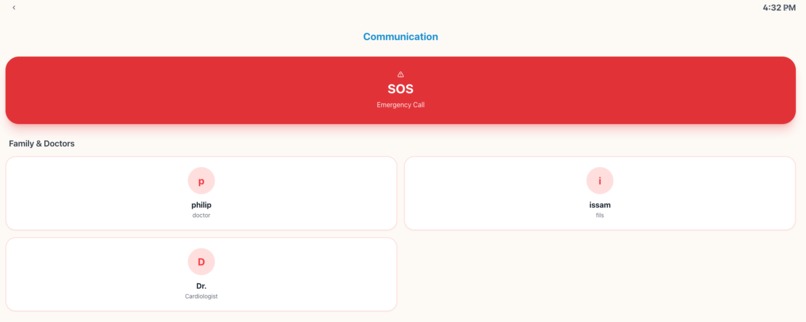
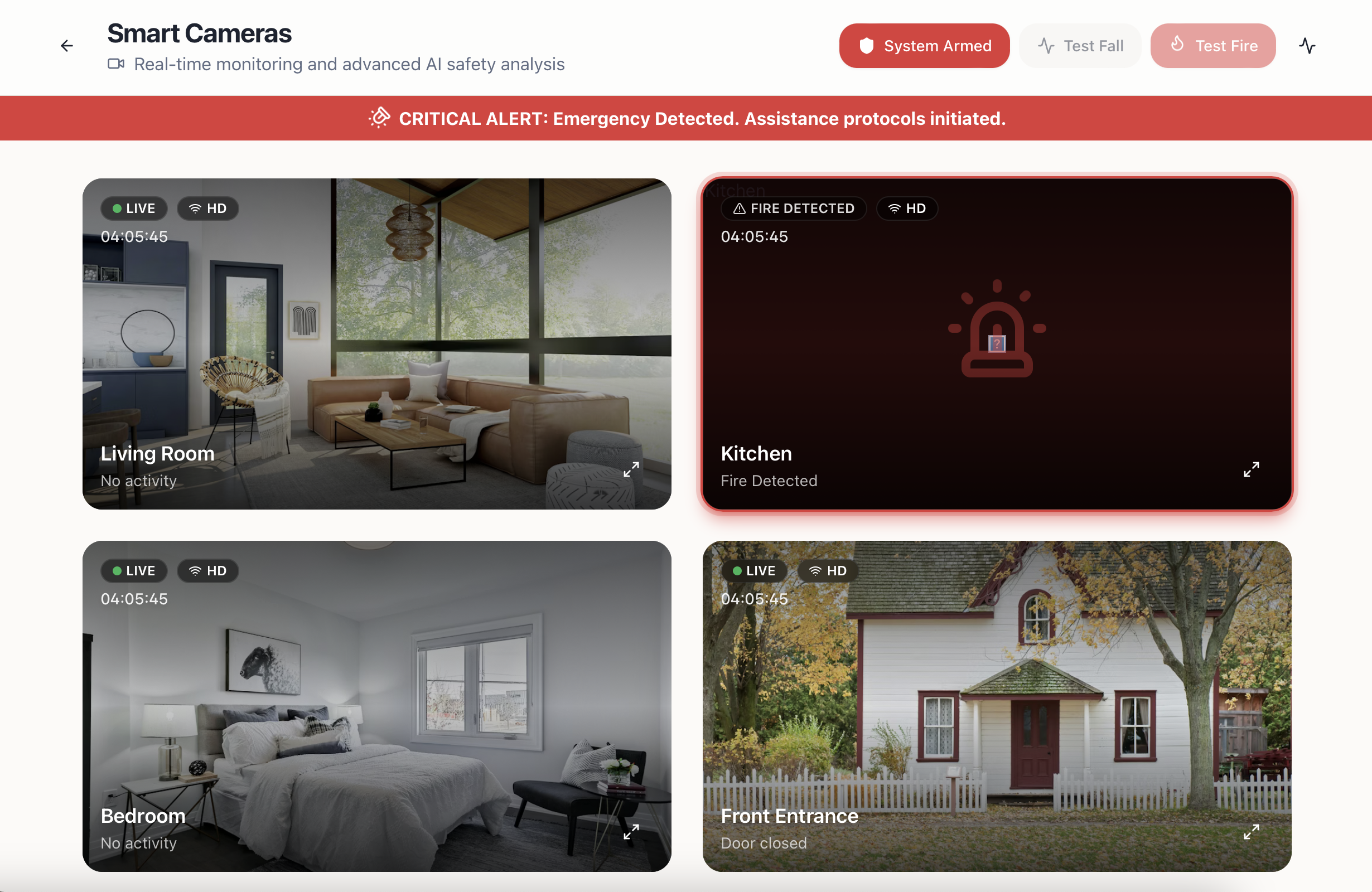
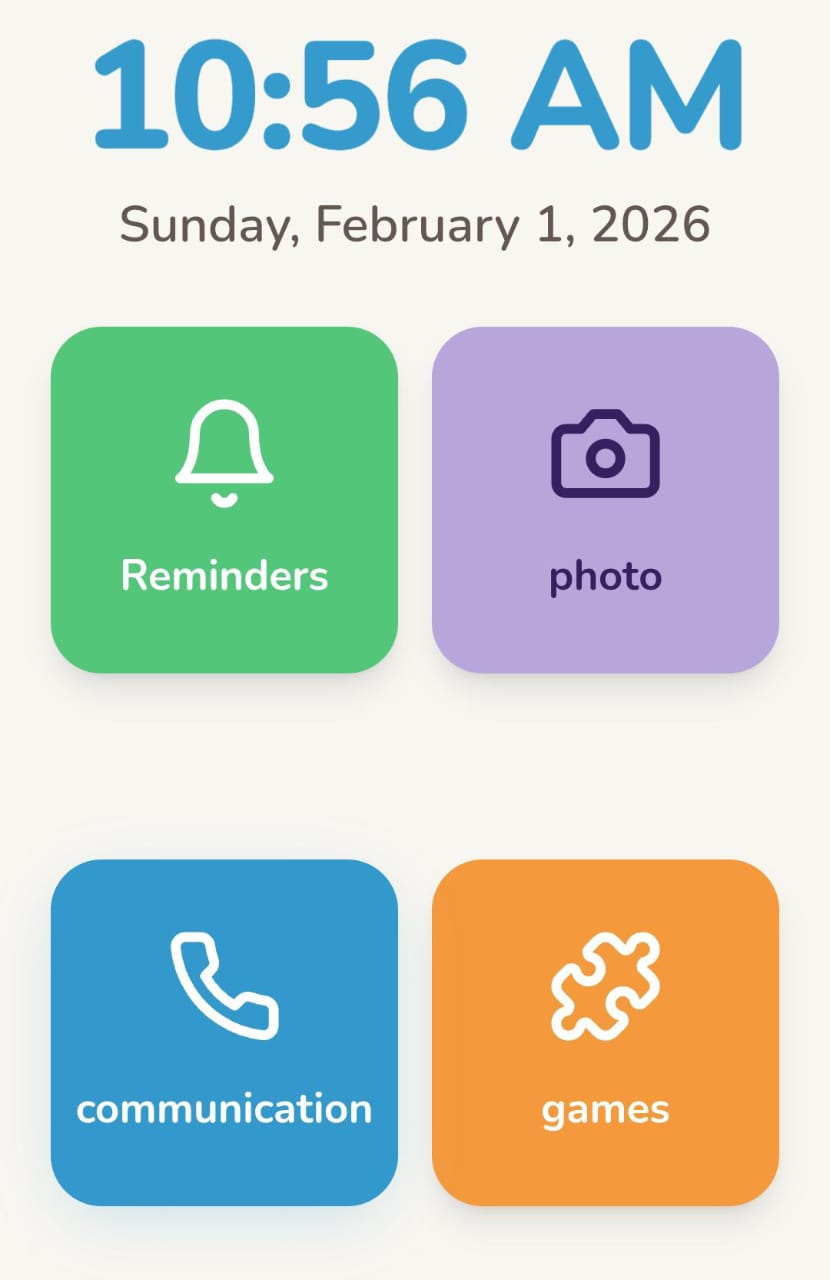
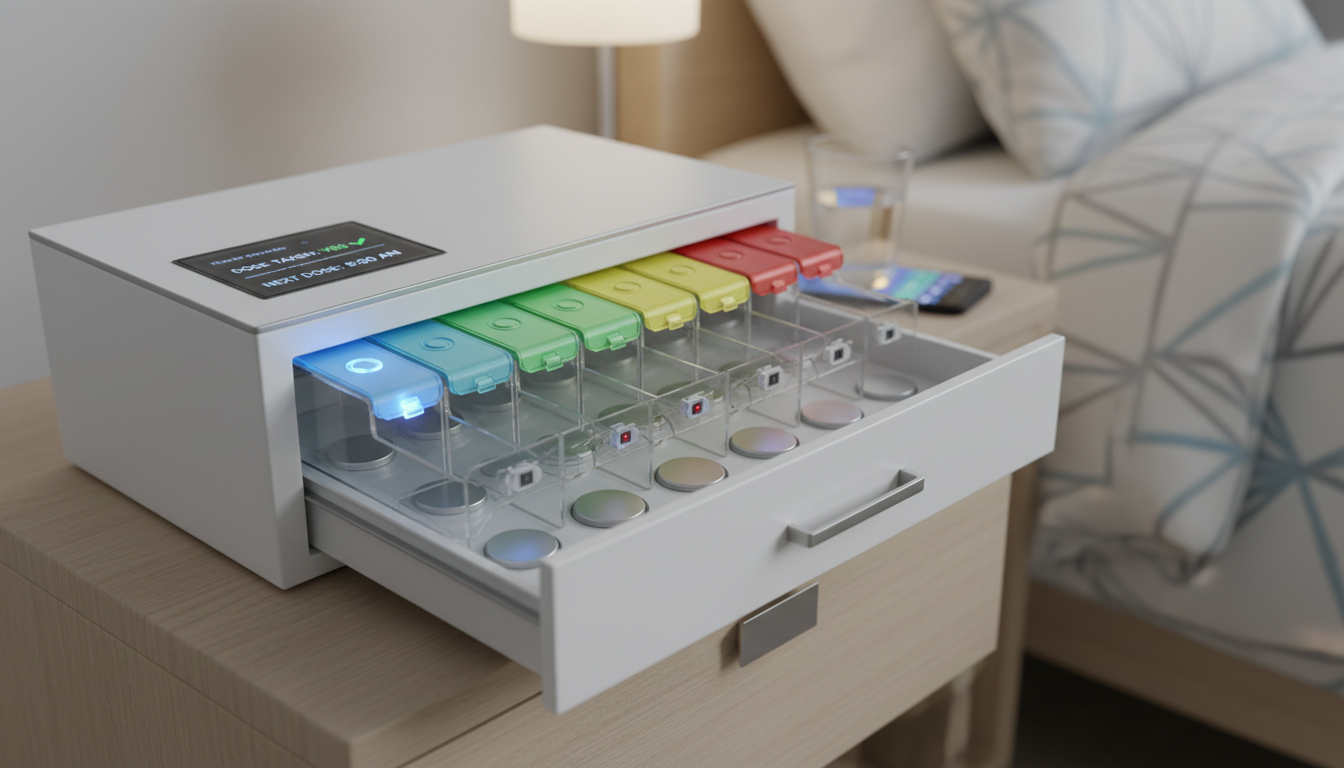
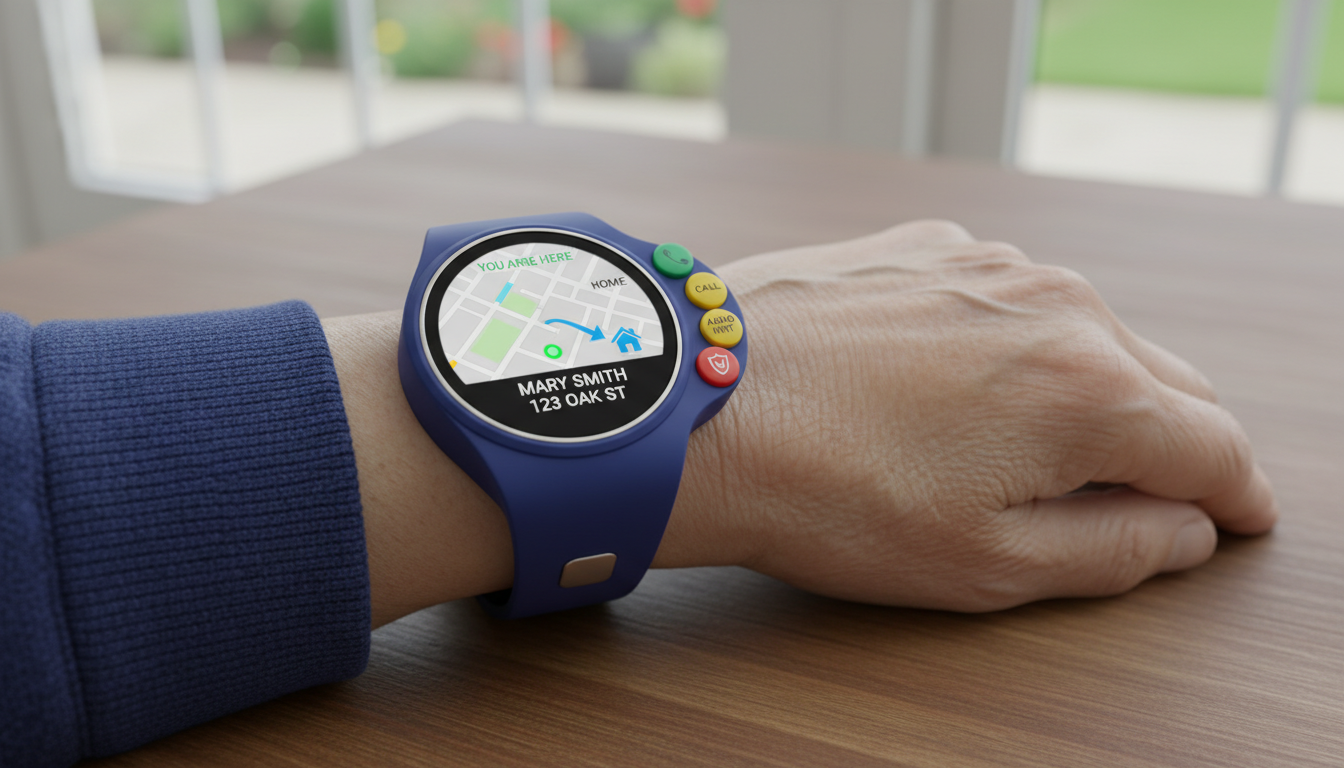
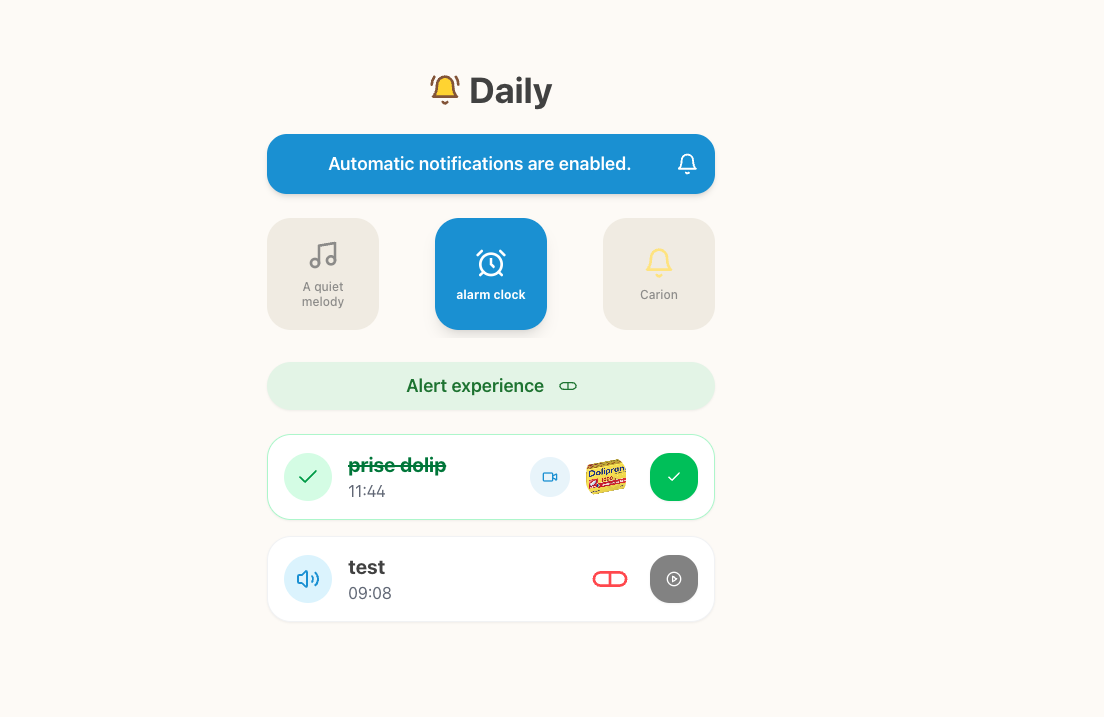
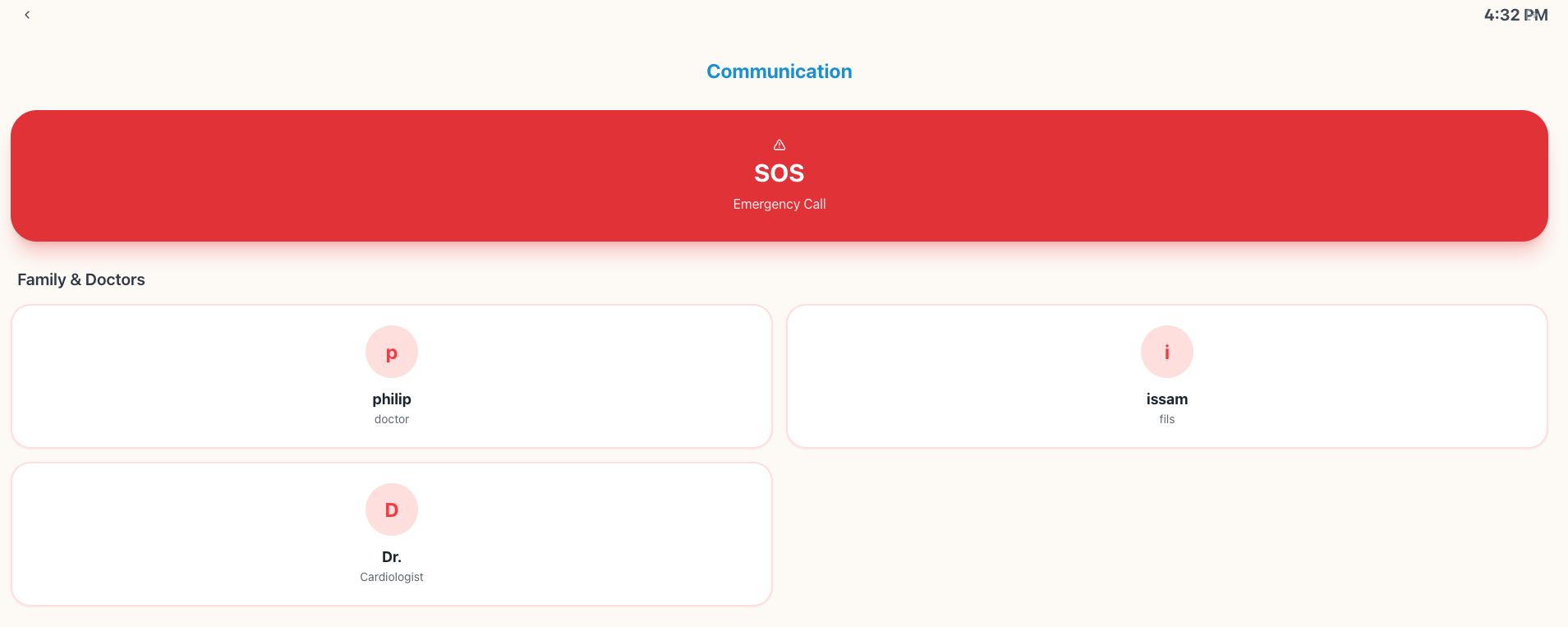
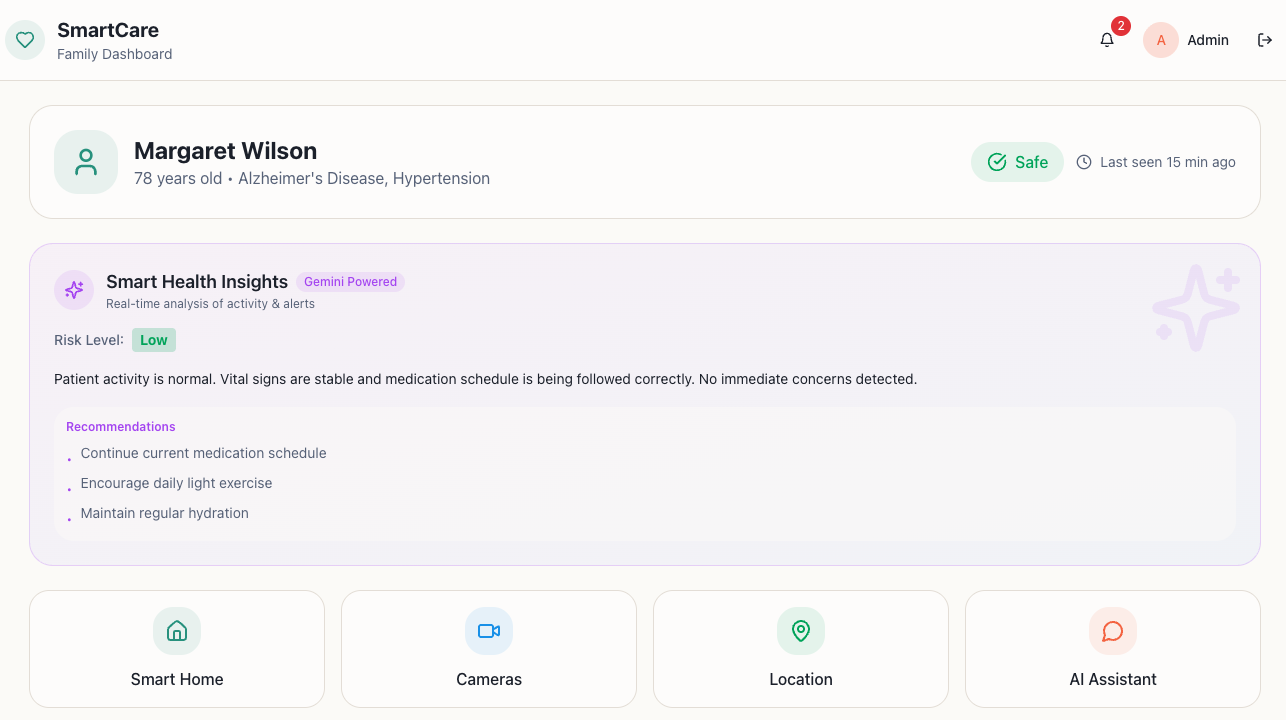
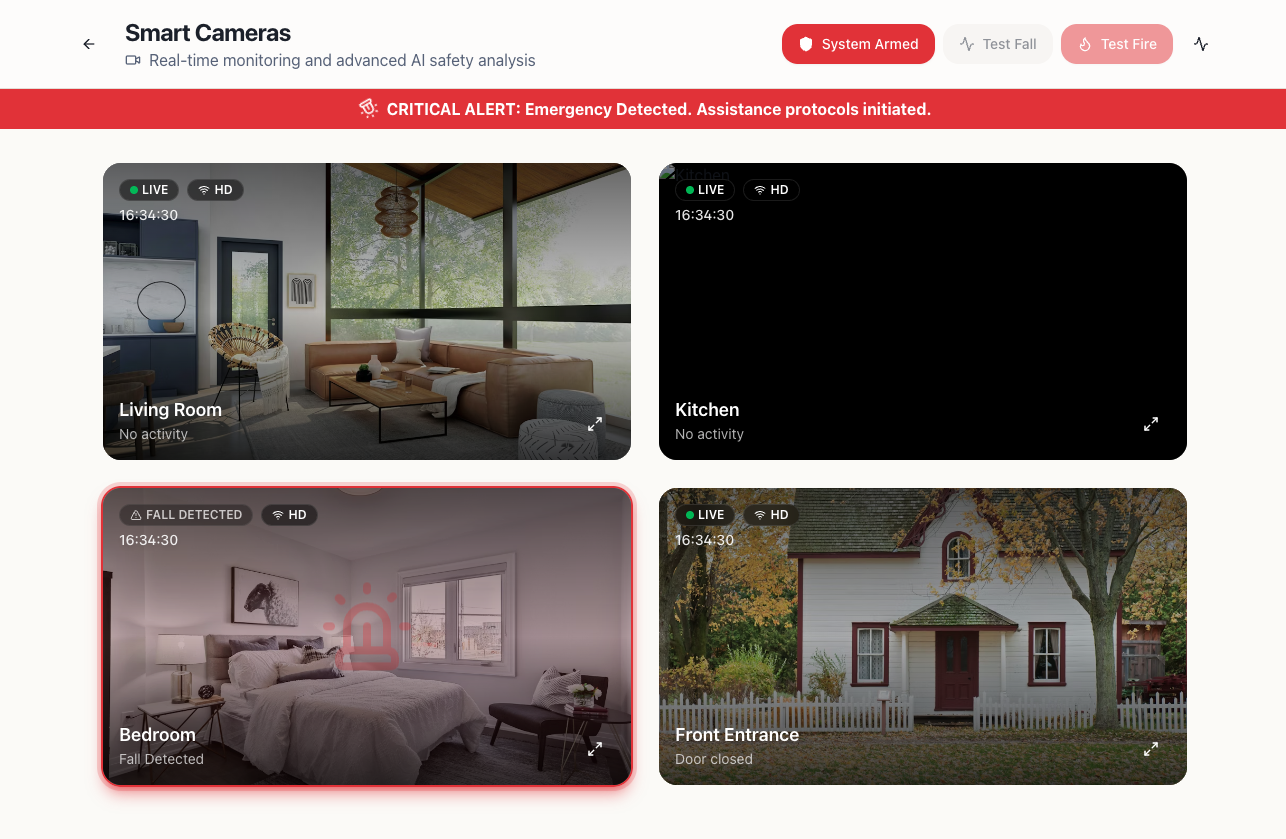
For the Senior (Patient Mode): A simplified, high-contrast interface with large buttons. It provides one-tap access to essential features like: Reminders: Visual cues for medication and daily tasks. Communication: Easy video calling and messaging. Games: Cognitive exercises to keep the mind active. Photo Album: A digital frame to feel connected to family. For the Caregiver (Admin Mode): A comprehensive dashboard providing real-time insights: Health Monitoring: Vital signs tracking and medication adherence logs. Smart Home Integration: Status of doors, lights, and appliances (e.g., "Kitchen Gas Detector", "Bedroom Fall Sensor"). AI Insights: Powered by Gemini, it analyzes daily patterns to detect anomalies (like low activity or missed medication) and provides actionable health recommendations. Alert System: Instant notifications for critical events like falls or gas leaks.
How we built it
I built SmartCare Companion using a modern, robust full-stack architecture:
Frontend: Built with React and Vite for a fast, responsive user experience. I used Tailwind CSS and shadcn/ui to create a beautiful, accessible design system that works well on tablets (for seniors) and desktops (for admins). Backend: A Node.js and Express server handles API requests, serving as the bridge between the frontend and my data. Database: I utilized MySQL for structured data storage, ensuring reliable management of patient profiles, medication schedules, and device logs. AI Integration: I integrated Google Gemini AI to process health and activity data, turning raw logs into meaningful summaries and "Risk Level" assessments for caregivers. Smart Features: I implemented a mock IoT layer to simulate smart home device data, allowing me to test and demonstrate full ecosystem integration.
Challenges we ran into
User Experience Duality: Designing a single app that caters to two vastly different user groups (tech-savvy admins vs. non-tech-savvy seniors) was a major design hurdle. I solved this by implementing a distinct "Mode" system with completely different UI paradigms. Full-Stack Integration: Connecting the React frontend with the Node.js/MySQL backend involved complex debugging, particularly with CORS policies, port management (ensuring the frontend proxy talk to the backend correctly), and environment configuration across different development setups. Real-time Data Sync: Ensuring that alerts and status updates on the dashboard felt "live" without overwhelming the server required careful state management and polling strategies. Deployment: configuring the application for deployment involved ensuring that the database connection strings and environment variables were correctly managed across local and production environments.## Accomplishments that we're proud of The "Zero-Friction" Login: I successfully simplified the access control to a passwordless, role-based entry system. This removes barriers for seniors and allows quick access for caregivers in emergencies. AI-Driven Insights: Successfully integrating Gemini to provide "Smart Health Insights" that actually read data from my database and generate human-readable summaries is a standout feature. Resilient Architecture: Overcoming the backend connection issues to build a stable system where the frontend gracefully handles loading states and data fetching. Visual Design: Creating a warm, non-clinical aesthetic ("Care Mama") that feels like a home product rather than a hospital tool.
What we learned
Empathy in Engineering: Building for seniors taught me that "less is more." Every extra click is a barrier. Accessibility isn't just a feature; it's the core product. The Power of AI in Health: I learned that AI can be a powerful partner in care, not just effectively analyzing data but also providing "peace of mind" by interpreting what that data means for a non-medical family member. Full-Stack Complexity: I deepened my understanding of the intricacies of connecting modern frontend frameworks with traditional relational databases and the importance of robust API error handling.
What's next for smartcodai
Mobile App Development: Porting the "Patient Mode" to a tablet-native app and the "Admin Mode" to a mobile phone app for alerting on the go. Real Hardware Integration: Replacing my mock IoT layer with APIs for real smart home devices (like Philips Hue, Google Nest, or focused medical devices). Voice Interface: Implementing a full voice assistant for the Patient mode so seniors can ask for help or call family just by speaking. Telehealth Integration: Adding direct integration with healthcare providers so doctors can view the "Admin Dashboard" data remotely.


Log in or sign up for Devpost to join the conversation.