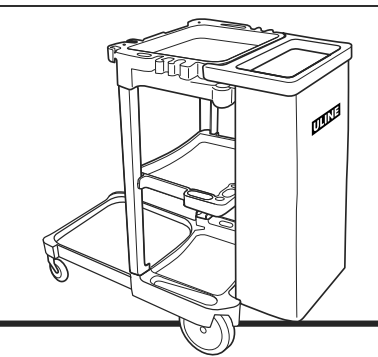
The Origin: Eight Years on the Front LinesThe vision for this project began long before I was a Computer Science major. At 18, fresh out of high school, I began working as a janitor—a role I would hold for eight years. Every night, I saw the same heartbreaking failure of our current systems: a single half-full coffee cup thrown into a recycling bin would leak, soaking through the paper and cardboard, effectively turning an entire bag of potentially high-value material into trash.I spent those years wishing there was a way to intercept that contamination at the source, rather than watching tonnes of resources get hauled to a landfill due to a simple human error. I saw the "Purity Gap" before I had the technical language to name it.
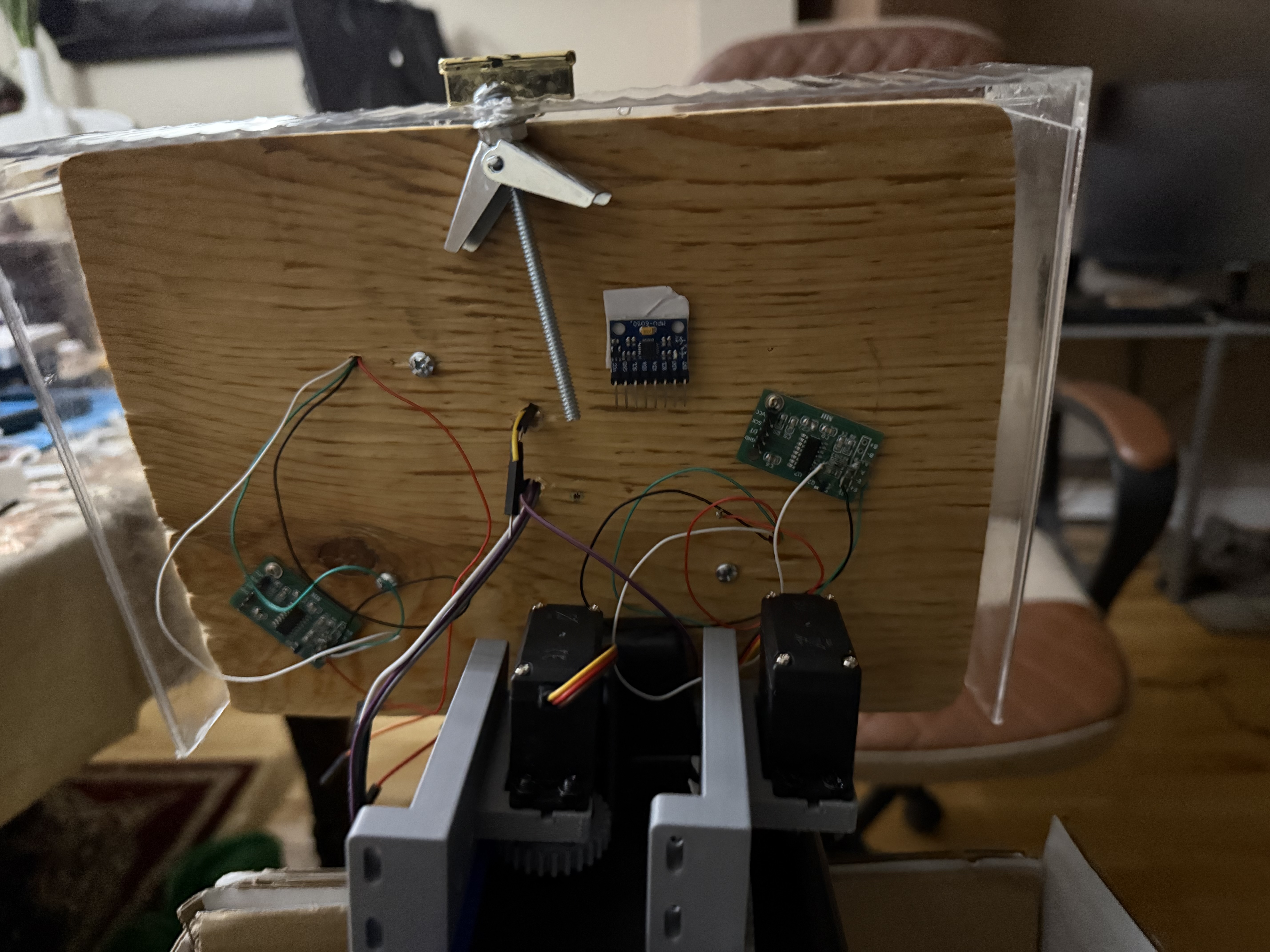
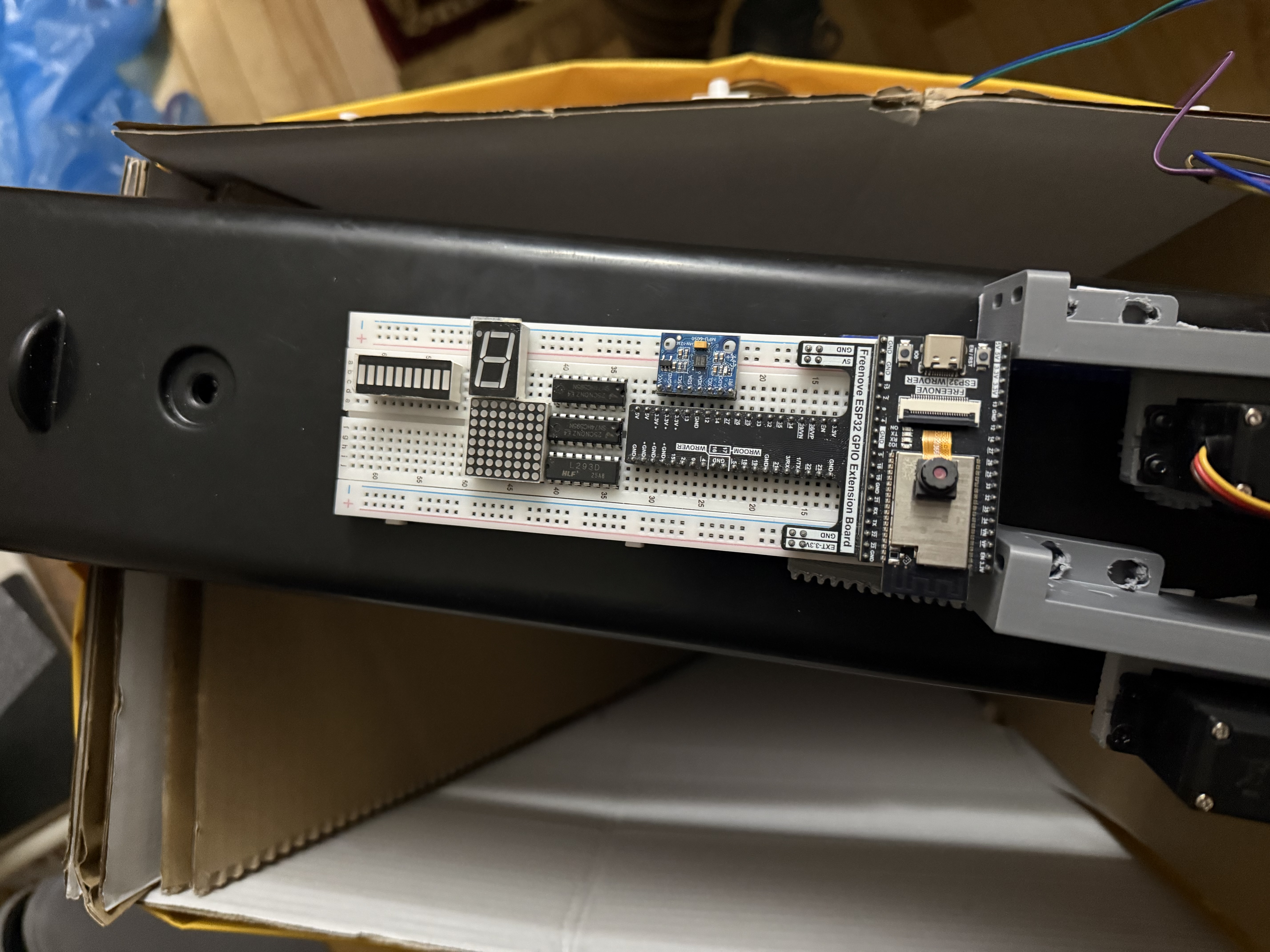
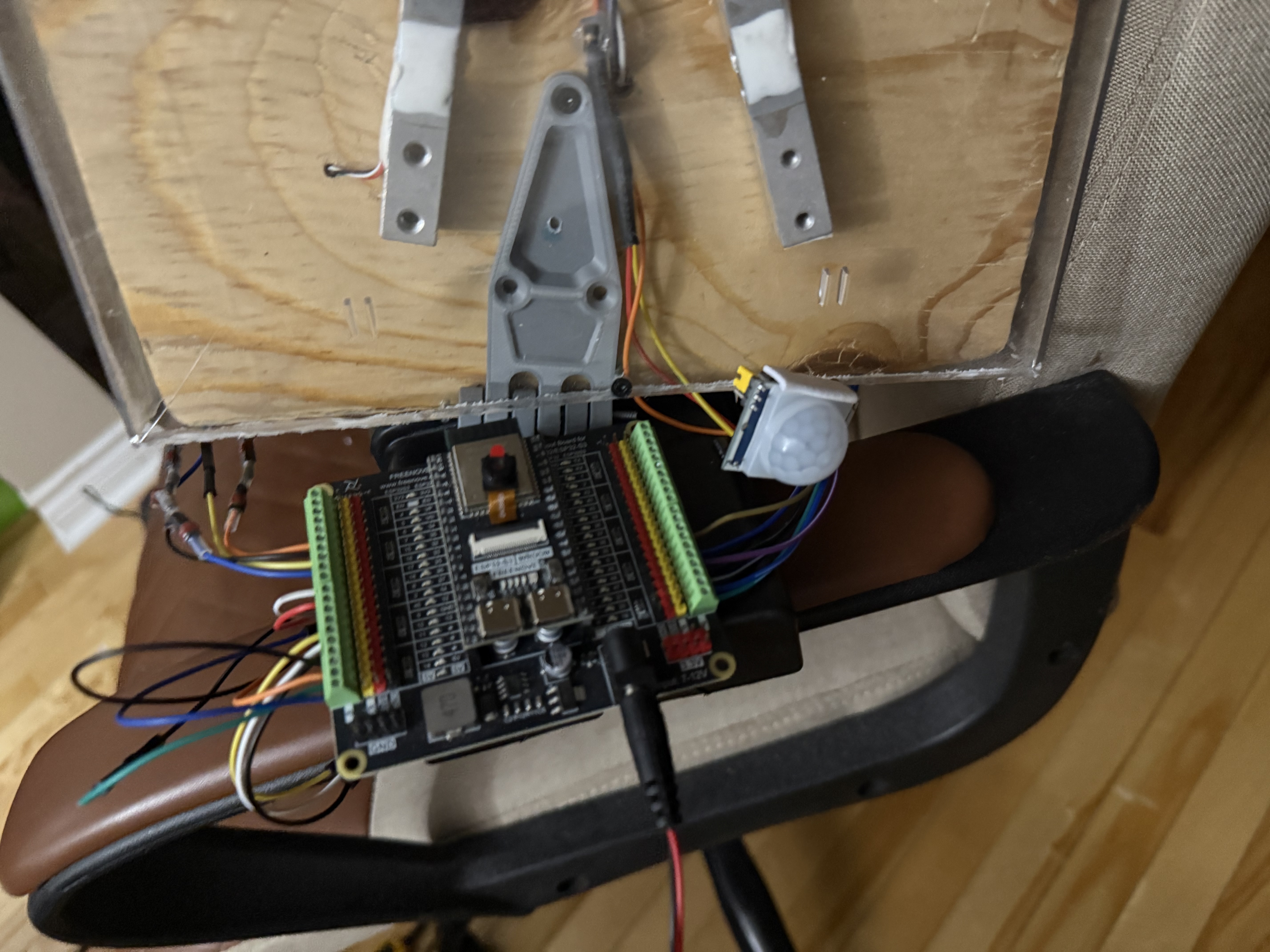
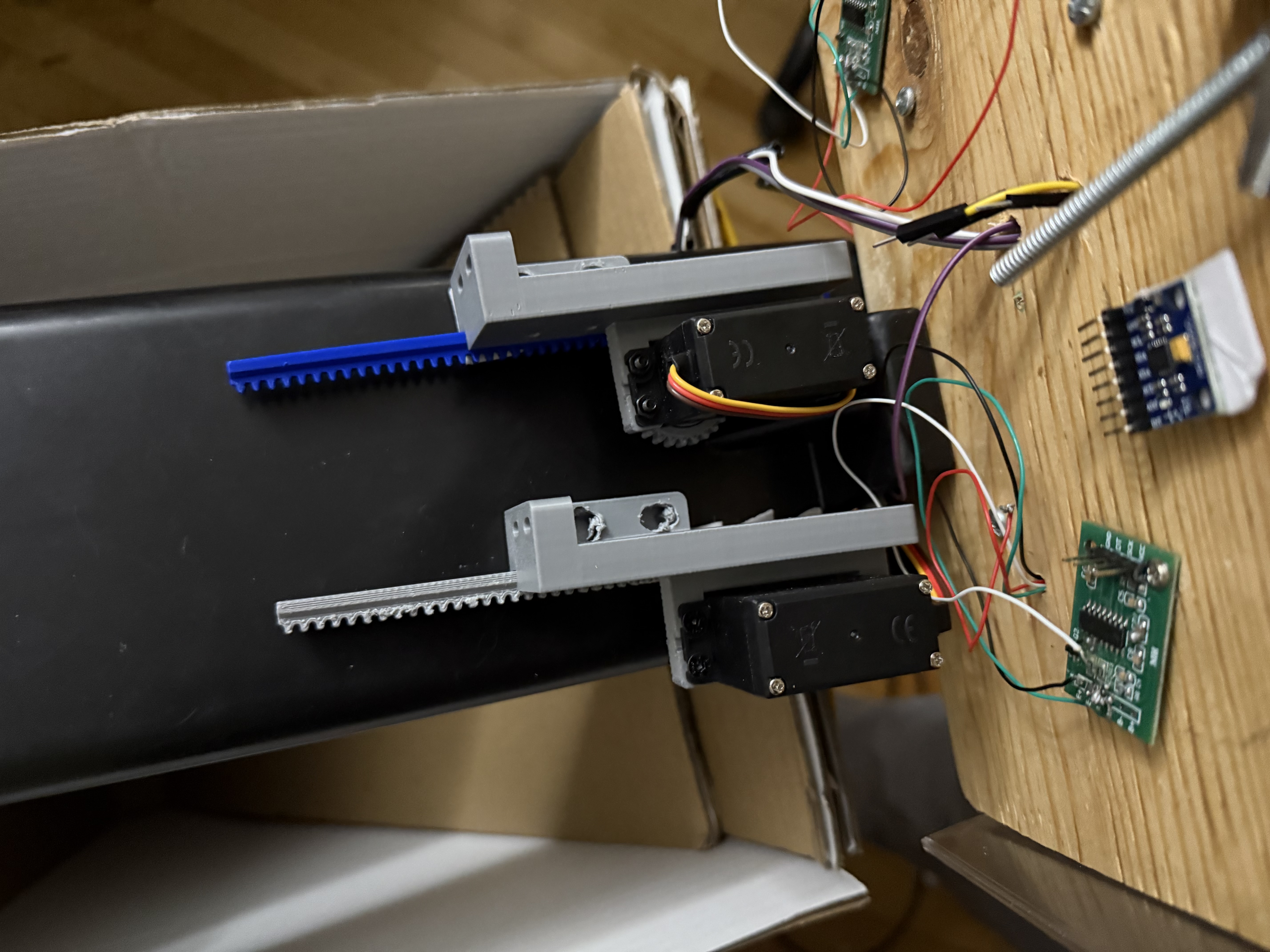
The Problem: A $2.8 Billion Failure Manual sorting is a global challenge where contamination rates typically hover around 25–30%, resulting in an annual loss of approximately $2.8 billion. In cities like Edmonton, winter moisture and liquid leaks often zero out the value of paper fiber entirely. The standard municipal bin is a passive recipient of mixed waste, which is high-risk and frequently rejected by processing facilities. The Technical Climb: Building the "Smart Spine"Transitioning that wish into a functional prototype involved overcoming significant technical hurdles. The project required a "Cyber-Physical Loop" that could think and act faster than a human could drop an item. The Deterministic Handshake: One of the greatest challenges was ensuring the system didn't just "guess" using AI. I had to develop a handshake between an ESP32-S3 (handling vision) and an ESP32-WROVER (handling physics) to cross-verify every item. Power Management: Managing high-torque Fujitora servos alongside sensitive AI microcontrollers led to frequent "brownout" risks. I had to design a split-rail power architecture to isolate the noisy motor current from the clean logic required for sub-150ms inference. The Scavenger's Workshop: When my soldering iron broke and components were scarce, I had to scavenge parts from old laptops and garage electronics to maintain the integrity of the sensors. The Breakthrough: Municipal Excitement The project truly transitioned from a prototype to a "Refinery-as-a-Service" when I presented the Smart Chutes v2.0 to the Edmonton Mayor’s office and City Council. The excitement was immediate. Municipal leaders recognized that a system with a <2% contamination rate isn't just a better bin—it's a resource generator. By ensuring food-grade quality for aluminum (increasing scrap value from $750 to $1,150/tone) and protecting dry fiber, the system provides a projected net impact of +$3,346 per bin annually. This technical rigor led to discussions about a 30-day pilot at HUB Mall and the implementation of a "Campus Spine" network at the University of Alberta. The Future: The PLA Manufacturing Vision The ultimate goal of Smart Chutes is to close the circular loop. By guaranteeing the purity of sorted bio-polymers, we are building the foundation for a local PLA manufacturing plant. High-purity feedstock is the only way to make recycled PLA economically viable for industrial use. What began as a janitor’s wish to save a single bag of paper from a coffee spill has evolved into a deterministic infrastructure that can turn a city’s waste into its most valuable manufacturing resource. We aren't just sorting; we are refining.

Log in or sign up for Devpost to join the conversation.