-
-
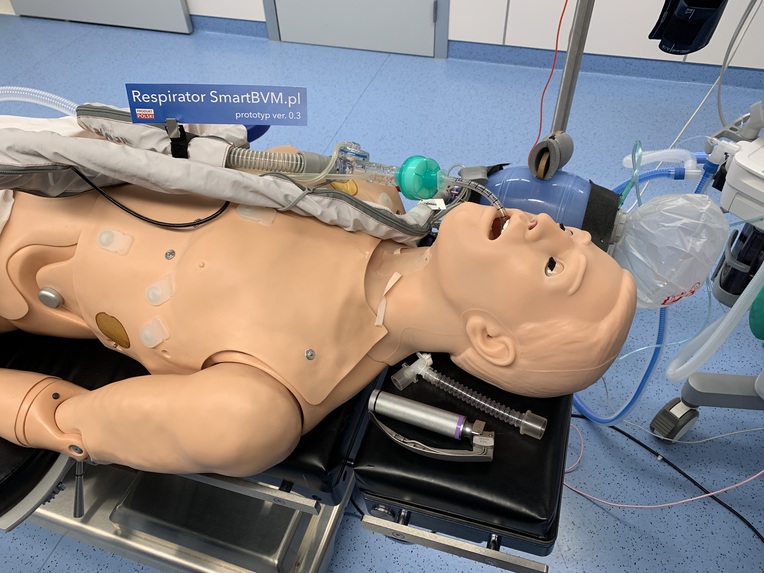
Prototype being tested on a medical phantom
-
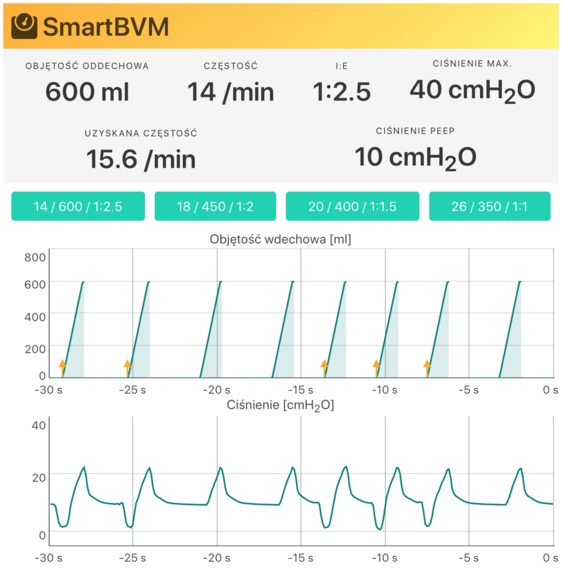
Remote monitoring of patient's ventilation parameters
-
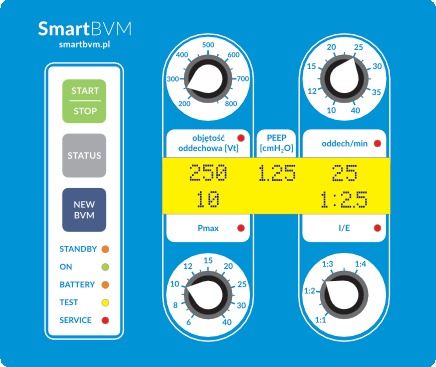
A knob-based interface optimized for use by doctors and paramedics (without additional training)


Inspiration
We got inspired by the MIT ventilator project from 2010 and the more recent RICE project.
What it does
In two weeks we designed and tested a ventilator which can work in VCV (volume) and PCV (pressure) modes, supports PEEP setting, supports SIMV (synchronization to patient initiated breathing). It runs only on electrical power without requiring a compressed gas source but supports O2 enriched ventilation if oxygen is available. We also added a non-standard experimental mode which auto adjust Breaths Per Minute to achieve constant Minute Ventilation without exceeding pressure limits and endangering patient safety.
How we built it
We built a prototype using readily available electronic components and sensors. Everything which has contact with the air going into the patients lungs is built using fully certified medical components. (no 3D printed valves, adapters or bellows) The user interface is based on physical knobs and uses standard labels and UX idioms that are familiar to all doctors and paramedics so they do not need any additional training to use the ventilator.
Challenges we ran into
It was not trivial to support all operating modes using only the passive valves that are used in the ambu bags. The biggest challenges were the PCV mode and PEEP support while placing a standard expiration valve near the patient (to avoid adding dead-volume to the system).
Accomplishments that we're proud of
- We researched the problem and communicated early with anesthesiologists to make sure we are building something valuable.
- We built and tested the prototype (on a medical-grade phantom) in less than two weeks.
- We managed to design the ventilator using only parts that are medically certified and readily available in high volumes or may be quickly mass produced (CNC routed) without compromising on clinically important features.
What's next for SmartBVM
The epidemic situation in Poland seems under control right now and emergency ventilators may not be needed to save peoples lives. We are looking for other places and ways in which our work may help people. We are also investigating the certification process which would allow our device to be routinely used by paramedics in ambulances.
We are figuring out what other medical devices may be needed in emergency situations and could be integrated together with SmartBVM into one robust solution. We are also investigating better diagnostic functions like EtCO2 measurements and integrated pulse oximetry.
Built With
- c
- control.theory
- electronics
- javascript




Log in or sign up for Devpost to join the conversation.