
About the Project
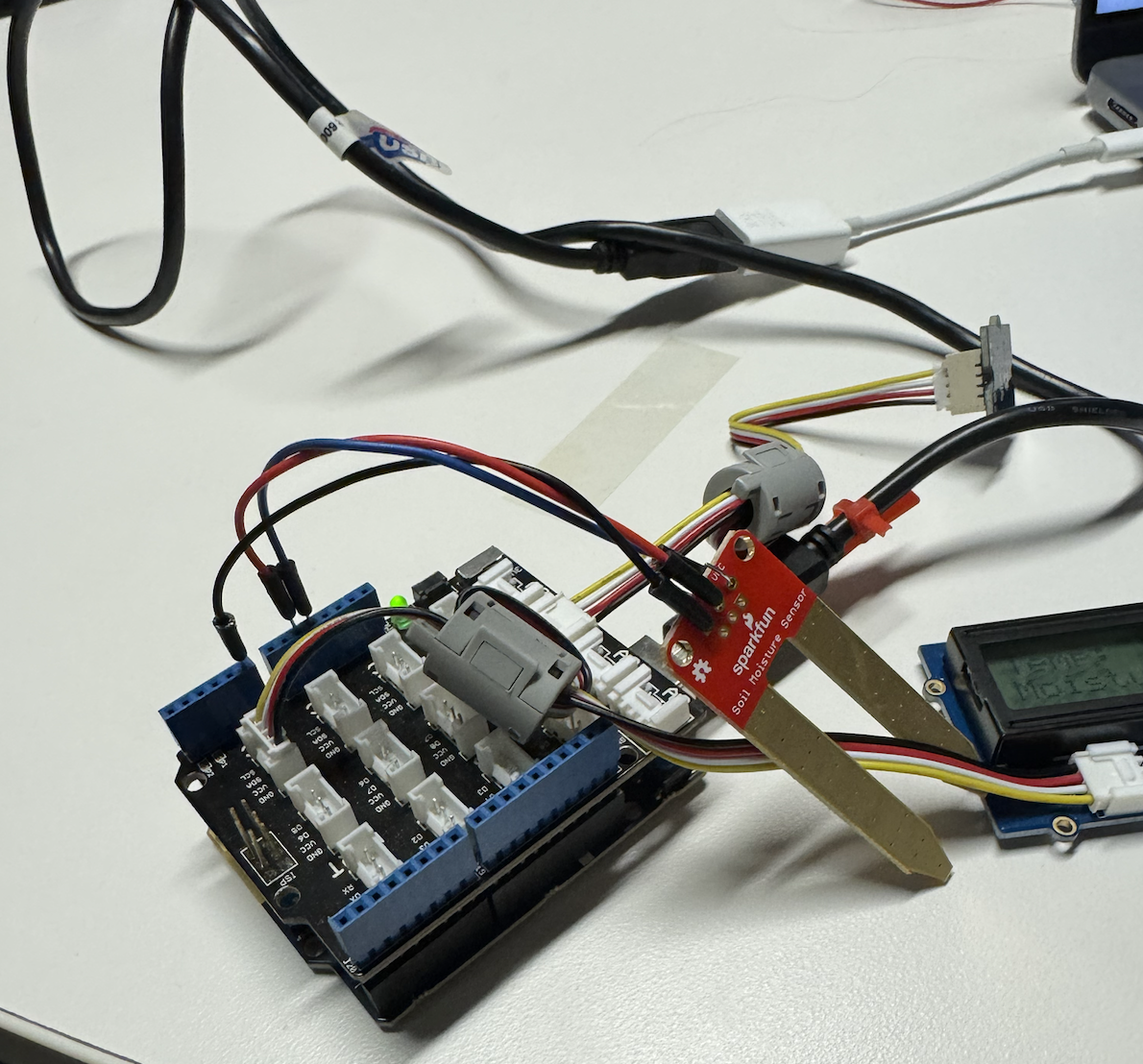
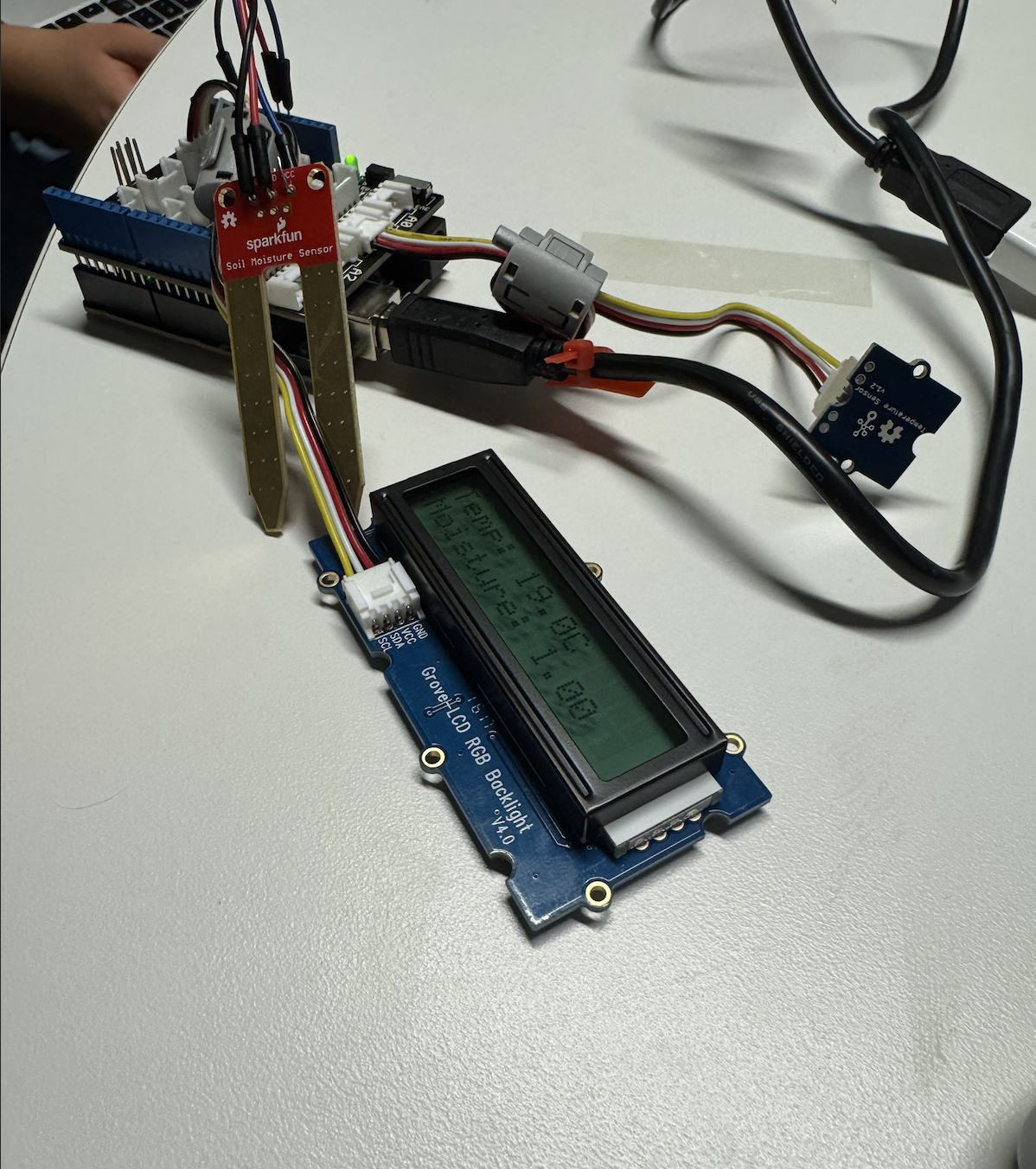
CompostIQ is an innovative project aimed at enhancing the composting experience by providing real-time monitoring of key environmental parameters within a compost bin. By leveraging sensor technology and microcontroller capabilities, CompostIQ empowers users to maintain optimal conditions for efficient composting.
Inspiration
The inspiration for CompostIQ arose from a commitment to sustainable living and waste reduction. Recognizing that effective composting requires careful management of factors like temperature and moisture, the project was conceived to assist individuals in monitoring these parameters effortlessly. The goal was to create a user-friendly solution that encourages more people to adopt composting practices by simplifying the process and ensuring successful outcomes.
What We Learned
Throughout the development of CompostIQ, several valuable lessons were learned:
- Sensor Integration: Successfully interfacing multiple sensors with the Arduino microcontroller required a deep understanding of both hardware connections and software communication protocols.
- Data Accuracy: Ensuring precise readings from the temperature and moisture sensors was crucial. This involved calibrating the sensors and implementing code to process the raw data accurately.
- User Interface Design: Designing an intuitive and informative display on the RGB LCD screen was essential for user engagement. This required thoughtful consideration of how to present data clearly and accessibly.
Development Process
The development of CompostIQ involved several key steps:
- Component Selection: Choosing appropriate sensors and hardware components was the first step. The LM35 temperature sensor and a soil moisture sensor were selected for their reliability and compatibility with the Arduino platform.
- Circuit Design and Assembly: The sensors were connected to the Arduino's analog input pins, with the LM35 connected to A1 and the soil moisture sensor to A0. The RGB LCD was connected to the appropriate digital pins to enable data display.
- Programming: The Arduino was programmed to read data from the sensors and display the information on the RGB LCD. The code was written to update the readings every two seconds, providing real-time monitoring.
- Testing and Calibration: Extensive testing was conducted to ensure the system operated correctly. This included calibrating the sensors to ensure accurate readings and adjusting the code to handle any anomalies in the data.
Challenges Faced
The development of CompostIQ presented several challenges:
- Sensor Calibration: Achieving accurate sensor readings required meticulous calibration. Variations in sensor output due to environmental factors necessitated adjustments to the code to account for these discrepancies.
- Power Management: Ensuring the system operated efficiently without excessive power consumption was a concern. This involved optimizing the code and considering power requirements of the components used.
- Data Interpretation: Translating raw sensor data into meaningful information for the user required careful consideration. This included determining threshold values for temperature and moisture levels that indicate optimal composting conditions.
Despite these challenges, the development of CompostIQ was a rewarding experience that provided valuable insights into sensor integration, real-time data monitoring, and the importance of user-centric design in environmental technology projects.

Log in or sign up for Devpost to join the conversation.