-
-
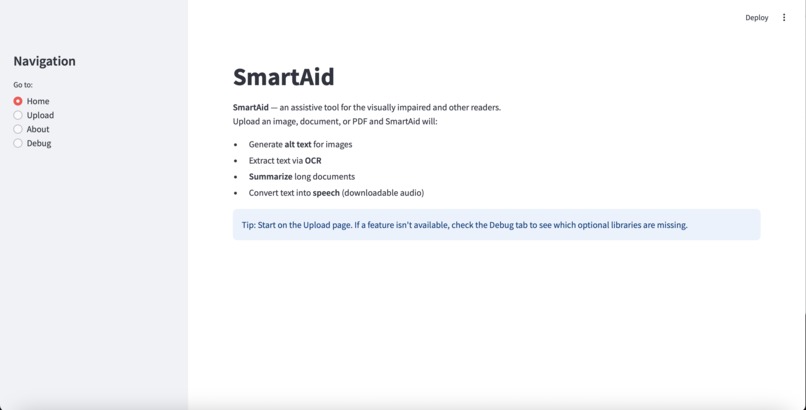
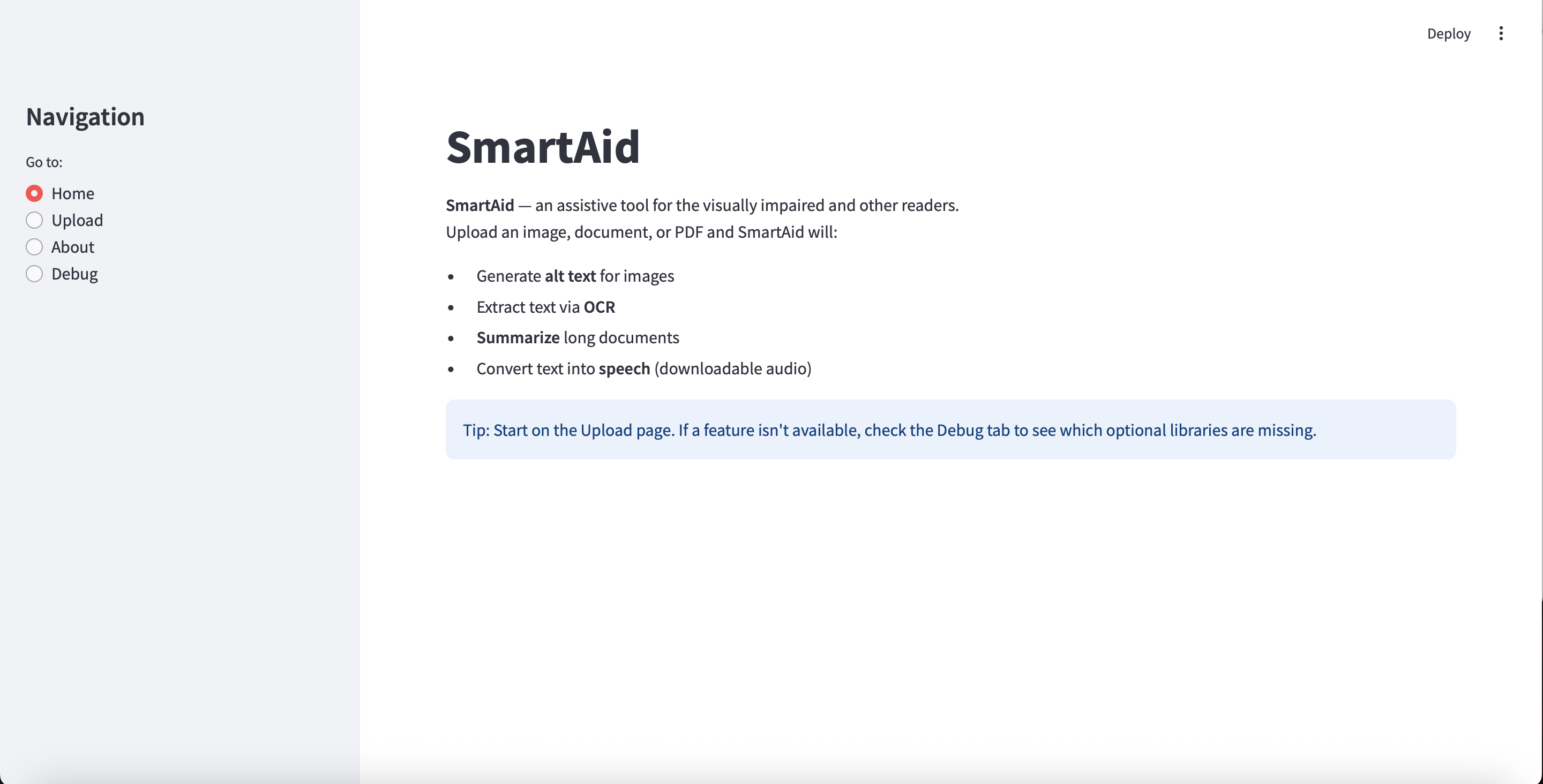
Home Page
-
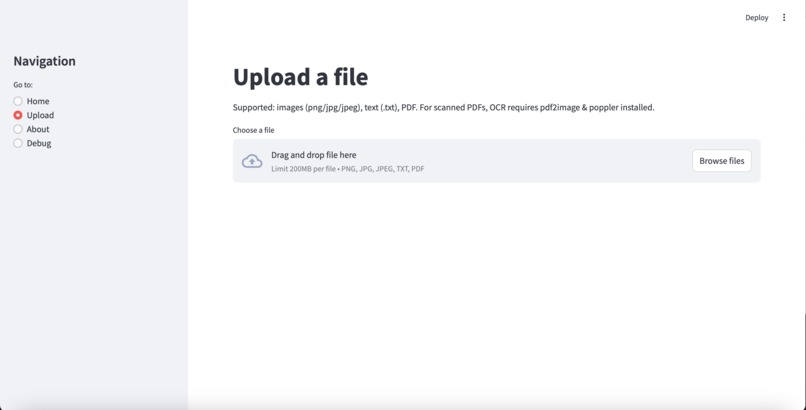
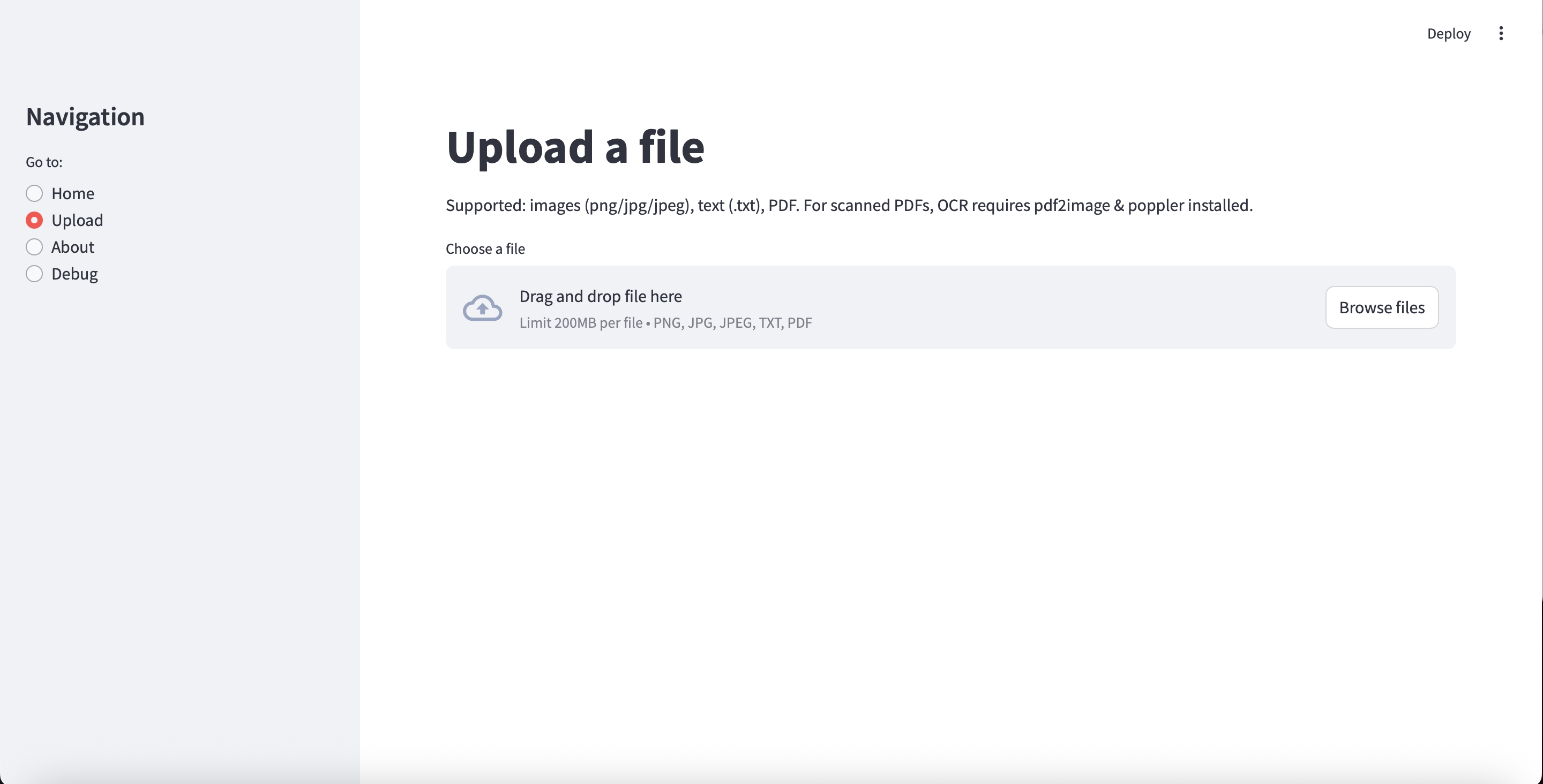
Upload Page
-
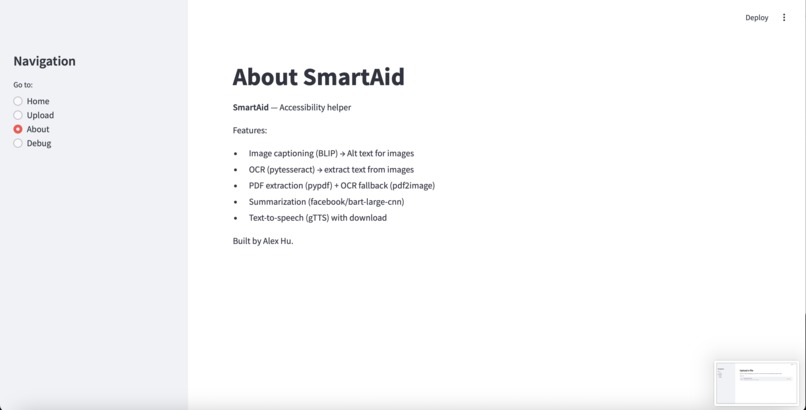
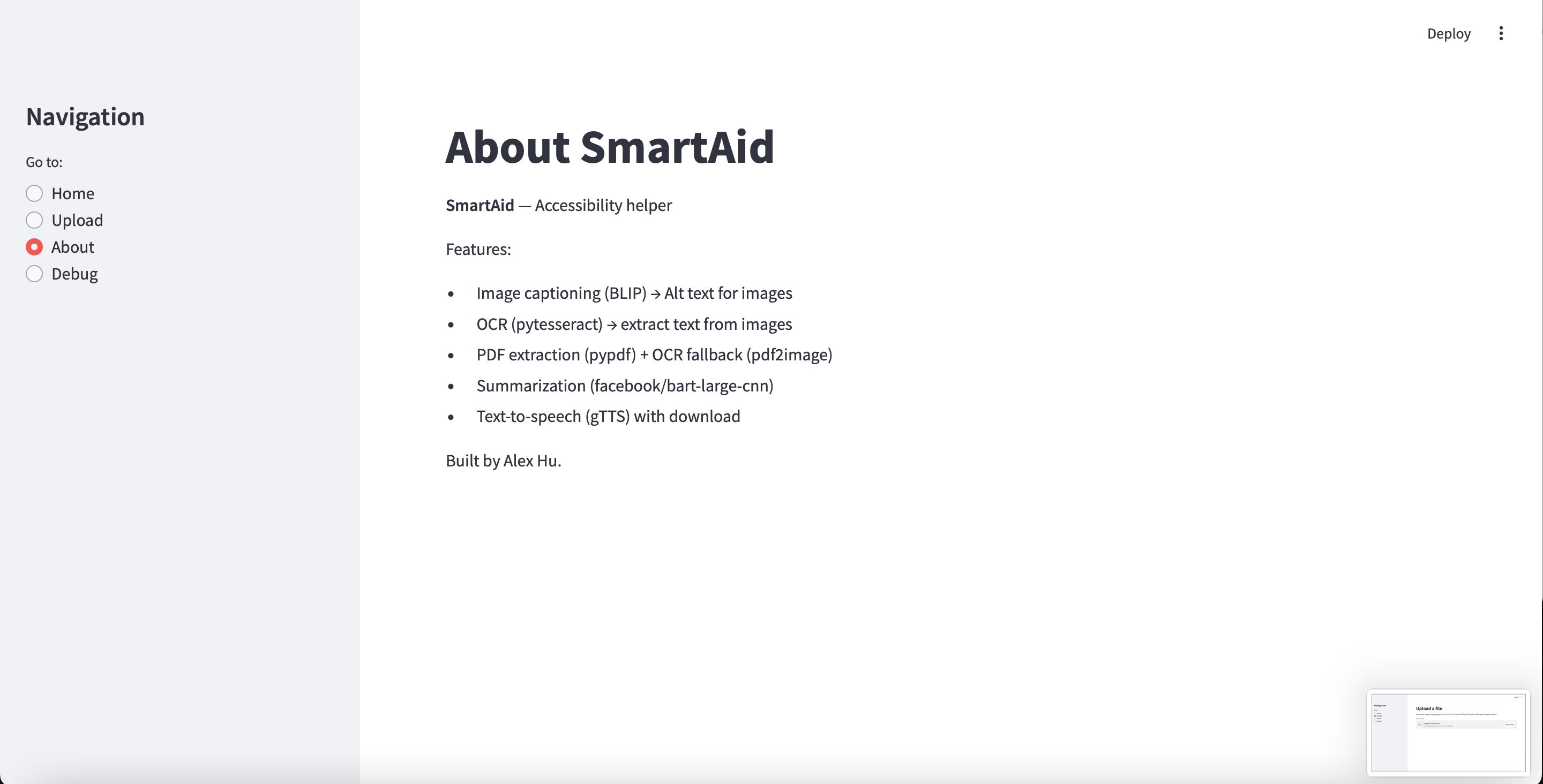
About Page
-
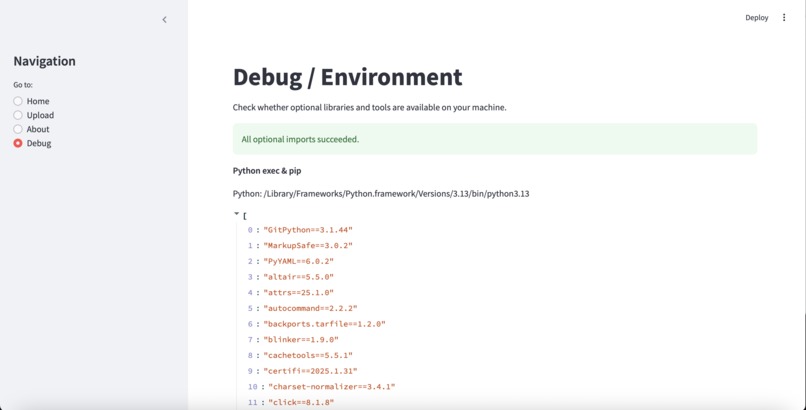
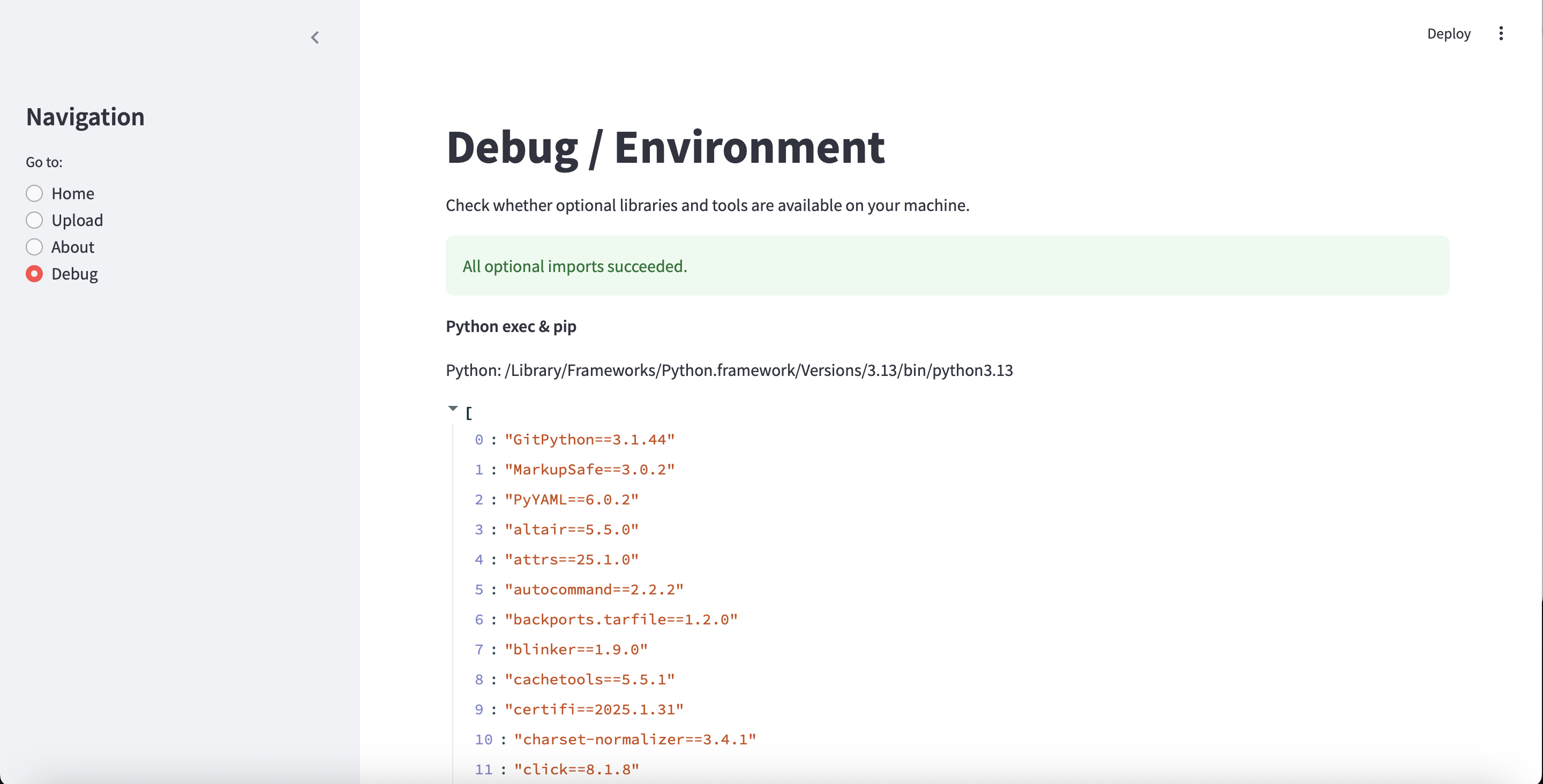
Debug Page
When I first saw the Zero Boundaries Hackathon theme, I knew I wanted to create something that directly helps people in their daily lives. Accessibility has always felt like an area where technology can make a huge difference, and I wanted to push myself to build a project that wasn’t just a demo, but something meaningful.
That’s how SmartAid was born.
SmartAid is an assistive reading tool designed for people who are visually impaired or struggle with reading large amounts of text. The idea is simple: let technology handle the heavy lifting—describe images, extract text, summarize it down to the essentials, and read it aloud as audio.
Because I was working solo, I had to learn and build everything myself, from the front end to the back end. I didn’t have much web development experience before, so I challenged myself to use Streamlit to create an intuitive interface. I also integrated OCR (pytesseract) for text recognition, pypdf for handling documents, transformers for summarization and image captioning, and gTTS for text-to-speech.
One of the hardest parts was managing all these different tools together while keeping the app simple to use. Since accessibility was my main focus, I wanted to avoid clutter and make the workflow straightforward:
- Upload a file or image.
- Let SmartAid extract and summarize the content.
- Download an audio version to listen on the go.
I also had to troubleshoot installing external tools like Tesseract OCR and Poppler, which was a learning curve in itself. But solving these technical challenges gave me confidence—I went from “barely touched web development” to shipping a fully working app in just a few days.
What makes SmartAid special, I think, is that it combines creativity with impact. It’s not just another text tool—it’s designed to give people a way to access information more independently. That’s a small step toward inclusion, and if even a few people find it useful, then the project has already succeeded.
For me personally, SmartAid reflects growth. I came into this hackathon as a beginner in web apps, but I’m leaving with a deeper understanding of how to integrate machine learning models, build user-facing tools, and think about technology through the lens of accessibility.
Built With
- python
- streamlit

Log in or sign up for Devpost to join the conversation.