-
-
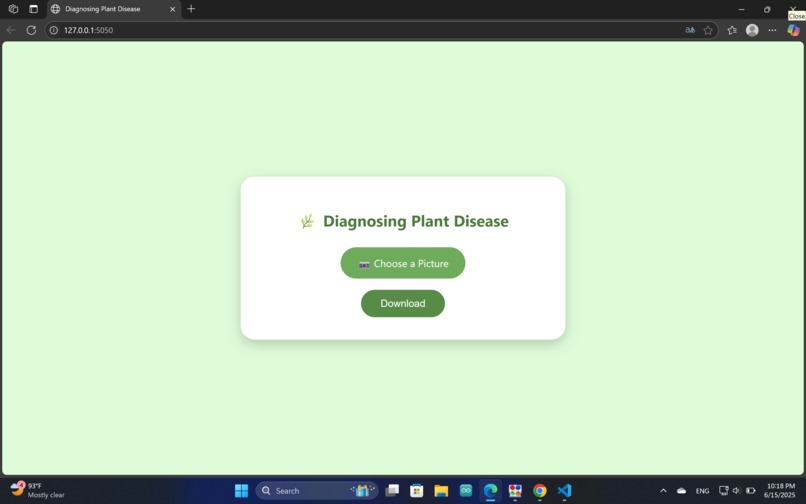
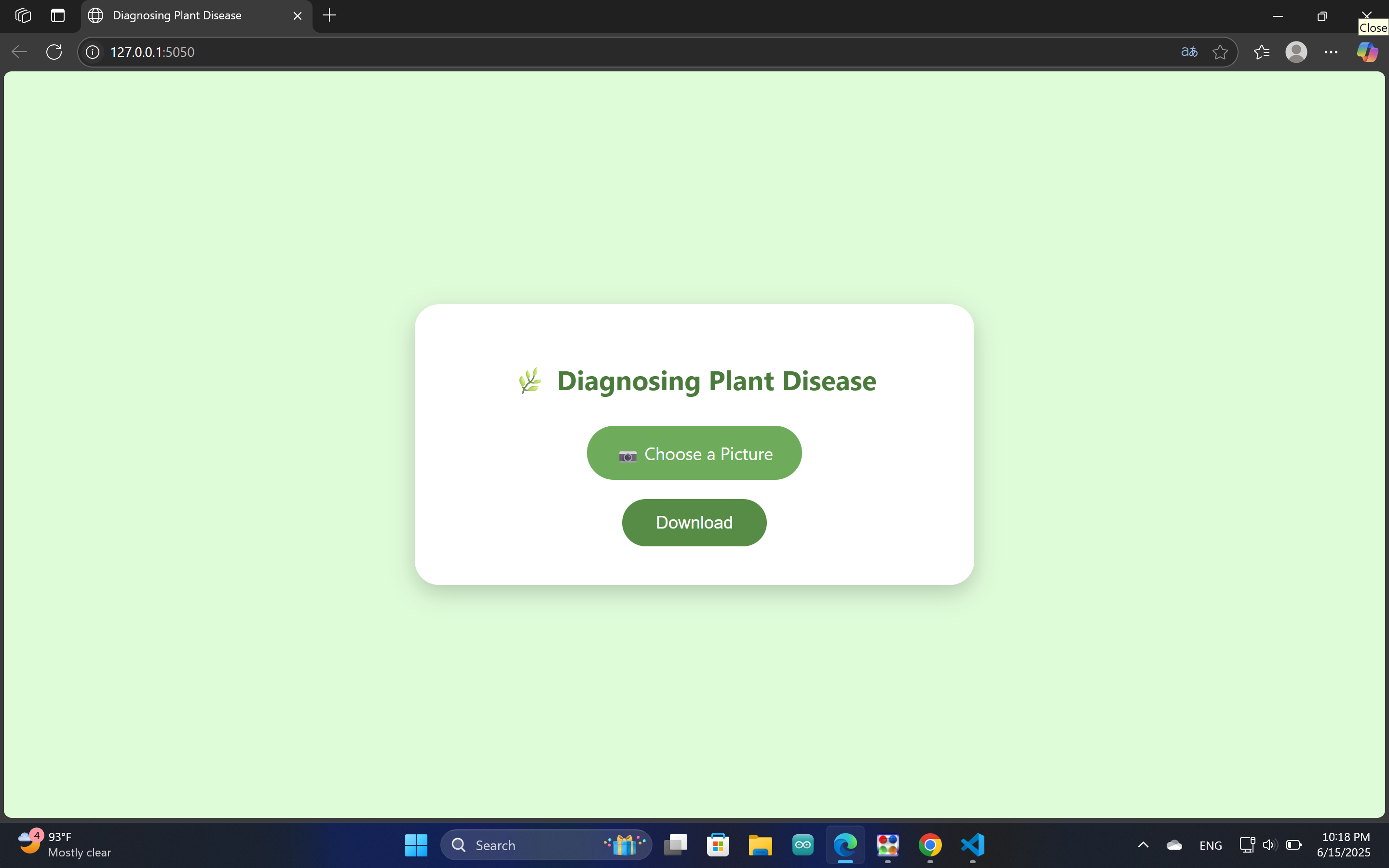
Main page
-
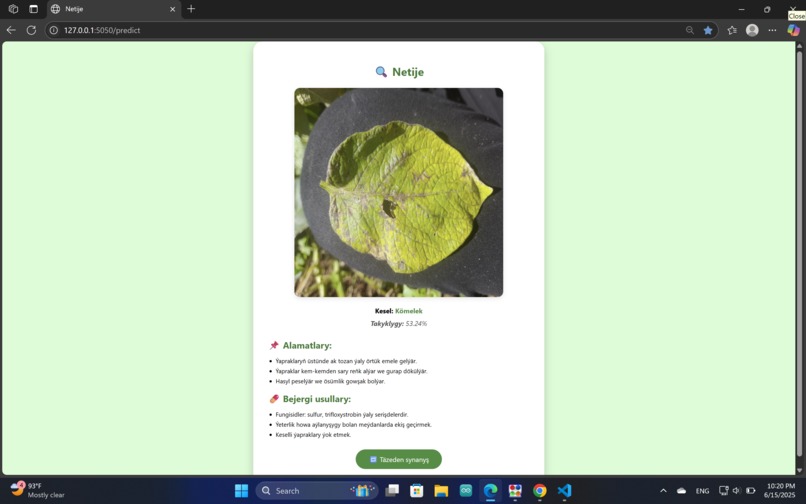
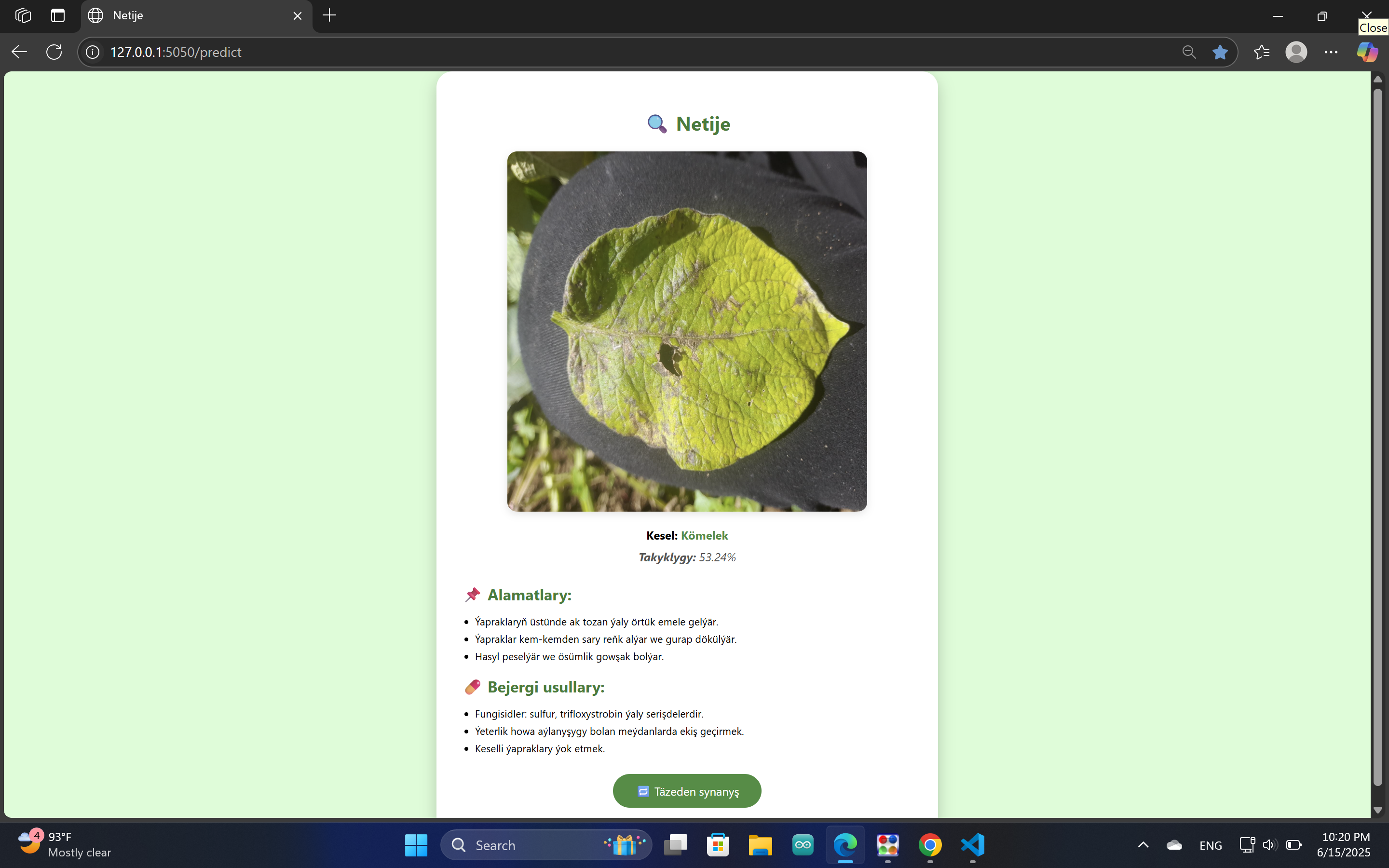
Analyze page
Inspiration
Farmers and gardeners often struggle to identify plant diseases early, leading to significant crop losses and inefficient use of pesticides. We wanted to create a tool that empowers growers to diagnose plant diseases quickly and accurately using AI, making plant care smarter, easier, and more sustainable.
What it does
SmartAgro Diagnoser uses AI-powered image analysis to detect plant diseases from leaf photos. Once a disease is identified, the system provides personalized treatment recommendations and preventive advice, helping farmers and gardeners save crops, reduce losses, and optimize pesticide use.
How we built it
We built the system using:
Convolutional Neural Networks (CNNs) for leaf image classification
Python + TensorFlow/Keras for training and model deployment
A mobile-friendly web interface for easy user interaction
Integration with a database of common plant diseases and treatment options We also implemented image preprocessing and augmentation to improve accuracy across different leaf types and lighting conditions.
Challenges we ran into
Dataset limitations: Collecting diverse images of diseased and healthy leaves was challenging.
Variation in lighting and angles: Leaf photos from different devices caused inconsistent results.
Class imbalance: Some diseases had fewer samples than others, requiring careful model tuning.
Accomplishments that we're proud of
Achieved high accuracy in detecting multiple plant diseases across various crops.
Built a user-friendly interface that allows non-technical users to upload photos and get instant results.
Developed a treatment recommendation system that provides actionable advice, not just a diagnosis.
What we learned
Data quality and diversity are critical for AI accuracy.
Users value clear, actionable guidance alongside raw predictions.
Even complex AI systems can be made accessible and practical with thoughtful UI design.
What's next for SmartAgro Diagnoser
Expand the disease database to cover more crops and regions.
Implement real-time mobile app functionality for field use.
Integrate with IoT sensors for environmental monitoring to provide predictive disease alerts.
Explore community-driven feedback, allowing users to report new disease cases and improve model accuracy.

Log in or sign up for Devpost to join the conversation.