-
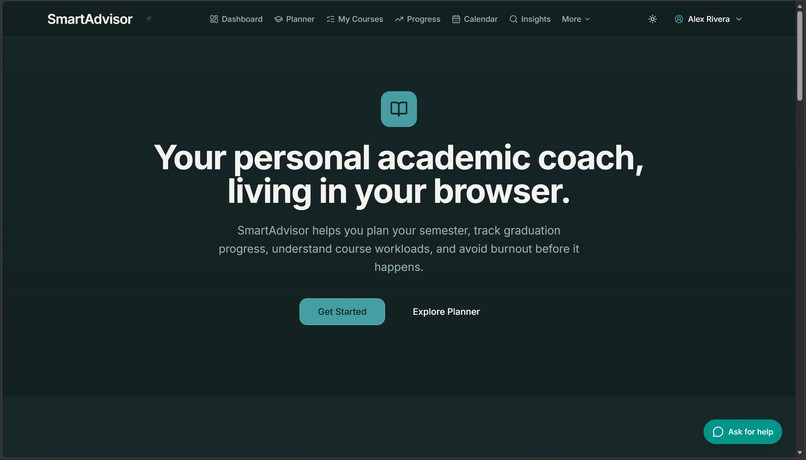
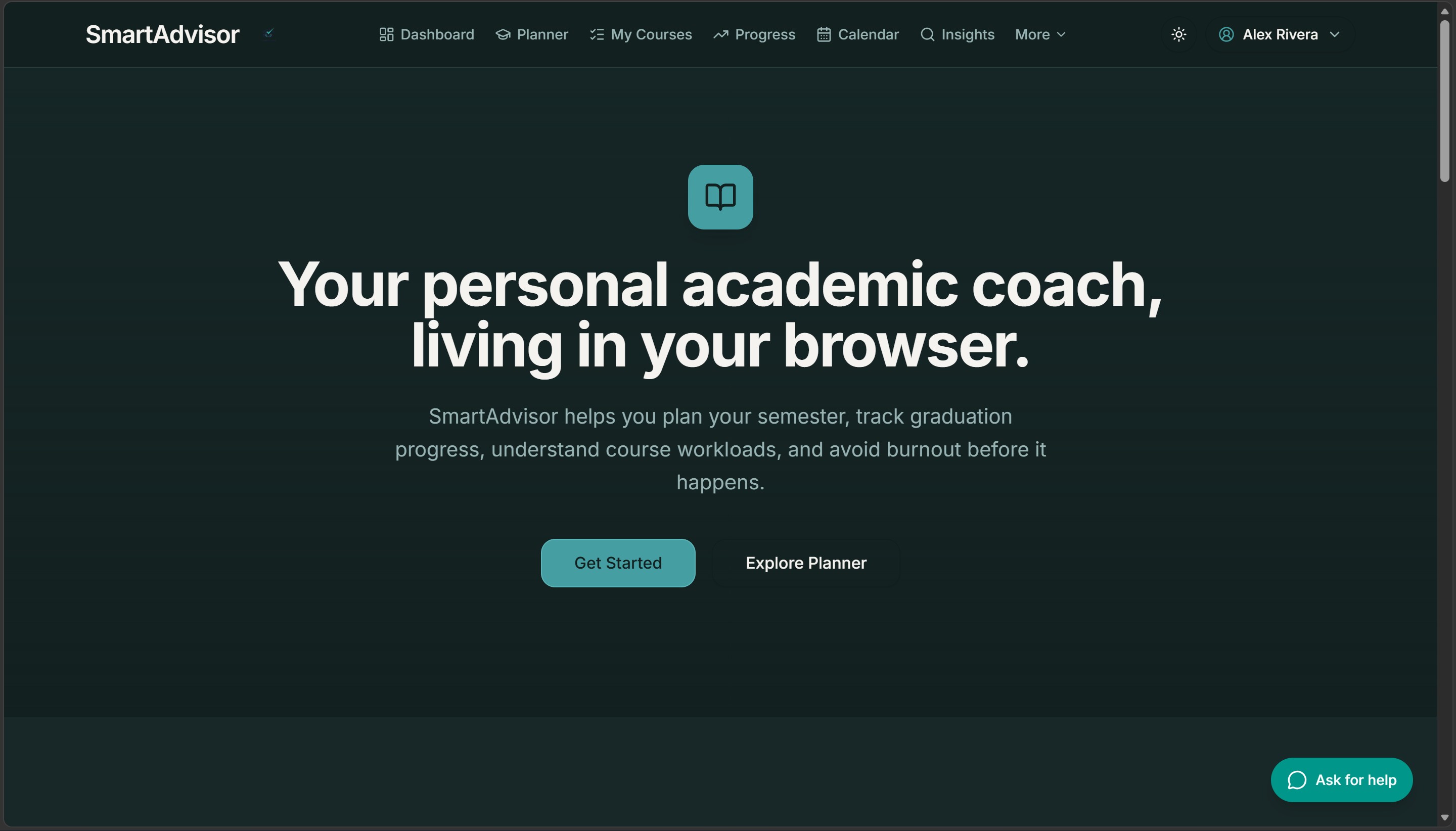
Homepage
This project was inspired by a common frustration among students: academic advising often falls short. Many students receive delayed responses, unclear guidance, or are advised to take courses that lead to burnout or delayed graduation. We wanted to build something that puts control back in the hands of students, a tool that is always available, personalized, and actually helpful.
What we learned: How to design systems that combine rule-based logic (prerequisites, degree paths) with user-centered factors (stress, schedule, workload) The importance of building decision-making tools, not just information dashboards How to structure and process real-world data like course schedules and professor feedback How to rapidly prototype and iterate using AI-assisted development tools like Replit
How we build it: We built a full-stack web application that collects student inputs like completed courses, availability, work hours, and stress level. Imports real course options via copy-paste or browser extension. Uses a custom recommendation engine to generate optimized semester plans. Calculates a burnout score and flags risky schedules. Provides explanations and alternative options for every recommendation. We also implemented a professor rating system to crowdsource data and improve future recommendations.
Challenges We Faced: Access to real academic data. Universities don’t provide open access to registration systems, so we had to design alternative methods like copy-paste importing and browser extensions. Legal/data concerns. We avoided using third-party platforms like professor review sites directly and instead built our own rating system. Balancing logic vs AI. Ensuring recommendations were accurate required combining strict prerequisite logic with flexible AI explanations. User experience. Making the tool powerful but still simple enough for students to use quickly was a constant challenge.
Built With
- api
- fastapi
- next.js
- node.js
- openai
- postgresql
- python
- react
- replit
- sqlite

Log in or sign up for Devpost to join the conversation.