Inspiration
Healthcare emergencies are often a matter of seconds, and during my research, I came across multiple real-world cases where delays in ambulance dispatch or ER preparation cost lives.
I was deeply inspired by how technology like Salesforce Agentforce, Health Cloud, and Slack could bridge this critical gap.
The idea of creating an intelligent, real-time emergency response system that could work across different hospitals and clinics became my mission —
especially envisioning its impact in cities and rural areas alike where infrastructure might be variable but urgency is universal.
What it does
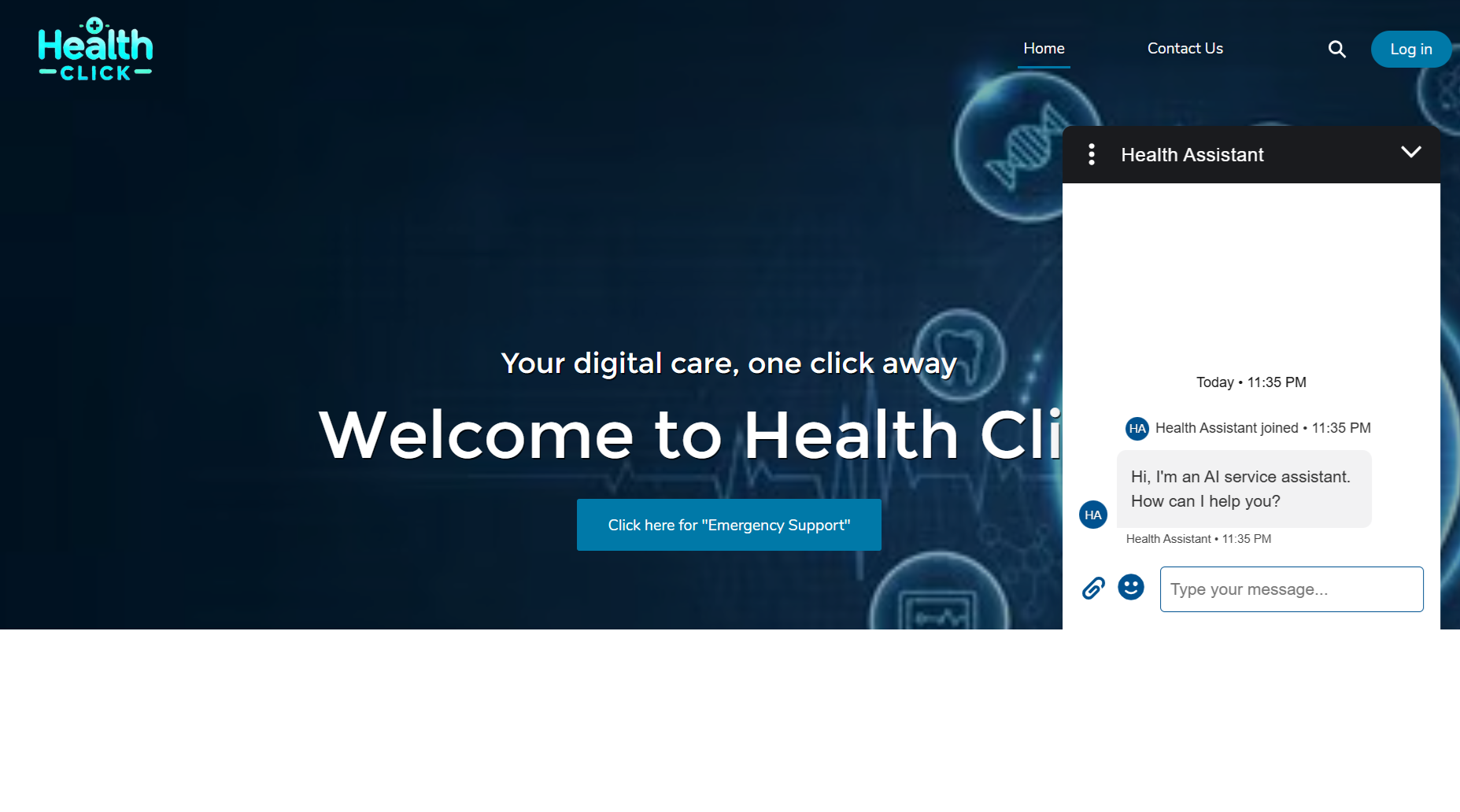
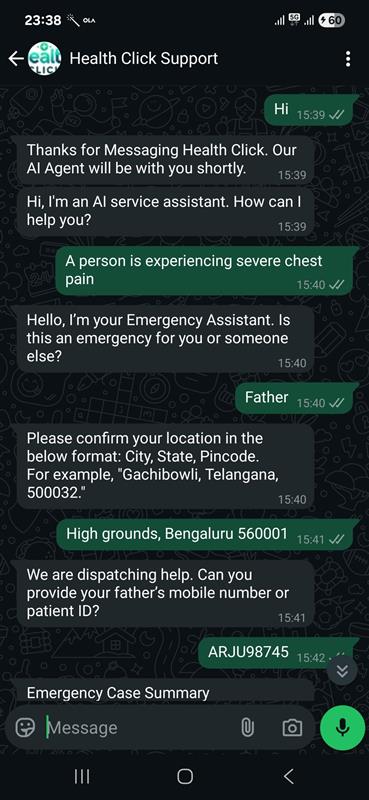
The solution creates a real-time, intelligent, end-to-end emergency response system that connects patients, ambulances (EMTs), dispatchers, and hospital ER teams through Salesforce and Slack.
It ensures faster emergency response, better patient data sharing, real-time communication, and complete auditability — saving precious time and improving patient outcomes.
How we built it
Structured Approach:
- Problem Framing: Defined delays in dispatch, patient data unavailability, and lack of communication as key problem areas.
- Tool Selection:
- Agentforce for intelligent ambulance dispatch.
- Health Cloud/Salesforce for patient health data storage and retrieval. We created the framing for HC data model in Normal Salesforce
- Slack for real-time alerts and collaboration.
- Agentforce for intelligent ambulance dispatch.
- Architecture Design:
- Multi-actor workflow across Ambulance Dispatchers, EMTs, ER teams, and Coordinators.
- Workflow Automation:
- Salesforce Flows to auto-create emergency cases, route ambulances, and notify via Slack.
- Incident-specific channels in Slack automatically spun up.
- Testing and Iterations:
- Simulated multiple emergency scenarios with different ambulance and hospital configurations.
- Monitored metrics like Dispatch-to-Ambulance-Assignment Time and Notification Delivery Time.
Challenges we ran into
- Real-Time Coordination Complexity: Ensuring communication between ambulance crews, hospital ER staff, and dispatchers with slack channels.
- Patient Identification in Emergencies: Designing for cases where patients are unidentified at first contact.
- Geolocation Data Accuracy: Integrating precise GPS updates into Salesforce Agentforce routing engine.
Accomplishments that we're proud of
This project showed me how technology can become a life-saving bridge when architected with intention.
Platforms like Salesforce and Slack are no longer just business solutions — they are essential tools for connected, coordinated, life-critical healthcare delivery.
This architecture could genuinely transform city-wide or even rural emergency services, ultimately saving lives through speed, information, and collaboration.
What we learned
Through this project, I gained a deeper understanding of:
- How Agentforce’s AI case routing can be adapted beyond customer service to save lives.
- The power of Health Cloud in securely managing and retrieving critical patient health data (HL7/FHIR standards).
- Setting up real-time communication workflows using Slack Connect across different healthcare organizations.
- Architecting cross-organizational collaboration while maintaining strict security, privacy, and operational control.
- Designing incident-based virtual command centers using Slack for emergency management.
What's next for Med-Evac
- Integrate with AWS Bedrock for advanced agent orchestration
- Build predictive EMS coverage using CRM Analytics
- Smart follow-ups, HCP engagement, and family communications
Built With
- agentforce
- maps
- salesforce
- slack


Log in or sign up for Devpost to join the conversation.