Inspiration
Waste management is a major challenge in many developing regions, where informal systems dominate and data is scarce. Living in such a context ourselves, we saw firsthand how lack of structure and awareness leads to environmental harm, health risks, and missed economic opportunities. Inspired by the vision of a cleaner, data-driven future—and aligned with the United Nations Sustainable Development Goals—we set out to build a tech-driven solution to empower both citizens and waste workers.
What it does
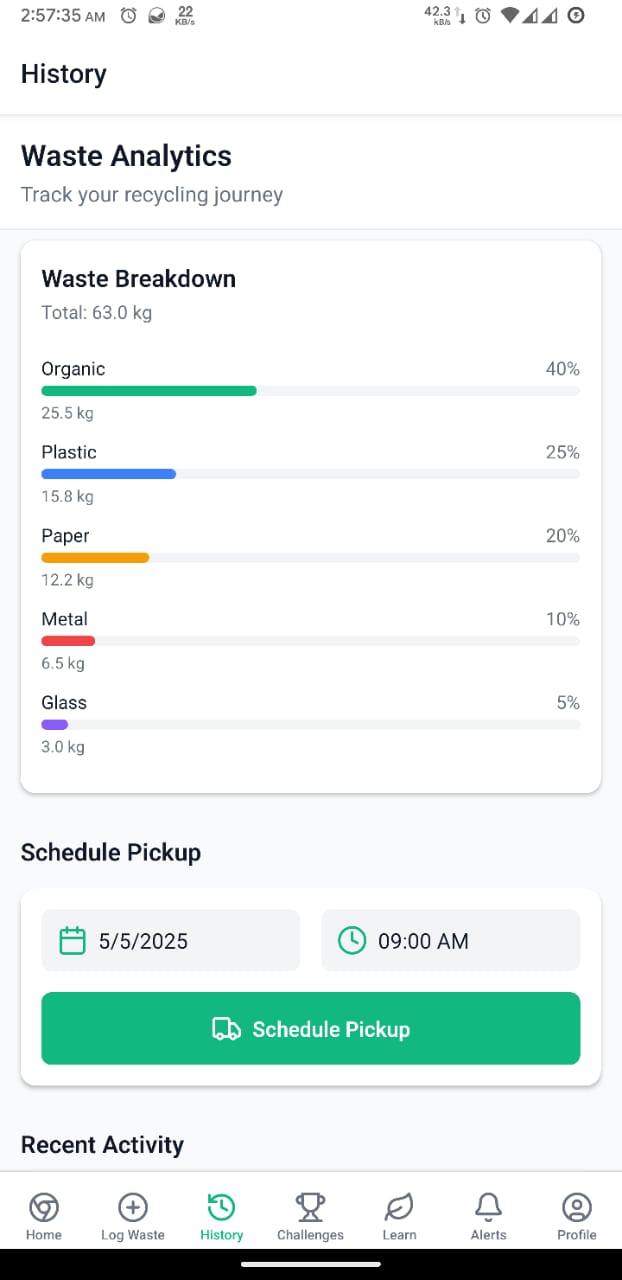
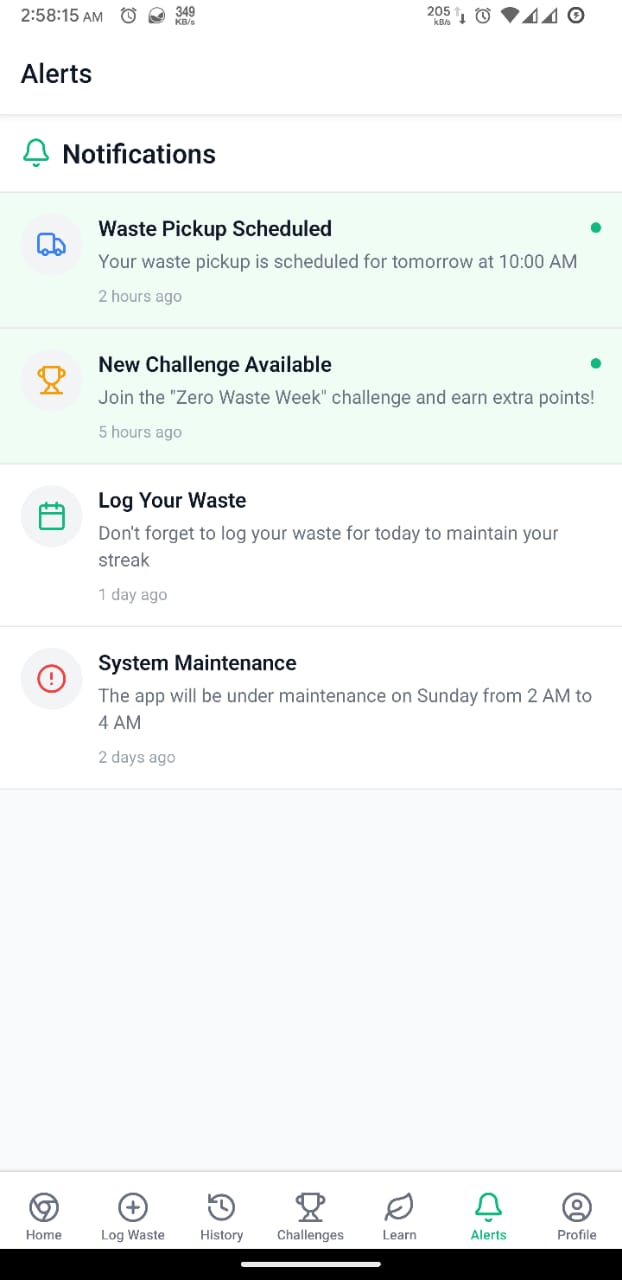
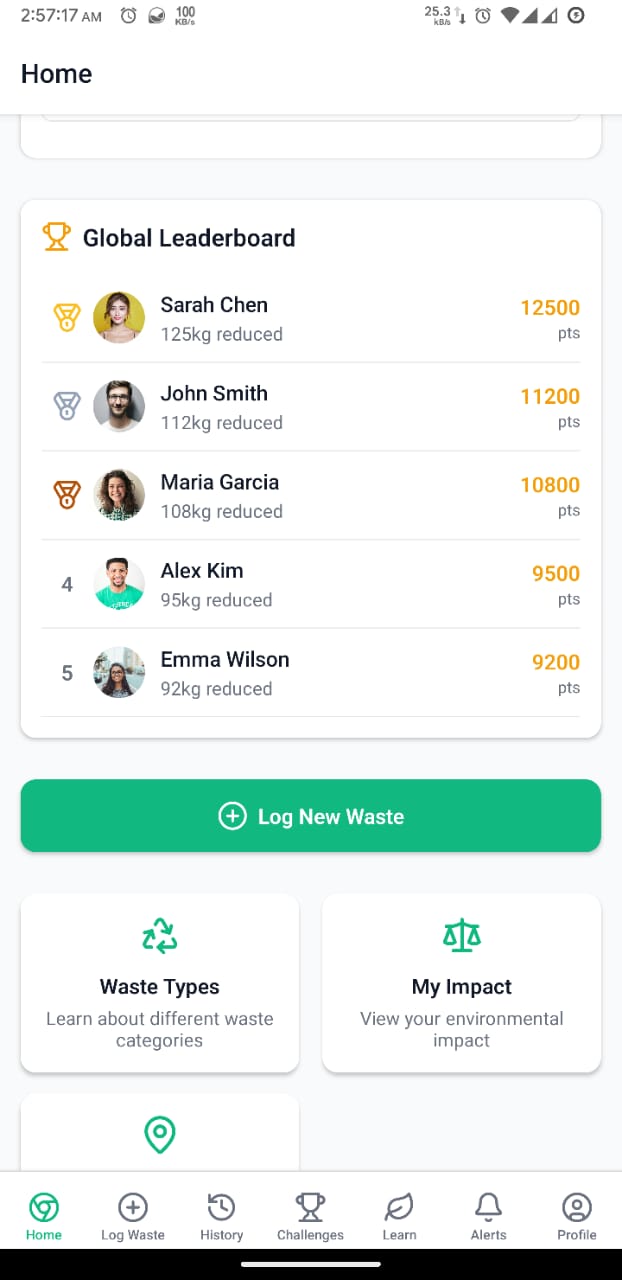
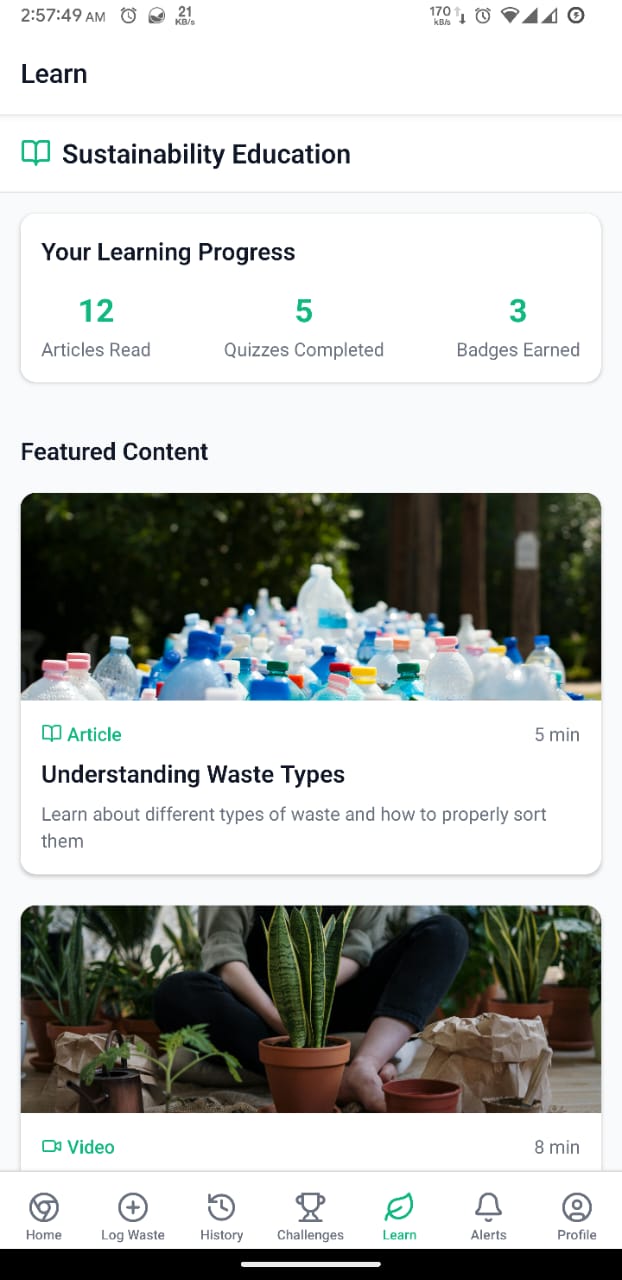
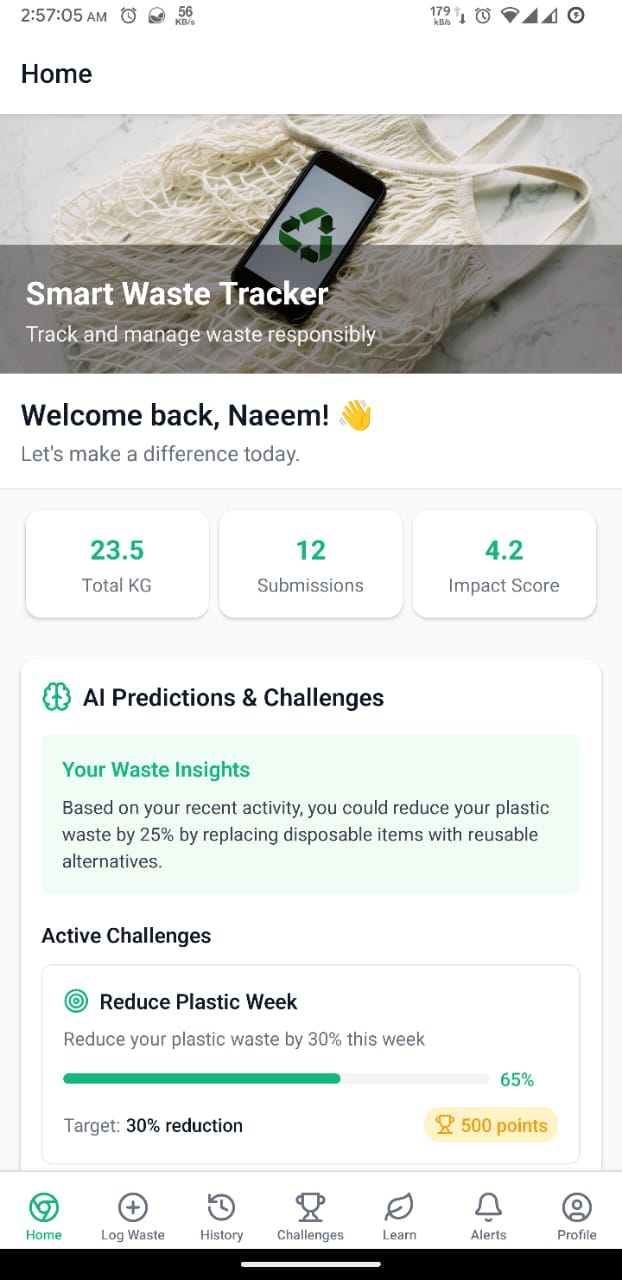
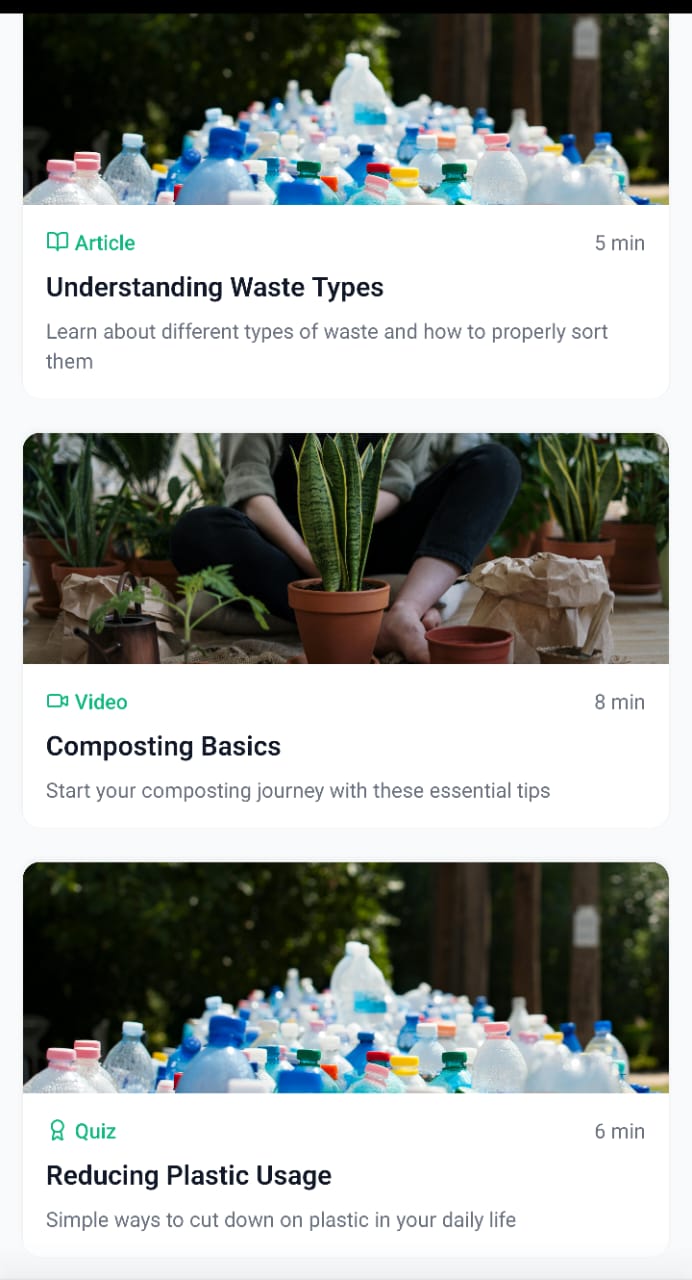
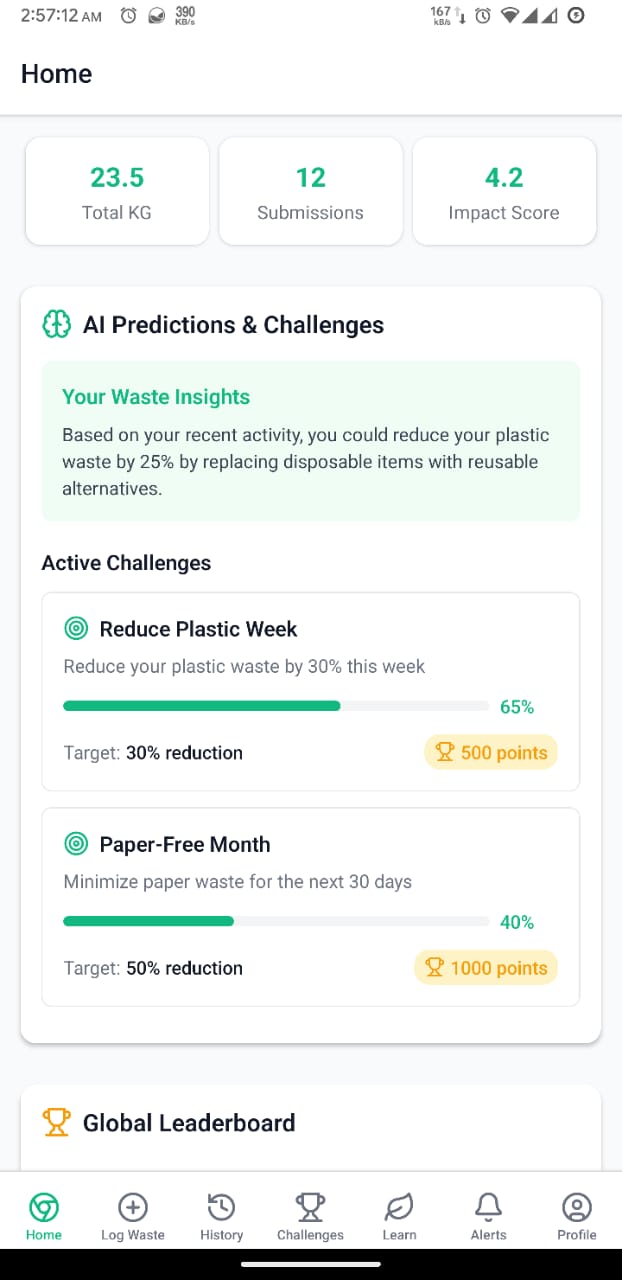
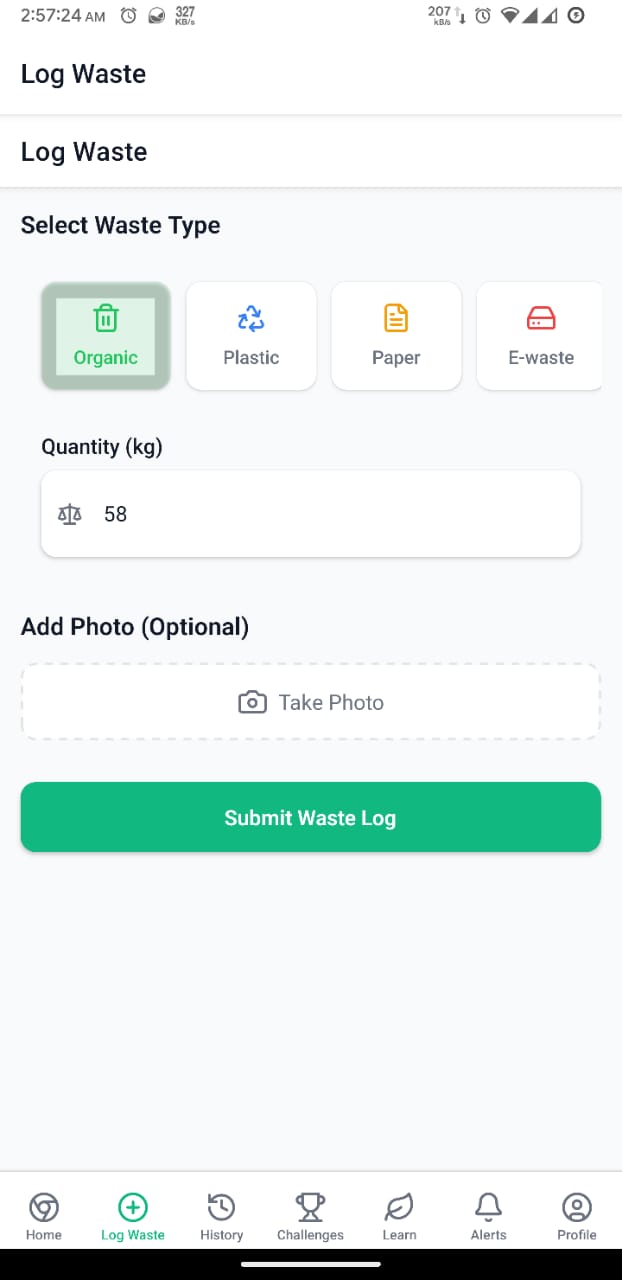
Smart Waste Tracker is a mobile-first platform that allows individuals, small businesses, and communities to:
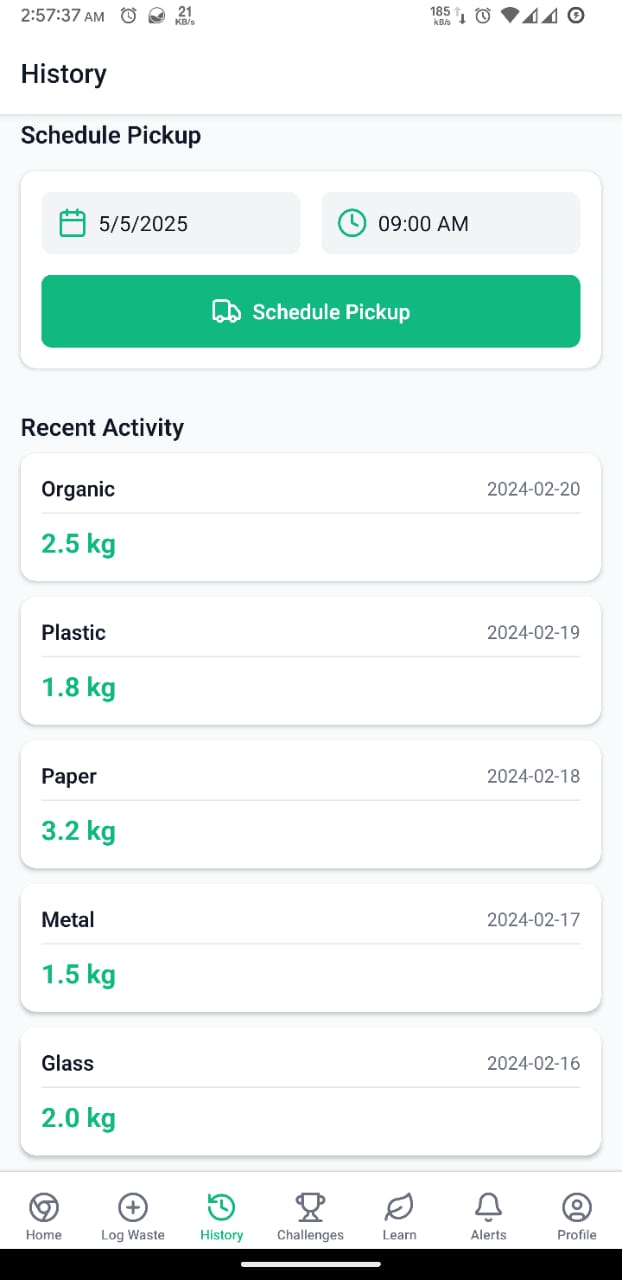
Log daily waste generation by type (organic, plastic, metal, etc.)
Request pickups and connect with local waste collectors or NGOs
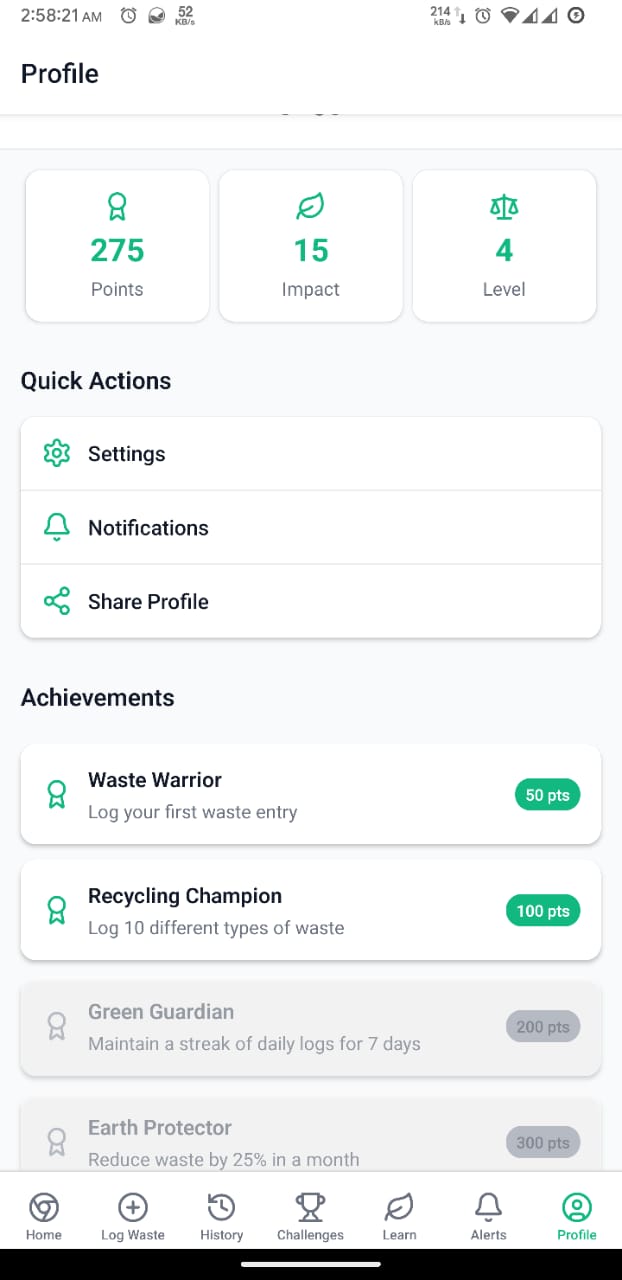
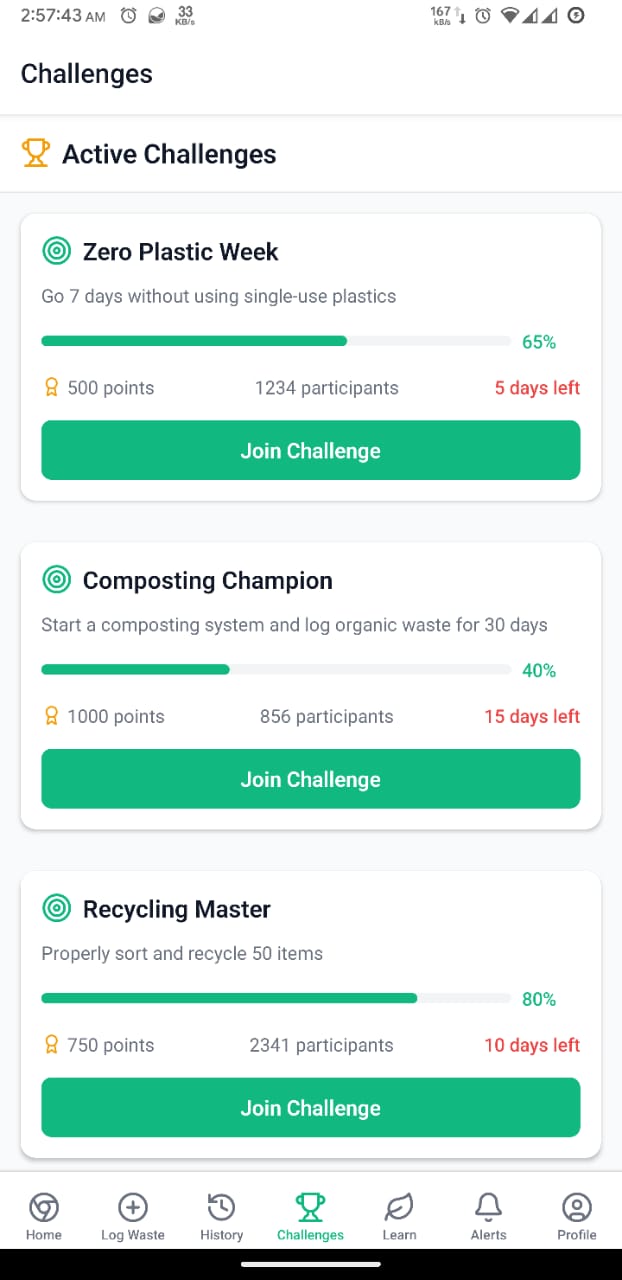
Earn reward points for proper disposal and segregation
Visualize their environmental impact through a personalized dashboard
Provide data to NGOs and municipalities for real-time waste heatmaps and planning
How we built it
We developed the Android app using Android Studio (Kotlin) for the front-end and Firebase for the back-end services:
Firebase Realtime Database: To store user entries and waste data
Firebase Authentication: For secure user login and access control
Firebase Cloud Messaging: For pickup alerts and reminders
Google Maps API: For mapping local waste pickup zones
Jetpack Compose UI: For a modern, intuitive user interface
We also designed a lightweight dashboard for NGOs using React (optional), showcasing aggregated waste data and route planning.
Challenges we ran into
Designing an intuitive UI that’s usable by low-literacy users
Implementing location services in areas with weak GPS or connectivity
Integrating reward systems without monetary transactions
Ensuring scalability of the database for high user volumes
Balancing technical ambition with time constraints during the hackathon
Accomplishments that we're proud of Successfully built a working MVP within a limited timeframe
Created a clean and simple user experience that works in both urban and rural contexts
Developed a modular system that can be easily localized or scaled across regions
Built a bridge between citizens, NGOs, and municipal stakeholders using data
What we learned
The importance of UX/UI simplicity when designing for underserved populations
How real-time data collection can be transformative when made accessible
Cross-functional collaboration and rapid iteration during time-limited sprints
The value of community-centered design in sustainability-focused projects
What's next for Smart Waste Tracker
Launch a pilot program in one city ward or union council to collect real user feedback
Partner with local NGOs and municipal bodies to expand the collector network
Integrate AI-based waste recognition for more accurate logging (via camera input)
Introduce IoT sensor support for smart bins and weight-based tracking
Apply for UN and NGO grants to scale the platform across multiple developing regions
Built With
- alerts)-firebase-hosting-(optional)-?-for-deploying-the-web-dashboard-databases:-firebase-realtime-database-?-lightweight
- android-studio
- authentication
- cloud-messaging)
- figma
- firebase-(realtime-database
- firebase-hosting
- geofire
- github
- google-cloud
- google-maps
- javascript
- jetpack-compose
- kotlin
- or-anonymous)-firebase-cloud-messaging-(fcm)-?-for-real-time-push-notifications-(pickup-reminders
- phone-based
- reactjs-(for-the-ngo-dashboard)
- scalable


Log in or sign up for Devpost to join the conversation.