-
-
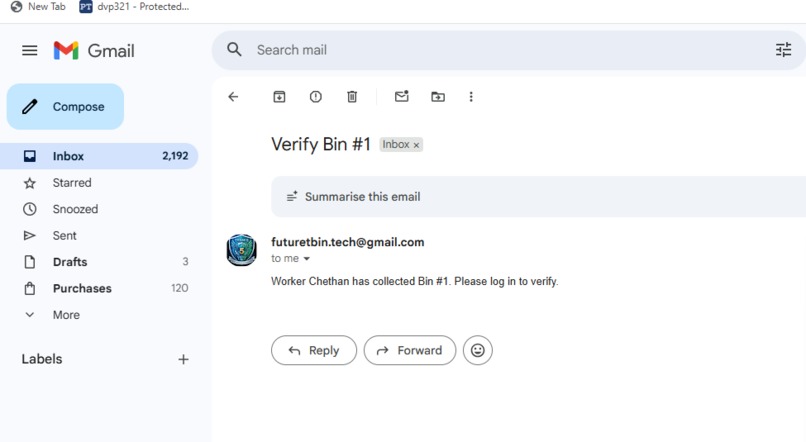
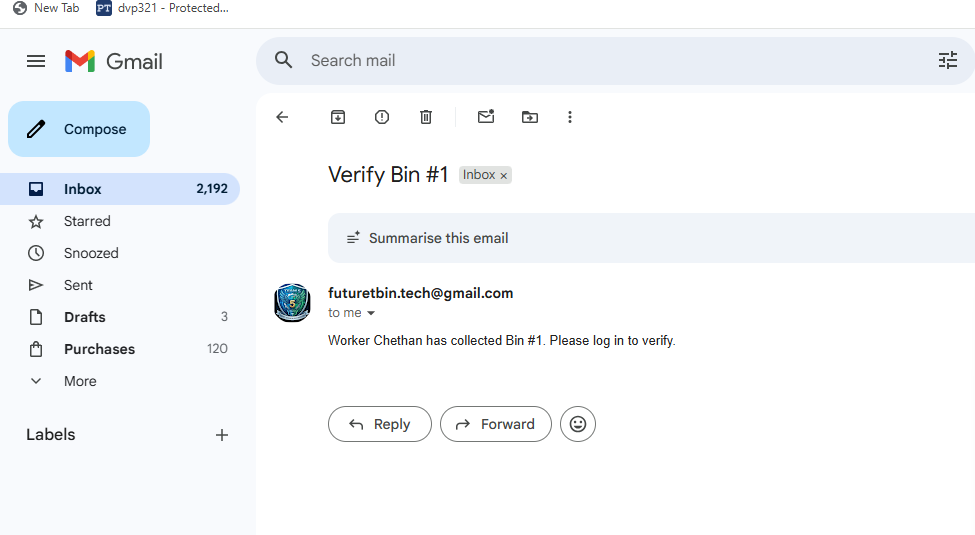
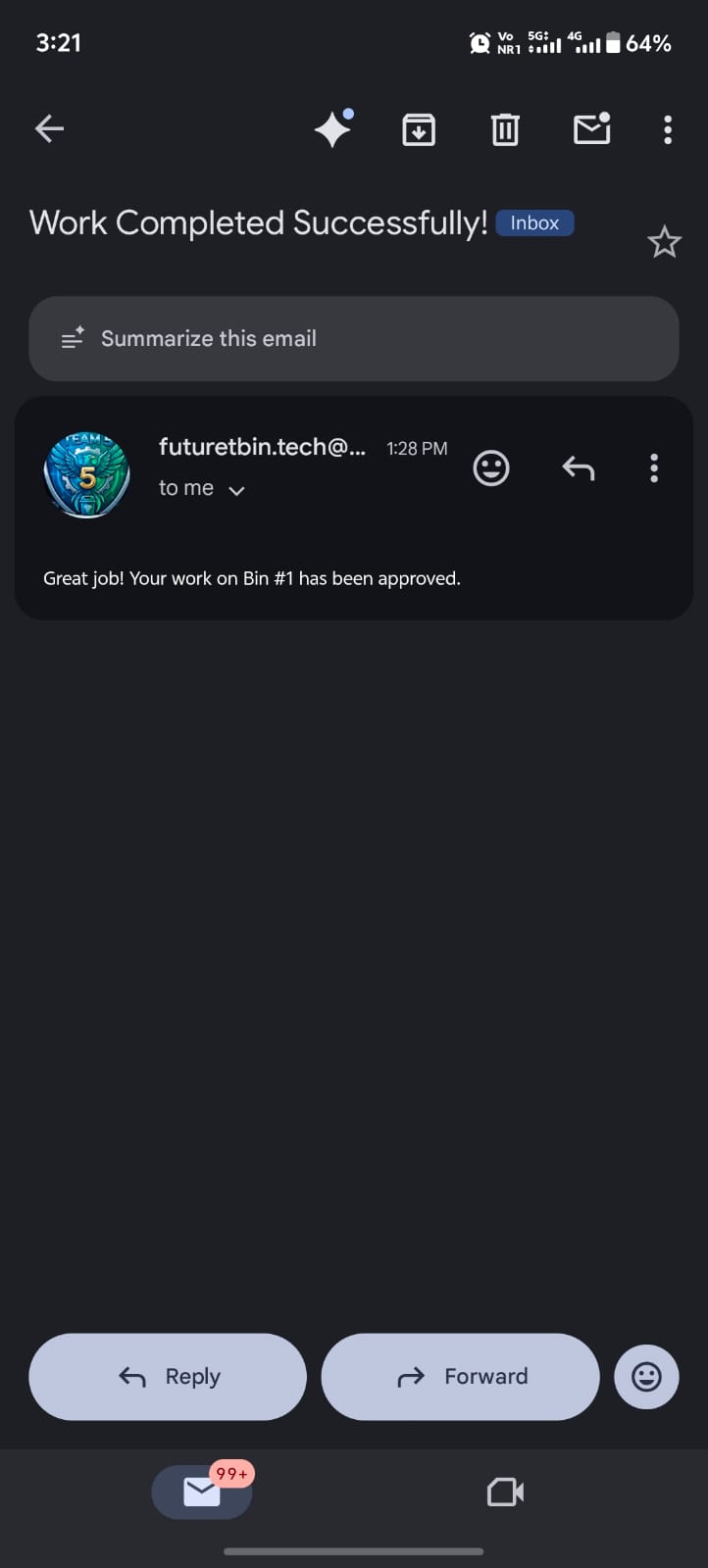
Verification mail for manager to verify the work done by worker
-
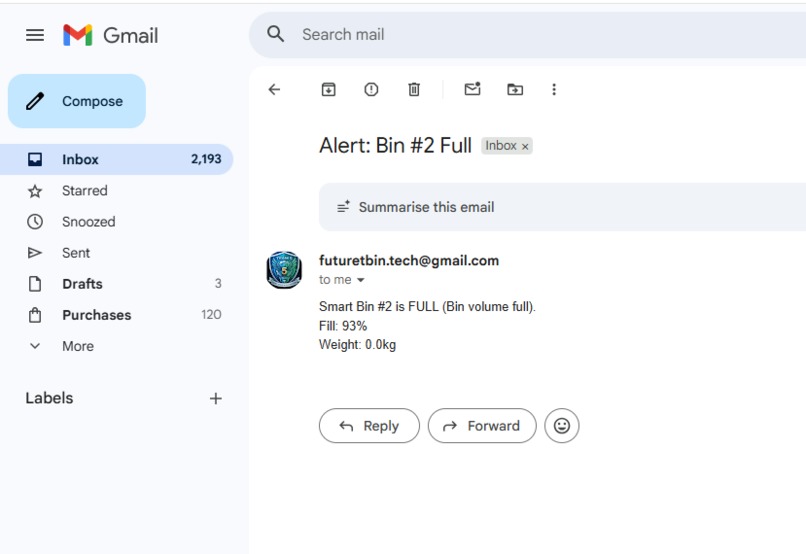
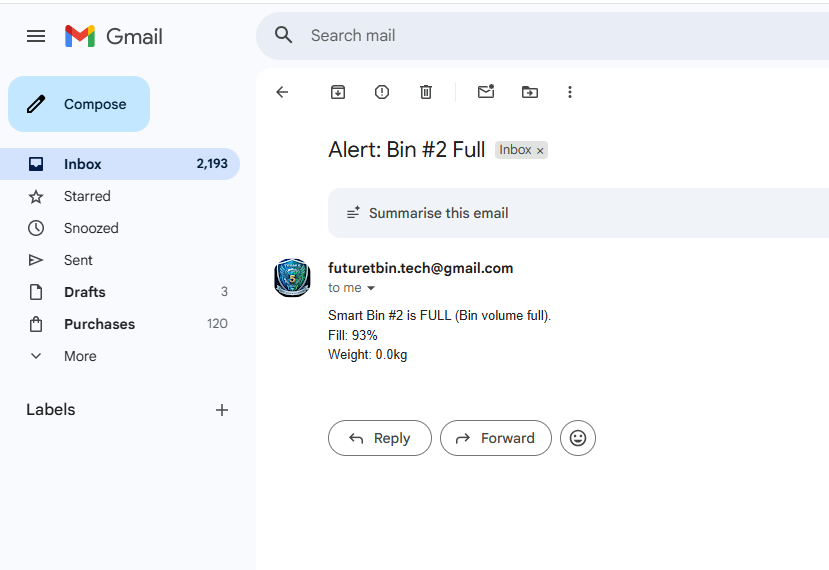
Mail alert for Manager when Bin levelv fill to 90%
-
-
-
-
-
-
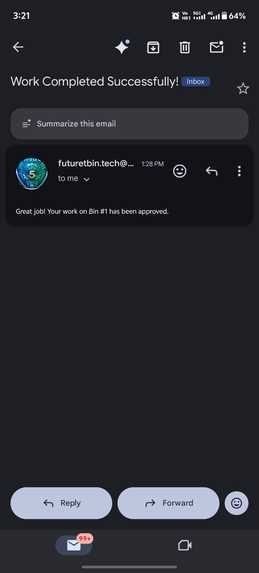
Mail alert after the manager completes the verification of work
-
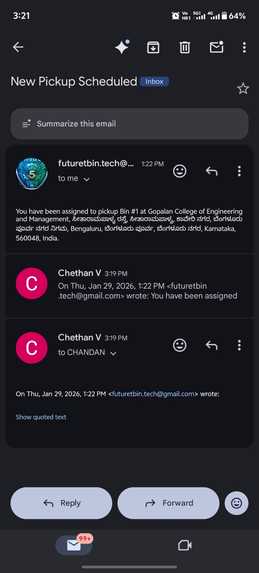
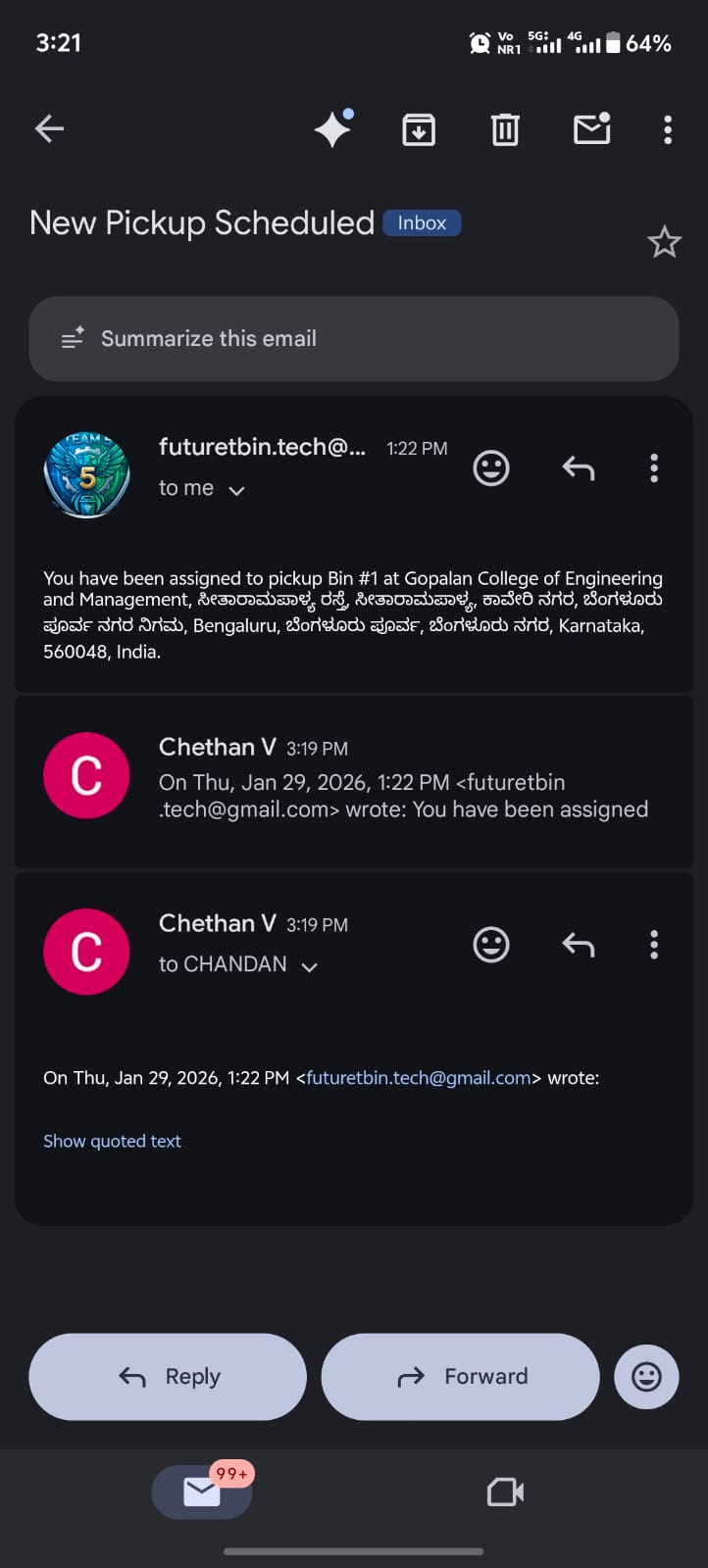
Mail alert to the worker when the manager schedules the pickup to worker
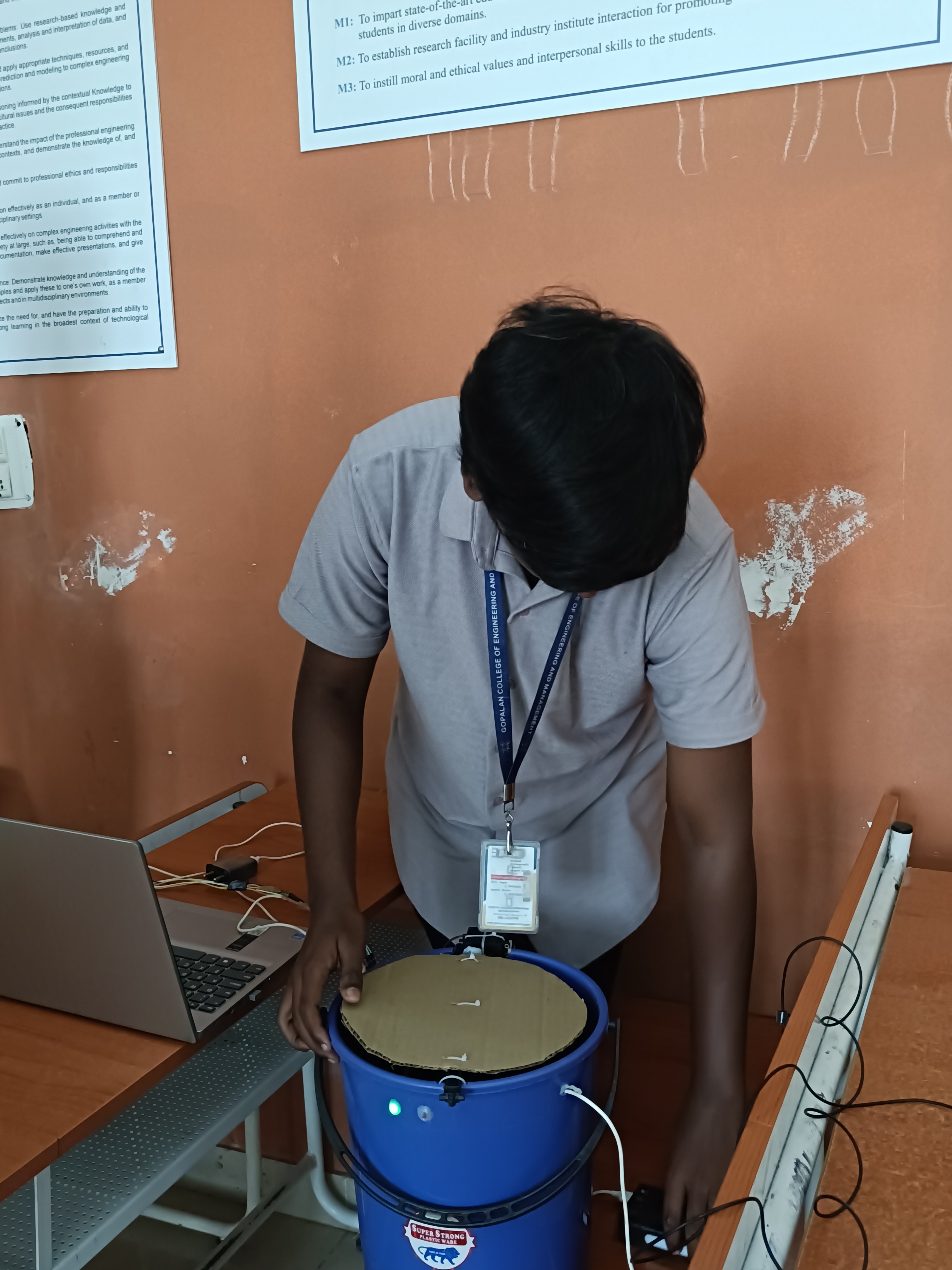
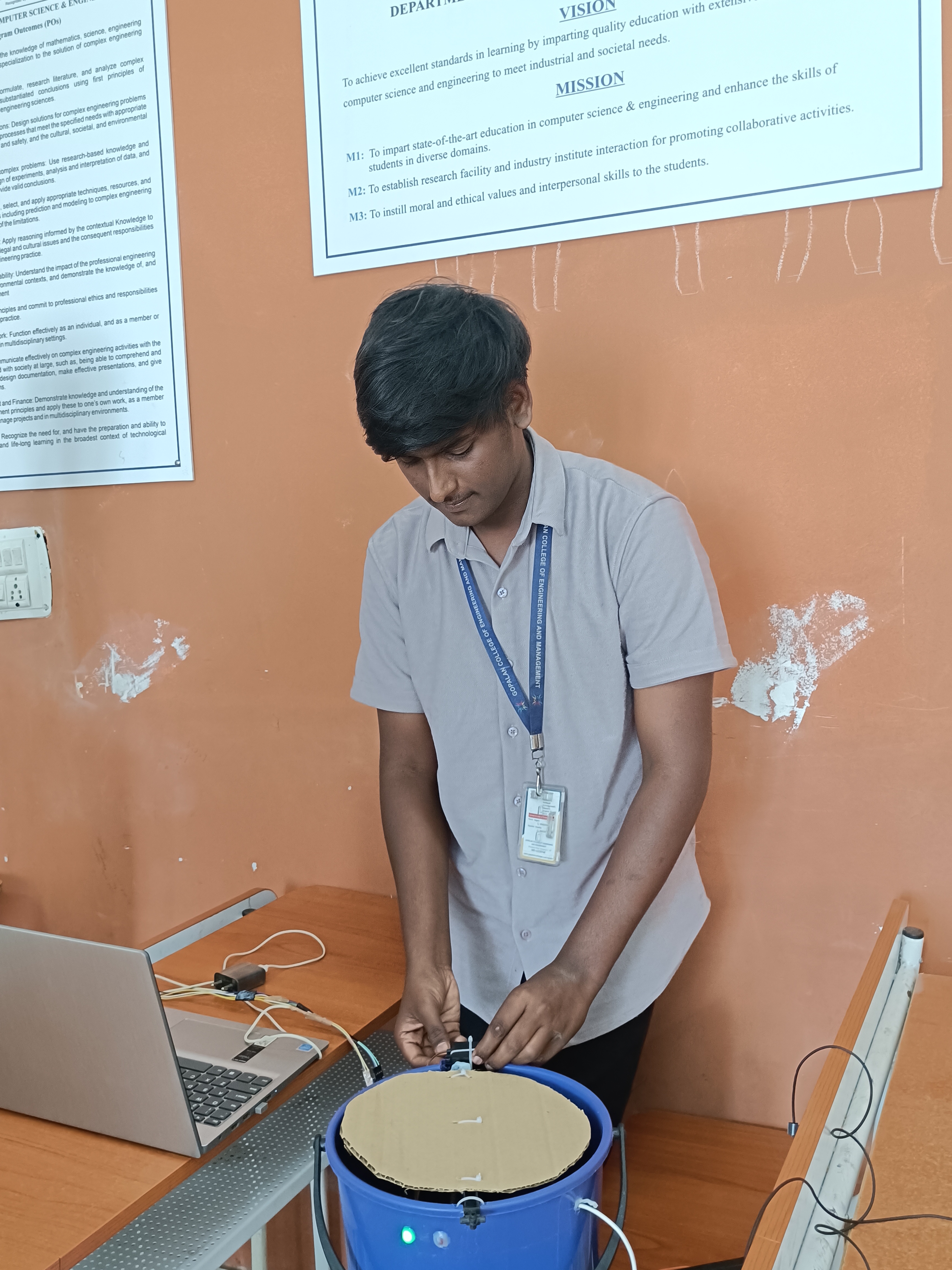
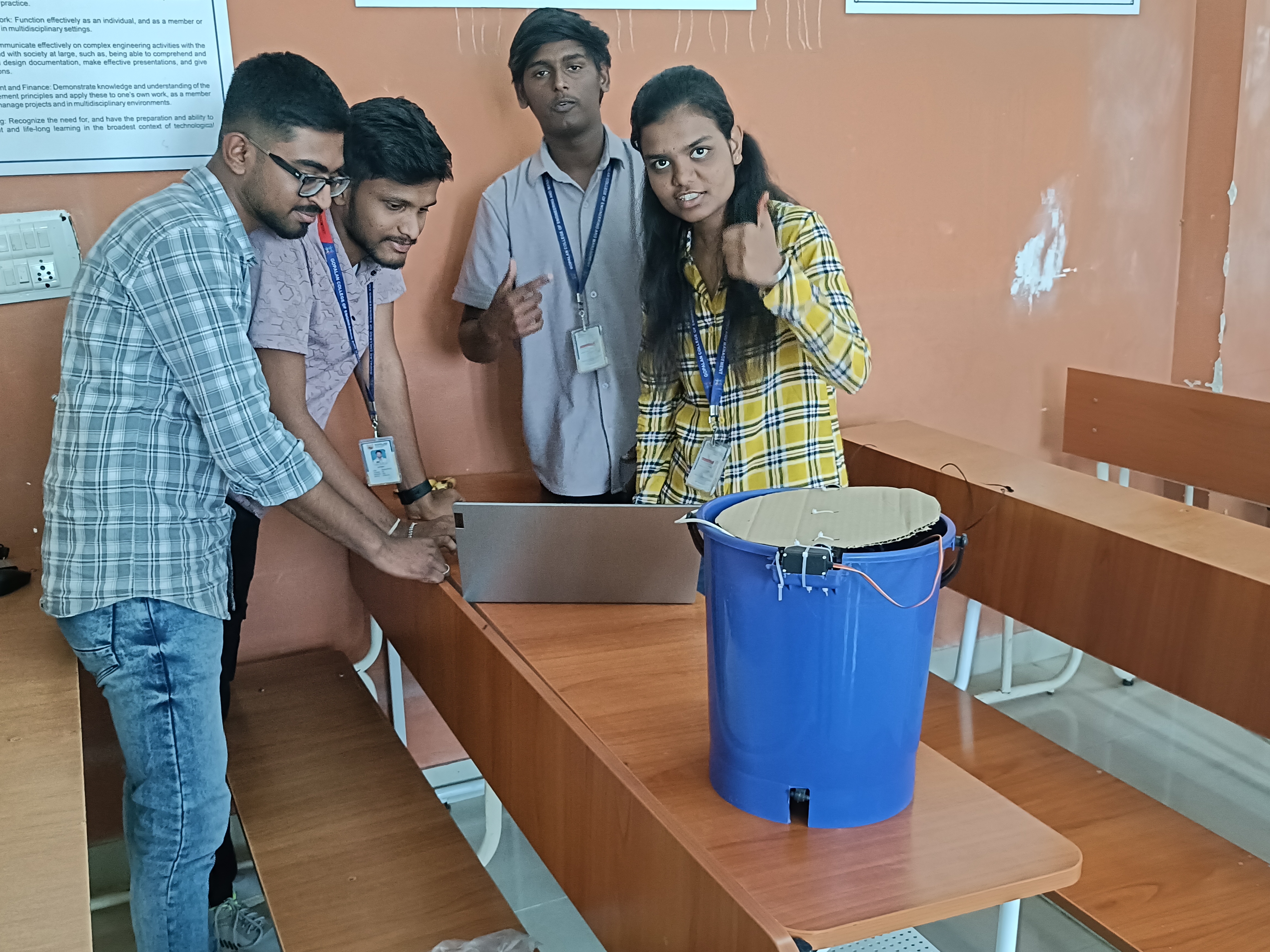
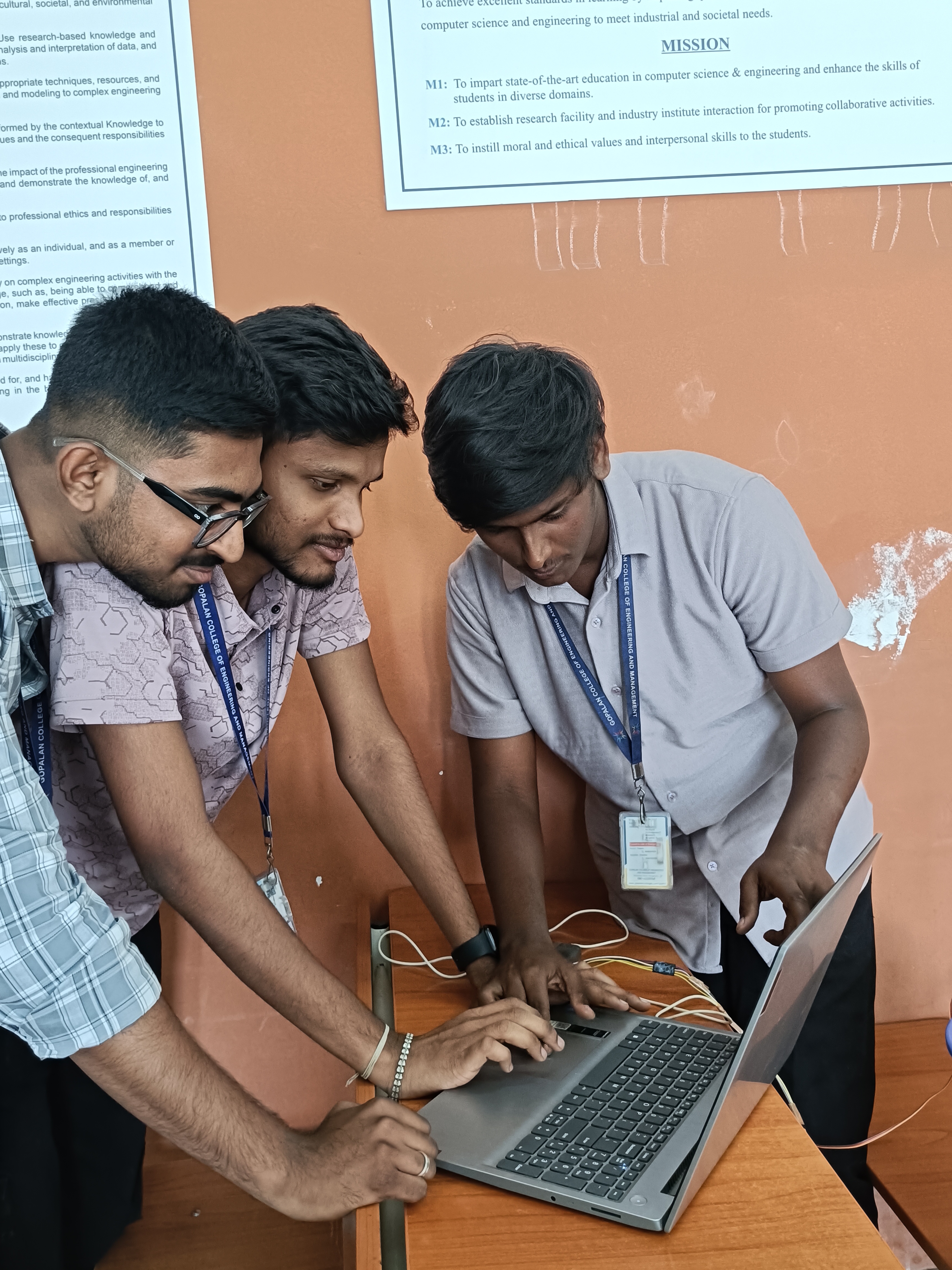
Inspiration
Waste management is one of the biggest challenges facing modern India. In our college campus , local canteens, apartments and corporate companies. we noticed that despite having separate bins for "Dry" and "Wet" waste, segregation is rarely done correctly. They often throw plastic bottles into organic bins due to haste or confusion. This "mixed waste" becomes impossible to recycle and ends up in landfills, contributing to pollution. We realized that changing human behavior is hard, but automating the process is smart. Inspired by the mission of a cleaner Bharat, we decided to build a system that removes the need for humans to think about segregation—letting AI do the work for us.
What it does
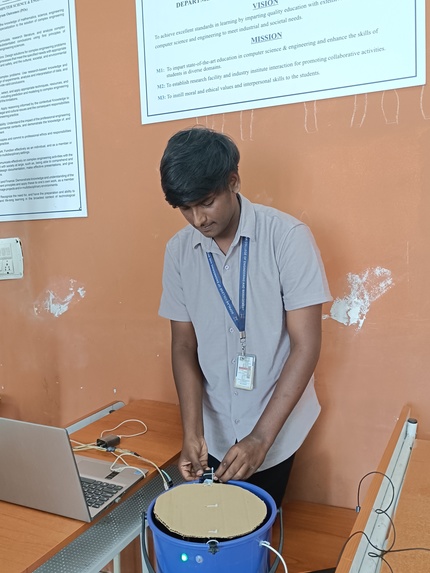
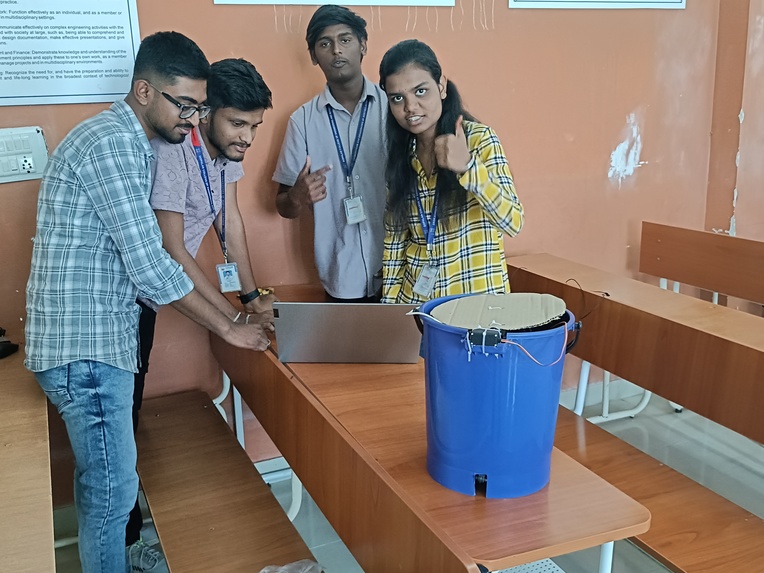
The Smart Waste Sorter is an intelligent, automated bin that segregates waste at the source.
- Visual Recognition: When a user drops an item, an ESP32-CAM captures an image.
- AI Processing: A computer vision model (running on a local server) analyzes the object to classify it as Organic (e.g., food, fruit) or Recyclable (e.g., plastic, paper).
- Automated Sorting: A servo motor physically swings a flap to direct the waste into the correct internal compartment.
- Voice Feedback: The system speaks to the user (e.g., "Plastic Bottle Detected – Recyclable"), educating them in real-time.
- Smart Monitoring: A real-time Dashboard tracks the fill level of each bin and the total weight of waste collected, allowing janitors to clean on-demand rather than on a fixed schedule.
How I built it
We combined IoT (Internet of Things) with Computer Vision to create a seamless hardware-software loop.
- Hardware: We used an ESP32-CAM for image capture and a standard ESP32 to manage the sensors. We wired Ultrasonic Sensors (HC-SR04) to measure bin levels and a Servo Motor to control the sorting flap.
- AI & Backend: The brain of the system is a Python Flask server using OpenCV. It receives images from the camera, processes them, and sends a "Sort Command" back to the hardware.
- Frontend: We built a responsive HTML5/CSS Dashboard that updates live using AJAX, showing the status of "Bin #1" (Recyclable) and "Bin #2" (Organic).
Challenges I ran into
- Power Stability: The biggest headache was the Servo Motor. Every time it moved, it drew too much current, causing the ESP32-CAM to crash ("Brownout Reset"). We solved this by isolating the power rails and using a dedicated 5V source for the motors.
- Latency: Initially, the image upload took 3-4 seconds, which was too slow for a user waiting at a bin. We optimized the image compression and used multi-threading in Python to reduce the response time to under 1 second.
- Lighting: The computer vision model struggled in low light. We improved this by adding a small LED flash triggered during image capture.
Accomplishments that I'm proud of
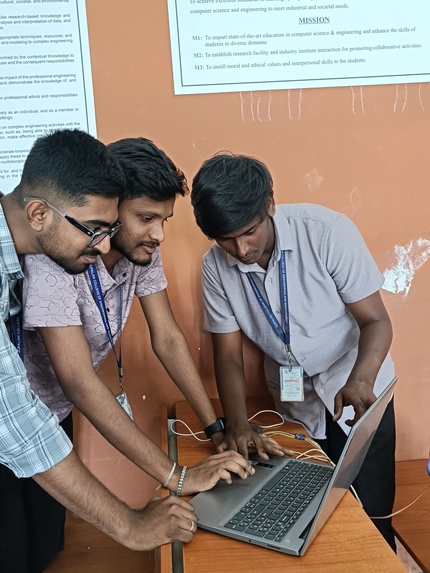
We are most proud of the Voice Feedback System. Hearing the bin actually "talk" to the user transforms it from a boring utility into an interactive gadget. We are also proud of the Dashboard sync—seeing the progress bar on the laptop screen move instantly when we place an object in the bin felt like magic!
What I learned
This project taught us the complexity of integrating Hardware with Software. We learned that code might be perfect, but a loose wire or weak power supply can break everything. We also gained deep experience in Data Structures (managing bin data) and IoT Communication protocols (HTTP/Serial).
What's next for Smart Waste Sorter
- Solar Power: We plan to add solar panels so the bin can function outdoors without a power outlet.
- GPS Tracking: Adding a GPS module to track the location of mobile waste bins during events.
- Better AI: Training the model on a larger dataset to recognize specific local Indian snack wrappers and brands.

