-
-
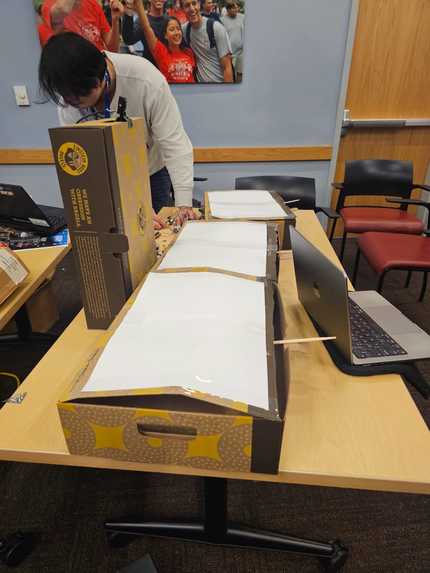
Smart Bins
-
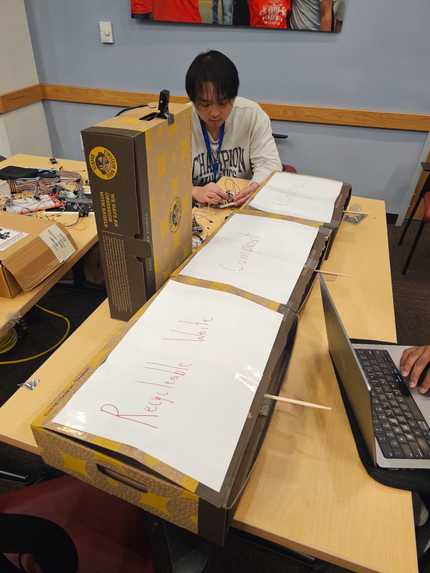
Labeled Smart Bins
-
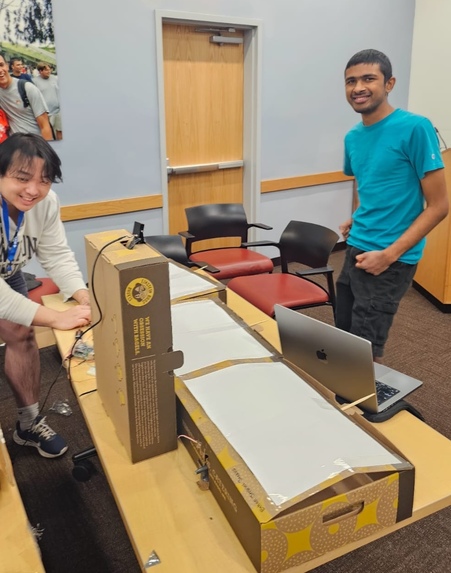
Smart Bins with Camera Setup
-
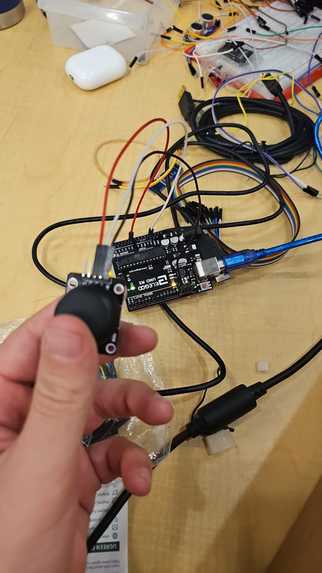
Joystick and Arduino Setup
-
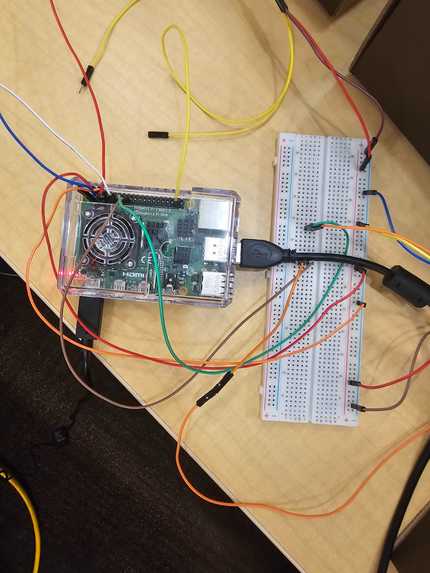
Raspbery Pi Setup


Smart Waste Segregation and Gamification
Inspiration
The staggering reality of waste management drove us to action:
- $200 billion spent annually on waste management
- 292.4M tons of municipal solid waste generated yearly
- 4.9 pounds of waste per person per day
- Only 69 million tons recycled vs 146.1 million tons landfilled
We saw an opportunity to make waste management both automated and educational, transforming a daily chore into an engaging learning experience.
What it does
Our project combines two innovative components:
Smart Waste Sorter:
- Uses computer vision (BLIP) to identify waste items in real-time
- Automatically opens the correct bin using servo motors
- Classifies items into E-Waste, Compost, or Recyclable categories
- Provides instant feedback on waste categorization
Educational Game:
- Space Invaders-style gameplay
- Players catch falling items matching waste categories
- Real-time scoring system tracks environmental impact
- Interactive controls via Arduino joystick
How we built it
Our system combines hardware and software components:
Hardware Components
- Raspberry Pi with camera module
- Arduino Uno/Nano/Pro Mini
- Three servo motors (GPIO 26, 27, 22)
- Analog joystick
- Recycled Einstein Bros. boxes for bins
Software Implementation
- Waste Sorter Setup:
# Install requirements
pip install torch torchvision transformers opencv-python pillow RPi.GPIO
Run detector
python detector.py
- Game Setup:
# Clone repository and setup
git clone https://github.com/Girish-Krishnan/Smart-Waste-Segregation-And-Gamification
cd waste-game
chmod +x setup.sh
./setup.sh

# Start game server
python3 main.py

# Start Arduino controller
python3 arduino_controller.py


# Access game
http://localhost:5000
- Arduino Configuration:
- Connect joystick: X-axis → A0, VCC → 5V, GND → GND
- Upload
arduino_sketch/waste_controller/waste_controller.ino
Technology Stack
- BLIP image recognition model
- Python backend
- OpenCV for camera processing
- Arduino for game controls
- Web interface for game display
Challenges we ran into
Hardware Integration:
- Coordinating multiple GPIO pins
- Achieving reliable camera processing
- Calibrating servo movements
- Syncing Arduino controls
Software Development:
- Optimizing BLIP model performance
- Managing real-time processing
- Handling classification edge cases
- Creating smooth game mechanics
Physical Construction:
- Building sturdy bins from recycled materials
- Mounting electronics securely
- Ensuring reliable operation
Accomplishments that we're proud of
- Built a working prototype using sustainable materials
- Successfully implemented real-time waste detection
- Created an engaging educational game
- Achieved reliable sorting automation
- Developed a comprehensive waste classification system
- Integrated hardware and software seamlessly
What we learned
Technical Skills:
- Computer vision implementation
- Hardware-software integration
- Real-time system coordination
- Game development principles
Environmental Impact:
- Waste management challenges
- Recycling best practices
- Sustainable design approaches
Project Management:
- Cross-disciplinary collaboration
- Iterative development
- Problem-solving strategies
What's next for Smart Waste Segregation and Gamification
Technical Enhancements:
- Custom-trained waste detection model
- Enhanced classification accuracy
- Multiple camera support
- Mobile app development
Feature Additions:
- NFC-based reward system
- Additional waste categories
- Multiplayer game modes
- Cloud data analytics
Community Impact:
- School implementation programs
- Public space installations
- Waste reduction tracking
- Environmental impact metrics
We envision scaling this solution to revolutionize waste management education and automation across communities worldwide.


Log in or sign up for Devpost to join the conversation.