-
-
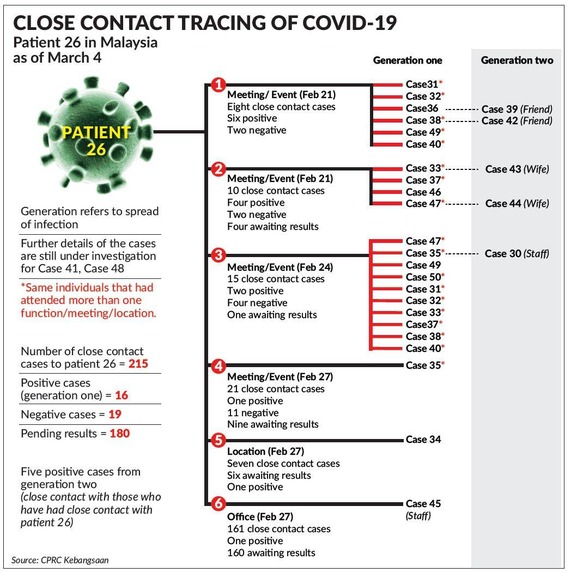
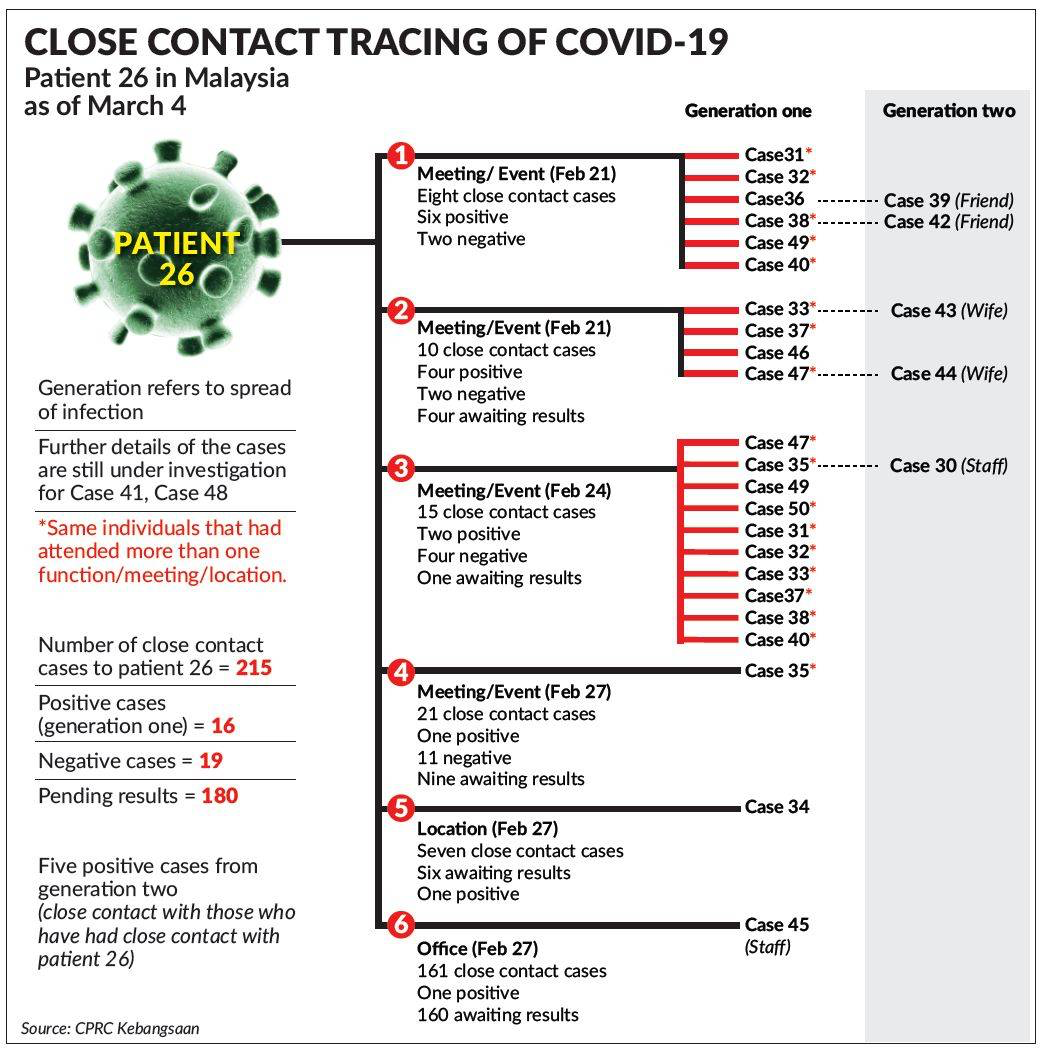
COVID-19 surveillance in Malaysia (CPRC Kepangsaan)
Inspiration
The increasing number of COVID-19 morbidity and mortality on daily basis deprived me from sleeping. I was wondering if the virus was shaking developed countries with strong health systems, what would it do for the least developed countries with weak health systems that are still struggling with other infectious diseases. As an epidemiologist and blockchain strategist, and a believer in the combination innovation, I firmly believe that there is a high need to revolutionize the conventional surveillance (active case finding and contact tracing) and enable it with the digital technology that almost covered every other industry. This needs to go further than colored maps of hot spots and disease distribution but to developing a precise prediction of the virus spread, potential hot spots and technology enabled contact tracing. Timing is very critical so the technology should help with drawing this map when Case zero is confirmed.
What it does
The basic protocol and algorithms will be developed to support a closed, permissioned blockchain system that allow the transactions and safe storage of information. The algorithm will be developed with some epidemiological information to calculate the potential exposure to the infection. The following is example of information that will be stored in the system: 1- The locations and mobility maps of individuals for specific period of time (14 days for the COVID-19), that are overwritten by the influx of new information. For example, when the 14 periods passed, information are automatically deleted and a new cycle of information started to be stored. 2- The social engagement with a member of the social network. Through specific formula and AI utilization for analyzing big data, the system with high accuracy should be able to tell the potential persons (s) who might have engagement with the infected person (s). 3- The whereabouts of those potential contacts.
How I built it
The project is still in ideation phase, however, it is based on building a permissioned blockchain protocol on the top of the GSM (mobile) operators network. A third layer, which is application layer will be the interface for the system users who can be: public health professionals (for contact tracing, isolation and forecasting outbreak trends), law enforcement (for monitoring of compliance with health regulations) and policy makers (for resource allocation and equipment pre-positioning).
Challenges I ran into
Our team developed a full white paper with all of the details and potential impact. However, we didn't find the time nor the resources to build a POC.
Accomplishments that I'm proud of
The theoretical framework is providing a comprehensive and global solutions that can help all countries, that have a mobile network with decent coverage. In these settings of developing countries, usual addresses, street identifiers and post codes doesn't exist, so geo-tracking is the only possible way for proper contact tracing. I'm also proud that the system will not preach the people's confidentiality and right to privacy, as only when the person is a potential contact, the necessary information related to their conditions will be revealed by a jury that includes other institutions beyond health officials (consensus mechanism).
What I learned
Global collaboration, solidarity and mobilization of all resources and knowledge can help the humanity during these challenging times.
What's next for SMART TRACE
Building a POC, developing an open source plat form for the development of the protocol, engaging all stakeholders (details are in the white paper including the SMART TRACE ecosystem) at the global level, running tests and fixing glitches and then launching the system live.


Log in or sign up for Devpost to join the conversation.