-
-
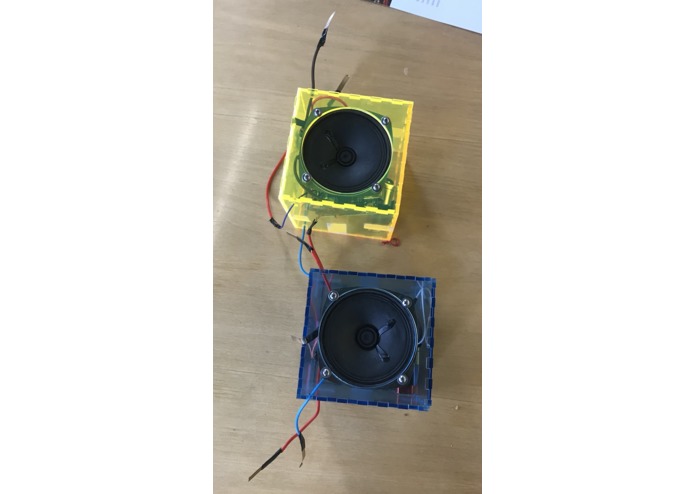
AaHaMaMa Smart Toy Prototype
-
-
-
-
-
-
-
Inspiration
Bilingual Education in the USA public school system is in desperate need of resources, and the current ability to immerse children in both languages without technology tools is untenable. From my industry experience as part of an early iPod Team member, and broader Industry Experience at WebTV, and Microsoft Surface Table -- I know there is a better way to engage children at the youngest age group -- 0 to 3 years with Tangible Play Smart Toys. Think Smart Toy IOT with cloud integration.
How I built it
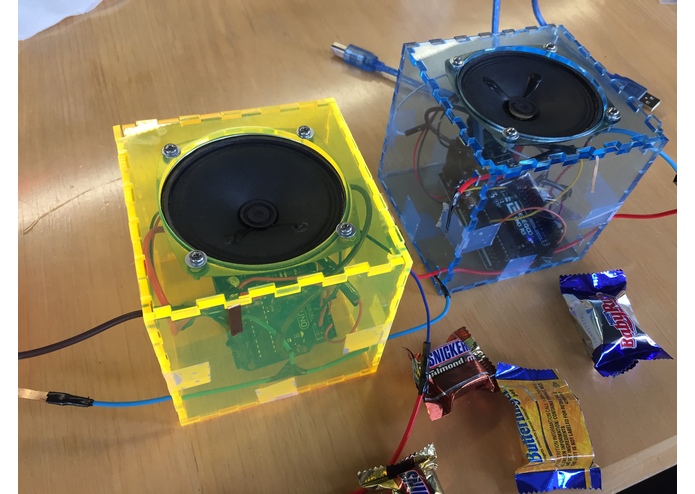
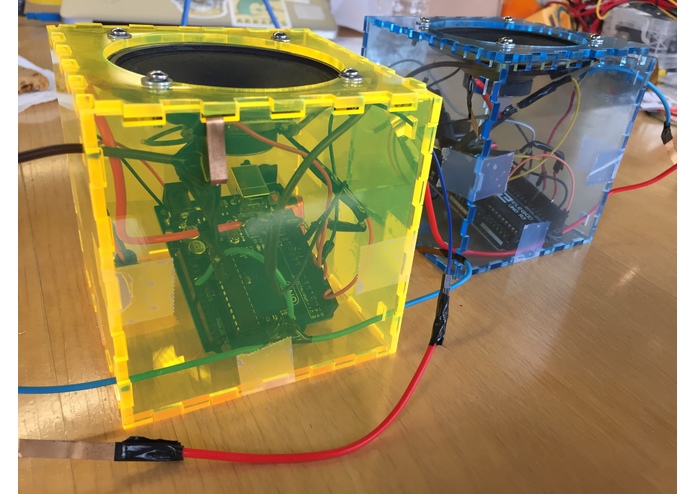
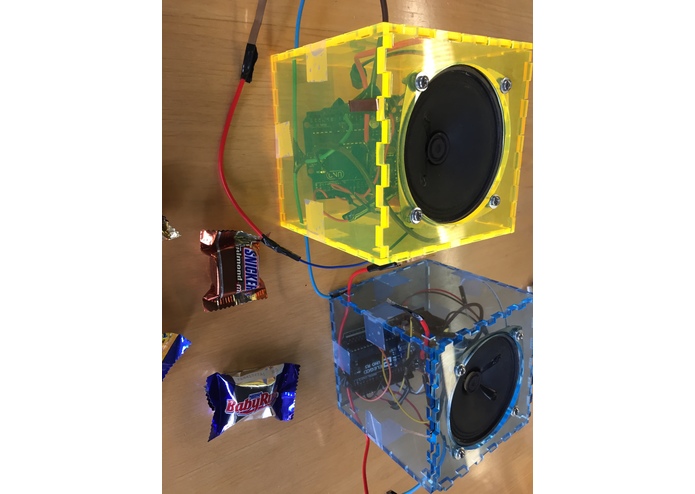
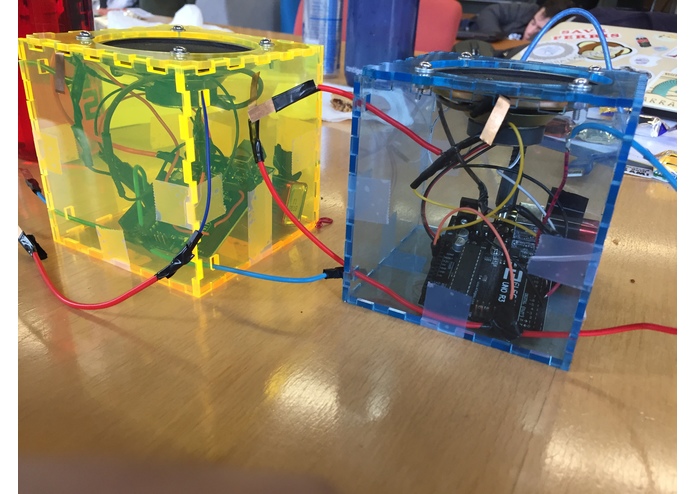
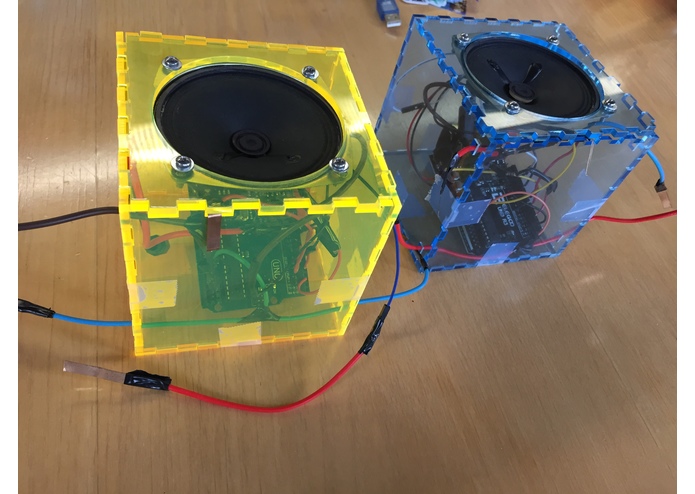
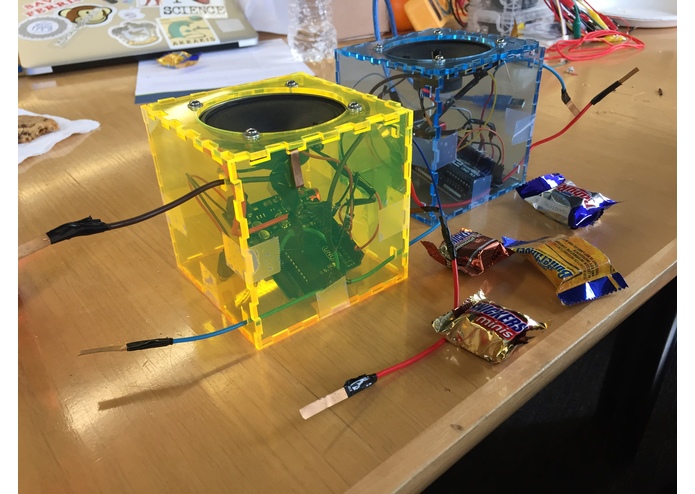
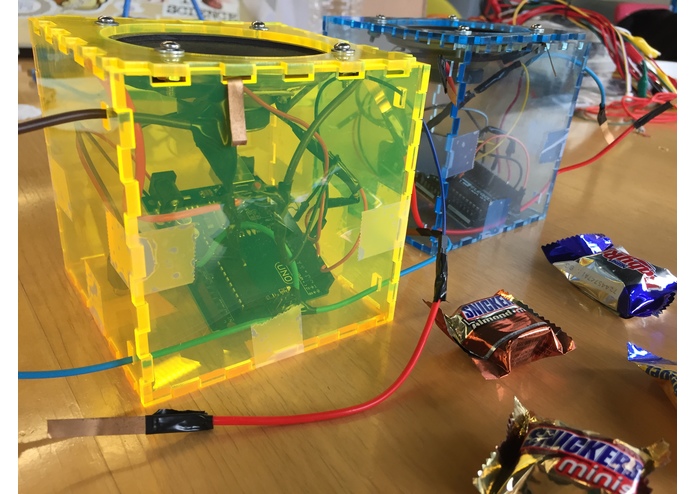
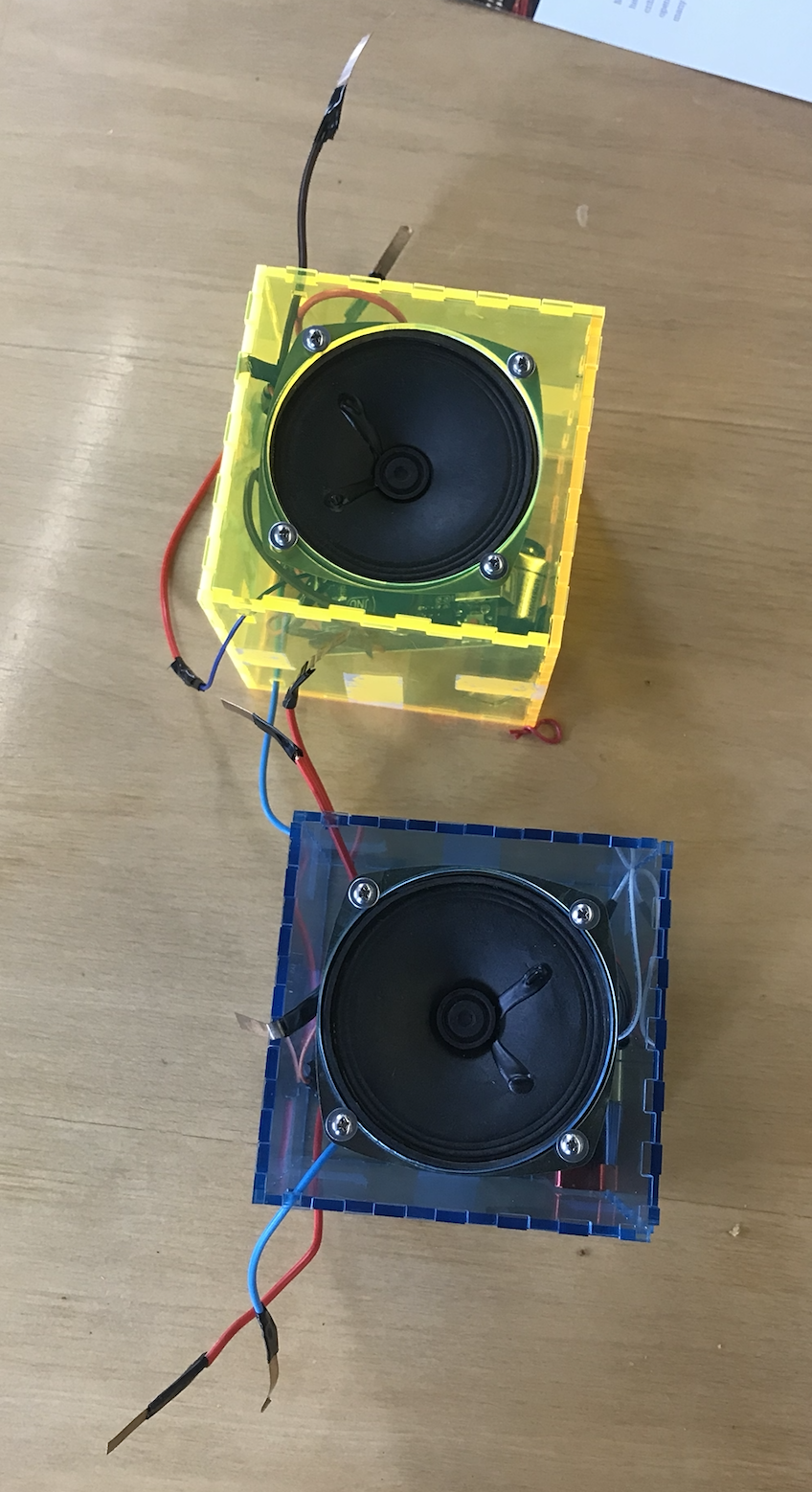
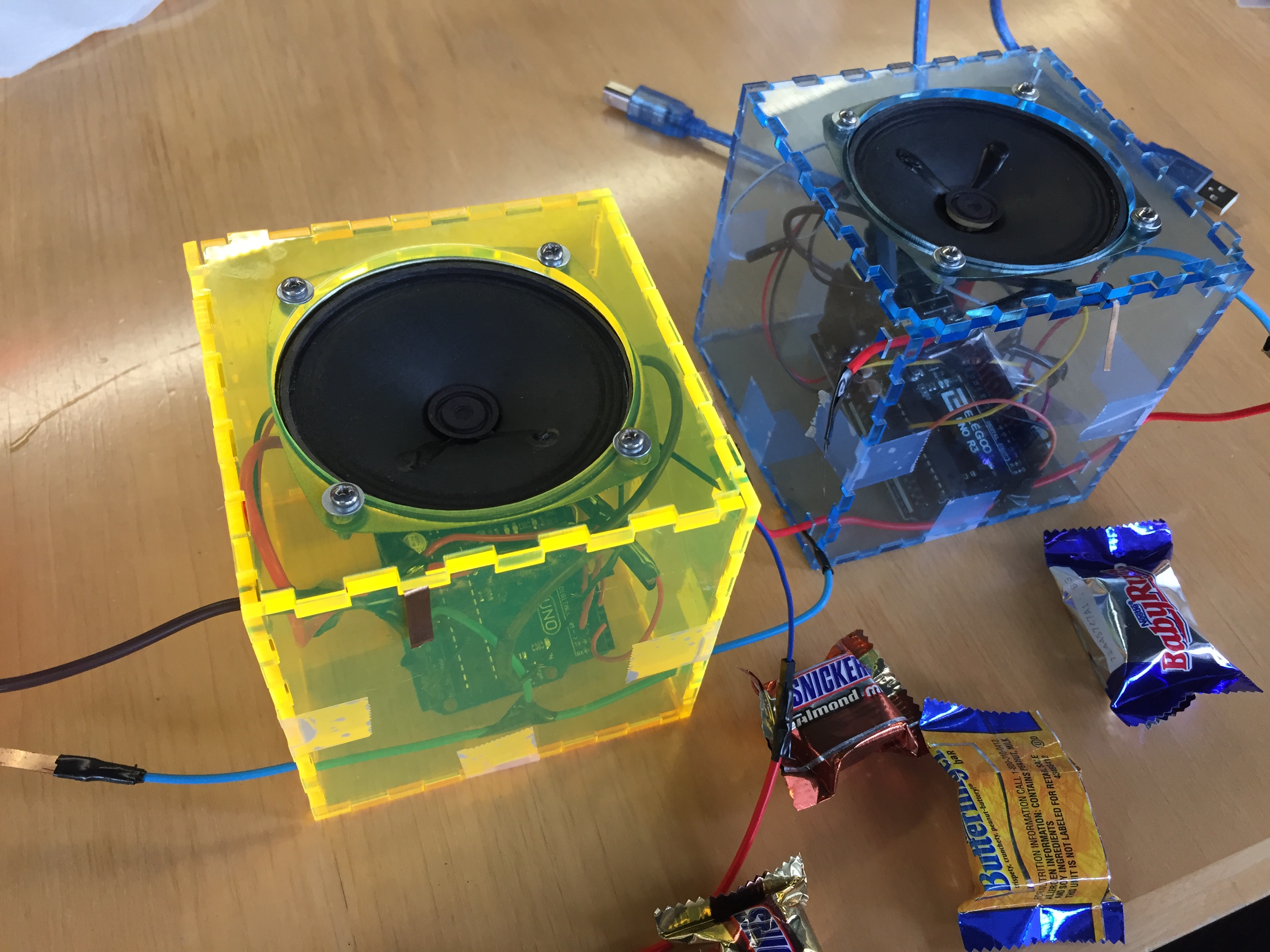
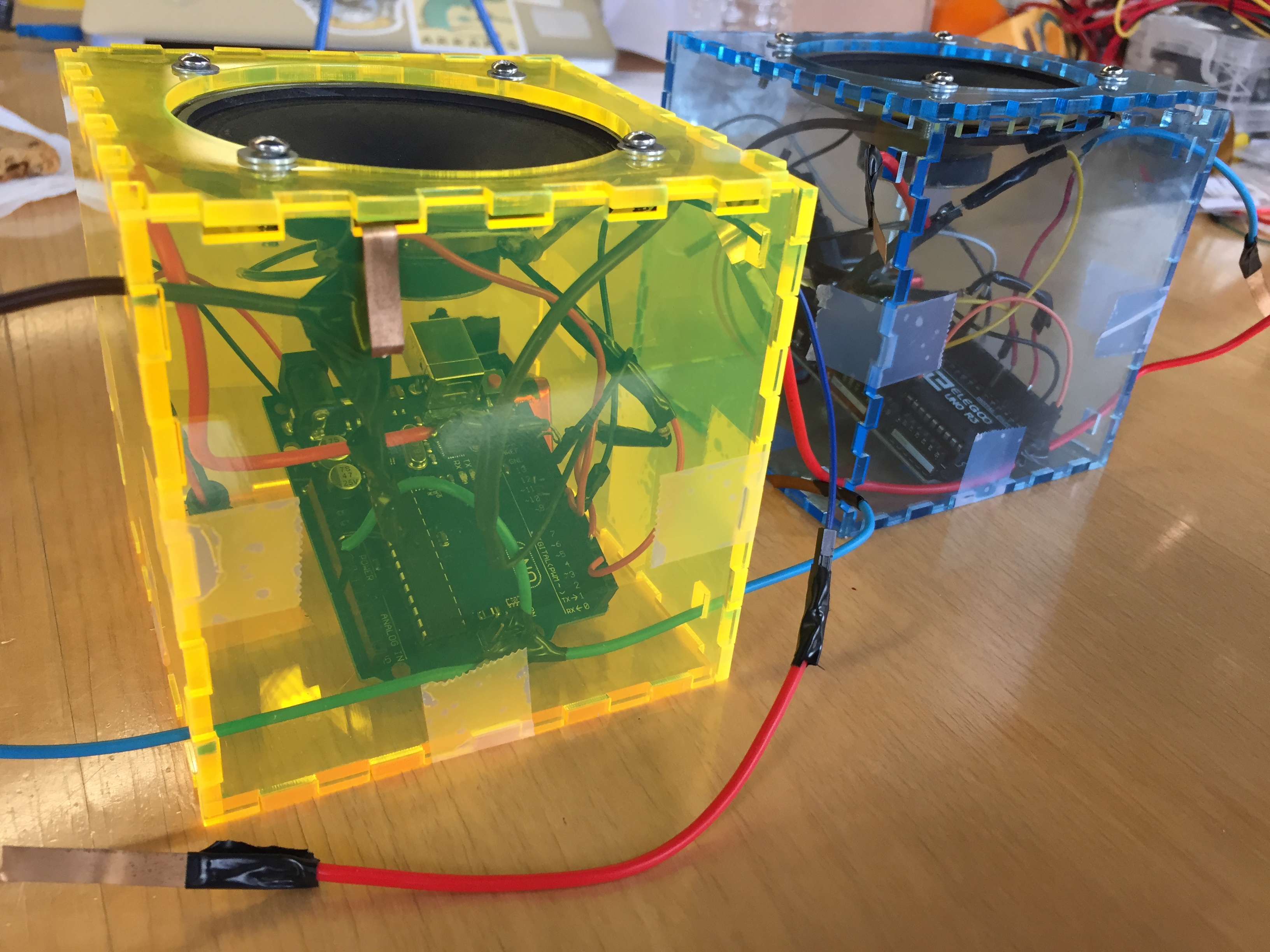
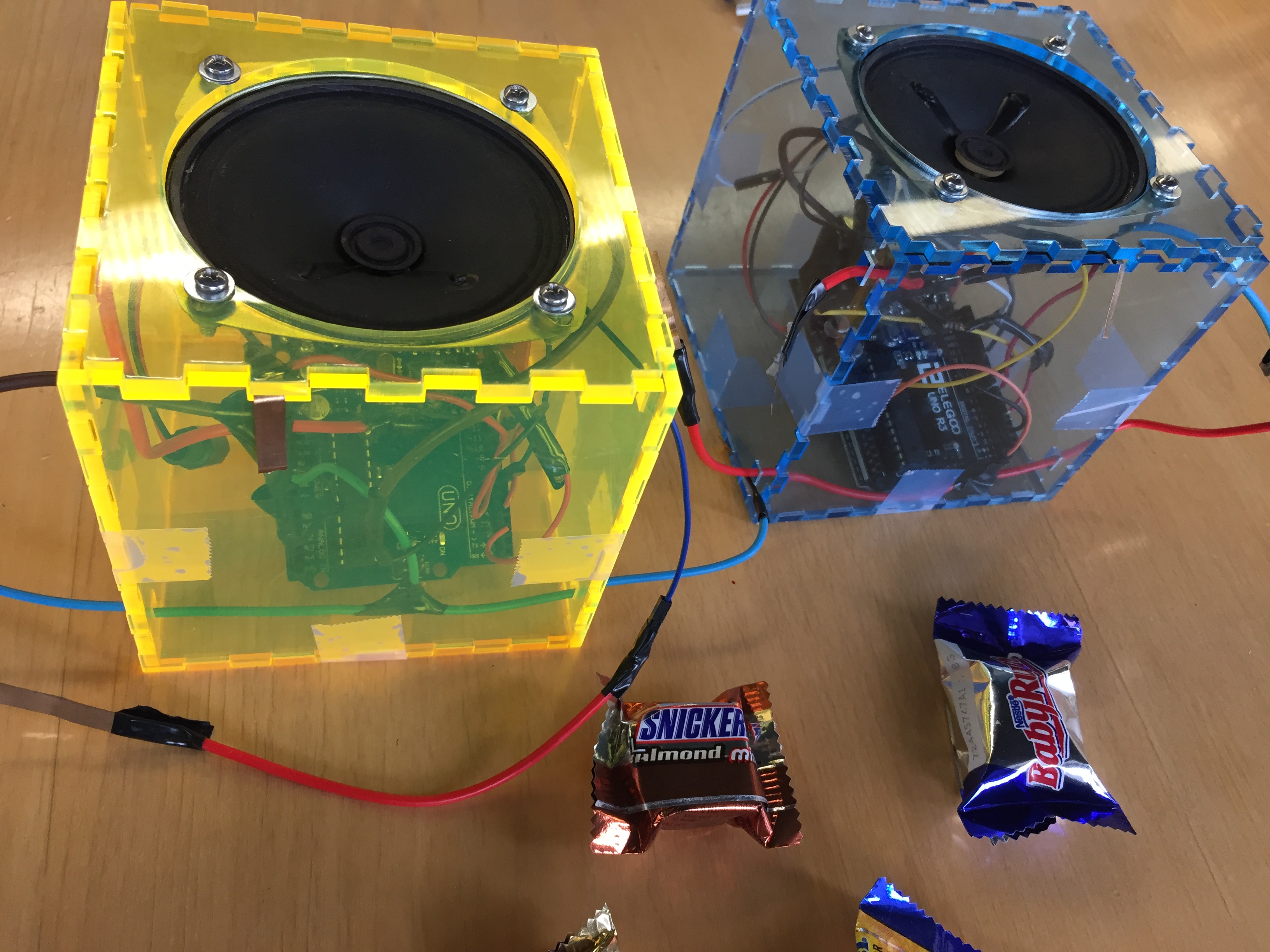
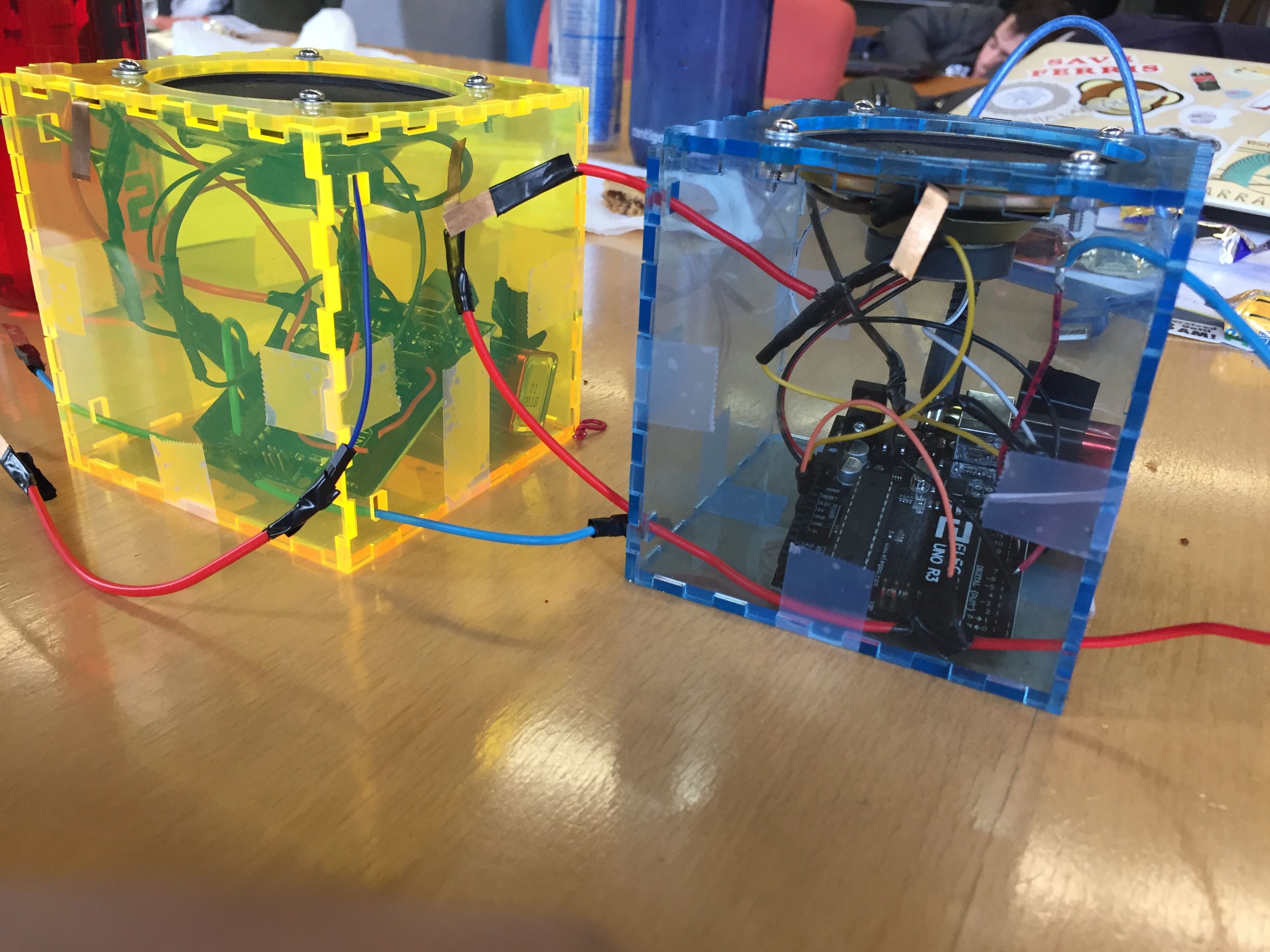
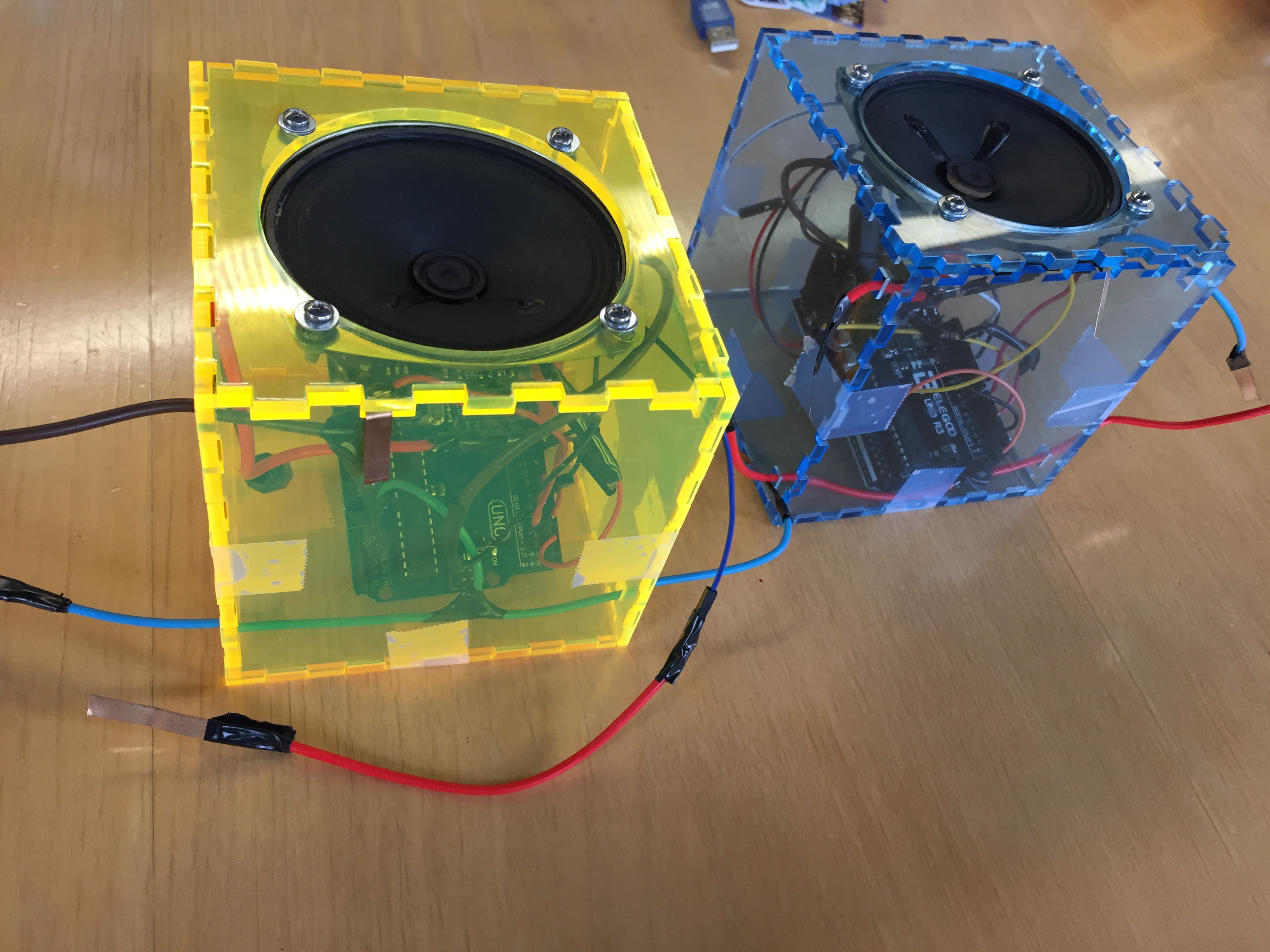
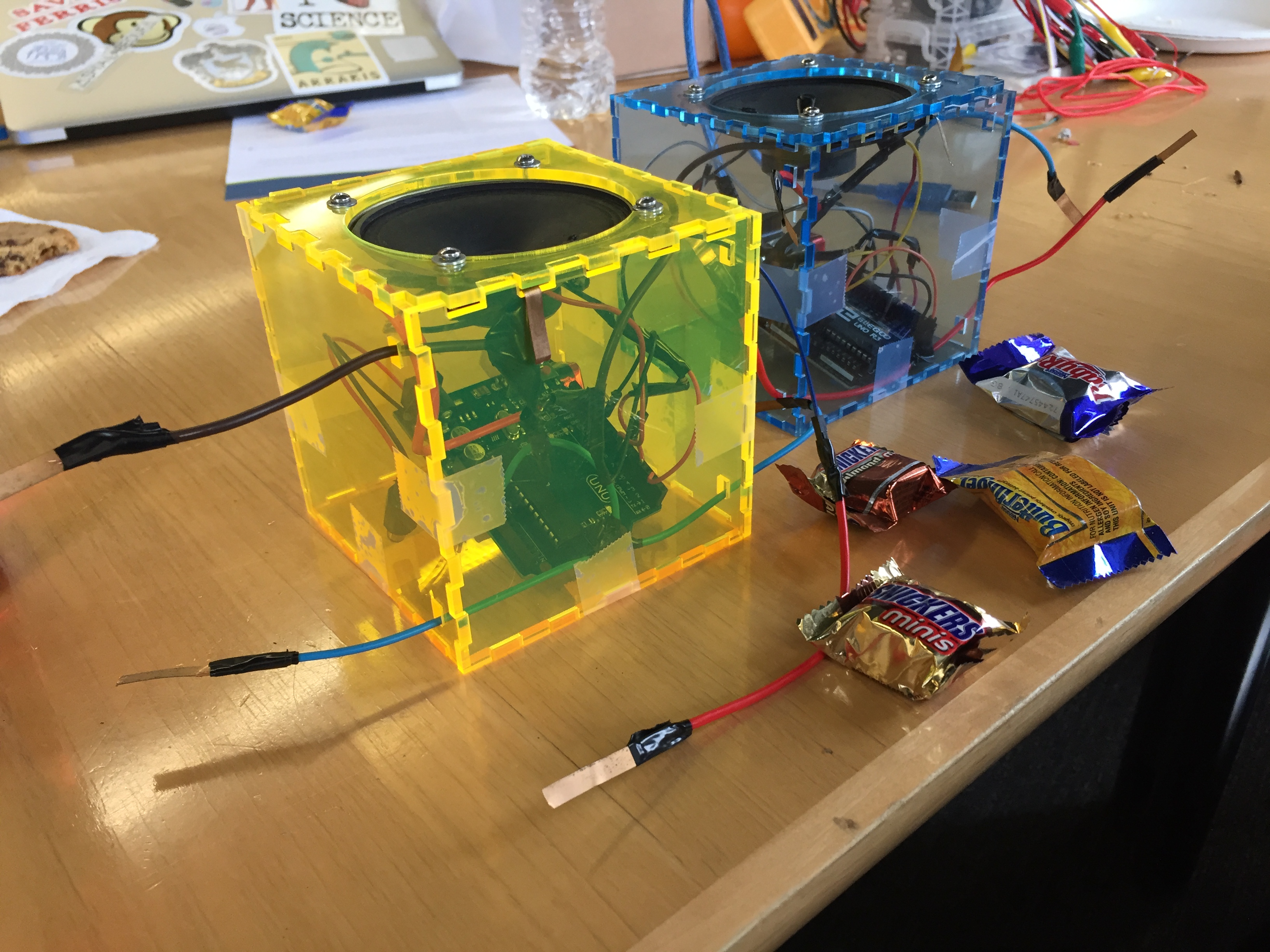
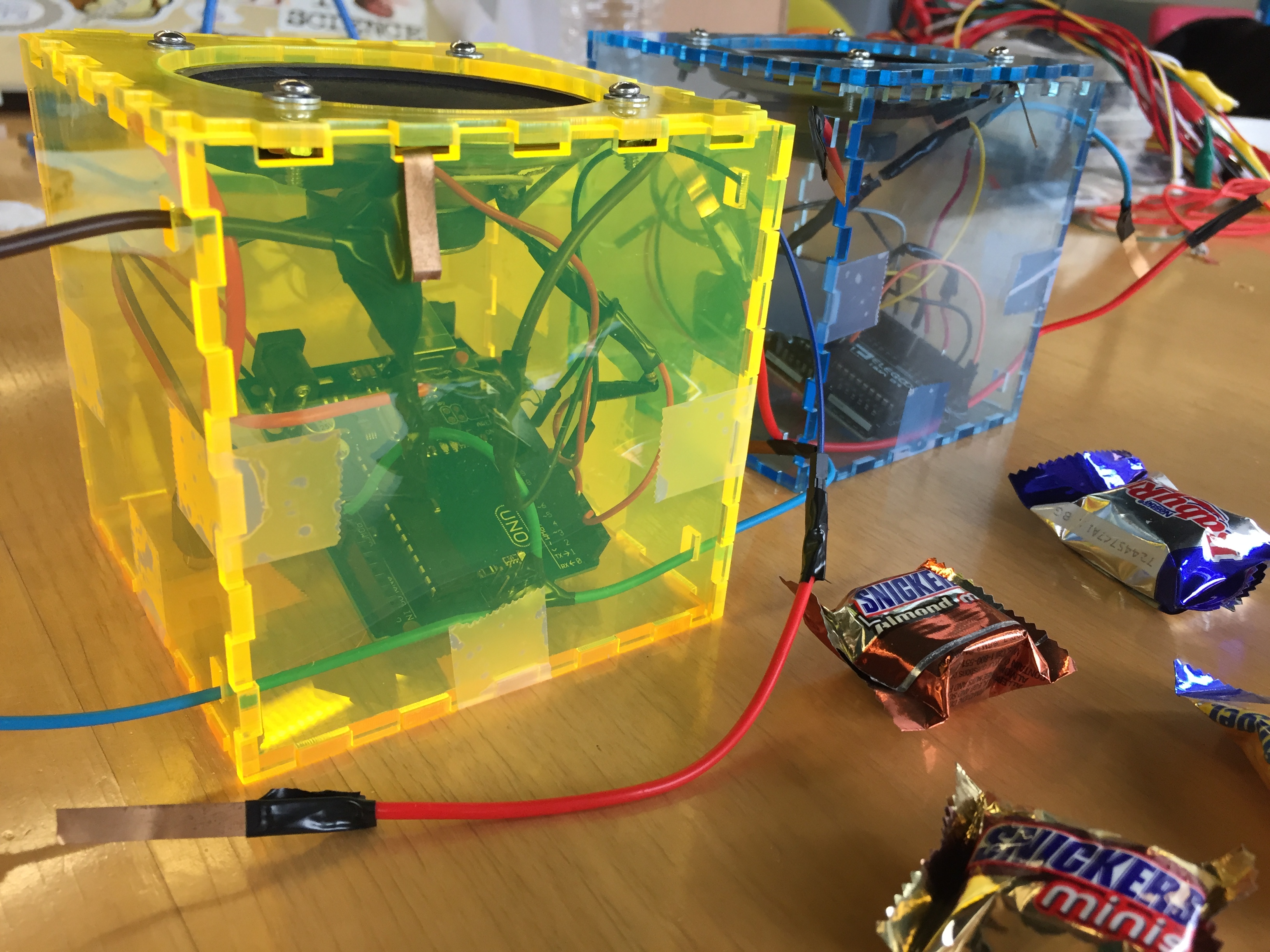
The team met at Make Harvard, and we developed a first iteration enclosure, and used multiple Arduino's to start developing an interaction model for how young children might move words around in their environment and engage in word play, we were able to overcome some of the memory limitations in Arduino by focusing on the overall high level story of Tangible Play, and recording only a single word in a single language on each device.
Challenges I ran into
With only 1 day to prototype, we had to be very persistent and work into the early morning, while staying focused on building an end to end integrated Smart Toy with limited discrete Analog Components. We used a variety of Analog Circuit Design Techniques in order to improve the Arduino Circuit's without the preferred discrete components and active circuit elements.
Accomplishments that I'm proud of
We were able to come together as a team, and take a challenging concept and build a clear embodiment of the Tangible Play Smart Toy Concept. It is a clear step towards developing a more refined custom Printed Circuit Board and enclosure that establishes a high quality play experience with a custom Smart Toy. Moreover, we established clear limitations on memory of the Arduino Uno, and the value of having a more flexible embedded platform in order to enrich the Tangible Play Experience and investigate a more complete progression of play modes, levels, and curious limitless Tangible Play Expression . In Addition, we were able to experiment with touch sensors, and consider Accelerometers as signaling Mechanisms for Play Style and Learning Style differences, which may have important implications for a diversity of young children, and possibly allow a responsive play experience that enables a meaningful adaptive mode of play for kids with certain personality types, disabilities, or nuanced learning style differences such as spatial intelligence, musical intelligence, verbal fluency, active play, cooperative play, and more importantly allow the enhancement of key affordances and emphasize a more complete exploration of language across a wide variety of school, home, and third place venues.
What I learned
I learned that a team with a fresh introduction to the AaHaMama Concept Smart Tangible Toy for Bilingual kids concept could develop a level of excitement and passion to continue work well past 2 AM. Technology opens a phenomenal canvas to make meaning and change lives , and imaginative development is a natural response to a collaborative and supportive setting with flexible access to a diverse set of tools and materials.
What's next
The Next steps for AaHaMama are to look both at a richer platform to refine Learning and Play models, and to develop Play Testable modules to get feedback from young children ages 0 to 3, and mothers. The overlapping efforts will allow us to find the region where there is a sense of FLOW during play. We will also need to look at the best way to enhance the transition from learning of words, to learning of key cultural media such as children's songs, poems, grammar structures and customs. Finally, we need to work on cloud integration with our existing AWS backed prototype games library as well as a Parent/Teacher Dashboard and unlock Multimedia that enhances immersive experience.

Log in or sign up for Devpost to join the conversation.