-
-
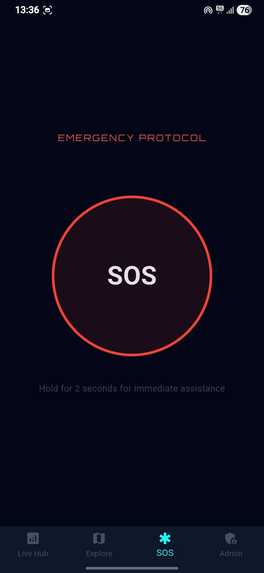
SOS for emergency or safety purposes
-
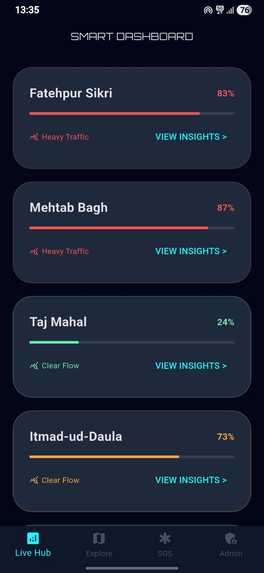
Live demo data from different places
-
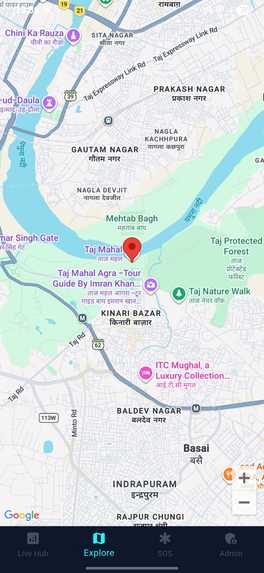
Map view using Google Maps API
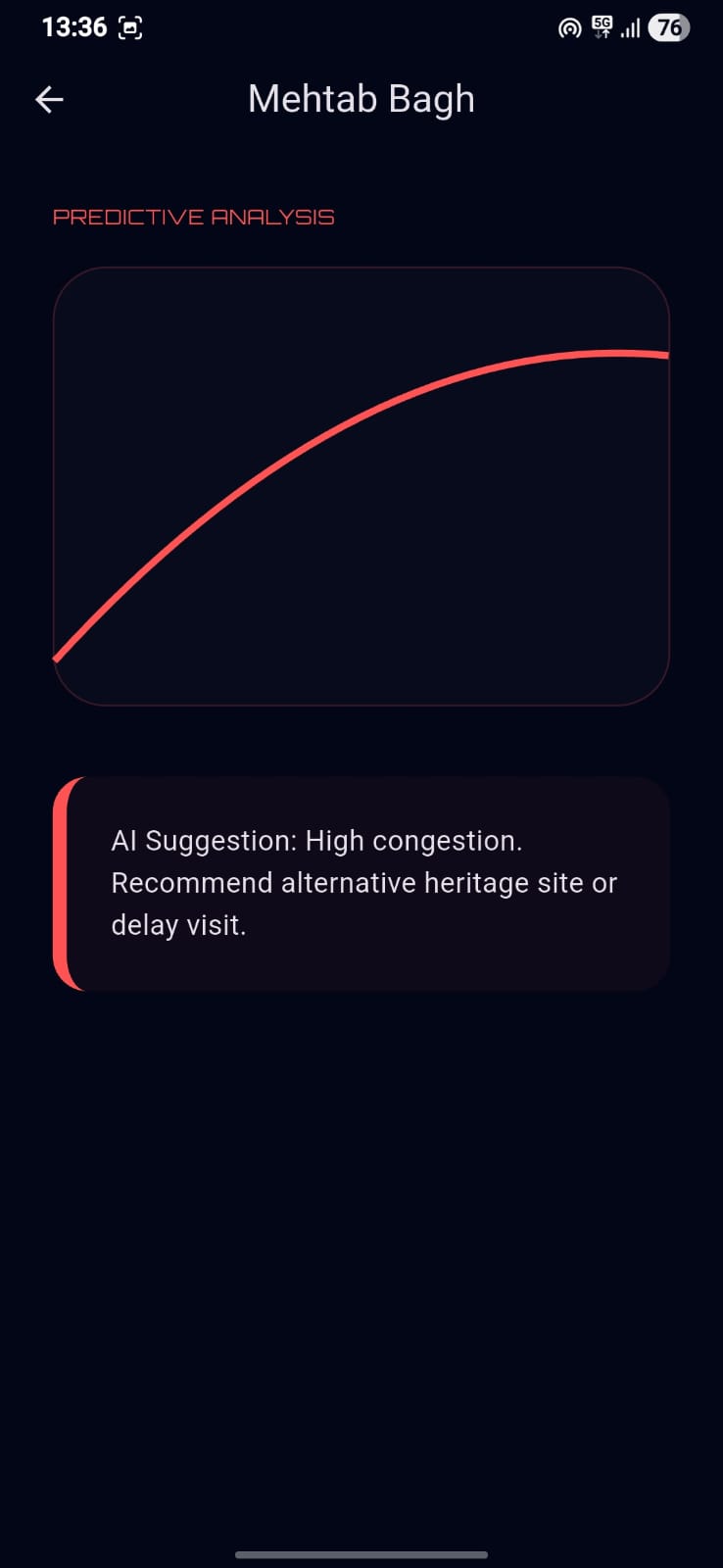
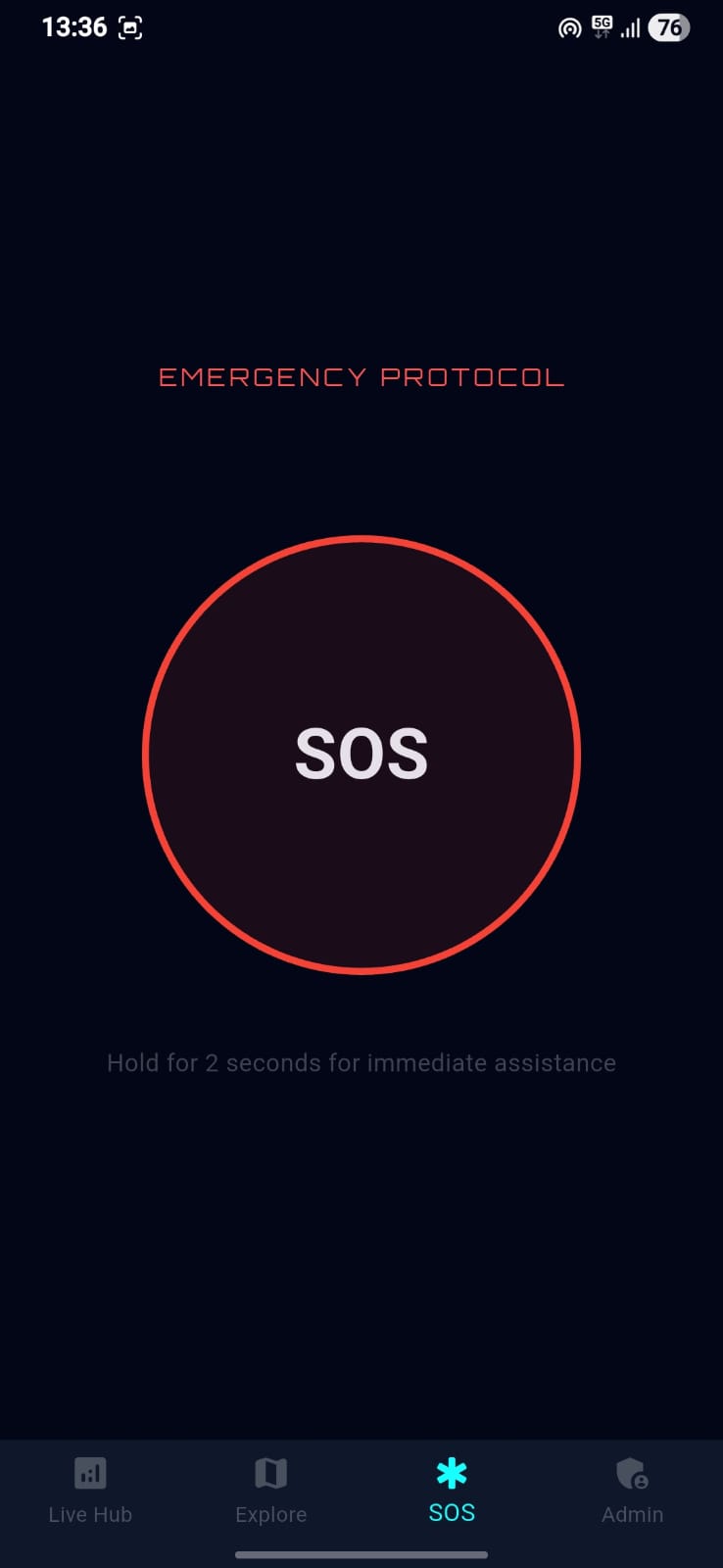


\section{Inspiration} Tourist destinations often suffer from overcrowding, poor planning, and safety concerns due to the lack of real-time data. This inspired us to build a solution that helps tourism authorities and stakeholders understand tourist movement and make smarter, data-driven decisions.
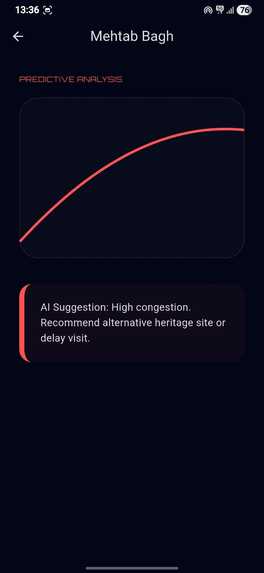
\section{What it does} Smart Tourism IQ analyzes tourist footfall data and presents it in a clear and visual format. It helps predict crowd trends, identify high-density areas, and support better planning for tourism management and visitor safety.
\section{How we built it} We developed a responsive frontend using React to showcase the project concept and workflow. The system architecture is designed to support data analytics and AI-based predictions, with the flexibility to integrate real-time data sources and backend services in the future.
\section{Challenges we ran into} One of the main challenges was finding reliable real-time tourism data within the hackathon timeframe. We also faced challenges in balancing technical feasibility with simplicity and clarity in the user interface.
\section{Accomplishments that we're proud of} We successfully built a scalable and easy-to-understand prototype that addresses a real-world tourism problem. The project effectively combines technology, analytics, and practical impact in a future-ready solution.
\section{What we learned} Through this project, we learned how to convert a real-world problem into a structured technical solution. We also gained experience in frontend development, system design, and understanding how AI can assist in decision-making.
\section{What's next for Smart Tourism IQ} In the future, we plan to integrate real-time footfall data, AI-based crowd prediction models, heatmaps, and dashboards for tourism authorities. We also aim to connect the system with smart city and emergency services to improve tourism management.
