Inspiration Our inspiration was to find a way to track shoe biometrics for people that need help walking, running, or driving correctly. To help disabled elderly people and athletes.
What it does It tracks a users foot with metrics such as speed, force pressure (and where force is applied), gyroscopic rotation, and accelerations. These metrics can then be viewed on snowflake by a professional or by a Deep Neural Network model to assist people with their health needs, whether it is an athlete needing better running form or an elderly lady needing analysis on whether or not she is properly using her cane.
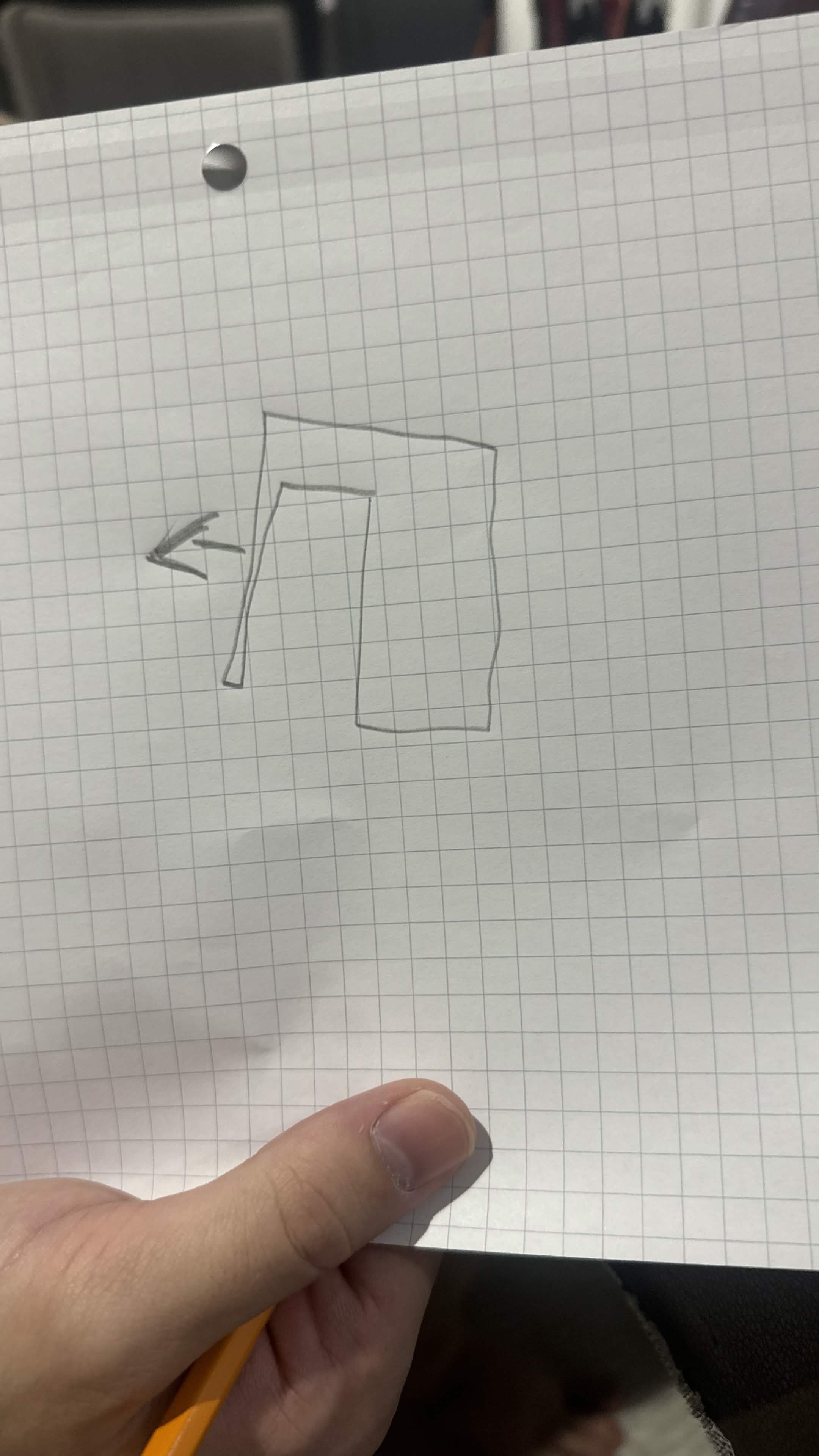
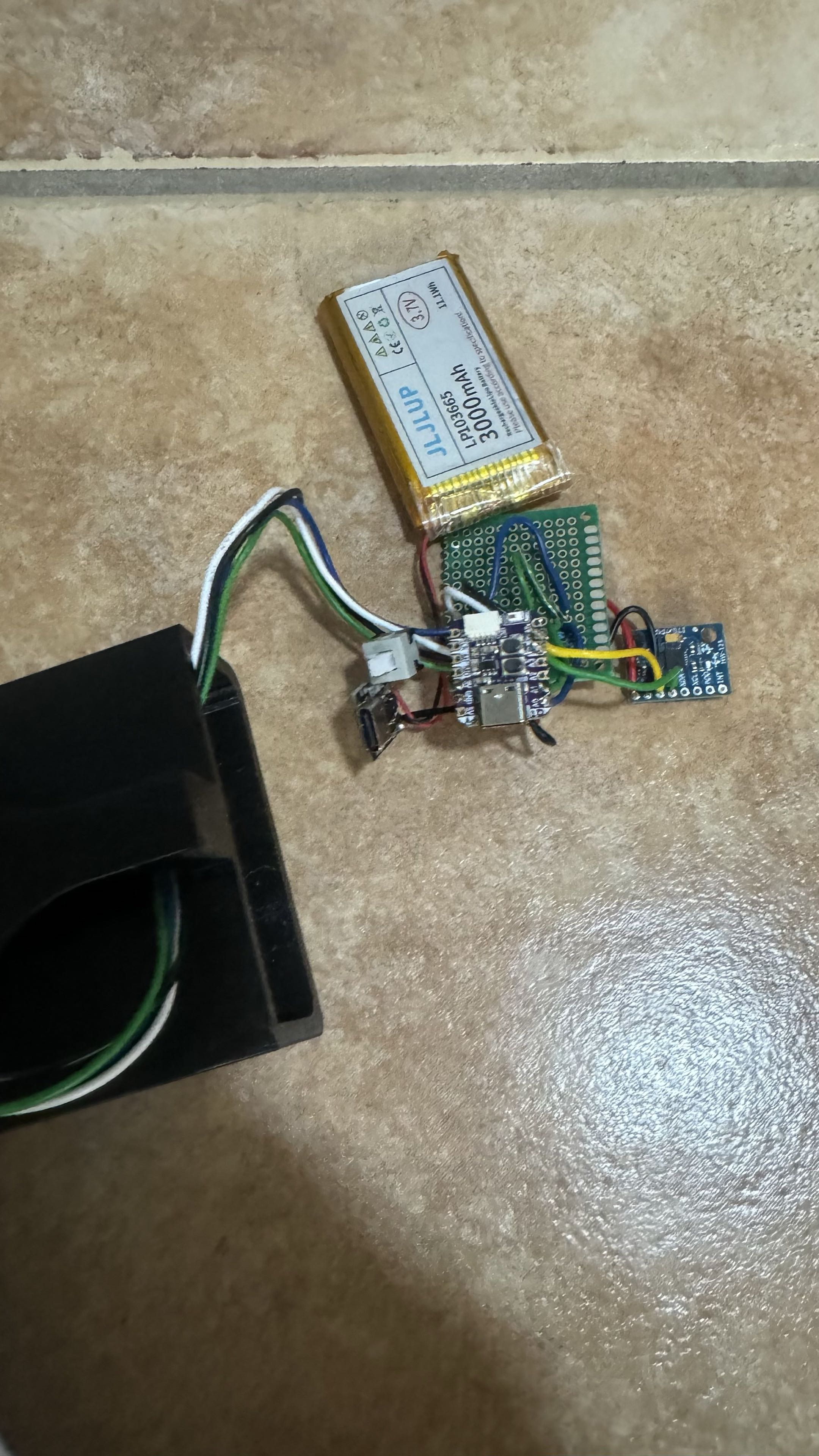
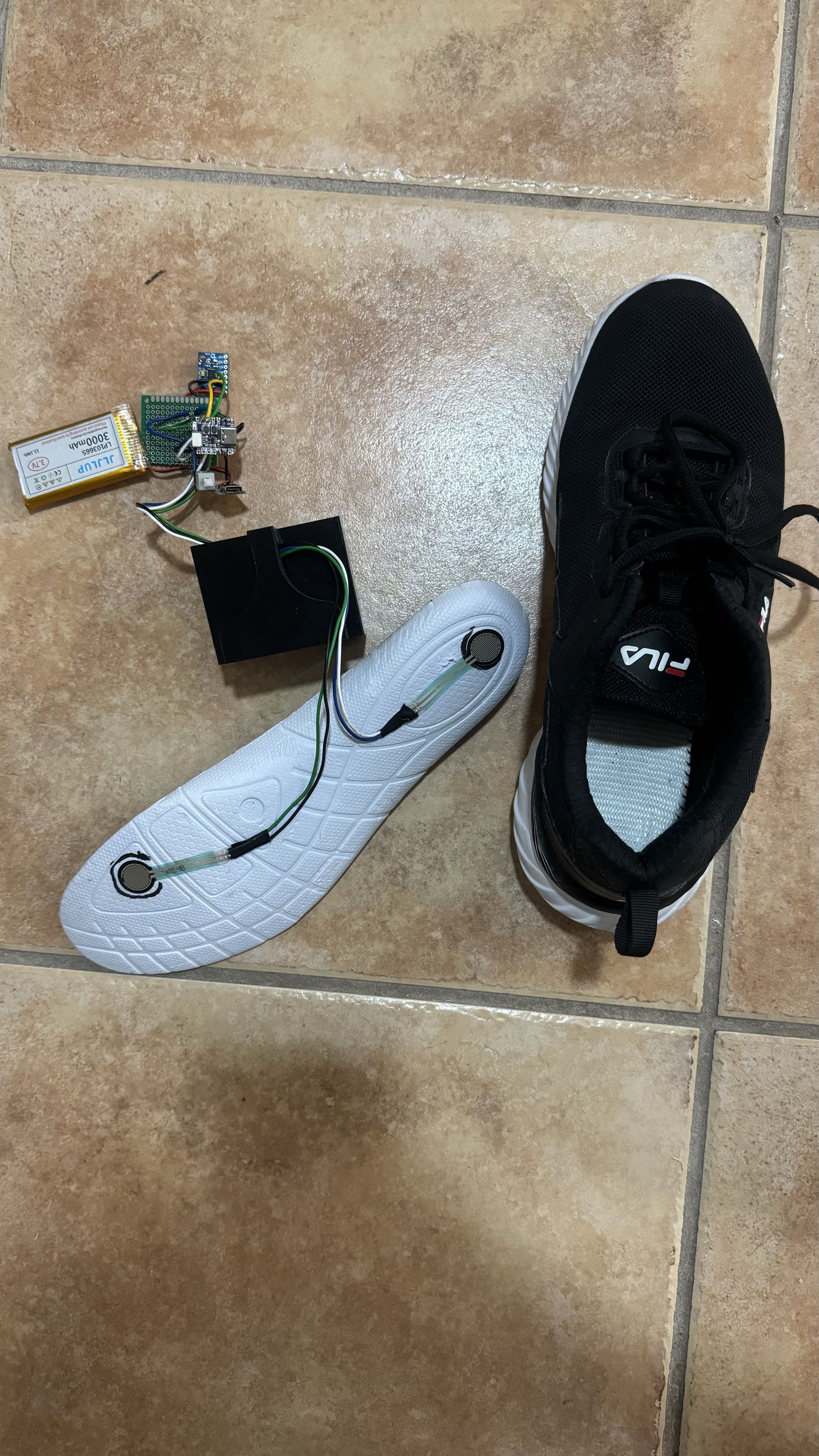
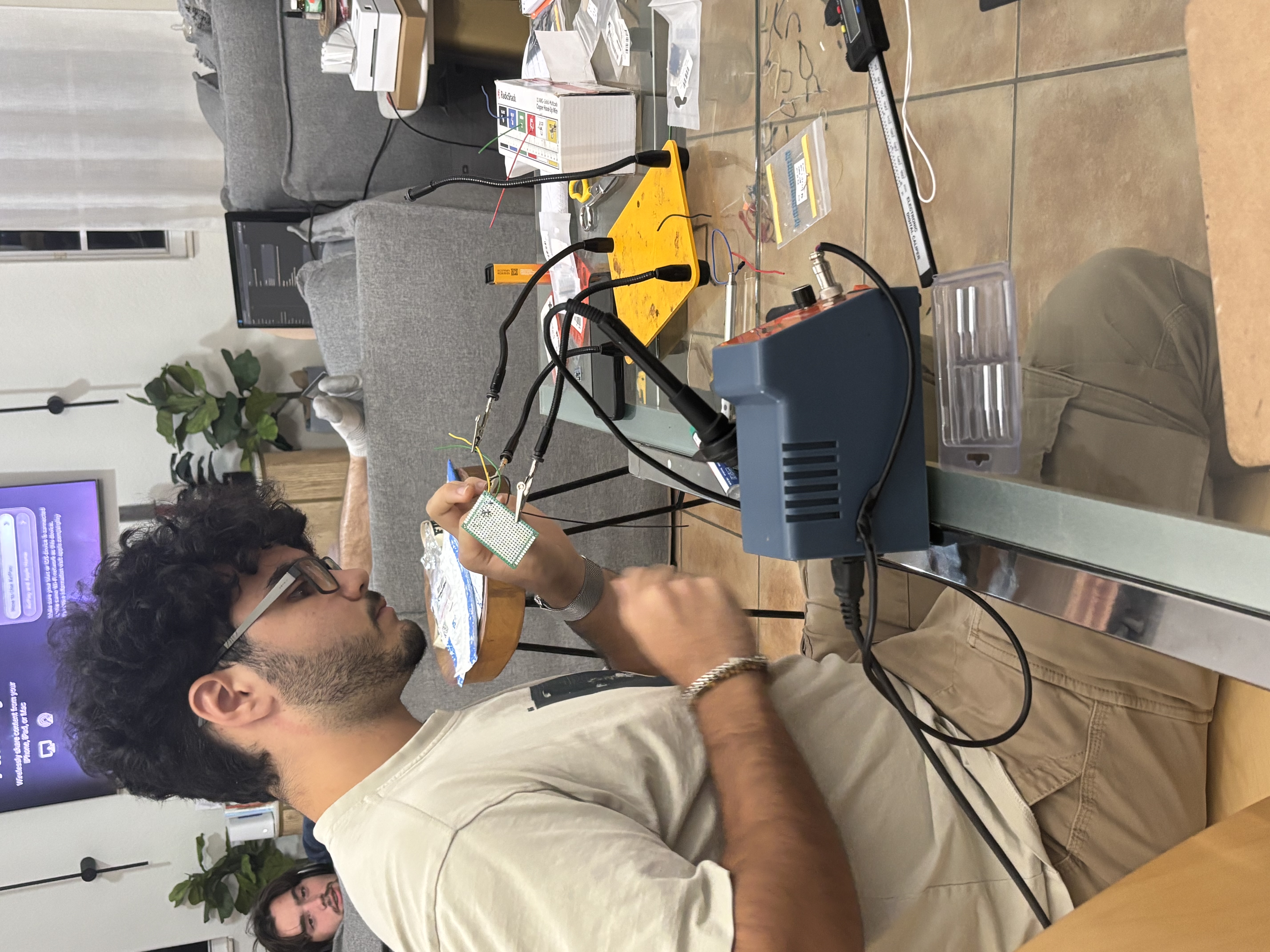
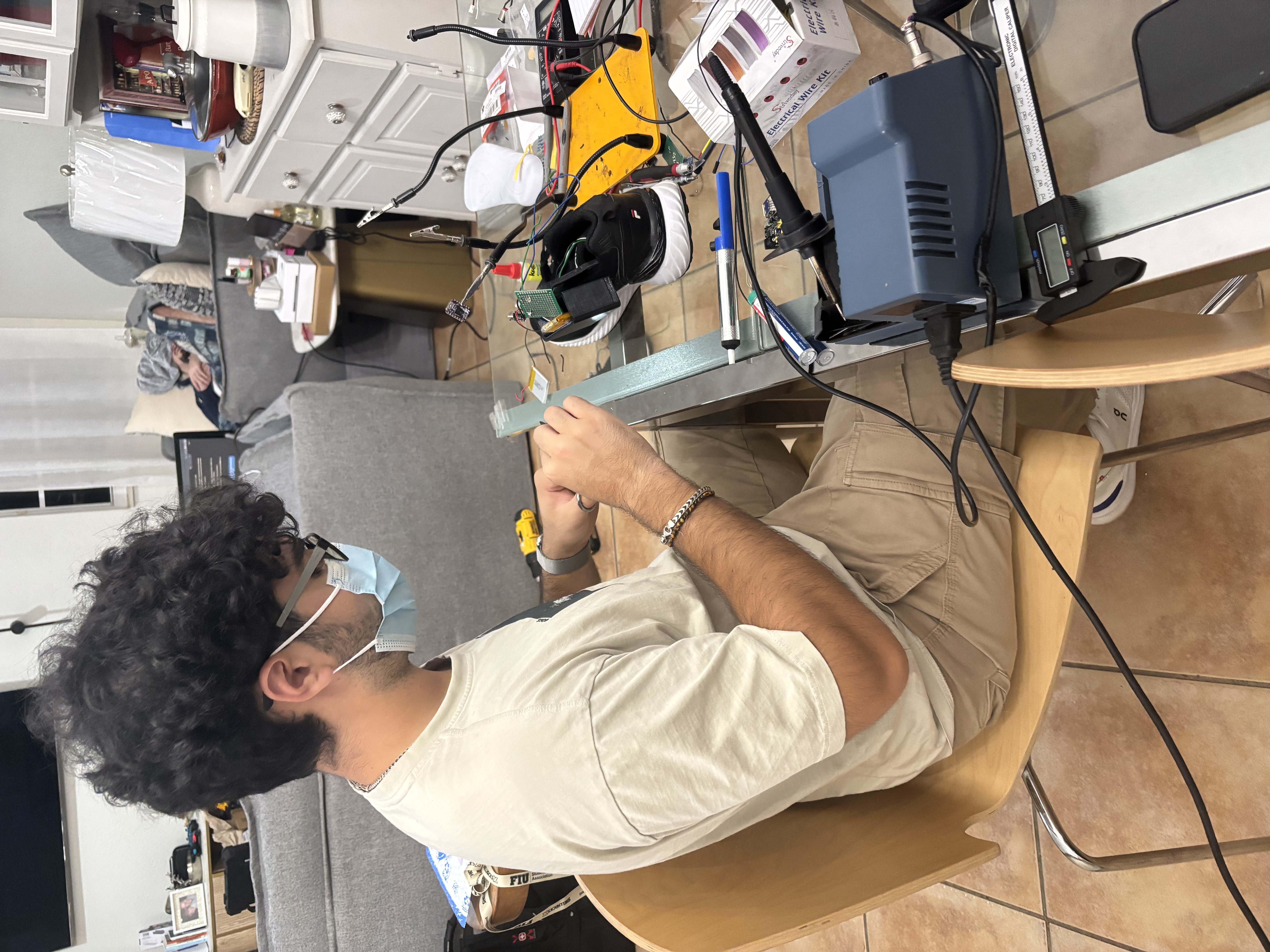
How we built it First we came up with the idea while playing racket ball. We then immediately jumped into what sensors we could use and what data they could give us. We utilized Force sensitive resistors to map out where pressure on the sole is being applied (which can tell if someone is putting more force on the front balls of their feet vs the back heel). Then then also figured that a gyro/accelerometer would prove to be exteremly useful in figuring out the angle and speed of the foot when in the air. We took a pleasent but long trip to Microcenter and purchased most of our components (others were be bought on amazon). Then after getting back we immedietly created a CAD design of how we would make this work, with two parts. A sole with 2 FSR (force sensitive resistors) at different spots on the bottom of the sole and then a clip/box that slide on the side of the shoe, the wires of the FSR's feed into the clip and end up inside the box. We then designed using 2 voltage divider circuits a method to read the variable resistance of the FSR's based on pressure. Then we used a battery charger module, a switch and a lithium ion battery to turn on and off the device. Lastly we designed a actual circuit diagram-arduously soldered every component to a perf-board for a durable design.
We used Proxmox in VMware to host our code with the containers inside. We picked a couple of companies to target such as gemini, mongodb, and snowflake. The data is sent to mongodb over wireguard vpn and holds the raw data. Then it gets sent over to gemini and snowflake to clean up the data and give a summary.
Challenges we ran into We ran into challenges with the durability of the clip and had to redesign it 3 times over. Then also we ran into issues with wire managment in the tight space of the clip on box. Last trouble was finding the best placement of the FSR sensors to be able to collect the most accurate data on our foot pressure. Getting the proxmox, snowflake, PhyPhox, mongoDB to communicate with eachother
Accomplishments that we're proud of We were proud of finding a way to interconnect all the different company challenges/software together to complete one important tasks. We are also extremely proud of the small form factor and comfort of the device and honestly believe that we can make the device even smaller given a day or two more. The responsiveness of the device and the security of our data was also impressive to us.

Log in or sign up for Devpost to join the conversation.