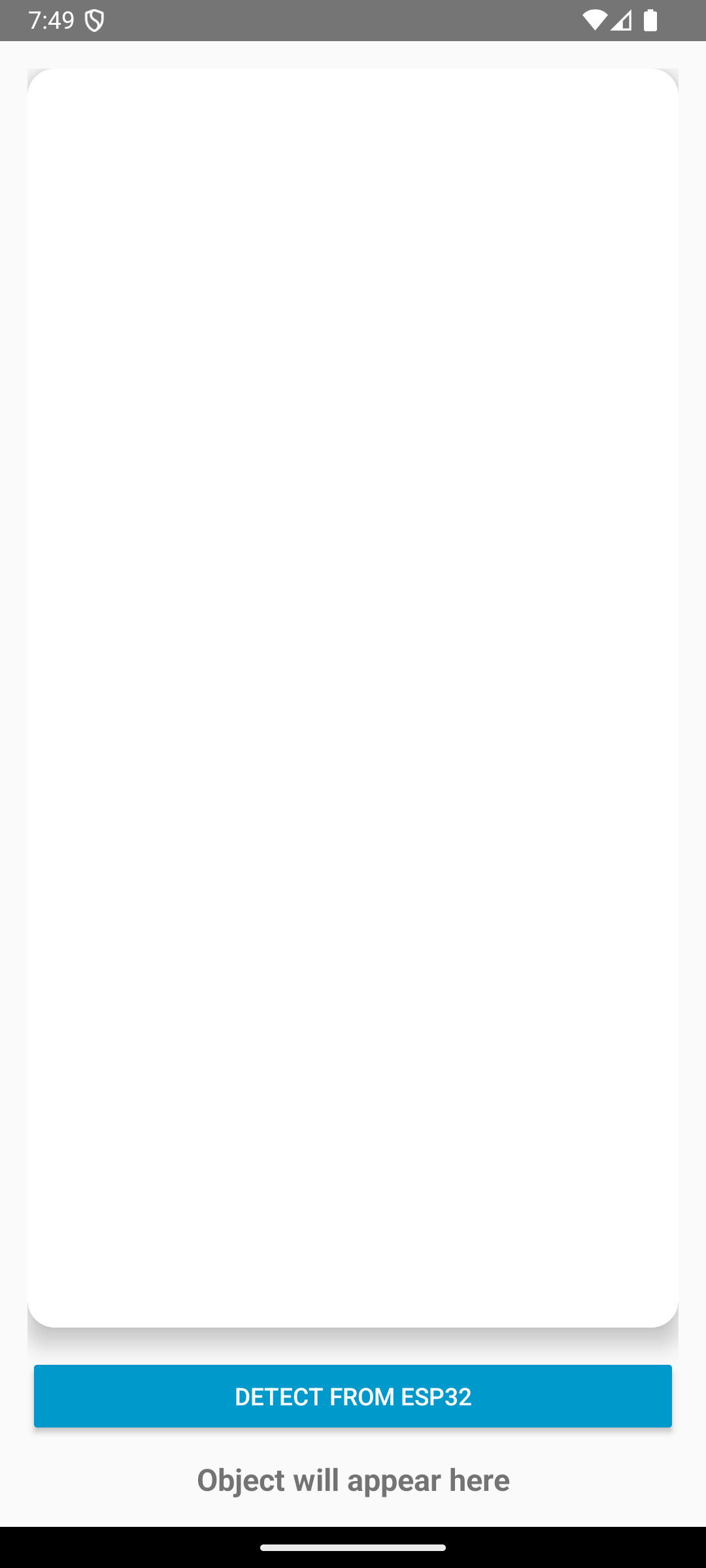
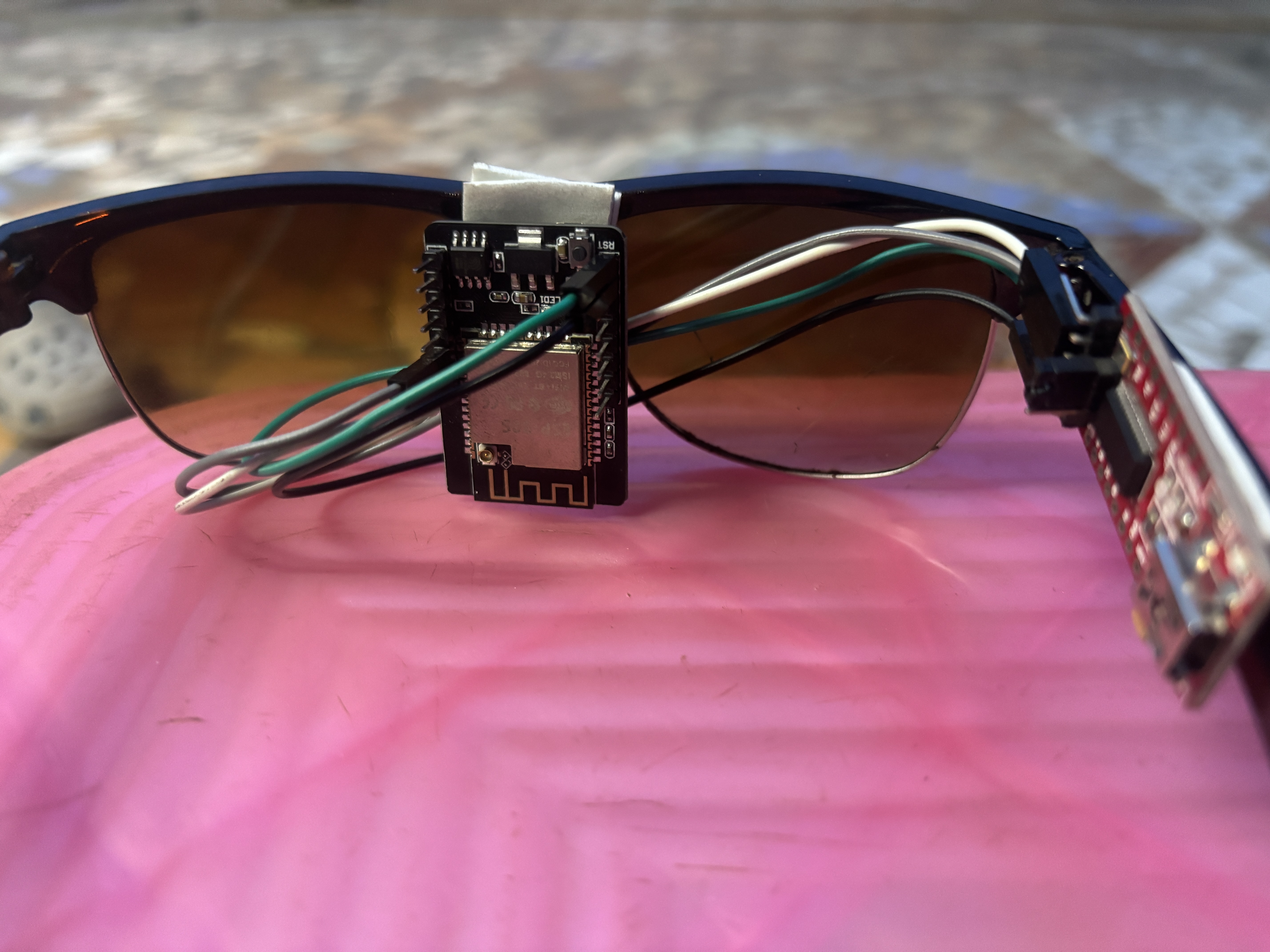
Here is a clean hackathon-style project write-up for your project “Smart Specs: Real-Time Object Detection”. You can directly use this for Devpost / Hackathon submission.
SMART SPECS – Real Time Object Detection 👓🤖
Inspiration
Millions of visually impaired people face difficulties navigating daily environments independently. Simple tasks like identifying objects, avoiding obstacles, or locating items can become major challenges.
We wanted to build an affordable assistive technology that can help visually impaired individuals understand their surroundings in real time. Inspired by the power of AI vision and voice technology, we created Smart Specs, a wearable system that detects objects and communicates them through audio feedback.
The goal is to provide independence, safety, and confidence to users using real-time AI vision.
What it does
Smart Specs is an AI-powered object detection system that identifies objects in the user's surroundings and announces them through audio.
Key features:
• Real-time object detection using a camera • Audio feedback to inform users about detected objects • Button-triggered detection to save power and improve efficiency • Lightweight embedded system design • Works with common everyday objects
Example:
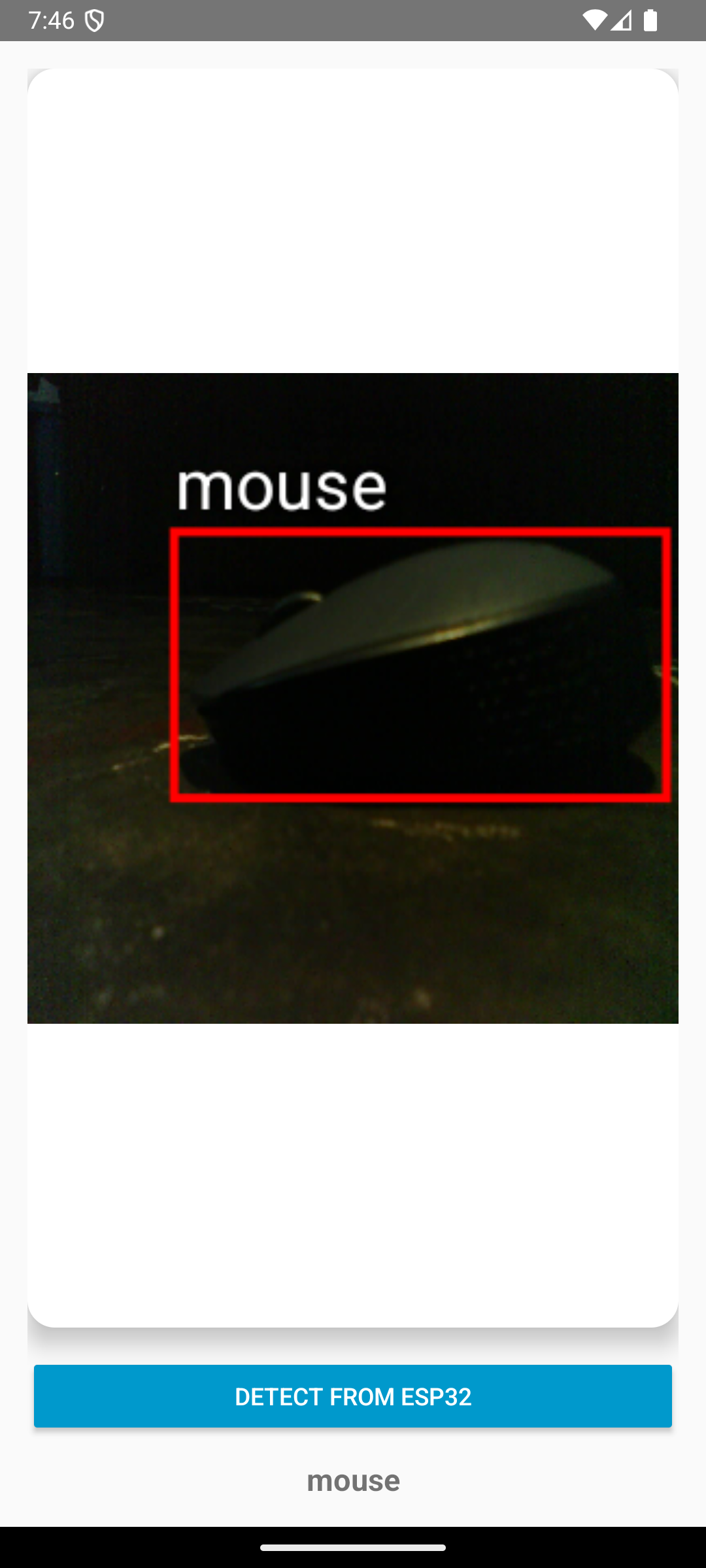
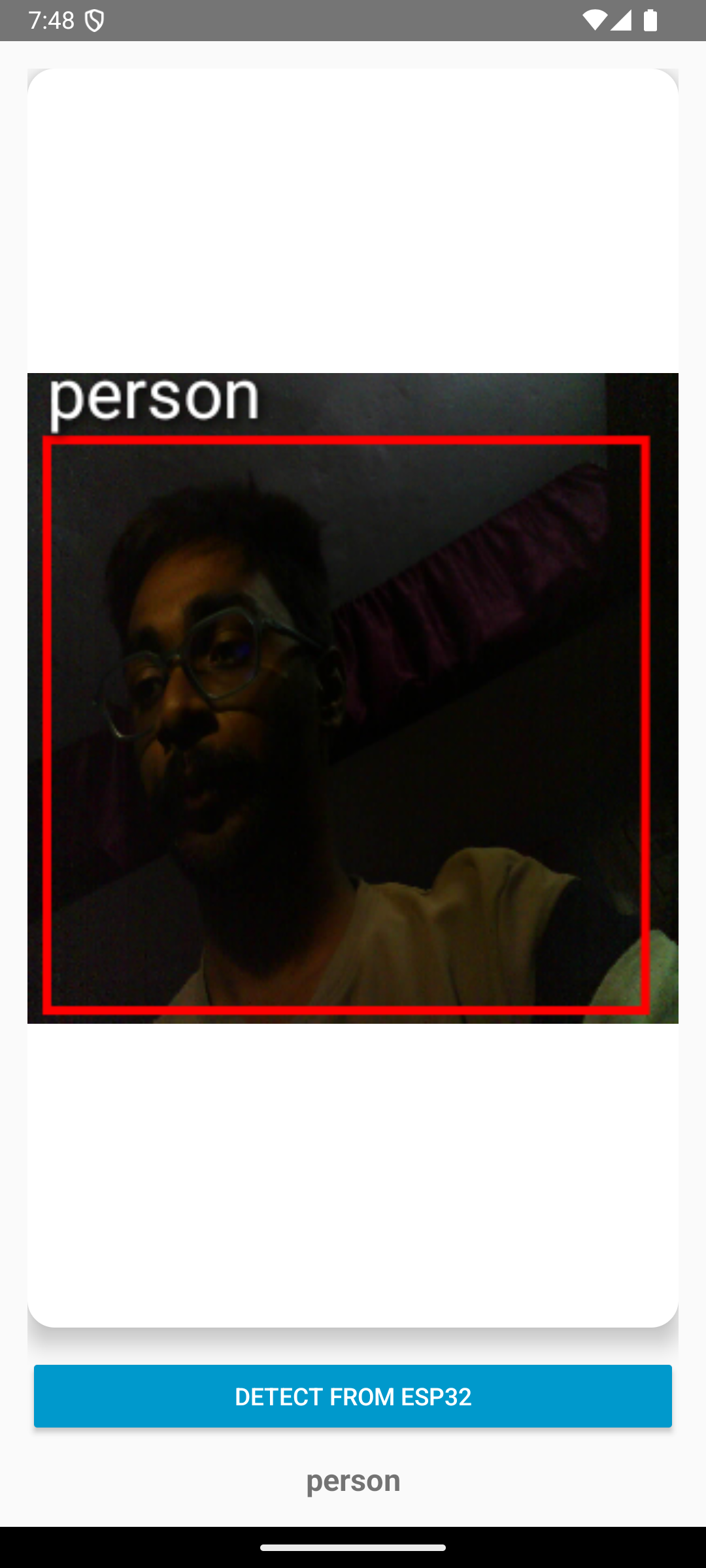
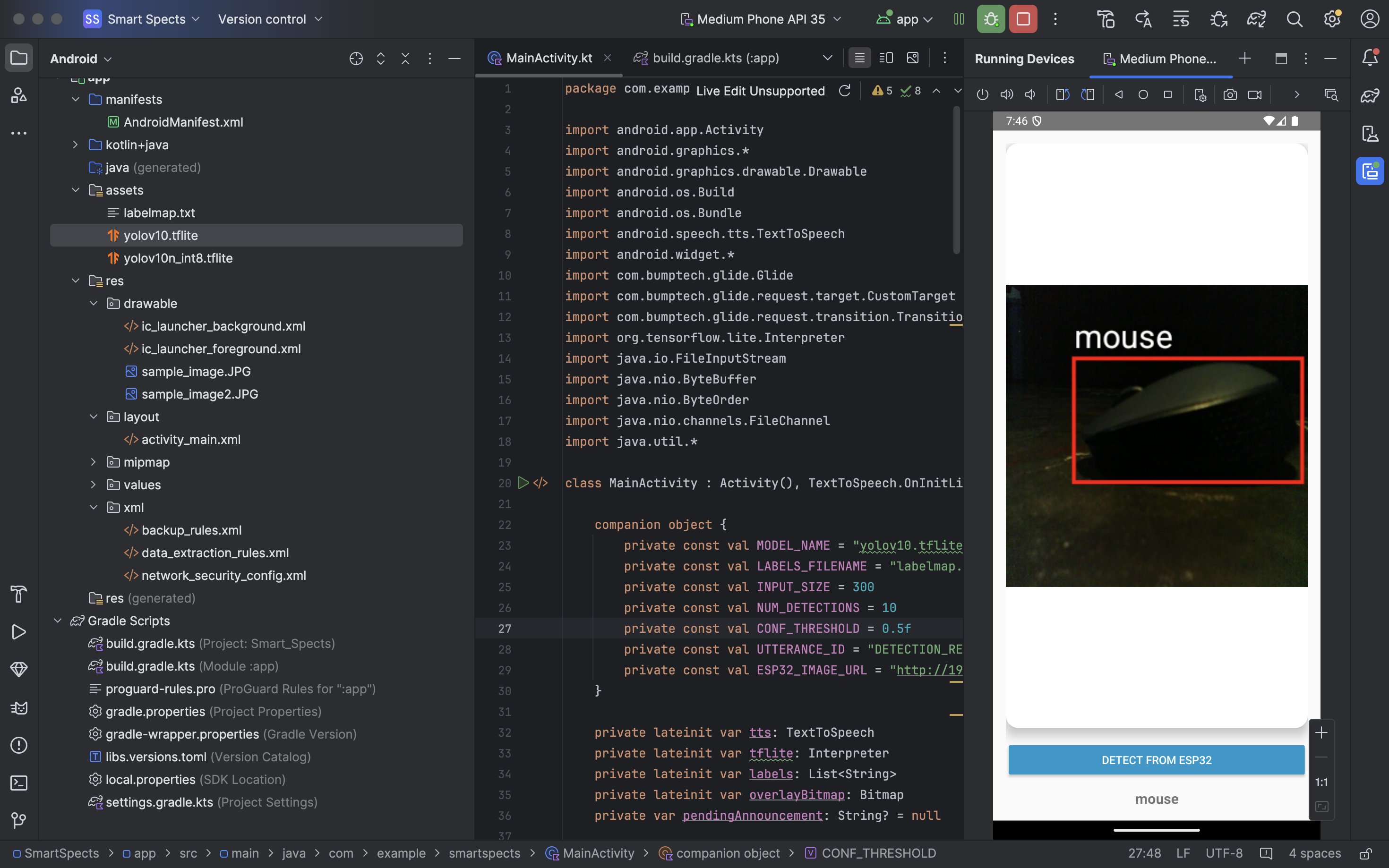
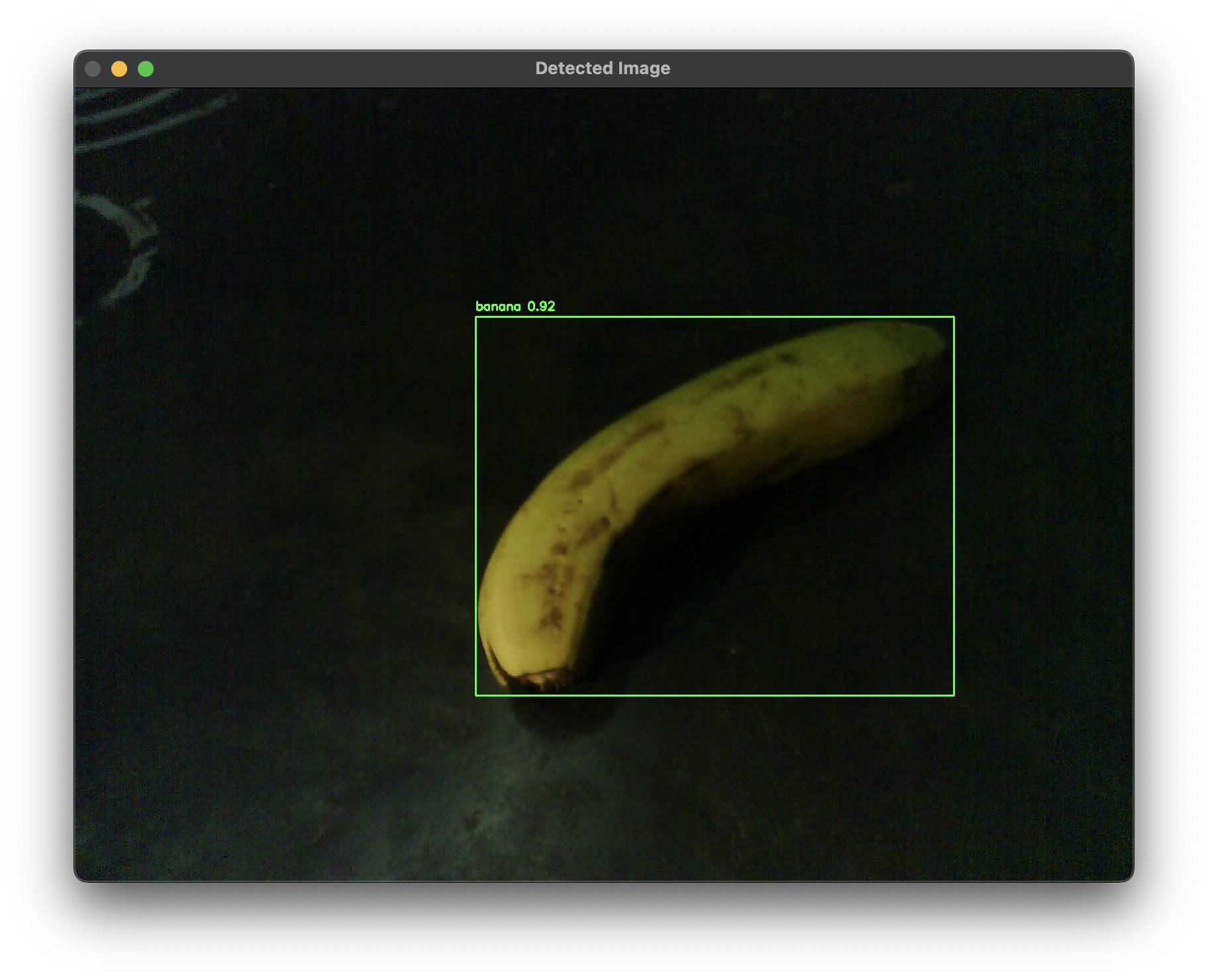
User presses the button → camera captures an image → AI detects objects → system announces:
“Bottle detected” “Person detected” “Chair detected”
This allows visually impaired users to understand their environment without visual input.
How we built it
The system combines embedded hardware, computer vision, and AI models.
Hardware
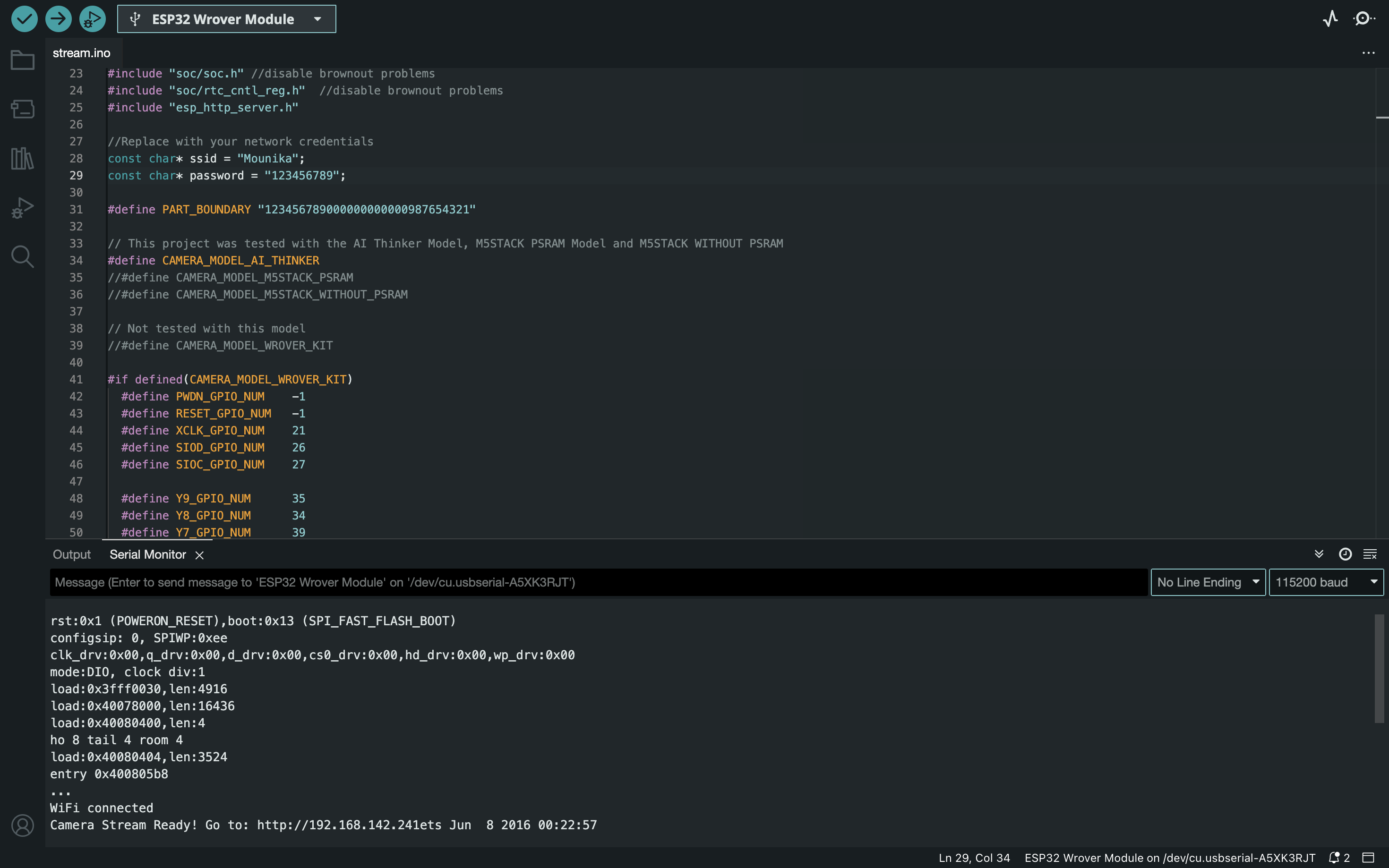
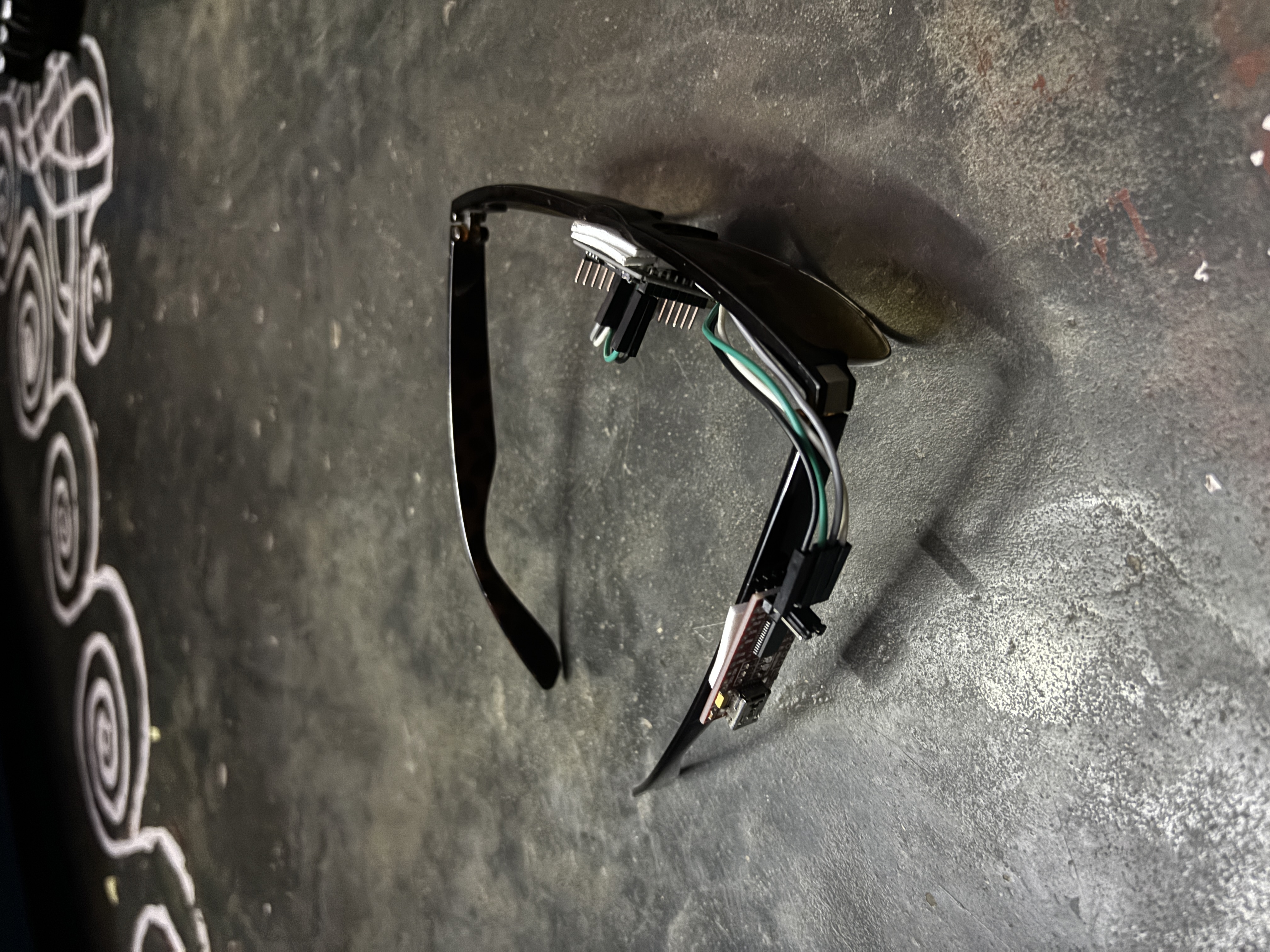
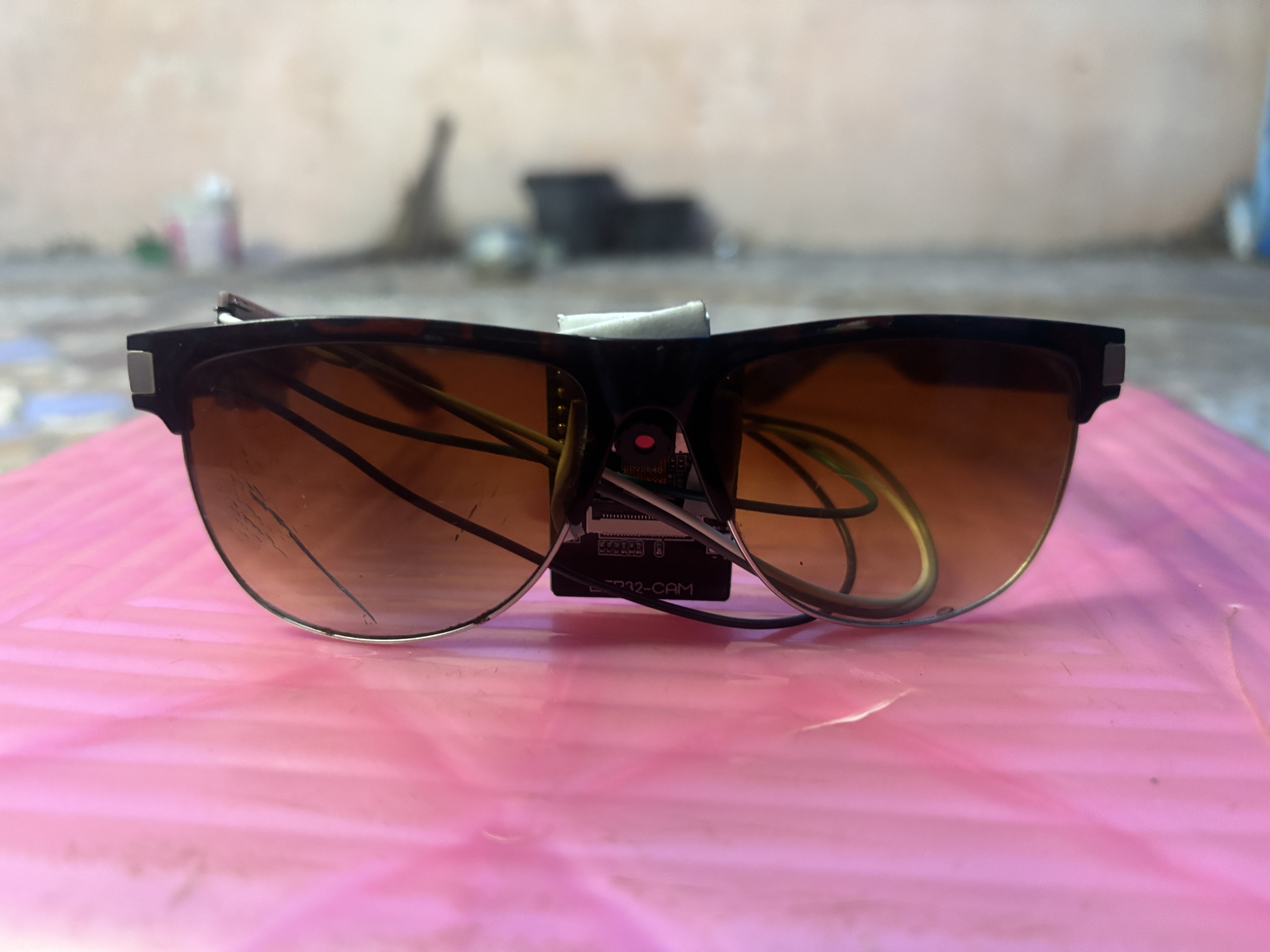
• ESP32-CAM module for image capture • Button connected to GPIO for triggering detection • Speaker for audio output
Software
• Python-based object detection pipeline • YOLOv10 / TensorFlow Lite model for object detection • Android / Cloud processing for AI inference • Text-to-Speech system for audio responses
Workflow
- User presses the detection button
- ESP32-CAM captures an image
- Image is sent to the AI detection system
- Object detection model identifies objects
- System converts detected object names to speech
- Audio response is played to the user
This creates a real-time assistive vision system.
Challenges we ran into
Building a wearable AI system involved several technical challenges.
1. Hardware limitations The ESP32 has limited processing power and memory, making it difficult to run heavy AI models directly.
2. Real-time performance Ensuring fast detection without long delays required optimizing the model and pipeline.
3. Audio feedback synchronization Converting detected objects into clear voice responses required careful integration with text-to-speech systems.
4. Power efficiency Continuous detection drains battery quickly, so we implemented a button-trigger system to activate detection only when needed.
Accomplishments that we're proud of
We successfully built a functional prototype of Smart Specs that can detect objects and provide audio feedback.
Achievements include:
• Real-time object detection system • Integration of AI with embedded hardware • Working voice feedback system • Affordable assistive technology prototype • Scalable architecture for future improvements
Most importantly, this project demonstrates how AI can be used to improve accessibility and independence for visually impaired individuals.
What we learned
Through this project we gained experience in multiple areas:
• Embedded systems development • Computer vision and object detection models • AI model optimization for edge devices • Integration of hardware with cloud-based AI • Designing assistive technology for real-world users
We also learned that building AI for social impact requires balancing accuracy, speed, and usability.
What's next for Smart Specs
We plan to expand Smart Specs into a complete AI assistive vision platform.
Future improvements include:
• Scene understanding (describe full surroundings) • Face recognition for identifying people • Navigation assistance using AI • Real-time voice assistant interaction • Integration with Amazon Nova multimodal AI • Smaller wearable hardware design (true smart glasses)
Our long-term goal is to create a low-cost AI wearable device that helps visually impaired people navigate the world more independently.
Built With
- android-studio
- arduino
- c++
- esp32
- kotlin

Log in or sign up for Devpost to join the conversation.