-
-
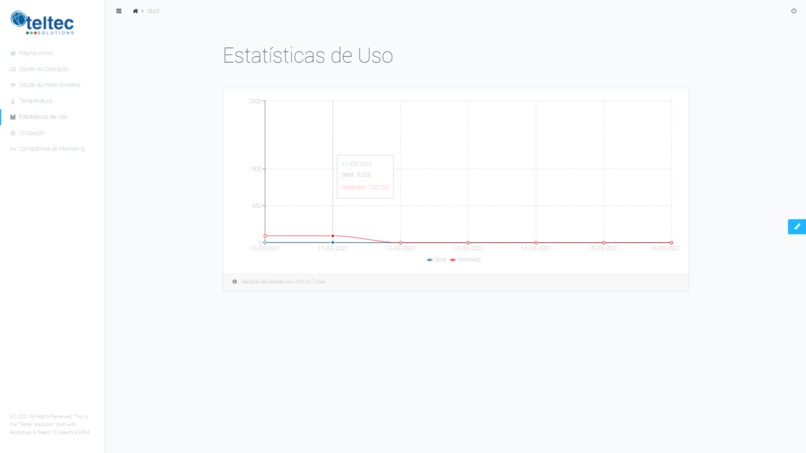
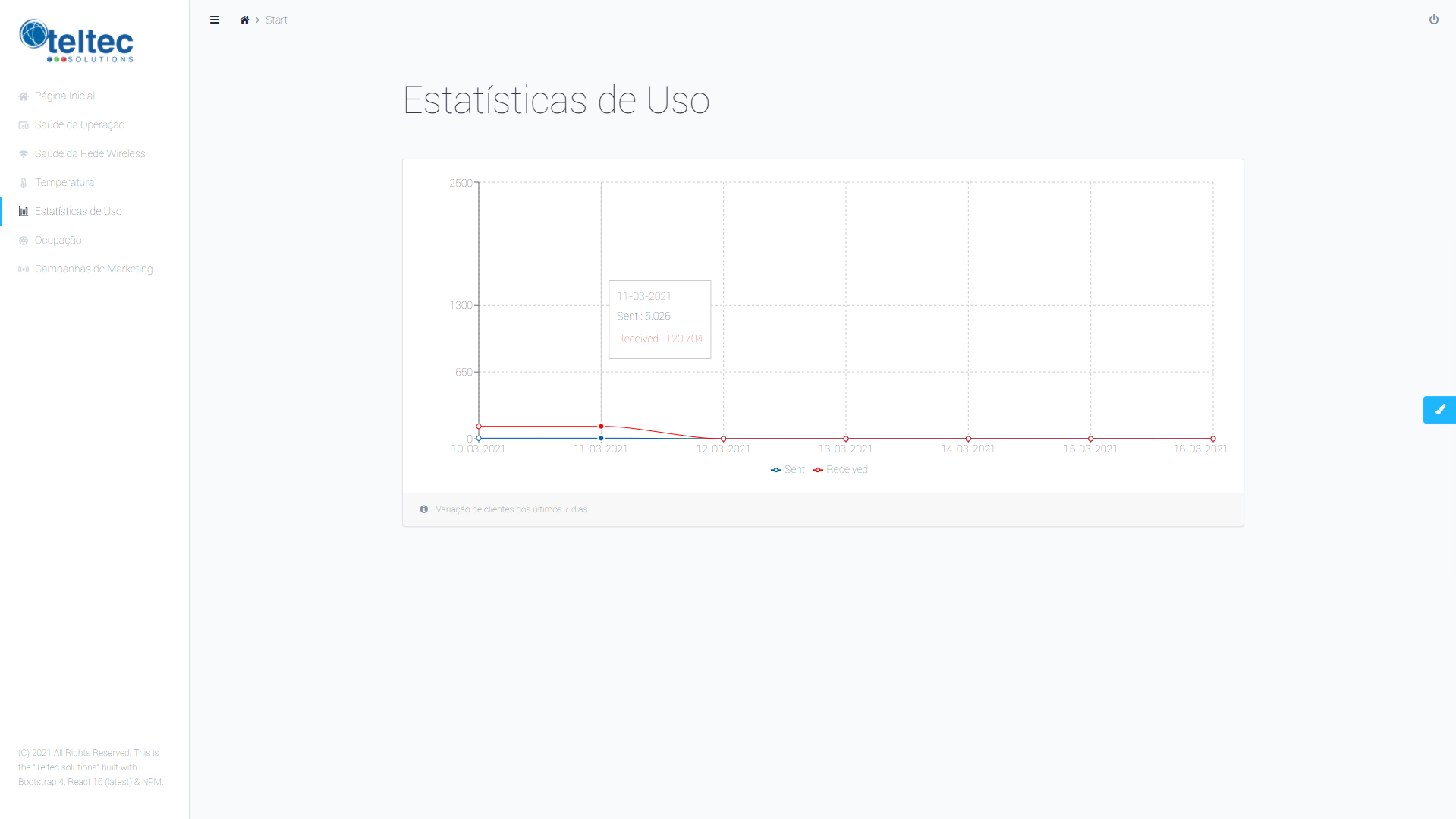
Analysis of network usage through integration with the Meraki API
-
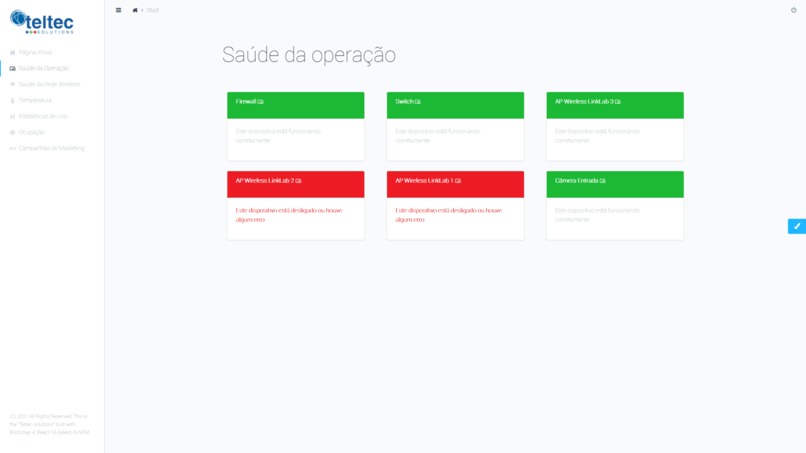
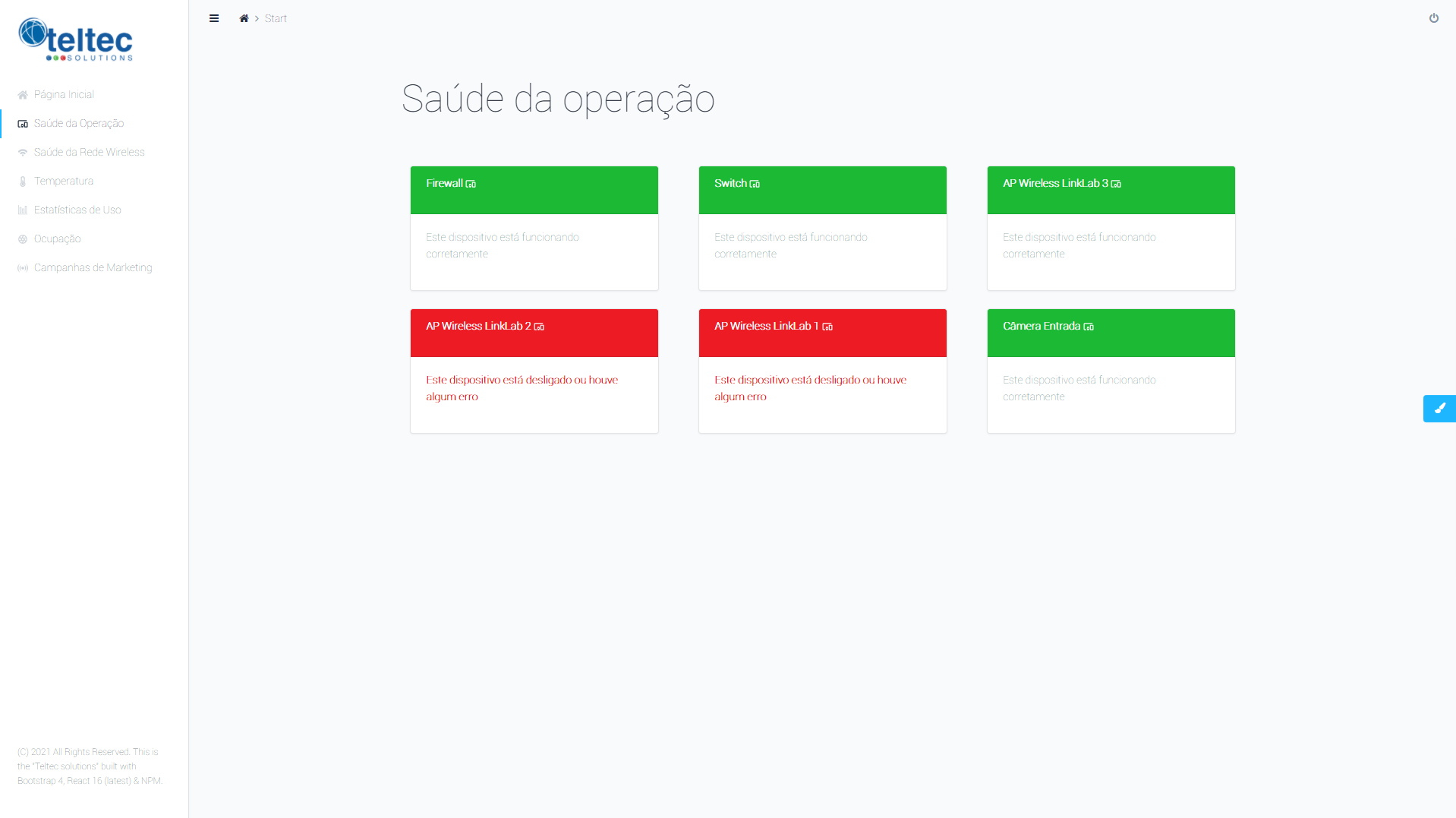
Analysis of network devices
-
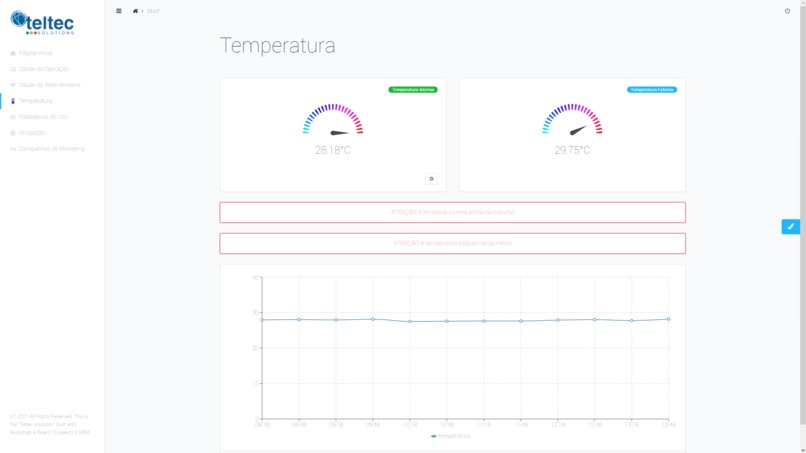
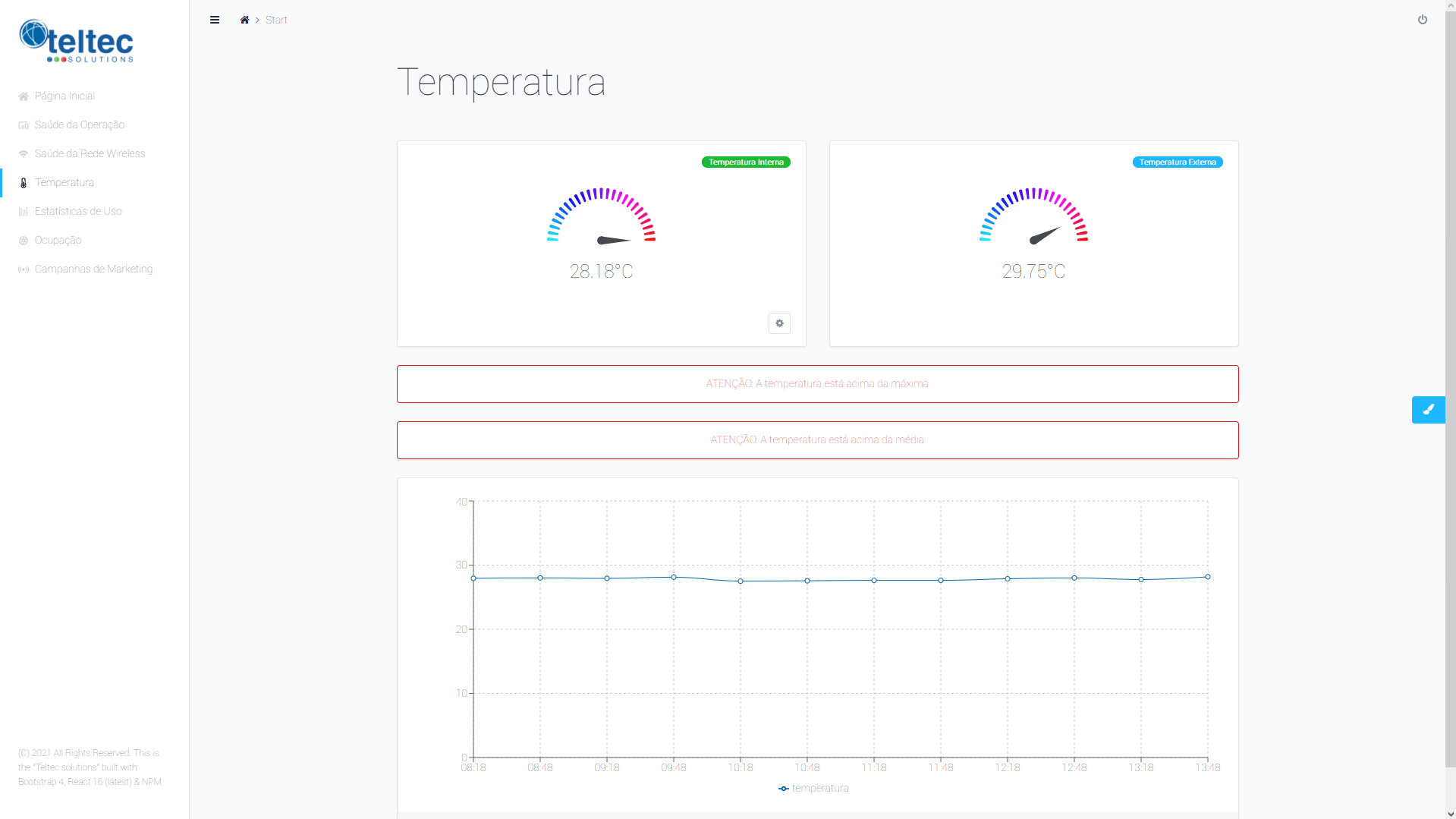
Temperature analysis using sensors scattered around the environment and external temperature analysis for comparison.
-
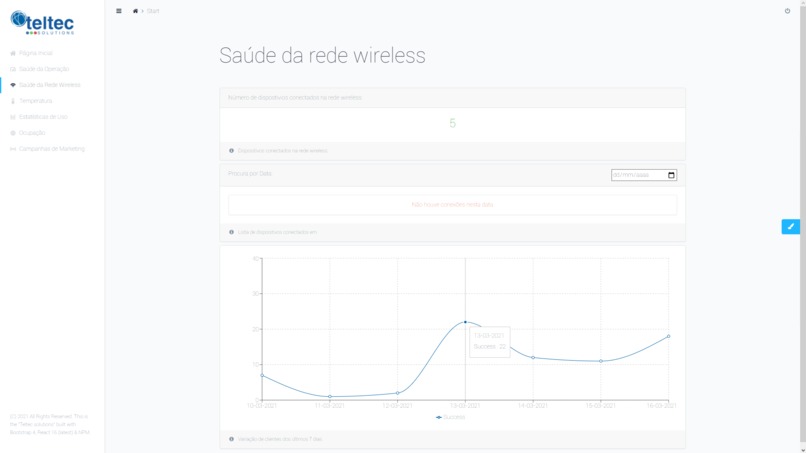
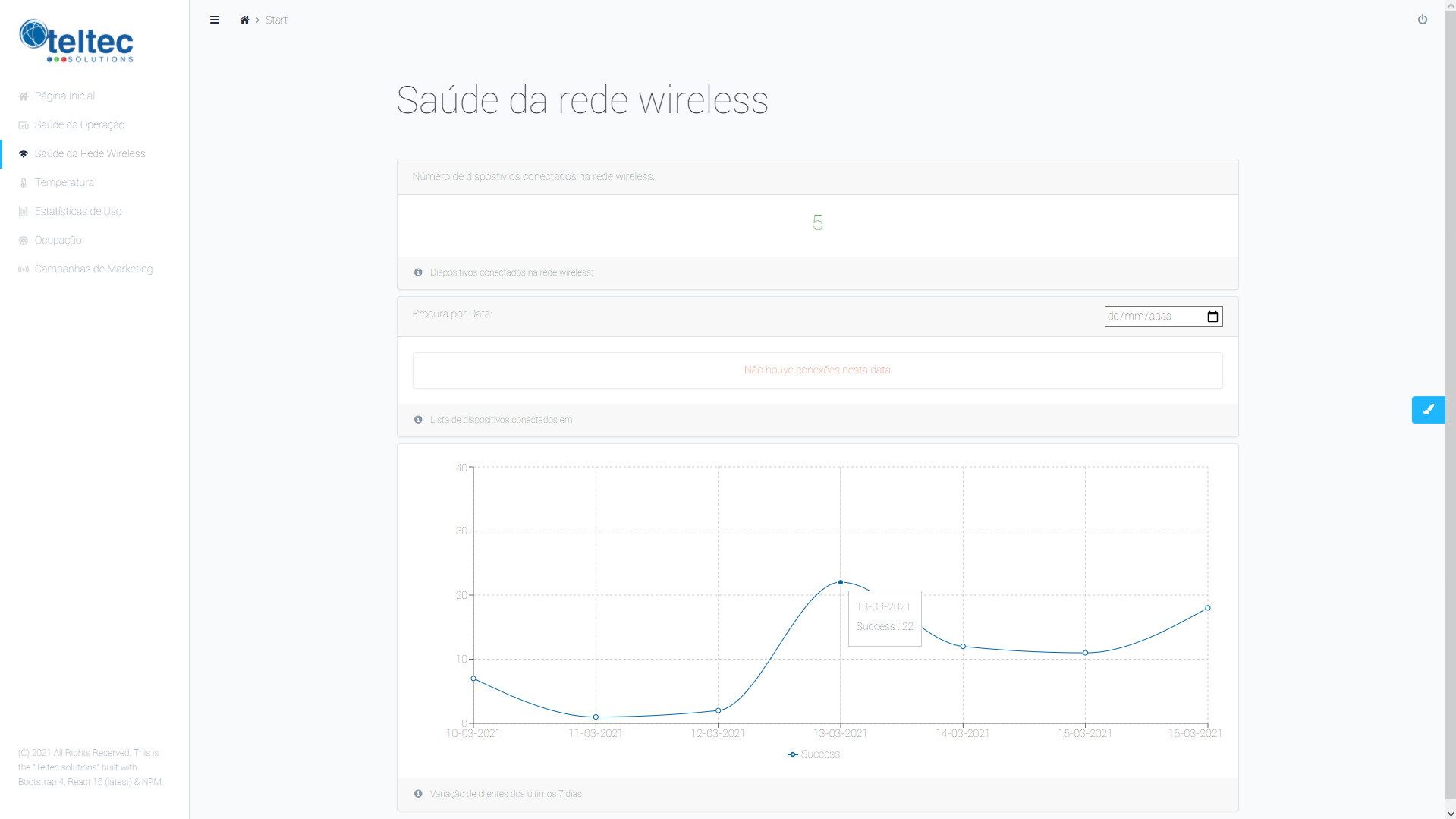
Analysis of current and previous connections on the wireless network
-
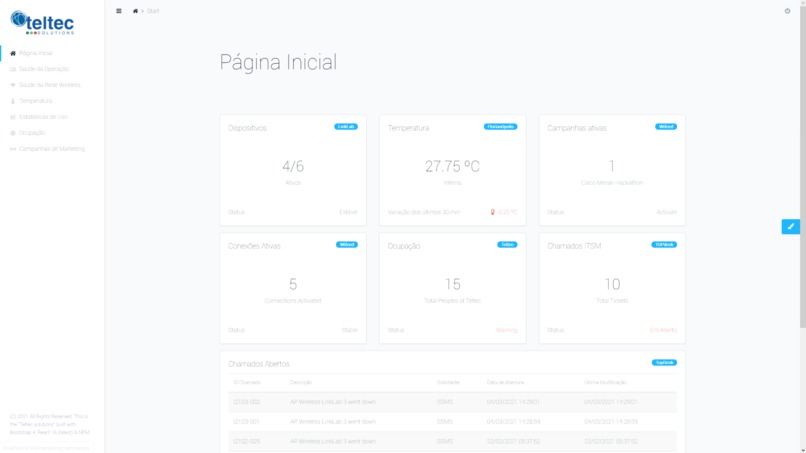
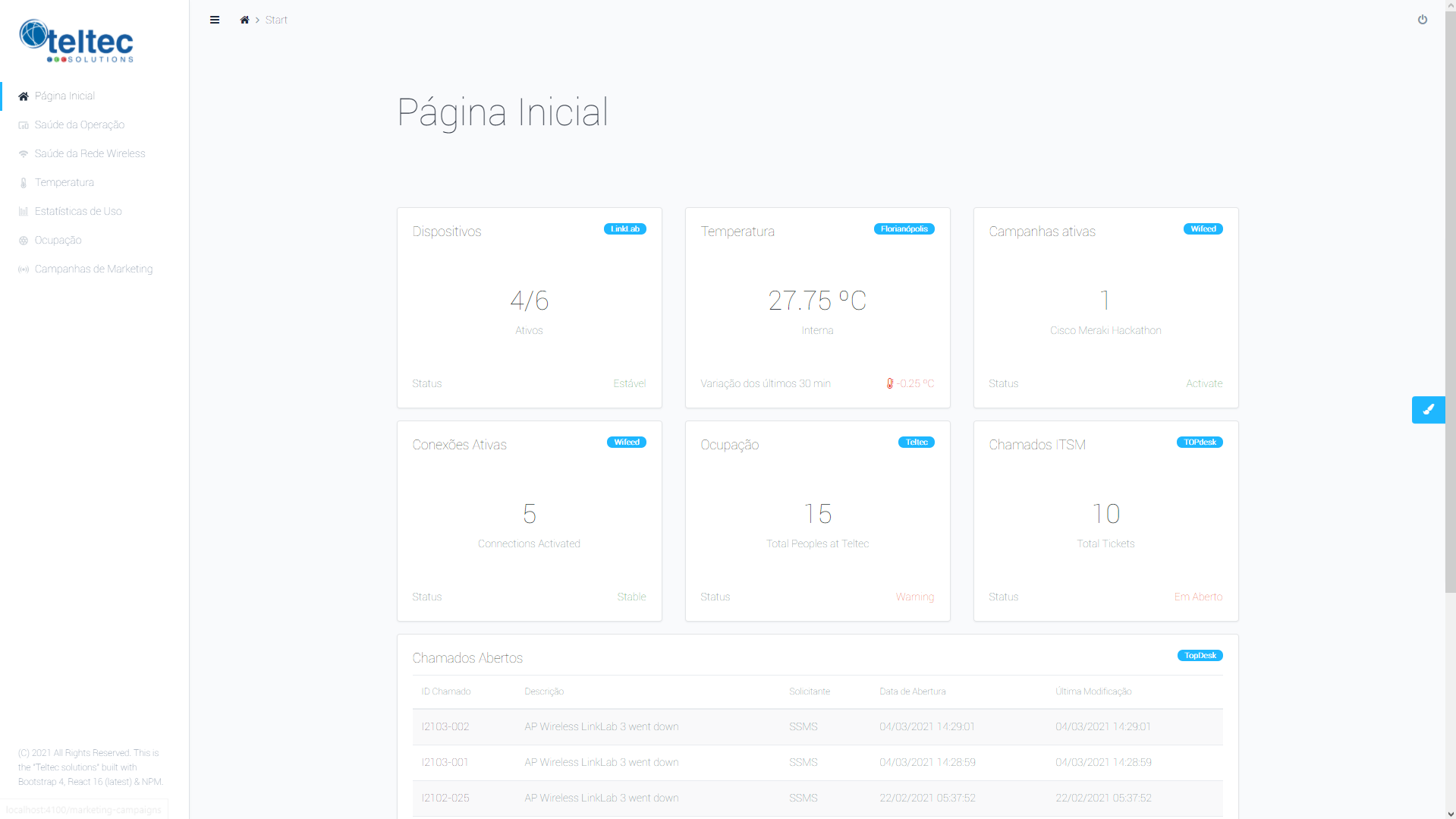
Main dashboard in order to give real-time feedback from the space, in addition to integrating with ITSM
-
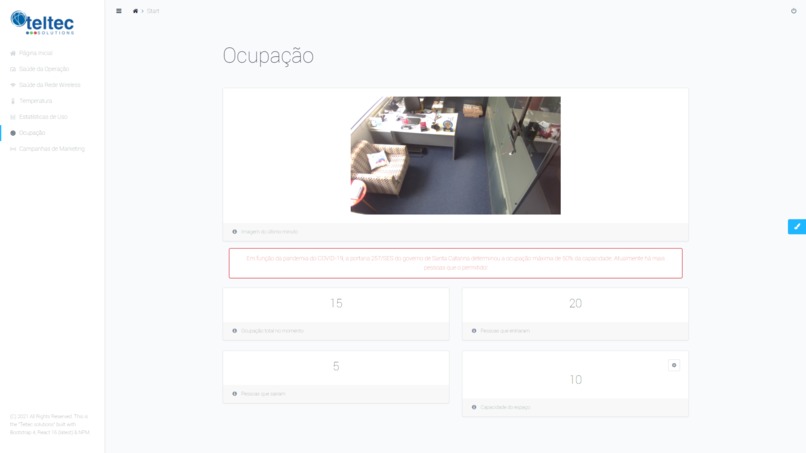
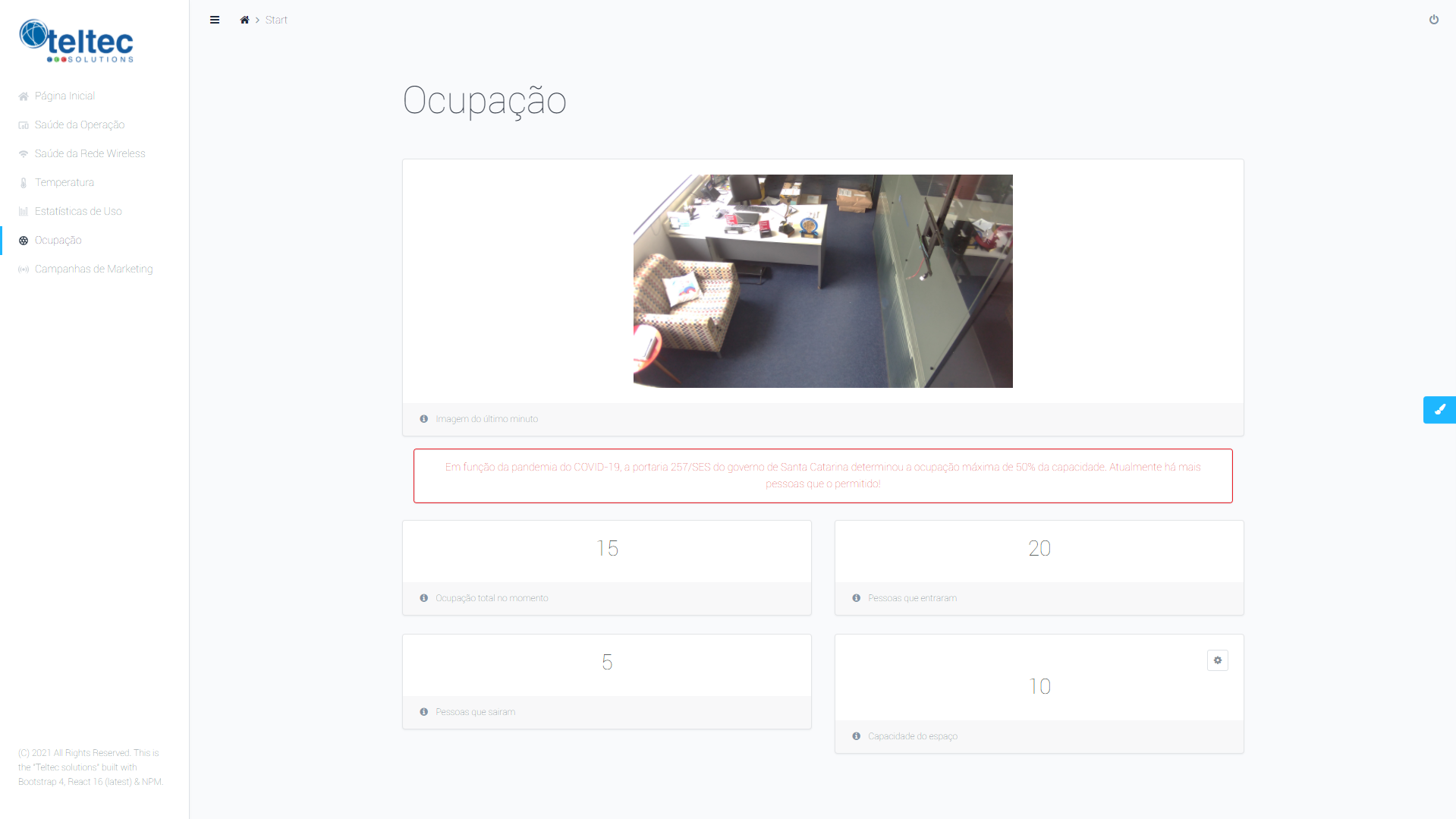
Occupancy analysis with integration of Meraki API and Machine Learning model developed by the team
-
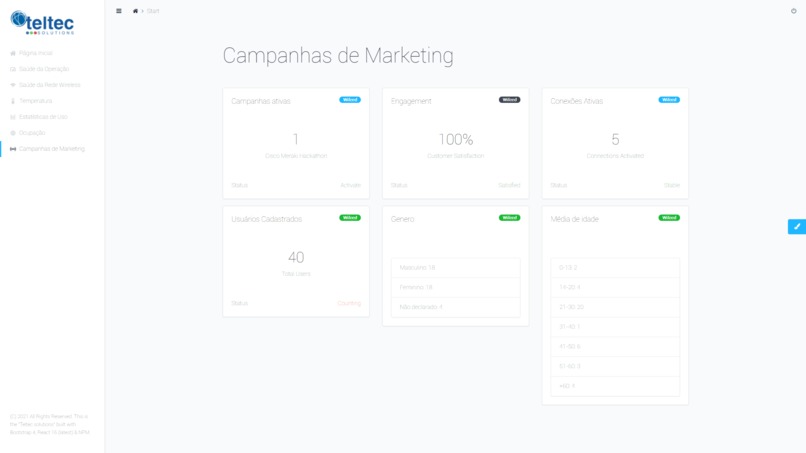
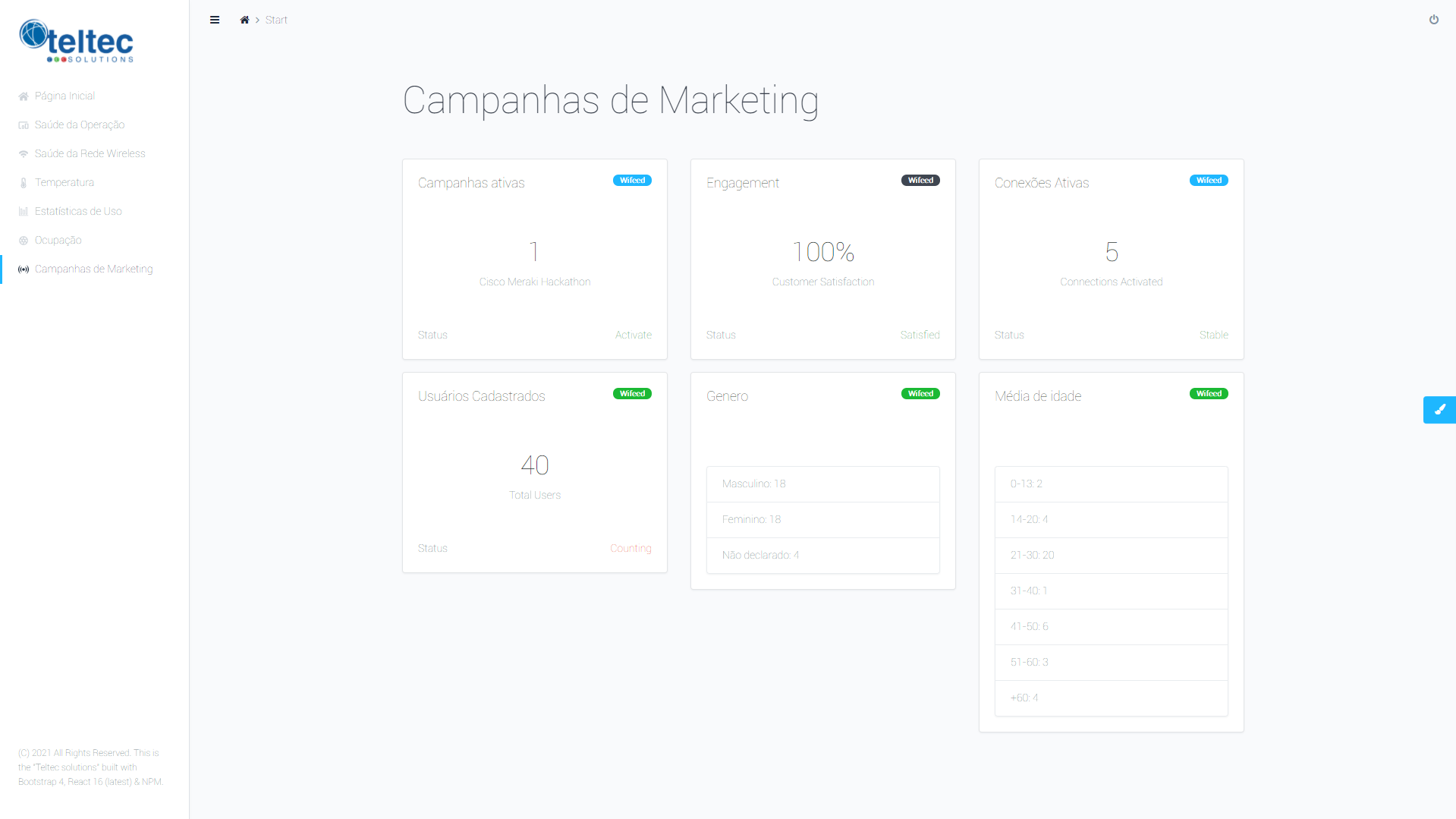
Analysis of users connected to the wireless network through the Wifeed platform
Inspiration
Aiming to improve the experience for managers of intelligent spaces, containing data from different systems integrated in a single panel, facilitating the life of those who want to see the space in general.
What it does
An application that manages data from smart spaces applied to a collaboration space, where we collect real-time data from equipment and analyze various metrics, such as internal and external temperature, total people present on the site and what is the flow of people, using a model of artificial intelligence to identify objects present at the site, activity of active and inactive devices from Meraki, in addition to assisting in the overview of support calls, informing the status of each open call based on the availability of equipment present in the environment and finally the system informs the marketing campaigns that were displayed to users when connecting to the wireless network and the number of people connected to the local network.
How we built it
For the development of the application, four different aspects were used, where in the backend we can use microservices to segment the calls to the services developed for the API e integrations with other systems (Meraki API). In addition, we use machine learning for the development of people detection using OpenCV, Dlib in the production environment and YOLO and Darknet for the testing and approval environment. To integrate all services we use ReactJS on the front end to develop a responsive and scalable application. As the development principle was based on a robust application with continuous deliveries, we selected some tools to assist us in the CI / CD process, with that we started to use Github for our main repository and Azure DevOps for the creation of the pipelines of CI / CD and Azure Web App for deploying the application.
Challenges we ran into
One of the biggest challenges was to create a pipeline that would work for our ci / cd project using azure devops, also another challenge was to be able to get the realtime connections from clients connected to each meraki ap and create a search for them by date.
Accomplishments that we're proud of
The development squad is proud to present the end-to-end application with all the features we want, we have evolved from the average experience of using the Meraki API to a super experience and day-to-day use, from the development of the application, we started thinking about new ways to use the Meraki API to assist diverse people, both in the impact for smart spaces, and in the use of Meraki for different applications and business.
What we learned
We managed to evolve a lot in knowledge of the world of DevNet, we started to follow the community a lot and started to idealize several other applications using a whole line of IoT, thinking about growing a lot in the use of Meraki and improving even more the experiences of customers and partners. The team as a whole managed to evolve each day both in the use of Meraki and in the use of technologies that were on our side, it was a super cool experience and that can provide us with a very significant improvement.
What's next for Smart Spaces Management System
We put as a roadmap the integration with more cameras simultaneously, allowing us to look at the environment as a whole and not just the entrance of the place. In addition, we started to analyze simpler ways to work with streaming data from the Meraki API and the development of more complex integrations, such as the use of intelligent applications based on certain requests, such as the replication of a configuration of a device to the other devices based on just one request from the app manager. And another thing that we leave for a next version is the use of Location Analytics for analysis of customers on the Wireless network and on customers around the smart space.
Built With
- azure
- azure-functions
- deep-learning
- devnet
- dlib
- iot
- javascript
- machine-learning
- meraki-api
- mongodb
- node.js
- open-cv
- postgresql
- python
- react
- typescript


Log in or sign up for Devpost to join the conversation.