
Inspiration
The idea for the "Smart Solar Energy Prediction and Storage Planning System" was born out of the need to provide reliable and sustainable energy solutions to off-grid communities. In many remote areas, access to electricity is limited, making it crucial to optimize the use of renewable energy sources like solar power. By predicting solar energy generation and storage needs accurately, we aim to empower communities with the tools to plan and deploy solar energy systems efficiently.
What We Learned
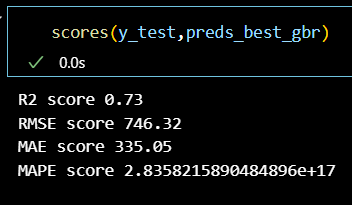
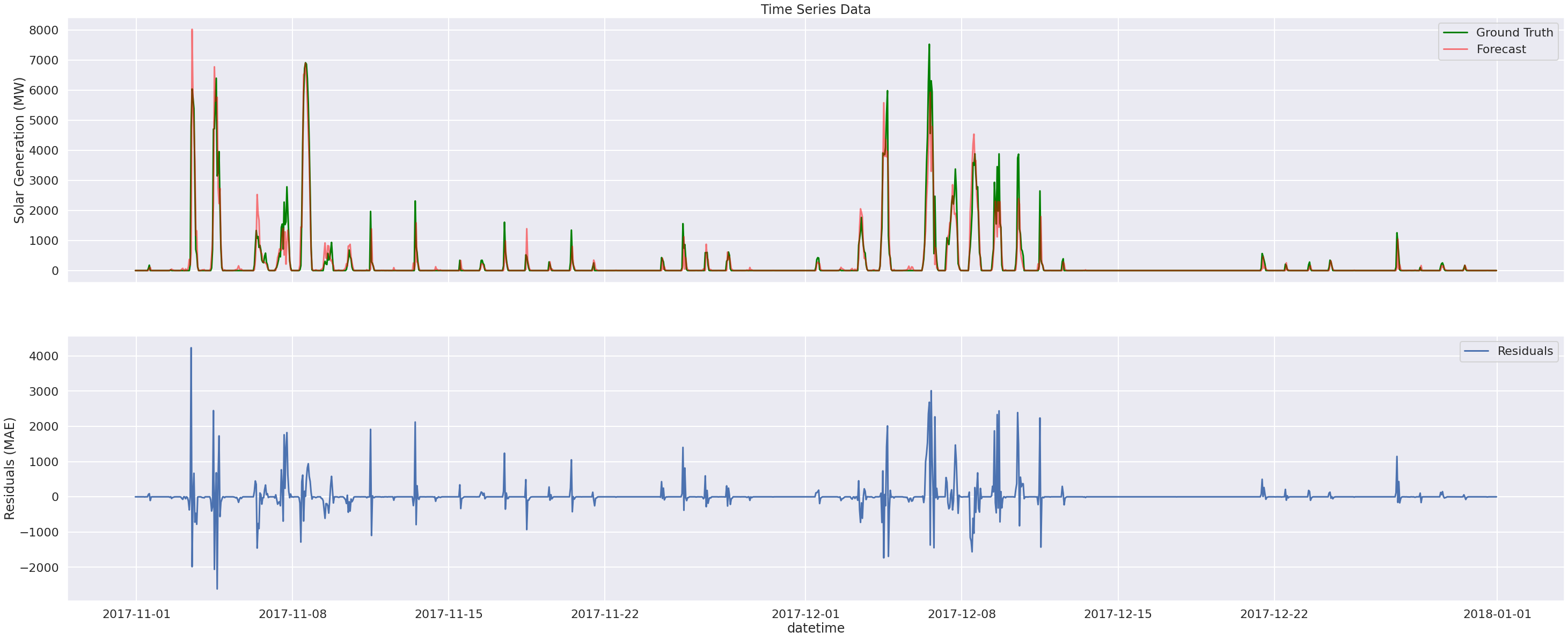
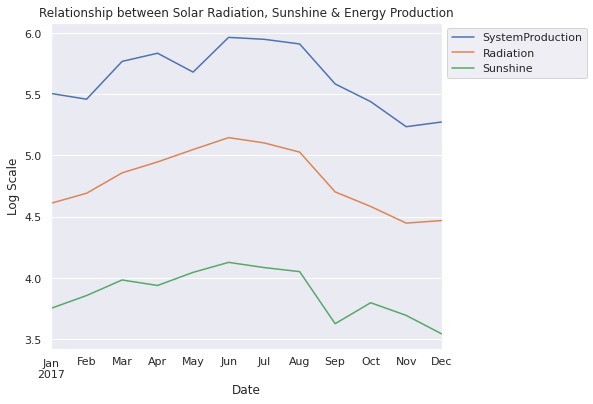
Throughout this project, we learned how to integrate various machine learning techniques with real-world data, such as historical solar irradiance and weather forecasts. We also gained experience in handling the challenges of scaling the system for different geographical regions and ensuring its adaptability to varying community needs.
How We Built the Project
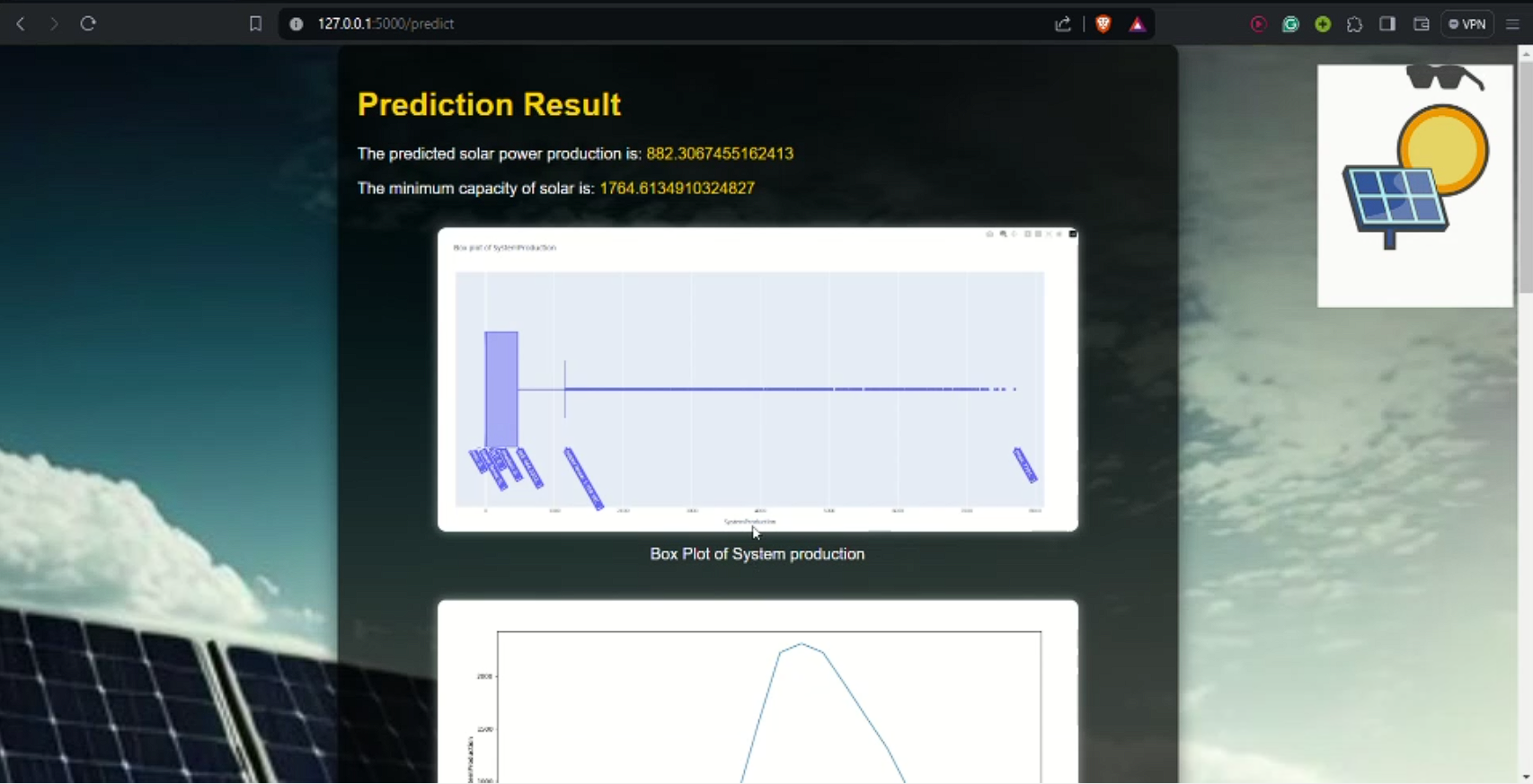
The project was built using Python as the core programming language, along with machine learning libraries like scikit-learn, TensorFlow, and PyTorch for developing predictive models. For visualizing the predictions and storage requirements, we used data visualization tools like Matplotlib, Seaborn, and Plotly. Additionally, we considered using web development frameworks like Flask or Django to create an accessible interface for the system.
Challenges We Faced
One of the significant challenges was collecting and preprocessing the diverse datasets required for accurate predictions, including solar irradiance data, weather forecasts, and community energy consumption patterns. Another challenge was ensuring that the system could adapt to different climatic and demographic factors across various regions, requiring us to design a highly flexible and scalable model.

Log in or sign up for Devpost to join the conversation.