-
-
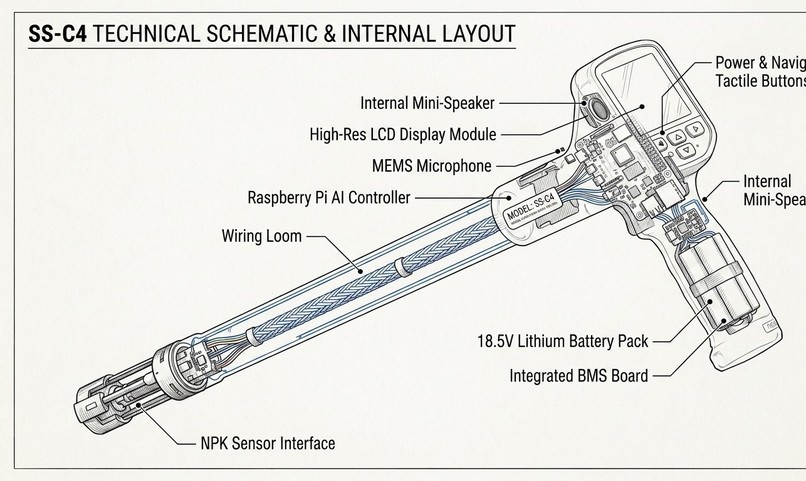
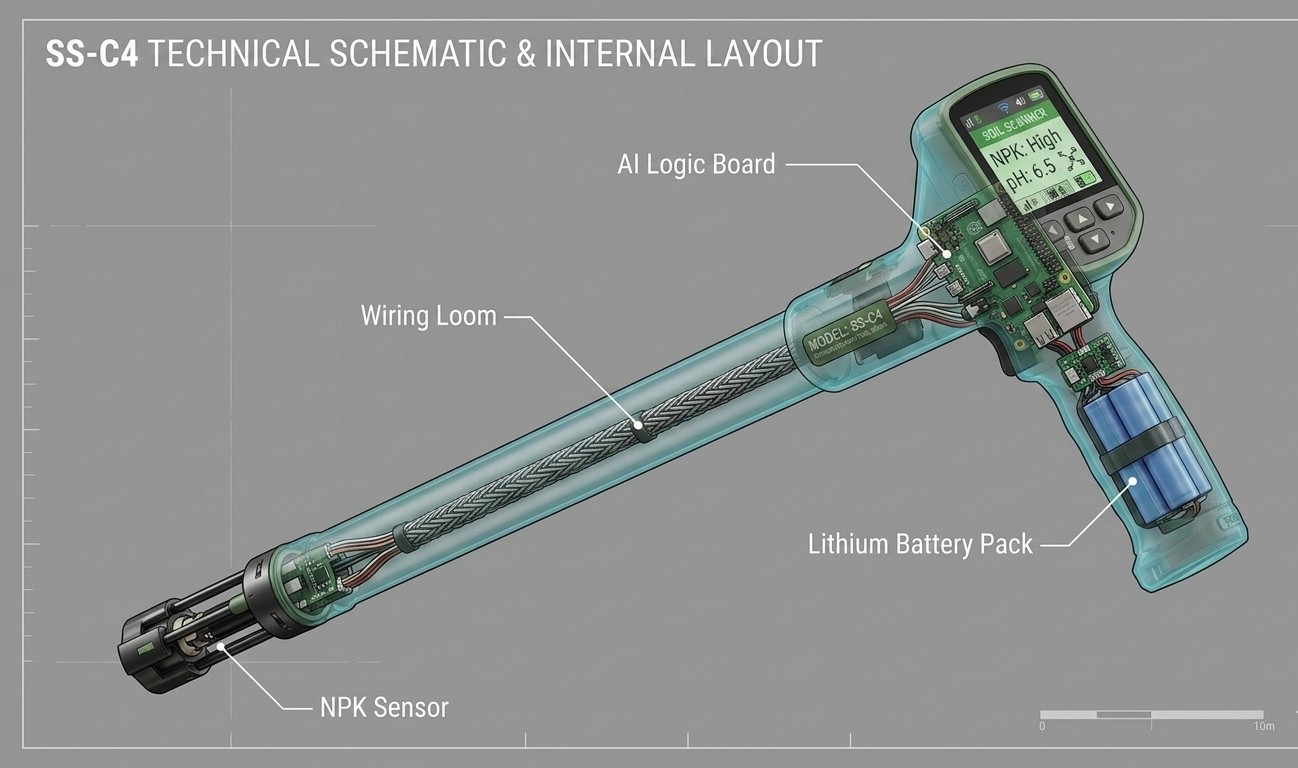
Internal desine
-
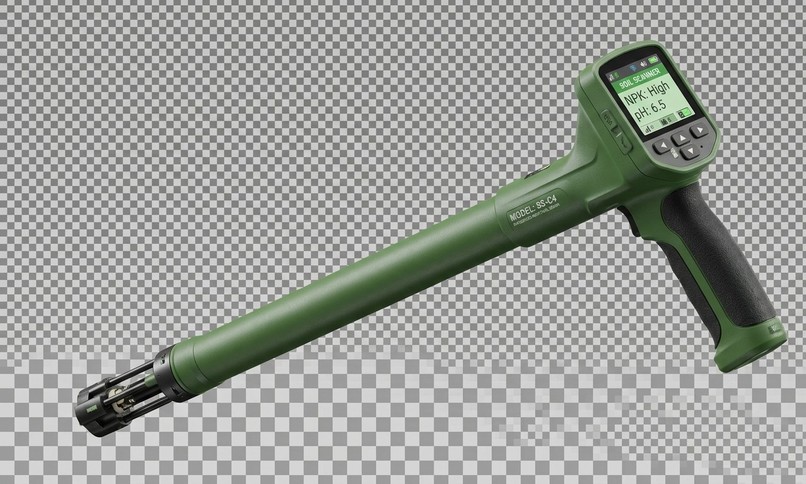
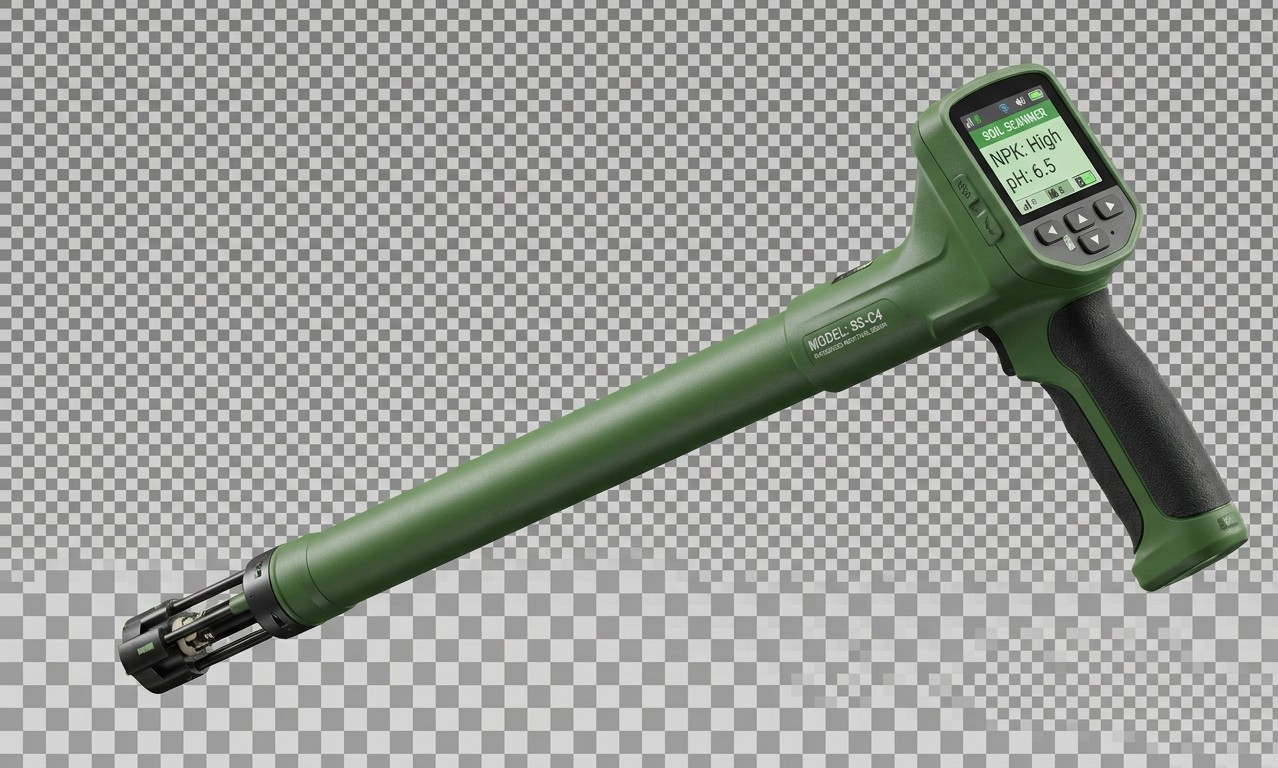
Genral picture
-
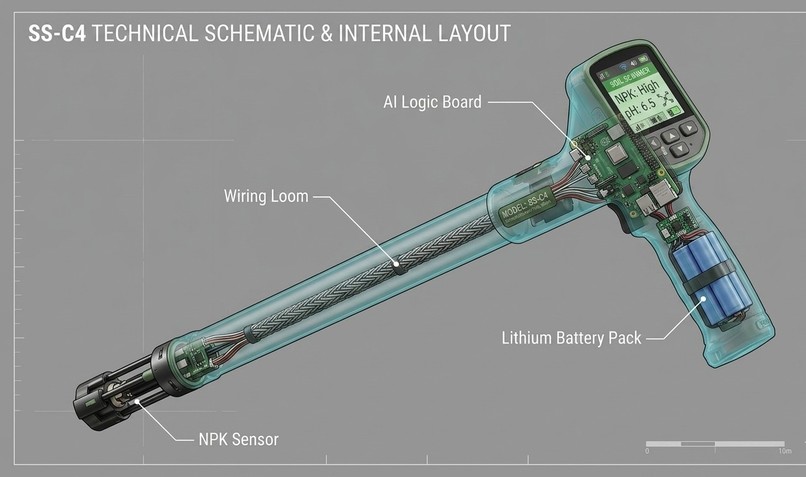
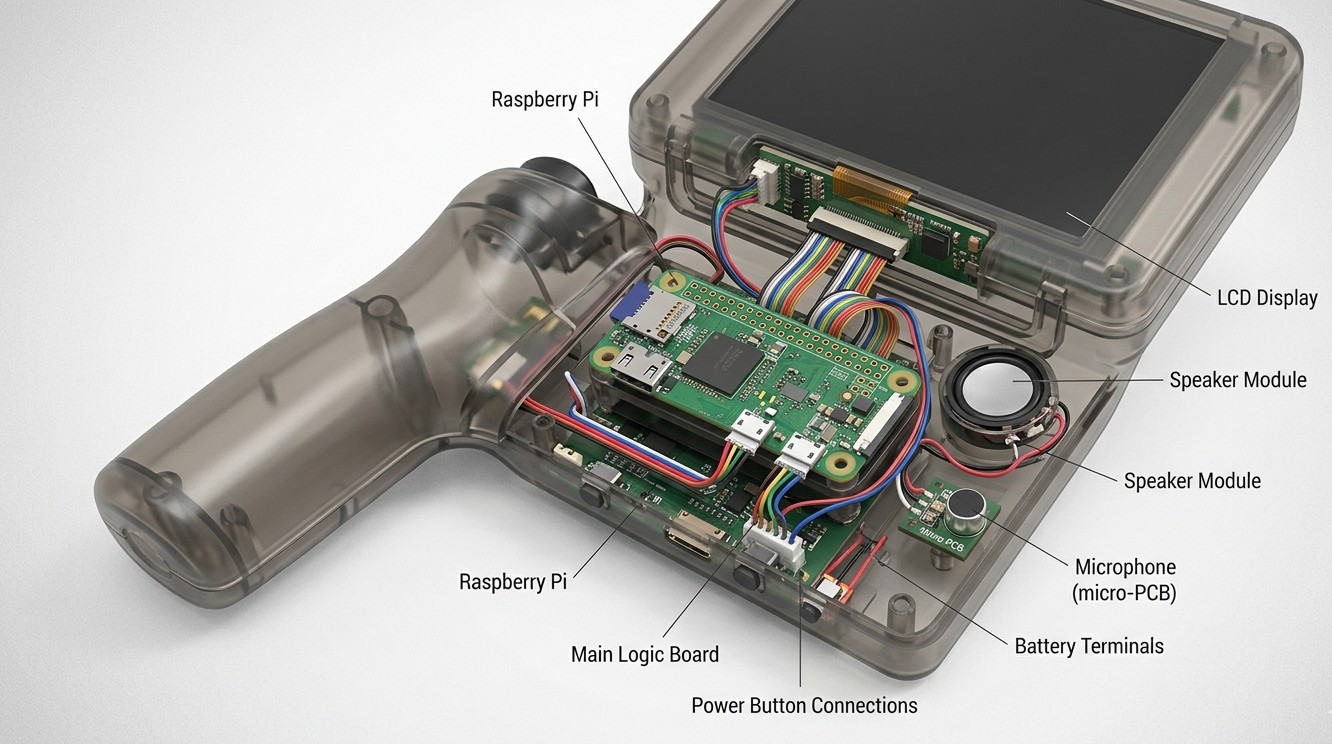
internal picture
-
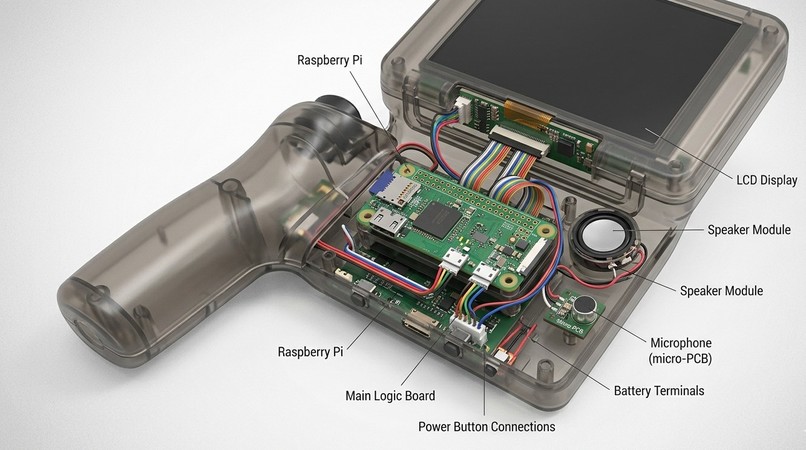
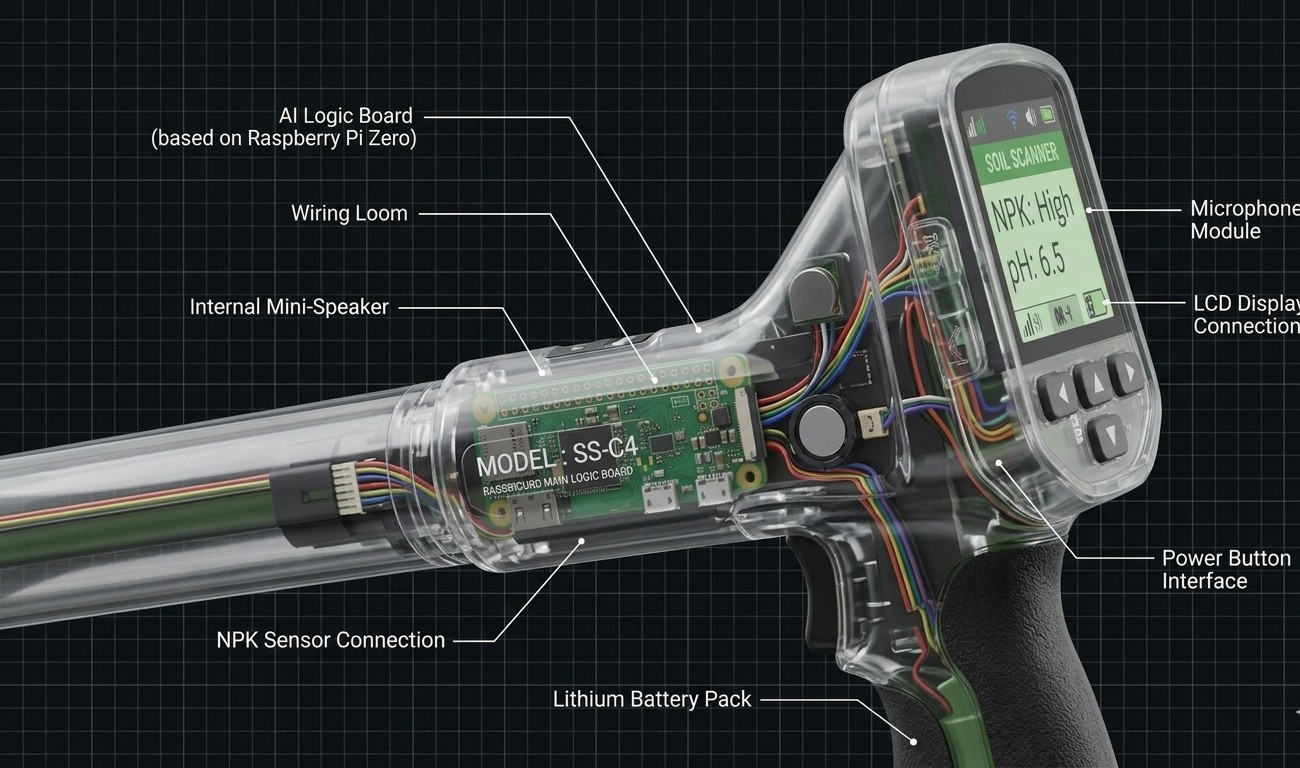
Screen connectio
-
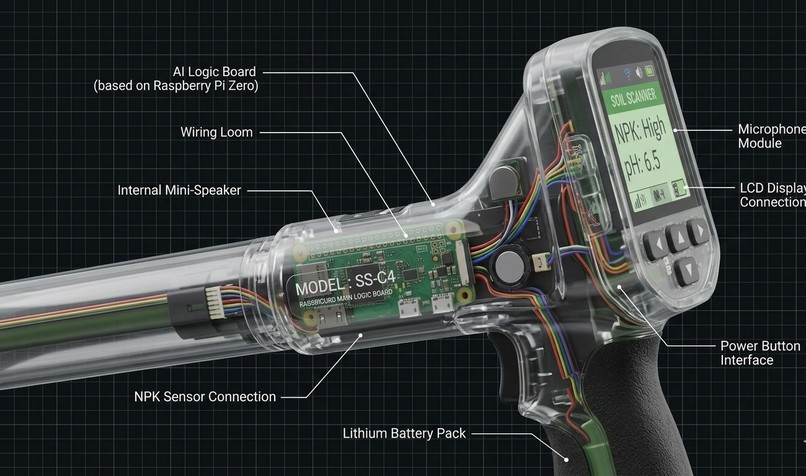
Electrical connection
-
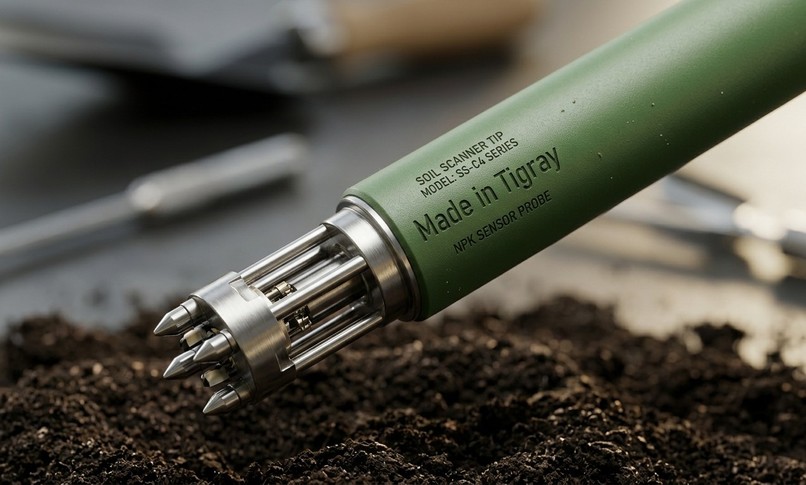
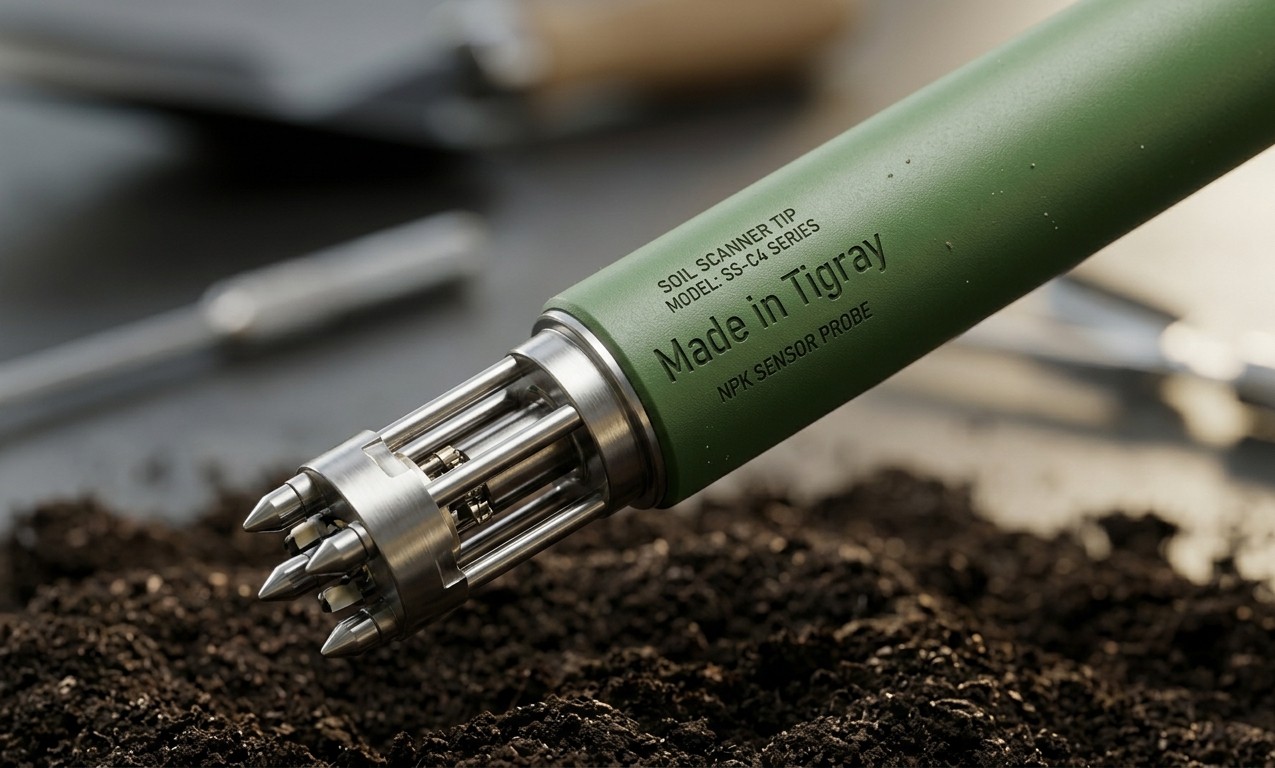
Sensor part
Inspiration
Growing up in rural communities and witnessing traditional agricultural practices firsthand made me acutely aware of the systemic challenges faced by smallholder farmers. In many developing regions, farming decisions are made through guesswork, tradition, or trial-and-error. Without knowing the exact nutrient composition or acidity of their soil, farmers frequently misapply fertilizers, leading to severe land degradation, reduced crop yields, and depleted household savings.
Centralized soil testing laboratories are usually located far away in major urban centers, making them expensive, slow, and practically inaccessible to everyday farmers. I was inspired to bridge this technological gap by engineering a portable, laboratory-grade testing unit that puts real-time, actionable agricultural intelligence directly into the hands of local farmers and extension workers.
What it does
The Smart Soil Analyzer (Model SS-C4) is a portable, edge-AI-driven diagnostic tool designed to evaluate soil health in real time:
Multi-Parameter Testing: In just 10 seconds, it measures seven critical soil parameters: Primary nutrients (Nitrogen N, Phosphorus P, Potassium K), pH level, Electrical Conductivity (EC), soil temperature, and moisture content.
Offline AI Analysis: Powered by an onboard Mini AI engine, the device processes raw chemical and physical readings locally to determine crop suitability and precise fertilizer application rates.
Localized Audio Guidance: Recognizing literacy and language barriers in rural areas, the SS-C4 uses localized voice recommendations (e.g., in Tigrinya) through its built-in audio system, removing the need for smartphone apps or active internet connectivity.
Crop-Specific Recommendations: It provides tailored insights for key regional crops including teff, wheat, maize, peas, and various fruits and vegetables.
How we built it
The development of the SS-C4 involved integrating specialized hardware, embedded logic, and user-centric physical design:
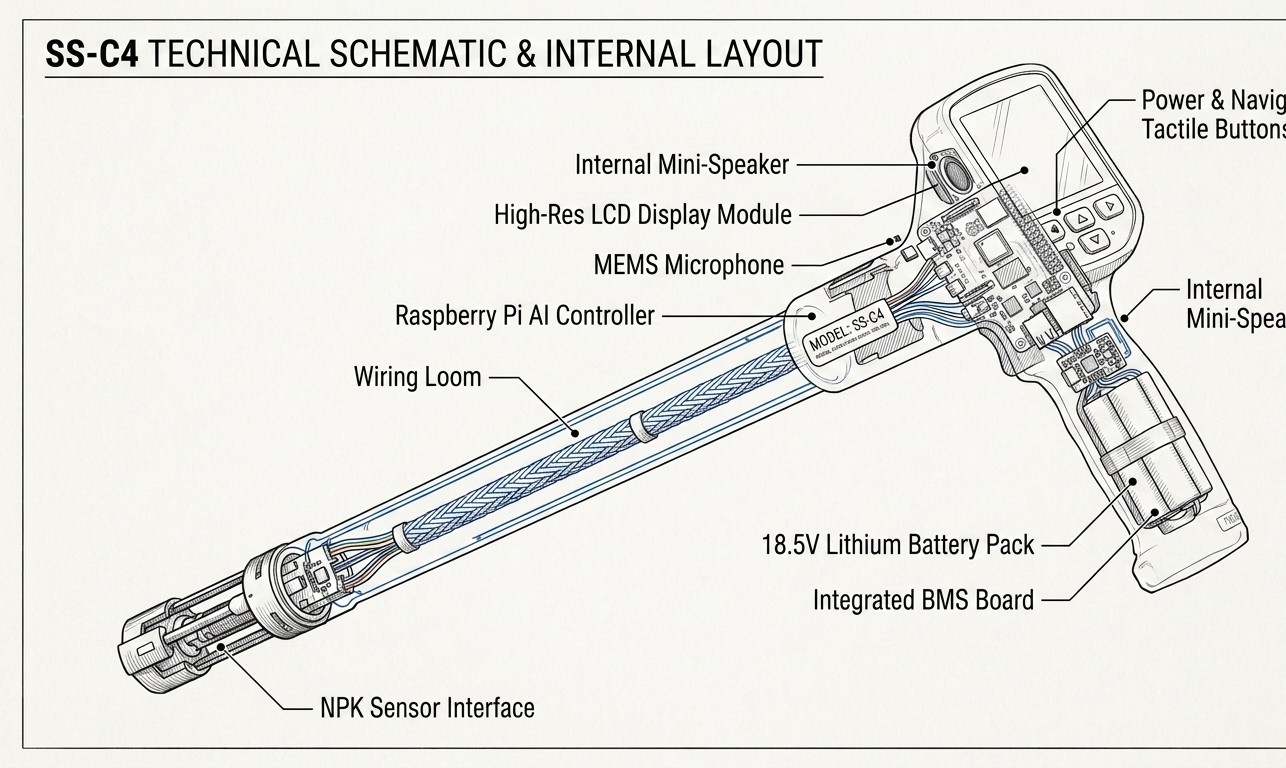
Sensory Core: We integrated an industrial-grade 7-in-1 NPK probe using a neat braided shield wiring loom for optimal signal integrity and protection against harsh field conditions.
Edge Computing Architecture: The core processing unit runs on a Raspberry Pi AI Controller (or Raspberry Pi Zero), running lightweight algorithmic logic for instant data analysis without cloud reliance.
Audio & Interface Hardware: Built with a high-resolution LCD display module, tactile navigation buttons, a MEMS microphone, and an internal mini-speaker for crystal-clear voice prompts.
Power Management: Designed around a custom 7.4V / 18.5V Lithium battery pack with an integrated Battery Management System (BMS). The device supports dual charging methods via AC grid power or portable solar panels for remote field deployment.
Challenges we ran into
Offline Edge-AI Optimization: Ensuring complex soil diagnostic logic and voice synthesis could run seamlessly on low-power embedded hardware without latency or internet connection was a major technical hurdle.
Sensor Calibration across Diverse Soil Types: Soil matrix interference, varying compaction, and ambient temperatures can skew sensor readings. Fine-tuning the system to maintain accuracy across acidic, saline, or clay-heavy soils required extensive empirical testing.
Power Efficiency in Remote Environments: Designing a power supply that could handle peak loads from processing and audio amplification while preserving multi-day battery life required careful power management circuitry.
Accomplishments that we're proud of
Sub-10-Second Diagnostic Time: Successfully compressing complex chemical diagnostic processing into an instantaneous, 10-second test cycle.
Full Offline Operation & Accessibility: Developing a localized voice-guidance interface that makes high-tech soil science accessible to non-literate smallholder farmers in their native language.
Production Feasibility: Establishing a fully realized business model with a unit manufacturing cost of 19,850 ETB and a competitive selling price of 25,500 ETB.
Recognized Innovation: Securing local registration (TIN: 0087901813) and proving commercial viability in Tigray, Ethiopia.
What we learned
Building the SS-C4 reinforced that advanced technology is only as impactful as its accessibility. We learned that translating raw data—such as parts-per-million (ppm) or electrical conductivity (dS/m)—into clear, spoken recommendations in a farmer's native tongue turns complex engineering into a practical daily tool. On a technical level, we gained invaluable experience in embedded AI system optimization, multi-sensor calibration, and robust hardware design for harsh agricultural environments.
What's next for Smart soil Analyzer
Mass Manufacturing & Deployment: Scaling production beyond initial prototype runs to fulfill demand across local farming cooperatives, TVET agricultural colleges, and agricultural NGOs.
Expanded Crop & Language Profiles: Updating the embedded database to support additional regional crops and integrating additional regional languages for voice prompts.
IoT Expansion: Developing an optional long-range telemetry module (LoRaWAN / GSM) to aggregate anonymized, regional soil-health data to assist government agricultural bureaus in mapping soil degradation trends.
Built With
- languages


Log in or sign up for Devpost to join the conversation.