-
-
-
Working
Inspiration
Smart home devices are becoming common, but most existing smart sockets fail when the internet is unavailable and are often difficult for elderly or differently-abled users to operate. During our research, we realized that reliability and accessibility are still major gaps in current market solutions. This inspired us to build a smart socket that works not only online but also offline, ensuring uninterrupted control in real-world conditions such as network failures or rural areas with unstable connectivity.
What it does
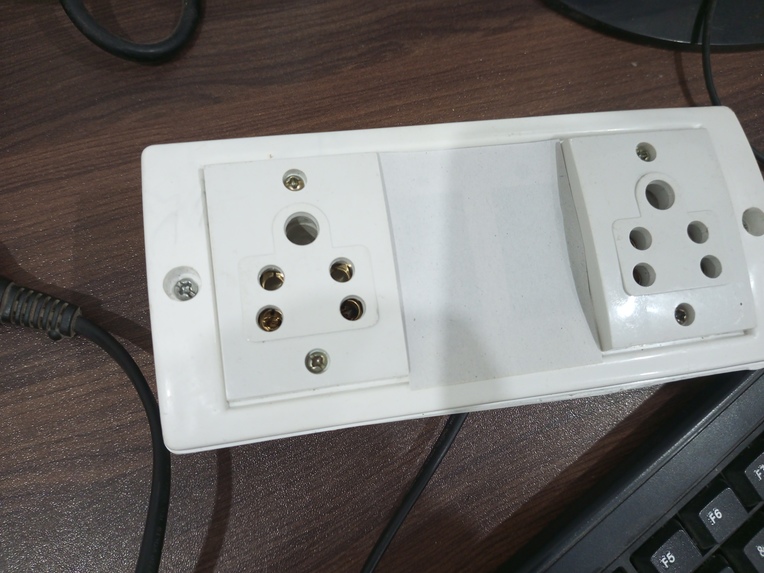
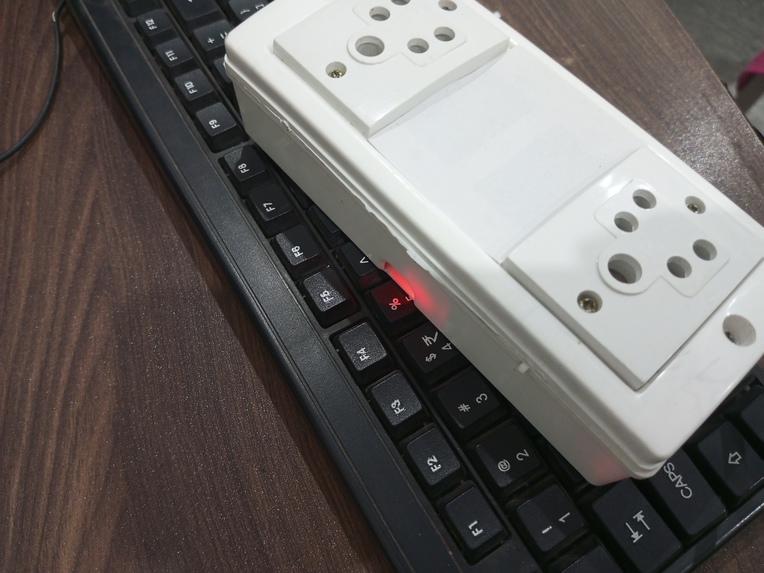
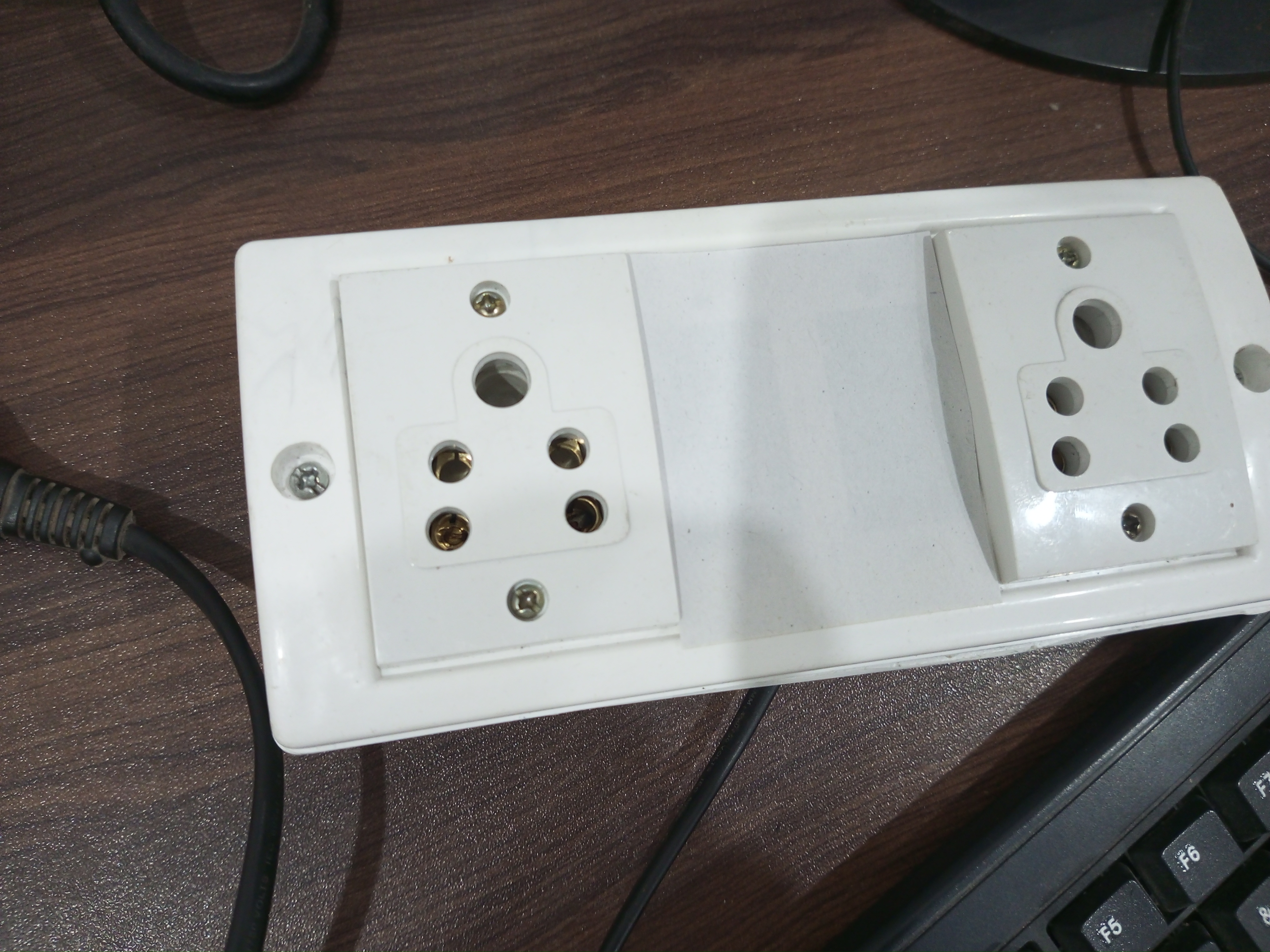
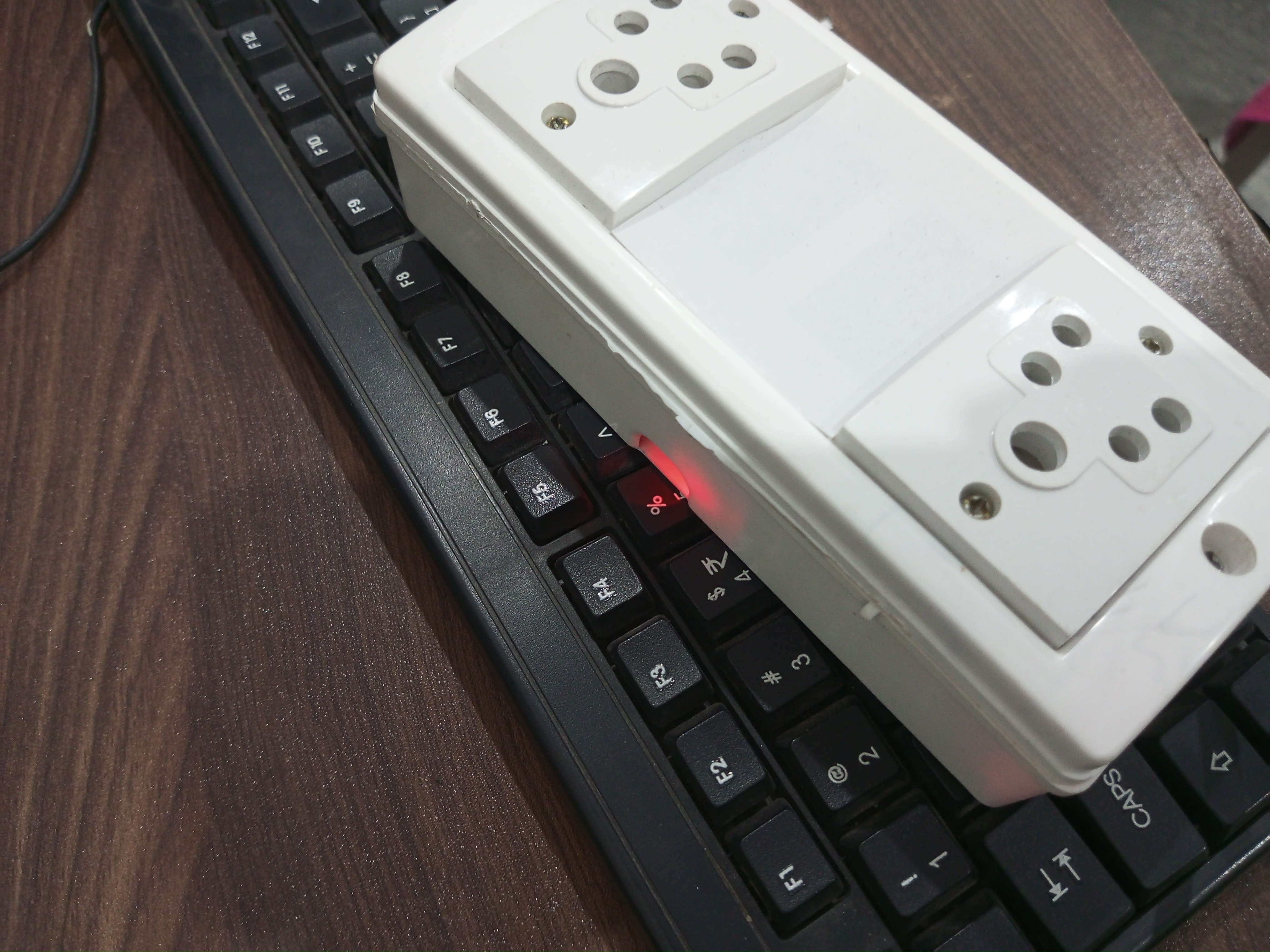
Our Smart IoT-Based Socket allows users to control home appliances in two modes. In online mode, the socket is controlled remotely using a cloud-based IoT platform, enabling users to switch appliances on or off from anywhere. In offline mode, the ESP32 creates a local Wi-Fi Soft-AP, allowing users to control appliances through a built-in web interface without requiring the internet. This dual-mode operation ensures reliability, safety, and ease of use for all users.
How we built it
We built the system using an ESP32 microcontroller connected to relay modules for controlling AC appliances. The firmware was developed using Arduino C++, integrating Wi-Fi management, cloud communication, and a local web server. For online control, we used a cloud IoT platform with virtual pins, while for offline control, we designed a responsive HTML, CSS, and JavaScript web interface hosted directly on the ESP32. The system automatically switches between online and offline modes based on network availability.
Challenges we ran into
One of the major challenges was managing relay logic and power compatibility, especially handling different relay trigger levels and voltage requirements. Ensuring smooth switching between online (cloud) mode and offline (Soft-AP) mode without conflicts was another challenge. Additionally, integrating multiple control methods while keeping the system stable and user-friendly required careful debugging and testing.
Accomplishments that we're proud of
We successfully implemented a dual-mode smart socket that continues to function even without internet access, which is rarely found in commercial products. The system is low-cost, open-source, and customizable, making it suitable for real-world deployment as well as educational purposes. Completing a fully functional hardware-software integrated project within the hackathon timeline is a key achievement for our team.
What we learned
Through this project, we gained hands-on experience in embedded systems, IoT cloud integration, Wi-Fi networking, and web-based device control. We learned how to design fault-tolerant systems, debug real hardware issues, and build user-centric solutions. Most importantly, we understood the importance of reliability and inclusivity when designing smart devices for real-world use.
What's next for Smart Socket
Deploying a full working application who control all this things.


Log in or sign up for Devpost to join the conversation.