-
-
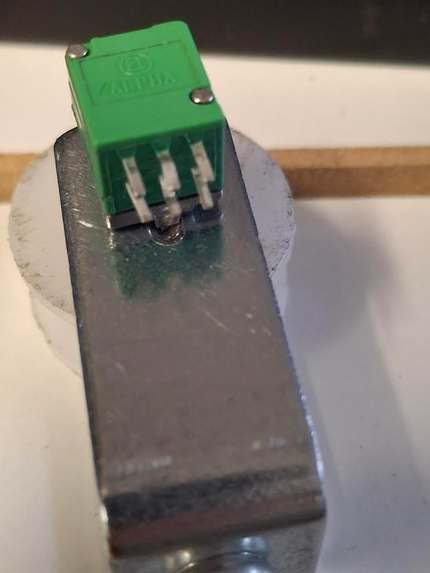
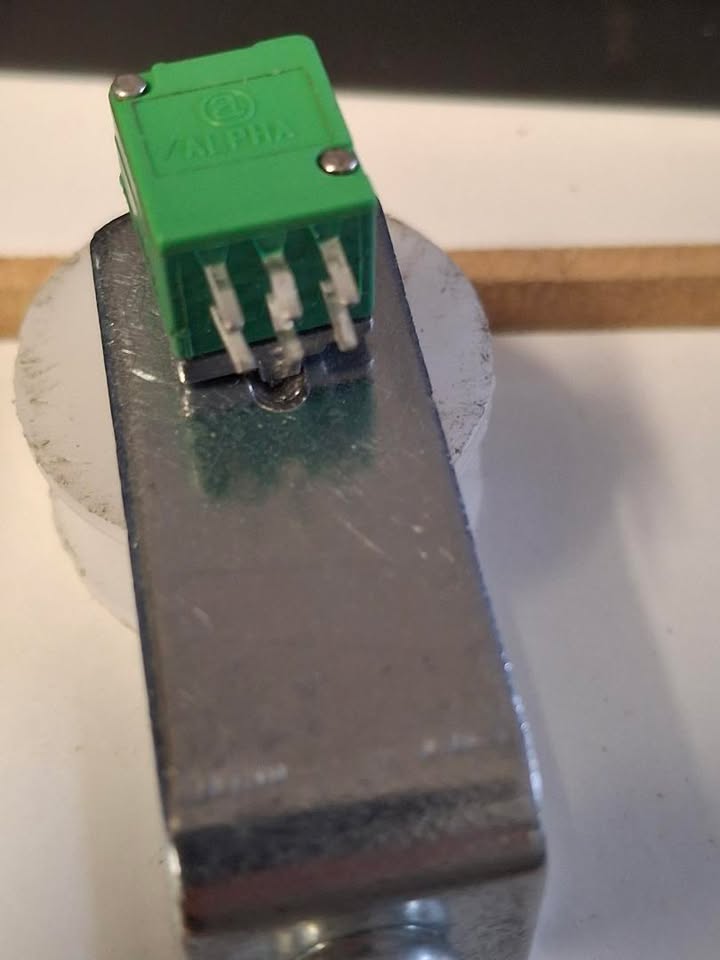
Pulley bracket fit to potentiometer
-
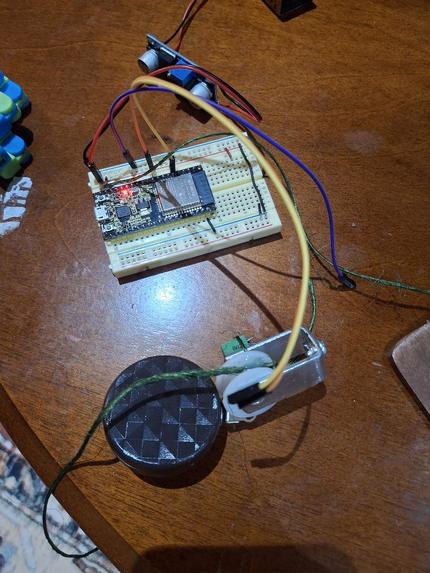
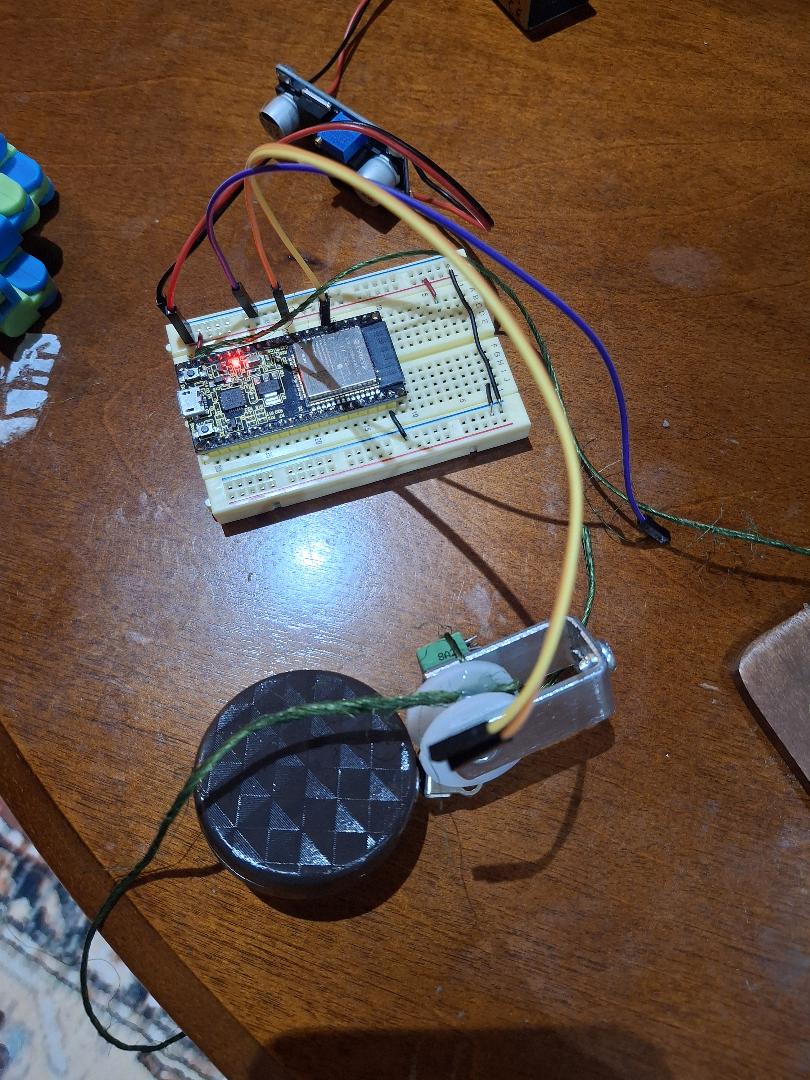
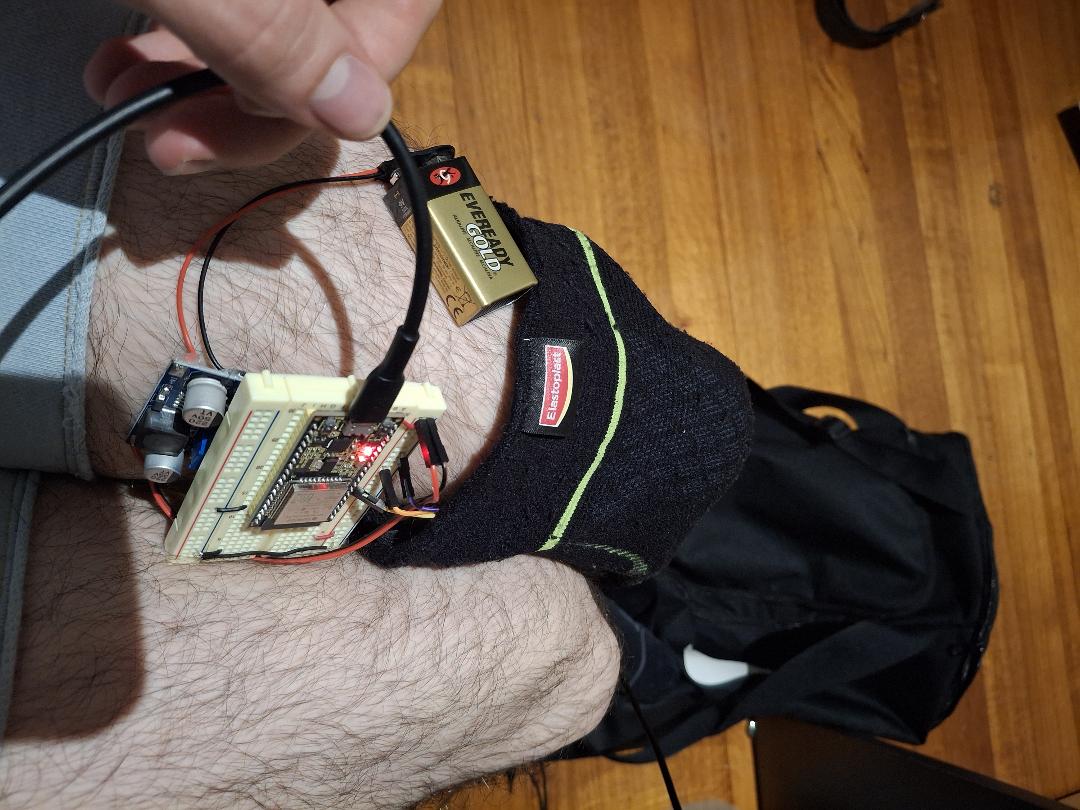
Device hardware
-
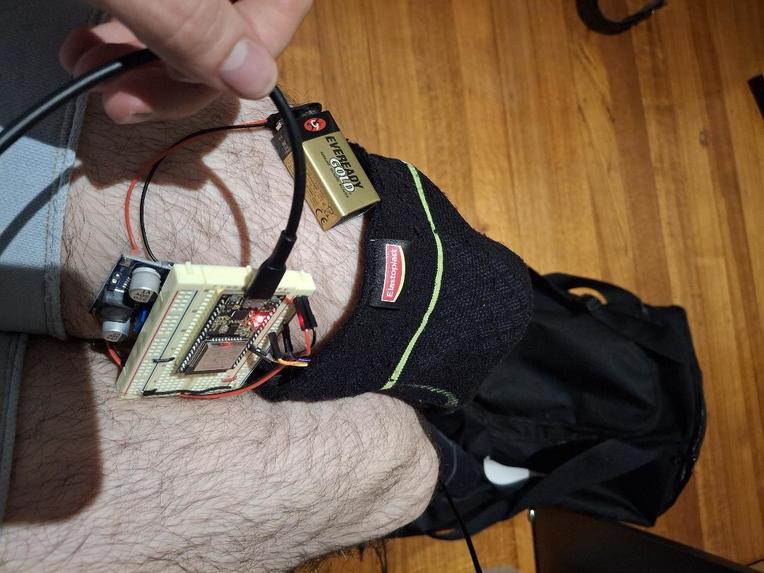
Device around the strap
-
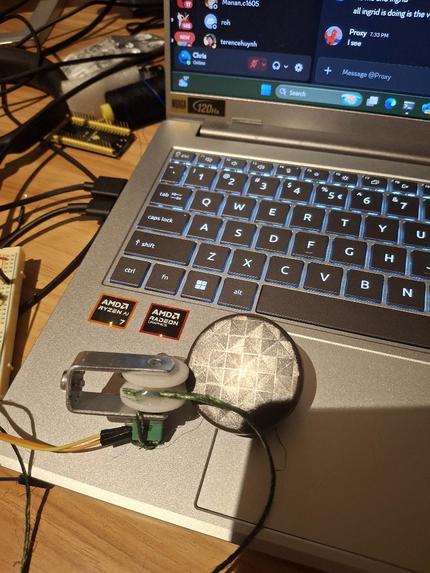
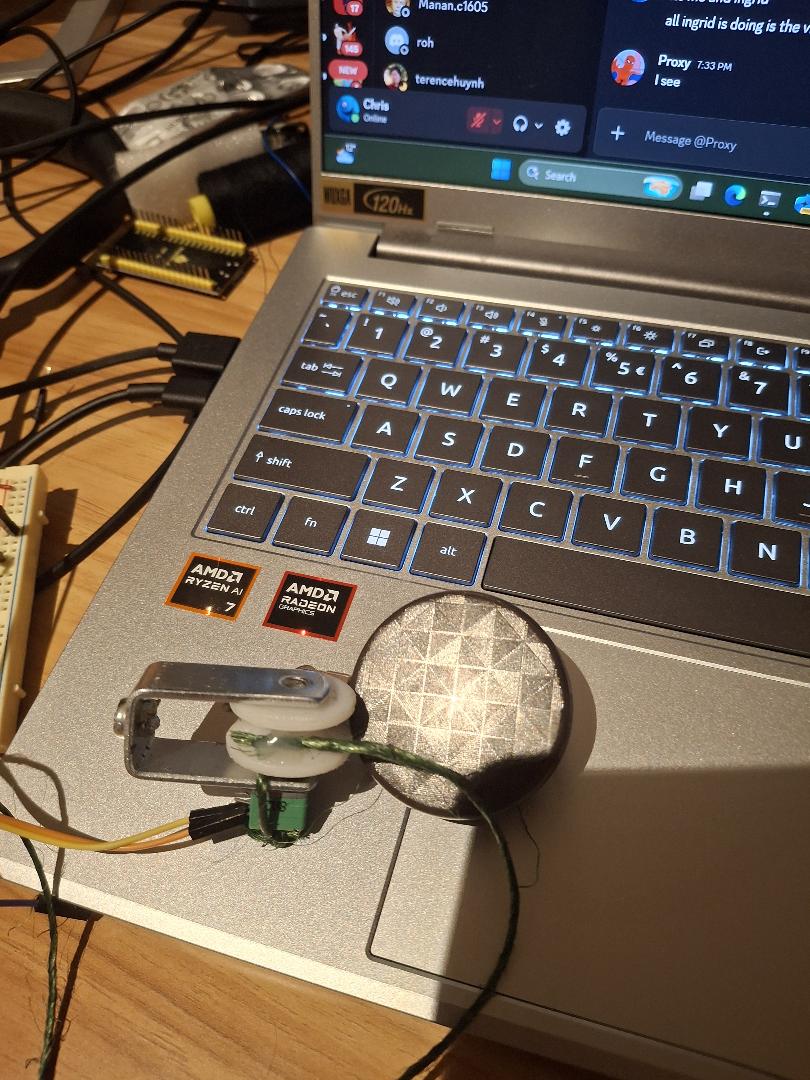
Original pulley design
-
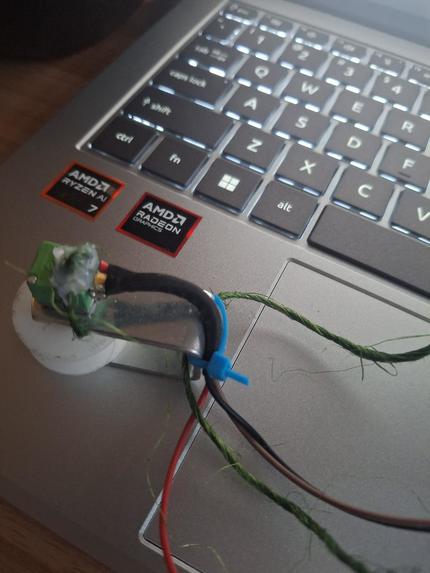
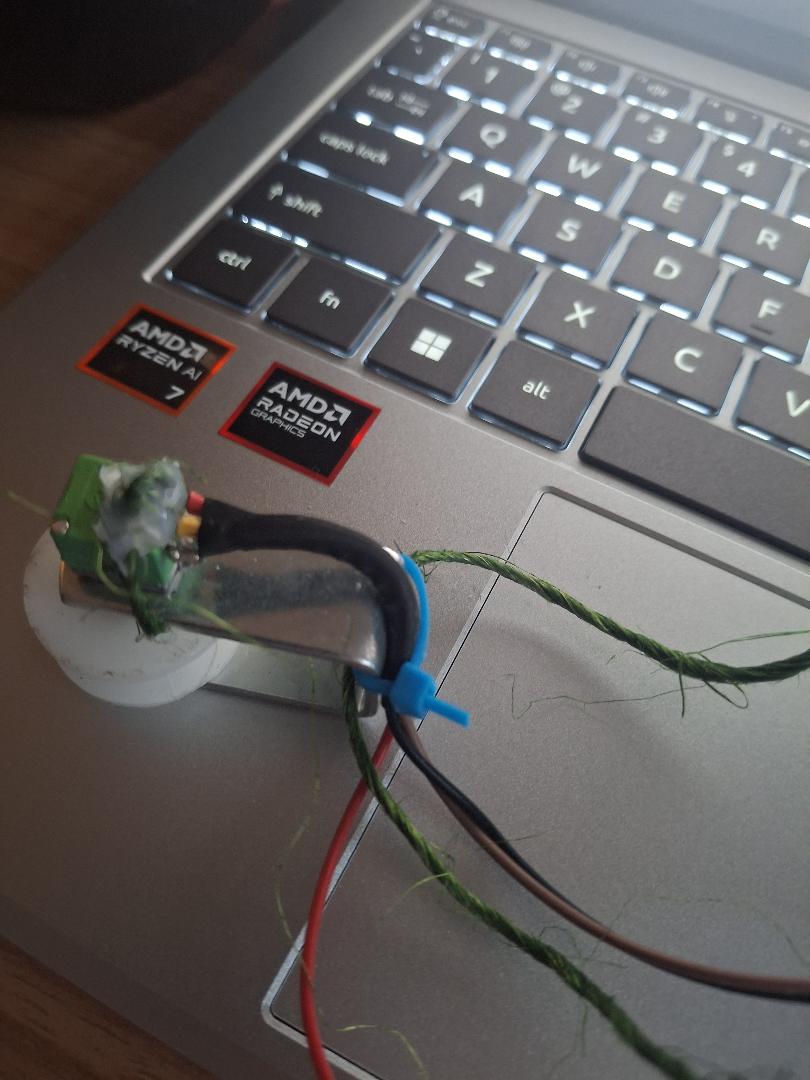
Final pulley design
-
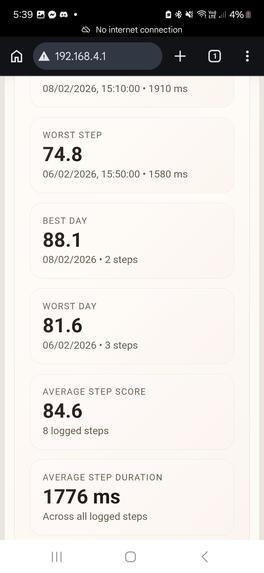
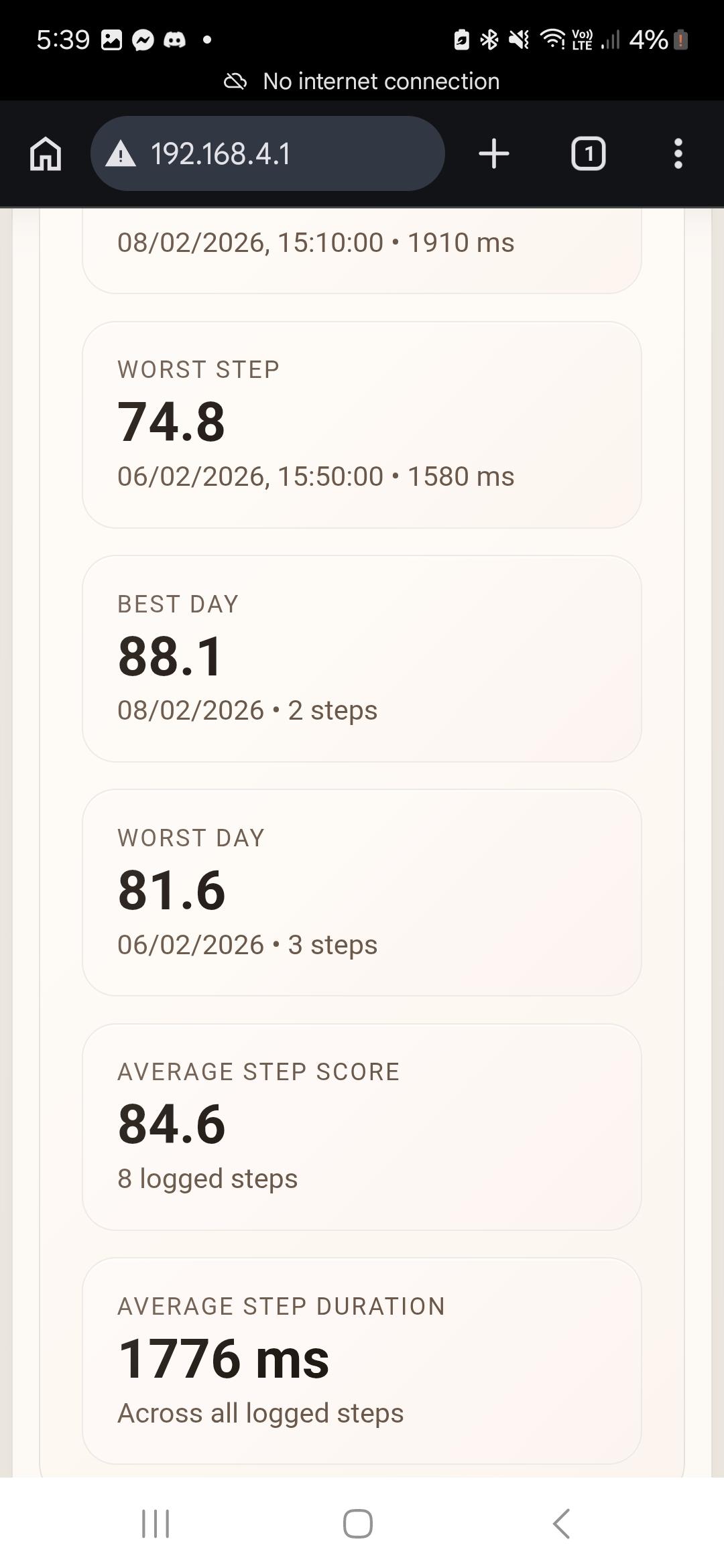
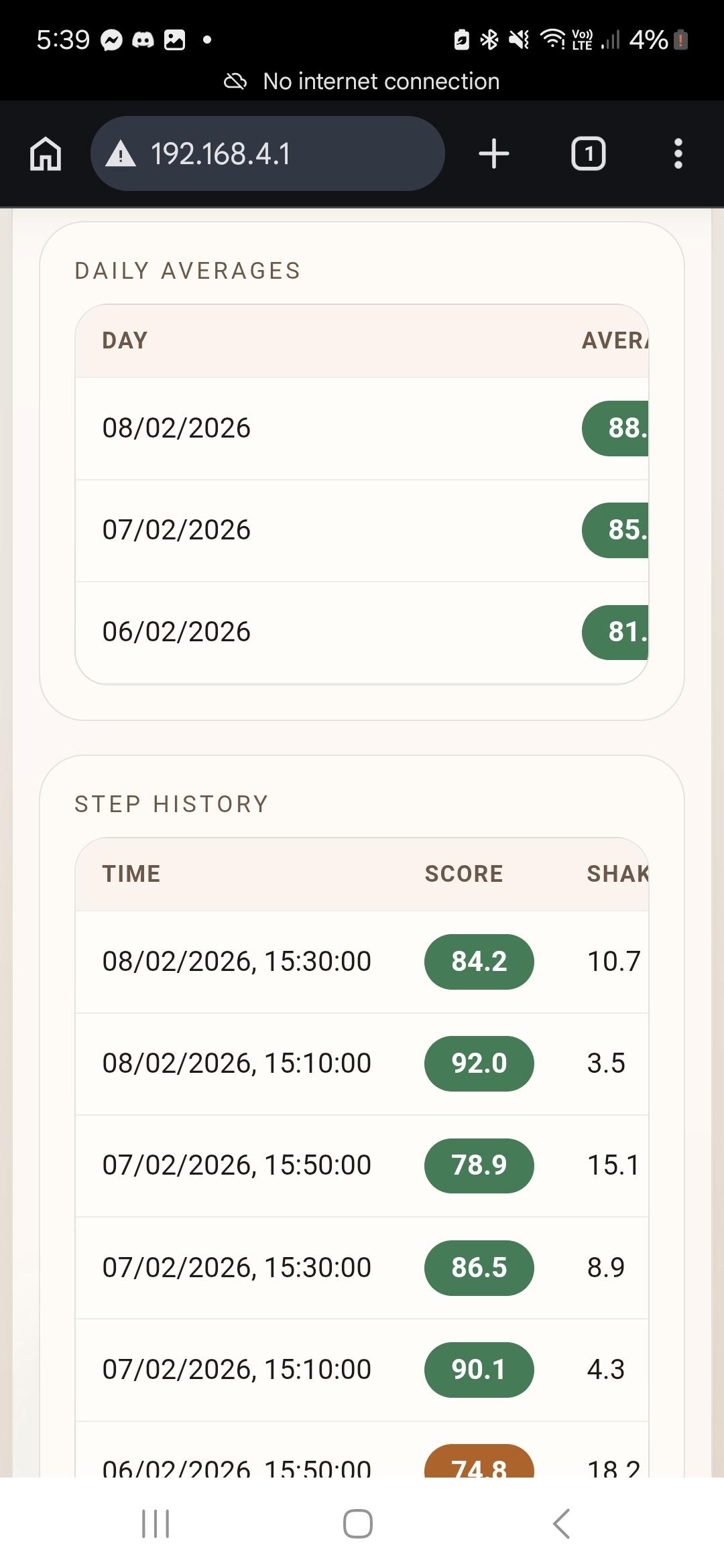
App data view section
-
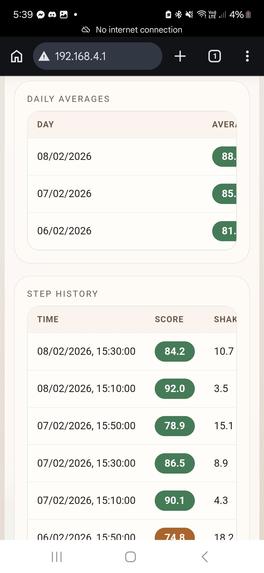
App data view section
Inspiration
In Australia, many people live with chronic pain because rehabilitation is often delayed or too expensive to access consistently. Without regular feedback, recovery becomes guesswork.
We built Smart Sleeve to make rehabilitation more accessible by giving users real-time insight into how they move, not just how much they move.
What it does
Smart Sleeve is a wearable knee rehabilitation device that tracks both movement and movement quality in real time.
Instead of only counting repetitions, it evaluates how well each step is performed. The system detects issues like:
- stalling mid-step
- uneven acceleration
- lack of control during descent
- stiff or inconsistent motion
These signals are converted into simple scores so users can understand their progress and improve technique without constant supervision.
How we built it
Smart Sleeve is a tightly integrated hardware and software system.
Hardware
We designed a custom two-pulley sensing mechanism using:
- a spring-loaded pulley for constant tension
- a secondary pulley coupled to a potentiometer
- a string attached to the user’s leg
This converts knee motion into continuous rotational data.
A major challenge was durability. Early prototypes failed under real movement forces, so we redesigned the system with:
- soldered connections
- heatshrink reinforcement
- strain relief loops
This made the device stable enough for repeated use.
Embedded Processing
An ESP32 continuously reads the potentiometer and processes the signal into more than just angle data.
We built logic to analyse movement quality by tracking how motion changes over time. Instead of just detecting movement, the system evaluates:
- smoothness
- control
- consistency
These are combined into step-quality metrics and progress scores that users can act on.
Custom Embedded Compiler
One of the most technical parts of the project was bringing a modern web interface onto a microcontroller.
Frameworks like Angular and Express are too heavy to run on an ESP32, so we built a custom compiler that:
- takes Angular-style components and EJS-style server code
- tokenizes and parses them in C
- compiles them into static C/C++ assets at build time
This required translating object-oriented JavaScript concepts into C:
- component state → runtime slots
- bindings → direct lookups
- data models → tagged C structures (objects, arrays, primitives)
The compiler also pre-renders server-side pages by evaluating route data and resolving templates ahead of time.
The result is a fully embedded web app served directly from the ESP32 without running a heavy framework at runtime.
Toolchain Integration
We integrated the compiler the PlatformIO toolchain using a pre-build script, so every firmware build automatically recompiles the web interface.
To make development manageable, we built and tested the compiler on a desktop environment with unit tests before deploying to hardware. There are two compilers in the github, windows_compiler and embedded_compiler
Challenges
- Hardware durability: early designs failed under real movement forces
- Embedded constraints: delivering a modern UI on limited hardware
- System coupling: hardware reliability directly affected analytics accuracy
We solved this by iterating on mechanical design and shifting complexity from runtime into the compiler.
Accomplishments
- Built a full end-to-end rehabilitation system
- Designed custom mechanical sensing hardware
- Implemented real-time movement quality analysis
- Developed a custom compiler for embedded web apps
- Delivered a modern interface from an ESP32
What we learned
- Rehabilitation tech requires tight integration between hardware, signal processing, and user experience
- Devices attached to a human body can experience significant forces in unexpected ways
- Moving complexity into build-time systems enables richer embedded applications
- Testing complex systems off-device is critical for fast iteration
What’s next
- Design a custom 3D-printed enclosure for better usability
- Extend the system to other joints (shoulder, wrist, hip)
- Improve motion analysis and feedback accuracy
References
Arthritis Australia
https://arthritisaustralia.com.au/parliamentary-summit-on-better-care-for-arthritis-and-musculoskeletal-conditions-2/
Australian Physiotherapy Association
https://australian.physio/media/patients-need-faster-fairer-care-apa-calls-direct-access-physiotherapy
ABC News – Regional allied health access (2023)
https://www.abc.net.au/news/2023-09-30/physiotherapist-allied-health-services-regional-nsw-communities/102905914
ABC News – NDIS therapy cuts (2025)
https://www.abc.net.au/news/2025-06-23/ndis-pricing-therapy-cuts-disability-government-physiotherapy/105433024
ABC News – NT physiotherapy funding issues (2025)
https://www.abc.net.au/news/2025-06-28/nt-physiotherapy-disability-funding-ndis-cuts-regional-patients/105460362
ABC News – Australians delaying healthcare due to cost (2026)
https://www.abc.net.au/news/2026-03-31/australians-delaying-health-care-due-to-cost/106511170
ABC News – Cost of fuel impact on regional health (2026)
https://www.abc.net.au/news/2026-03-24/cost-of-fuel-impact-on-regional-health/106486092
YouTube – News footage
https://www.youtube.com/watch?v=MK2thHAHGt4
YouTube – Additional footage
https://www.youtube.com/watch?v=lSCo_TXecOs
YouTube – Additional footage
https://youtu.be/wHqWeVURii8?si=XNWz3OhPx_A_kByh
YouTube – Additional footage
https://youtu.be/5nzXCLJQEaI?si=OoRi9fssx5JIgKNc
YouTube – Additional footage
https://www.youtube.com/watch?v=FhnV7XSnKCo
Pexels – Therapist applying kinesiology tape
https://www.pexels.com/video/therapist-applying-kinesiology-tape-on-patient-6095386/
Music – Tobias Voigt – Moonrise (Uppbeat)
https://uppbeat.io/t/tobias-voigt/moonrise
Built With
- angular.js
- arduino
- c
- c++
- codex
- css
- drill
- esp32
- express.js
- hacksaw
- hotglue
- html
- javascript
- kneesleeve
- platformio
- potentiometer
- pulley
- python
- soldering
- string
- wifi


Log in or sign up for Devpost to join the conversation.