-
-

PROTOTYPE
-

PROTOTYPE 1
-

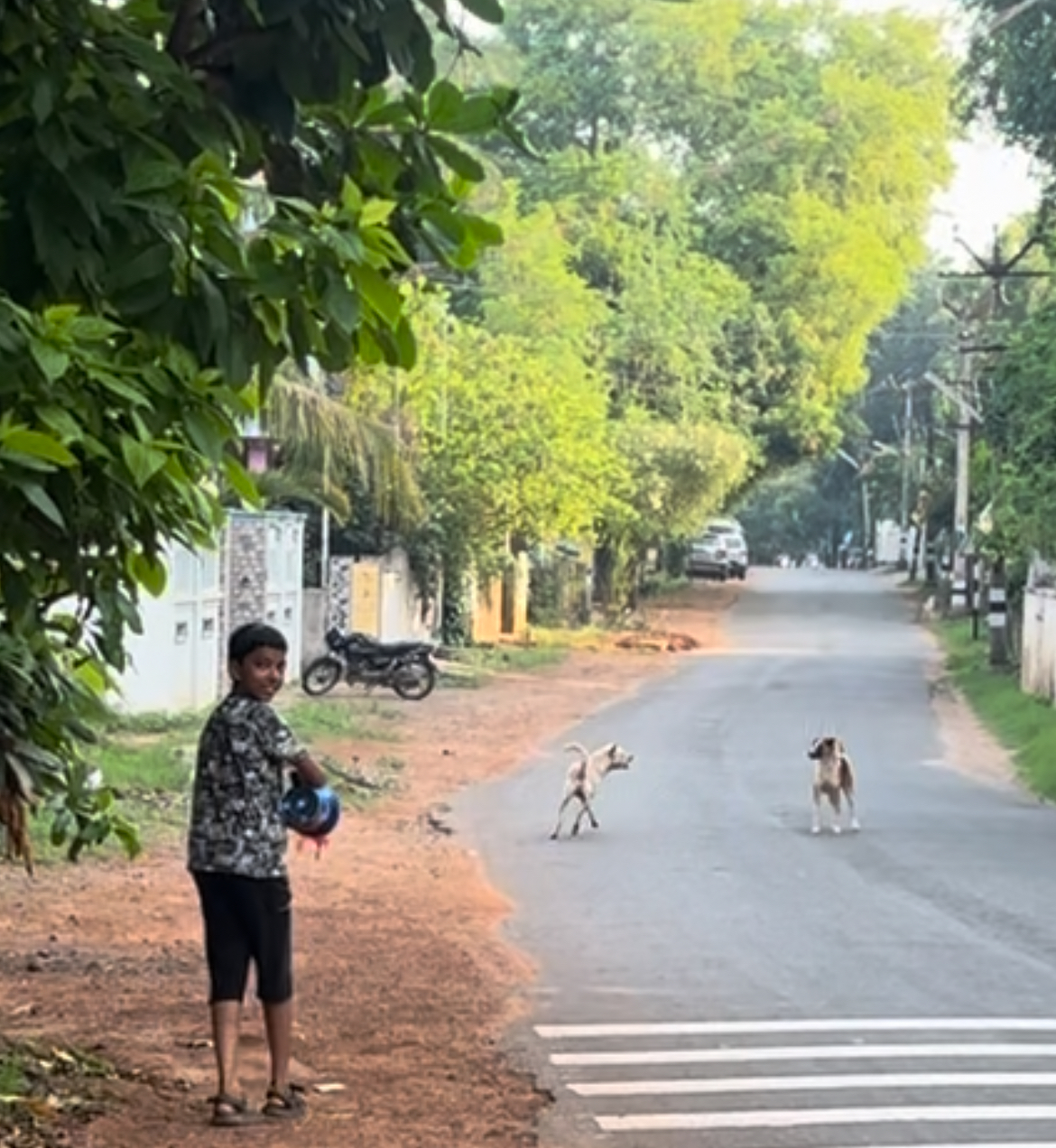
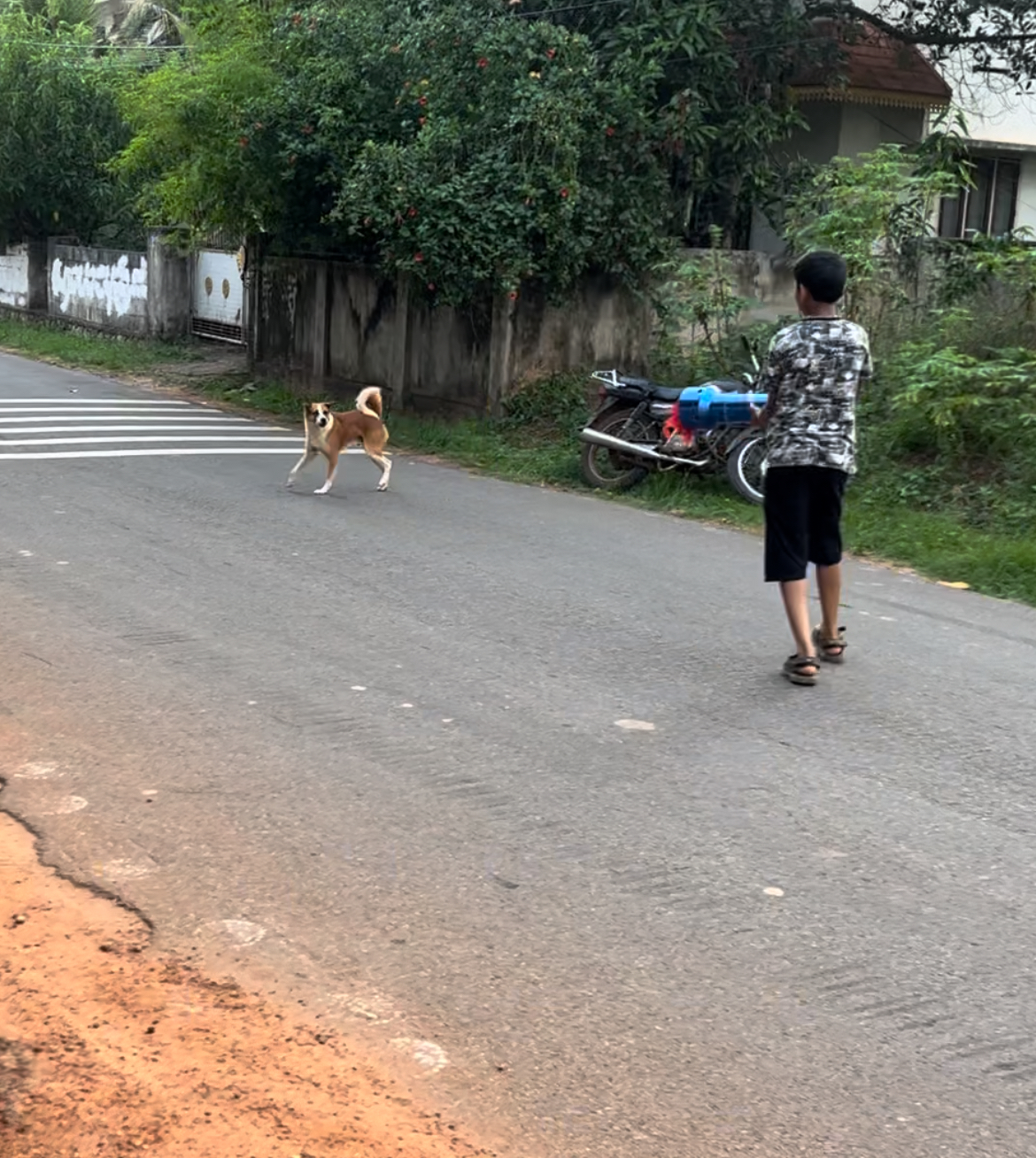
FIELD DEMO
-
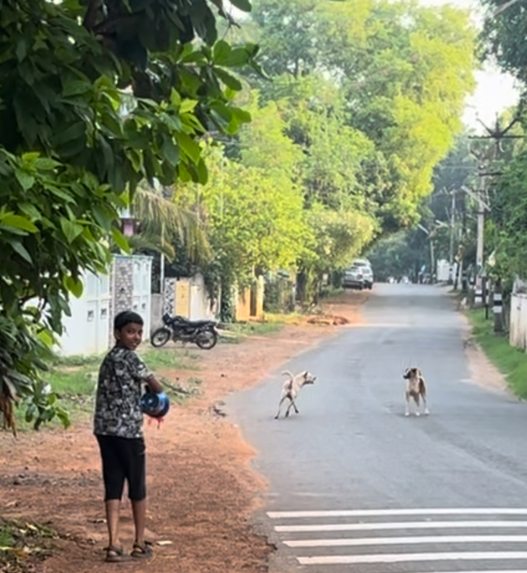
FIELD DEMO 2
-
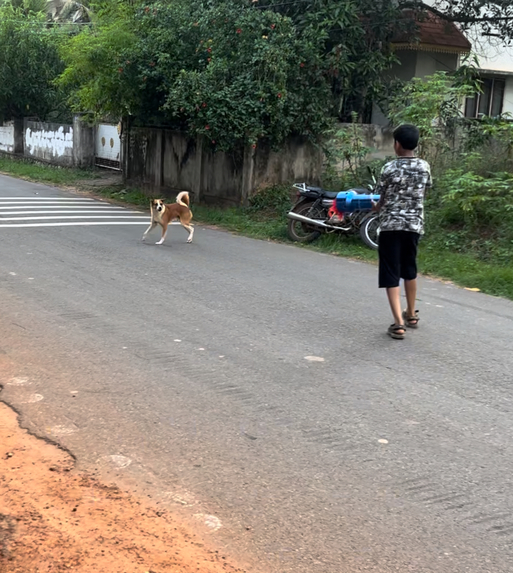
FIELD DEMO 1



Project Overview
Smart Safety for Forest-Edge Economies is a smart, eco-friendly handheld torch designed to reduce human–wildlife conflict in forest-fringe communities. It uses red LED flashes, artificial flame visuals, and sound effects to safely deter wild animals without harming biodiversity. The device empowers rural families to protect their crops and livestock, reducing economic losses, improving safety, and enabling data-driven governance. Future upgrades include IoT sensors, blockchain-based incident reporting, and predictive analytics—creating a scalable safety network for rural economies.
Inspiration
Over 300 million people live near forests, where human–animal conflict causes annual crop losses exceeding ₹1,000 crore. Villagers face nightly intrusions from wild animals, risking lives and livelihoods. Traditional deterrents—solar fences, fire, and crackers—are expensive, unsafe, and environmentally harmful. Our team was inspired to create a safe, sustainable, and community-friendly solution aligned with the UN Sustainable Development Goals (SDGs).
Economic Problem Addressed
Smart Safety for Forest-Edge Economies addresses multiple economic challenges: • Crop and livestock loss: Wildlife intrusion leads to direct financial damage, reducing rural income and food security. • Compensation inefficiencies: Government payouts are often delayed or insufficient, straining public budgets. • Insurance gaps: Many farmers lack access to affordable coverage or proof of incidents. • Resource misallocation: Forest departments lack real-time data to deploy support effectively. By offering a low-cost, reusable deterrent and integrating smart reporting tools, SMART SAFETY FOR FOREST-EDGE ECONOMIES reduces losses, improves compensation accuracy, and supports financial resilience in vulnerable communities.
Target Users and Use Cases • Users: Rural farmers, forest-fringe communities, forest departments, wildlife NGOs, insurance programs • Use Cases: • Nighttime protection of crops and livestock • Automated alerts for wildlife intrusion • Verified incident reporting for compensation and policy planning • Data collection for economic modeling and resource allocation • Integration with micro-insurance and subsidy tracking platforms
Technology Stack • Frontend: React (Web & Mobile) • Backend: Node.js with Express • Database: Firebase / MongoDB • AI/ML: TensorFlow (animal behavior prediction, risk forecasting) • IoT: Motion sensors, thermal cameras (wildlife detection) • Blockchain: Immutable incident logging and compensation verification • APIs: GIS mapping, weather alerts, Aadhaar verification • Hosting: AWS / Google Cloud SDG Alignment: • SDG 9: Industry, Innovation & Infrastructure • SDG 11: Sustainable Cities & Communities • SDG 13: Climate Action • SDG 15: Life on Land
How It Works Smart Safety for Forest-Edge Economies is a handheld torch that emits bright red LED flashes, artificial flame visuals, and cracker-like background sounds—signals that animals instinctively avoid. It is smoke-free, pollution-free, and instantly deployable in emergencies. Villagers can use it without waiting for forest officials, making it a practical tool for real-time protection. The rechargeable design ensures long-term affordability and environmental sustainability. Impact Highlights: • Reduces crop loss by up to 60% (based on field testing) • Cuts average compensation claims by ₹15,000 per household annually • Enables faster response from forest departments using real-time alerts
Economic Modeling & Visualization We’ve developed a dashboard that visualizes: • Estimated savings per household using Smart Safety for Forest-Edge Economies • Reduction in compensation claims over time • Cost comparison: Smart Safety for Forest-Edge Economies vs. traditional deterrents • ROI projections for NGOs and government agencies • Heatmaps of conflict zones using GIS and incident data These insights are powered by open datasets from the Forest Survey of India, PM-KISAN, and World Bank rural development reports. Visualizations help stakeholders allocate resources, design policies, and scale interventions effectively.
Data-Driven Features • Incident Logging App: Villagers report wildlife encounters with time, location, and species • Blockchain Ledger: Tamper-proof records for forest departments, insurers, and NGOs • Analytics Dashboard: Tracks frequency, location, and economic impact of incidents • Predictive Alerts: AI models forecast high-risk zones based on weather and migration patterns • Insurance Integration: Verified logs support faster claims and targeted subsidies These features transform Smart Safety for Forest-Edge Economies into a real-time economic intelligence tool for rural safety, planning, and financial inclusion.
Challenges We Faced Our biggest challenge was replicating the deterrent effect of fire and loud sounds without causing pollution or danger. Real fire poses a serious risk of forest fires, and loud crackers can traumatize both animals and humans. We overcame this by designing a system that uses artificial flame visuals and safe sound simulations, ensuring the device remains effective while being environmentally responsible. We also had to ensure affordability and scalability for low-connectivity regions, which led to our offline-first architecture and modular design.
Accomplishments We’re Proud Of • Developed a device that reduces human–wildlife conflict without harming either side • Portable, safe, and eco-friendly alternative to crackers or fire • Rechargeable and reusable, lowering environmental impact • Promotes peaceful coexistence between humans and wildlife • Built a blockchain-backed reporting system for verified compensation • Created a predictive dashboard for economic planning and risk mitigation • Supports biodiversity protection and aligns with SDG 15
What We Learned We learned that technology must respect both human safety and biodiversity. Field testing with communities near forests helped us understand the device’s effectiveness across species and distances. Feedback-driven iterations ensured inclusivity and built trust among users. We also discovered the power of combining hardware, data, and policy to create scalable economic impact. This process reinforced our commitment to SDG 11 and the importance of community-centered innovation.
What’s Next Smart Safety for Forest-Edge Economies We plan to evolve Smart Safety for Forest-Edge Economies into a full-fledged Smart Wildlife Conflict Management System. Next steps include: • IoT Expansion: Deploying sensor networks across high-risk zones • AI Forecasting: Predicting seasonal migration and intrusion patterns • Insurance API Integration: Automating claims and subsidy disbursement • Public Deployment: Positioning Smart Safety for Forest-Edge Economies as a standard safety tool like fire extinguishers • Global Replication: Adapting the model for other biodiversity hotspots worldwide These upgrades will create a smart safety network across villages, enabling predictive analytics, transparent reporting, and economic resilience. Future SDG Alignment: • SDG 1: No Poverty • SDG 3: Good Health & Well-being • SDG 9: Innovation • SDG 11: Resilient Communities • SDG 13: Climate Action • SDG 15: Life on Land
Device field demo https://youtu.be/ReLTamfFB6Q Device try it Out video https://youtu.be/yz2kcooeCaM Presentation Link https://youtu.be/IxYkW_-Wga8 https://github.com/CHRISBINJAEDON/TCJH.git
Built With
- ai
- api
- blockchain
- iot

Log in or sign up for Devpost to join the conversation.