Inspiration
In January 2025, what was meant to be a fresh start turned tragic for the Orazi community in Port Harcourt. A gas explosion occurred while a cylinder was being refilled. Three lives were lost, over 20 people were badly injured, and nearby shops and a taxi caught fire. Families lost their loved ones, homes, and livelihoods. Sadly, this was not the first incident of its kind in Nigeria, and it likely won’t be the last.
We were tired of hearing stories like this. We kept asking ourselves: What if there was a way to warn people before a gas leak turns into a deadly explosion? What if a system could help save lives and homes before it’s too late? That’s why we built this project. It’s personal, it’s painful, and we knew we had to try.
What it does
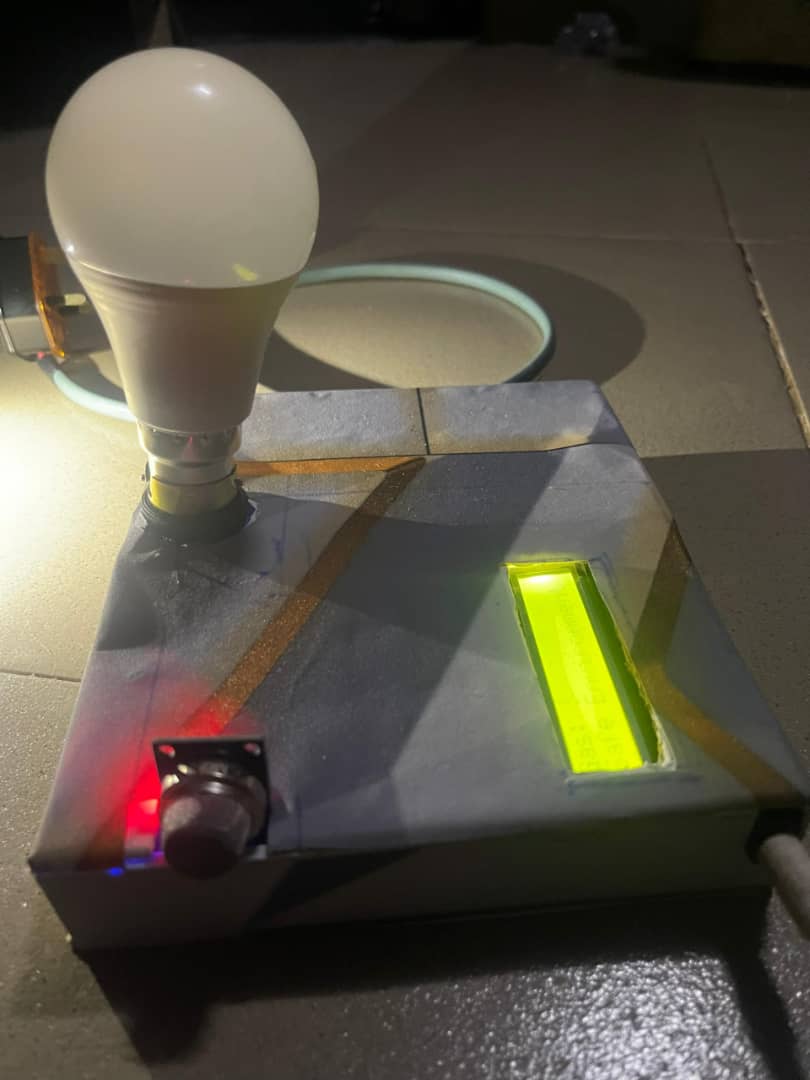
We built an automated system that constantly monitors for gas in the environment. It doesn’t wait for you to notice it; it can detect even the smallest leaks that the human nose can't pick up. Once a leak is found, the system takes immediate action:
- Displays the gas level on a small screen.
- Triggers a loud buzzer to alert anyone nearby.
- Sends a remote message to your phone via SMS, email, and a mobile app, even when you’re offline. This favors its usage in both local and urban settings.
- The app also shows the severity of the leak.
- Automatically turns off the electricity in your house to prevent appliances like kitchen fans, hotplates, cookers, and sparks from causing a fire.
You don’t have to be home to know there’s a problem. The system will notify you and take action to help keep your space safe.
How we built it
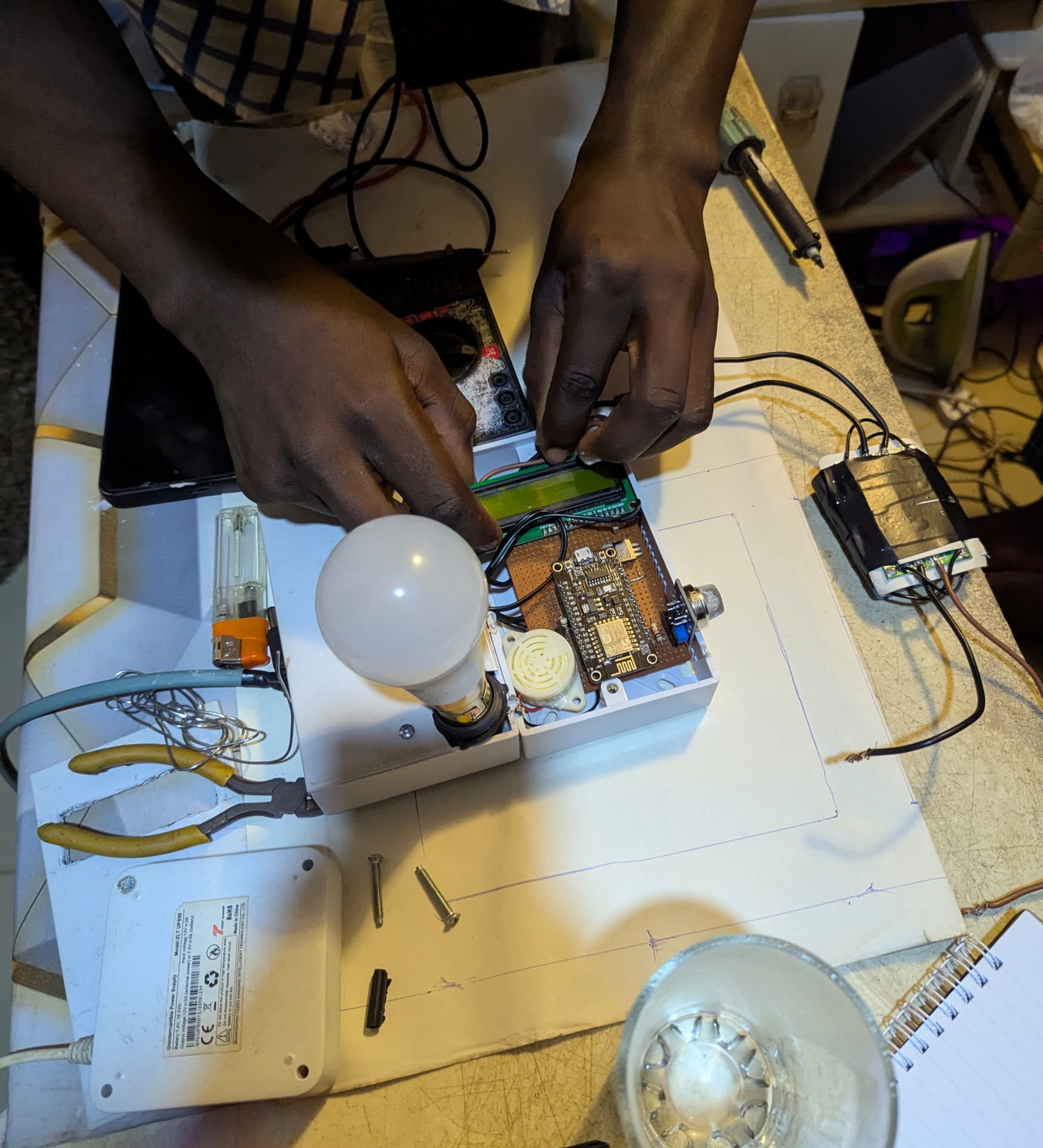
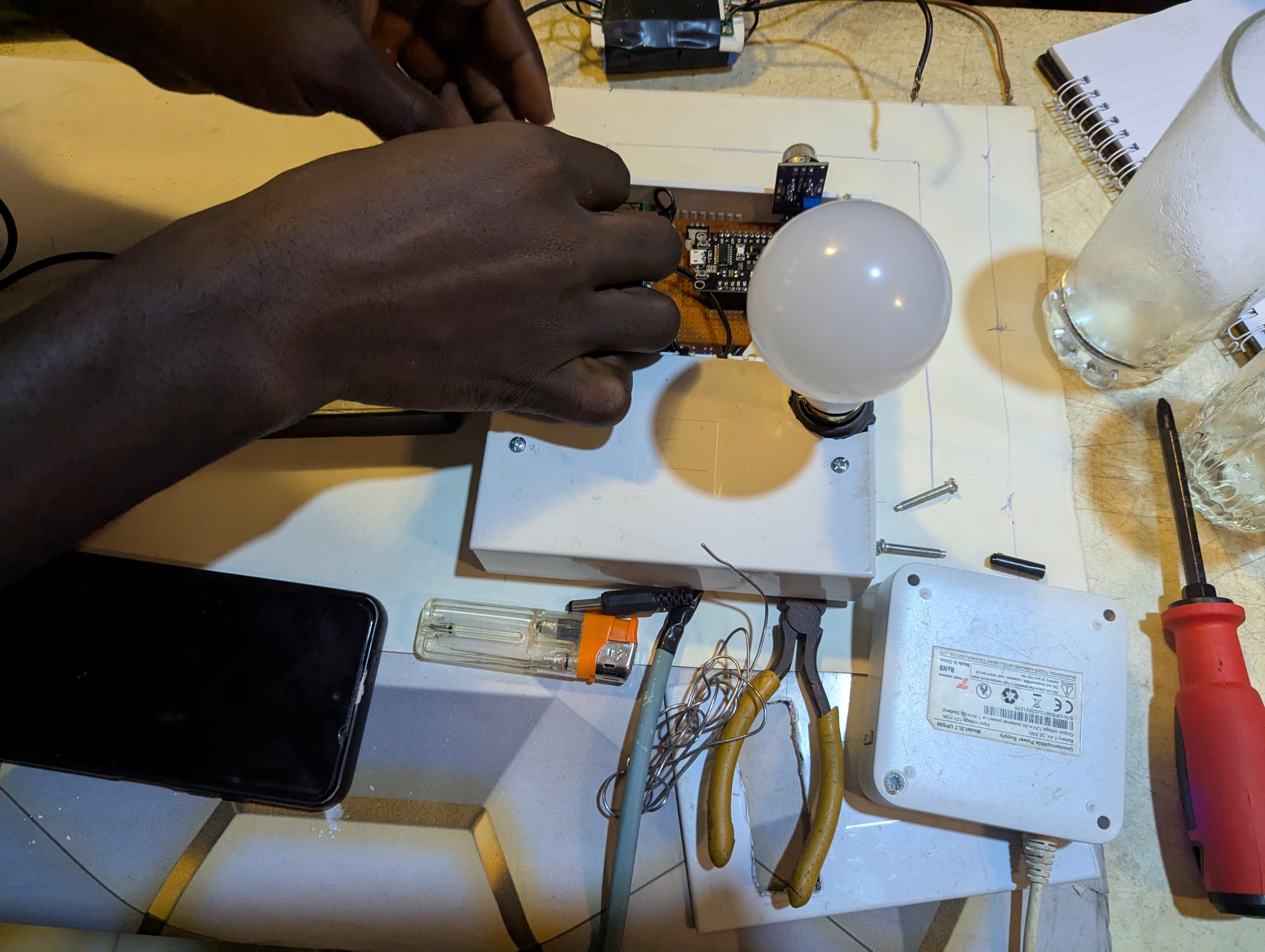
Once we identified the problem, we started looking for solutions. As students, we focused on sourcing locally available components. We chose the ESP8266 microcontroller because it is fast and reliable, which is a feature we needed. It was also ideal as a low-compute device and consumes little electrical power. For gas detection, we used the MQ2 sensor because of its low threshold of detection, ensuring the device is sensitive enough to detect leakages early. A buzzer was added for loud alerts, and a relay was implemented to cut off power when a leak is detected, helping to prevent explosions.
The system integrates directly into your home’s electrical system, enabling real-time power control during a gas leak. We added an LCD screen to display messages and used resistors, transistors, and an adapter to convert 240V AC to 5V DC for the device. We also added solar and battery backup support, addressing the power instability that is a common issue in many parts of Africa.
To make the system even more effective, we connected it to an IoT app that sends messages directly to users’ phones. This allows users to monitor the severity of the gas leakage, receive real-time alerts, ensuring remote notifications even in the absence of a stable internet connection, making the system both reliable and effective in resource-constrained environments. These multi-layered alerts are not merely repetitions of features; we carefully thought about how each layer of alert increases the safety and reliability of the device in the event of a gas leakage.
This system was specifically designed for resource-constrained environments, making it perfect for areas facing power instability, limited internet, and unreliable emergency services. By leveraging low-power hardware and locally sourced materials, our solution can function effectively in underdeveloped regions, making gas leak detection both affordable and reliable.
Challenges we ran into
Initially, we didn’t know exactly how to build the system, just that we had a big idea. So, we did a lot of research and worked hard to figure out how to get the necessary components locally. As students, we had to juggle our studies with this project. Funding was also a challenge, but we managed to raise money among ourselves and participated in local competitions for feedback, recognition, and support.
Our code didn’t run on the first attempt. It took multiple iterations and debugging to get some features to work and properly communicate with the hardware. Some components got damaged during testing, but fueled by grit, we did not relent. There were also moments of discouragement from well-meaning individuals, but we persevered as a team.
Accomplishments that we’re proud of
In March 2024, we represented the University of Benin in a national competition for oil and gas solutions, called STSE, organized by the Society of Petroleum Engineers. We made it to the final stage and showcased our idea.
Later in 2025, we were one of the two teams that represented Edo State at the NextGen Innovation Challenge in Abuja, organized by NBTI. Our work caught the attention of industry mentors, who decided to offer their support and guidance, which meant a lot to us.
Additionally, in August 2025, we won second place in the Daddy G.O. Challenge, 3rd edition, held at the University of Benin. This competition featured engineering students from universities in Edo and Delta States, and our achievement was a huge milestone.
What we learned
We learned that you don’t need to have everything figured out before you start. Just take the first step. Be brave, even if you’re uncertain. When you stay focused and keep pushing forward, the right people will take notice and support you.
What’s next for Smart SafeGuard
Our next goal is to raise awareness about this device across Africa. We want it in homes, shops, and small factories—anywhere gas is used. With widespread adoption, we believe we can prevent more tragedies before they happen. We envision a future where every home considers this device essential, just like a door lock.
We’re also working on implementing and testing new features:
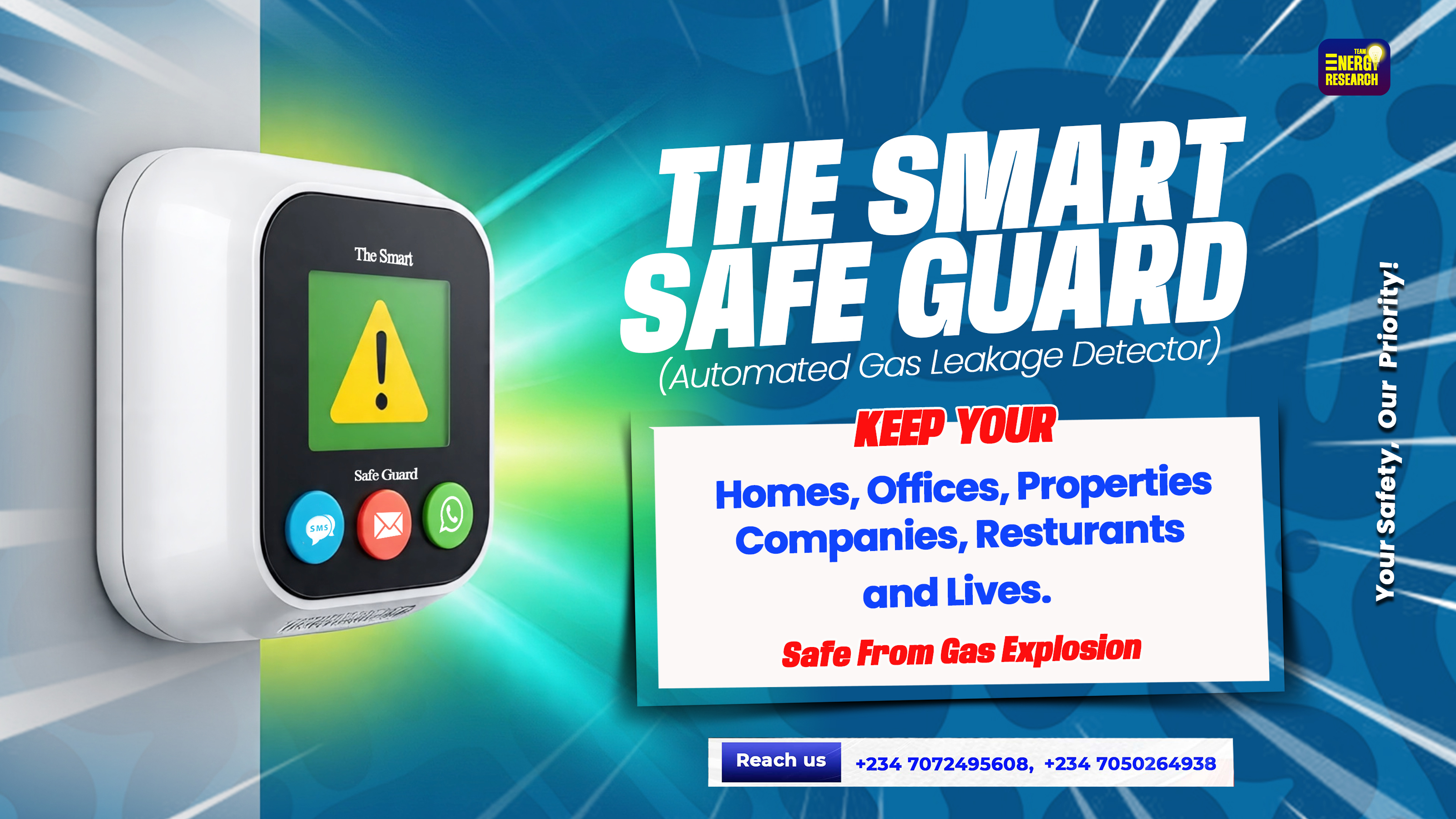
WhatsApp Integration: WhatsApp is one of the most popular communication platforms, and integrating it into our system to send leakage notifications will significantly improve response times and user engagement. It will provide real-time alerts via a platform that people are already familiar with, improving user awareness and facilitating quicker reactions to potential dangers.
More Control Mechanisms: We’re exploring the addition of a sprinkler system and heat-activated fire extinguishing balls. These could provide an extra layer of control, mitigating risks before human intervention is possible.


Log in or sign up for Devpost to join the conversation.