-
-
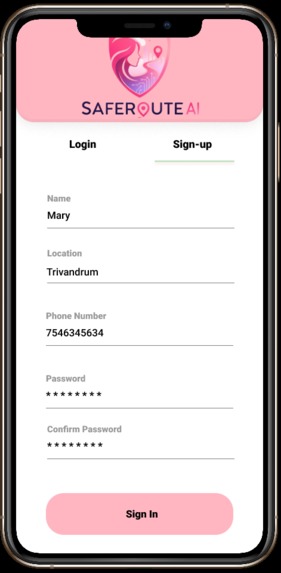
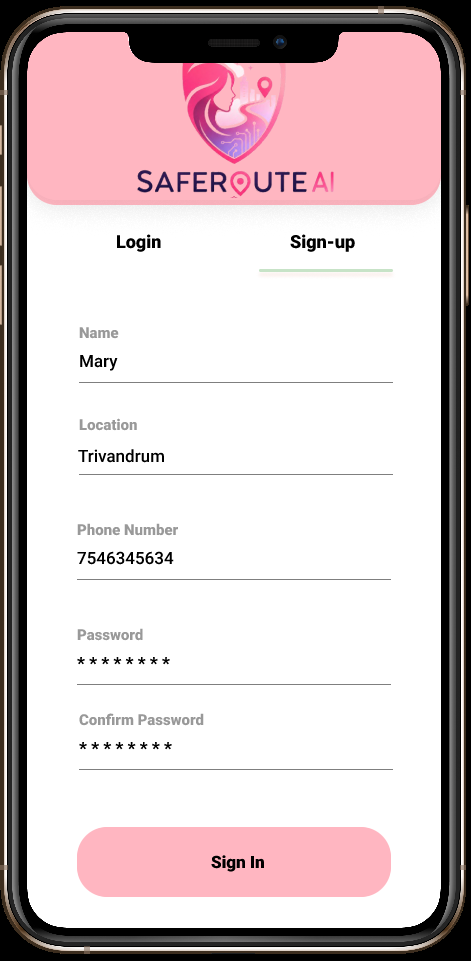
Sign Up
-
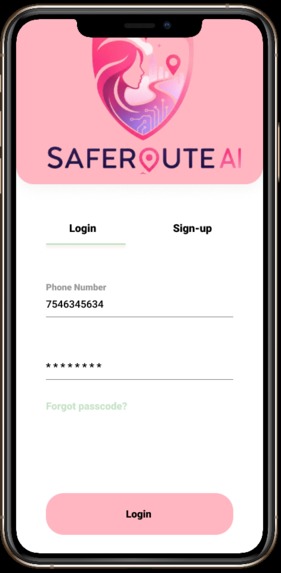
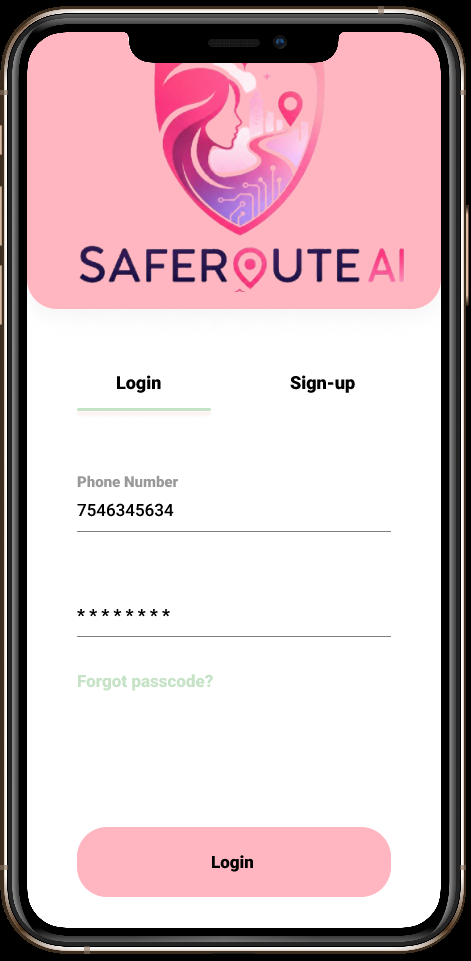
Login
-
Logo
-
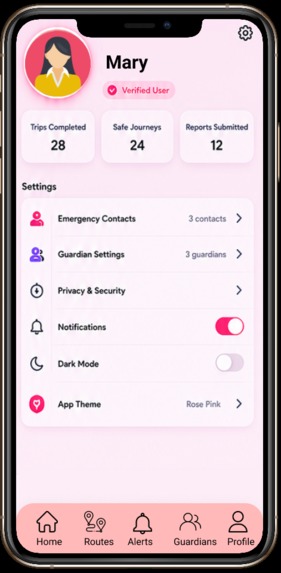
My Profile
-
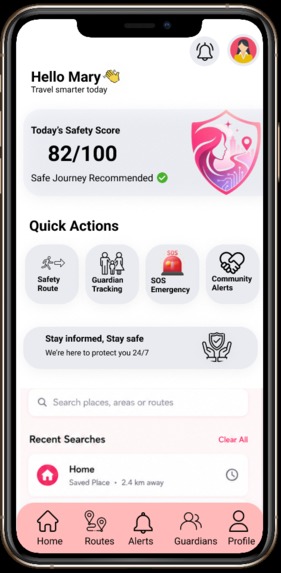
Home Page
-
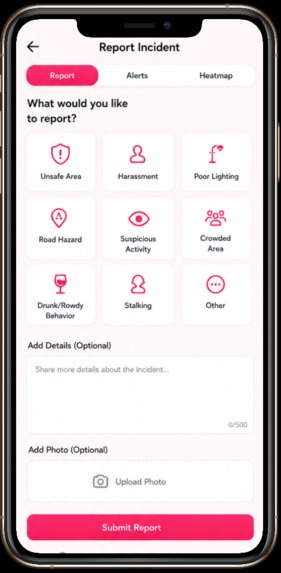
Report Incident
-
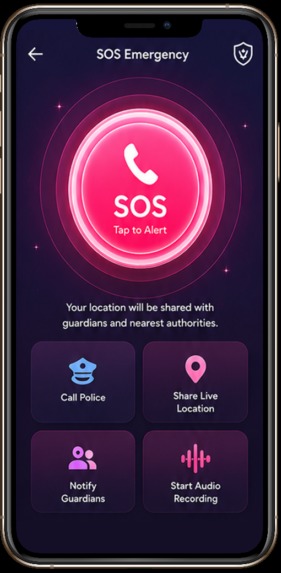
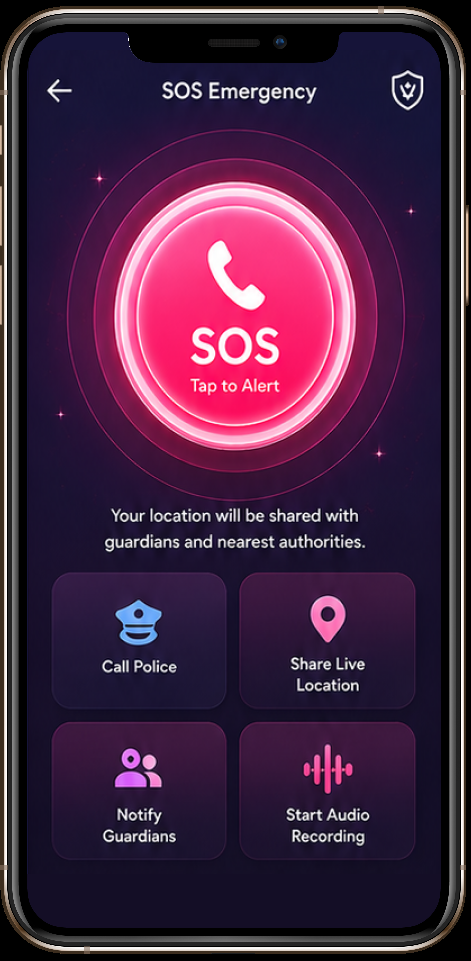
SOS Emergency
-
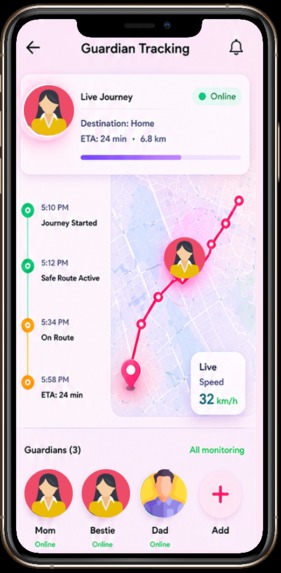
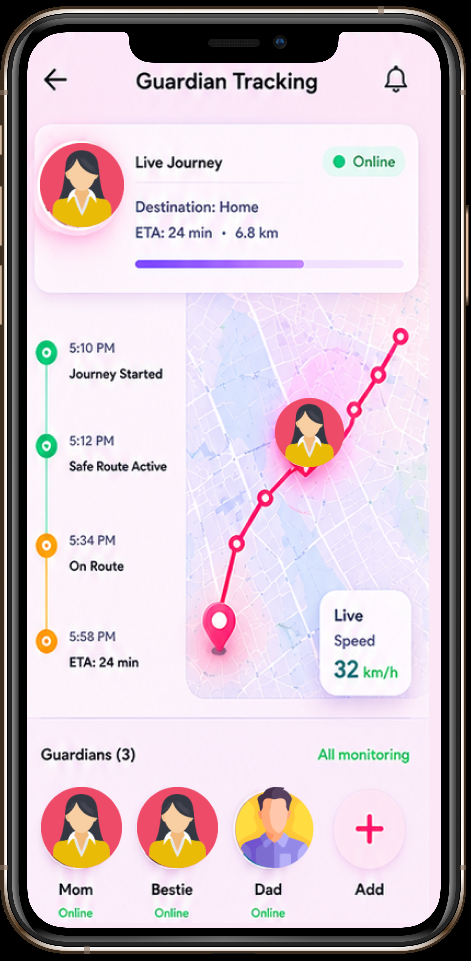
Guardian Tracking
-
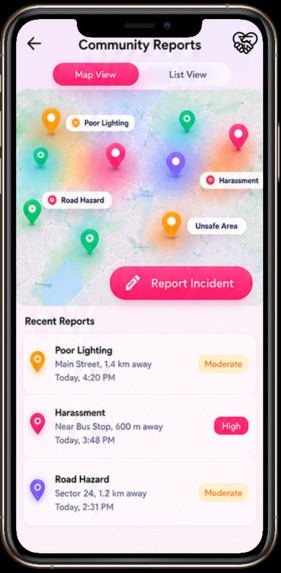
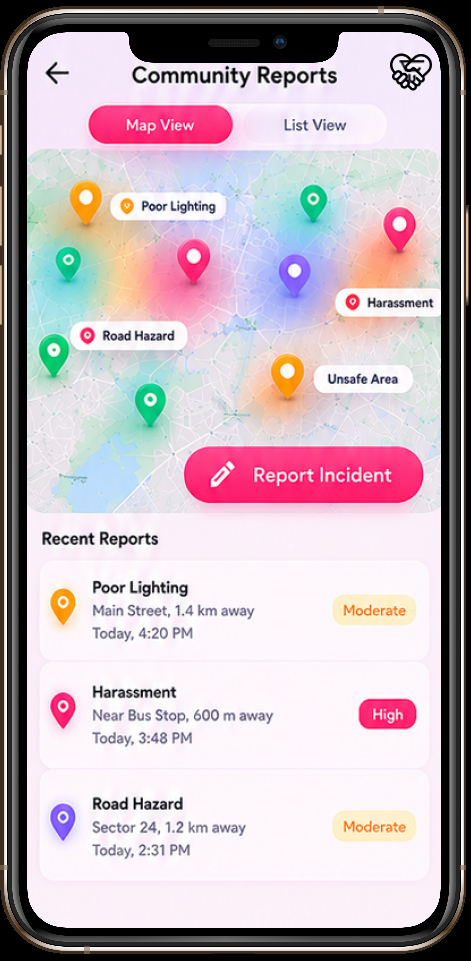
Community Reports
-
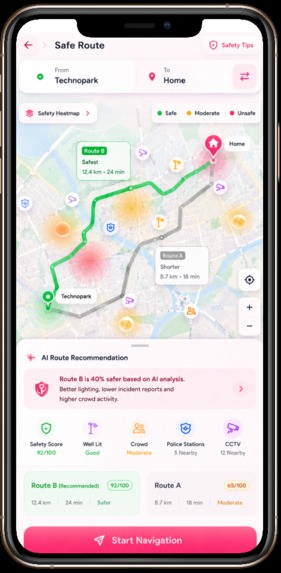
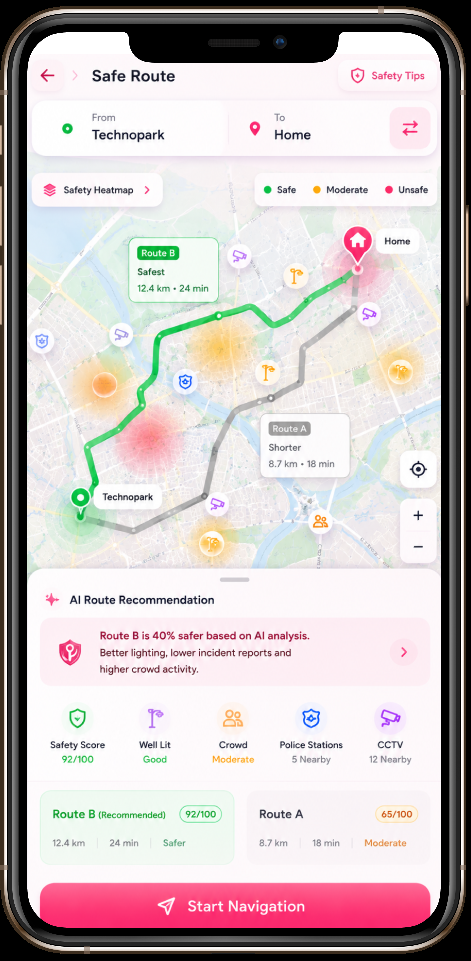
Safe Routes
SafeRoute AI
Inspiration
For many women, commuting is not simply about travelling from one place to another — it is often a calculation of risk.
Questions like "Is this road well lit?", "Should I avoid travelling alone?", or "Will I reach home safely?" are part of everyday decision-making for many women.
Recent incidents continue to reinforce this fear. The 2024 rape and murder of a trainee doctor at RG Kar Medical College in Kolkata shocked the nation and reignited conversations around women’s safety in workplaces and public spaces. The incident led to widespread protests and renewed concerns about how safe women feel while travelling or working at night.
Despite stricter laws and growing awareness since the 2012 Nirbhaya case, many women still experience fear while commuting, especially after dark or in unfamiliar areas.
This inspired me to build SafeRoute AI.
I wanted to create something that goes beyond emergency response and instead helps prevent unsafe situations before they escalate.
What It Does
SafeRoute AI is an AI-powered commuting safety platform designed to make travel safer and more informed.
Instead of recommending only the shortest path, the platform evaluates safety conditions and recommends the safest available route.
Key features include:
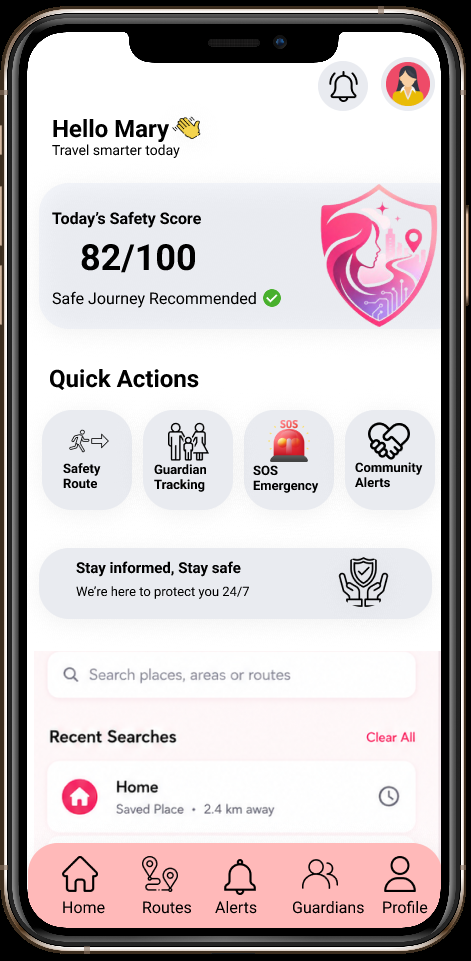
- AI-powered safe route recommendation
- Safety heatmaps
- Guardian live tracking
- SOS emergency assistance
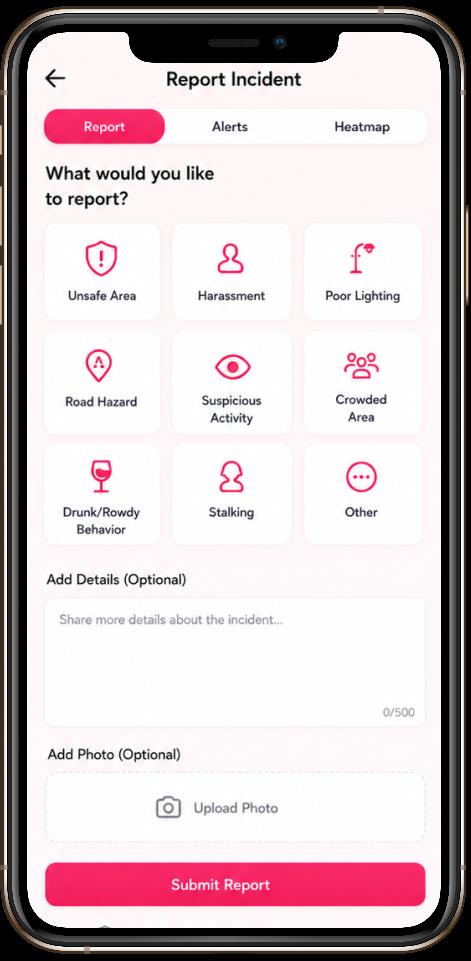
- Community safety reporting
- Incident reporting and alerts
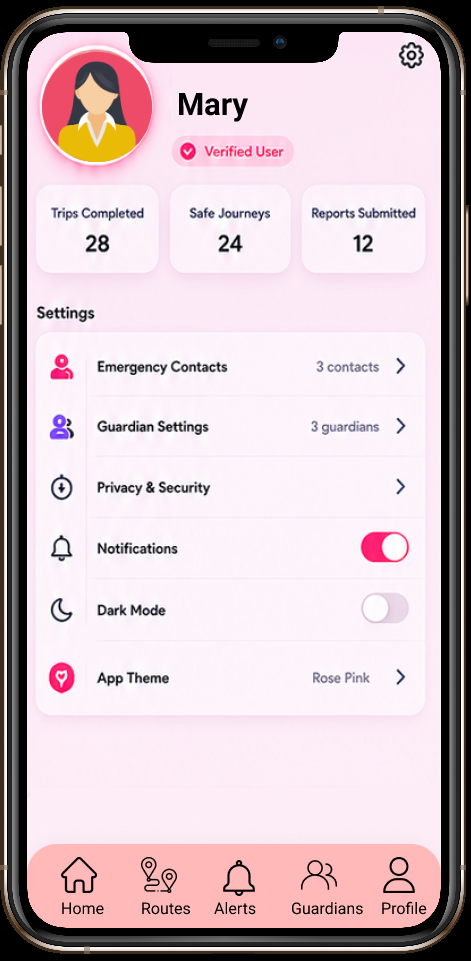
- User safety profile and emergency settings
The goal is to transform safety from reactive to predictive.
How I Built It
SafeRoute AI was designed with scalability and real-world usability in mind.
Frontend
- React
- Modern responsive UI
- Mobile-first design
Backend
- FastAPI
Integrations
- Maps API for navigation
- Firebase and cloud notifications
- Community reporting system
AI Logic
The route recommendation system considers multiple safety indicators:
- Lighting conditions
- Community incident reports
- Nearby safety infrastructure
- Crowd density
- Historical safety signals
Challenges I Ran Into
Building SafeRoute AI involved several important challenges.
1. Verifying Incident Credibility
A community-driven safety platform depends on trustworthy information.
One of the biggest challenges was:
How do we verify incident reports while preventing misinformation or false reporting?
Balancing openness with reliability remains an important design consideration.
2. Privacy vs Safety
Safety platforms require sensitive information such as:
- Live location
- Emergency contacts
- Travel history
Designing a system that supports protection while respecting privacy was another challenge.
3. Predictive Safety Design
Most existing apps react after danger occurs.
Designing a system that predicts and reduces risk beforehand required rethinking traditional safety applications.
What I Learned
This project taught me that technology alone cannot solve safety problems — but thoughtful technology can empower safer decisions.
I learned:
- How AI can support public safety
- The importance of human-centered design
- Balancing data, privacy, and trust
- Designing technology around real social challenges
Most importantly, I learned that innovation becomes more meaningful when it addresses problems people genuinely face.
Future Scope
SafeRoute AI can expand further through:
- Police and emergency service integration
- Smartwatch and wearable support
- Smart city infrastructure partnerships
- Predictive city-wide safety analytics
- Improved incident verification systems
My vision is to evolve SafeRoute AI into a reliable safety companion that helps people travel with greater confidence and peace of mind.


Log in or sign up for Devpost to join the conversation.