-
-

Logo for Smart Roads Africa: AI-driven system designed to improve traffic flow, enhance safety, and support smart mobility across cities
-
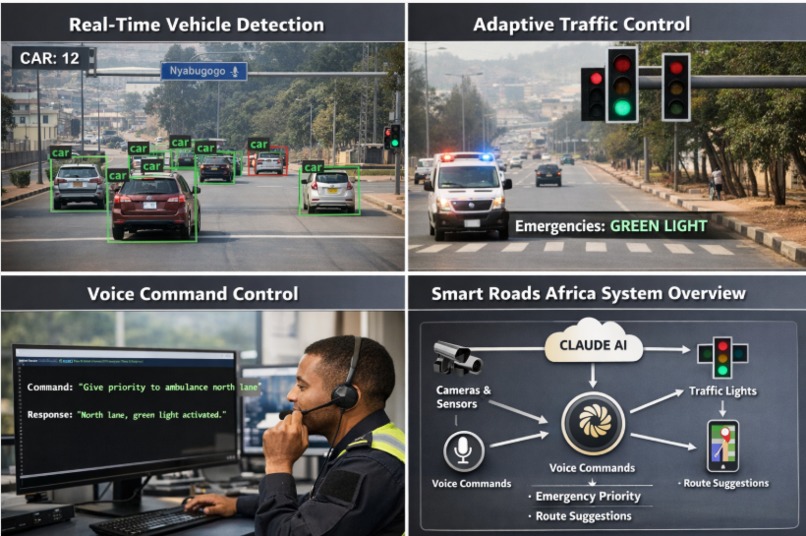
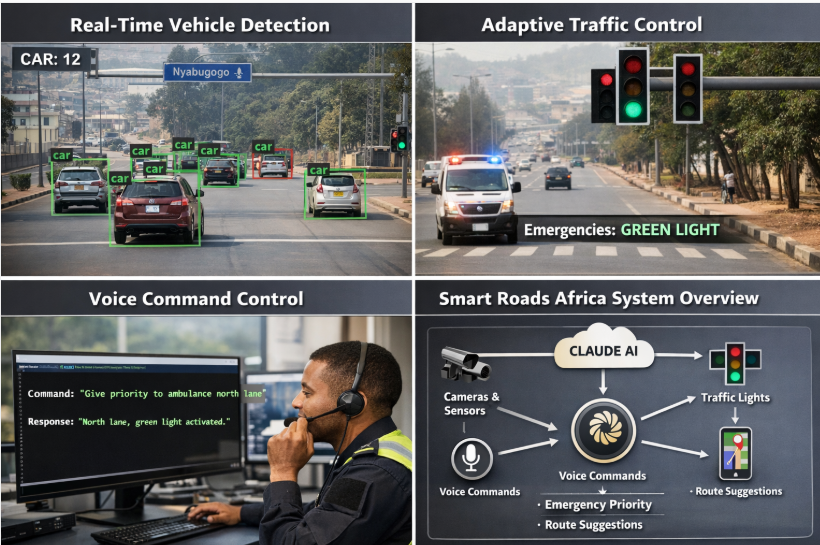
Overview of an AI-powered traffic system with real-time monitoring, adaptive signals, and smarter route guidance
-
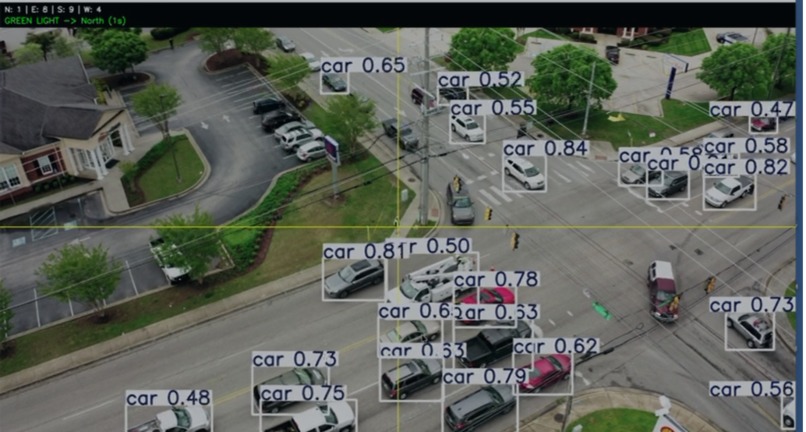
Voice-controlled system guiding traffic flow using AI, enabling safe remote signal control and real-time vehicle management

##Inspiration
One day, one of our team members was going to college but was already running late. When they reached an intersection, they got stuck at a red light even though there were no cars coming from the other direction. It felt frustrating and inefficient.
At the same time, they realized that they had passed another route earlier but didn’t have enough information to know that there was heavy traffic ahead. If they had known, they could have taken an alternative route instead of continuing blindly into congestion.
We also thought about how traffic police officers spend long hours standing in the middle of the road directing vehicles, sometimes in dangerous conditions. There have been cases where officers are injured or killed while doing this job. This made us think about how this could be controlled safely from a control room.
Another serious issue is emergency vehicles like ambulances getting stuck in traffic, which can lead to loss of lives because patients cannot reach hospitals in time.
In many African cities, including Kigali, infrastructure is still developing, and even the systems we already have are not always used efficiently. This inspired us to think about smarter ways to use existing resources instead of relying only on building new infrastructure.
These real-life problems inspired us to build Smart Roads Africa.
##What it does
Smart Roads Africa is an AI-powered traffic management system that:
Detects traffic congestion in real time Adjusts traffic lights dynamically based on congestion levels Prioritizes emergency vehicles like ambulances Allows traffic officers to control signals using voice recognition from a safe control room Provides a mobile app that suggests alternative routes when congestion is detected ahead
How we built it
We built the system by combining multiple technologies:
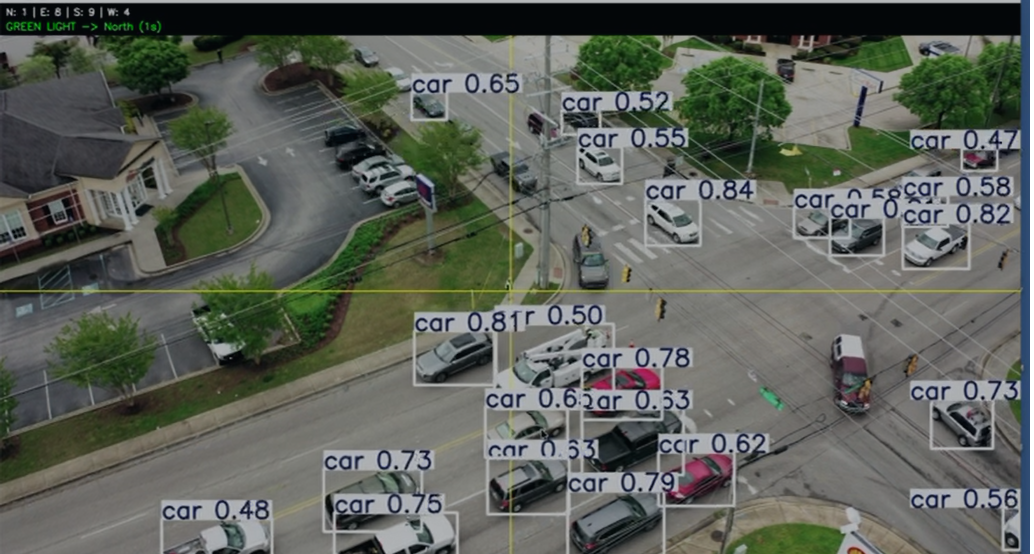
Computer Vision (YOLO + OpenCV) to detect and count vehicles Python for system logic and integration Speech Recognition to enable voice commands for traffic control Claude AI as the decision-making engine A simulation environment to test real-time traffic signal behavior
Claude AI plays a key role by analyzing traffic data, interpreting voice commands, and deciding how traffic signals should respond dynamically.
Challenges we ran into
Detecting vehicles accurately in different lighting and traffic conditions Defining proper congestion thresholds for decision-making Making voice recognition reliable in noisy environments Ensuring emergency vehicle prioritization works instantly without delay Integrating all components into one smooth system
Accomplishments that we're proud of
Successfully building a working prototype of a smart traffic system Implementing real-time vehicle detection and congestion analysis Enabling voice-controlled traffic signal management Designing a system that can prioritize emergency vehicles Creating a solution that addresses real problems in Kigali
What we learned
We learned how AI can be applied to solve real-world infrastructure challenges. We also gained experience combining computer vision, voice recognition, and intelligent decision-making into one system.
We improved our skills in teamwork, problem-solving, and building practical solutions under time constraints.
Most importantly, we learned that technology can play a big role in making cities safer and more efficient.
What's next for Smart Roads Africa
Integrating real-time GPS data for more accurate traffic predictions Expanding the mobile app for public use Adding accident detection and emergency response features Deploying the system in real intersections for testing Scaling the solution to other cities across Africa

Log in or sign up for Devpost to join the conversation.