-
-
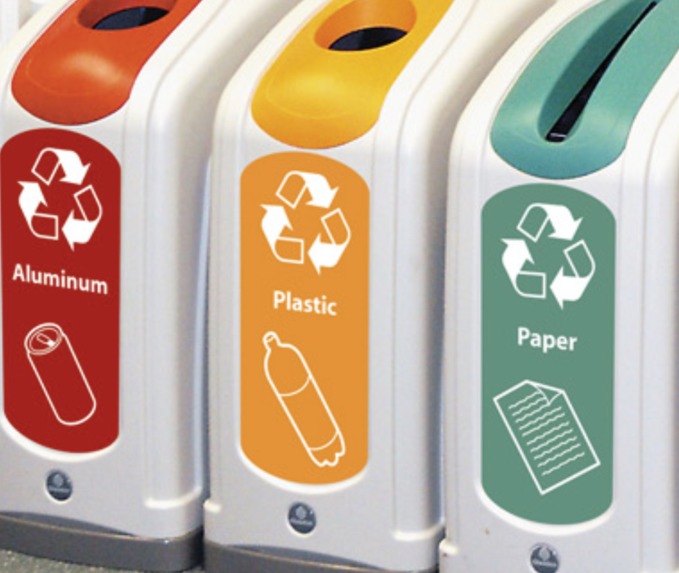
Recycling Bins
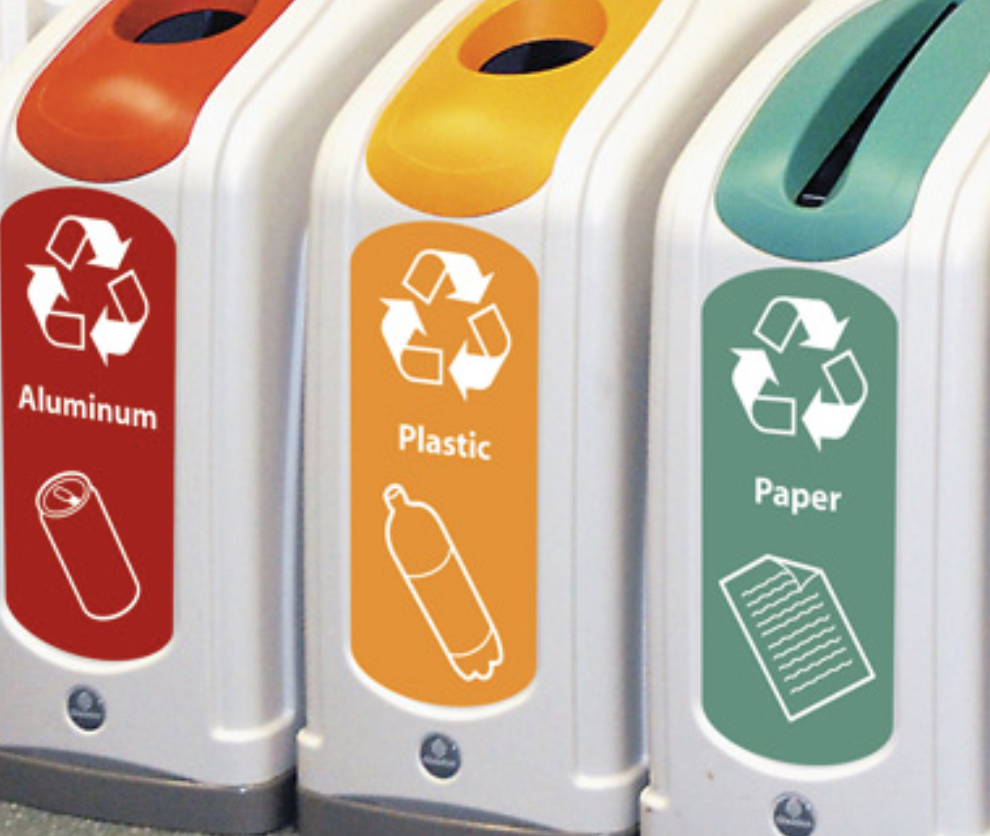
Inspiration
With so many recycling bin options, choosing the right bin can be challenging, especially when you're in a rush. So, our team chose to build a program that uses scannable QR codes to help users easily identify how to correctly dispose of a product. However, beyond this, we wanted to incentivize sustainable living and chose to also implement a cashback program that rewards users for good recycling practices.
What it does
Our program generates and allows users to scan a QR code that directs them to a product-specific website that explains which recycling bin to throw the product into. The program then uses image recognition to reward users for disposing of the product in the correct bin.
How we built it
The program was built mainly in Python, with each product being represented as its own class. We implemented a parent class for each of the products to maintain good design practices and reduce repetitiveness. We used tensorflow's image recognition model which was trained on a variety of different types of bins to identify whether a user was placing the product into the correct bin. If so, the user was rewarded a small percentage of the initial purchase price. We then built a simulation to demo the program for the purposes of a presentation that utilized the classes we built.
Challenges we ran into
One of the main challenges we ran into was incorporating image recognition into the rest of the program because the output had to be controlled so that we could check to see if it was the same as the product's _bin instance attribute. It was also challenging to decide how big of a dataset to train the model on and we needed to settle on a compromise of ensuring we had enough data to accurately train the model in the short timespan of the project.
Accomplishments that we're proud of
We're proud that we used good design principles to create a program that is very scalable and easily allows for the addition of more products with differing costs and cashback values. This serves to increase the feasability of this implementation on a larger scale.
What we learned
We learned how to incorporate image recognition into a larger program and control the output to make it more usable for other component's of the interface.
What's next for Smart Recycling
We hope to be able to allow users to take and send photos from their phone to the image detection program rather than using file paths which is a more manual approach. We also hope to train the classifier on a greater number of bin images to improve its accuracy and make it more widely adoptable in other countries and regions where bins may appear different than Canada. Lastly, with support from more organizations, we would love to be able to add more products into the program that are eligible for cashback and work towards a greener future!


Log in or sign up for Devpost to join the conversation.