-
-
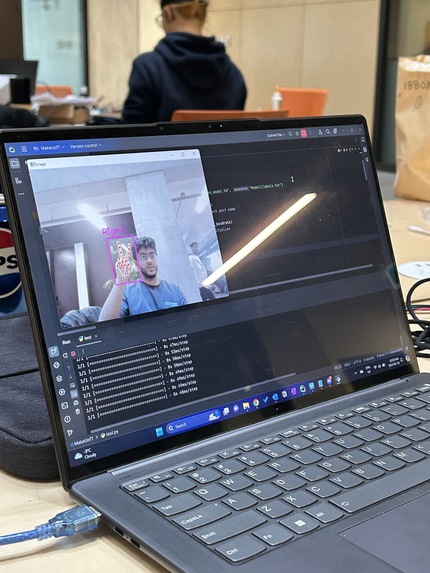
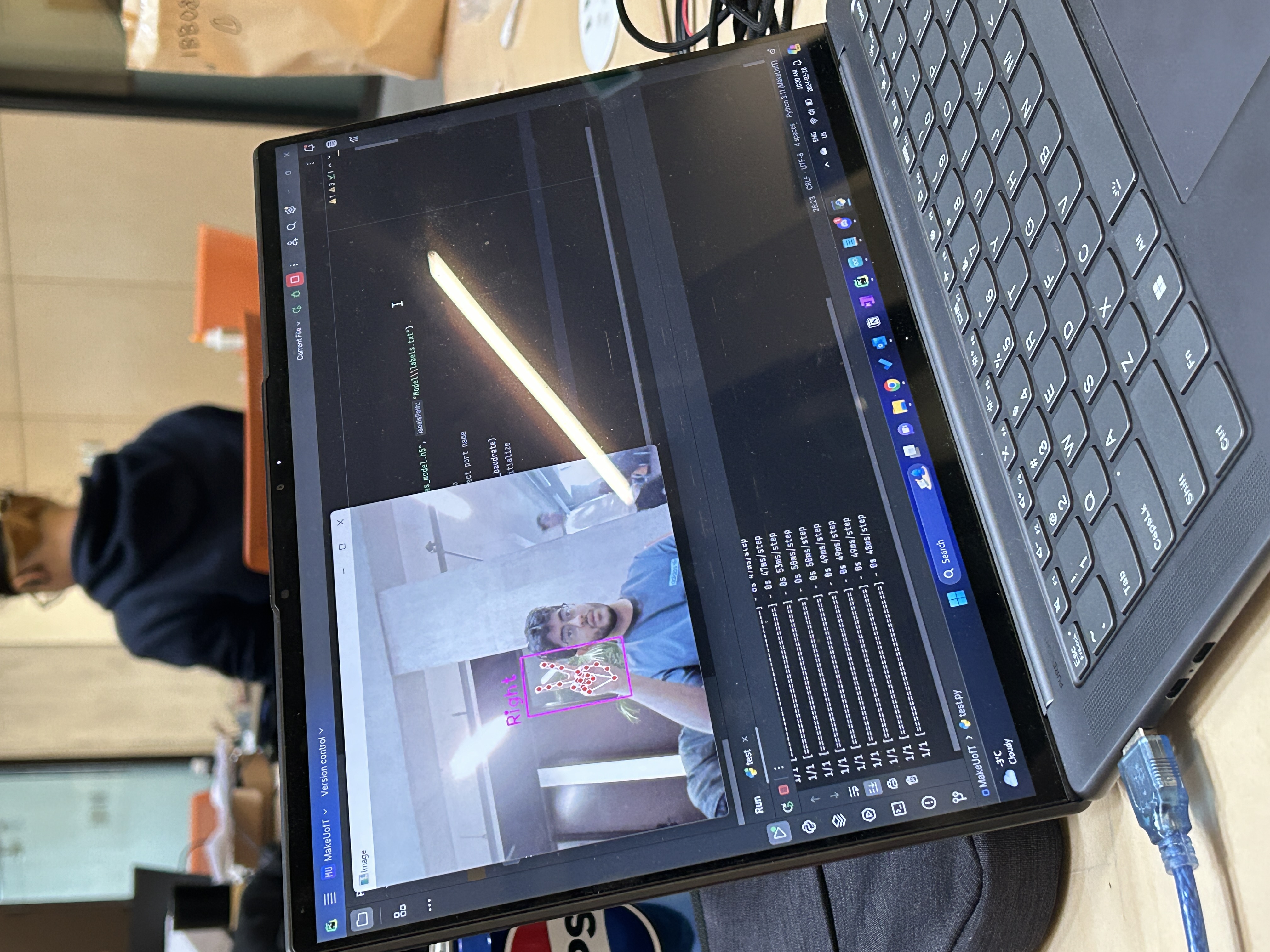
Password detection
-
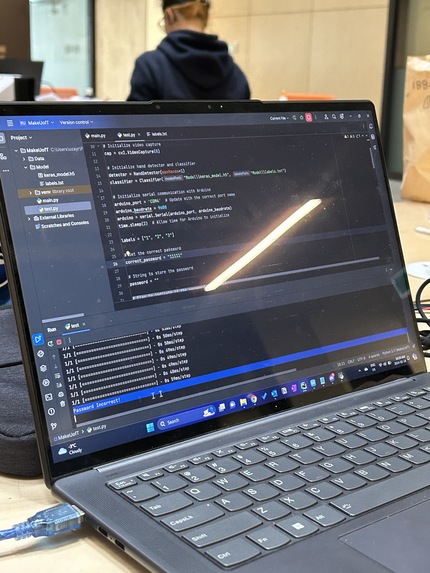
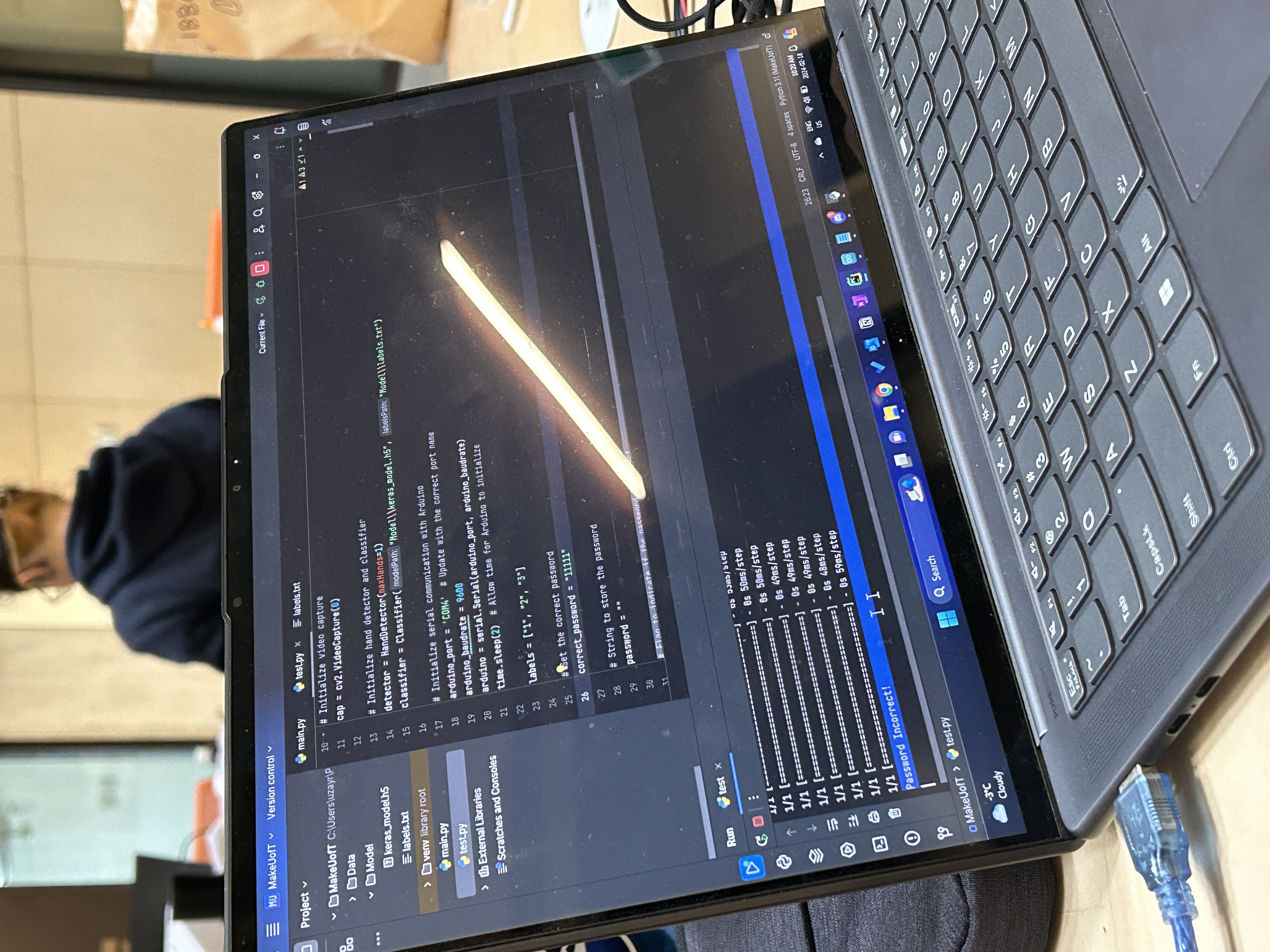
Code indicating incorrect password
-
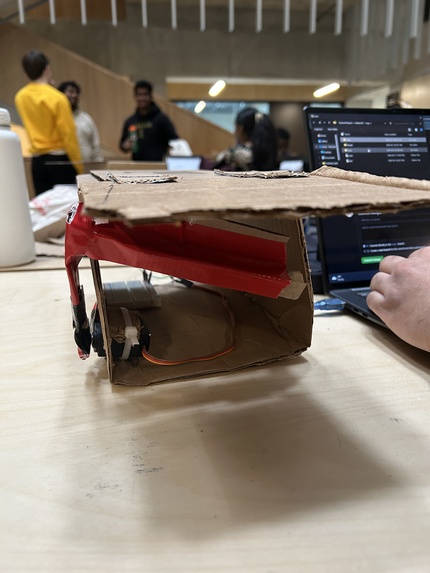
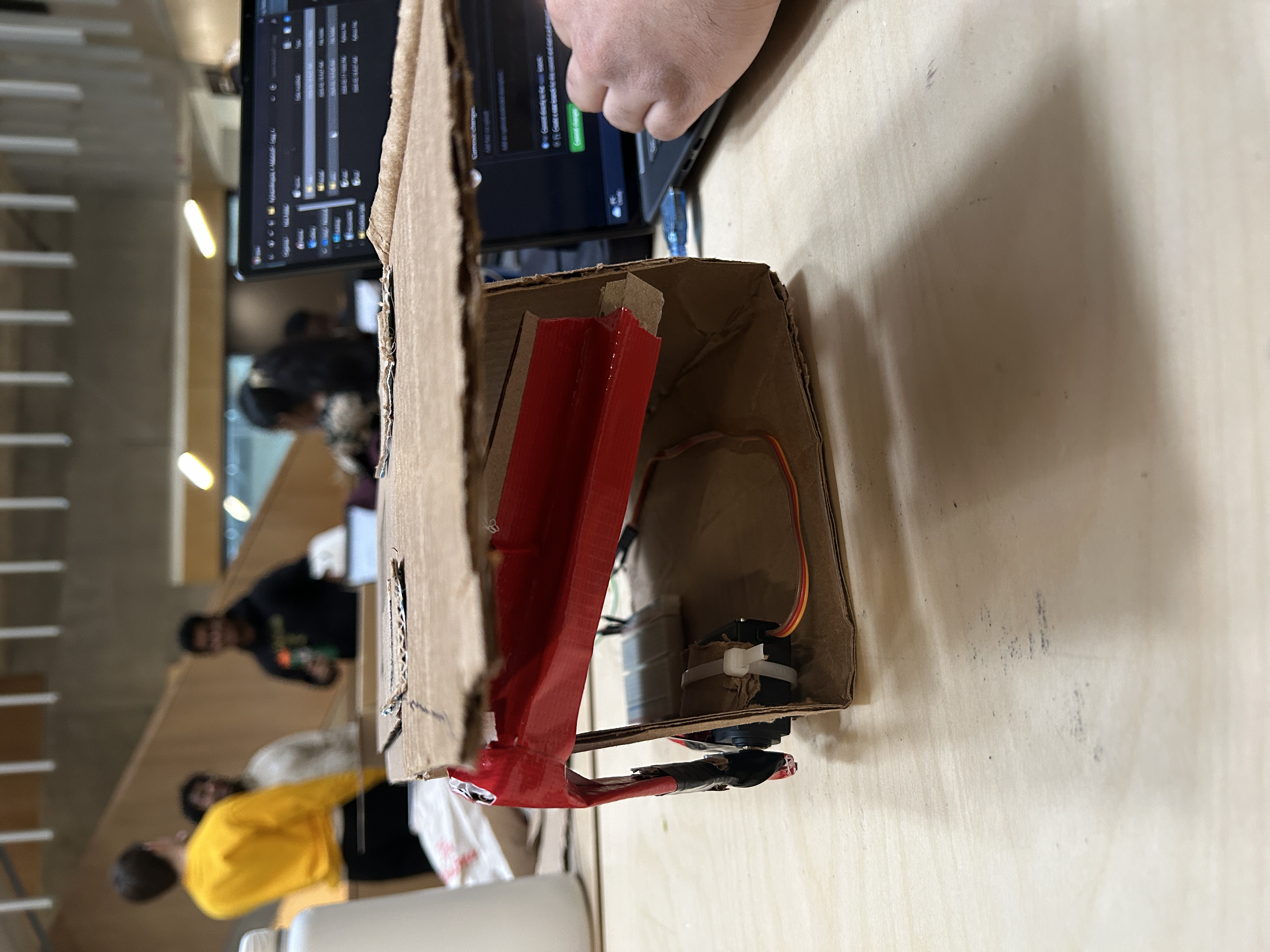
Mechanical lock mechanism
-
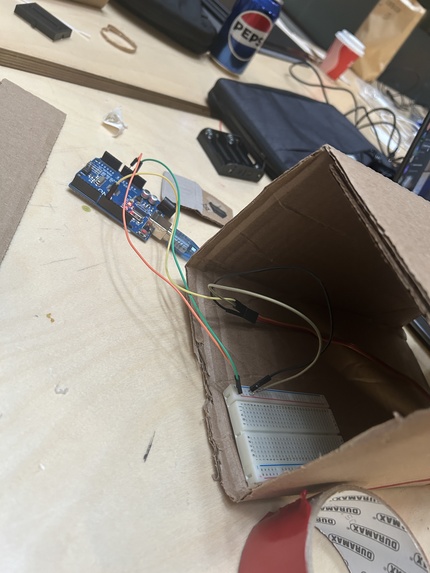
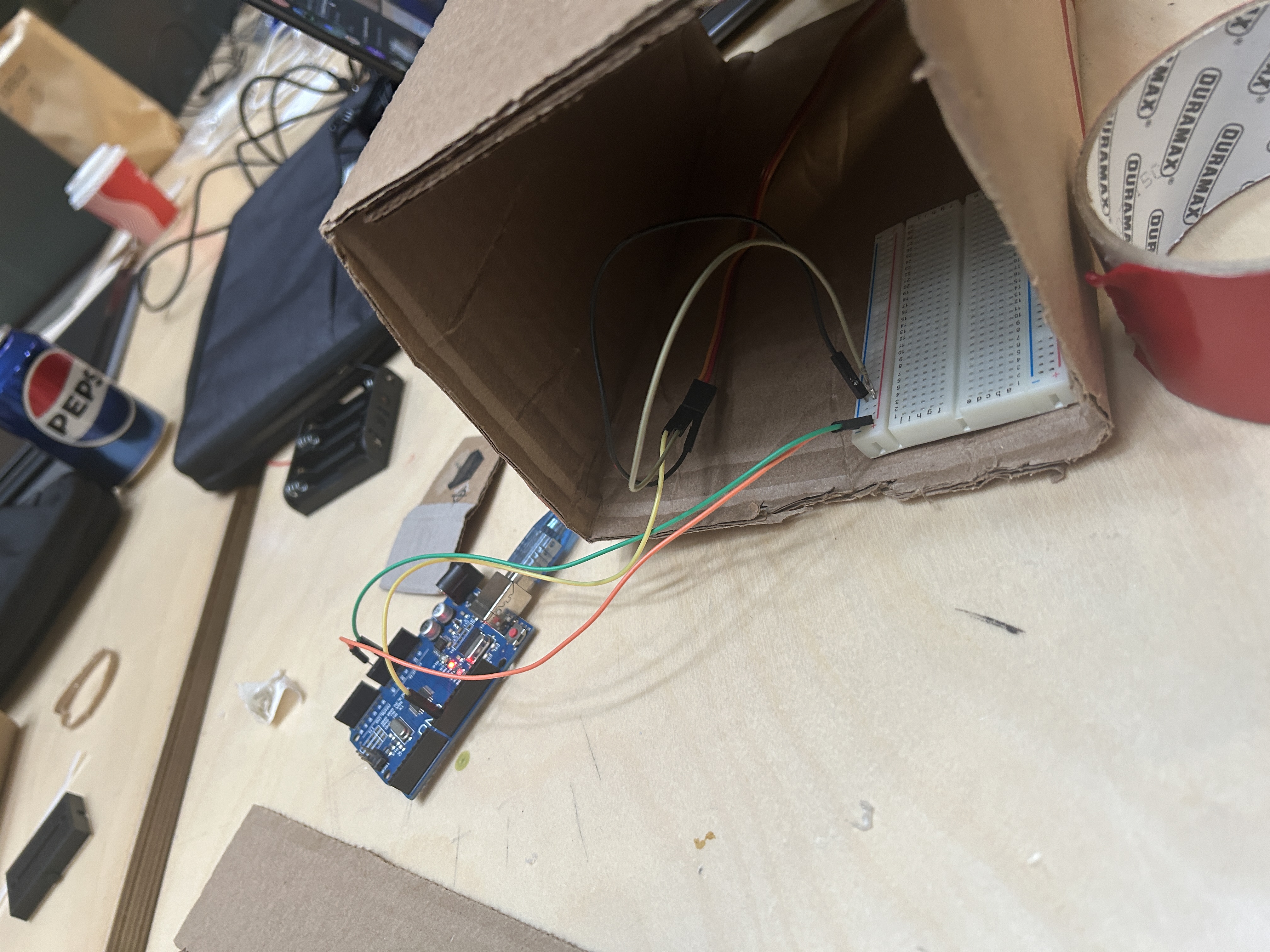
Microcontroller connection
Inspiration
The inspiration behind Smart Passcode stemmed from the desire to enhance accessibility and security for visually impaired individuals, empowering them to independently access secure spaces with ease.
What it does
In seek of devising a smart home and accessibility device that enhances access to a safe, our device "Smart Passcode" allows the visually impaired to use one hand to physically list the key digits. This convenient alternative omits having those are unsighted to be less
How we built it
We built Smart Passcode using a combination of machine learning techniques, Python programming for algorithm development, and microcontroller technology for hardware integration. This program required pulling libraries from OpenCV and training the model to recognize hand patterns and shapes that correlate with a specified number.
Challenges we ran into
One challenge we encountered was optimizing the machine learning algorithms to accurately interpret finger movements consistently and reliably. This was specifically because of the effect that differences in lighting, camera placement and time durations between finger movement placed on the learning model. Another challenge that we encountered was the implementation of a Rasberry Pi to make our device and system portable. We were unable to install large libraries such as TensorFlow onto the Rasberry Pi as it would take multiple hours. This limitation made us re-think our project idea and shifted towards using an arduino with a laptop for the image processing.
Accomplishments that we're proud of
We're proud to have developed a solution that seamlessly integrates accessibility and security, providing visually impaired individuals with a reliable and efficient means of accessing secure spaces independently. Furthermore we are proud of developing a computer vision model and training the model with over 600 images.
What we learned
Through the development of Smart Passcode, we gained valuable insights into the intersection of accessibility technology, machine learning, and hardware integration. We also deepened our understanding of the unique challenges faced by visually impaired individuals in everyday tasks. Prior to coming to MakeUofT no group members had any experience using a Rasberry Pi, we started from scratch learning how to boot strap it.
What's next for Smart Passcode
In the future, we aim to further refine the device's functionality, explore additional security features, and expand its compatibility with various safe systems and environments. Additionally, we plan to seek feedback from users to continuously improve the device's usability and effectiveness.

Log in or sign up for Devpost to join the conversation.