-
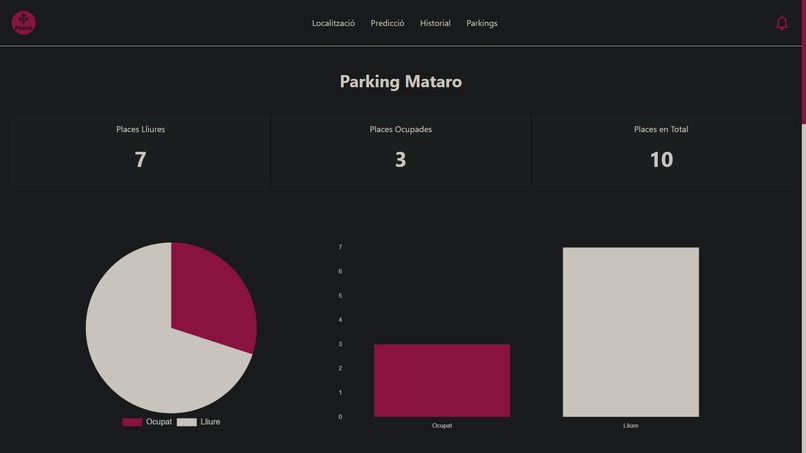
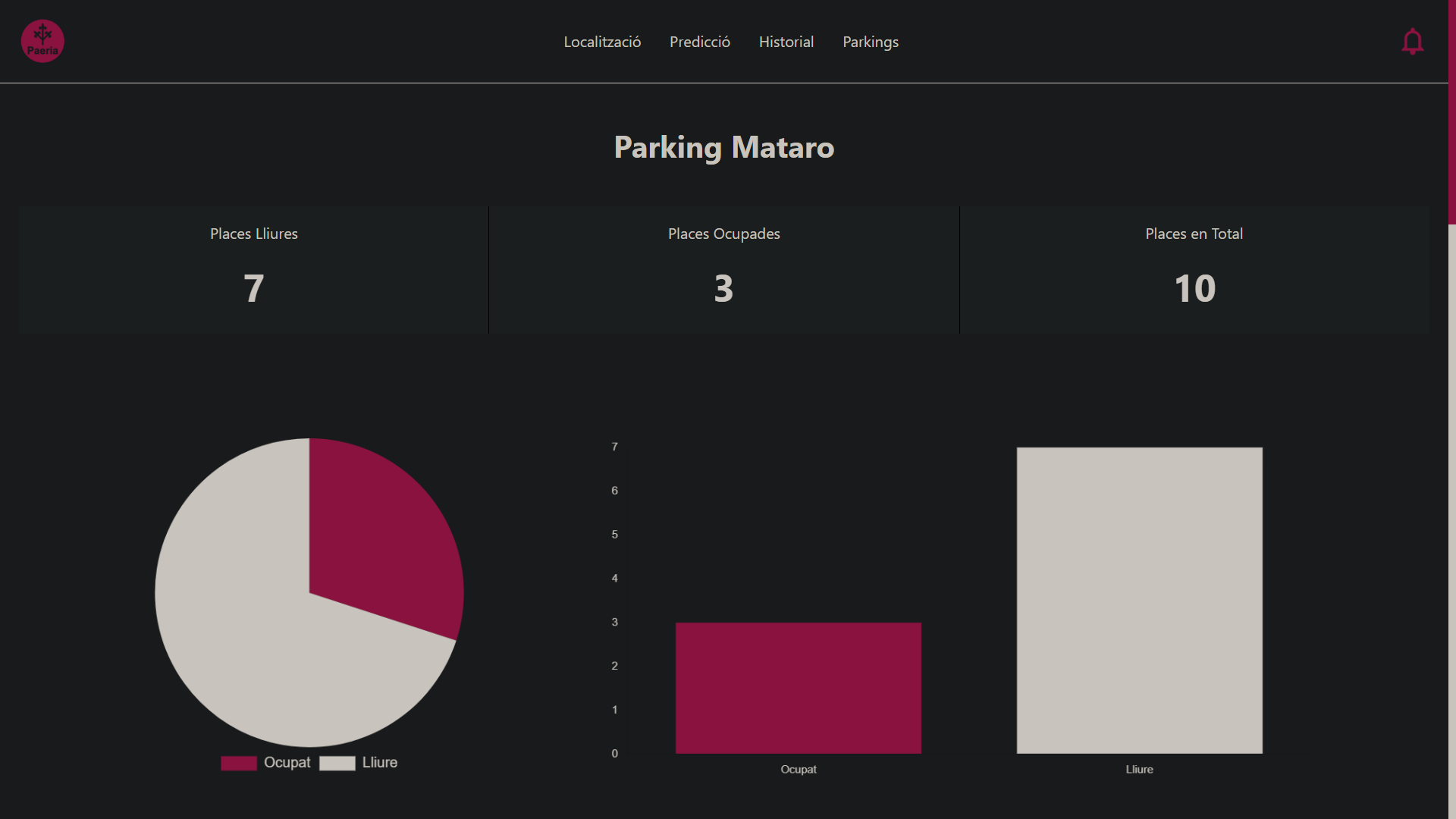
Web App
-
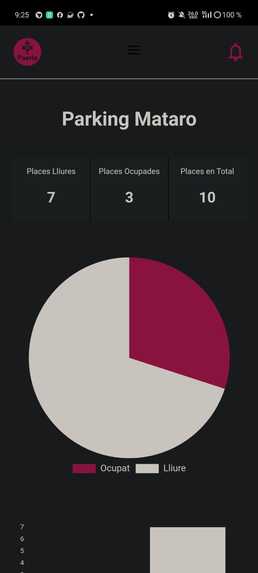
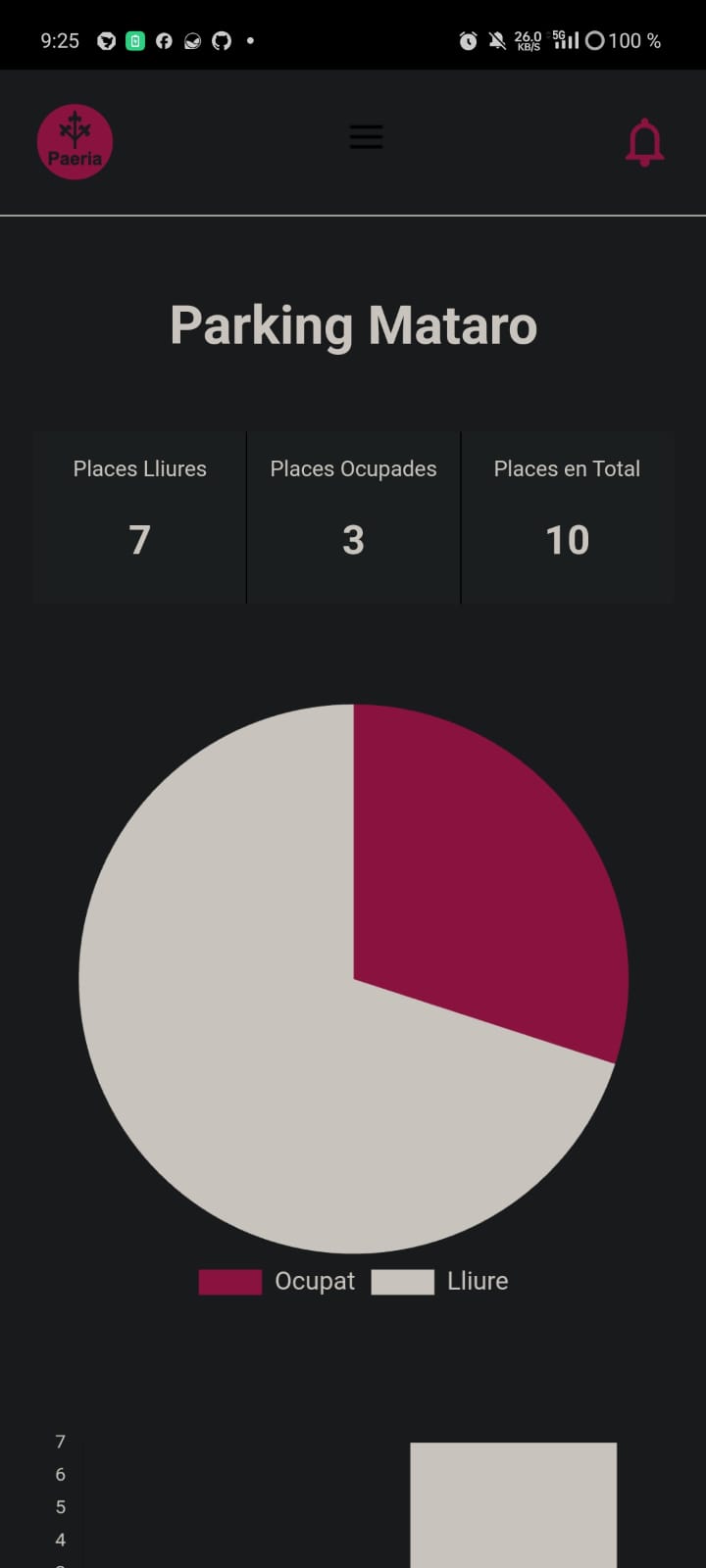
Mobile App
Inspiration
The inspiration for the Smart Parking System came from the everyday frustration people face when searching for parking spots in busy urban areas. With the rise of smart cities and the increasing need for efficient mobility solutions, the idea of using real-time data to help drivers find available parking spaces seemed like the perfect solution. This project was born out of the desire to make urban living easier, using technology to reduce traffic congestion and improve the overall parking experience.
What it does
The Smart Parking System provides real-time data about parking occupancy in various locations. Using sensors placed in parking spots, the system detects when a spot is occupied or vacant and sends this information to a central server. The frontend application displays this data on a map, providing users with a dynamic view of available parking spaces.
Additionally, the system includes historical data analysis and occupancy predictions, helping users forecast when parking spots will become available based on previous trends.
How we built it
We built the Smart Parking System using a combination of hardware and software components:
- Hardware: The sensors (Infrared and GPIO sensors) were integrated with a Raspberry Pi, which sends data to the backend.
- Backend: The backend is built with Node.js and WebSocket, enabling real-time communication between the sensors and the frontend application.
- Frontend: We used React and Chart.js to create an interactive web app where users can see real-time parking occupancy and predictions.
- Geolocation: We integrated Google Maps API to visualize parking spot locations on a map.
We also incorporated HMAC authentication to secure communication between the sensors and the server.
Challenges we ran into
One of the biggest challenges we faced was with sensor calibration. Ensuring the sensors provided accurate data about parking spot occupancy required a lot of testing and tweaking. There were also issues with network reliability, as WebSocket connections would sometimes drop, affecting real-time data transmission. Ensuring the system worked in all environments, including areas with poor network coverage, was a critical challenge.
Additionally, integrating HMAC for secure communication took some time to implement correctly, as it required careful handling of sensitive data.
Accomplishments that we're proud of
- Real-time data transmission: The WebSocket integration allows us to provide live data updates with minimal latency, making the parking experience seamless for users.
- Prediction accuracy: By analyzing historical parking data, we were able to predict parking availability with a high degree of accuracy, helping users plan ahead.
- Sensor integration: Successfully integrating the hardware sensors with the software was a significant achievement, as it allowed us to bridge the gap between the physical and digital worlds.
- Mobile responsiveness: We ensured that the frontend app works seamlessly on both desktop and mobile devices, allowing users to check parking availability on the go.
What we learned
- Hardware and software integration: Working with hardware like Raspberry Pi and sensors taught us how to integrate physical devices with web applications.
- Real-time systems: We gained valuable experience in handling real-time data streams, using WebSocket and optimizing for performance.
- Security best practices: Implementing HMAC taught us about secure data transmission and how to protect sensitive information.
- Data prediction: Analyzing historical data and using it for predictions was a great learning experience, especially in terms of how trends can inform future actions.
What's next for Smart Parking System
Moving forward, we plan to:
- Expand the system: We aim to scale the system to cover more parking locations and improve the sensor network.
- Machine learning: We are exploring the use of machine learning algorithms to improve parking predictions and optimize parking space usage based on user behavior and trends.
- Mobile app development: We plan to develop a dedicated mobile app to enhance the user experience, allowing users to track parking availability and receive notifications when a spot becomes free.
- Partnerships with local municipalities: We hope to partner with cities and parking providers to integrate this system into public parking spaces, making it a tool for smart city infrastructure.

Log in or sign up for Devpost to join the conversation.