-
-
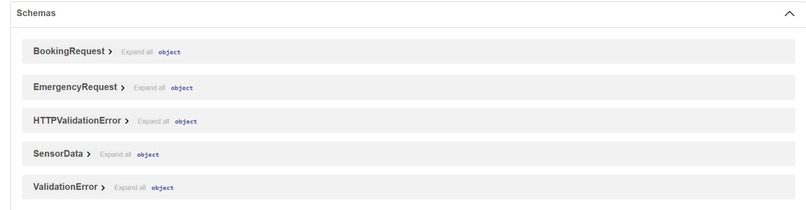
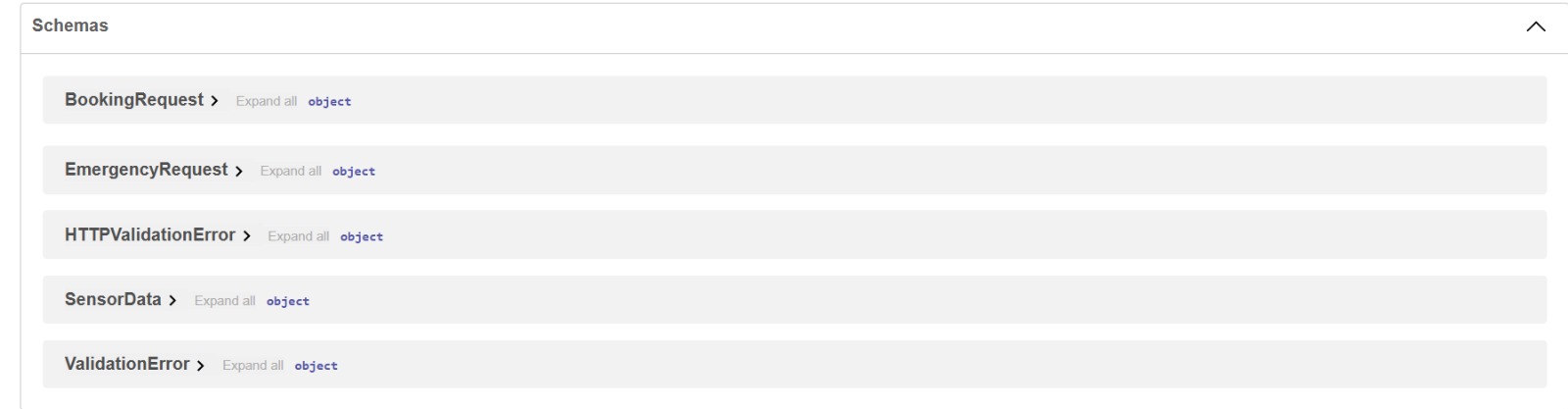
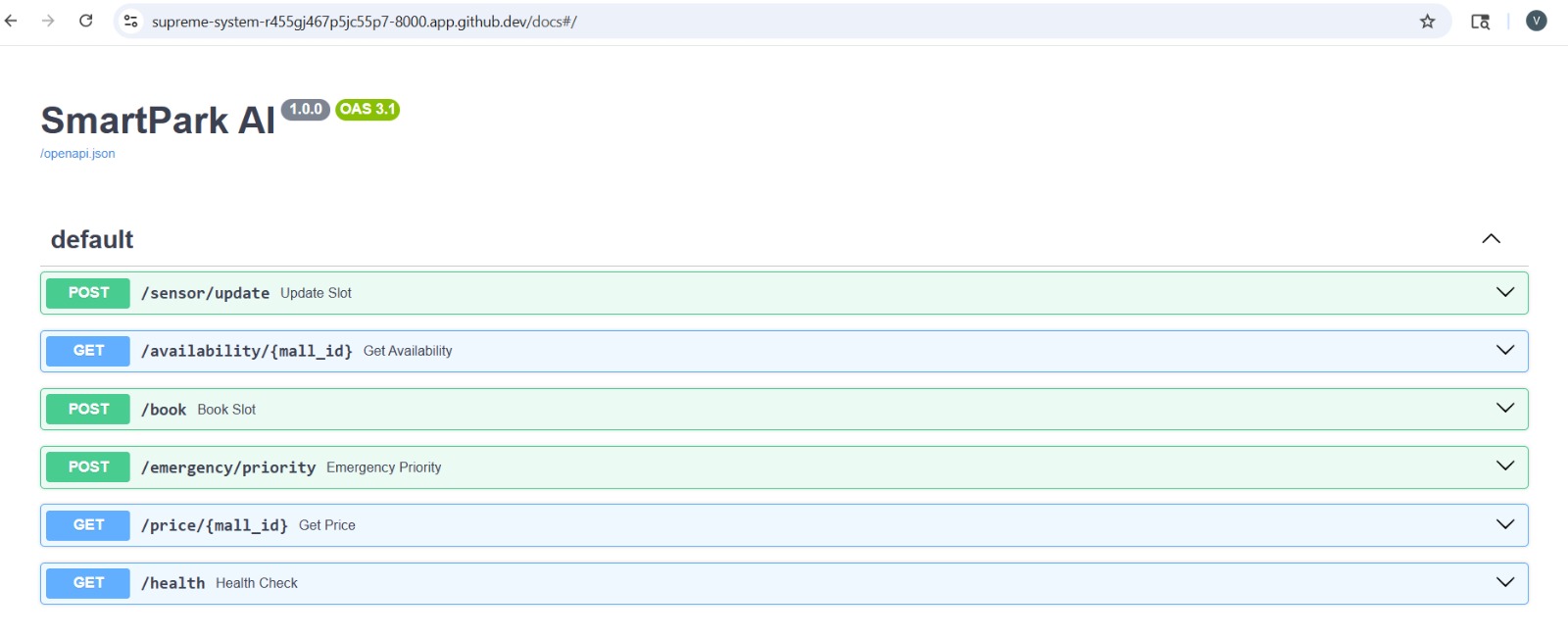
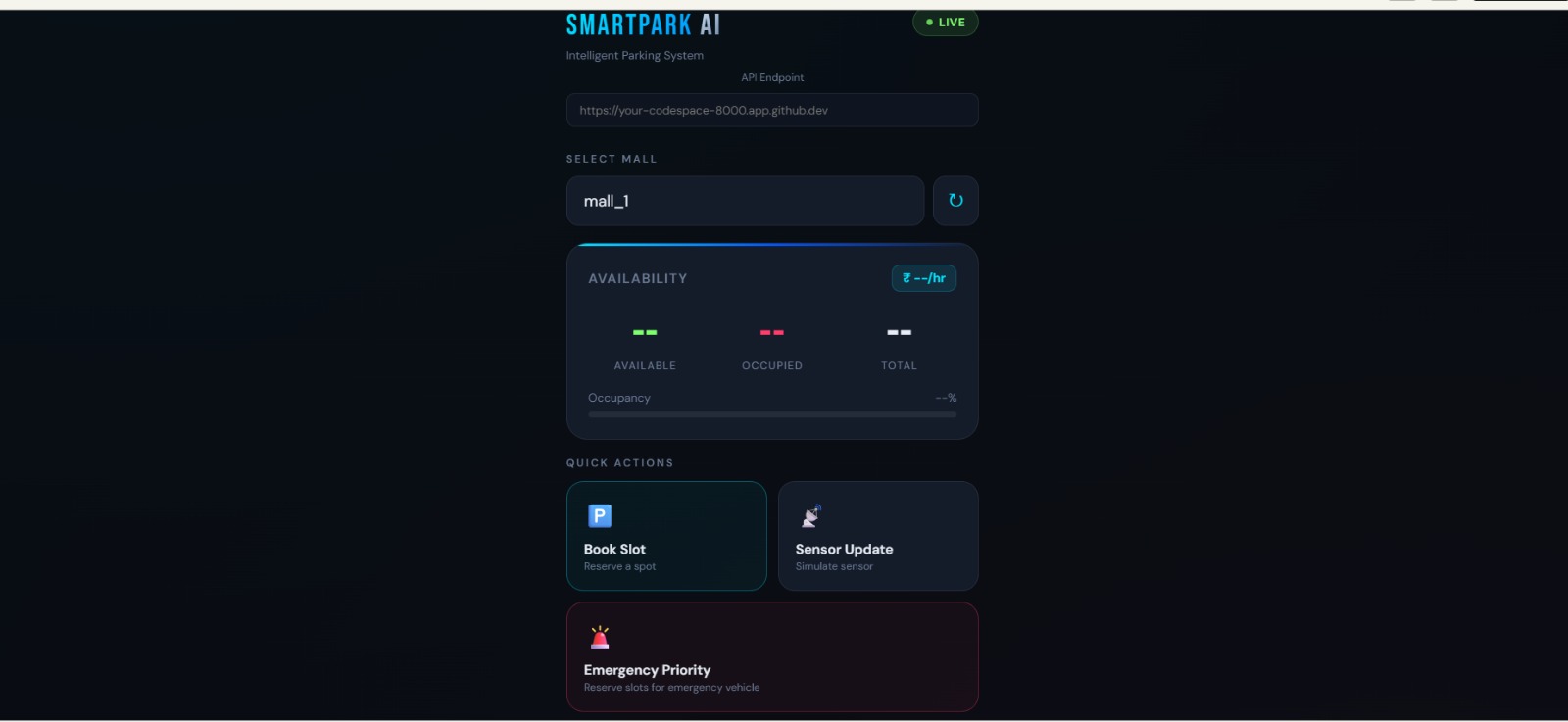
GitHub - For multiple options regarding parking , bookings etc
-
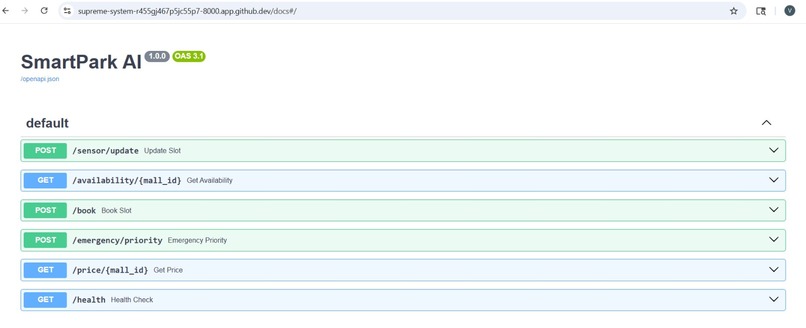
GitHub.dev
-
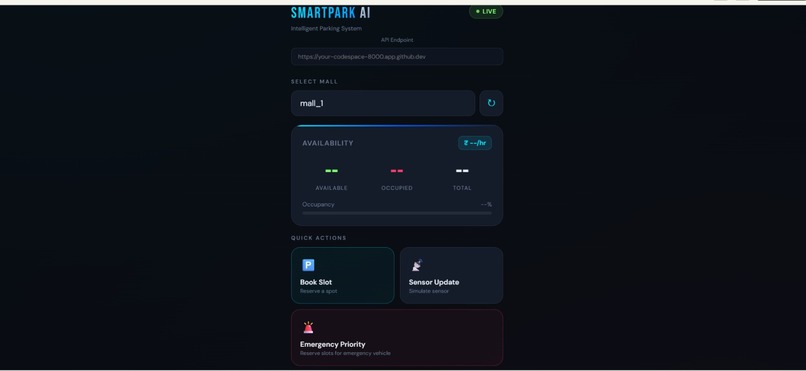
“Live demonstration of smart parking system”
Inspiration
Parking issues are a common problem in urban areas. We observed that people often waste a lot of time and fuel searching for parking spaces, which leads to traffic congestion and frustration. Emergency vehicles like ambulances and police also face delays due to improper roadside parking. This inspired us to build a smart and efficient parking solution.
What it does
Our Smart Parking System provides real-time information about available parking spaces using IoT sensors. Users can check availability through a mobile/web app before reaching their destination. The system also includes AI-based prediction to forecast parking availability and suggest the best parking spots.
How we built it
We used IoT sensors (Ultrasonic/IR) connected to microcontrollers (Arduino/Raspberry Pi) to detect parking slot occupancy. The data is sent to a cloud database (Firebase/MySQL) and processed using a backend (Node.js/Python). We integrated AI/ML models for prediction and OpenCV for number plate detection. A frontend mobile/web app displays real-time parking availability and navigation.
Challenges we ran into
Ensuring accurate sensor detection Handling real-time data updates Integrating hardware with software Managing system scalability
We solved these by optimizing sensor placement, using cloud-based databases, and improving backend efficiency.
Accomplishments that we're proud of
Built a working smart parking concept Integrated IoT + AI + Automation Designed a scalable and real-world solution Improved user convenience and efficiency
What we learned
Working with IoT devices and real-time data Basics of AI/ML integration Backend and frontend integration Importance of user-centric design
What's next for Smart Parking System
AI-based dynamic pricing Integration with smart city infrastructure EV charging slot management Advanced analytics and traffic optimization
