







InspirationMy inspiration for this project started during my time working on the Perumon Bridge project in Kerala. Being on-site, I saw firsthand how critical accurate environmental data is — not just for building structures, but for ensuring the safety, efficiency, and longevity of infrastructure.
We faced constant challenges — unpredictable ground conditions, hidden subsurface risks, and the need for faster, safer inspection methods. That’s when the idea struck me: What if we had a single device that could see beyond what’s visible?
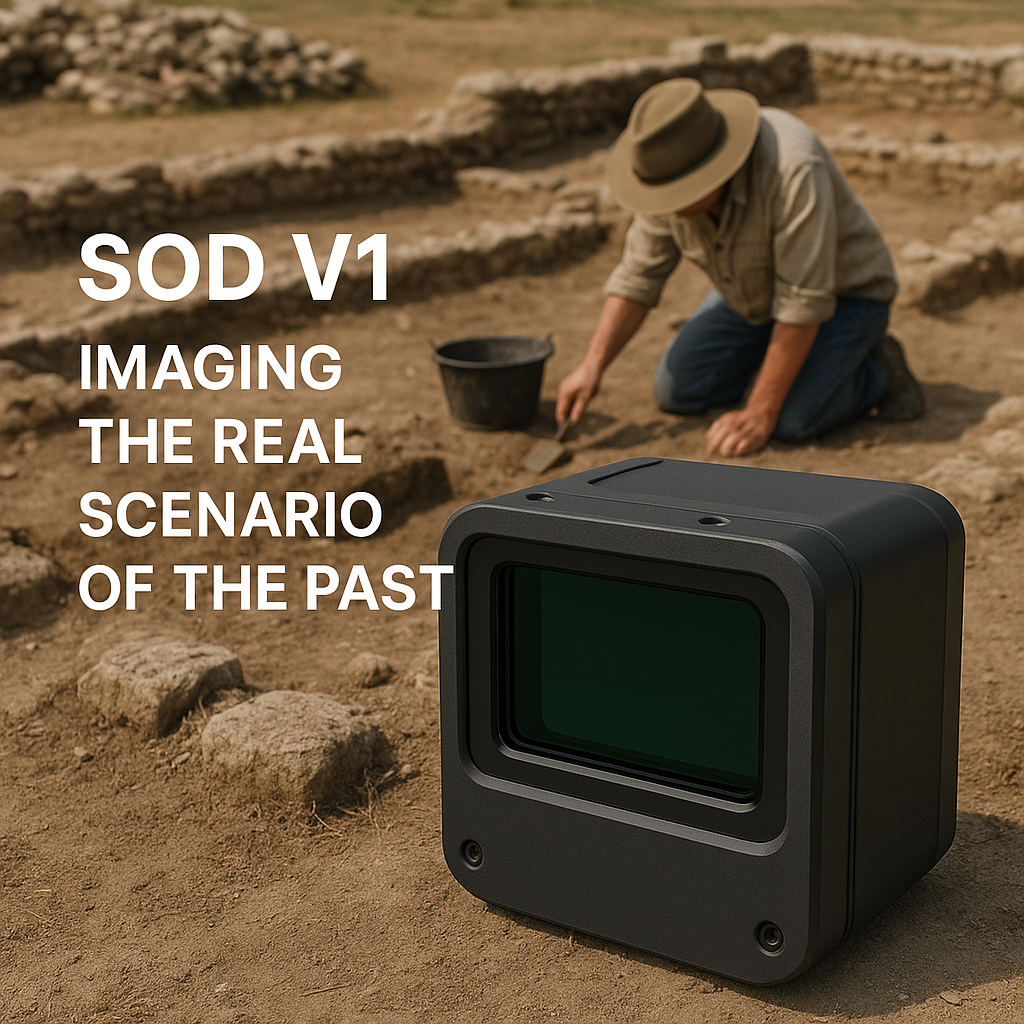
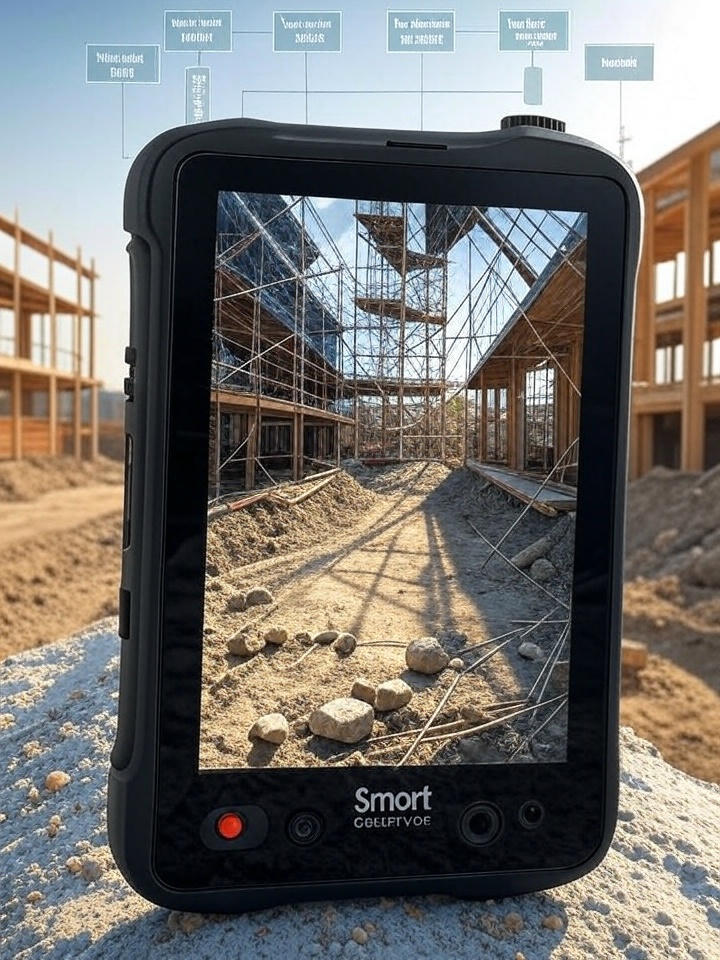
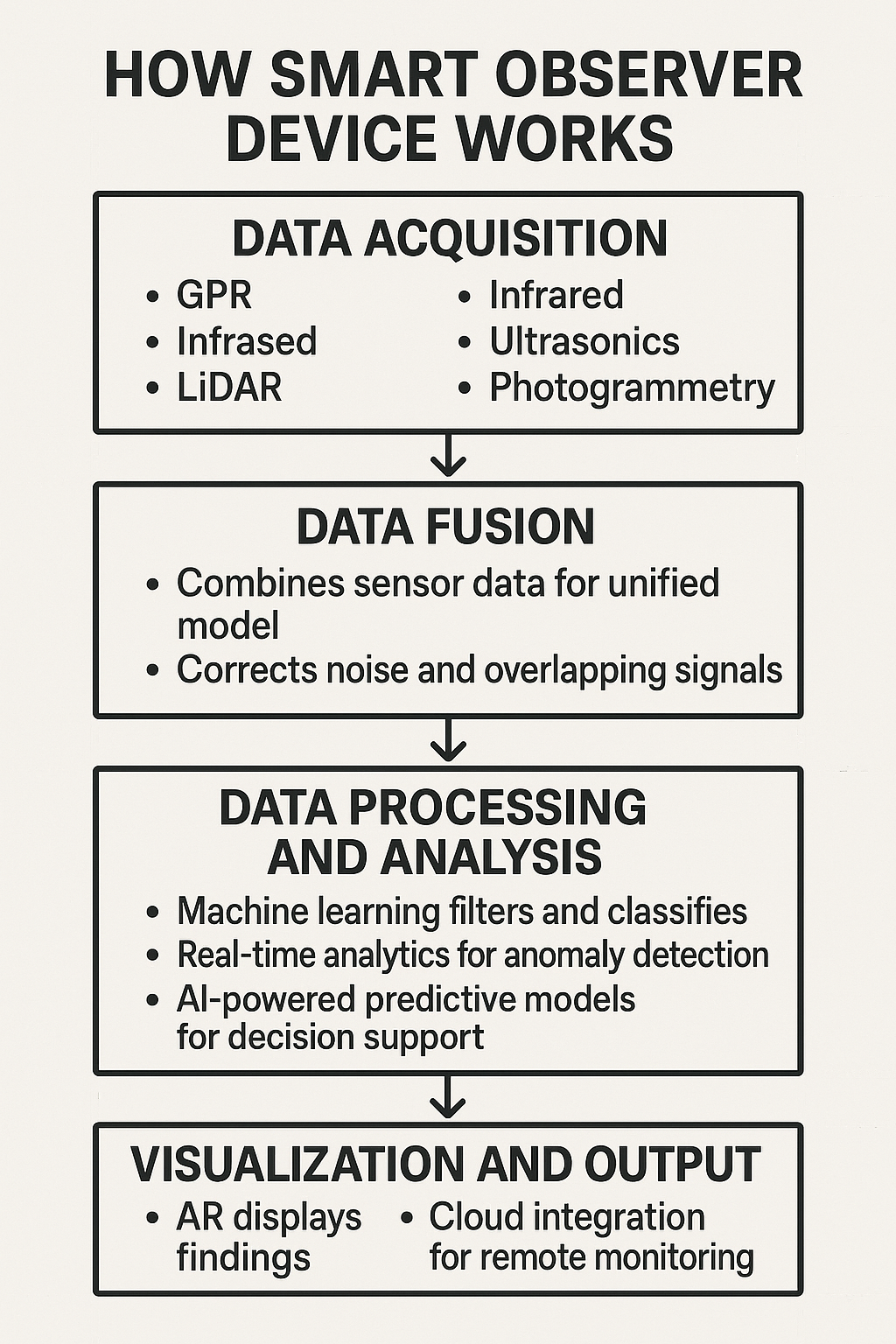
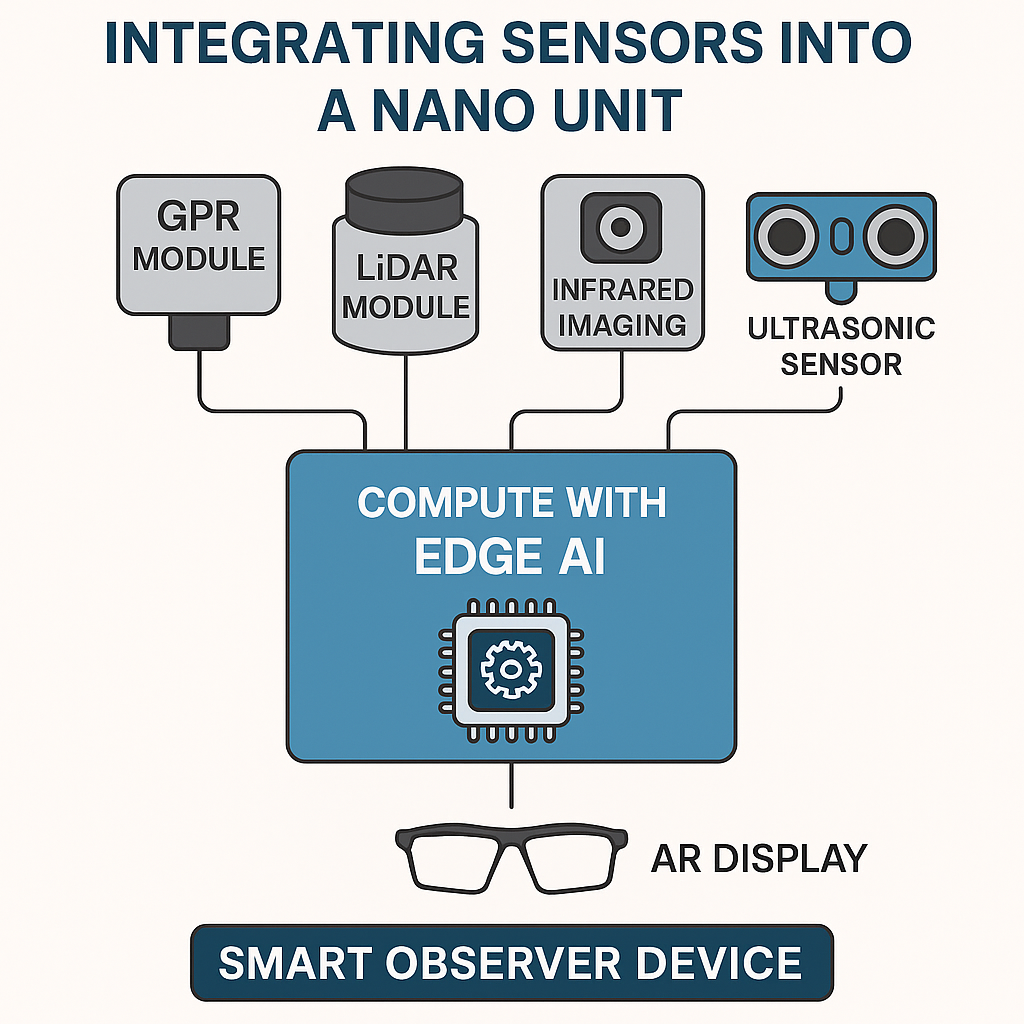
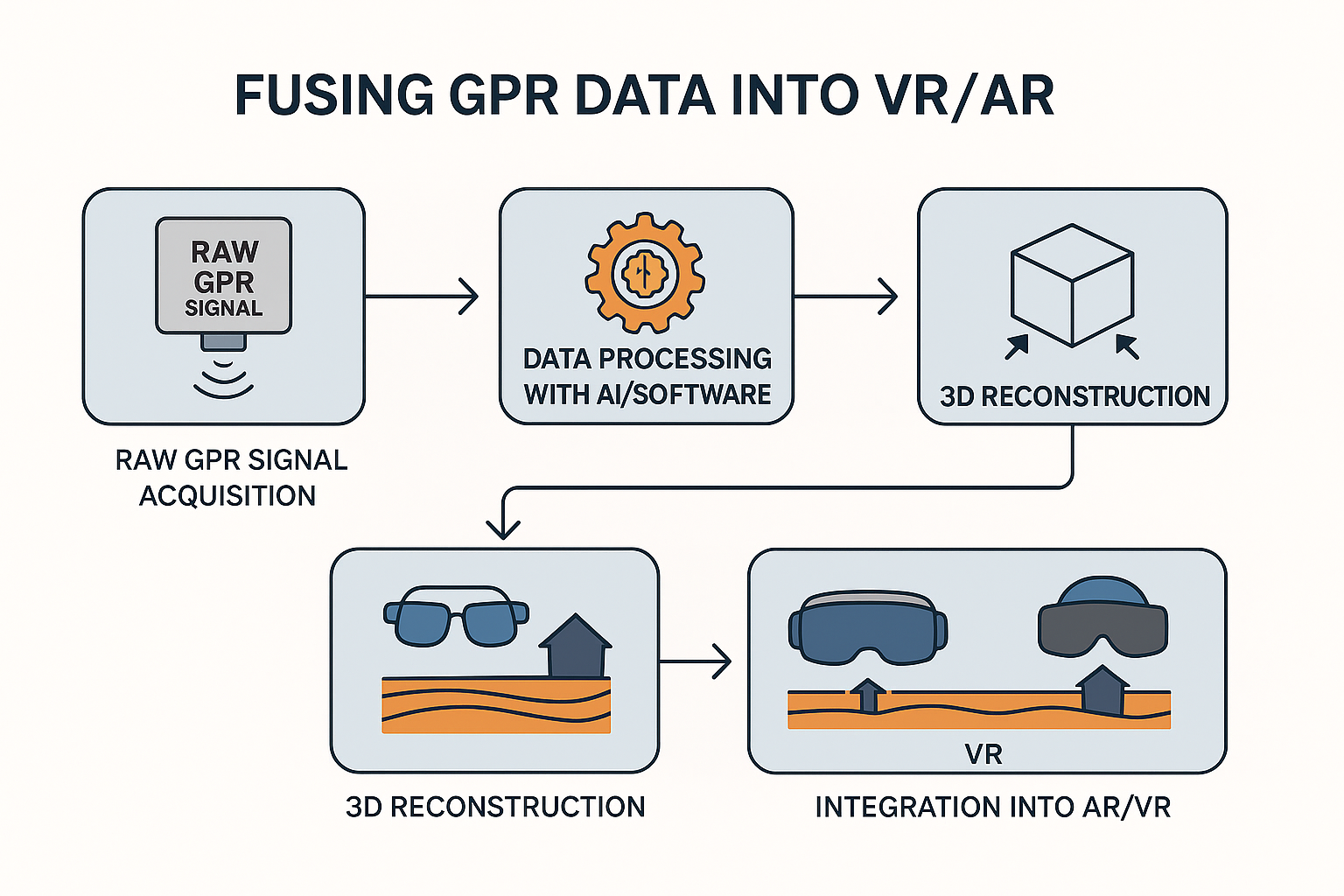
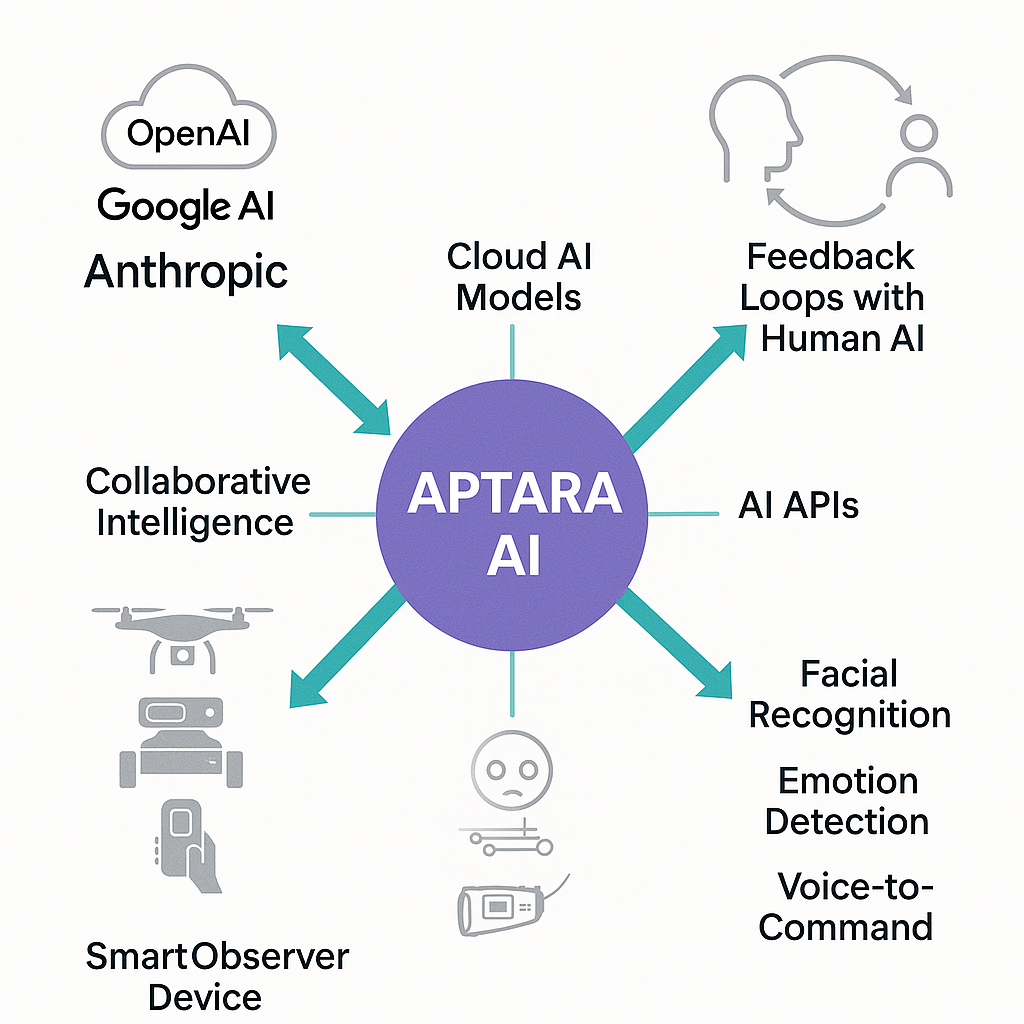
From that vision, I began developing the Smart Observer Device — a compact, AI-powered tool that fuses LiDAR, GPR, Infrared, Photogrammetry, and more. It can map above, below, and through structures in real-time, with self-learning capabilities powered by our own Aptara AI ecosystem.
The SOD is my answer to a problem I lived through — born at the Perumon Bridge site, now built to revolutionize how we see and sense the world.
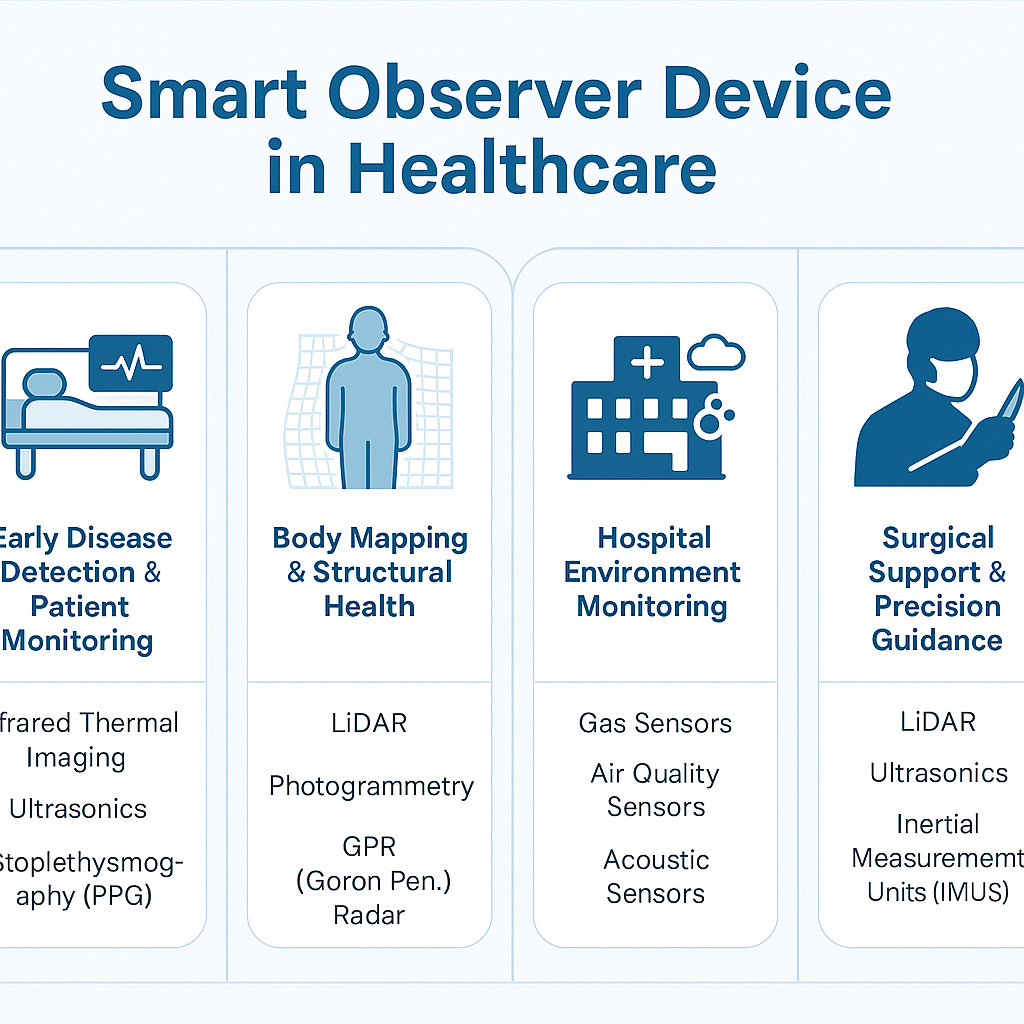
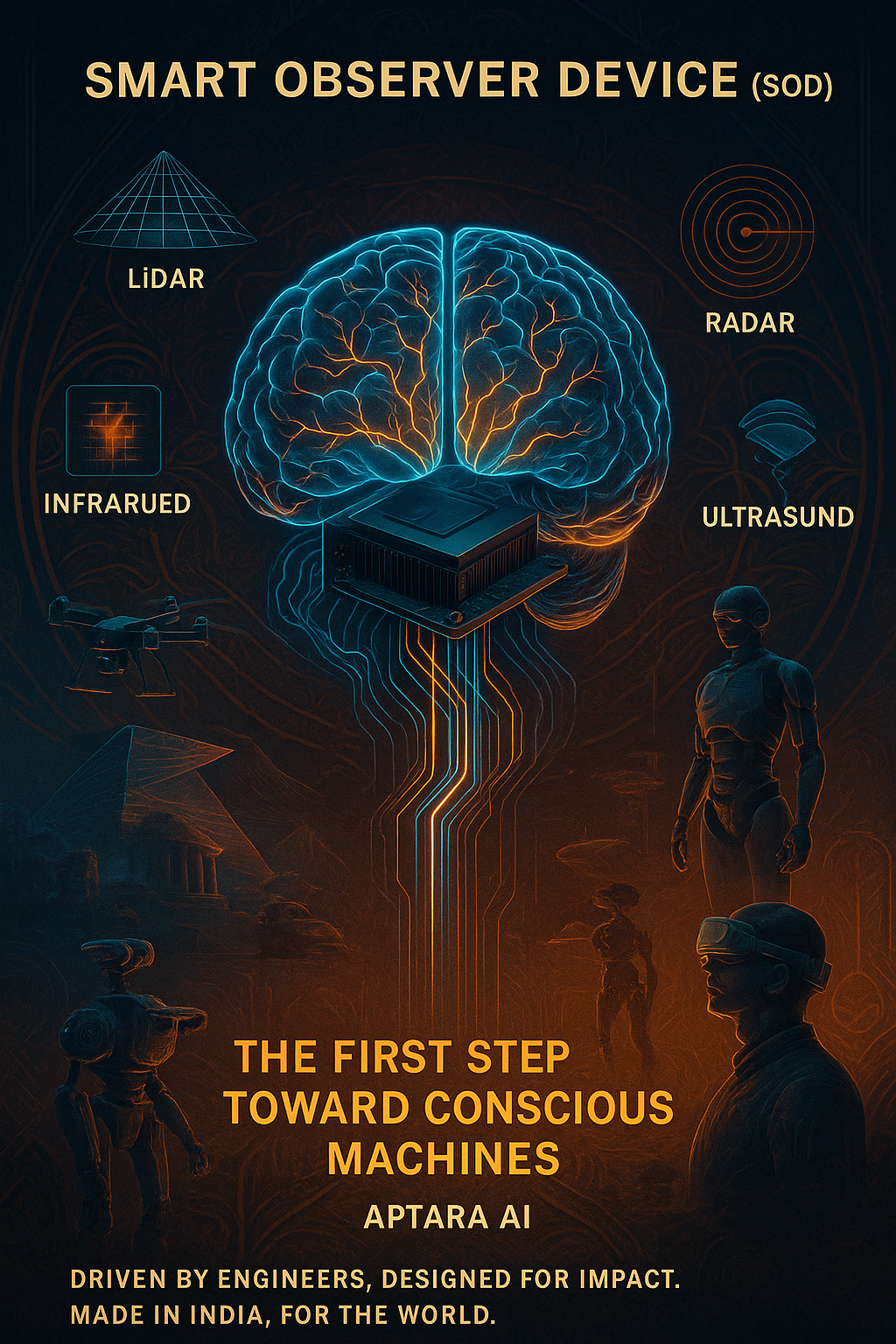
What it does“The Smart Observer Device (SOD) is an all-in-one, AI-powered, multi-sensor tool that maps, scans, and understands real-world environments — both visible and hidden — in real time.
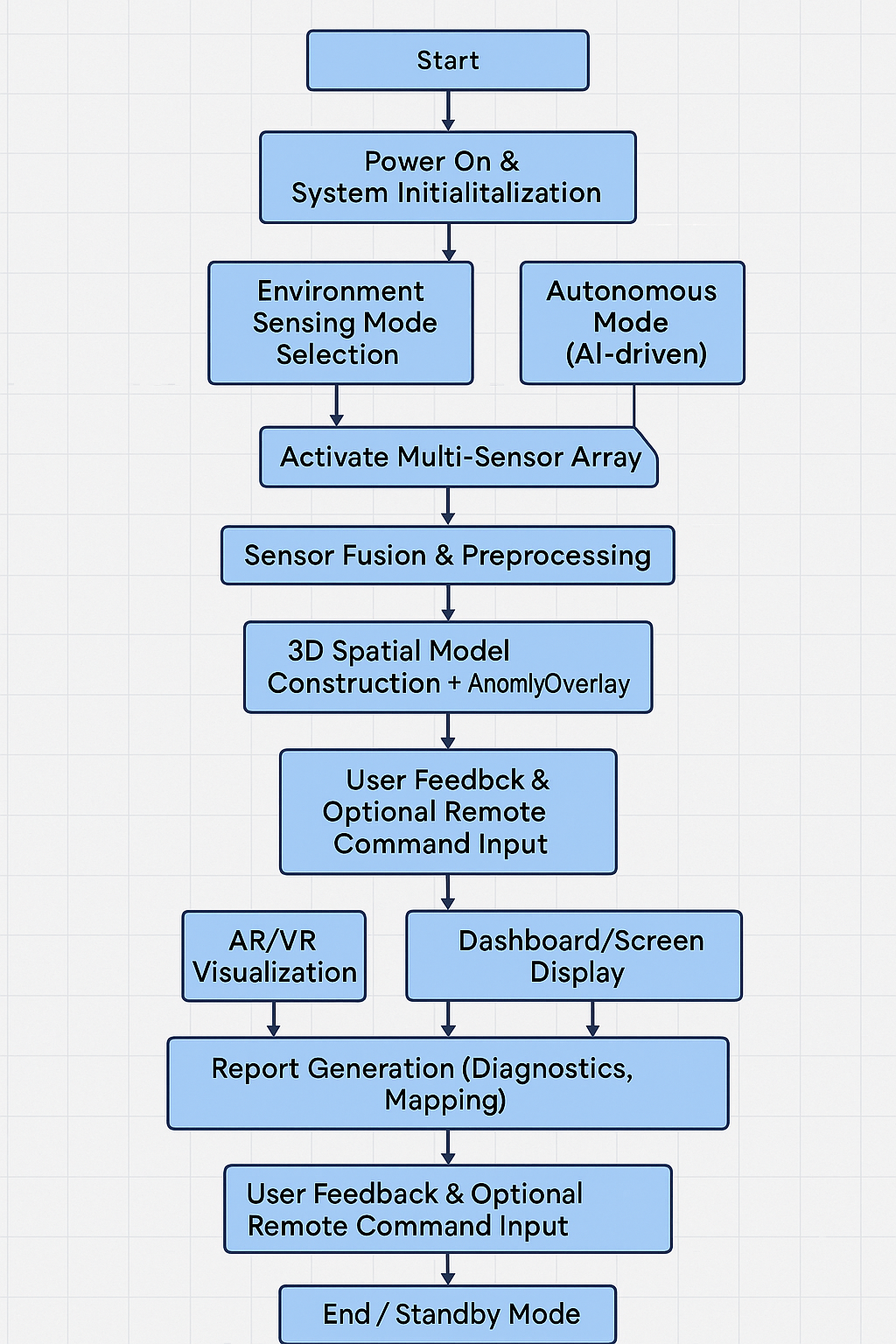
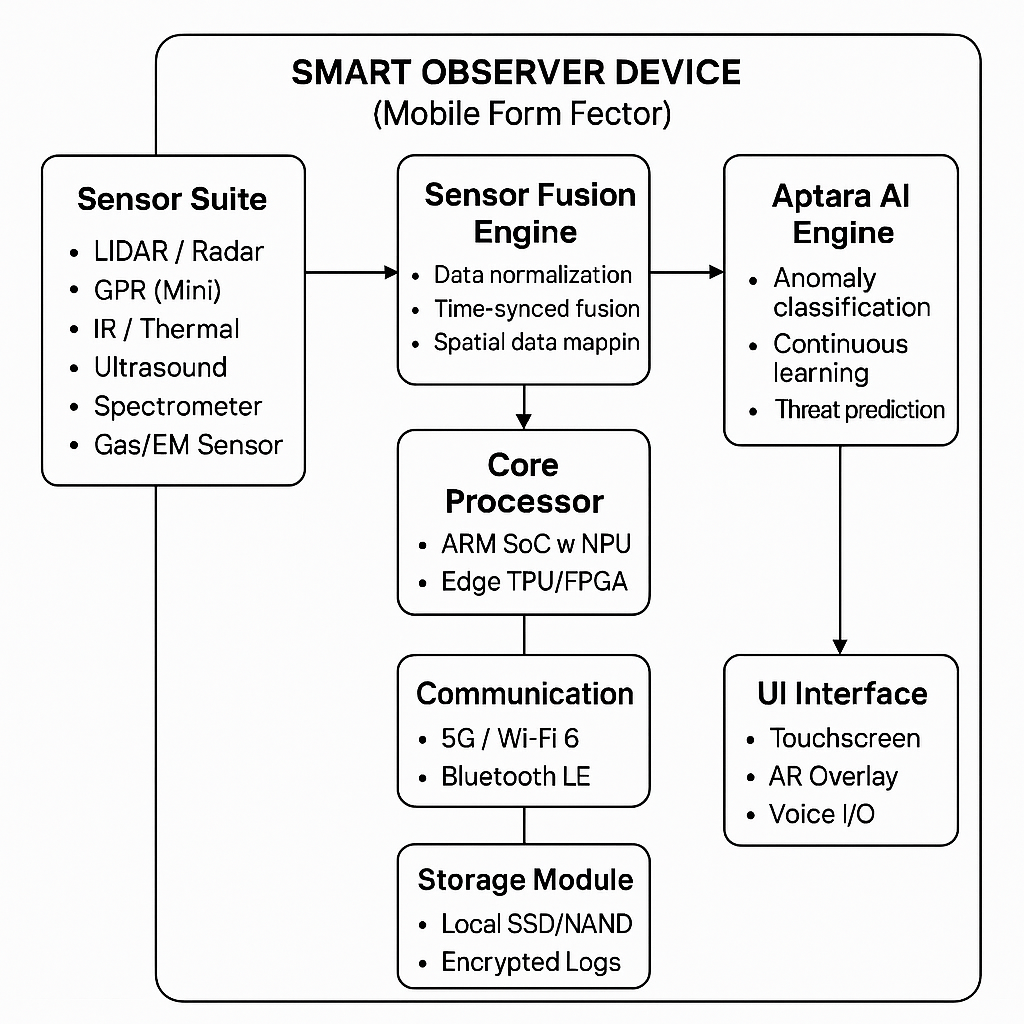
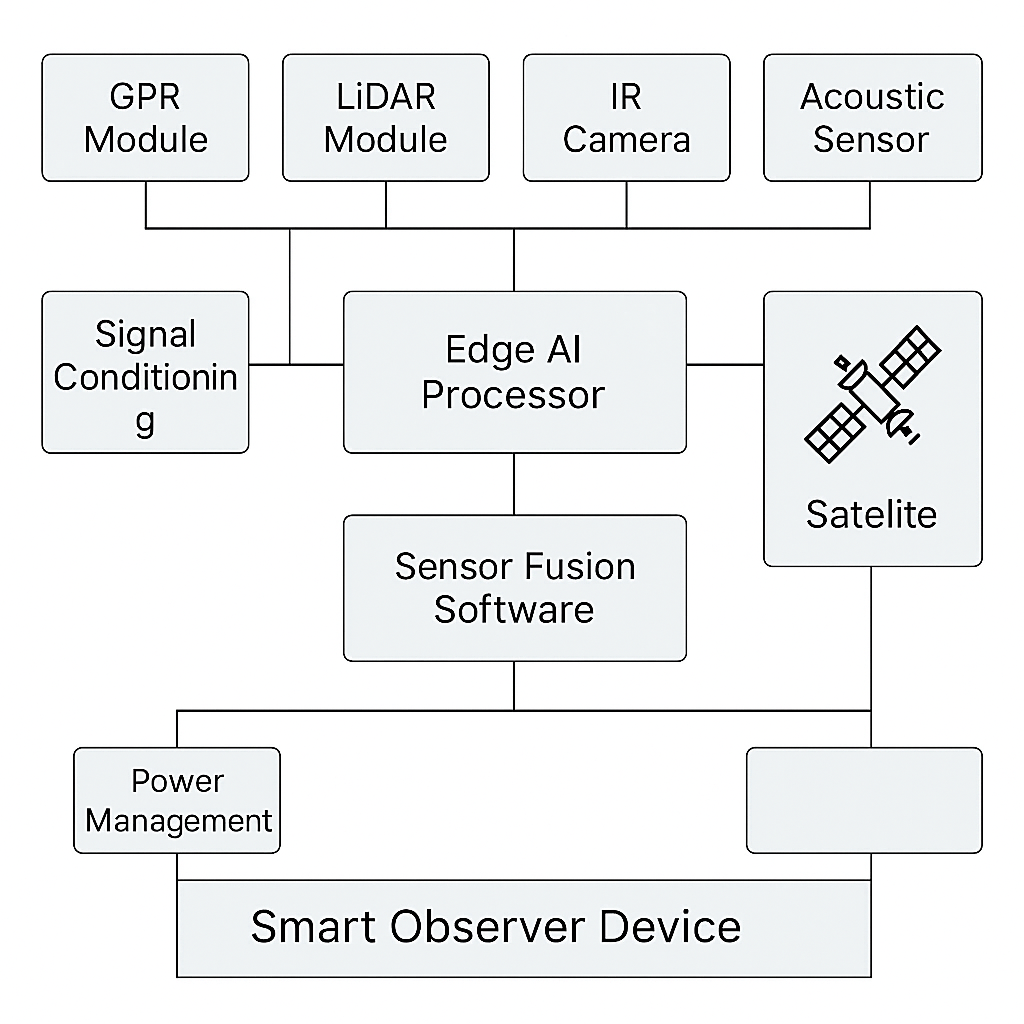
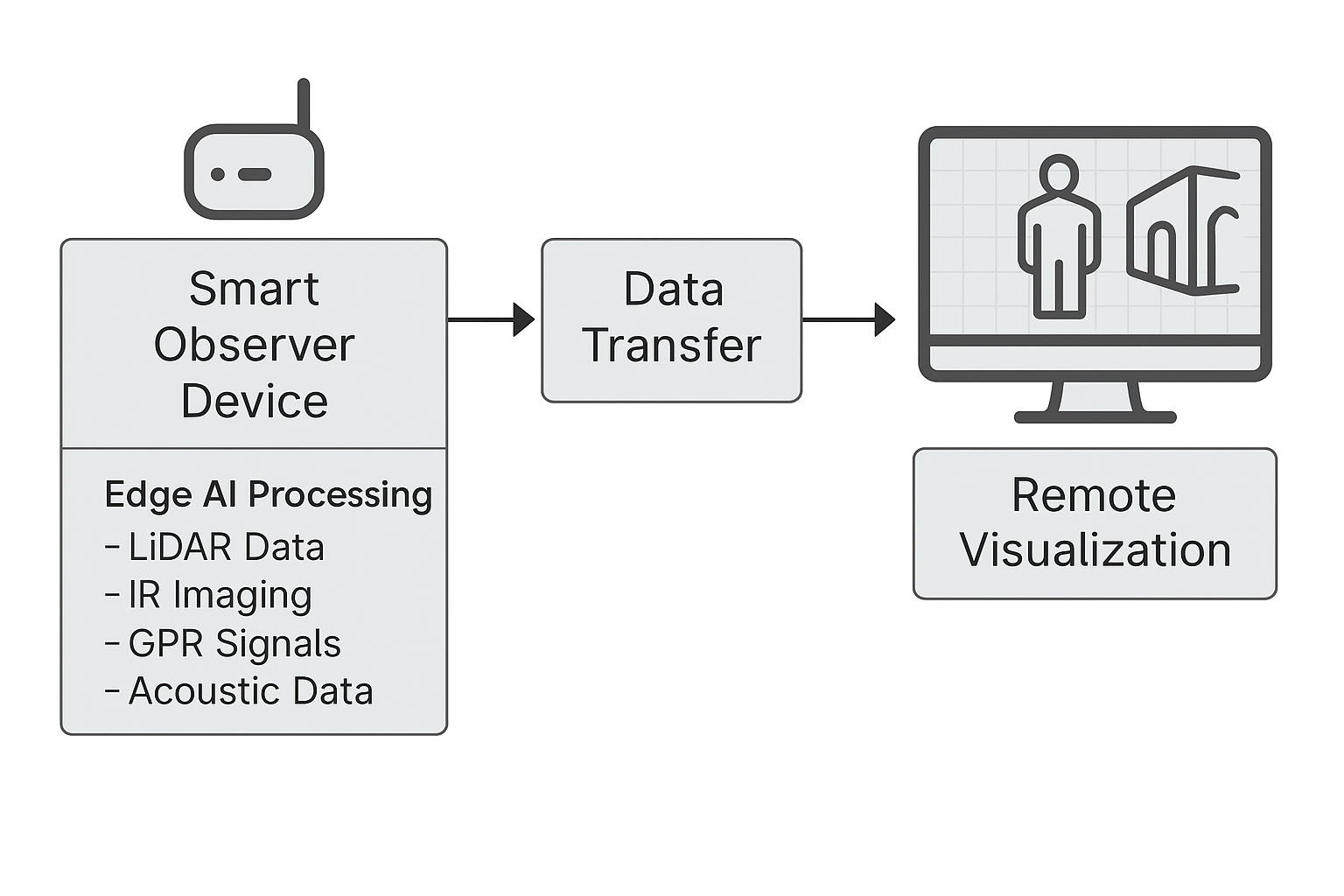
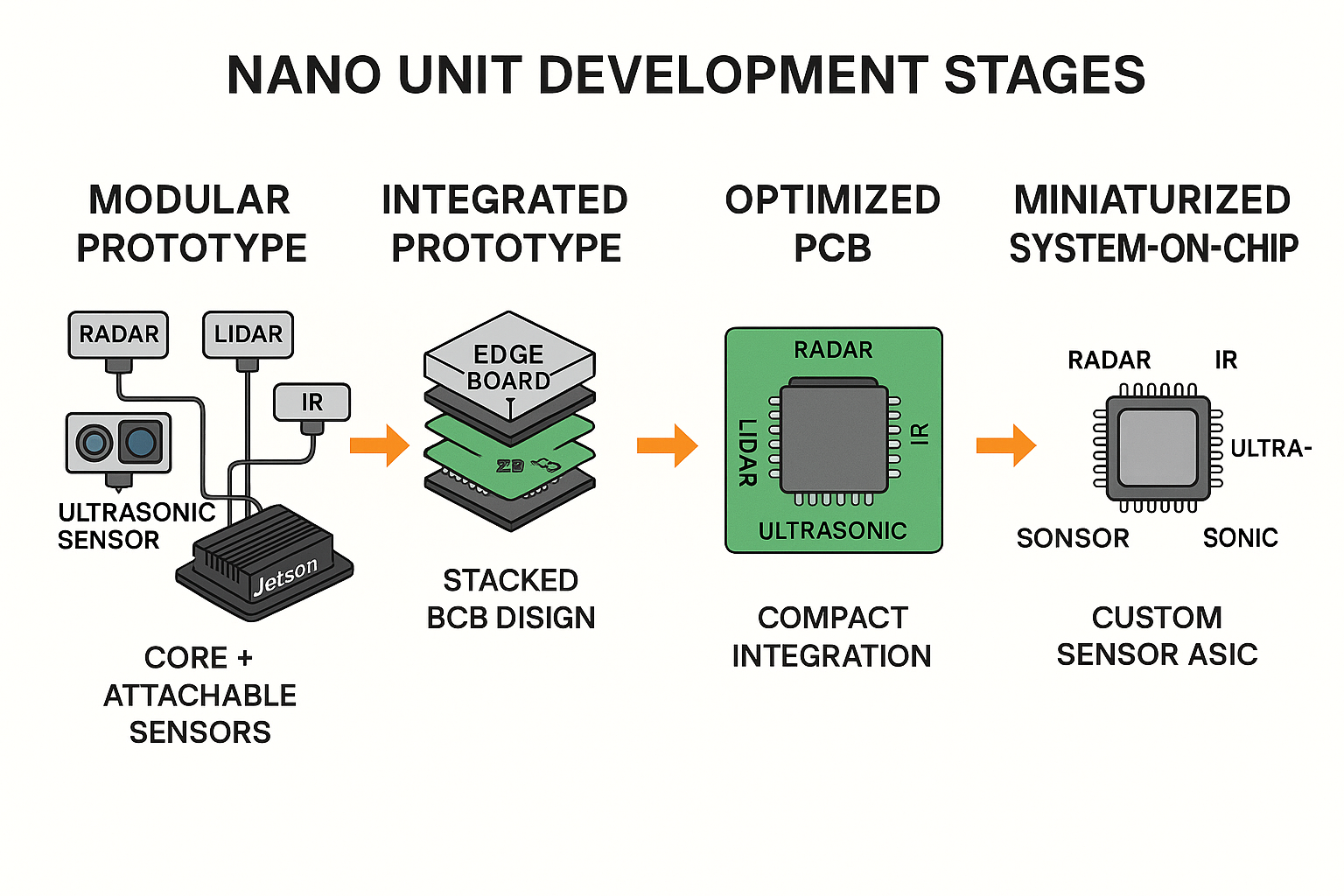
How we built itWe built the Smart Observer Device (SOD) by integrating multiple advanced sensors into a single compact hardware platform, driven by edge AI and real-time data fusion.
Challenges we ran into“Challenges We Ran Into” – Smart Observer Device
Sensor Integration & Signal Interference: Combining multiple high-frequency sensors like LiDAR, GPR, and Ultrasonics in a compact frame created interference issues. Managing signal timing and minimizing crosstalk between sensors required careful hardware isolation and synchronization logic.
Real-Time Multi-Sensor Fusion: Processing diverse sensor data (visual, thermal, radar, etc.) in real time was computationally heavy. We had to optimize AI models and use edge acceleration features of the Jetson Xavier to maintain real-time performance without overheating or delays.
Power Management for Portability: Balancing battery life with sensor power consumption was tough, especially for drone and robotic applications. We had to optimize the power draw while maintaining performance — a key design constraint.
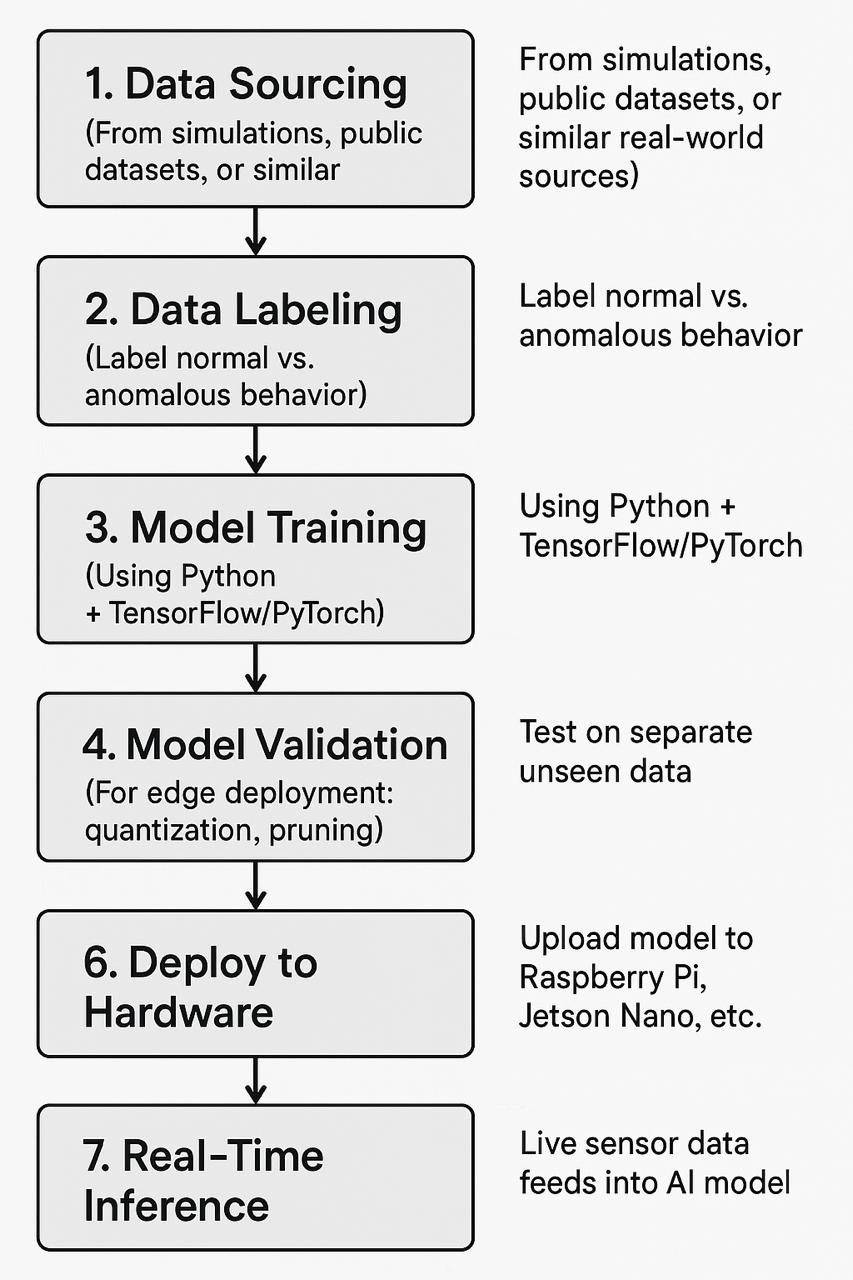
Custom AI Training for Varied Environments: Training the Aptara AI to work across construction sites, underground conditions, and natural terrain was challenging due to lack of diverse labeled datasets. We built synthetic training data and used semi-supervised learning to overcome this.
Hardware Fabrication & Modular Design: Designing a rugged yet modular shell that could withstand rough field use and allow sensor swapping was a major prototyping challenge. Iterations with 3D printing helped, but tolerances and fitment required constant tweaking.
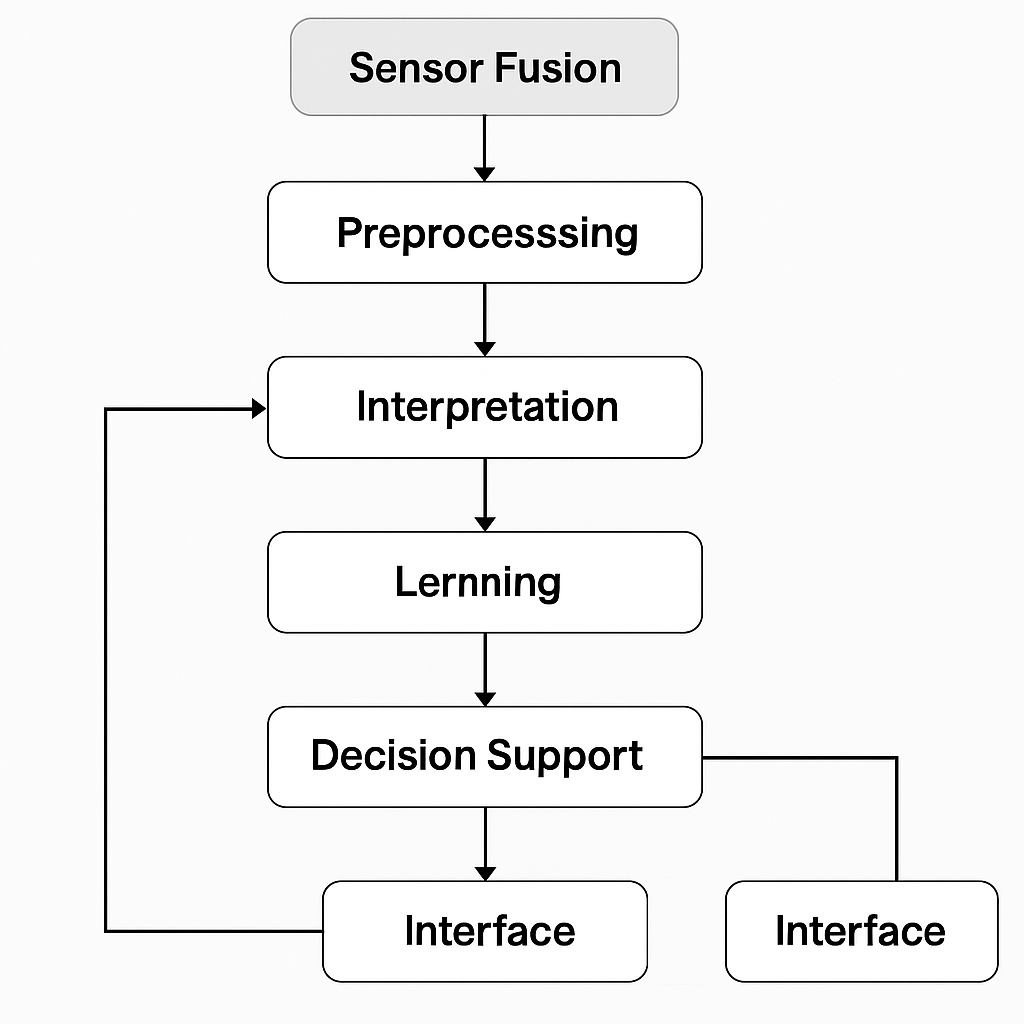
Self-Learning Model Stability: We implemented self-learning pipelines, but keeping the AI adaptive without drifting away from core accuracy was complex. We built in feedback loops and edge-cloud hybrid syncing to ensure long-term model reliability.
Accomplishments that we're proud of
Finalized the concept
What we learned
It's practically possible
What's next for Smart Observer Device by CIEM Industries
Prototyping
Built With
- chat
- gpt
- perplexity

Log in or sign up for Devpost to join the conversation.