-
-
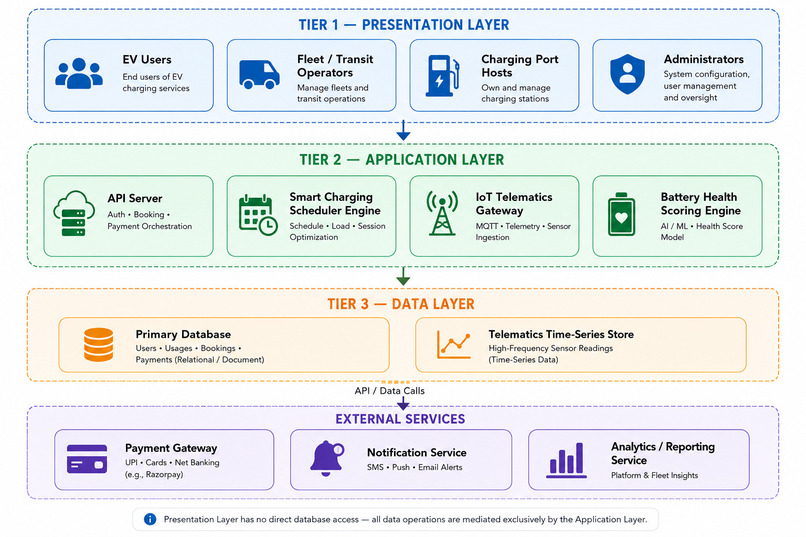
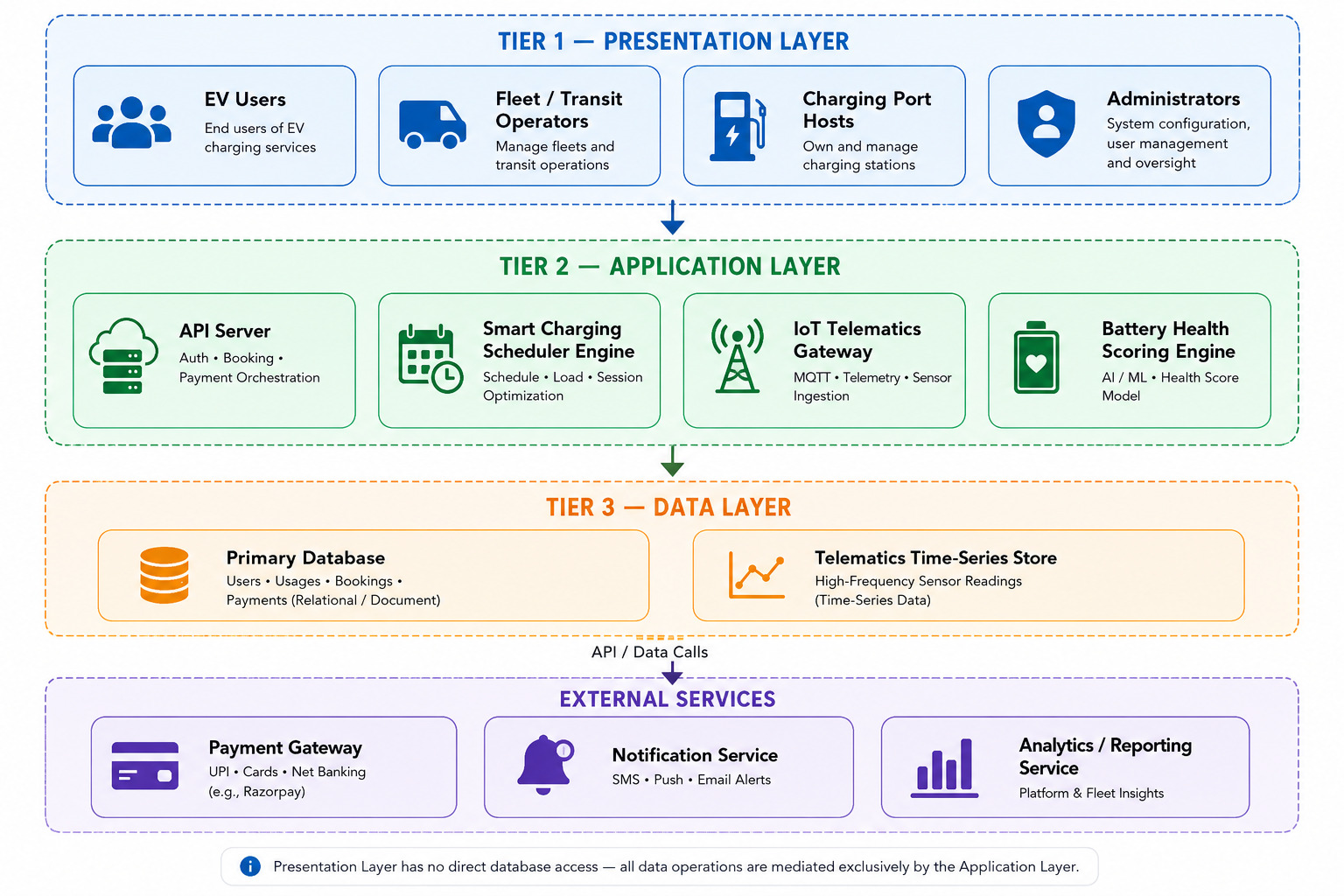
System Architecture and Workflow
-
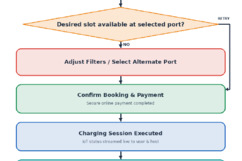
User Interaction Flow
-
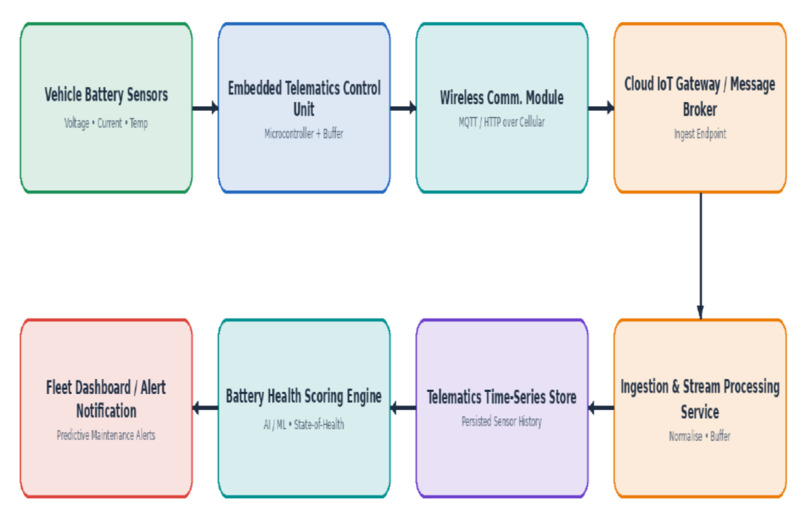
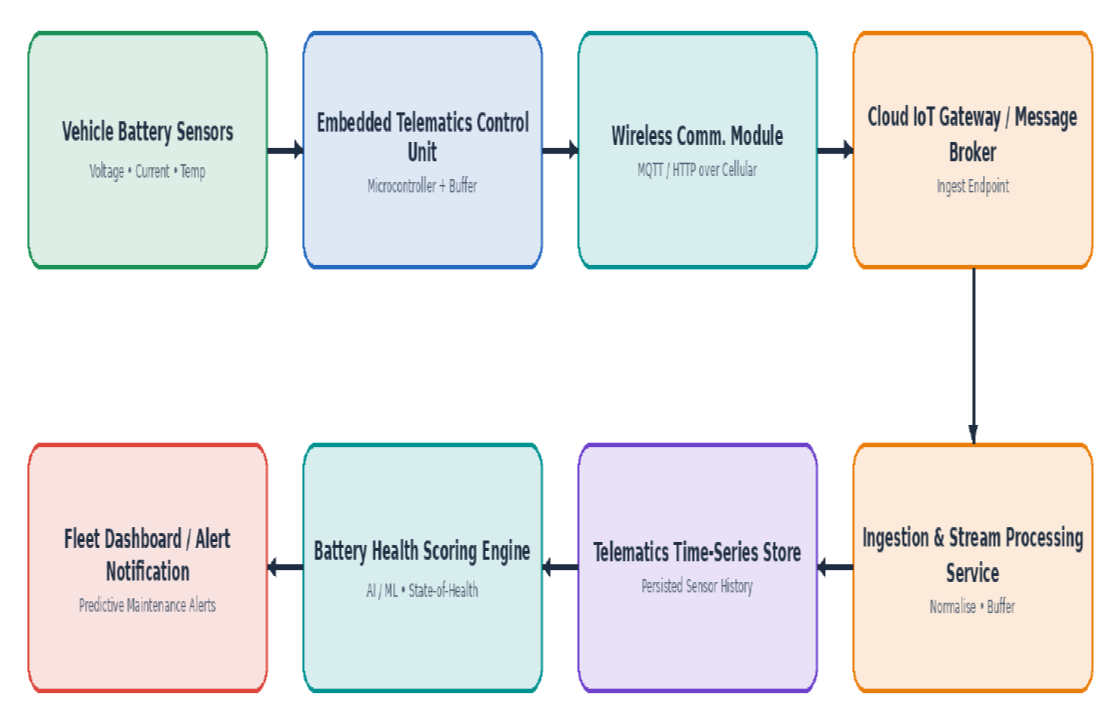
Hardware Communication Flow of the Telematics Subsystem
-
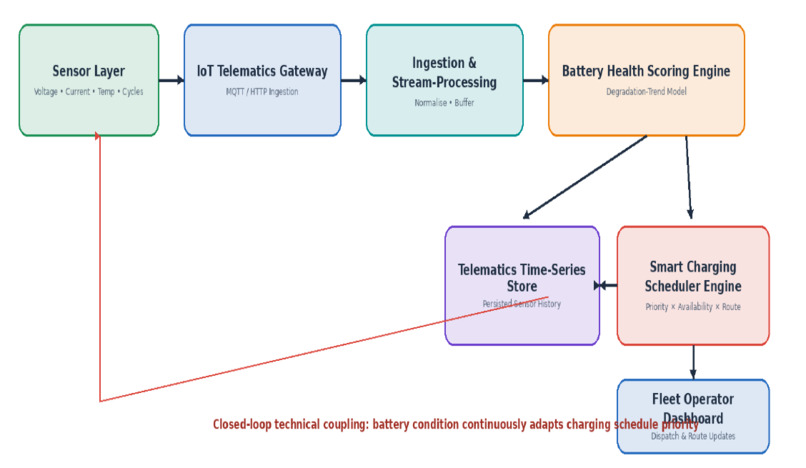
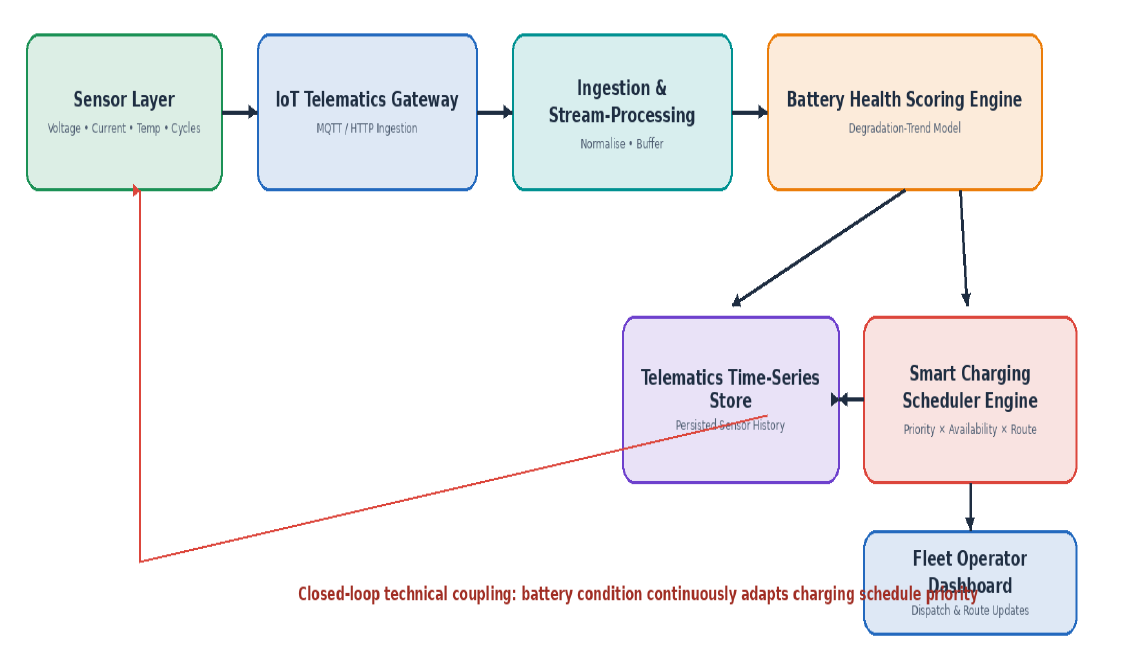
Data Flow Between the Telematics Pipeline and the Smart Charging Scheduler
-
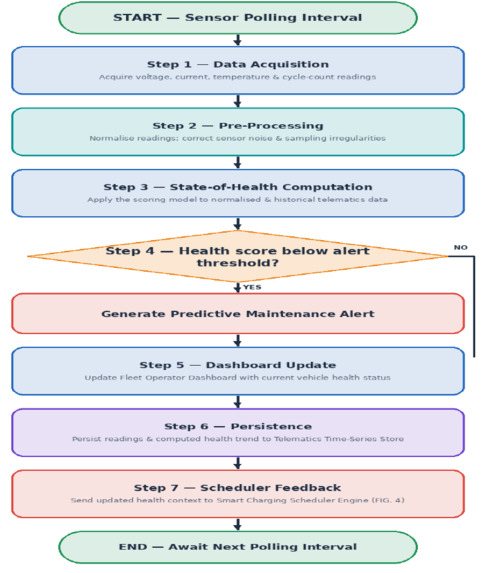
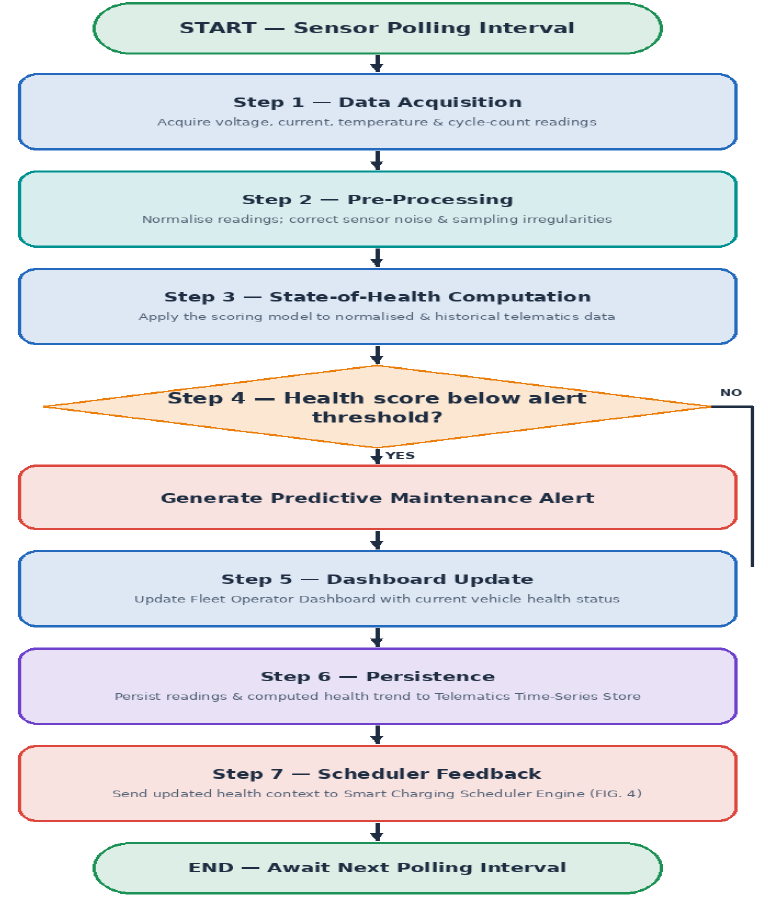
Operational Method of the Battery Health Telematics Module
-
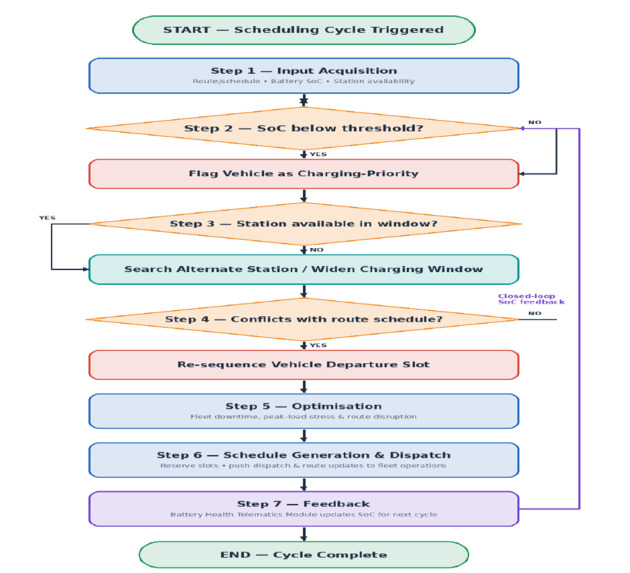
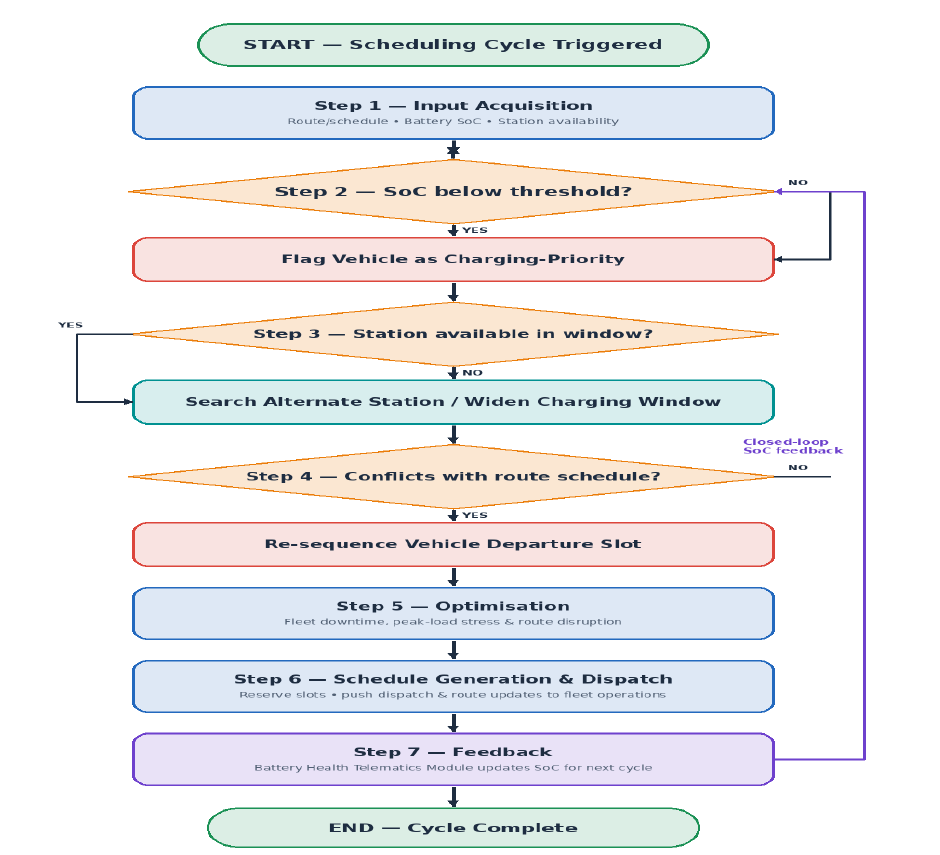
Control Flow / Decision Logic of the Smart Charging Scheduler Engine
Inspiration
India's shift to electric mobility is held back by charging infrastructure that is fragmented and poorly coordinated. Private chargers at homes and businesses sit idle. Meanwhile, transit operators running EV buses must juggle limited charging bays, route schedules, and expensive battery packs under heavy daily use.
Most existing tools focus on helping private owners find chargers. We wanted to build one platform that serves both individual EV users and public transit fleets.
What it does
Smart Mobility Infrastructure Hub combines three capabilities in one web platform:
- Charger marketplace: Hosts list private and commercial charging ports. EV users can search for chargers on a map, book slots, pay via UPI, and leave ratings.
- Smart fleet charging: For transit operators, the scheduler combines route timetables, each vehicle's battery state of charge, and charger availability to generate charging schedules and allocate bays, helping reduce downtime and peak-load stress.
- Battery health telematics: Vehicle sensor data, including voltage, current, temperature, and charge cycles, can be combined with maintenance logs to estimate battery health and generate predictive maintenance alerts. The health score also feeds back into the scheduler, allowing charging plans to reflect battery condition.
Battery state of health (SoH) is estimated as:
$$ SoH = \frac{C_{current}}{C_{rated}} \times 100\% $$
Role-based dashboards serve hosts, EV users, fleet operators, and administrators.
How we built it
- Frontend: React.js, with a responsive interface for desktop and mobile.
- Backend: Spring Boot.
- Database: MongoDB.
We organized the system into a booking and search layer, a scheduler and API layer, and a telematics and health-scoring layer, integrating them through a common API.
Challenges we ran into
- Obtaining realistic battery data for testing and evaluation.
- Designing a scheduler that considers route timings, battery levels, and limited charging bays simultaneously.
- Keeping charging-session and availability data consistent across host, user, and fleet dashboards.
Accomplishments that we're proud of
- Bringing charger marketplace functionality, fleet scheduling, and battery health monitoring together in one platform.
- Connecting battery health estimates to charging decisions instead of displaying battery information only on a dashboard.
What we learned
- How to design a layered full-stack system with IoT data ingestion and a machine-learning service.
- Why real-world fleet scheduling requires balancing multiple constraints rather than simply managing a booking calendar.
- How noisy sensor readings and missing values can affect battery health estimation.
What's next for Smart Mobility Infrastructure Hub
- A mobile app for drivers and fleet dispatchers.
- Integration with vehicle dashboards and navigation systems.
- Dynamic pricing based on peak demand.
- Grid-aware optimization in coordination with electricity providers.
- Validation using real fleet data in collaboration with transit operators.
Built With
- aos-(animate-on-scroll)
- css
- hostinger-(hosting-platform)
- html
- java-spring-boot
- javascript
- mongodb
- mui-(material-ui)
- react.js


Log in or sign up for Devpost to join the conversation.