Inspiration
The inspiration for this project came from the need to conserve water and optimize irrigation for home gardens and small farms. With increasing concerns about water scarcity and the impact of climate change on agriculture, a smart irrigation system can ensure that plants receive the right amount of water at the right time, reducing waste and improving crop yields. By leveraging readily available sensors and microcontrollers, we aimed to create an affordable and efficient solution for sustainable gardening.
What it does
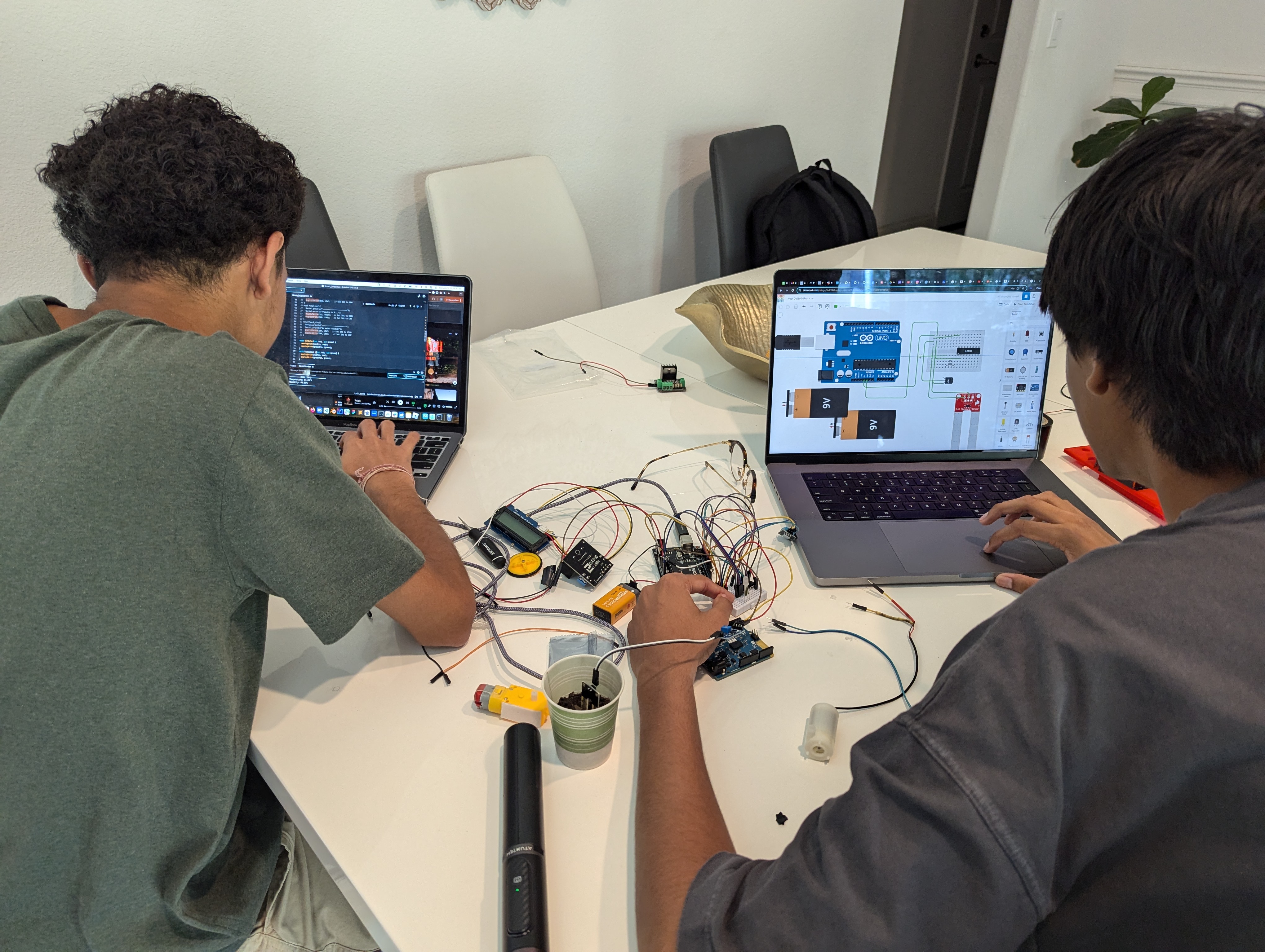
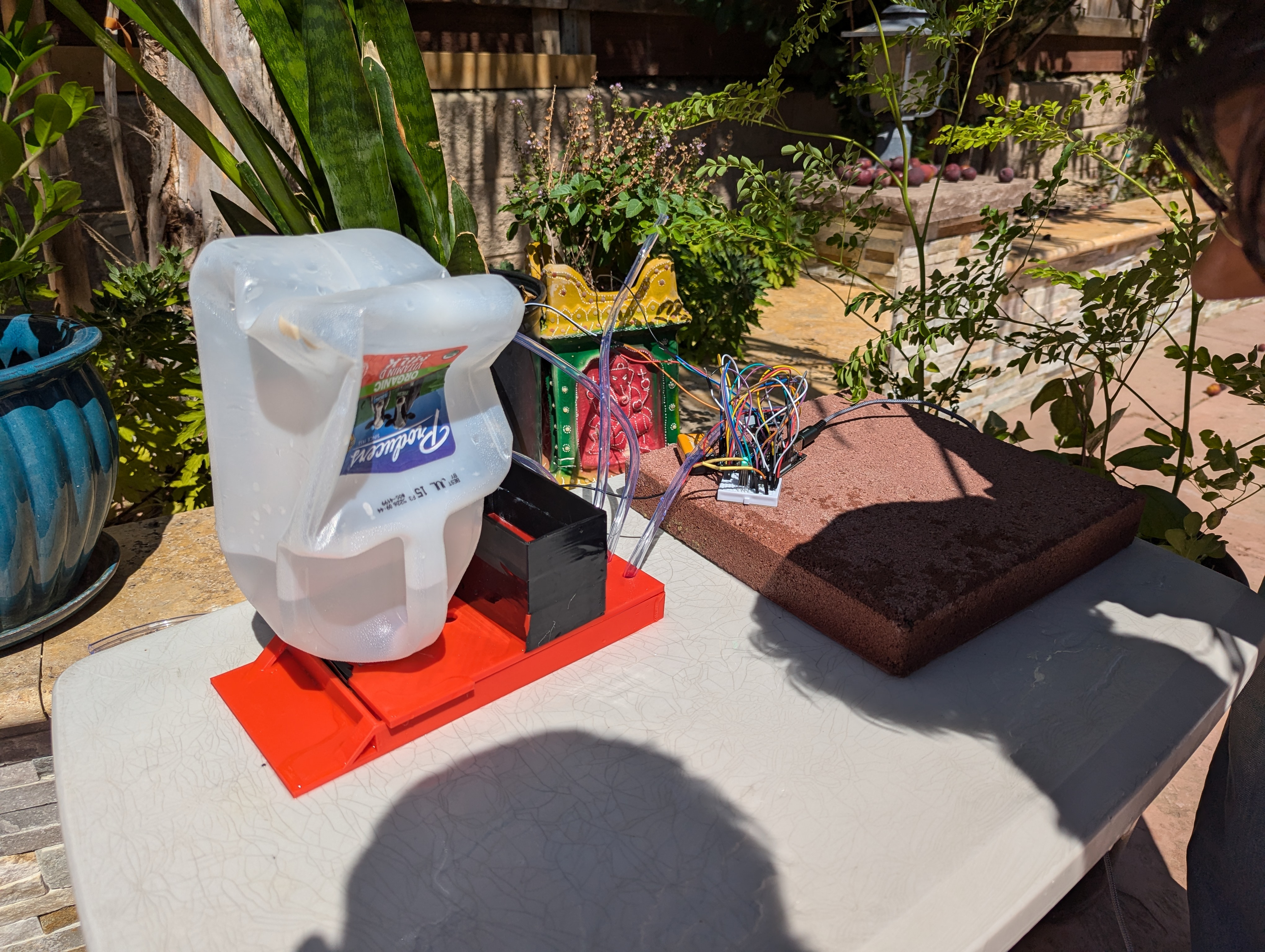
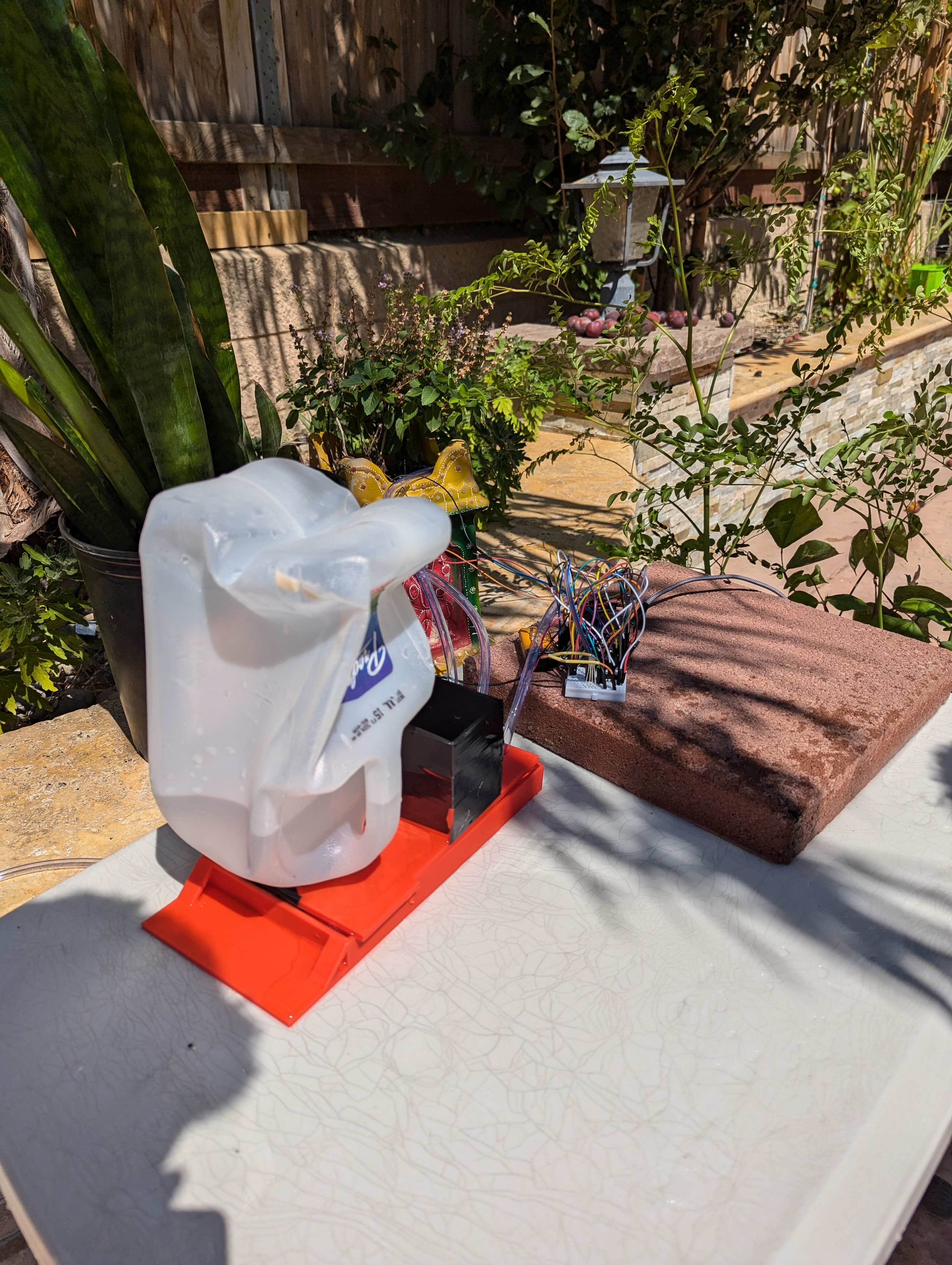
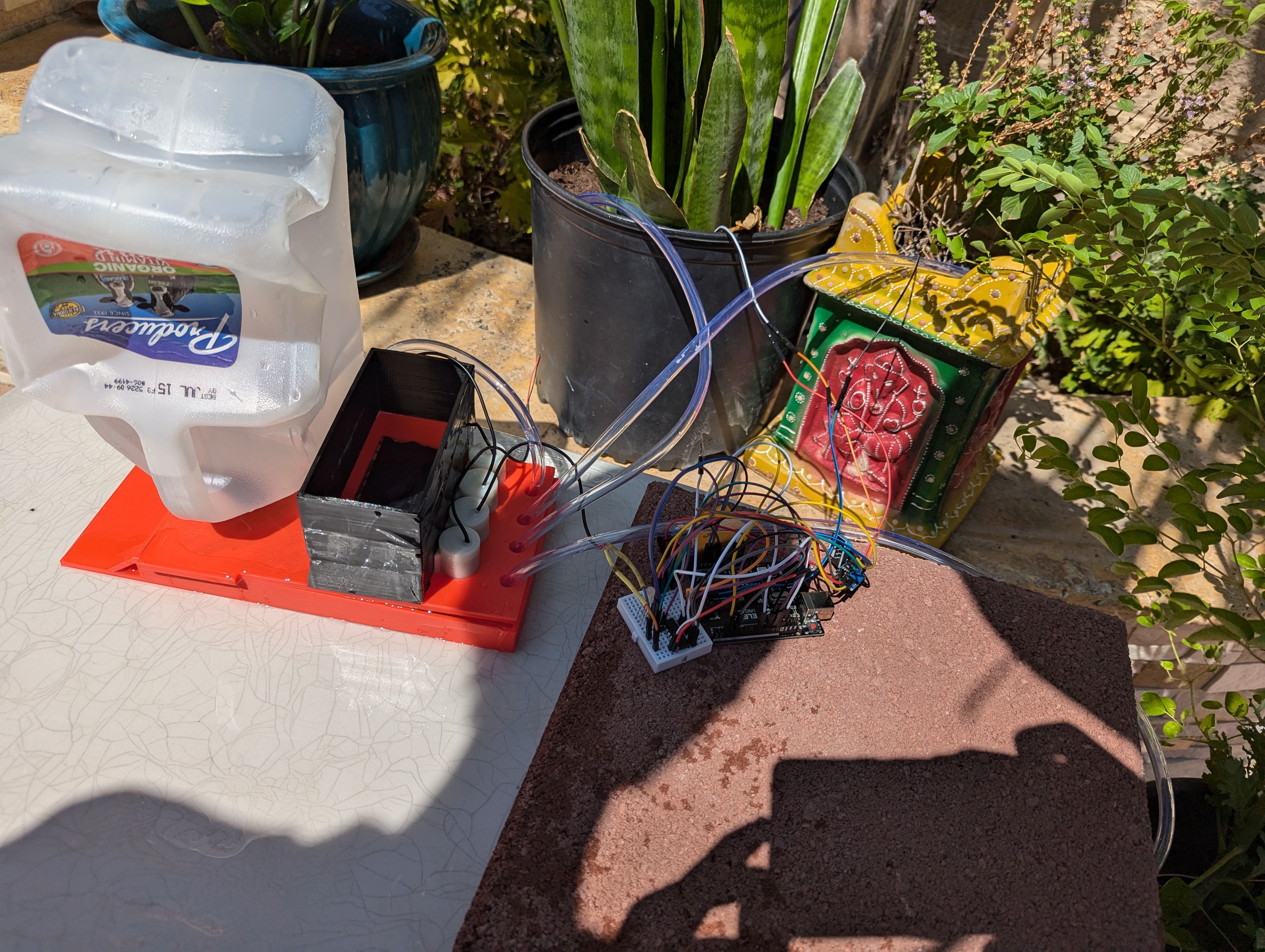
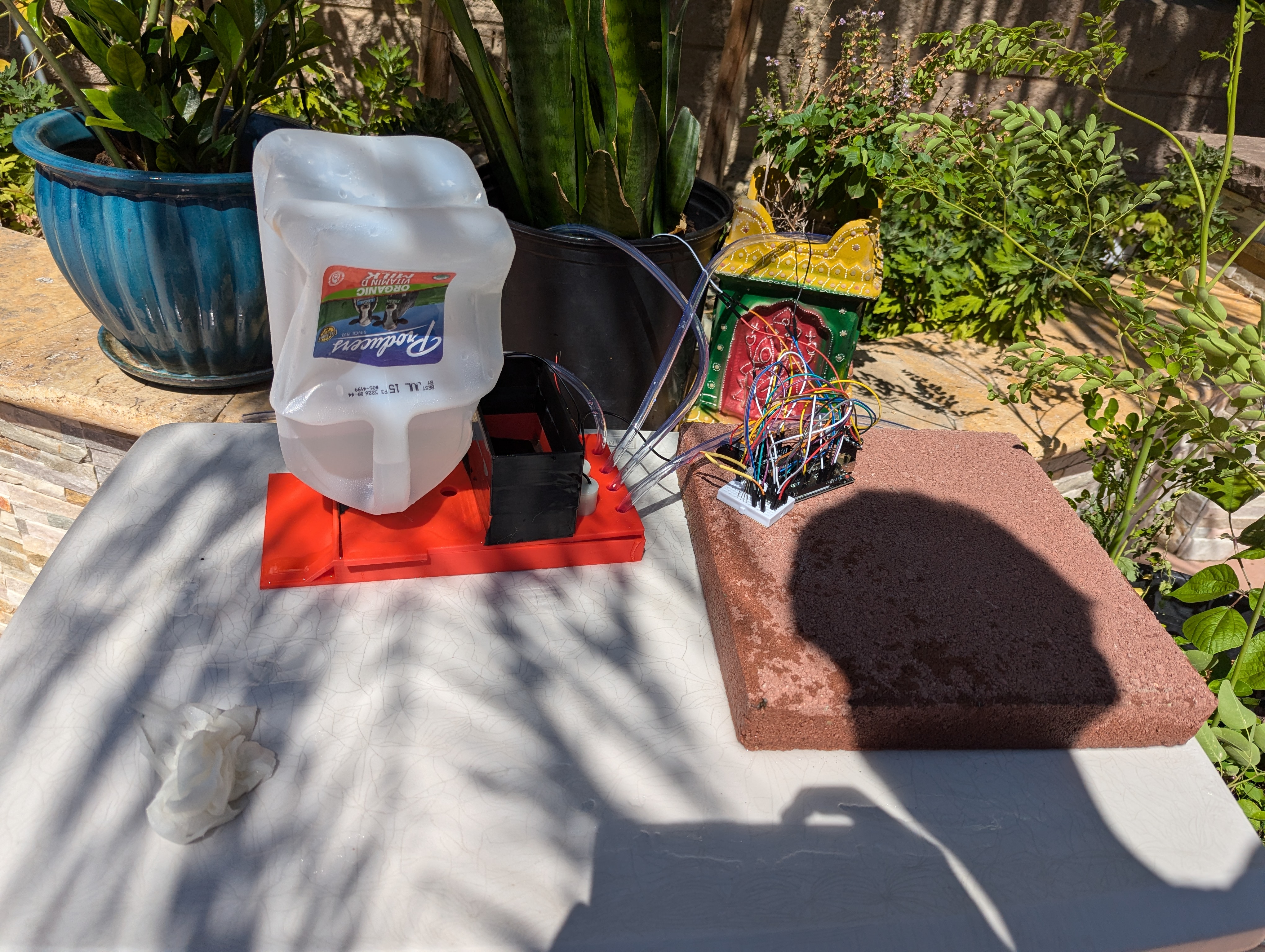
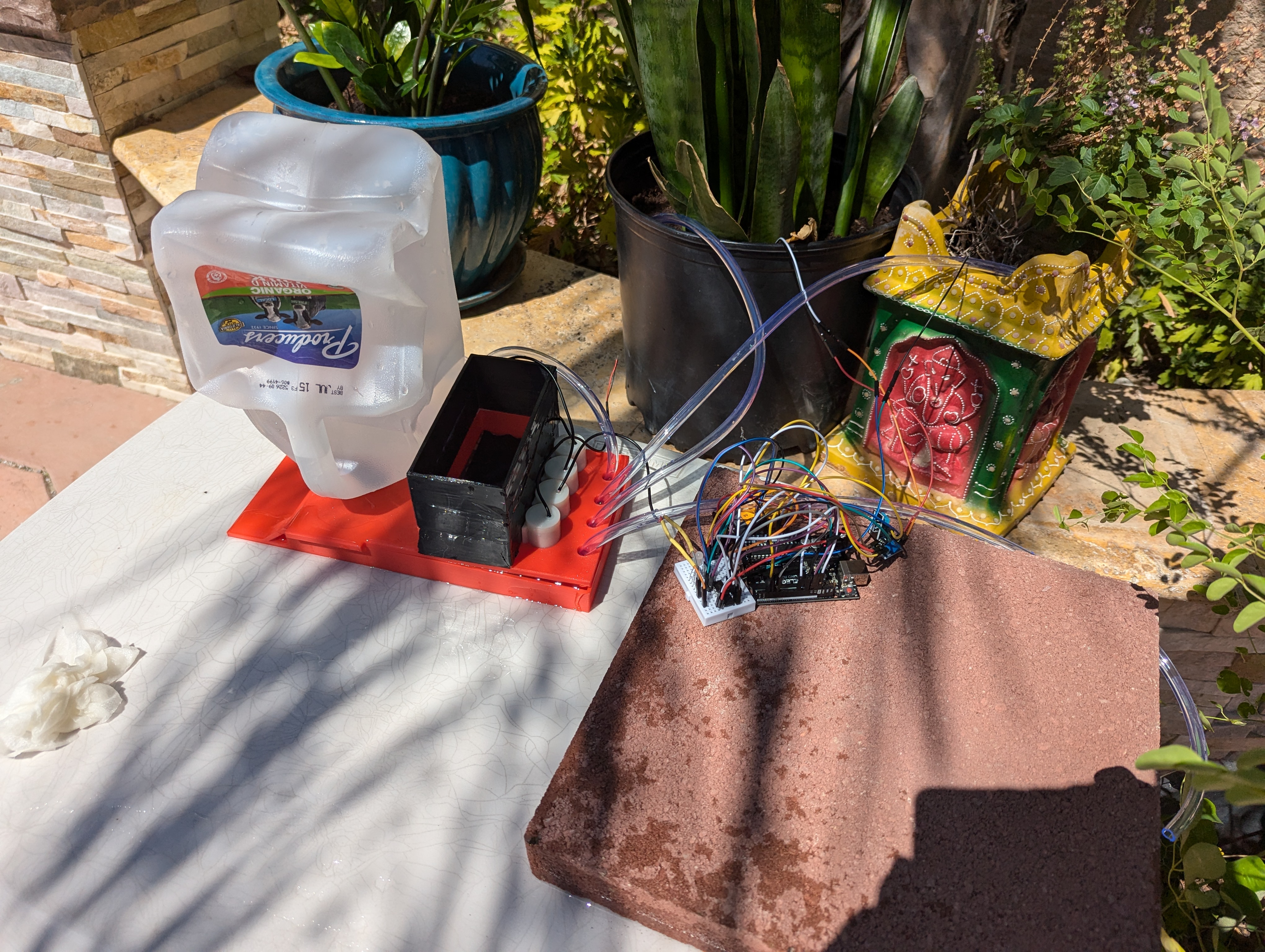
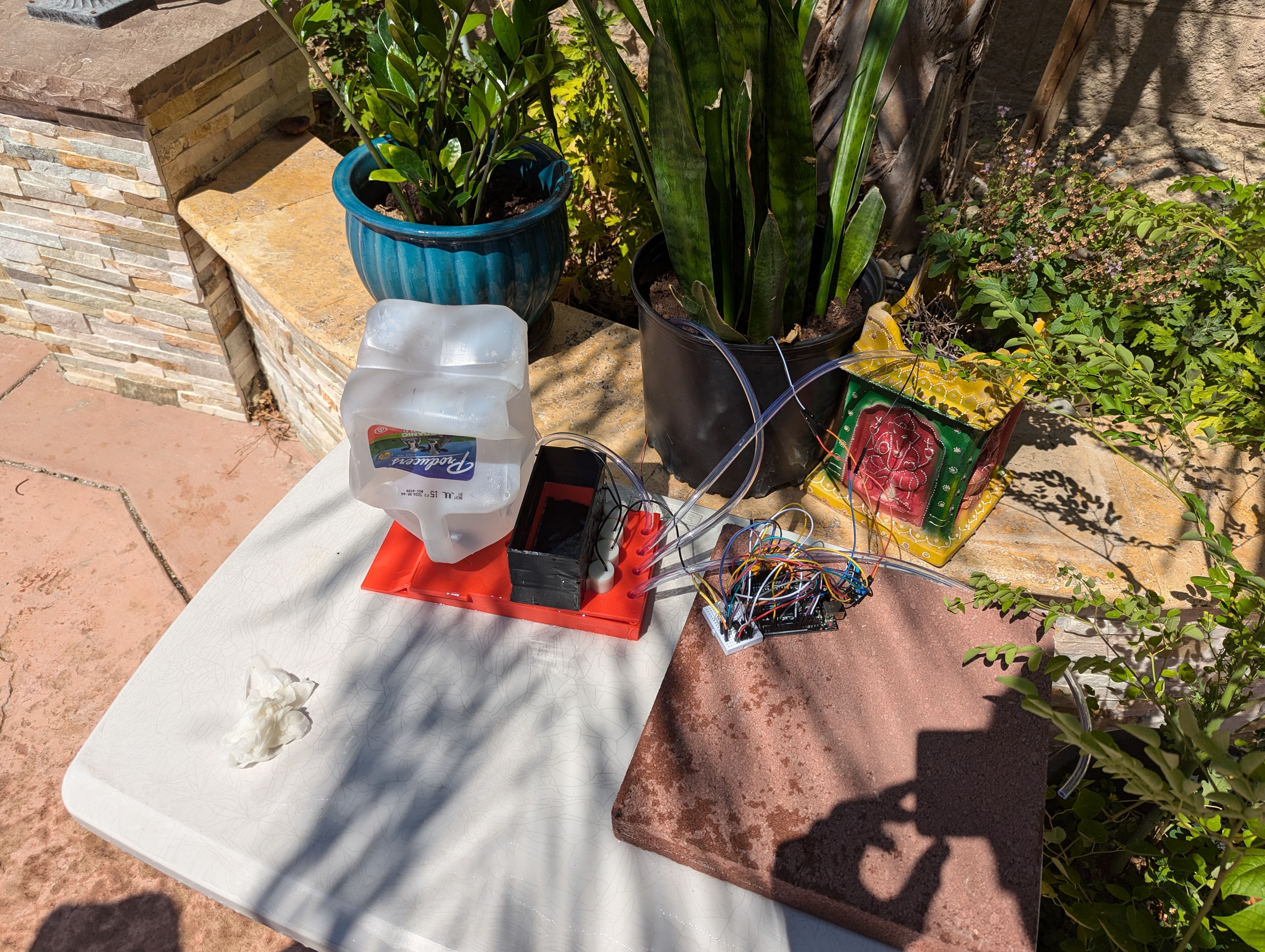
The Smart Irrigation System continuously monitors environmental conditions using temperature, humidity, and soil moisture sensors. When the soil moisture level drops below a predefined threshold, the system automatically activates the water pumps to irrigate the plants. The LCD display provides real-time feedback on temperature, humidity, and soil moisture levels, allowing users to understand the current state of their environment and make informed decisions about their gardening practices.
How we built it
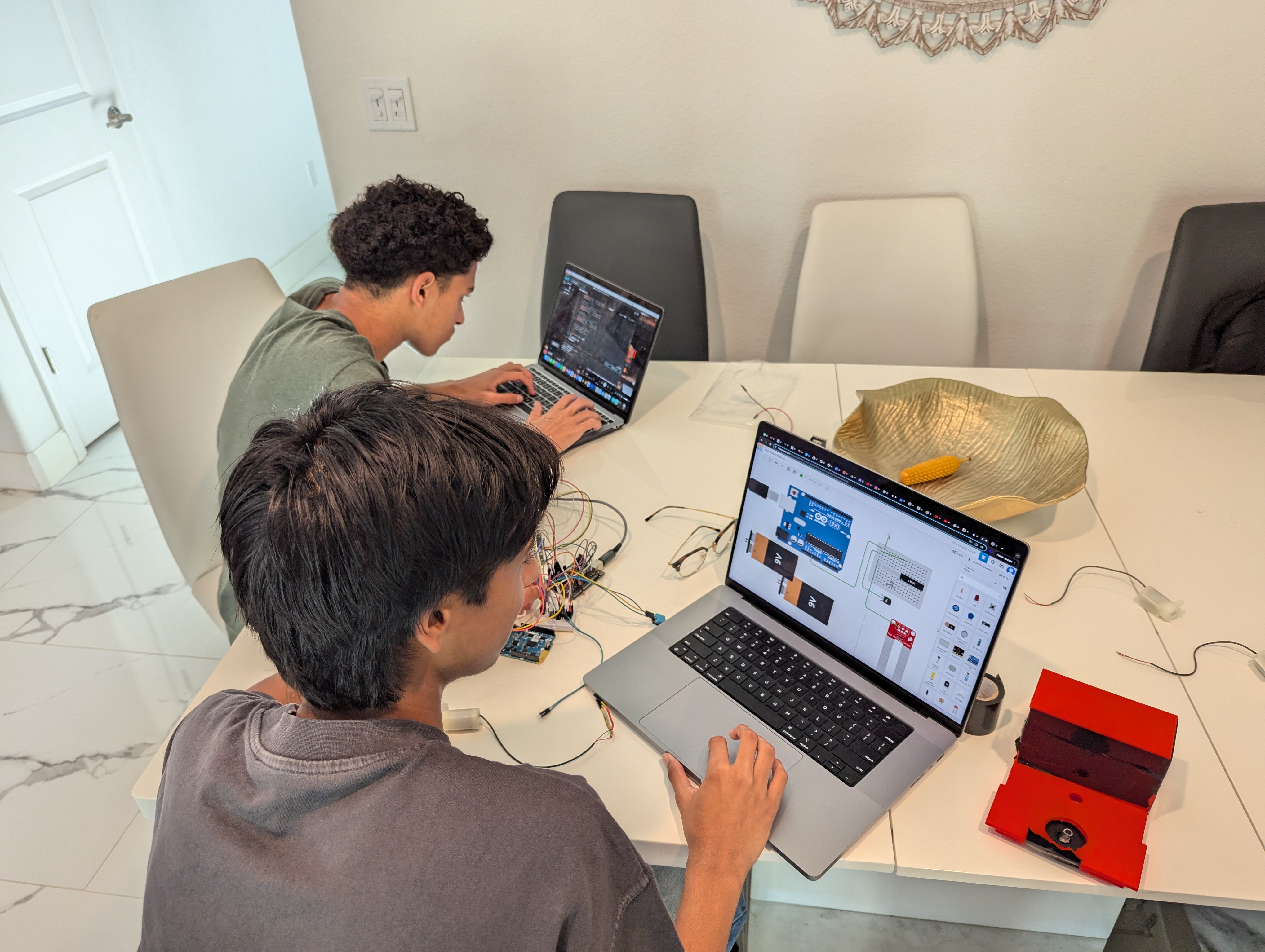
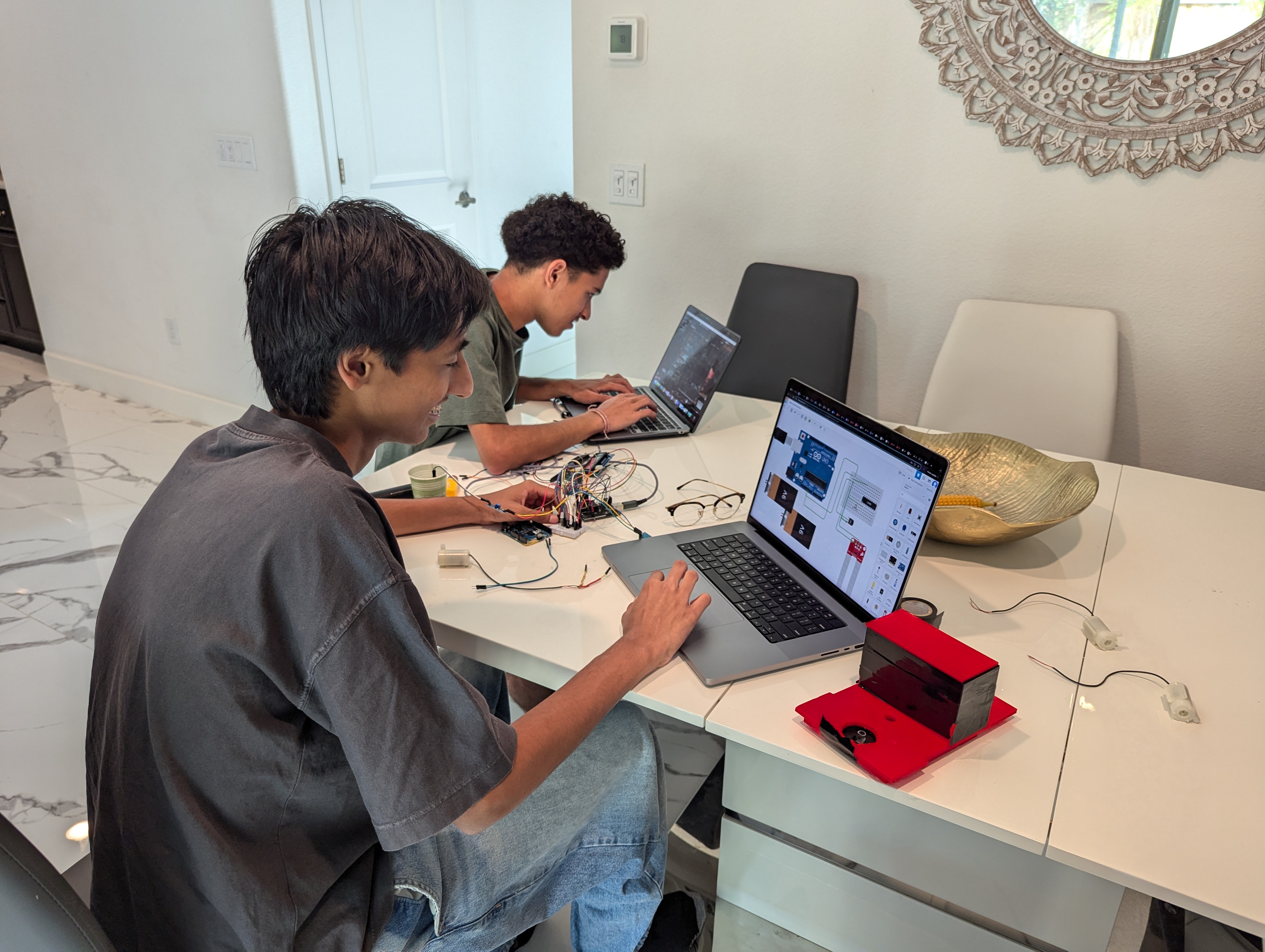
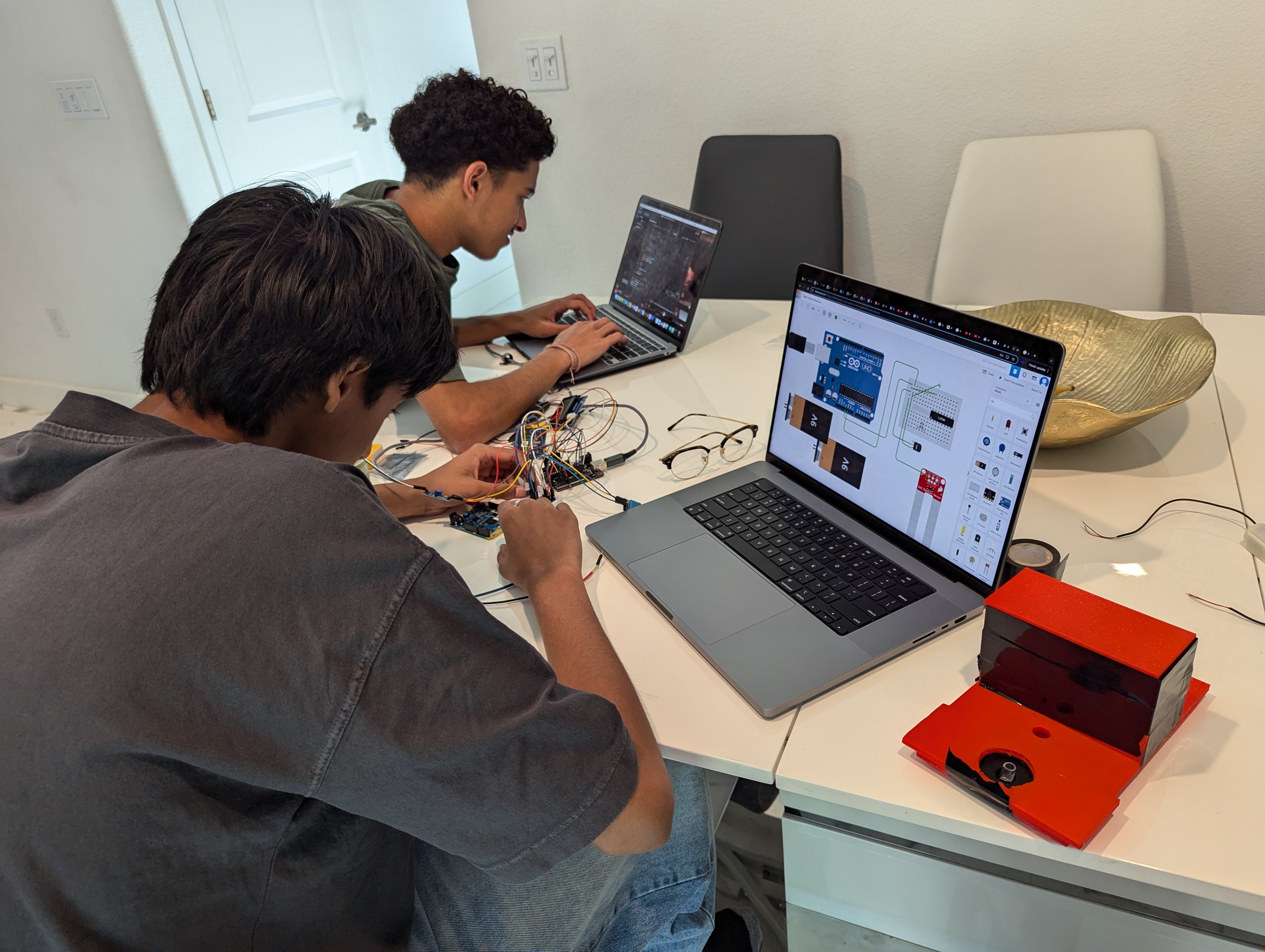
We built the Smart Irrigation System using an Arduino Uno as the main controller. Sensors for temperature, humidity, and soil moisture were connected to the Arduino to gather environmental data. We used an I2C LCD display to show the sensor readings. The system also includes relay modules to control the water pumps based on the soil moisture levels. The code was written in C++ using the Arduino IDE, with libraries for handling the sensors and LCD display. The entire setup was tested and calibrated to ensure accurate readings and reliable pump operation.
Challenges we ran into
One of the main challenges we faced was ensuring accurate readings from the soil moisture sensor, as variations in soil composition and sensor placement can affect the data. We also encountered issues with electrical noise affecting the reliability of the sensor readings. Another challenge was designing the system to be robust and fail-safe, ensuring that the pumps would not run continuously in case of a sensor malfunction. Calibrating the sensors and optimizing the code for efficient operation were key hurdles we had to overcome.
Accomplishments that we're proud of
We are proud of successfully integrating multiple sensors and actuators into a cohesive system that automates the irrigation process. Achieving accurate sensor readings and reliable pump control was a significant accomplishment. We are also proud of the user-friendly LCD interface that provides clear and concise information about the environmental conditions. Additionally, the project showcases our ability to apply theoretical knowledge to practical, real-world problems, resulting in a functional and beneficial device for gardeners and small-scale farmers.
What we learned
Through this project, we learned a great deal about sensor integration, data acquisition, and real-time control systems. We gained hands-on experience with the Arduino platform and various electronic components. We also learned about the importance of system calibration and the challenges of working with real-world data. This project taught us the value of iterative testing and improvement, as well as the need for robust error handling and fail-safe mechanisms in automated systems.
What's next for Smart Irrigation
Looking ahead, we plan to enhance the Smart Irrigation System with additional features such as app integration for remote monitoring and control. We aim to incorporate more customization options, allowing users to set their own thresholds and schedules for irrigation. Adding more sensors, such as light and temperature sensors, can provide a more comprehensive view of the environmental conditions. We also envision implementing artificial intelligence to predict irrigation needs based on weather forecasts and plant growth patterns, further optimizing water usage and improving plant health.
Built With
- 3dprinting
- arduino
- autodesk-fusion-360
- blynk
- button
- c++
- dht11
- humidity
- lcd
- pumps
- sensors
- soil
- temperature


Log in or sign up for Devpost to join the conversation.