-
-
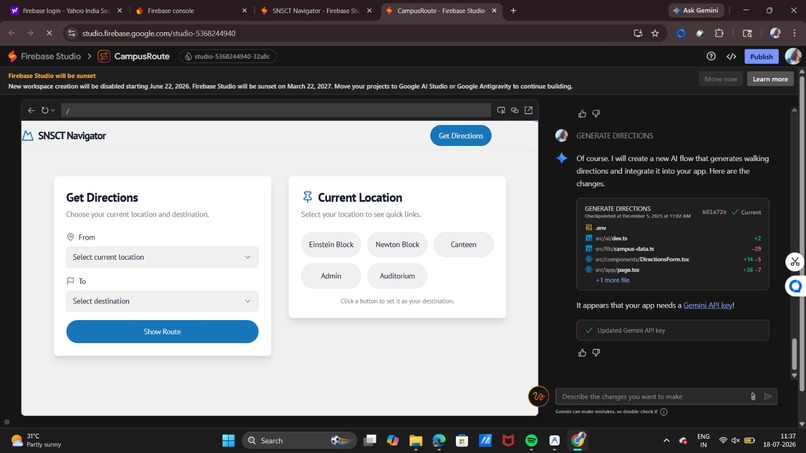
Home page of the Smart Indoor Navigation application. QR code scanning interface. Navigation route displayed to the selected destination.
-
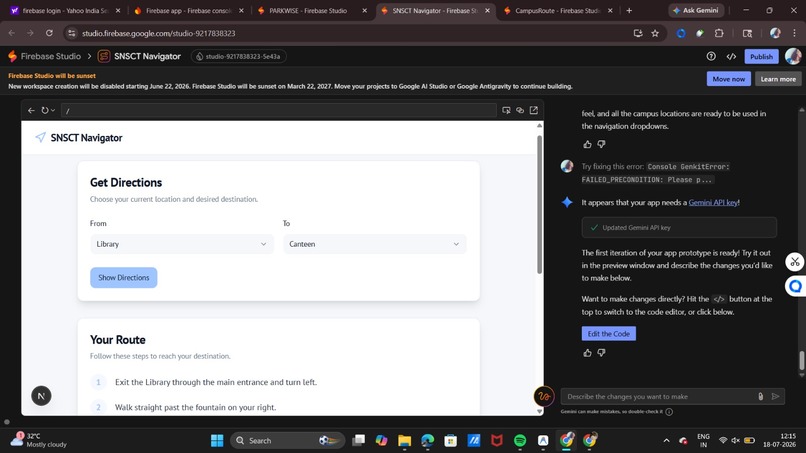
Destination selection screen. Indoor map with navigation guidance. Admin dashboard for managing QR codes and locations.
InInspiration
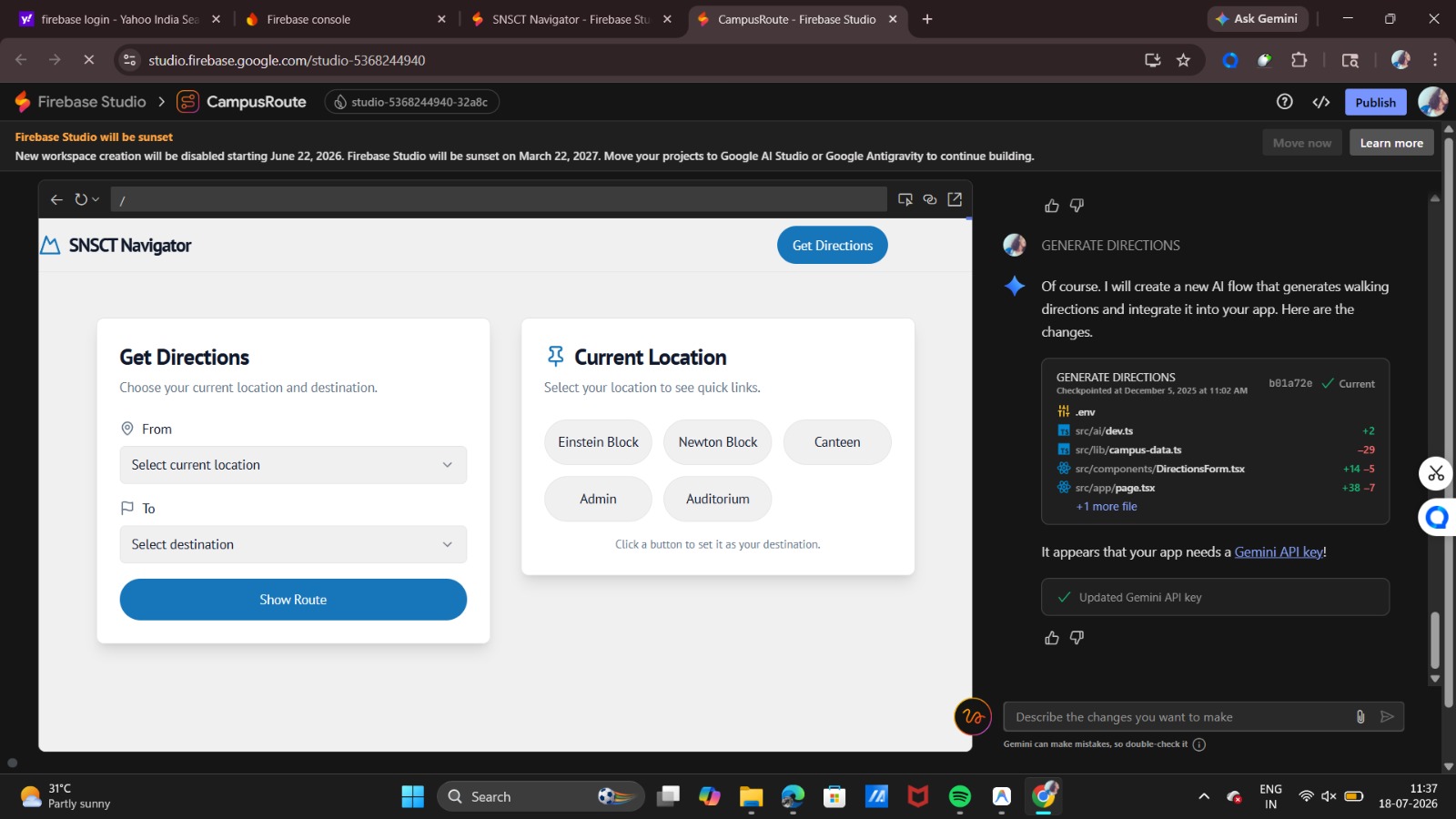
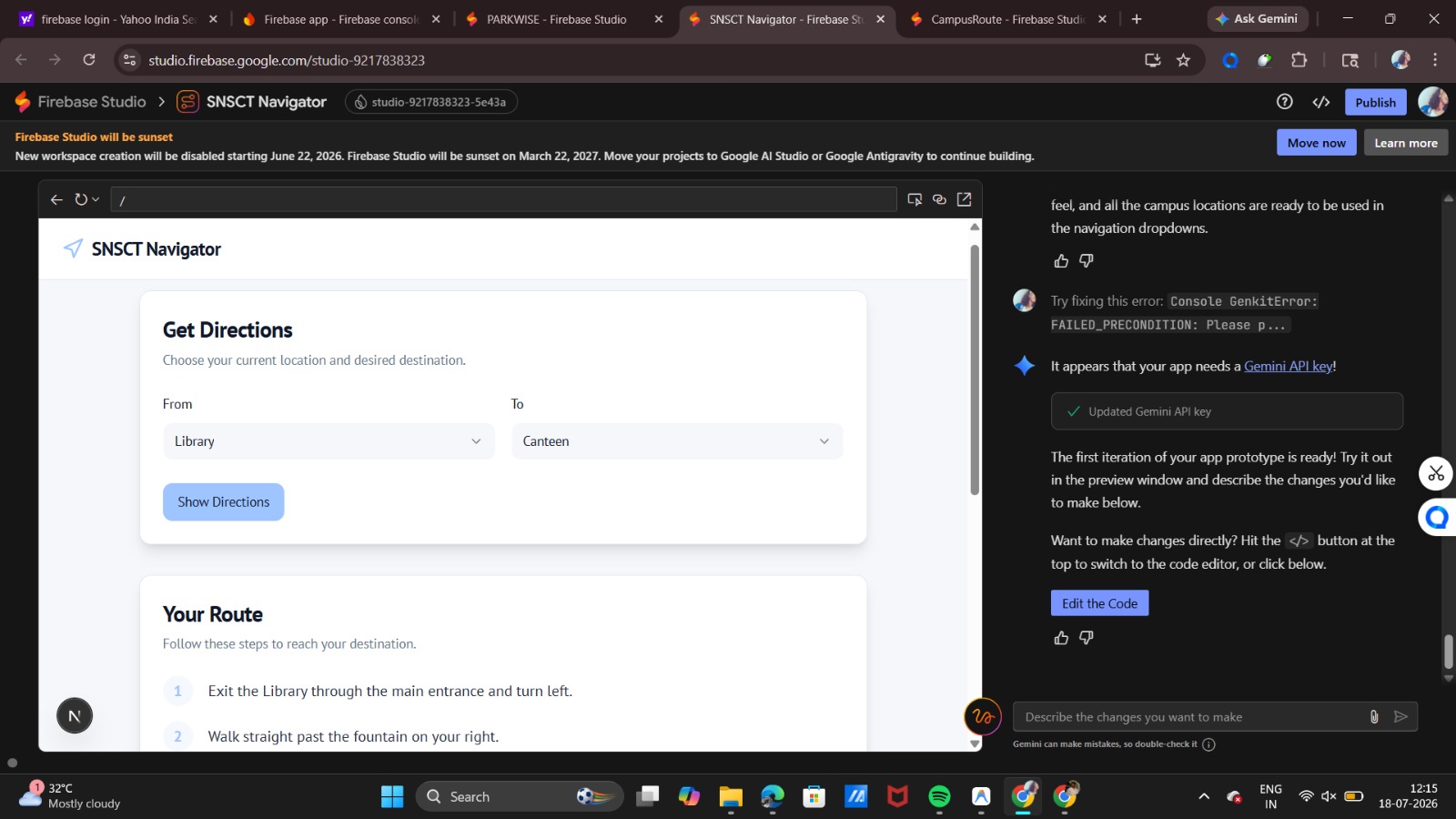
Finding classrooms, laboratories, offices, and other rooms inside large buildings can be confusing for students and visitors. We wanted to develop a simple and affordable solution that provides accurate indoor navigation using QR codes and AI. What it does The system allows users to scan a QR code placed inside a building. After scanning, the application identifies the user's location and provides the shortest path to the selected destination. It helps users navigate easily without requiring GPS. How we built it We developed the application using Python for the backend and HTML, CSS, and JavaScript for the frontend. QR codes were generated and placed at important locations inside the building. The application processes the scanned QR code, identifies the current location, and calculates the best route to the destination. Challenges we ran into Creating an accurate indoor map. Managing QR code placement. Improving navigation accuracy. Testing the system in different indoor environments. Making the interface simple and user-friendly. Accomplishments that we're proud of Successfully developed a working indoor navigation system. Reduced navigation time inside buildings. Designed an easy-to-use interface. Built a cost-effective solution without GPS. What we learned Through this project, we learned about QR code technology, indoor mapping, Python development, route planning, teamwork, and problem-solving. What's next Voice-guided navigation. Multi-floor navigation. Real-time location tracking. Mobile application development. AI-based personalized route suggestions.spiration

Log in or sign up for Devpost to join the conversation.