-
-
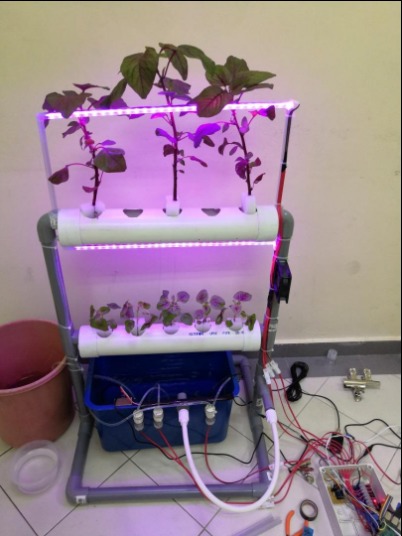
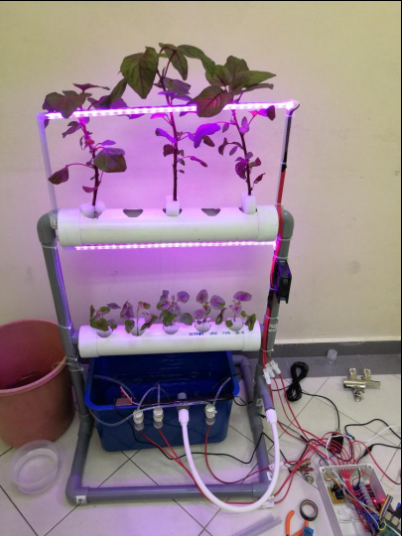
project setup at home
-
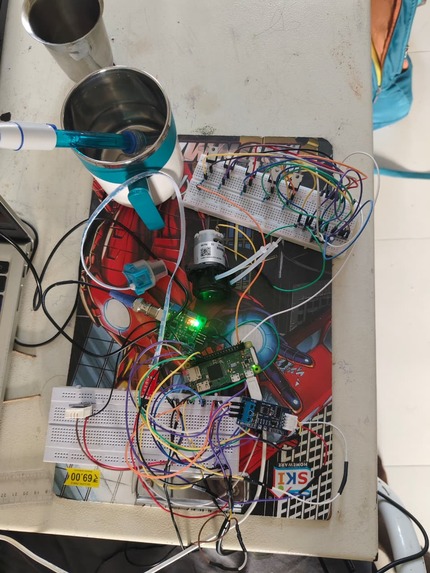
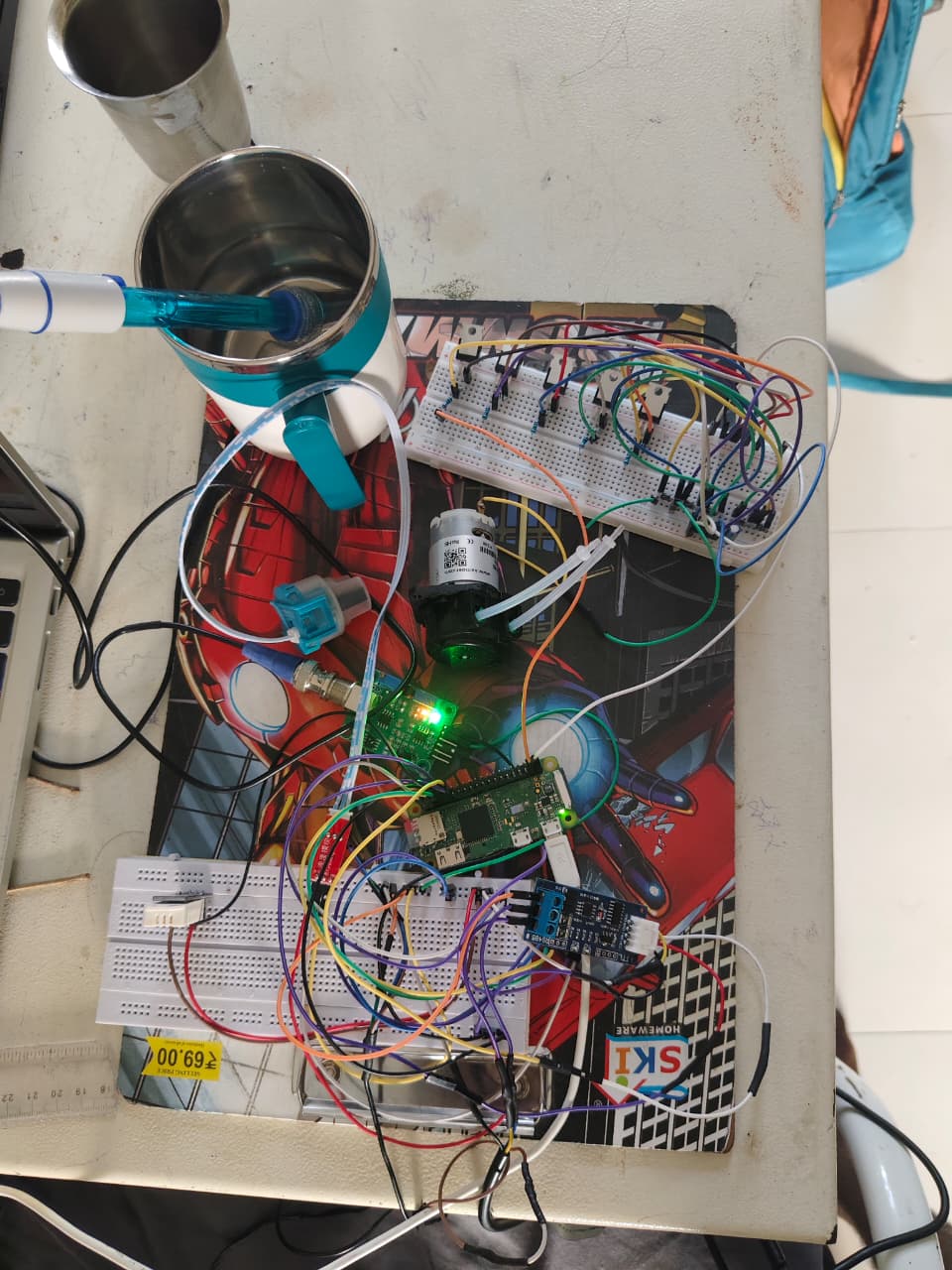
hardware
-
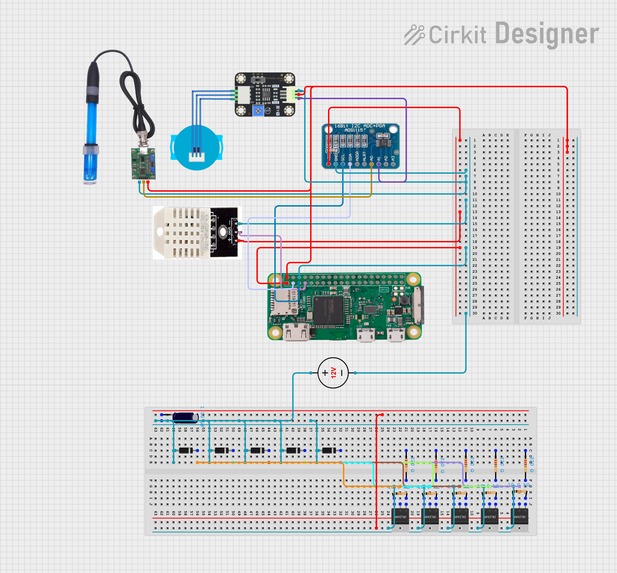
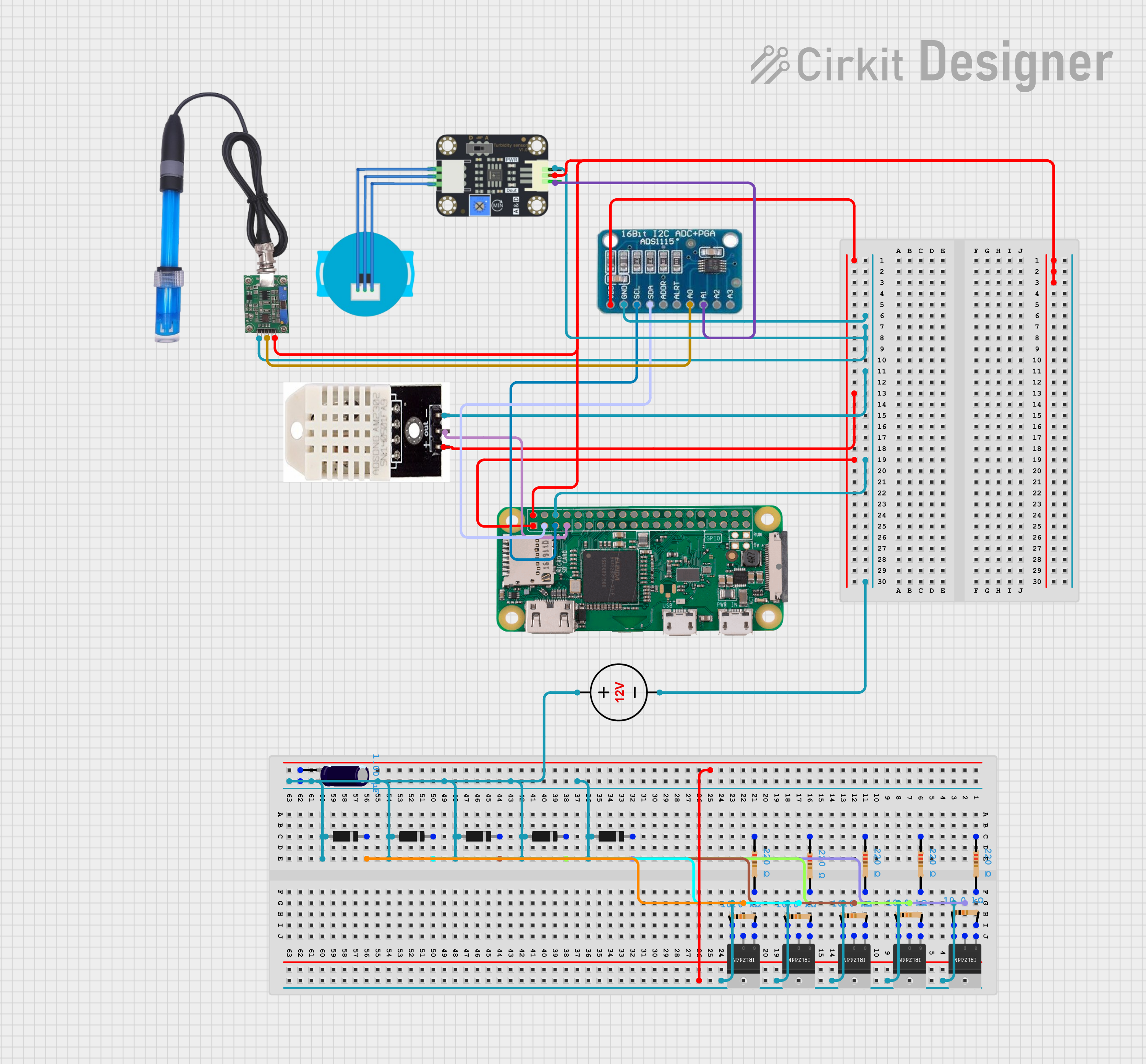
circuit diagram
-
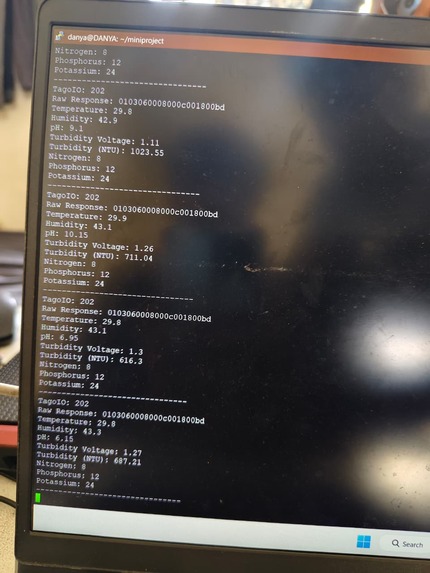
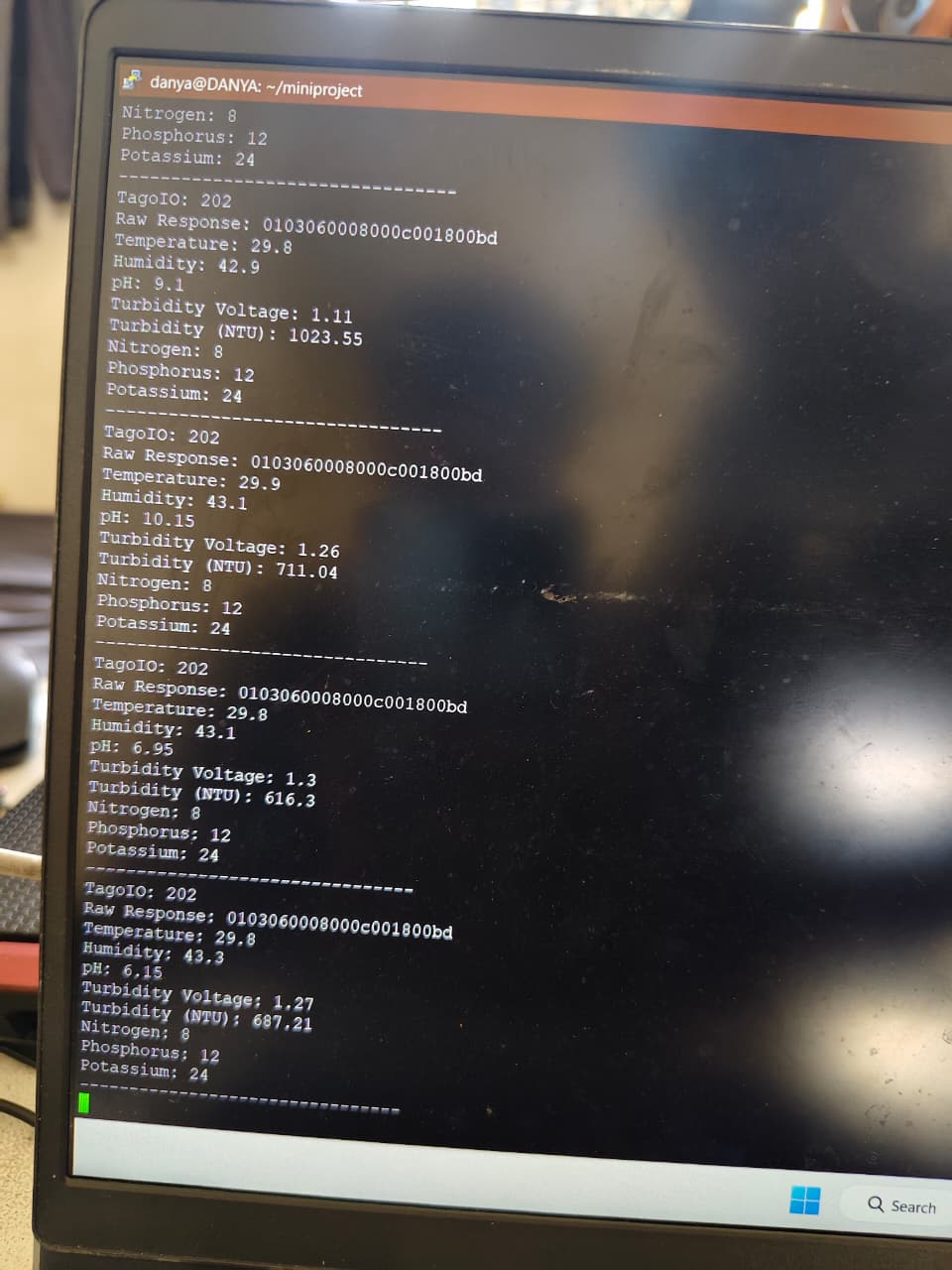
Readings
-
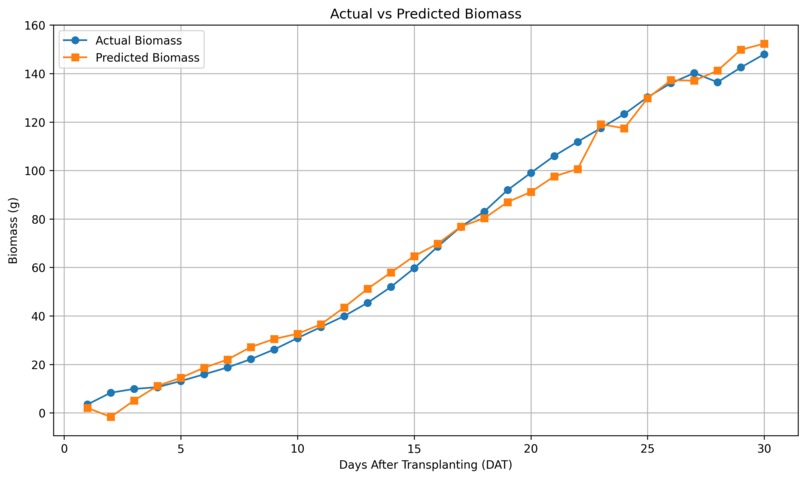
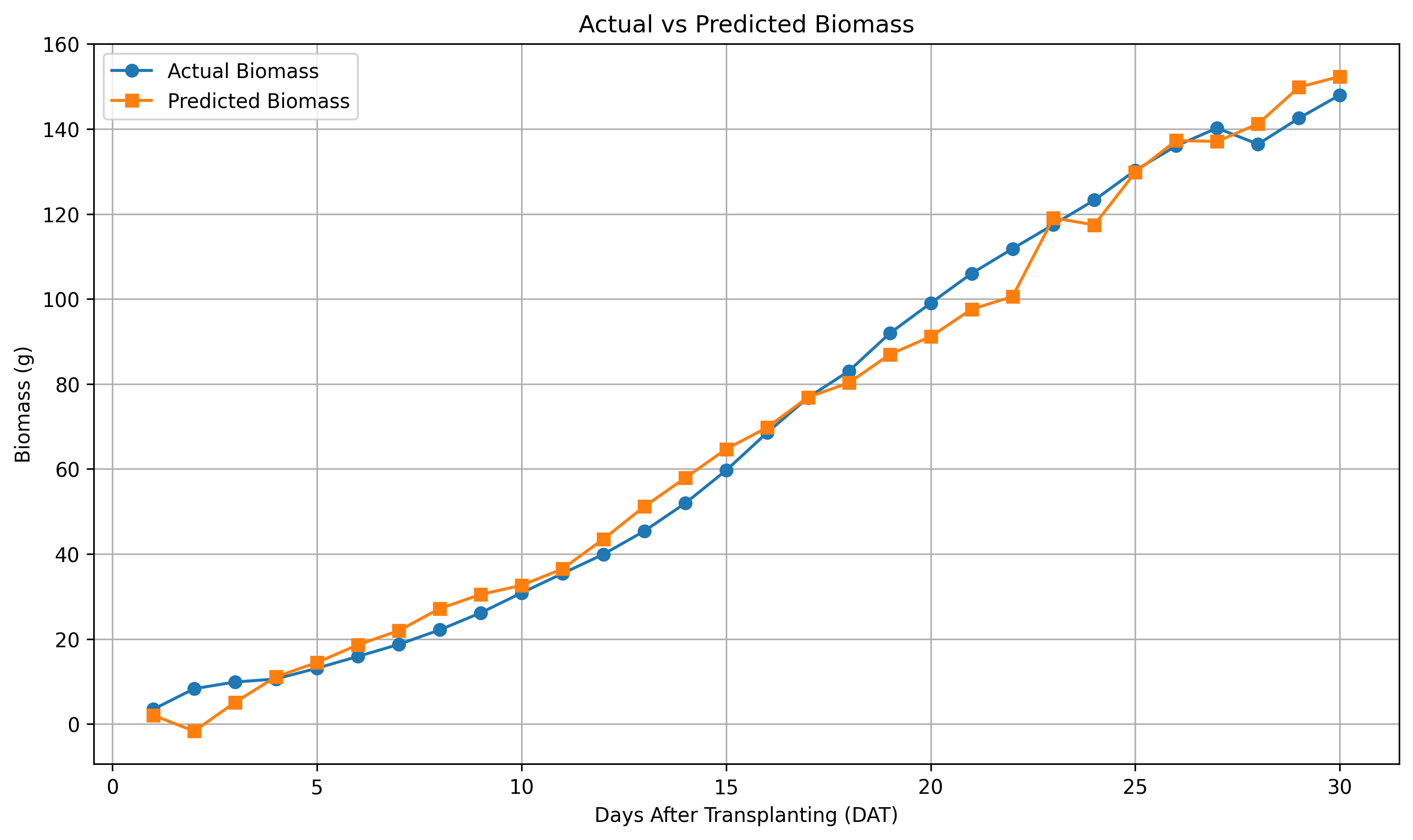
Actual biomass vs Predicted biomass
-
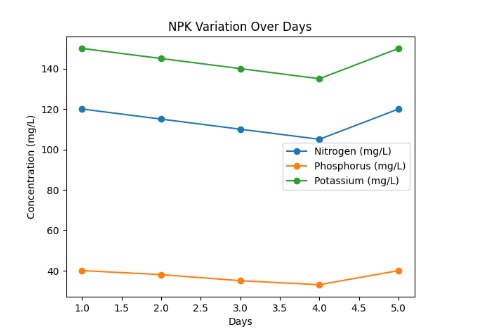
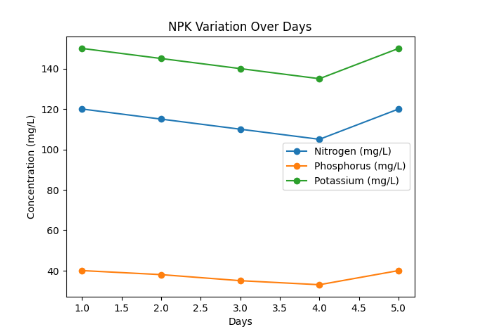
NPK Variation over days
-
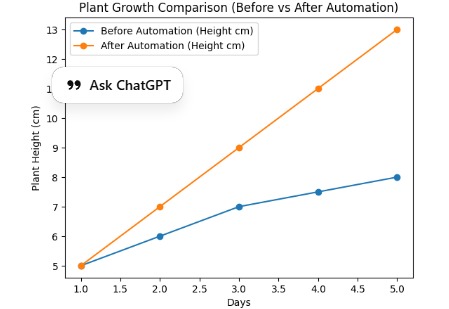
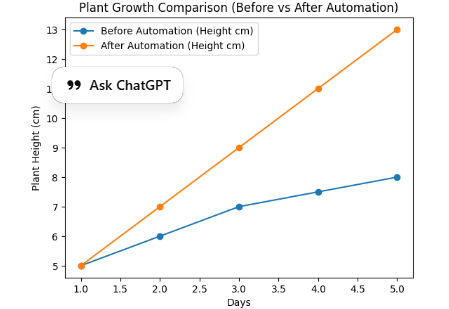
Plant Growth comparision
-
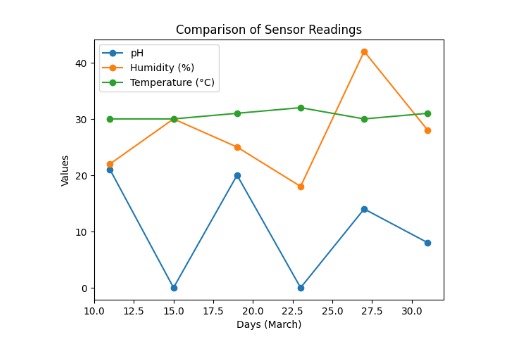
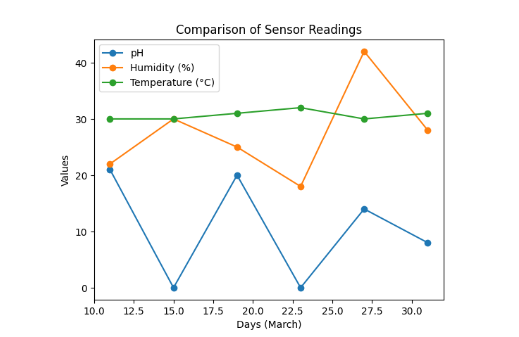
pH, Humidity, Temperarture
-
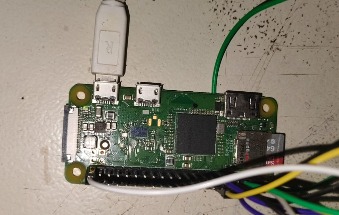
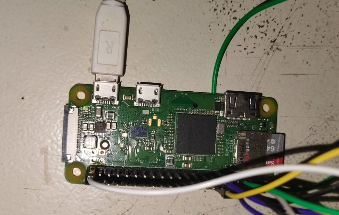
Raspberry pi 0W
-
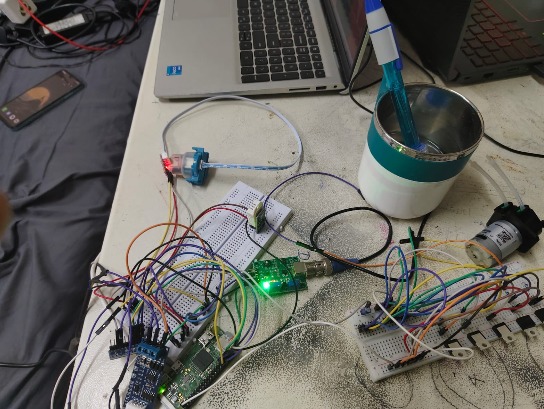
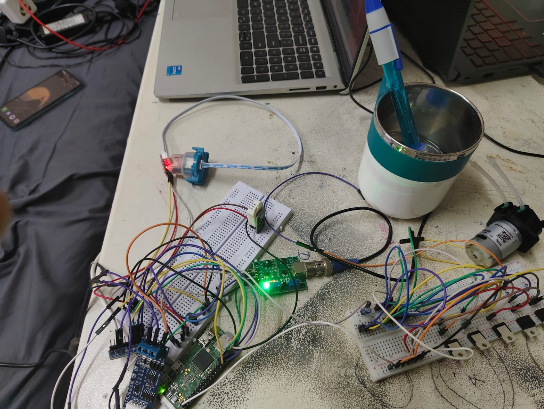
Hardware setup
Inspiration
We were inspired by the growing need for efficient, data-driven hydroponic farming. Manual monitoring of water quality and nutrient levels can be time-consuming, while crop yield is difficult to estimate accurately. We wanted to develop a system that could monitor, control, and predict important aspects of hydroponic cultivation.
What it does
Our Smart Hydroponics system continuously monitors pH, TDS/EC, turbidity, temperature, and humidity using sensors connected to a Raspberry Pi. The data is processed and displayed through an IoT dashboard for real-time monitoring. The system is designed to support automated nutrient dosing based on sensor conditions, provide early warnings for abnormal water quality, and use a trained regression model for crop-yield prediction.
How we built it
We built the system using a Raspberry Pi Zero W, ADS1115 ADC, pH, TDS/EC, turbidity and DHT22 sensors, along with the required control components for nutrient dosing. Python was used for sensor data acquisition and processing, while an IoT cloud dashboard was used for real-time visualization. We also prepared hydroponic crop data, performed data processing, and trained a regression model for yield estimation. The current sensing and IoT layers are integrated, while full edge deployment of the trained prediction model is planned as the next stage.
Challenges we ran into
One of our biggest challenges was achieving reliable sensor readings and calibration. Different sensors required different interfacing and calibration approaches, and sensor noise sometimes affected readings. We also faced challenges in integrating multiple sensors with the Raspberry Pi, maintaining stable communication with the IoT dashboard, and connecting the machine-learning prediction layer with the real-time edge system.
Accomplishments that we're proud of
We successfully developed a working multi-parameter hydroponic monitoring system with Raspberry Pi-based data acquisition and IoT visualization. We also developed the automated nutrient-management logic and trained a regression-based crop-yield prediction model. Most importantly, we brought monitoring, control, and prediction together into one integrated smart-hydroponic concept.
What we learned
Through this project, we gained practical experience in IoT, Raspberry Pi programming, sensor interfacing, ADC communication, cloud dashboards, hydroponic monitoring, data processing, and machine learning. We also learned that building a real-world agricultural system requires not only software and hardware integration, but also careful sensor calibration, validation, and continuous testing.
What's next for Smart Hydroponics
Our next step is to deploy the trained yield-prediction model on the Raspberry Pi, fully integrate and validate automated nutrient dosing, improve sensor calibration, and collect larger datasets across different crops and growing cycles. In the future, we aim to develop an adaptive and predictive hydroponic platform capable of continuously sensing crop conditions, optimizing nutrient delivery, providing remote alerts, and supporting data-driven harvest decisions.
Built With
- agriculture
- analytics
- automated
- cloud
- computing
- dashboard
- dht22
- ec
- hydroponics
- iot
- learning
- machine
- monitoring
- nutrient
- ph
- precision
- prediction
- python
- raspberry
- sensor
- tds
- turbidity
- water
- yield

Log in or sign up for Devpost to join the conversation.