Inspiration
The Smart Healthcare Assistance and Monitoring System aims to address the challenges faced by individuals with disabilities, such as communication issues, lack of real-time health monitoring, and the need for tools to enhance independence and dignity. It integrates communication, health monitoring, and emotional support into a single, comprehensive system.
What it does
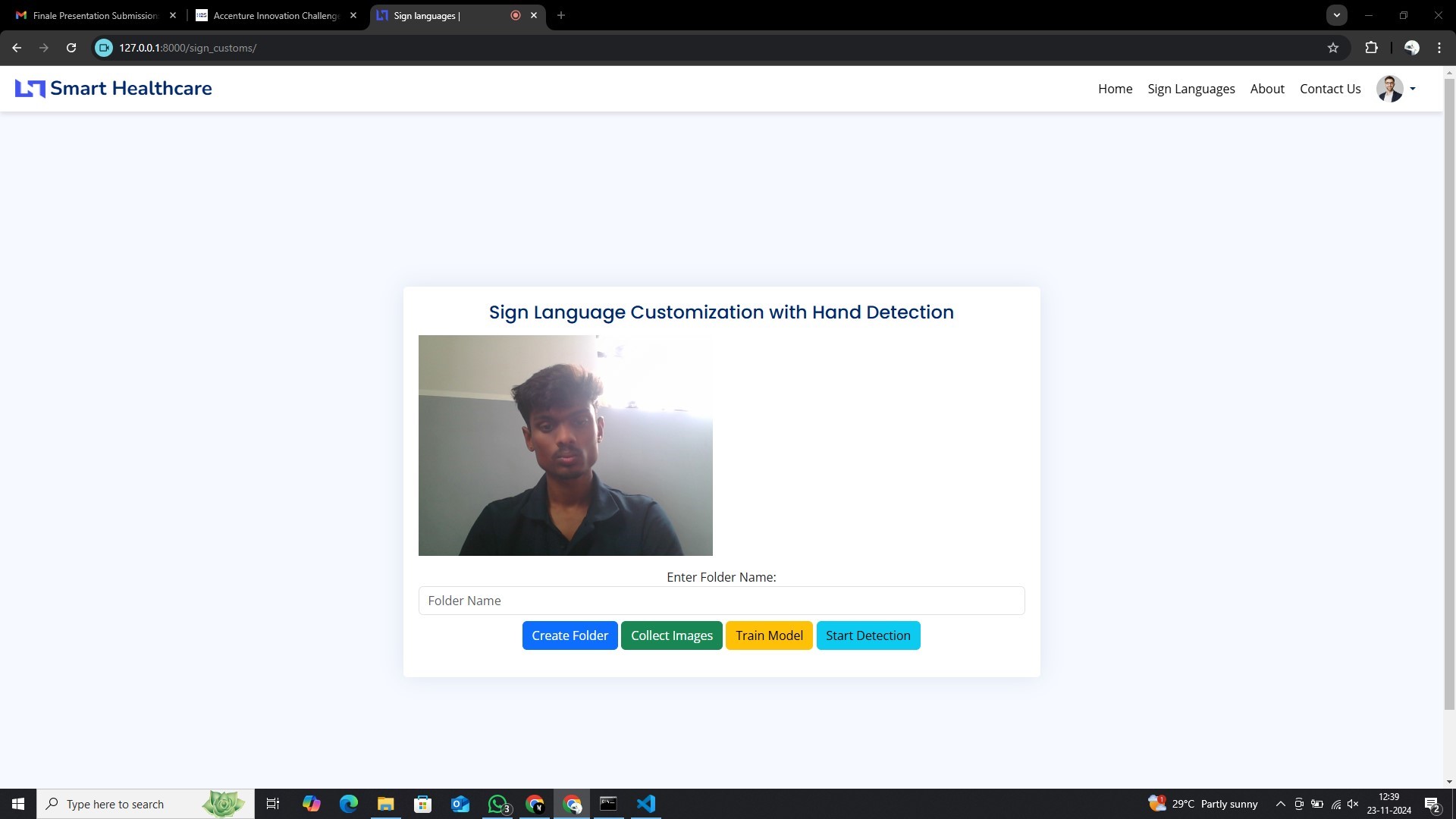
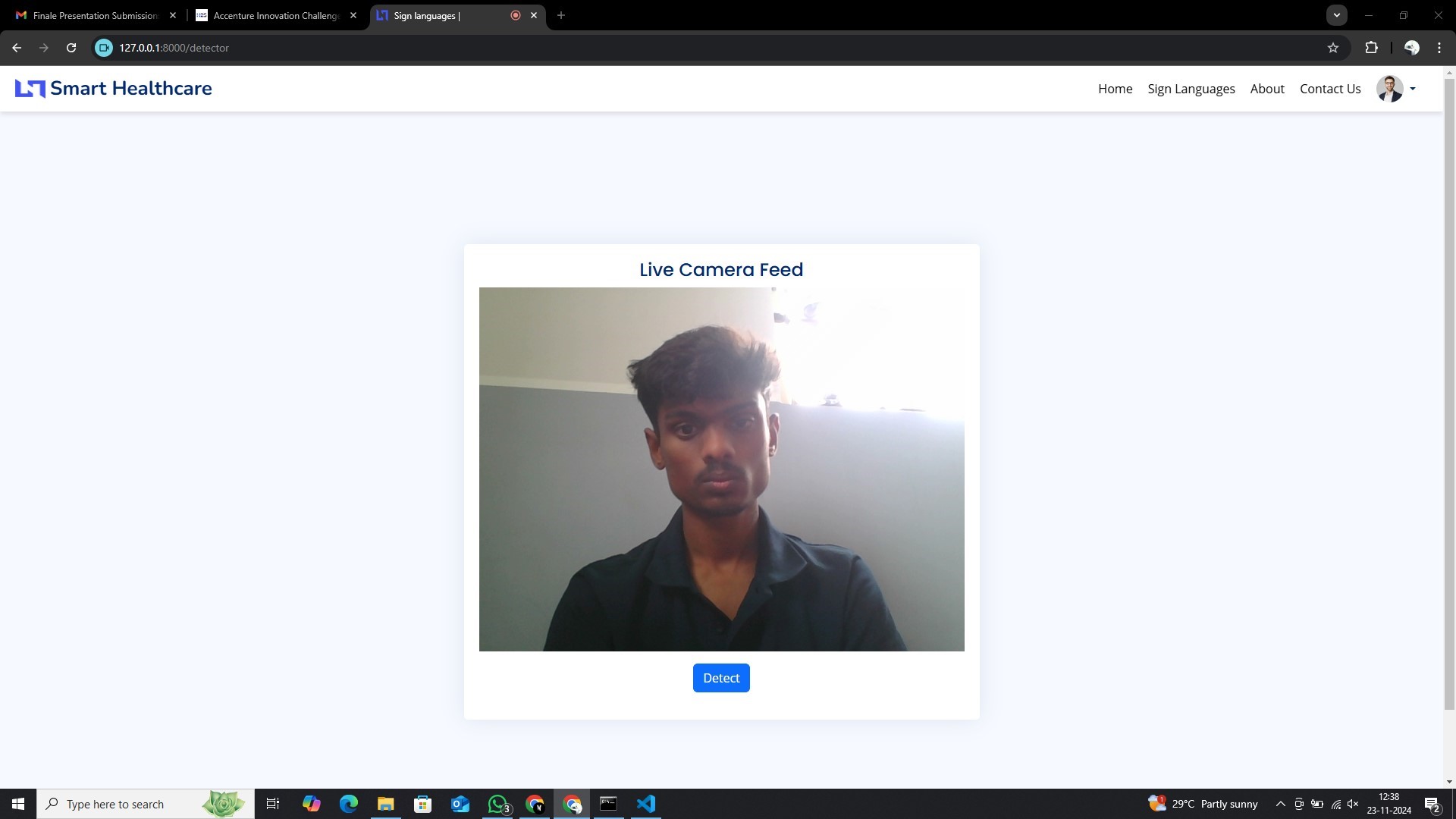
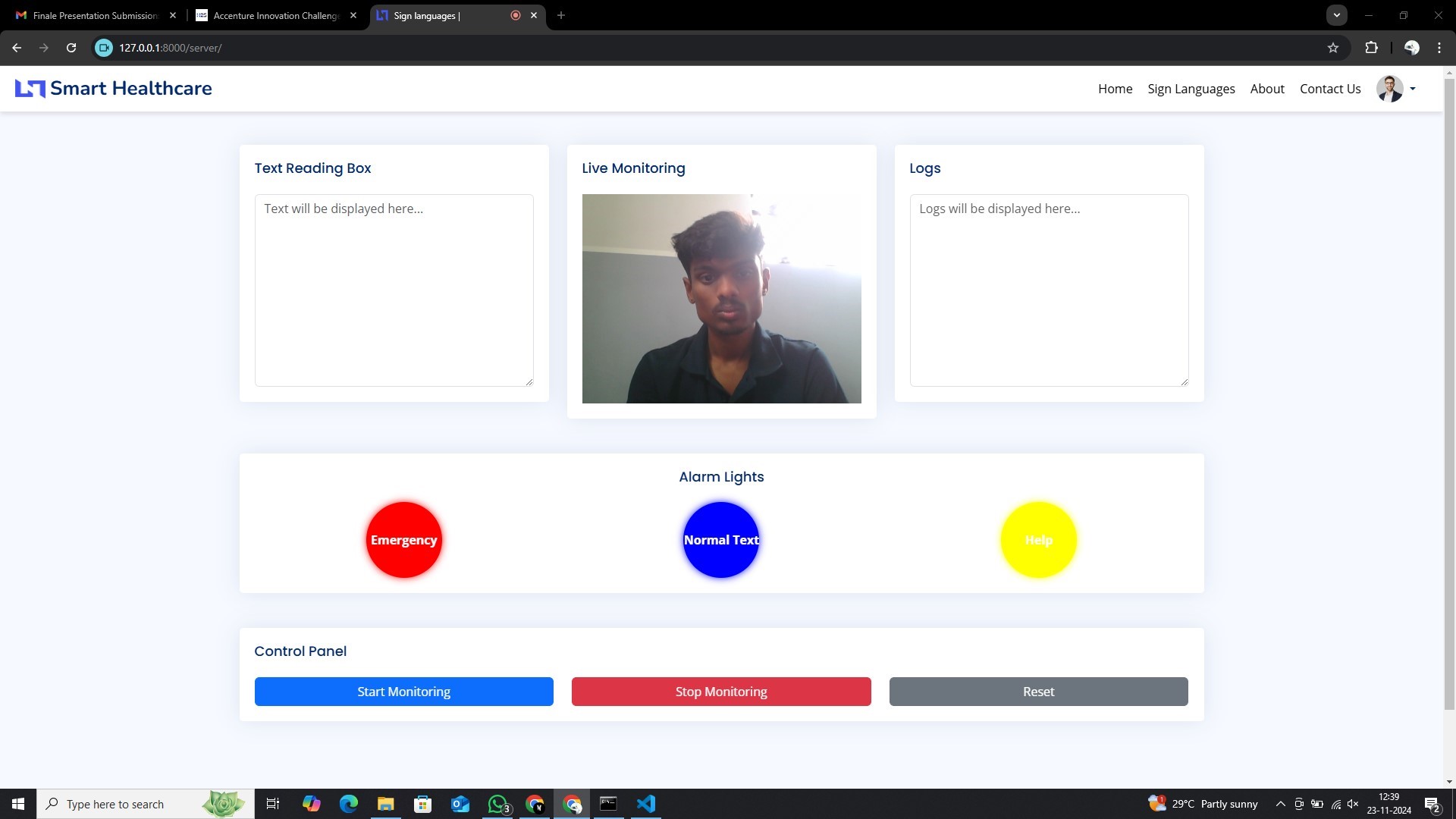
The Smart Healthcare Assistance and Monitoring System aims to address the challenges faced by individuals with disabilities, such as paralysis, deafness, or mute, in healthcare settings. The system combines communication, health monitoring, and emotional support into a single, comprehensive solution, addressing communication issues, lack of real-time health monitoring, and the need for tools that enhance independence and dignity.
How we built it
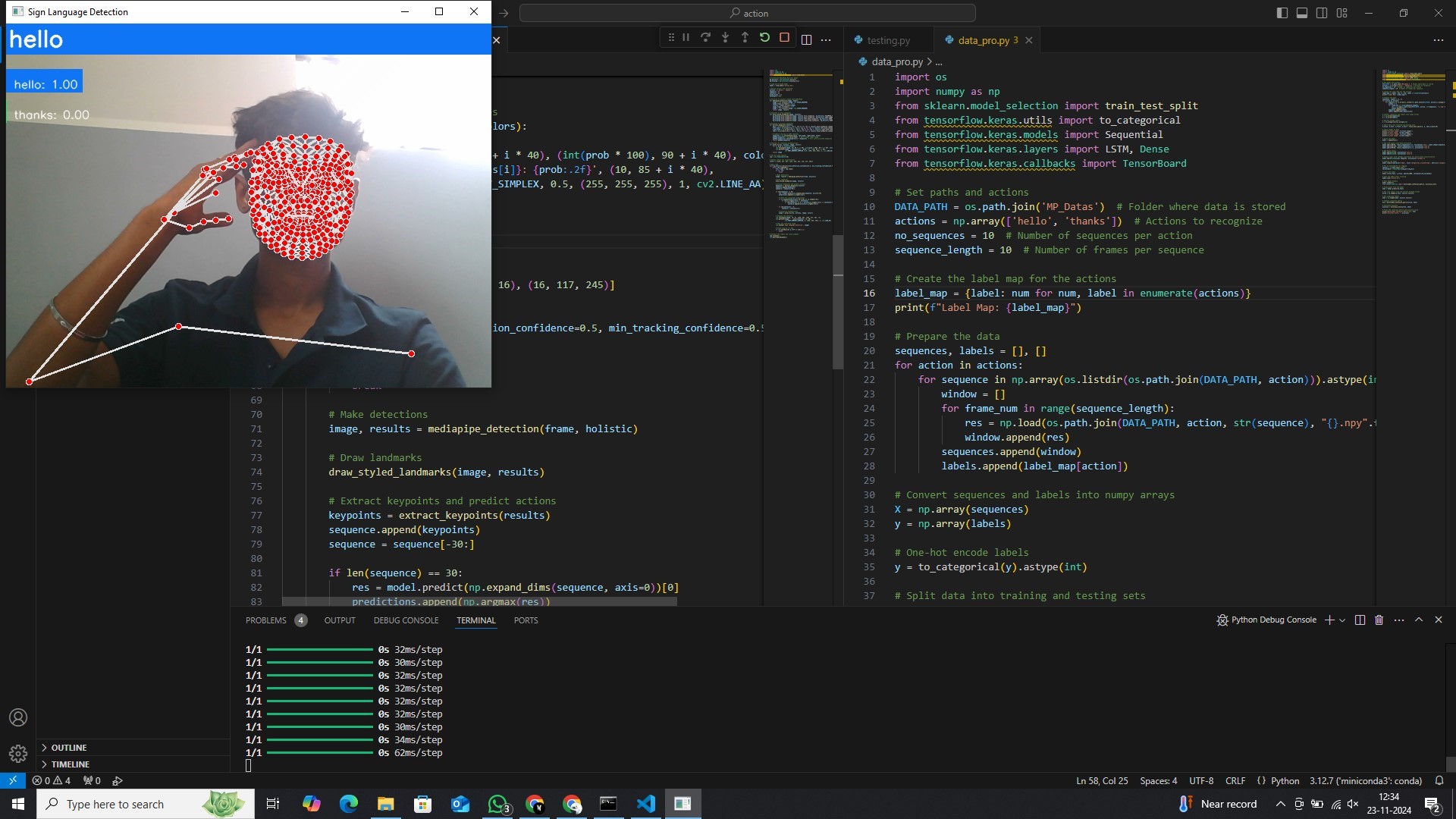
The system consists of physiological sensors for health monitoring, Raspberry Pi for processing, and cameras for emotion and sign detection. It uses Python-based scripts and deep learning models for data processing, real-time analytics, and a user interface built using PyQt. Integration ensures seamless communication between hardware and software, with data encryption and secure protocols for privacy and compliance.
Challenges we ran into
Technical Complexity: -Ensuring seamless integration of diverse hardware and software components. Data Privacy and Security: safeguarding sensitive health data while complying with regulations like HIPAA. Model Training: -Developing accurate deep learning models with limited annotated datasets. Power Management: -Optimizing wearable devices for extended battery life without compromising functionality
Achievements that we're proud of
-Successfully integrating communication and health monitoring into a single system. -Developing deep learning models that accurately detect emotions and interpret sign language. -Creating a user-friendly interface that ensures accessibility for caregivers. -Overcoming technical hurdles to deliver a robust, real-time system.
What we learned
-The importance of user-centric design when creating solutions for individuals with unique needs. -Advanced integration of hardware sensors and AI models. -Strategies for ensuring data privacy and compliance with healthcare regulations. -Real-world challenges in building systems for continuous operation and monitoring.
What's next for Untitled
The system is enhancing deep learning models with larger datasets, expanding to accommodate more users and healthcare providers, incorporating cloud-based monitoring for remote services, incorporating voice-to-sign conversion for improved communication, introducing compact, power-efficient wearable devices, and pursuing regulatory certification for global deployment in medical settings.

Log in or sign up for Devpost to join the conversation.