-
-
-
-
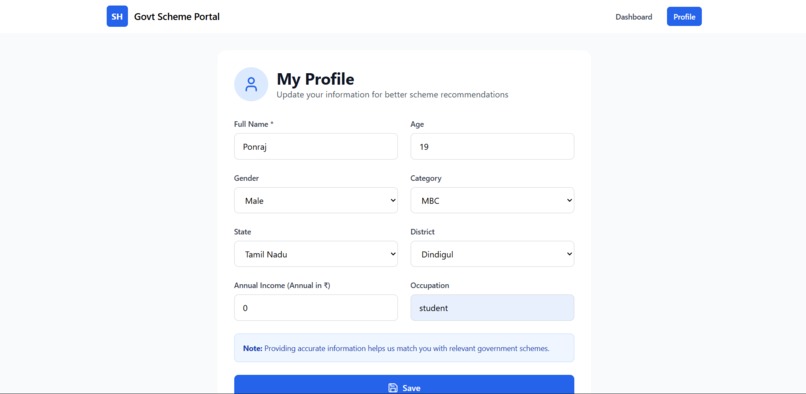
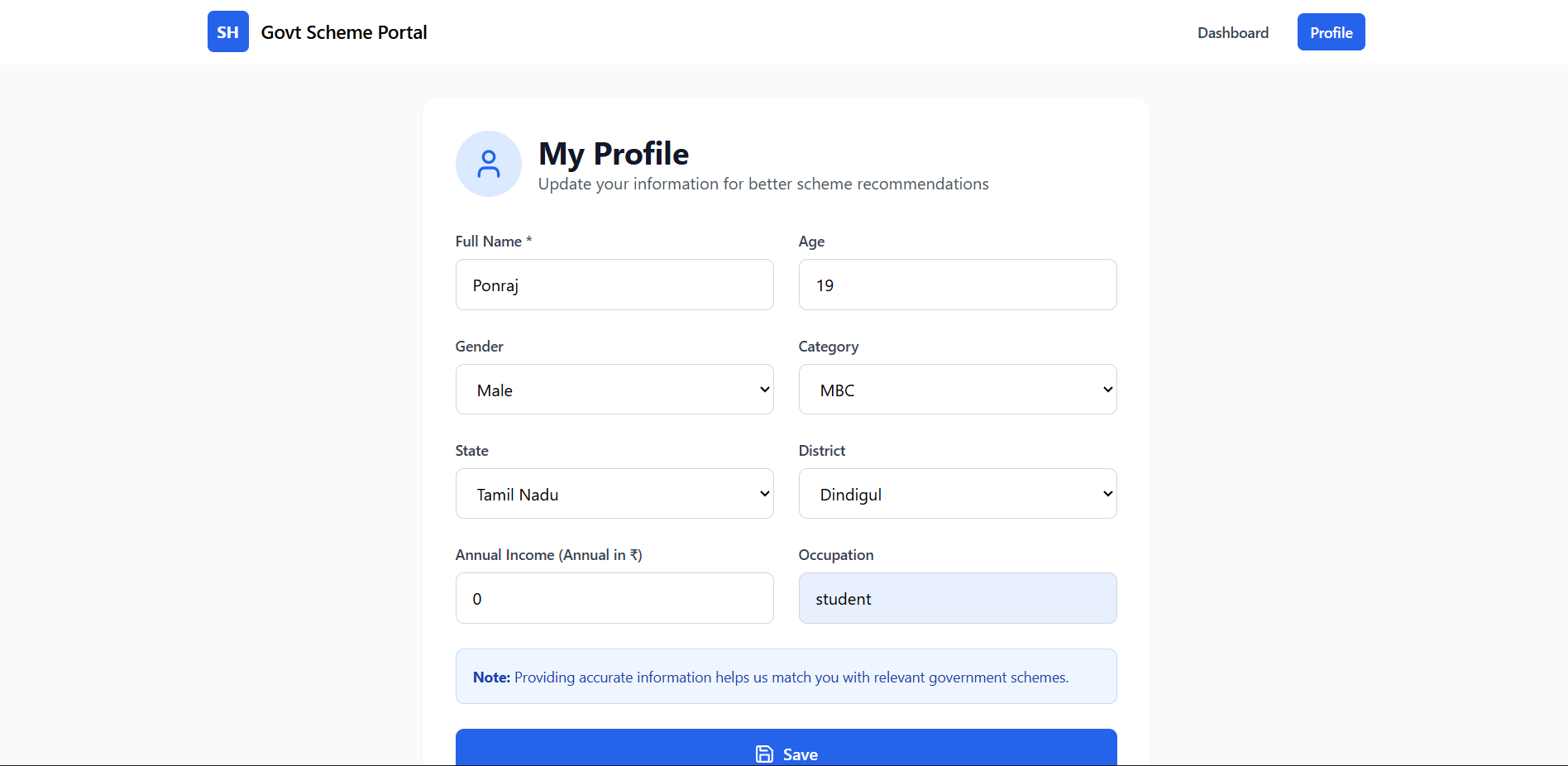
profile page
-
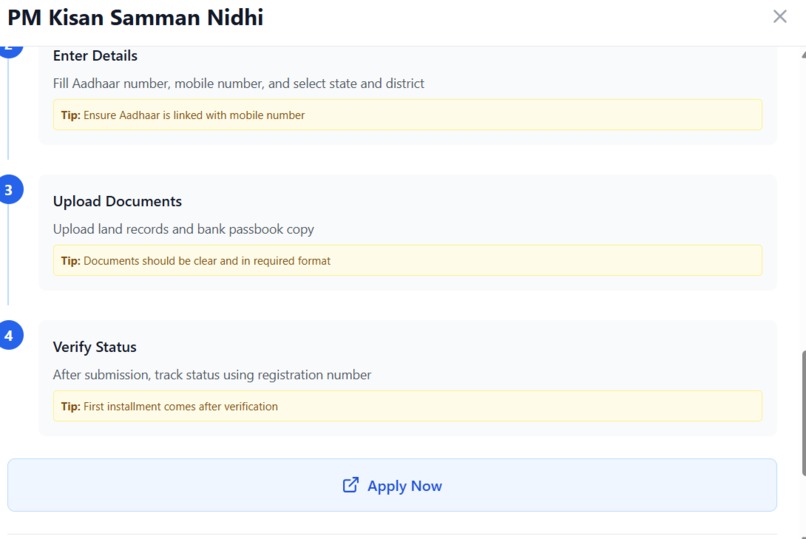
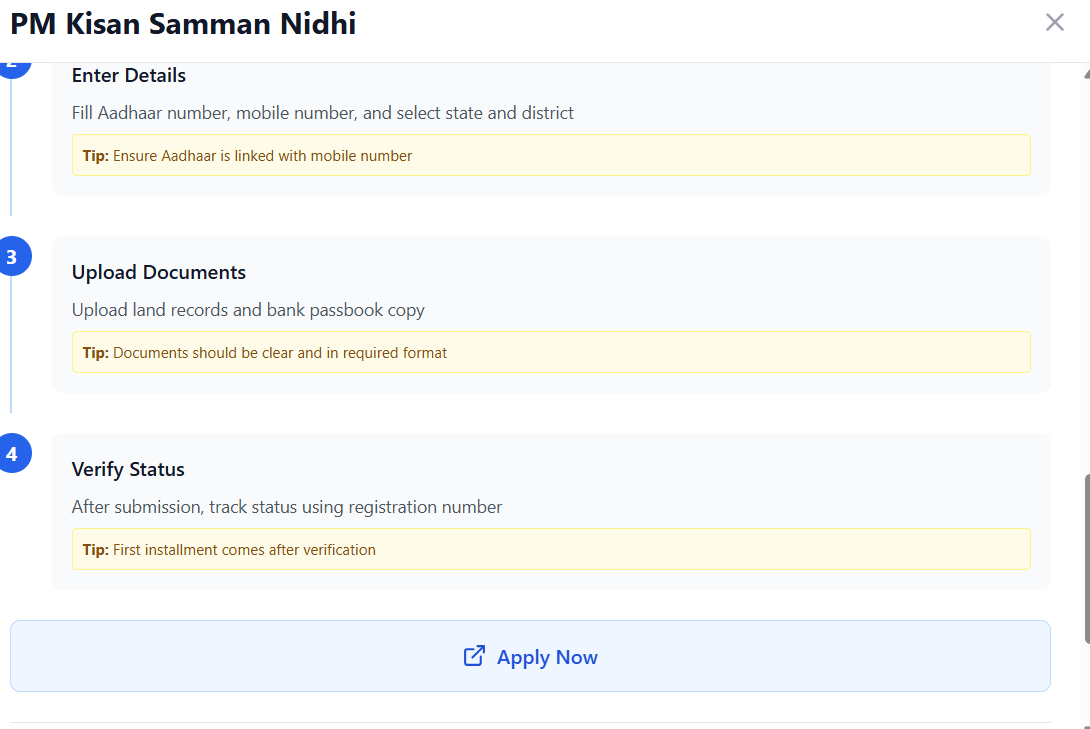
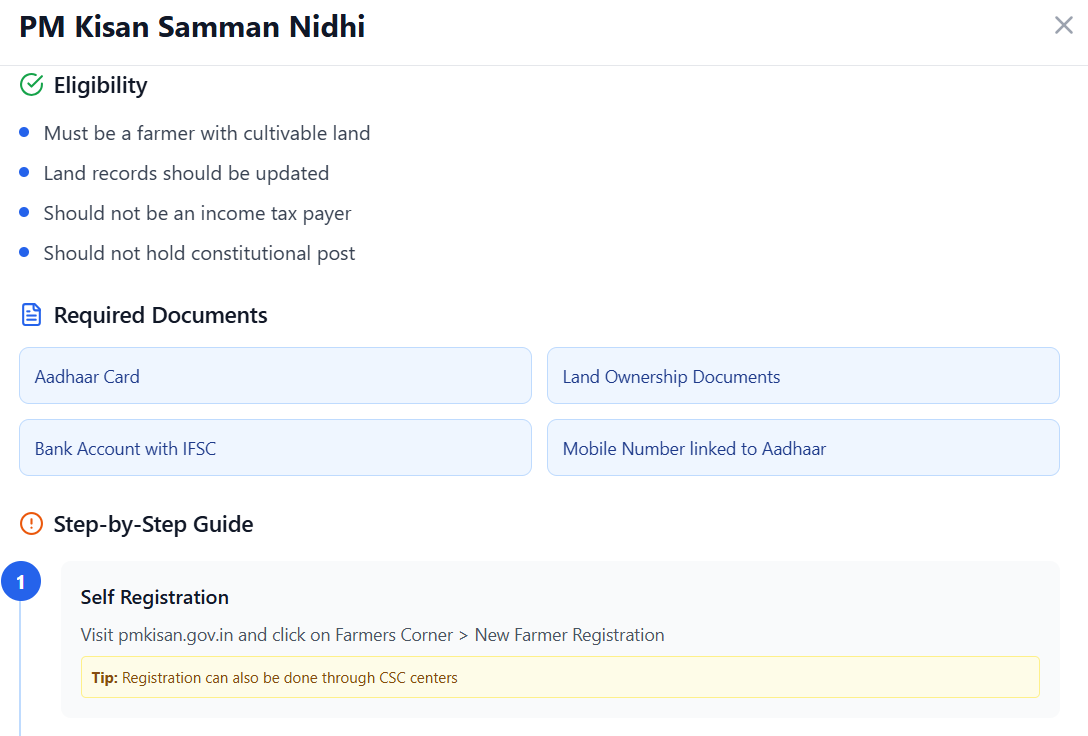
scheme apply guidance
-
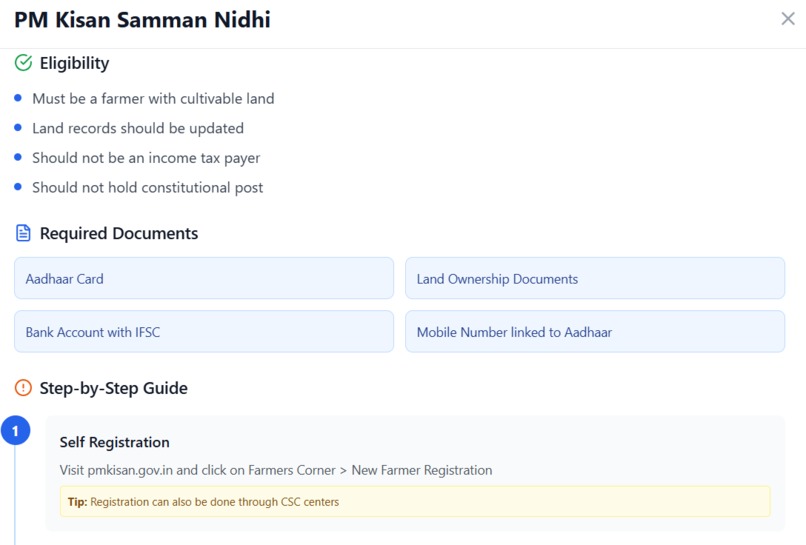
scheme apply guidance
-
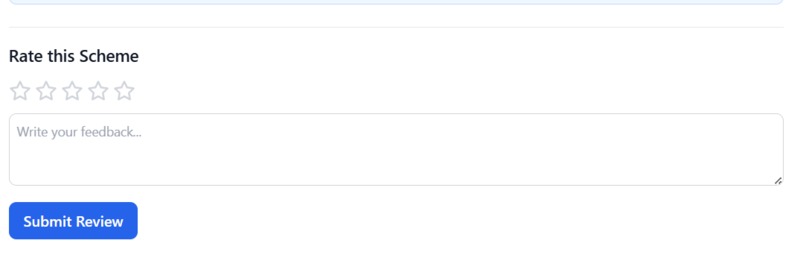
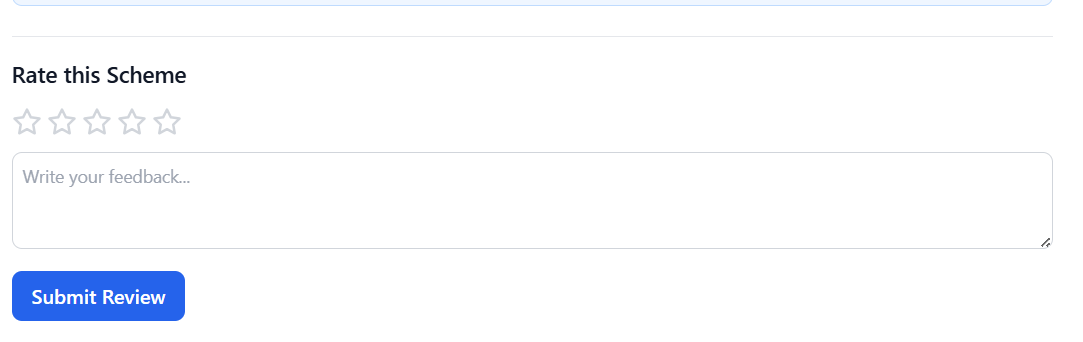
Rating

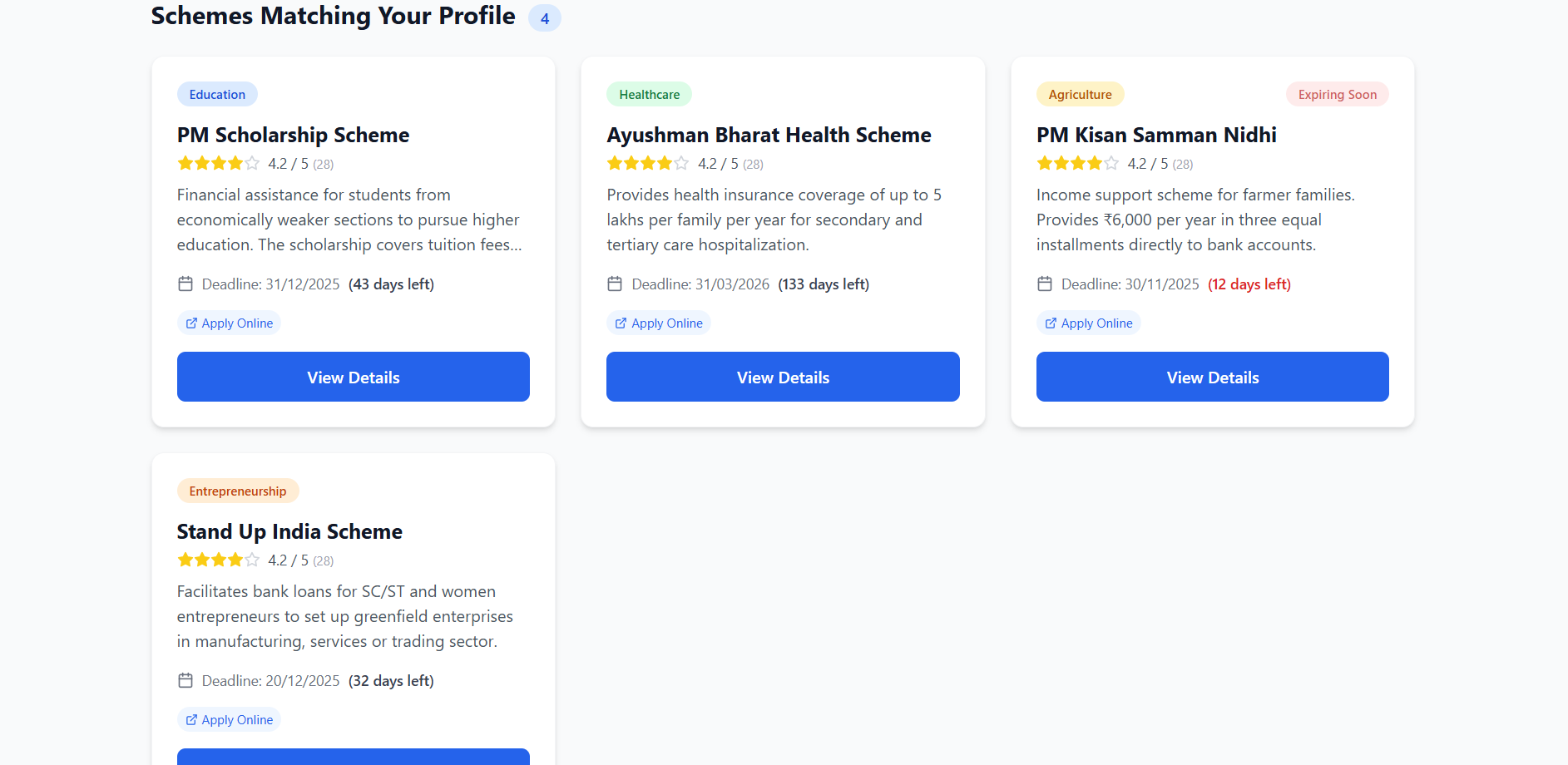
Inspiration
The inspiration for SchemeConnect came from a simple but widespread problem: government schemes exist in large numbers, yet many eligible citizens fail to benefit from them. Through everyday observations—students missing scholarships, farmers unaware of subsidies, and senior citizens confused by complex application procedures—it became clear that the issue was not the lack of schemes, but the lack of accessible awareness and timely information. Most existing portals are information-heavy, text-based, and written in bureaucratic language, making them unusable for common citizens. This gap between policy and people motivated the creation of SchemeConnect.
What We Learned
While developing this project, we learned that technology alone is not enough—usability and clarity matter more than complexity. We gained insights into:
How government scheme data is structured and published
The importance of user-centric design for low-literacy and non-technical users
Applying basic AI/NLP concepts to match user profiles with relevant schemes
Designing systems that prioritize timeliness (deadlines) over just information
We also learned how to translate real-world social problems into a structured technical solution.
How We Built the Project
SchemeConnect was designed as a smart, modular platform. The system collects government scheme data and processes it using filtering logic based on user attributes such as age, income, occupation, and category. Mathematically, the relevance of a scheme can be expressed as:
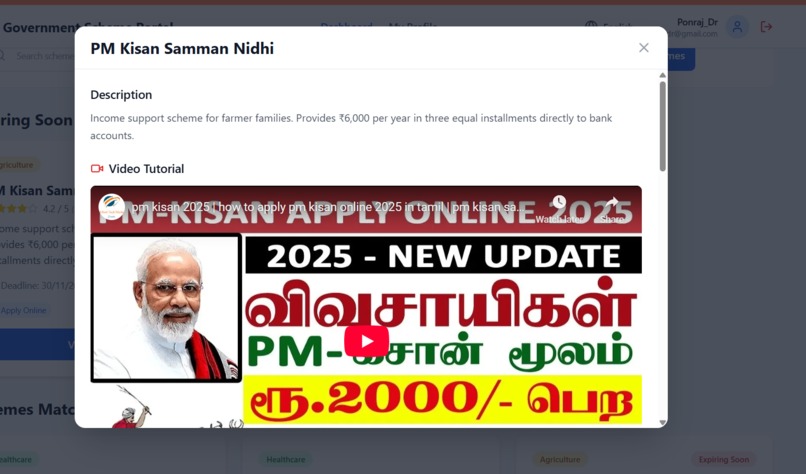
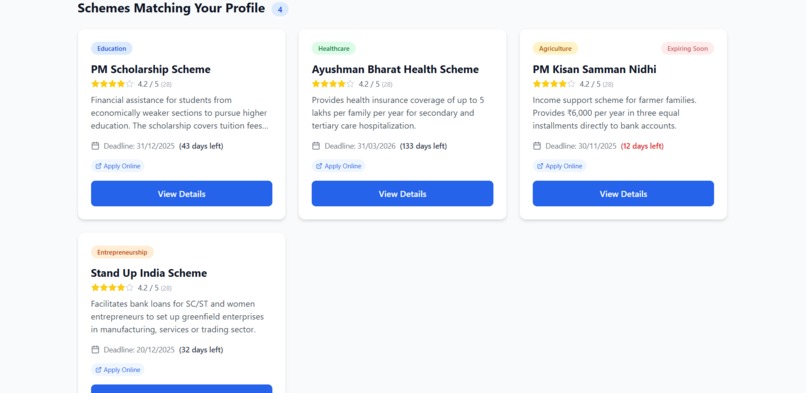
Only schemes satisfying eligibility constraints are shown to the user. The platform also integrates a deadline-tracking mechanism that prioritizes schemes with upcoming closing dates. To improve accessibility, each scheme is explained using multimedia formats such as videos, audio summaries, and step-by-step visual guidance in simple language.
The frontend focuses on simplicity and clarity, while the backend handles filtering, alerts, and data management.
Challenges Faced
The major challenges included:
Simplifying complex government terminology without losing accuracy
Designing features for users with limited digital literacy
Managing large and diverse scheme data efficiently
Balancing technical feasibility with hackathon time constraints
Overcoming these challenges required prioritization, iterative refinement, and a strong focus on real user needs.
Conclusion
SchemeConnect bridges the gap between government policies and citizens by making schemes understandable, personalized, and timely. The project demonstrates how technology, when designed with empathy and simplicity, can create meaningful social impact.


Log in or sign up for Devpost to join the conversation.