-
-
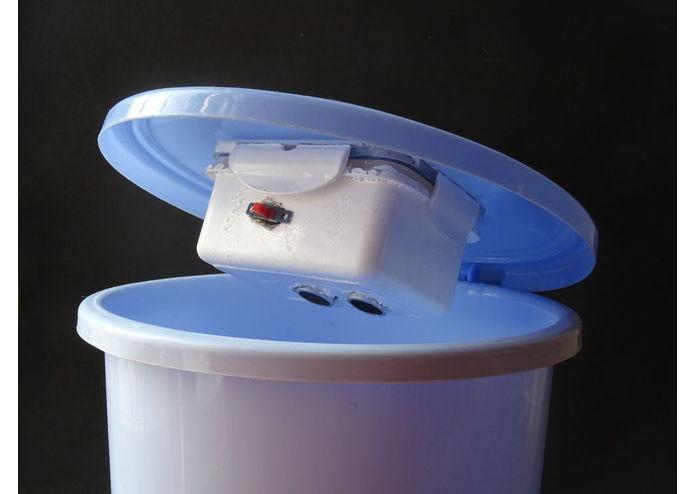
Simple yet effective
-
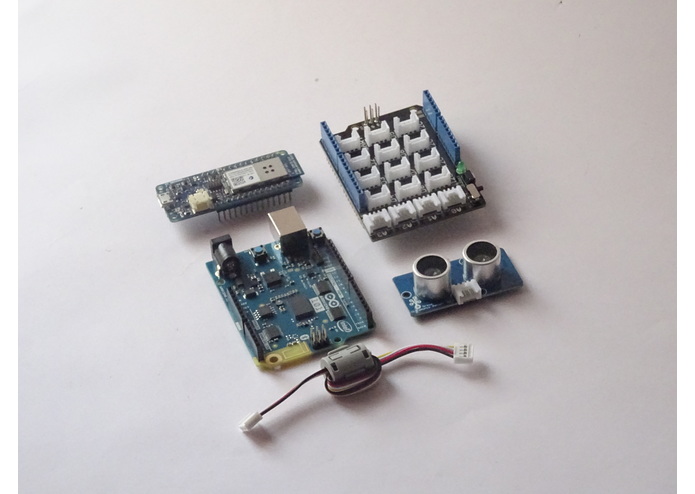
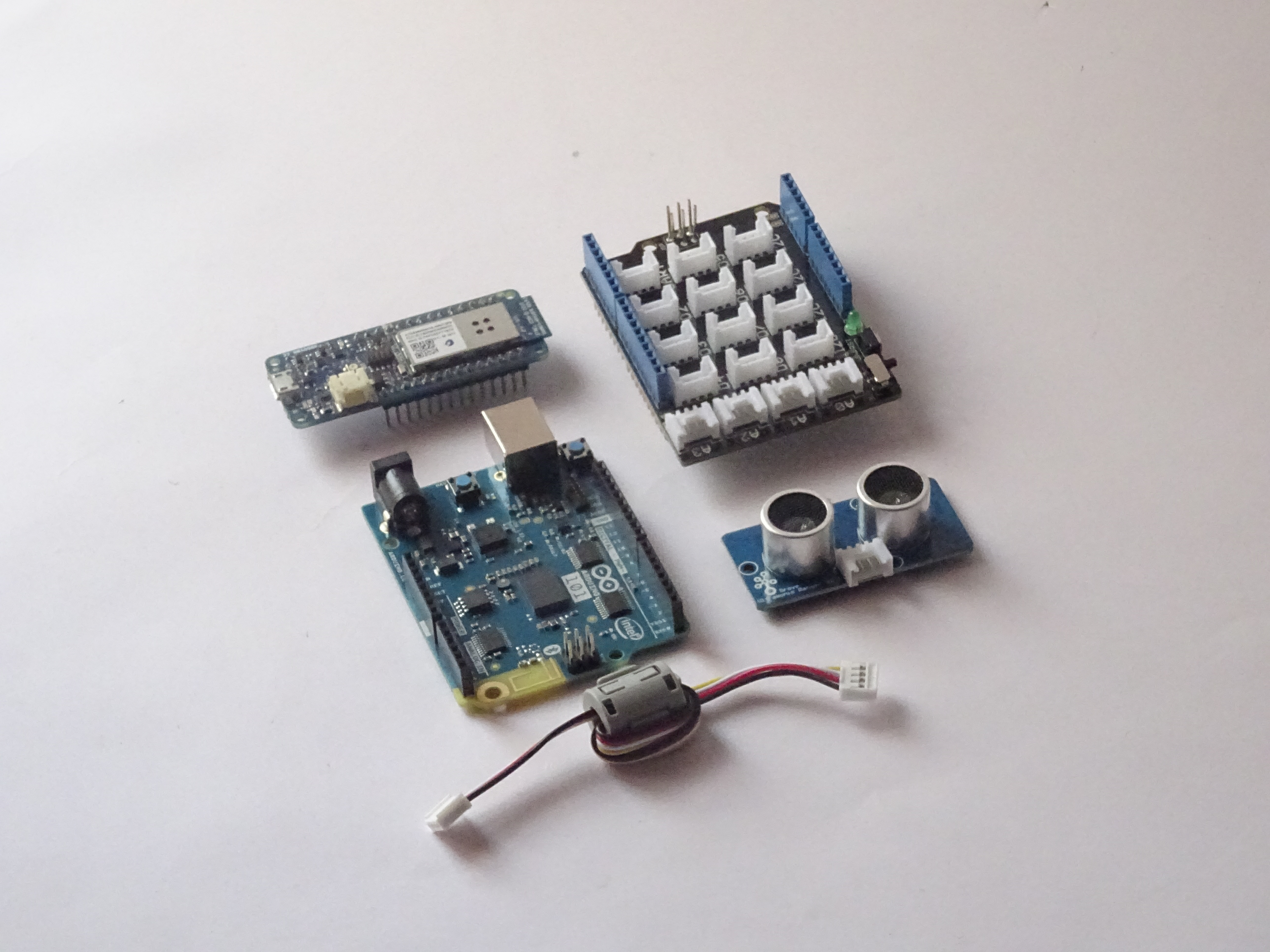
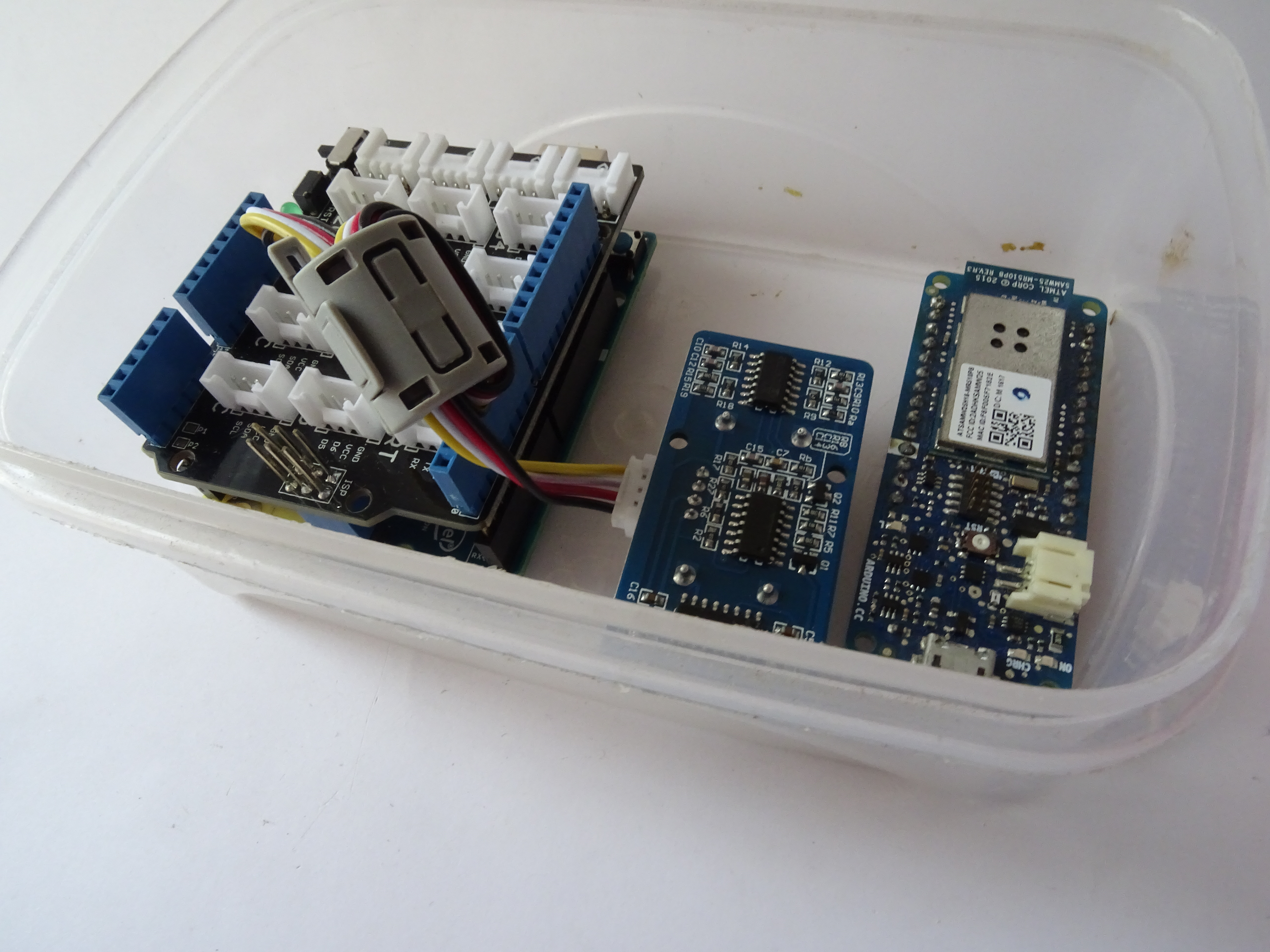
Various Components
-
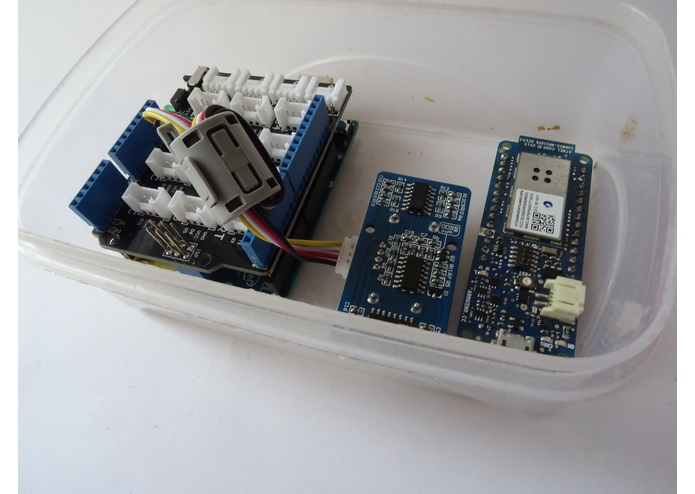
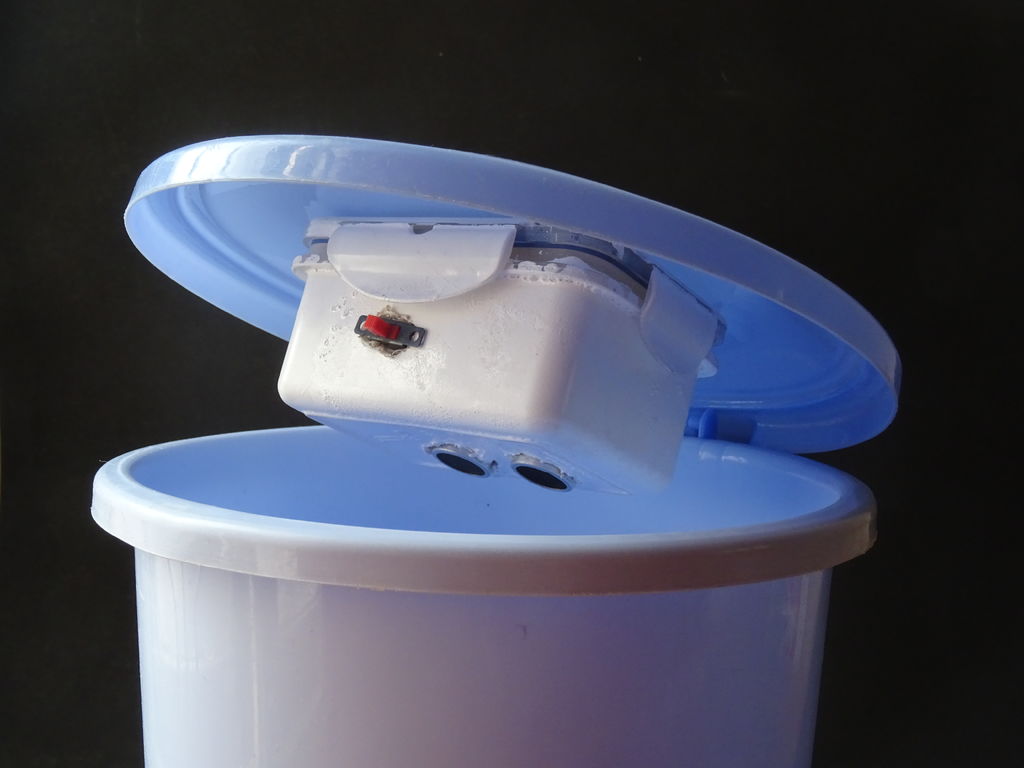
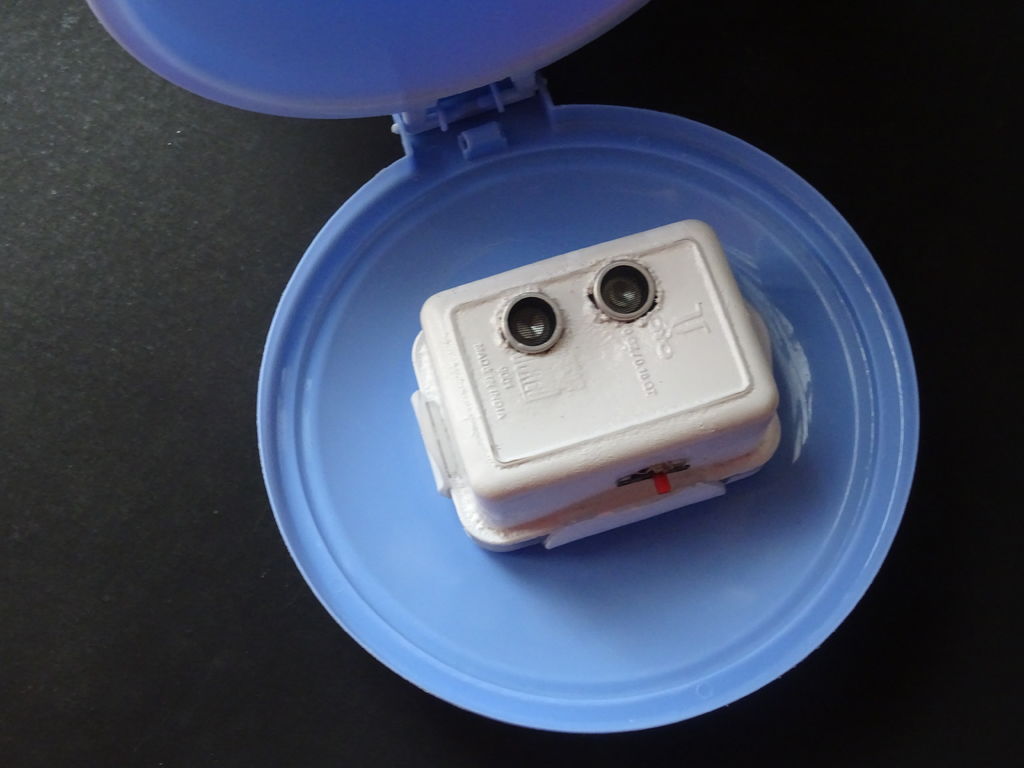
Compact, project fits in a tiny box
-
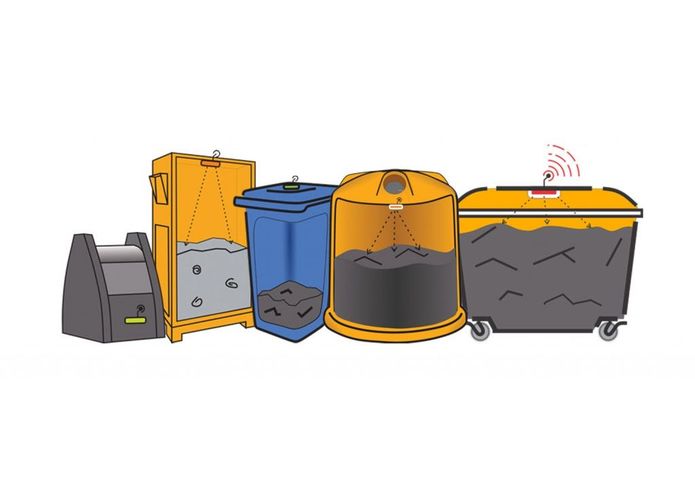
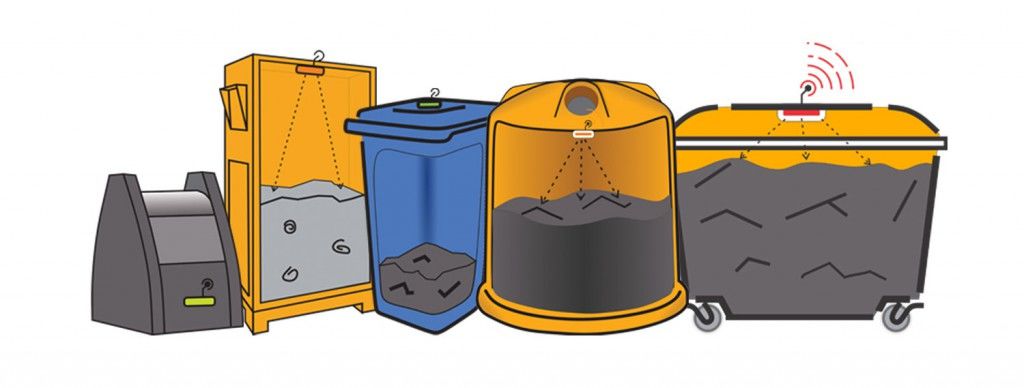
Visualizing our Concept - Our modules will be installed on every dustbin, receiving a real time level of the trash
-
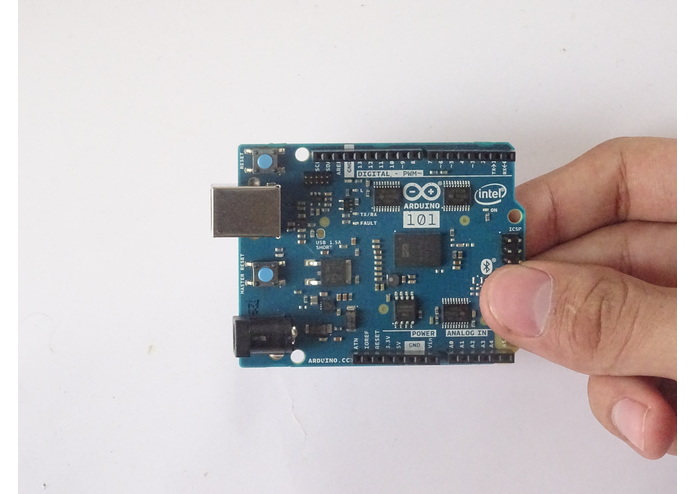
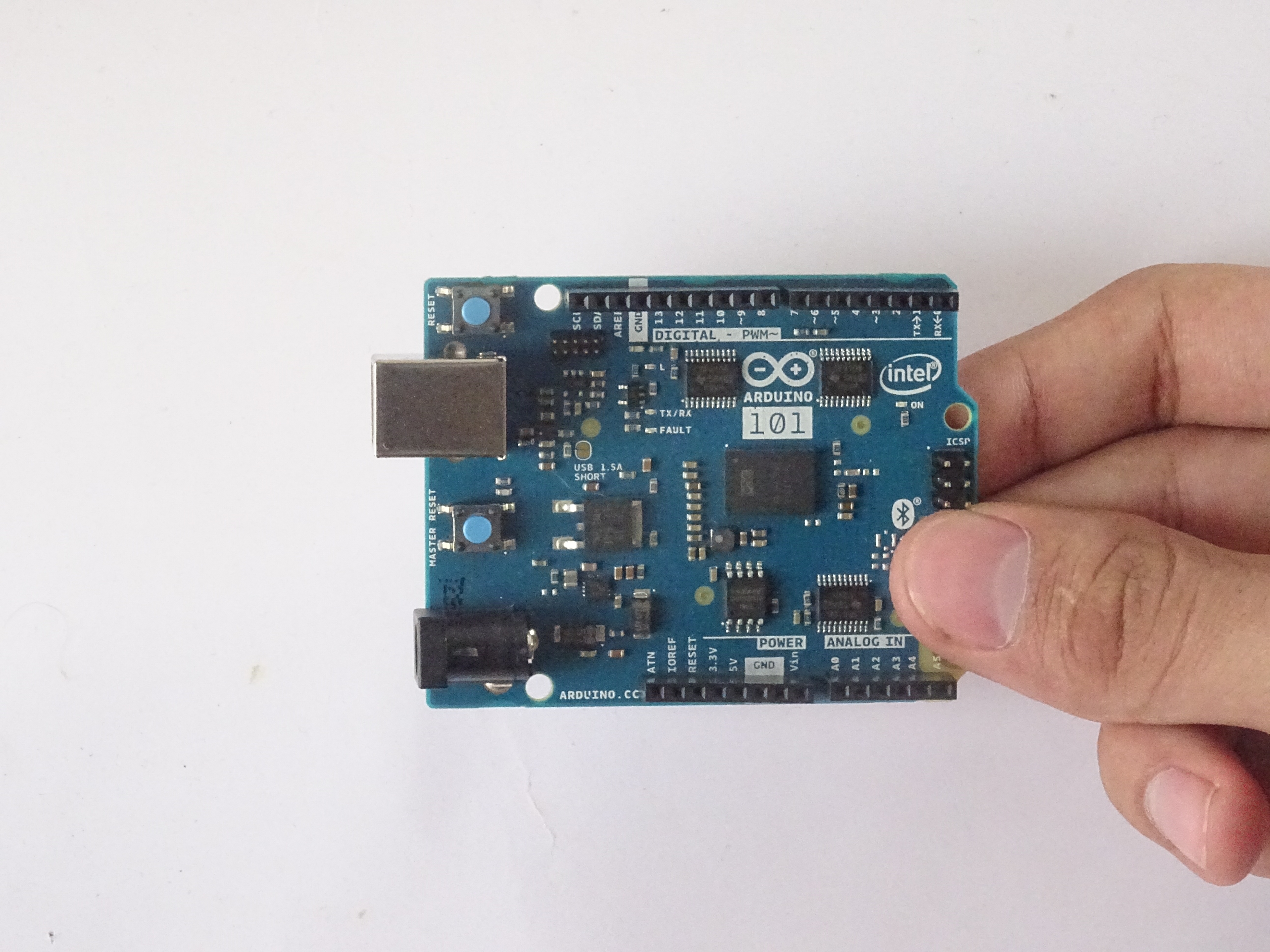
Star of the show, The Arduino 101
-
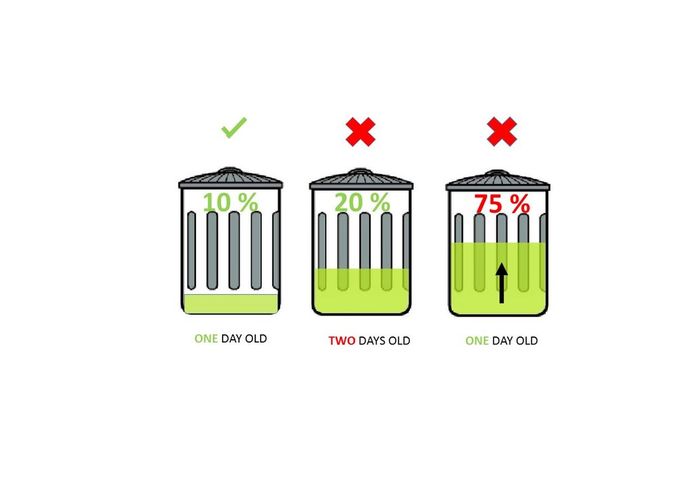
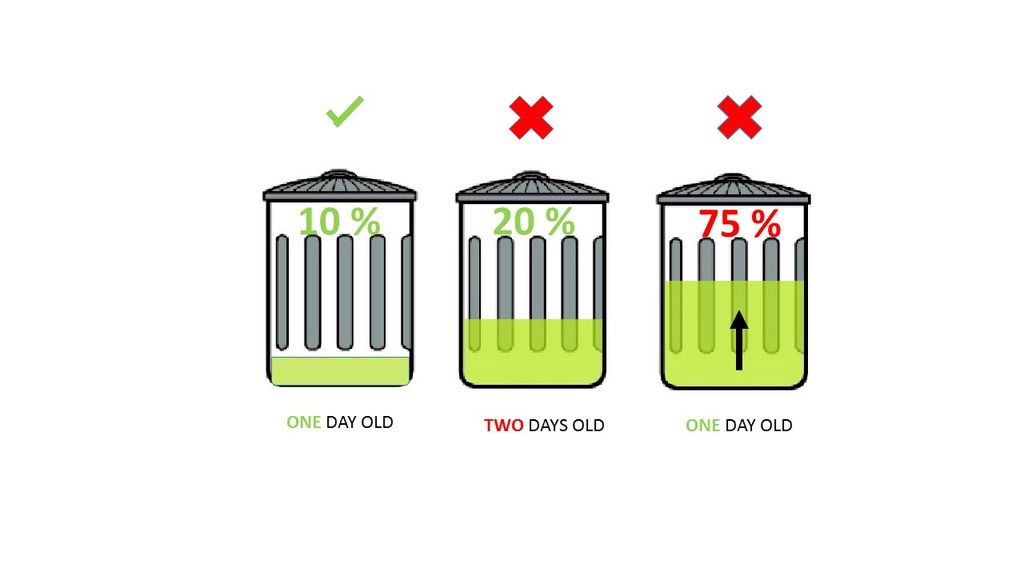
Diagram depicting our criterias
-
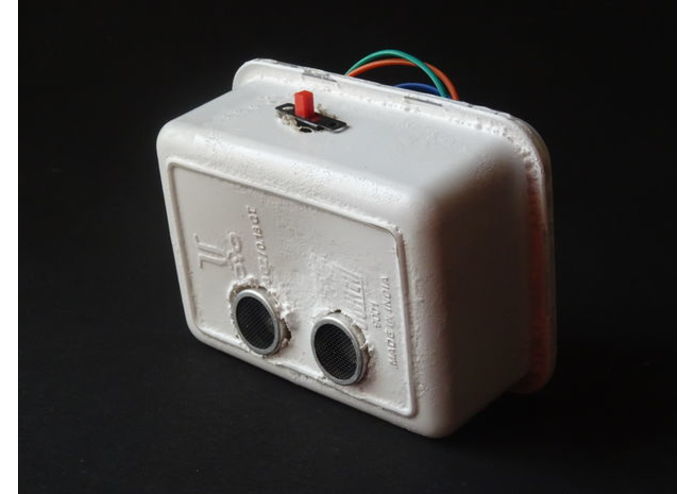
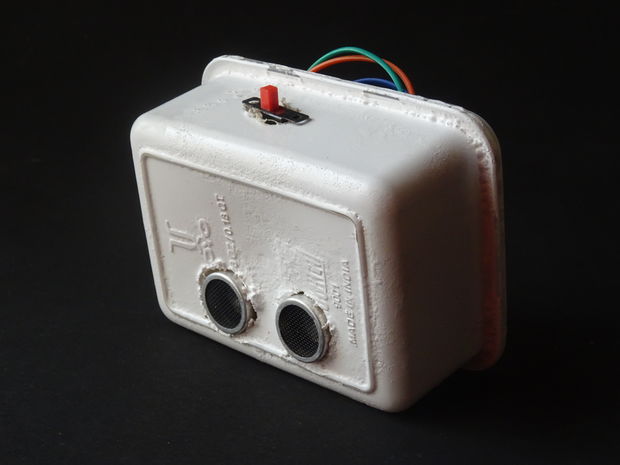
Complete product
-
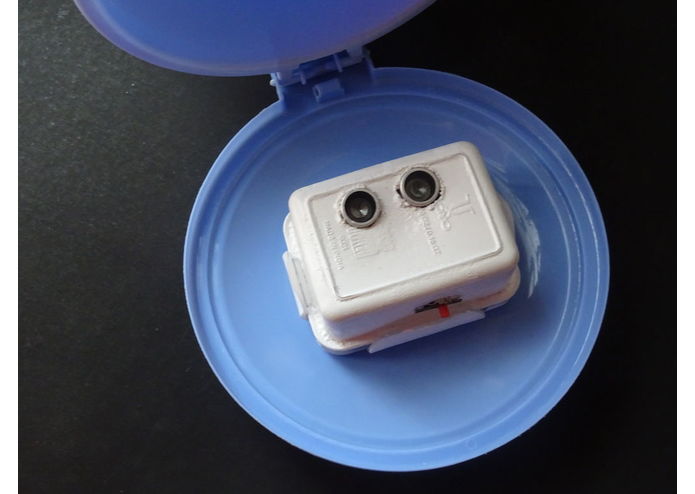
Varied applications!
We are living in an age where tasks and systems are fusing together with the power of IOT to have a more efficient system of working and to execute jobs quickly! With all the power at our finger tips this is what we have come up with.
The Internet of Things (IoT) shall be able to incorporate transparently and seamlessly a large number of different systems, while providing data for millions of people to use and capitalize. Building a general architecture for the IoT is hence a very complex task, mainly because of the extremely large variety of devices, link layer technologies, and services that may be involved in such a system.
One of the main concerns with our environment has been solid waste management which impacts the health and environment of our society. The detection, monitoring and management of wastes is one of the primary problems of the present era. The traditional way of manually monitoring the wastes in waste bins is a cumbersome process and utilizes more human effort, time and cost which can easily be avoided with our present technologies.
This is our solution, a method in which waste management is automated. This is our IoT Garbage Monitoring system, an innovative way that will help to keep the cities clean and healthy.
The idea struck us when we observed that the garbage truck use to go around the town to collect solid waste twice a day. Although this system was thorough it was very inefficient. For example let's say a street A is a busy street in which garbage fills up quickly whereas maybe a street B even after sevral days remains half full. This example is something that actually happens thus it lead us to the ''Eureka'' moment!
What our system does is it gives a real time indicator of the garbage level in a trashcan at any given time. Using that data we can then optimize waste collection routes and ultimately reduce fuel consumption. It allows trash collectors to plan their daily/weekly pick up schedule.
To make your very own, and to see a step by step instructions with pictures included do check out our instructables : https://www.instructables.com/id/Smart-Garbage-Monitoring-System-Using-Internet-of-/
The basic Model works like so...
To start with you will first have to enter the height of the dustbin. This will help us generate the percentage of trash in the trashcan. We then have two criterias which needs to be satisfied to show that the particular bin needs to be emptied :
The amount of trash, in other words let's say if your bin is half full you don't really need to empty it. Our thresh, or maximum amount that we permit of trash, is 75% of the bin. (You could alter the thresh according to your preference.) If supposing a particular trashcan fills up 20% and then for a week doesn't change, it comes into our second criteria, time. With time even the little amount will start rotting leading to a smelly surrounding. To avoid that our tolerance level is 2 days, so if a trashcan is less than 75% but it is two days old it then will also need to be emptied. With these criterias in mind let's understand the technical part:
An ultrasonic sensor (A.K.A a distance sensor) will be placed on the interior side of the lid, the one facing the solid waste. As trash increases, the distance between the ultrasonic and the trash decreases. This live data will be sent to our micro-controller. Our micro- controller then processes the data and through the help of WiFi sends it to an app. What the app does it visually represents the amount of trash in the bin with a small animation. This process will indicate all the bins which require attention, leading the user to take the most effective route.
This bit yet needs to be implemented this step as we would have had to make atleast 20 models to install them around the town's dustbins. This would have become to expensive, so we are putting the idea forward, which when randomly simulated gave us the shortest route, the correct results!
Now is the time consuming part. We plan to fuse our project with Google Maps. This is how:
You need to manually go about the town taking GPS locations of each trashcan. Then save it on your Google Maps. Once you have done that, in the same way we made the system in our model instead of one LED you will need to do the same for the number of dustbins there are. Let's say there are 20.
When the truck driver starts his day, he opens The Blynk and sees all the dustbins that require attention then he selects each dustbin (each when having their specific number) and then generates the shortest and most efficient route!
** Widespread of Opportunities ** After having made one ourselves we realized how widely this system could be used to turn this rather horrible cumbersome chore into a really efficient one!
The way it can impact the city or even a country on a big scale is understandable, and hopefully in the future it is implemented. But other than that each individual can benefit with this concept. A community, an apartment complex or even a house can all use this powerful tool fueled by the internet of things to make their life a whole lot simpler!
** Complications ** That said there are a few complications that we thought would occur if we took this product on a big scale.
Challenges :
• Ensuring the Ultrasonic distance sensor are correctly placed. If the pile of dump increased in the middle the sensor could be giving misleading data.
• There could be liquid/water thrown in to the bin. The design needs to have water proof electronics and embedded software.
• The BIGGEST issue availability of 3G/4G Cellular networks. The fact that we made a model at home bypassed this issue as we used WiFi. This in fact is this only main issue, although personally I feel in a couple of years every corner of the world will have Internet Connection
CONCLUSION This project on the whole looks promising, but definitely needs small adjustments as mentioned above. Would love to see your versions, or even suggestions or ideas, do drop them in the comment section.
Hope you guys enjoyed this project, let's continue working on ideas to impact our lives and environment. As usual like share, and subscribe so that you don't miss our next projects.
The Code :
define BLYNK_PRINT Serial
include
include
include
// You should get Auth Token in the Blynk App. // Go to the Project Settings (nut icon). char auth[] = "8b7229b2c3ec4b999eca6781903a208d";
BLEPeripheral blePeripheral; WidgetLED green(V1); WidgetLED orange(V2); WidgetLED red(V3);
Ultrasonic ultrasonic(7); int distance = 0; int thresh [3] = {20,12,4};
void setup() { Serial.begin(9600); delay(1000);
blePeripheral.setLocalName("garbage"); blePeripheral.setDeviceName("garbage"); blePeripheral.setAppearance(384); Blynk.begin(blePeripheral, auth); blePeripheral.begin(); Serial.println("Waiting for connections..."); }
void loop() { distance = ultrasonic.distanceRead(); Serial.print(distance); Blynk.run(); if(distance<=thresh[0]&&distance>=thresh[1]&&distance>=thresh[2]){ green.on(); Serial.println(1); } else if(distance<=thresh[0]&&distance<=thresh[1]&&distance>=thresh[2]){ green.on(); orange.on(); Serial.println(2); } else if(distance<=thresh[0]&&distance<=thresh[1]&&distance<=thresh[2]){ green.on(); orange.on(); red.on(); Serial.println(3); } else{ green.off(); orange.off(); red.off(); Serial.println(0); } delay(100);
}


Log in or sign up for Devpost to join the conversation.