-
-
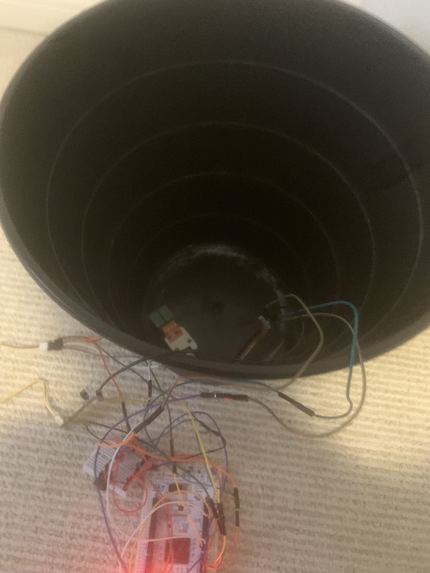
Weight Sensor inside the garbage bin
-
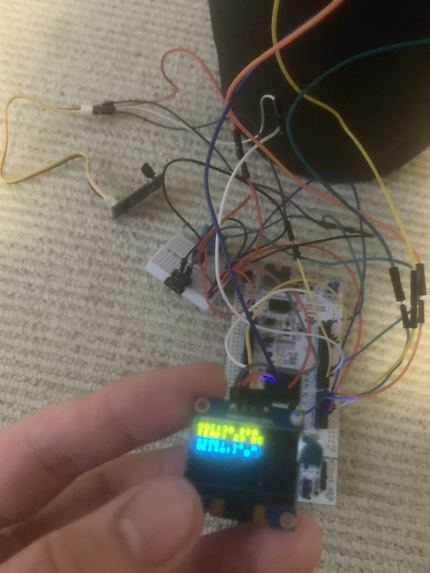
OLED shows the current status
-
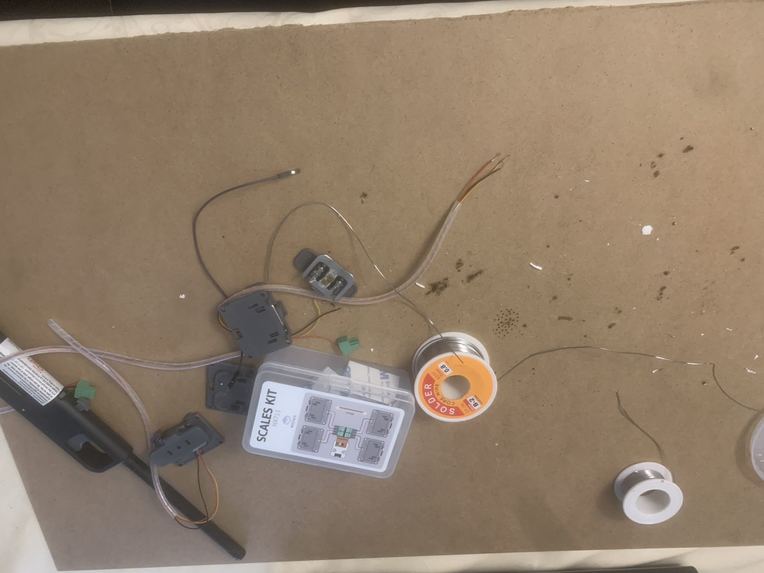
Broken strain gauge :(
-
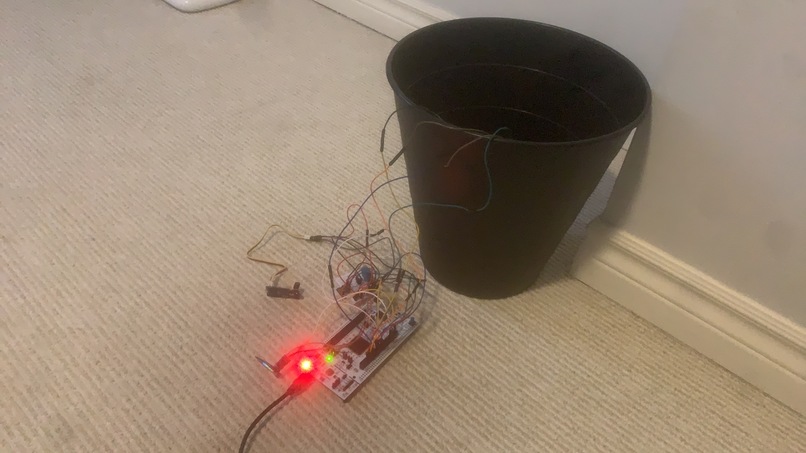
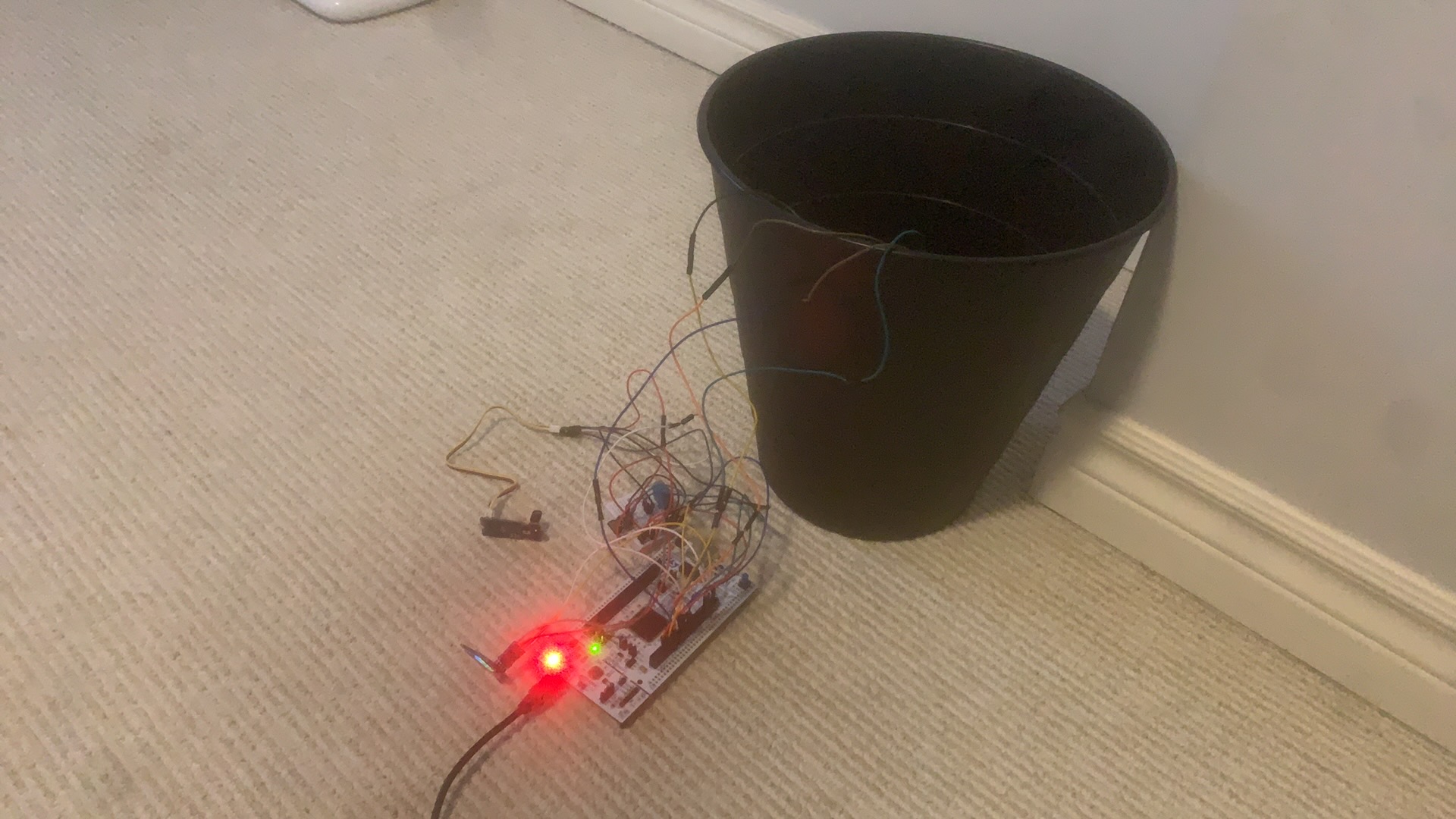
Overall system with STM32NUCLEOF767ZI MCU as the main board(The Sensors should be inside the garbage bin, but running short of wires :( )
-
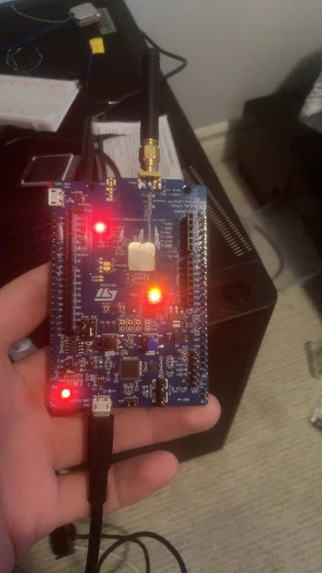
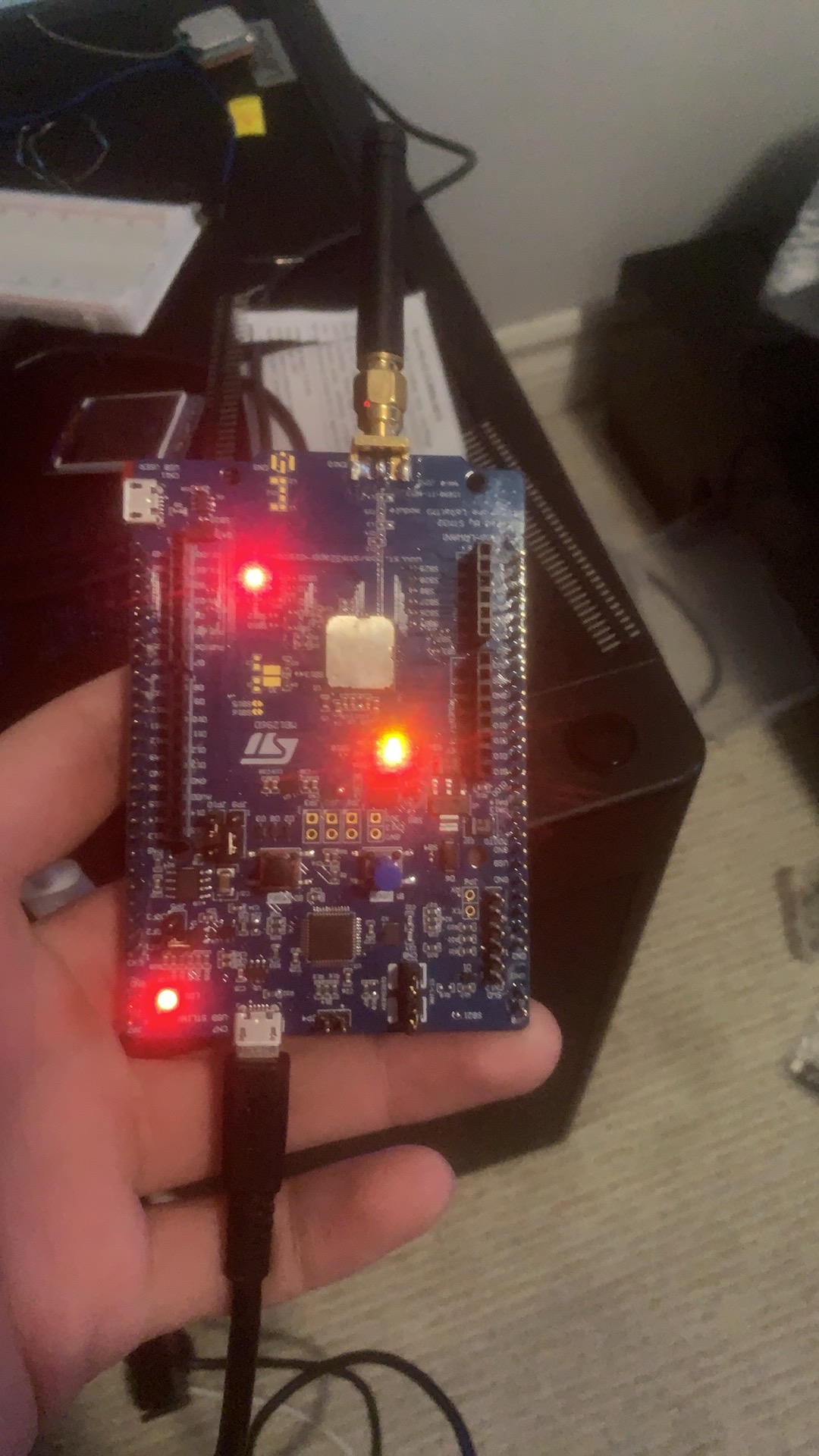
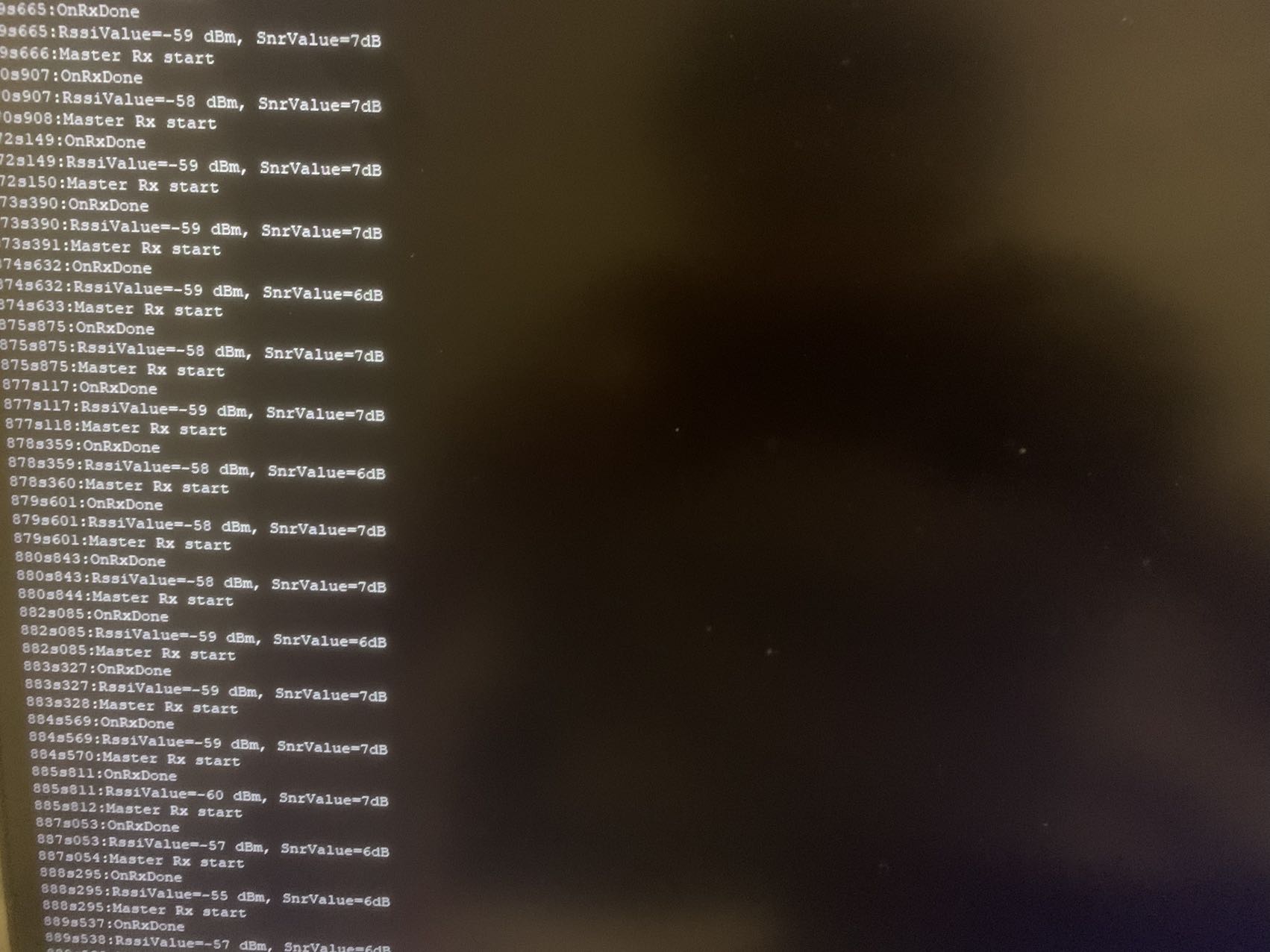
B-L072Z-LRWAN1 as the LORA receiver end and output the message to PC for monitoring purposes
-
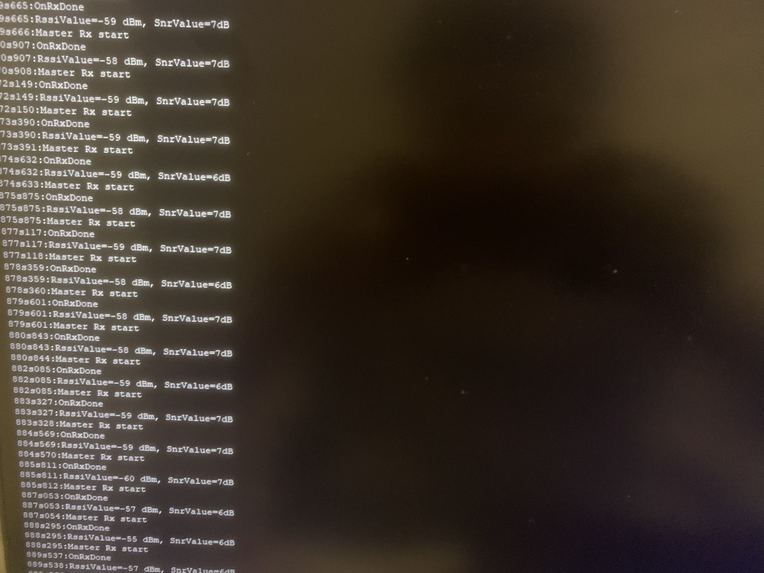
Serial output of B-L072Z-LRWAN1 for receiving sensors data from the main MCU wirelessly


Inspiration
This project was undertaken as my first foray into embedded systems. I aimed to transform a conventional garbage bin into an intelligent system that aligns with smart city initiatives. By integrating IoT and sensor-based technology, this intelligent garbage bin monitors waste levels, detects fullness, and optimizes waste collection processes.
What it does
It can detects the weight of the garbage inside the bin, temperature and humidity, VOC sensor for detecting if any unusal garbage inside, Motion Sensor to detect if there is any people nearby, LORA module for sending the all the sensors data to another Microcontroller for futher processing applications.
How we built it
Hardware Selection and Integration: We began by selecting a range of sensors and communication modules, including a weight sensor, temperature and humidity sensors, a VOC sensor, a motion sensor, and a LoRa module. These sensors provide real-time data on the garbage bin’s weight, environmental conditions, and potentially hazardous gases, ensuring comprehensive functionality. The LoRa module was chosen to transmit all sensor data to another microcontroller for further processing. Circuit Design and Embedded Programming: Next, we designed the internal circuit for the garbage bin, connecting all sensors to the microcontroller. We also wrote embedded code to handle sensor data collection and communication. The code manages sensor initialization, data acquisition, and transmission, ensuring the system operates reliably under various environmental conditions. LoRa Communication and Data Management: Using the LoRa module, we implemented remote data transmission, sending real-time status updates from the garbage bin to a central control unit. This allows municipal management to monitor and manage waste collection efficiently across multiple bins.
Challenges we ran into
- Image Classfication: Original projects I want to go with AI image classfication and mobile net with XIAO ESP32S3 Sense with has OV2640 camera. But however, the validation performance not good which is around 50%-55% classficiation accuracy after prunning and quantization probably due to using Mobile net small to do trainning. Next time, I'm going to use a better processing power such as single board compute rto do this type of task.
- Broken Strain guage: I accidently broke a strain guage of the weight sensor which results the whole system and other three does not working properly. A fixed is needed probably by soldering afterwards.
- Time resources: I think the main challenge for this is not enough time. Since every task take a significant amount of time learning from begining.
Accomplishments that we're proud of
This is the first time I've finished embedded related competetion, although it is not perfect and I have met a lot of challenges, but still it is a very valuable learning experience but will help me do better in the futrue.
What we learned
- Learned how to use some basic features in STM32 such as ADC, GPIOs, I2C, UART etc.
- Learned how to integrated different sensors together to form a system.
- Learned about how to use different sensors and how to caputres datas.
- Learned how to use display module such as OLED.
What's next for Smart Garbage Bin
- Adding Camera and Mobile net framework for garbage image classfication on the edge computing platform such as Beagle-Bone AI single board computer.
- Addding a Frontend Webstie using React to continously monitor the data send out by microcontroller.
- Extend to multiple garbage bin system suing LORA point to point or LORAWan to form a mesh network.
- Fix the strain guage connection for the weight sensor.
Other things:
I'm using DHT11 Stm32 driver from the below github repo, credits to him: https://github.com/mesutkilic/DHT11-STM32-Library
For the LORA receiver end, I'm using the PINGPONG example provided by STM to show you that it could actually receive the message and it's working .
Built With
- c
- iot
- lora
- oled
- sensors
- stm32


Log in or sign up for Devpost to join the conversation.