Inspiration
The inspiration comes from the idea of solving shopping needs, specially the food related ones. We want to help users find the best products taking into account dietary preferences, intolerances (diabetes) and personal tastes.
What it does
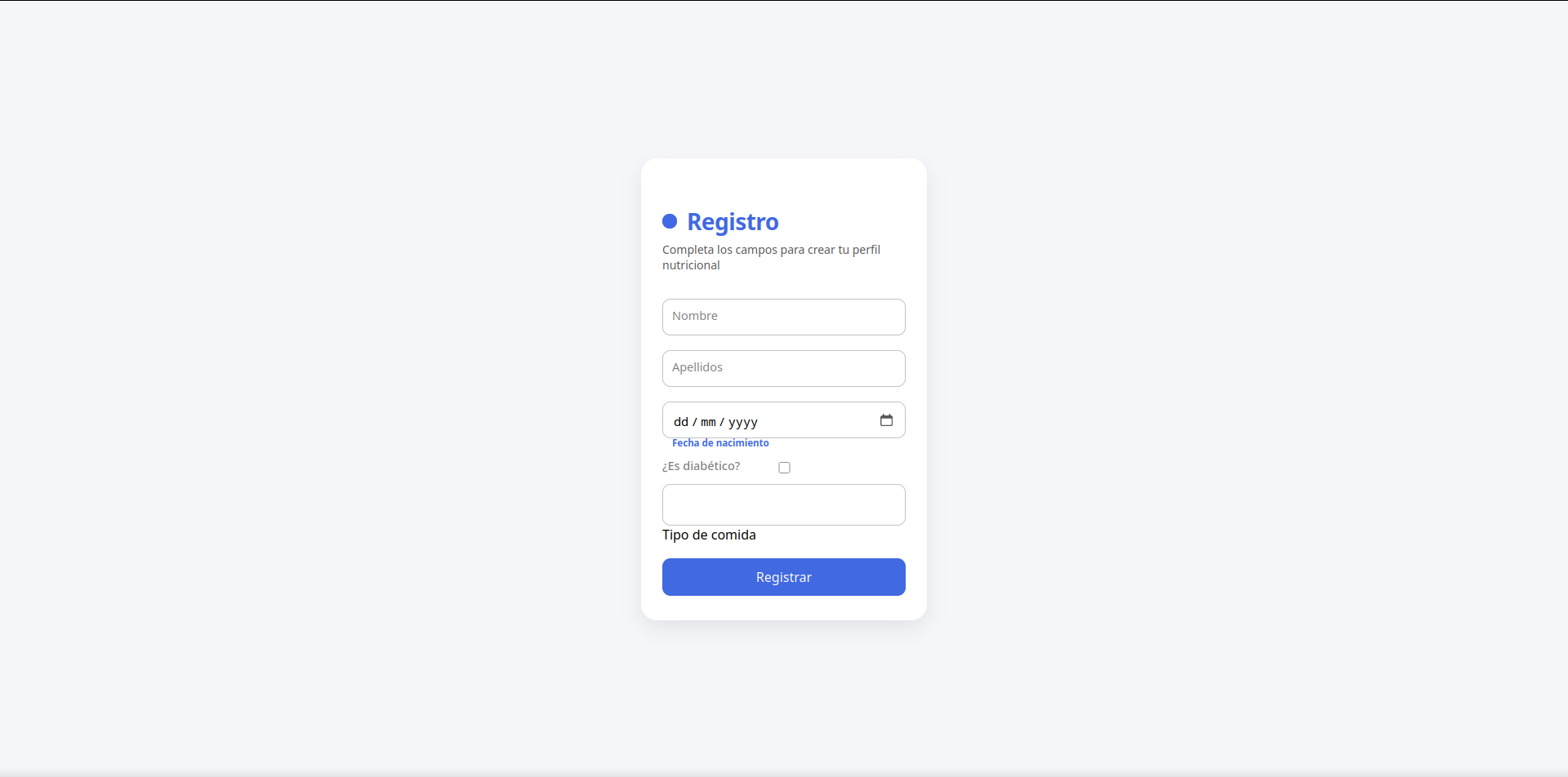
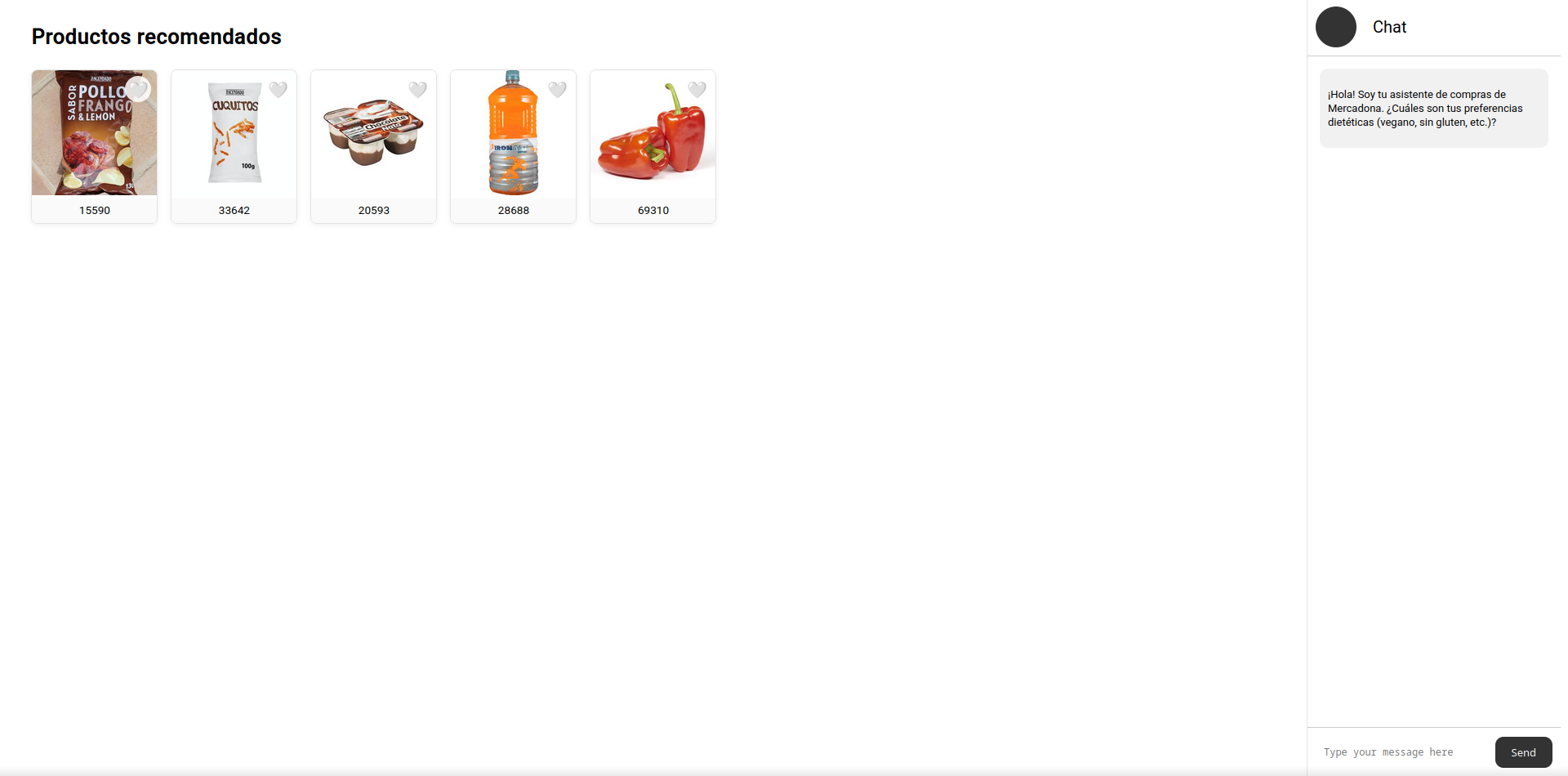
The platform recommends supermarket products based on the user's preferences and location. When a user registers, he or she provides basic data such as age and dietary restrictions. The platform then proposes a selection of foods by displaying product images, and the user can choose which ones they like. From these selections, and taking into account the previous restrictions, the system uses the OpenAI API to recommend relevant products and highlight interesting discounts. In addition, the database can be tailored to specific supermarkets and locations, making the recommendations highly localized.
How we built it
We built the project using:
- Angular for the frontend, to deliver an interactive and dynamic user experience.
- TypeScript for the backend.
- JSON as the database, allowing us to store user profiles and product data flexibly.
- Python for database generation and processing.
- OpenAI to process product data and users preferences to generate intelligent recommendations. ## Challenges we ran into
- Designing an atractive frontend without using libraries.
- Integrate the OpenAI API calls into the backend.
- Finding an valid database and processing it to make suit our needs.
- The diversity of ideas and the possibility of covering some of the challenges proposed by the companies has delayed the start of the project.
- We have been limited in time to connect the platform with MongoDB, and we have chosen to download the database in a JSON file.
- We were planning to use data embeddings to be able to correlate the products chosen by the user and other existing products in the database. In this way, the wizard would be able to recommend products more related to the user's tastes. ## Accomplishments that we're proud of
- Design and develop a solutions out of our main skills.
- See the OpenAI API in action. ## What we learned
- Angular framework usage.
- OpenAI API usage.
- Database generation and processing with Python. ## What's next for Smart Food Assistant
- Finish the frontend development and connect it whith the liked based system.
- Enable redirection to the web pages where users can buy the products.
- Connect the platform with Revolut and promote the RevPoints system when making purchases suggested by the platform.
- Improve the OpenAI API responses giving better context and more user information using data embedding.
- Enable new products to be displayed and recommended based on user profile.
- Connect the platform with MongoDB.

Log in or sign up for Devpost to join the conversation.