-
-
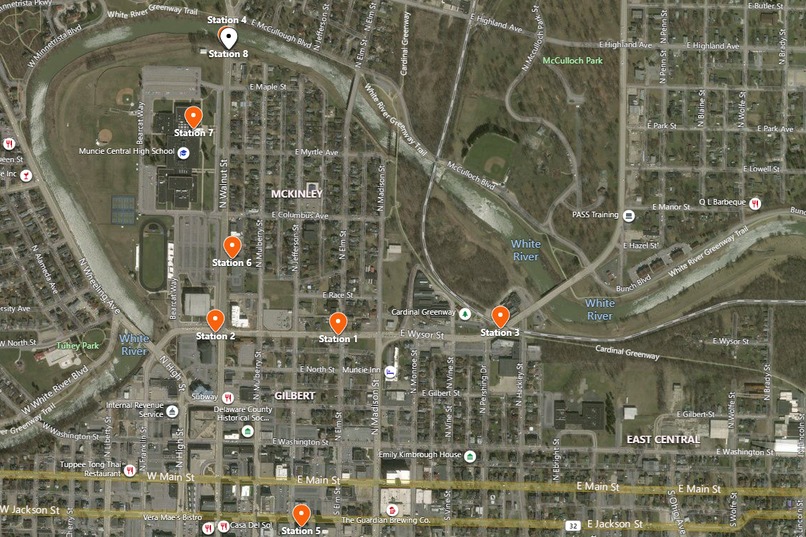
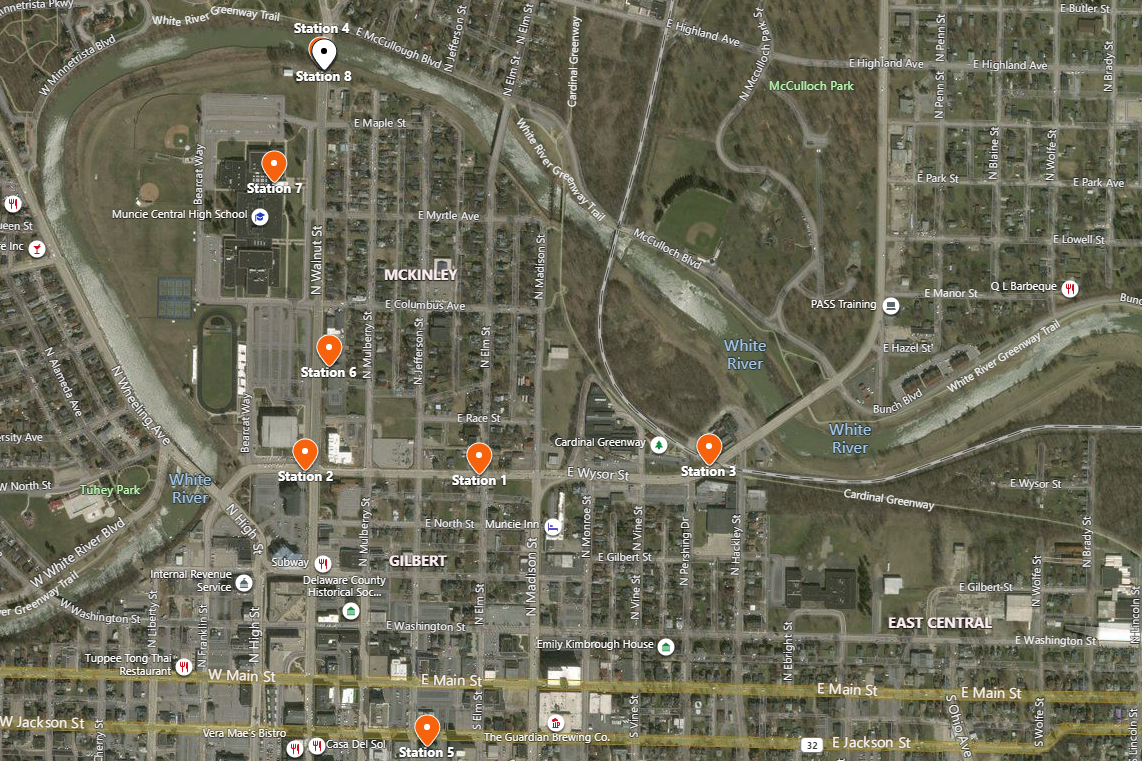
Location of Simulated Sensor in Muncie, Indiana
-
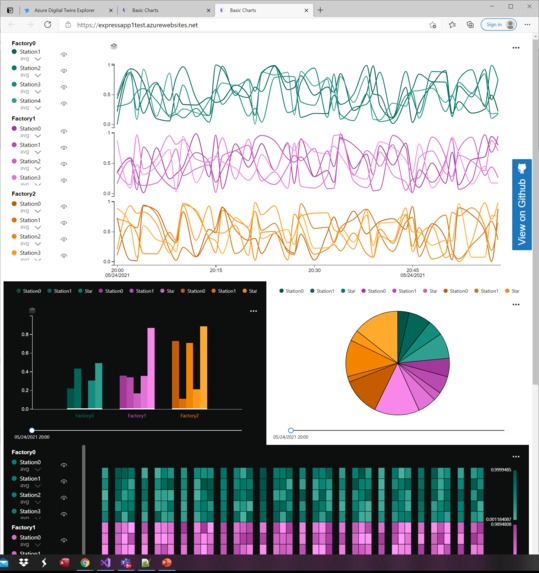
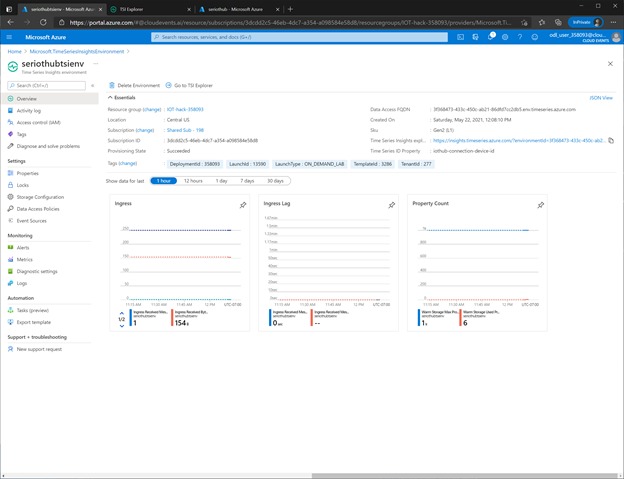
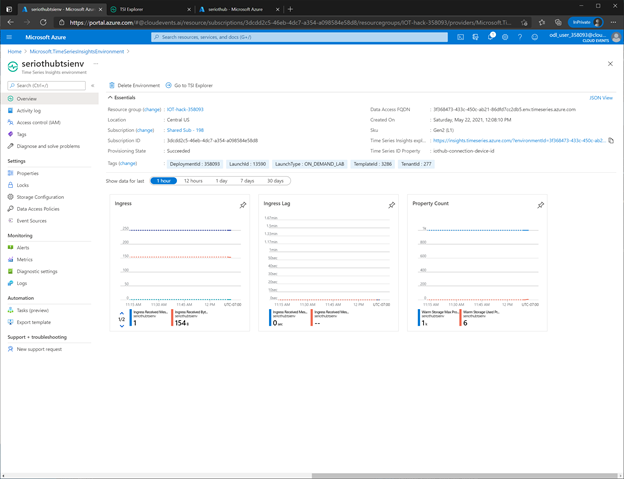
Time Series Insights Interface
-
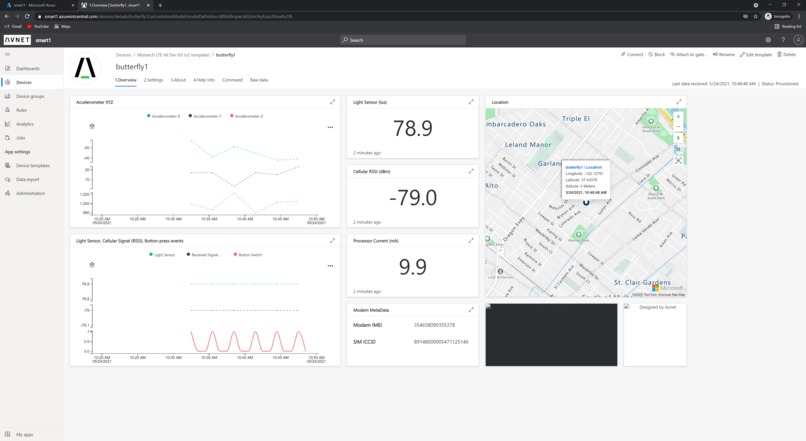
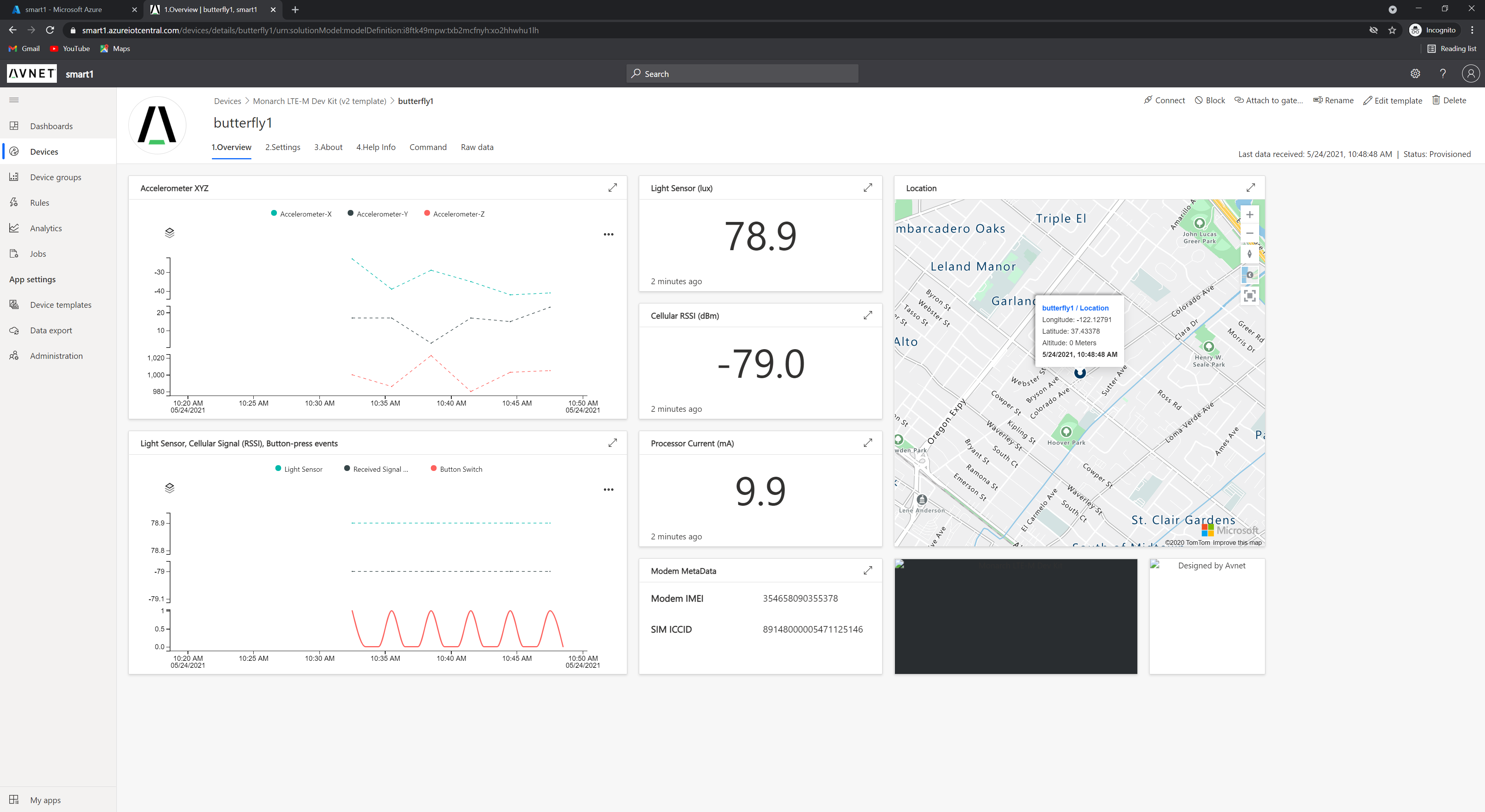
Avnet Hardware Node in IoT Central
-
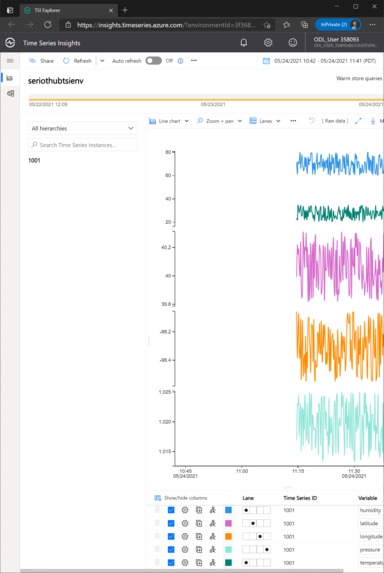
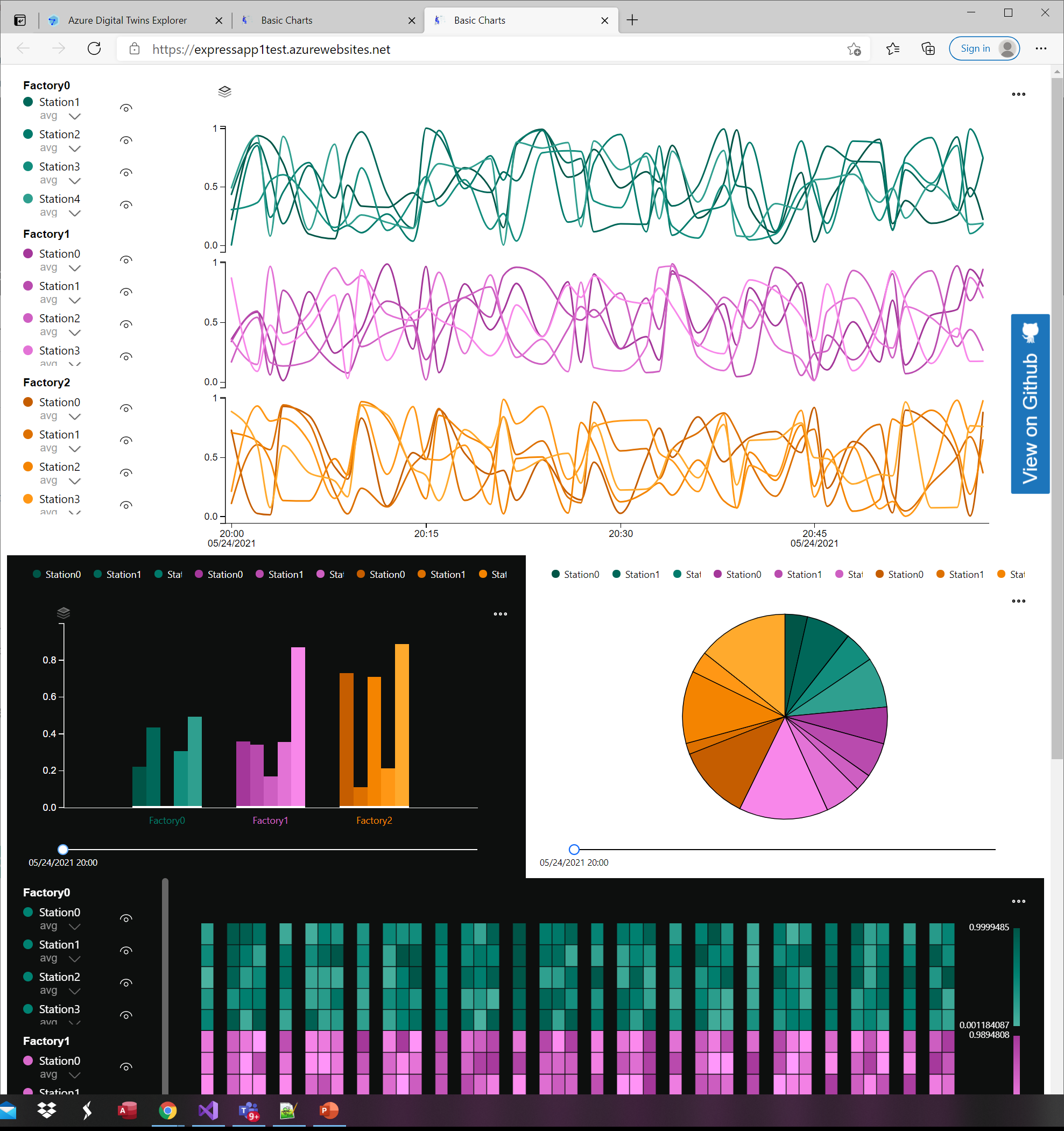
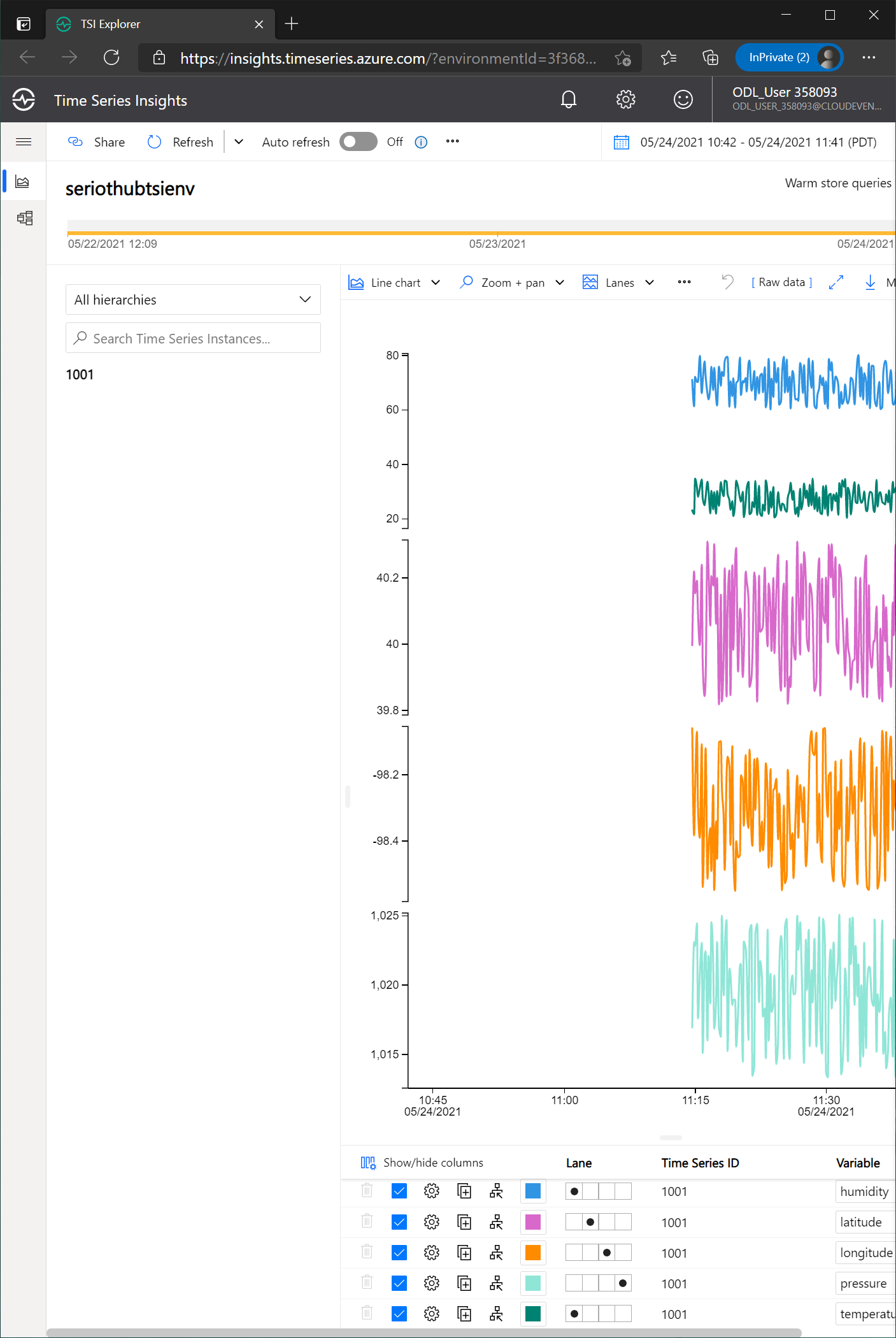
Time Series Insights Explorer
-
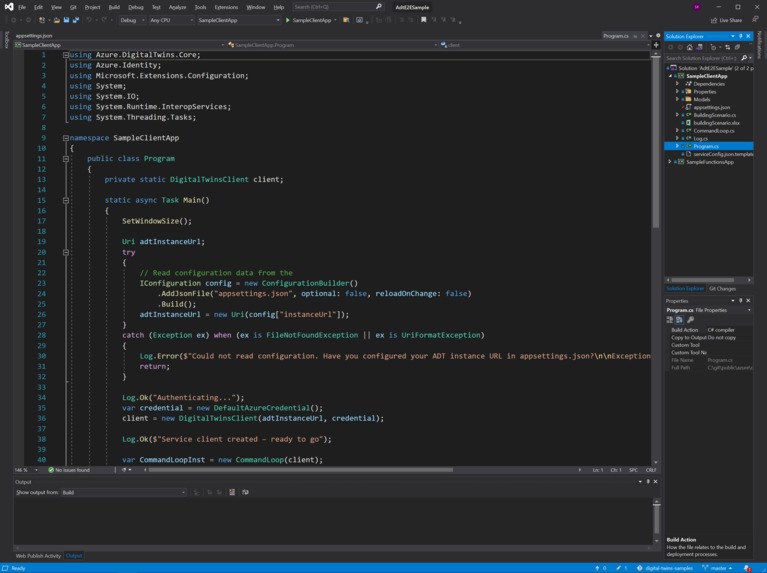
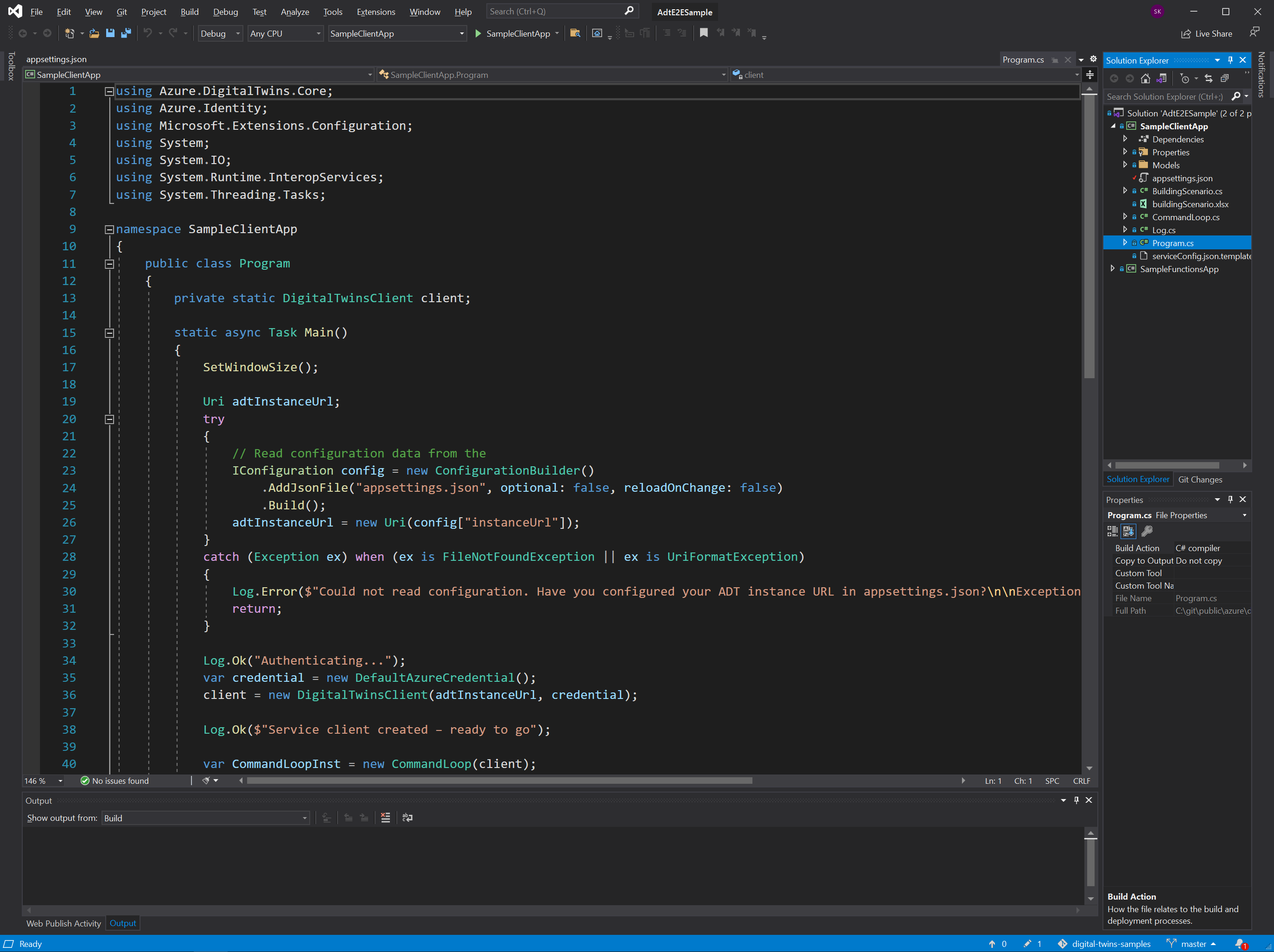
Azure Digital Twin C# Sample App
-
IoT Hub Device Provisioning
Inspiration
Climate change has increased the frequency of environmental disasters such as floods and wildfires. Responding to situations in the most efficient manner is critical for saving lives and property.
What it does
The project addresses that goal through the following technical objectives: 1. Securely provision multiple devices with X.509 certificates into IoT Hub and IoT Central with Device Provision Service, 2. Explore the data streams into an IoT Hub with Time Series Insights portal, 3. Develop a desktop IoT gateway simulator that sends realistic flood data to an IoT Hub, 4. Integrate a digital twin with an IoT Hub
How we built it
We modified existing samples where they were available using multiple languages and leveraged both physical hardware and simulated hardware for the IoT sensors and gateways. The X.509 certs were generated for multiple devices using OpenSSL and bash scripts. The root cert was uploaded and verified into IoT Device Provision Service (DPS). The DPS was linked to an IoT Hub. A Python script used to create an enrollment group in the DPS. Same root cert was also uploaded to an IoT Central app. Multiple leaf certs were generated and those devices were provisioned into the IoT Hub with a C# application, and the same application generated IoT data. The IoT Hub was linked with a Time Series Insights (TSI) environment. The TSI explorer was used to further analyze the data streams. An Azure Digital Twin (ADT) was created using the portal and explored using the Node.js based ADT explorer. Azure Maps integration with the TSI and the ADT was explored through additional Node.js projects. A hardware IoT node was added to an IoT Central app using a C++ based firmware and the IoT Central portal was used to explore the transmitted data from multiple sensors.
Challenges we ran into
The use of X.509 certificates provides the best security but requires substantial knowledge of the processes involved and needs a good grasp of the terminology. That made it harder to use the available scripts.
Accomplishments that we're proud of
We used several technologies in a short period of time and integrated them successfully to create a product where overall capability greatly exceeds the sum of the component capabilities.
What we learned
IoT technologies are ready for prime time and can be used to improve sustainability in our environment.
What's next for Smart Emergency Response
We hope to deploy the open source product in several smart cities.


Log in or sign up for Devpost to join the conversation.