-
-
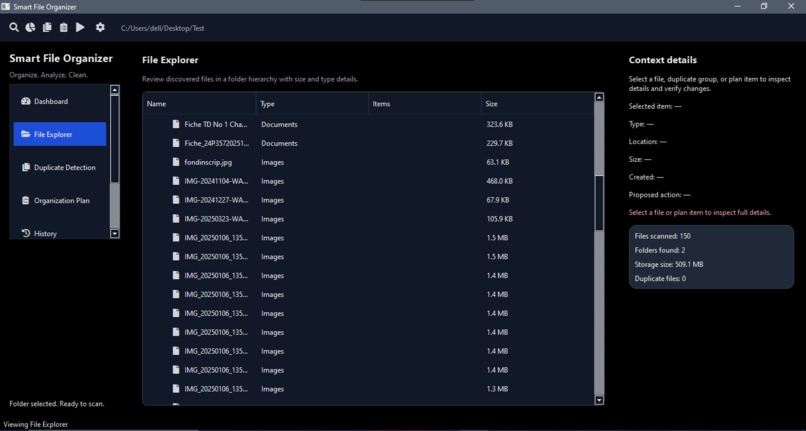
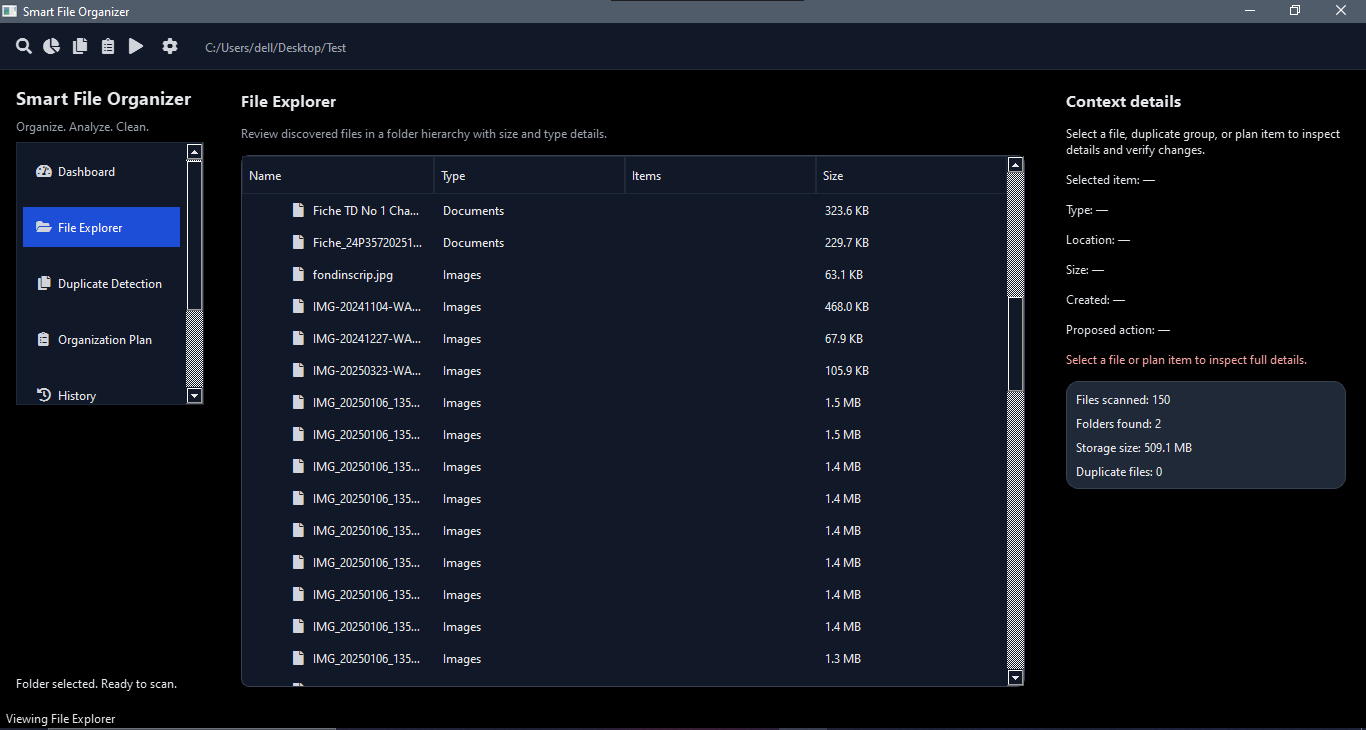
File Explorer
-
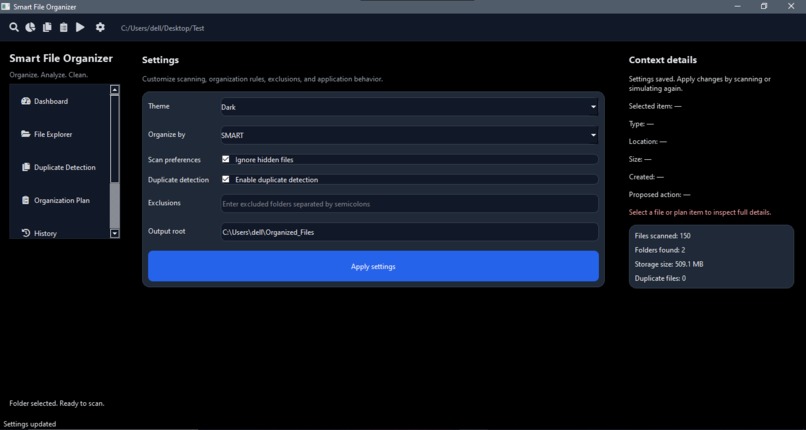
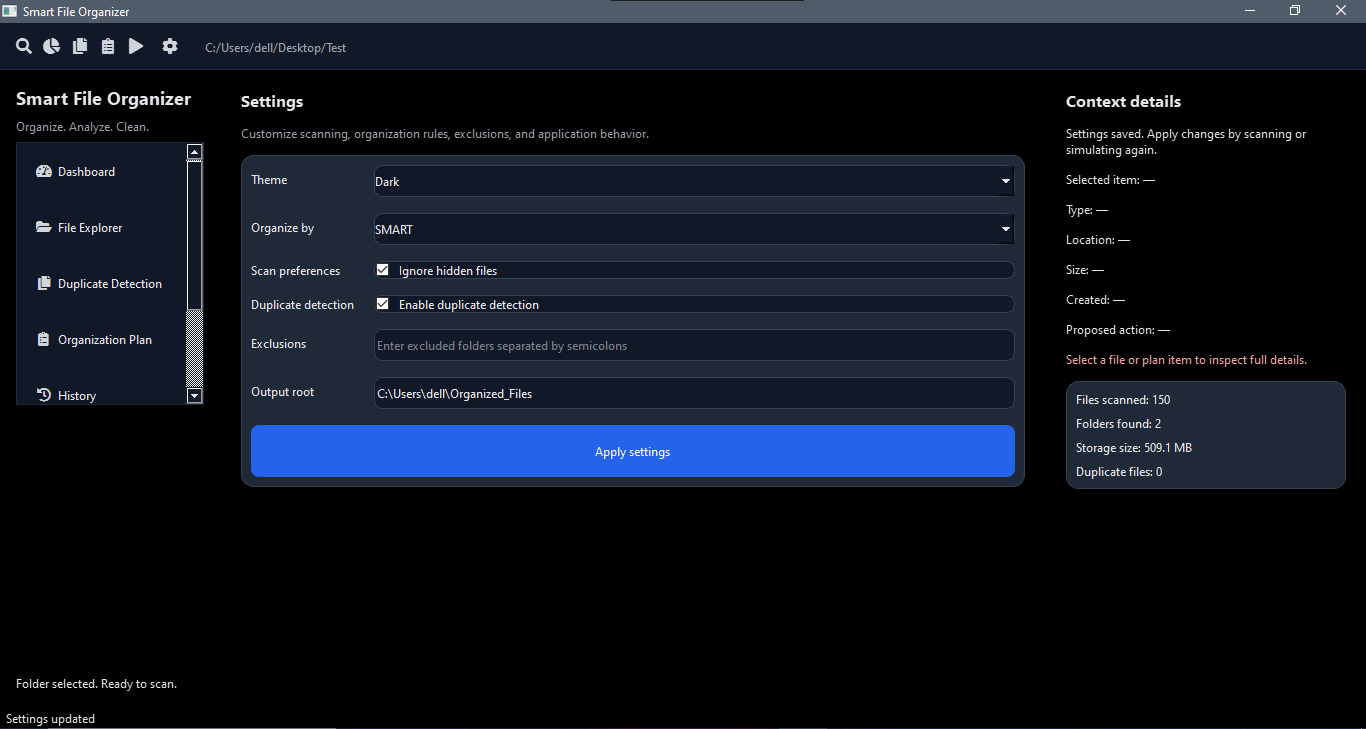
Settings
-
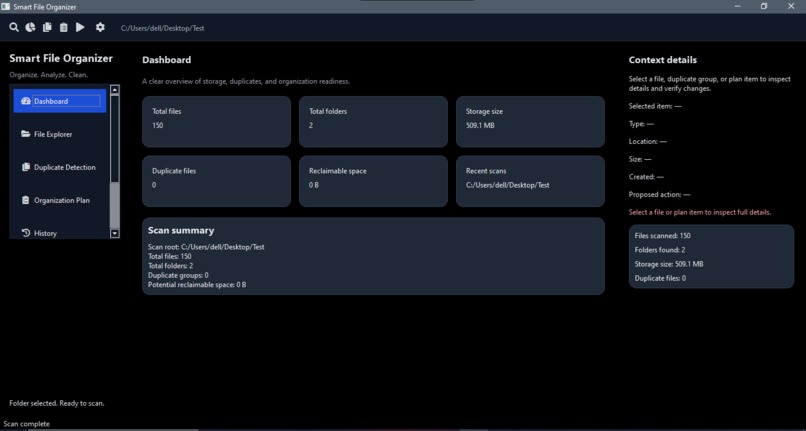
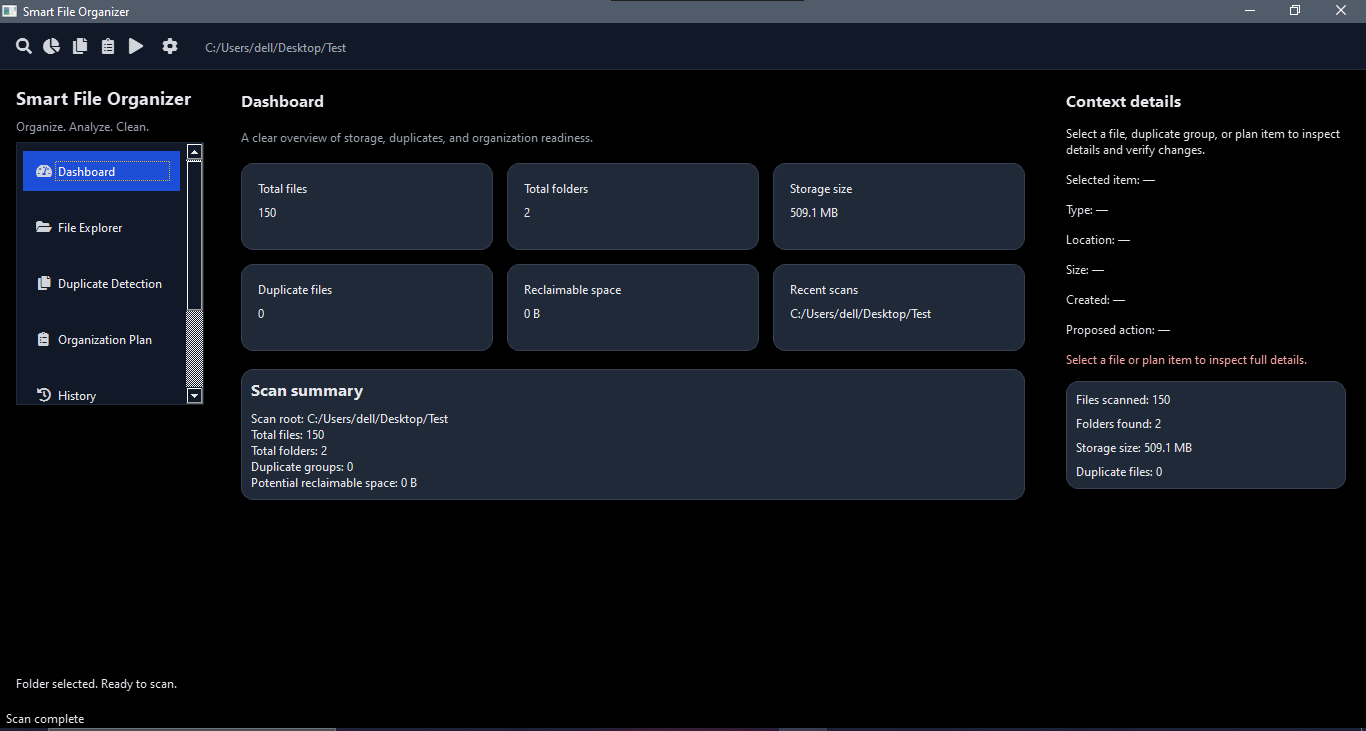
Dashboard
-
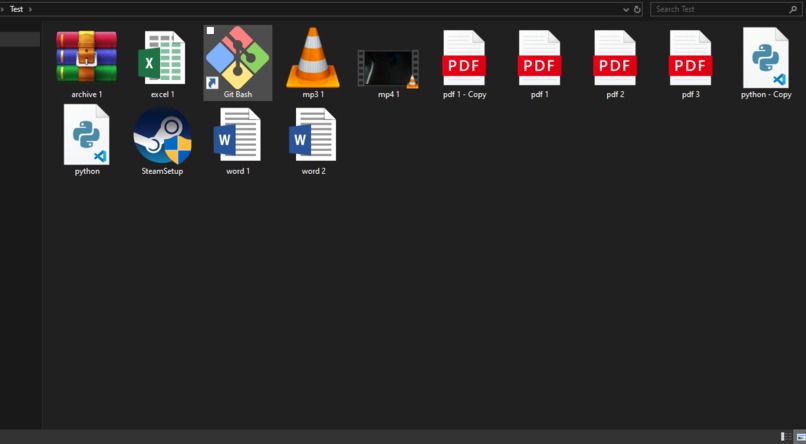
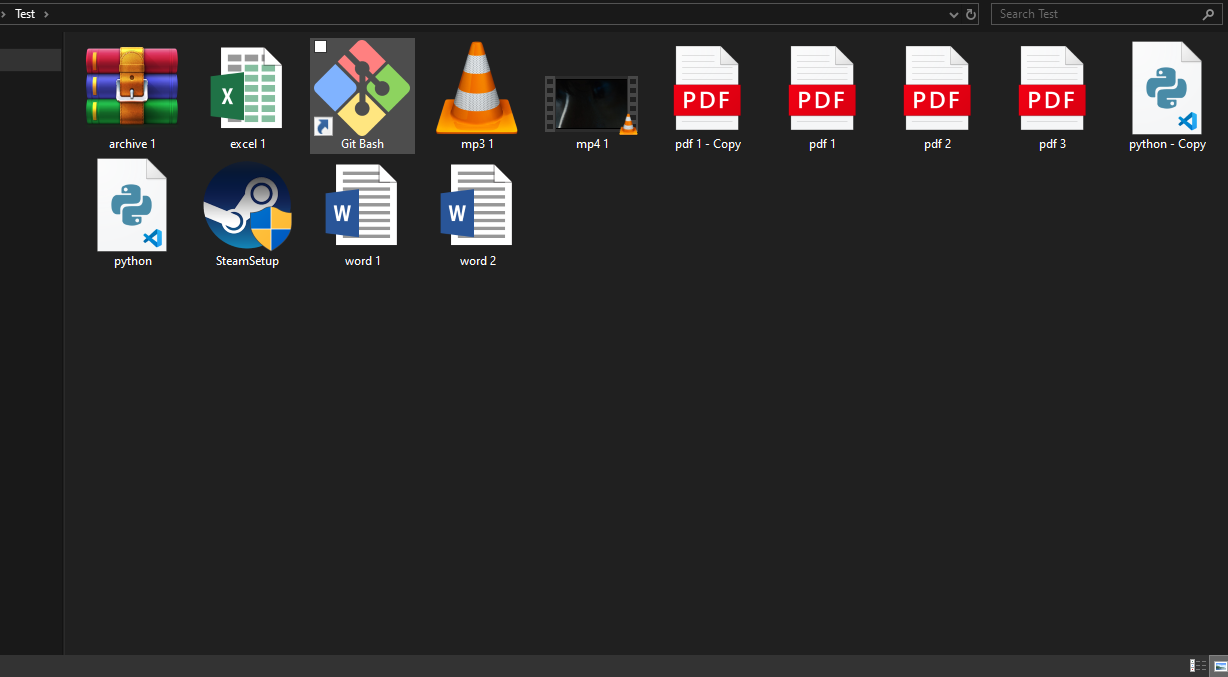
Test file before the demo
-
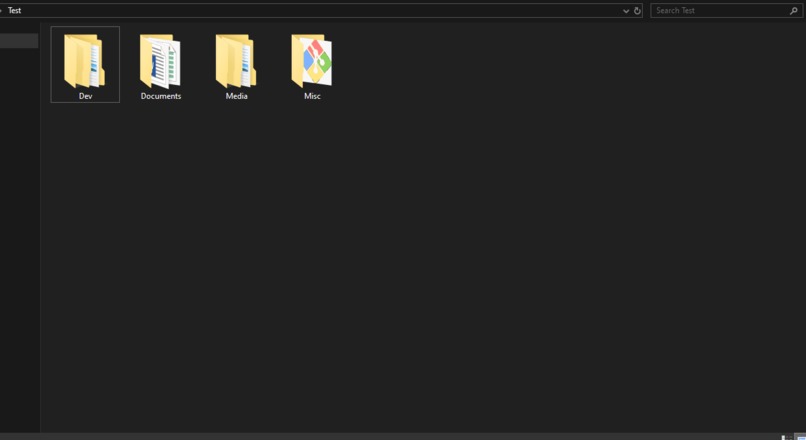
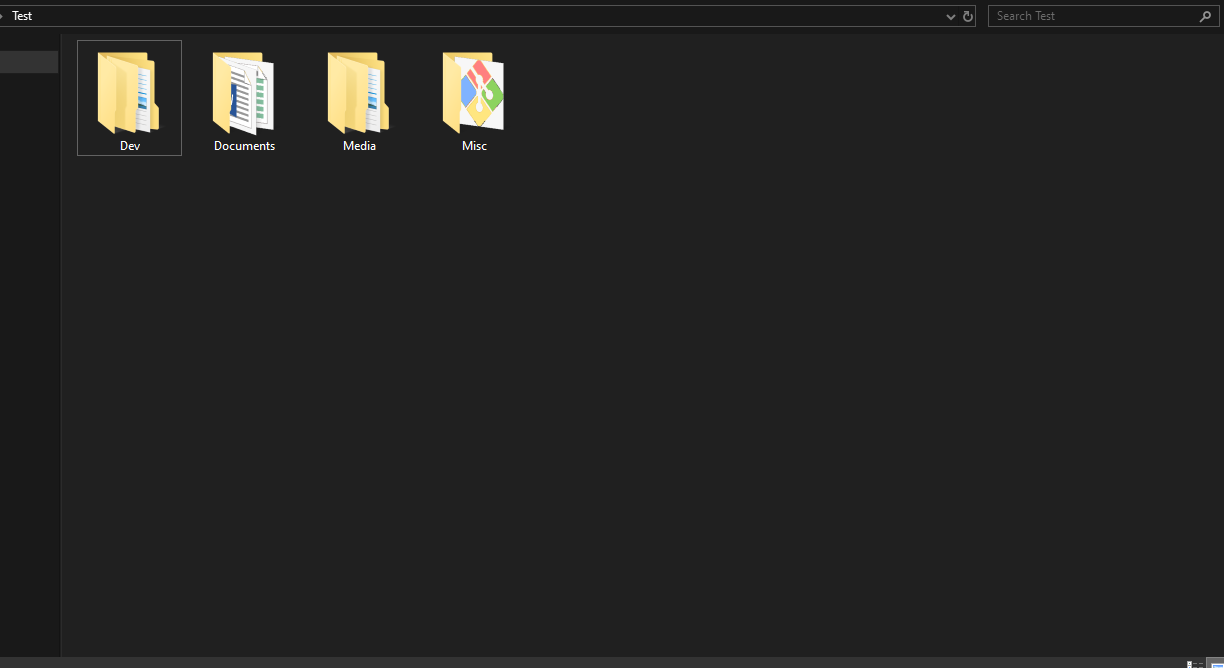
Test File After the demo
Inspiration
This project started from a very personal experience. While preparing for the hackathon, I was trying to find a specific course file on my computer. I knew it was a PDF, but I couldn’t remember its name. As I kept switching between different sorting methods (by name, by date, by type), I realized how inefficient and frustrating traditional file organization can be.
This moment made me realize that file clutter is a universal problem. Almost everyone has experienced the difficulty of navigating large, unstructured folders where finding a simple file becomes unnecessarily time-consuming. This inspired me to build Smart File Organizer, a tool that simplifies this process and brings structure back to digital workspaces.
What it does
Smart File Organizer is a desktop application that scans any selected folder, analyzes its contents, and automatically classifies files based on their type. It helps users quickly transform messy and unstructured directories into clear and organized file systems in just one click. The current version focuses on simplicity and reliability, allowing users to instantly organize files without manually sorting through large folders or switching between different file views.
How we built it
I built this project iteratively, step by step, while continuously refining the architecture. For the backend, I designed the system progressively, using AI as a guide but always validating and adjusting the logic manually. For the frontend, due to time constraints and my current technical limitations in UI development, I used AI to generate the initial version of the interface. However, I carefully controlled the design direction and ensured it matched the backend structure and data flow requirements. Overall, the project was built by combining manual backend engineering with AI-assisted frontend generation, while maintaining full control over the system design and integration logic.
Challenges we ran into
One of the main challenges I faced was designing a consistent and correct backend structure while still learning how to properly organize services. At the beginning, I also struggled with a logical bug where files were incorrectly being processed into a “Users/..” structure instead of staying within the intended directory context. This required multiple iterations and debugging to fix and understand the root cause. Another major challenge was the frontend. Creating a clean, professional UI for a desktop application is significantly more complex than expected, and I initially underestimated the effort required. This is what led me to rely on AI-generated UI while focusing on backend stability and system correctness.
Accomplishments that we're proud of
I’m proud of having built a fully functional application from scratch that already performs real file organization tasks. Beyond the technical result, I’m especially proud of successfully designing a modular system, integrating AI-assisted components, and managing to bring the project to a working state within a limited timeframe. It represents my ability to take an idea from concept to a working product, even while still learning and improving my technical skills.
What we learned
During this project, I learned a lot more than just technical implementation.
- I improved my understanding of software modularity and how separating responsibilities between services makes a system more maintainable and scalable.
- I also learned the importance of configuration and structure in backend systems, especially how small design decisions early on can affect the entire architecture later.
- Finally, I understood the trade-off between time, skill level, and execution speed, which led me to use AI to accelerate frontend generation while focusing my effort on backend logic and system design.
What's next for Smart File Organizer
The next step for Smart File Organizer is to introduce a natural language interface where users can describe how they want their files organized. The system would then generate an organization plan, simulate the result visually, and allow the user to approve or adjust it before execution.
The long-term goal is to evolve this project into an real intelligent file management system that combines automation, transparency, and user control in a single seamless experience.
Built With
- pyqt
- python


Log in or sign up for Devpost to join the conversation.