-
-
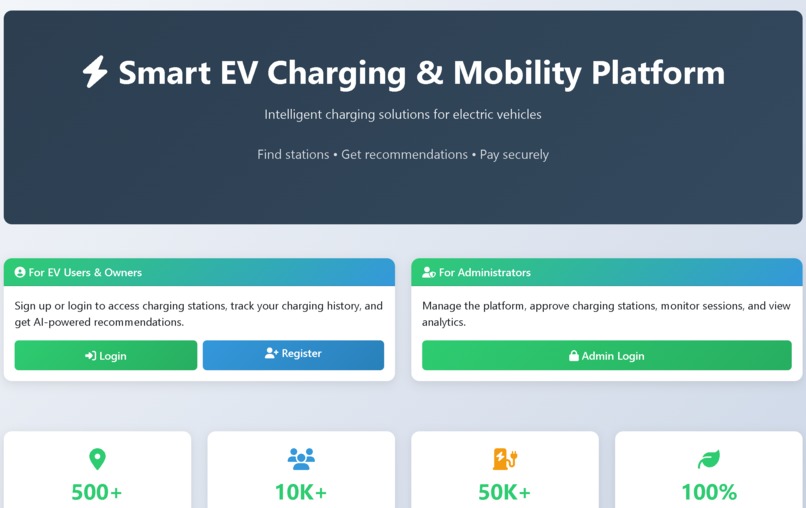
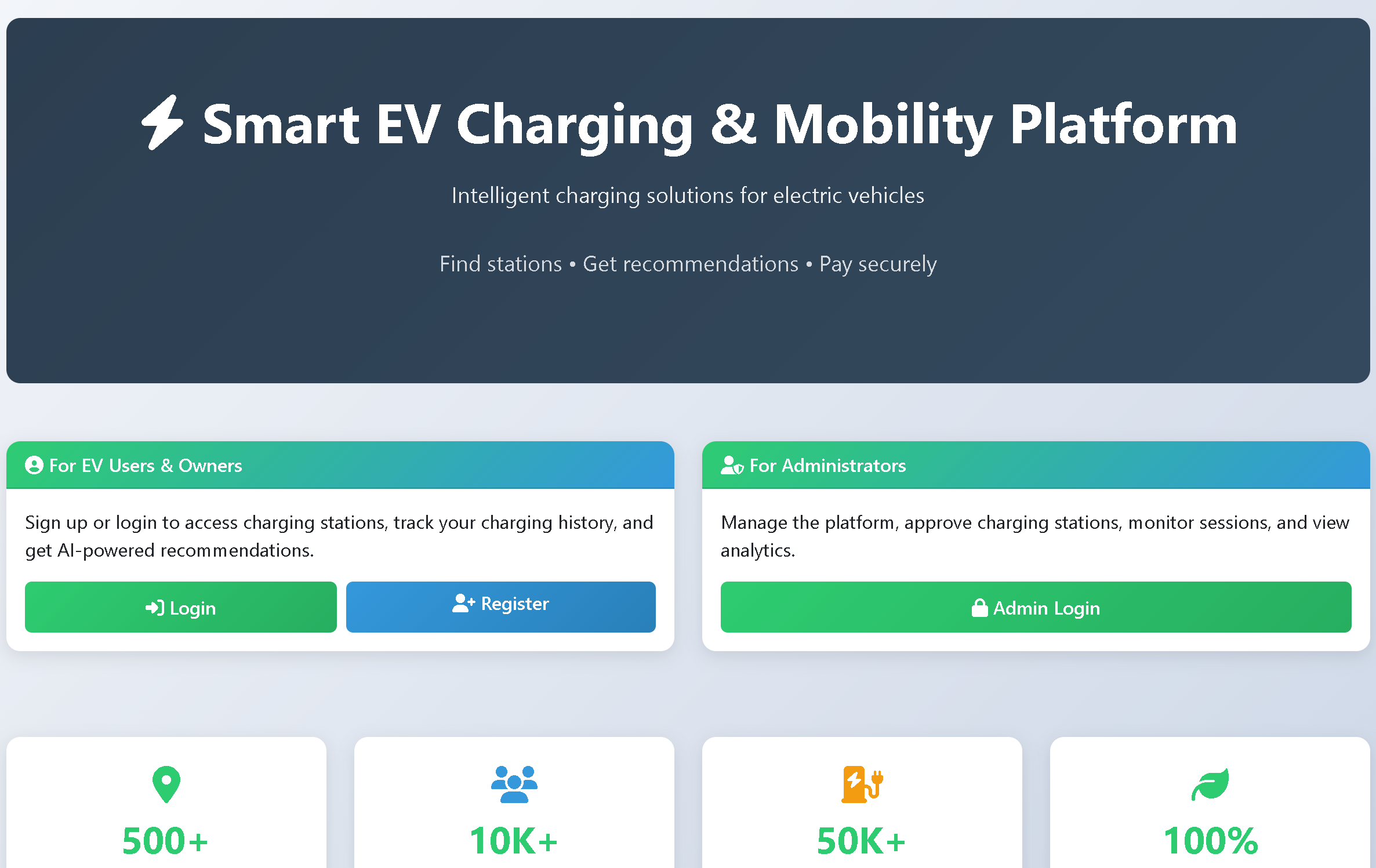
Landing Page
-
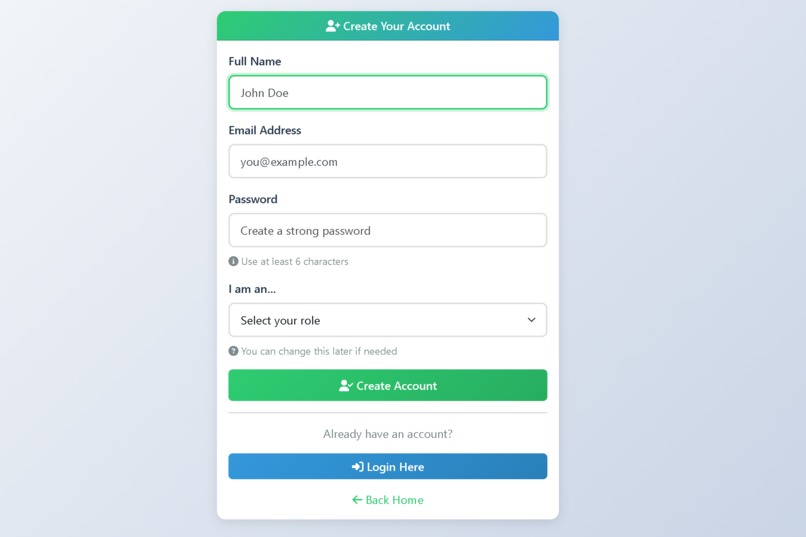
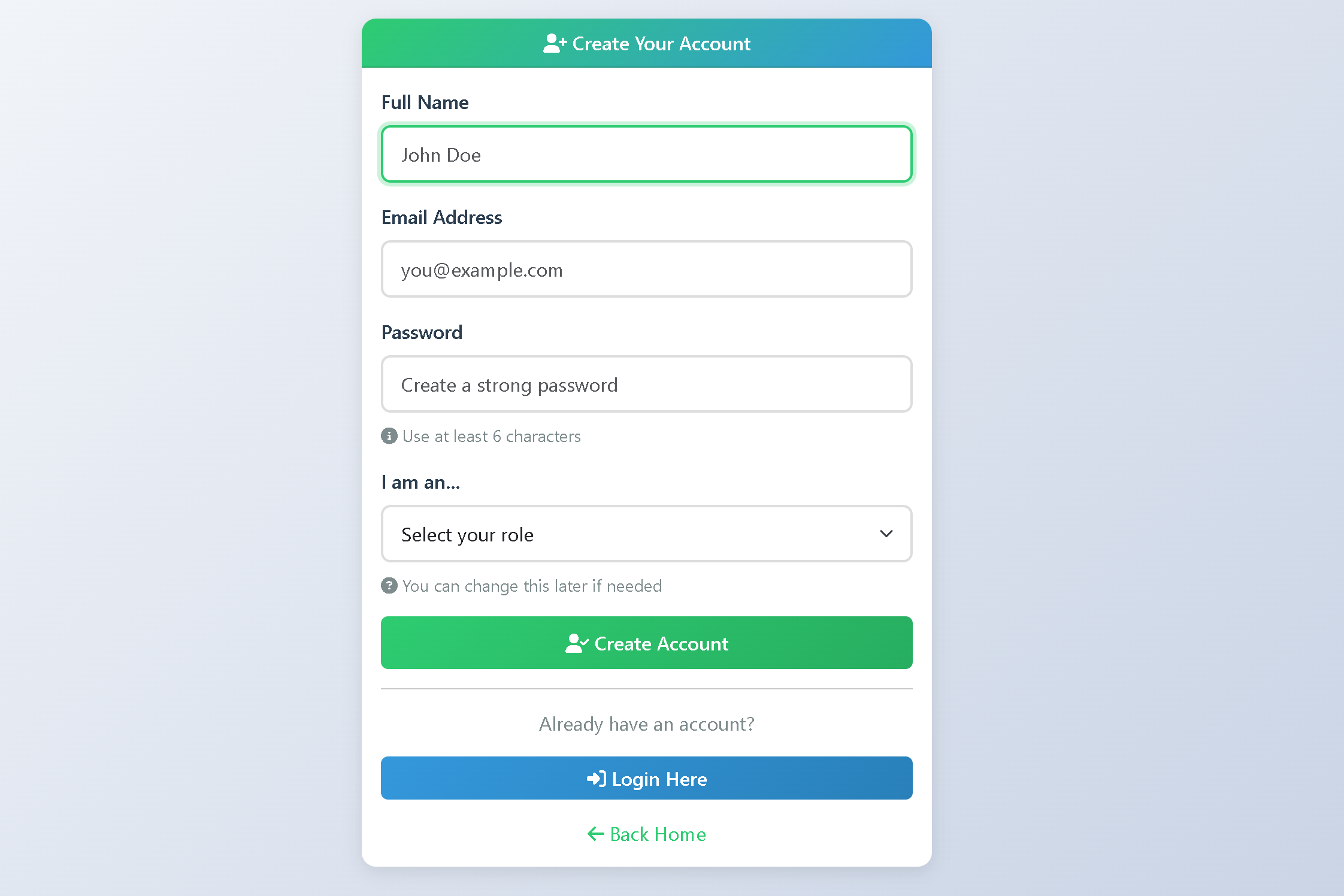
Registration Page
-
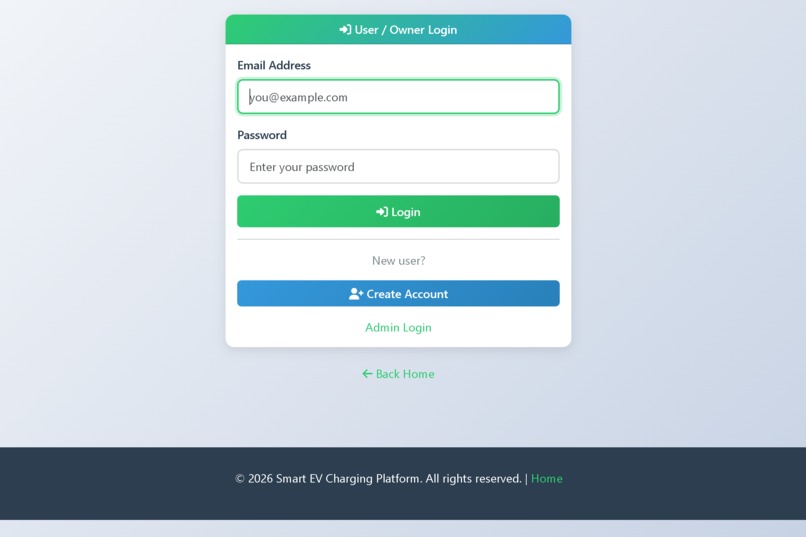
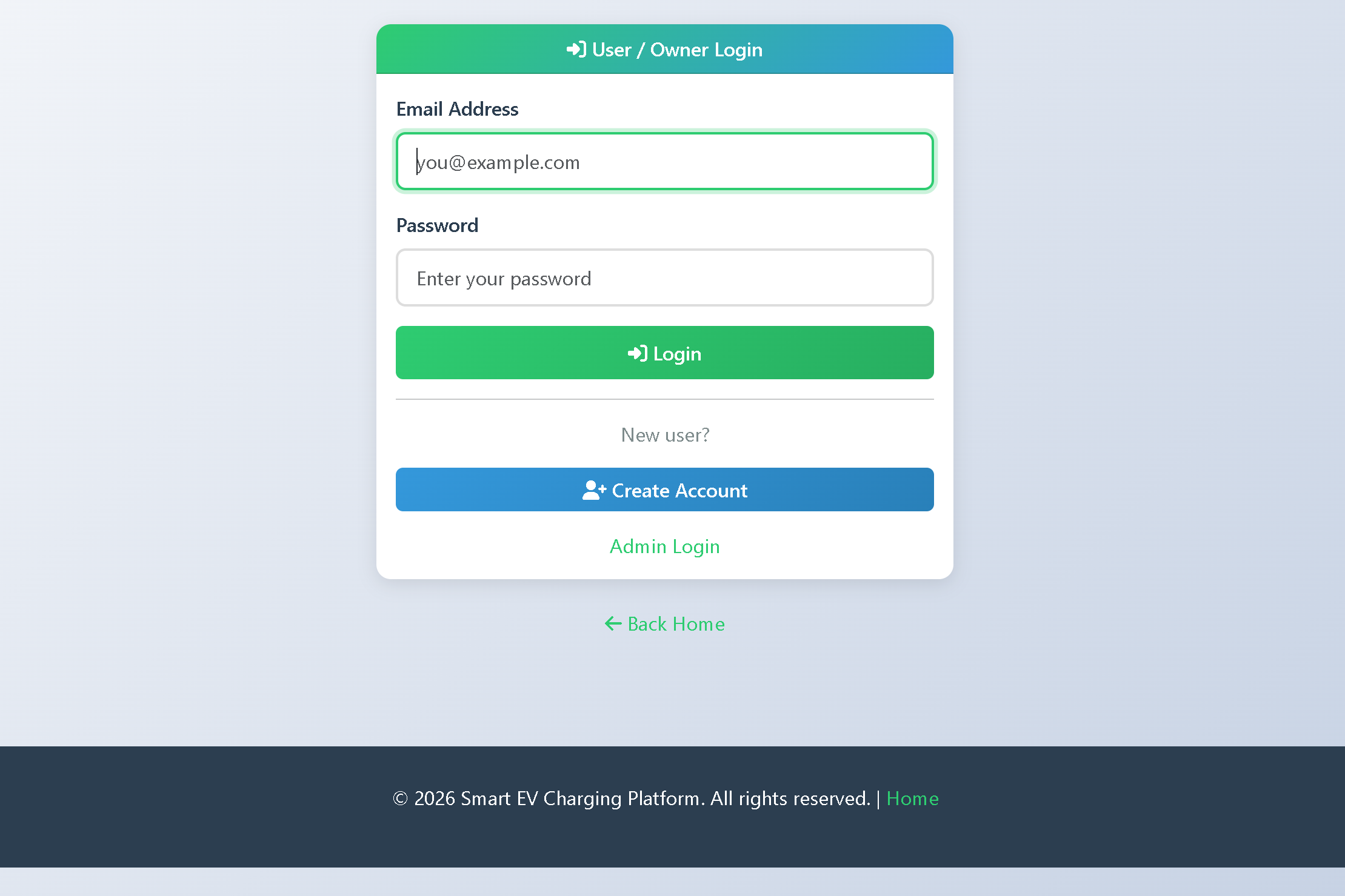
Login/Signup Page
-
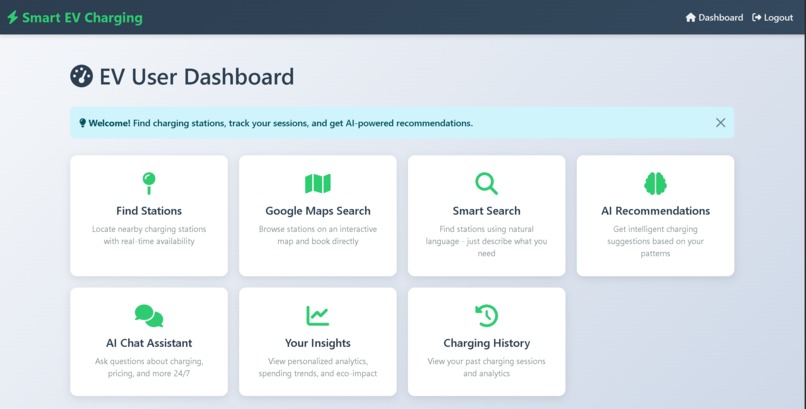
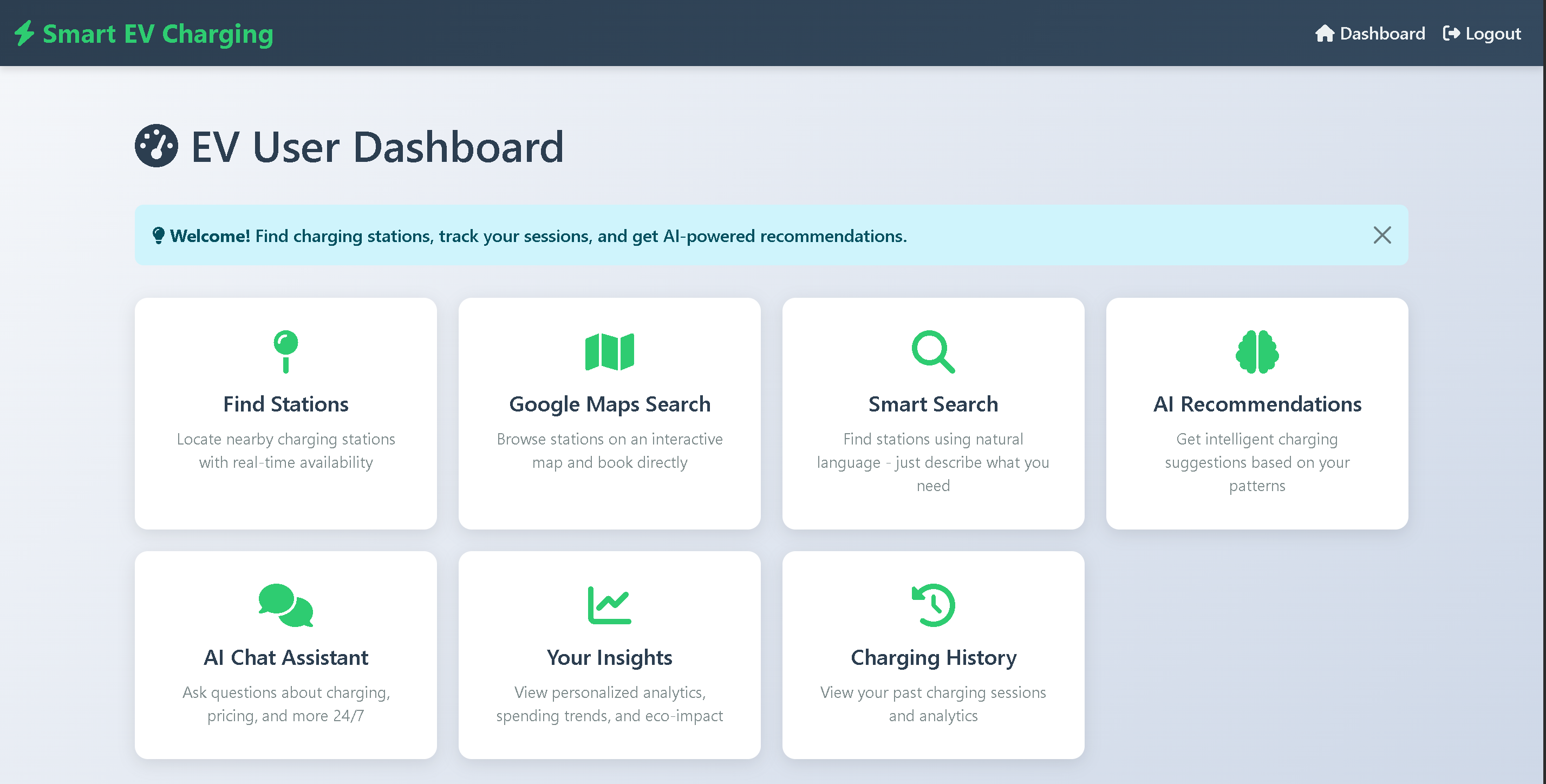
User Dashboard
-
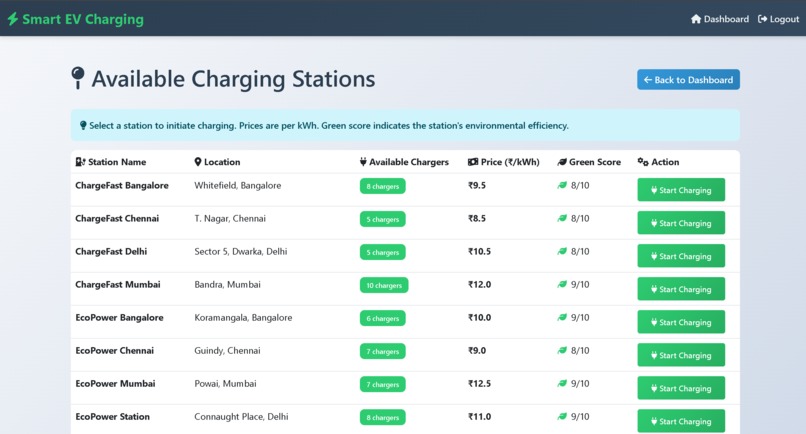
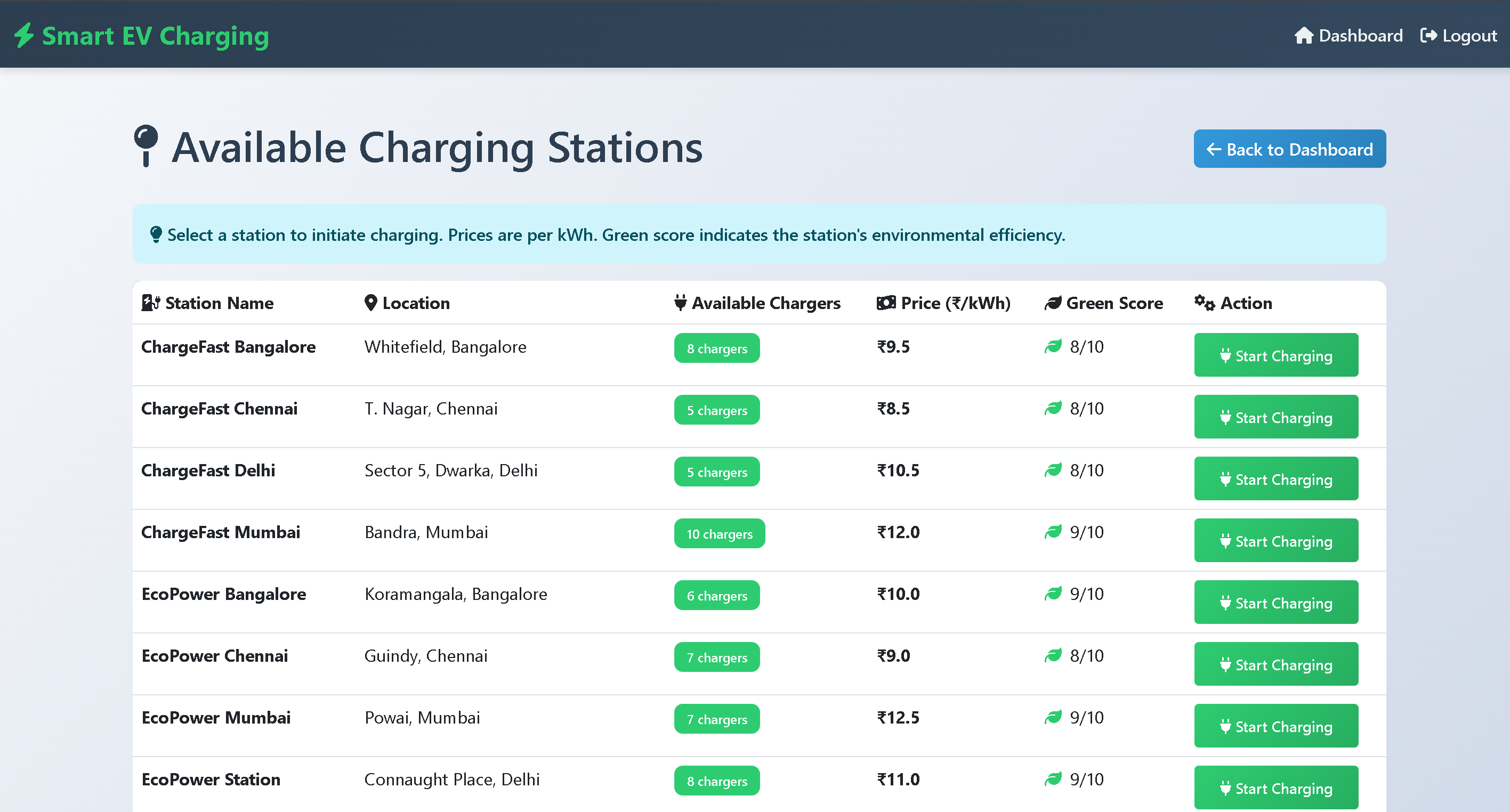
Available charging stations
-
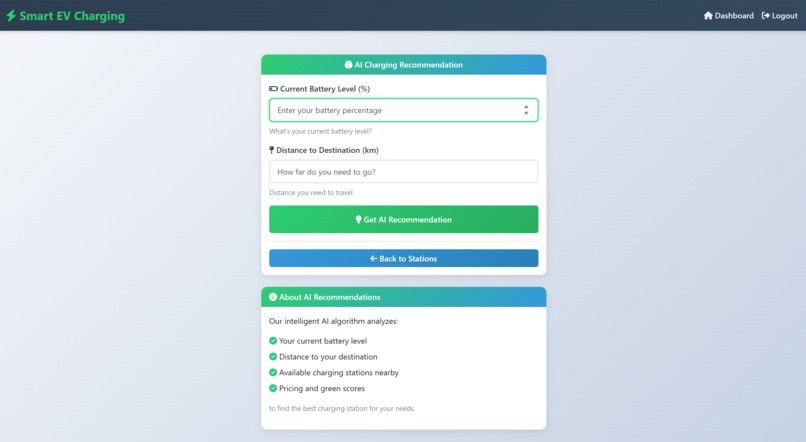
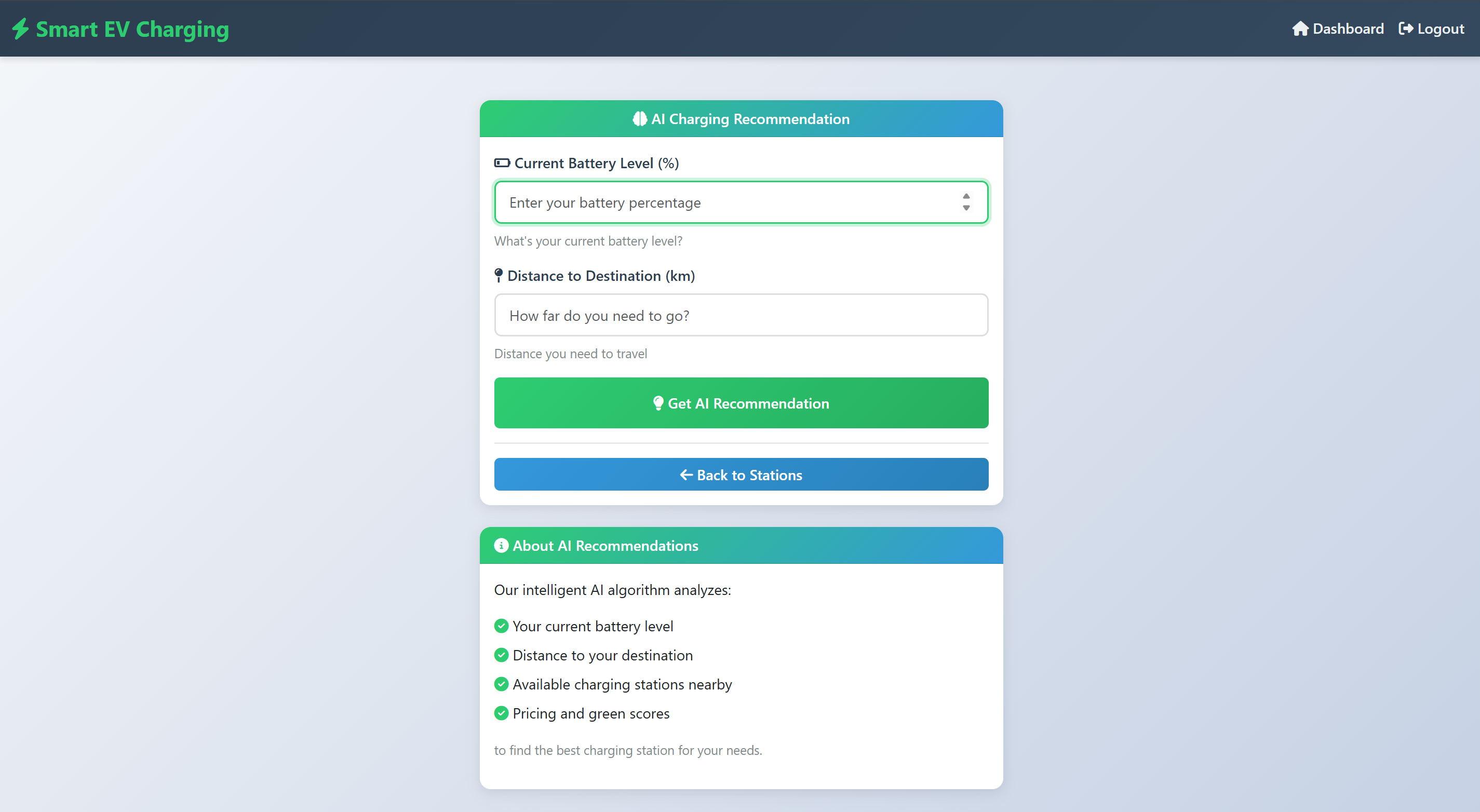
AI Charging Recommendation
-
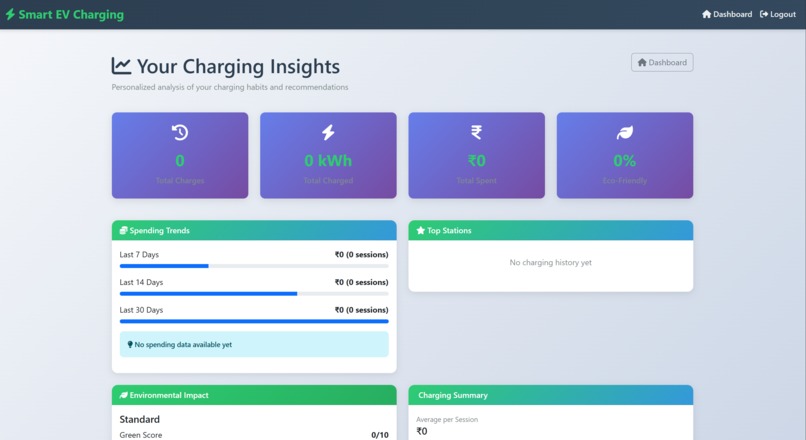
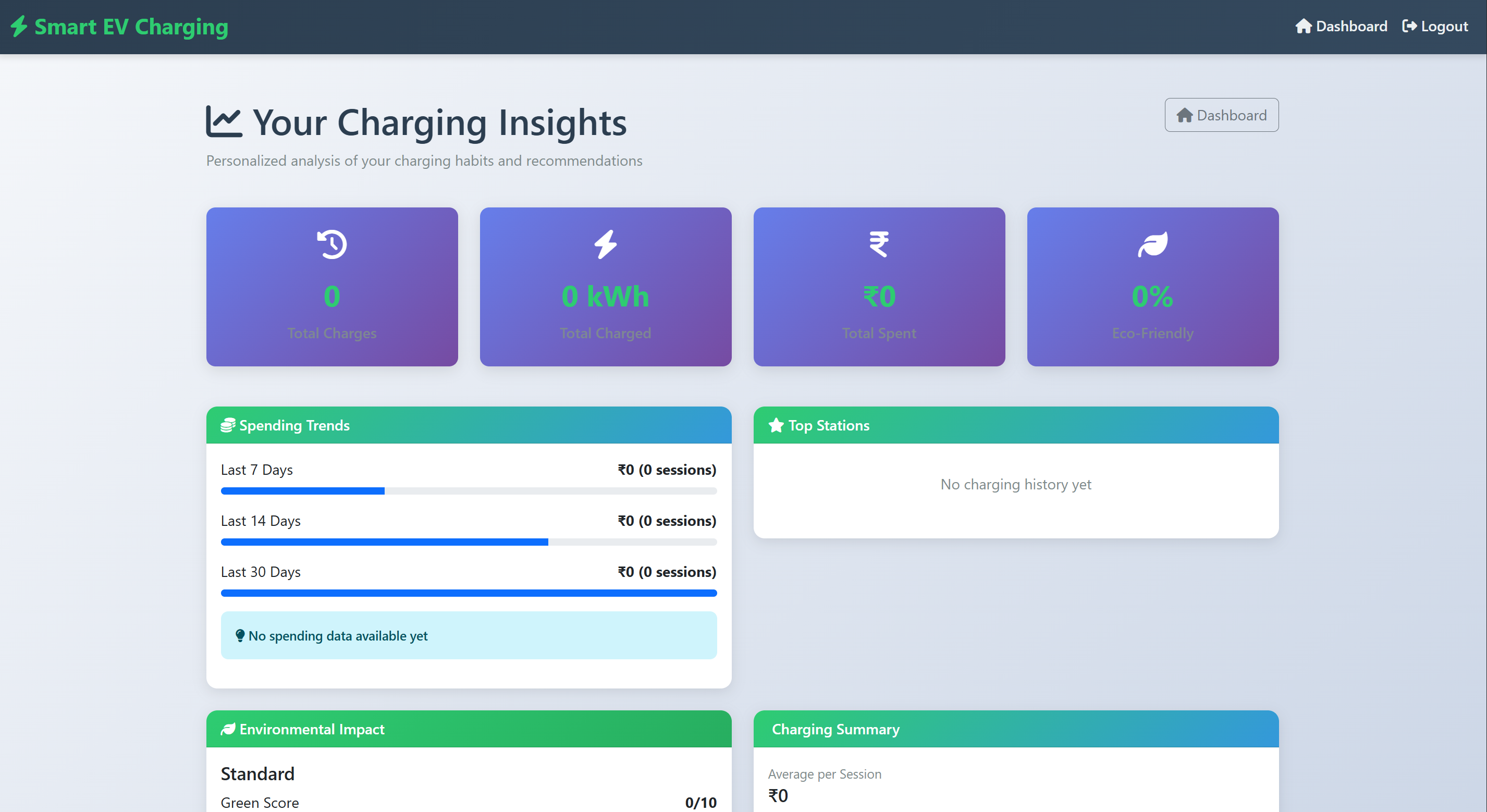
Your Charging Insights
-
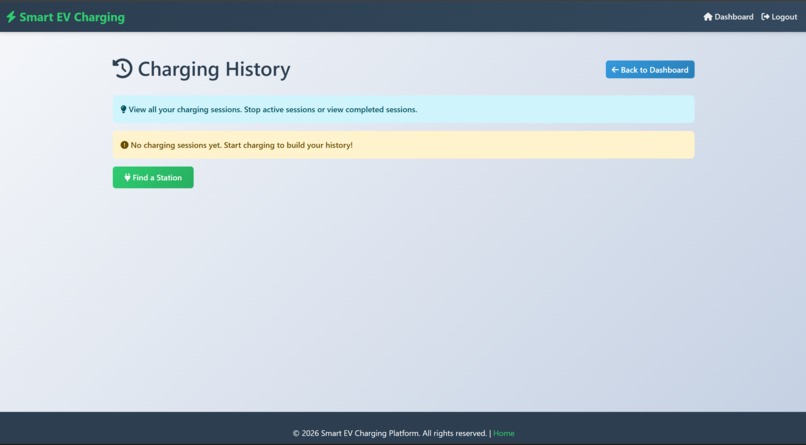
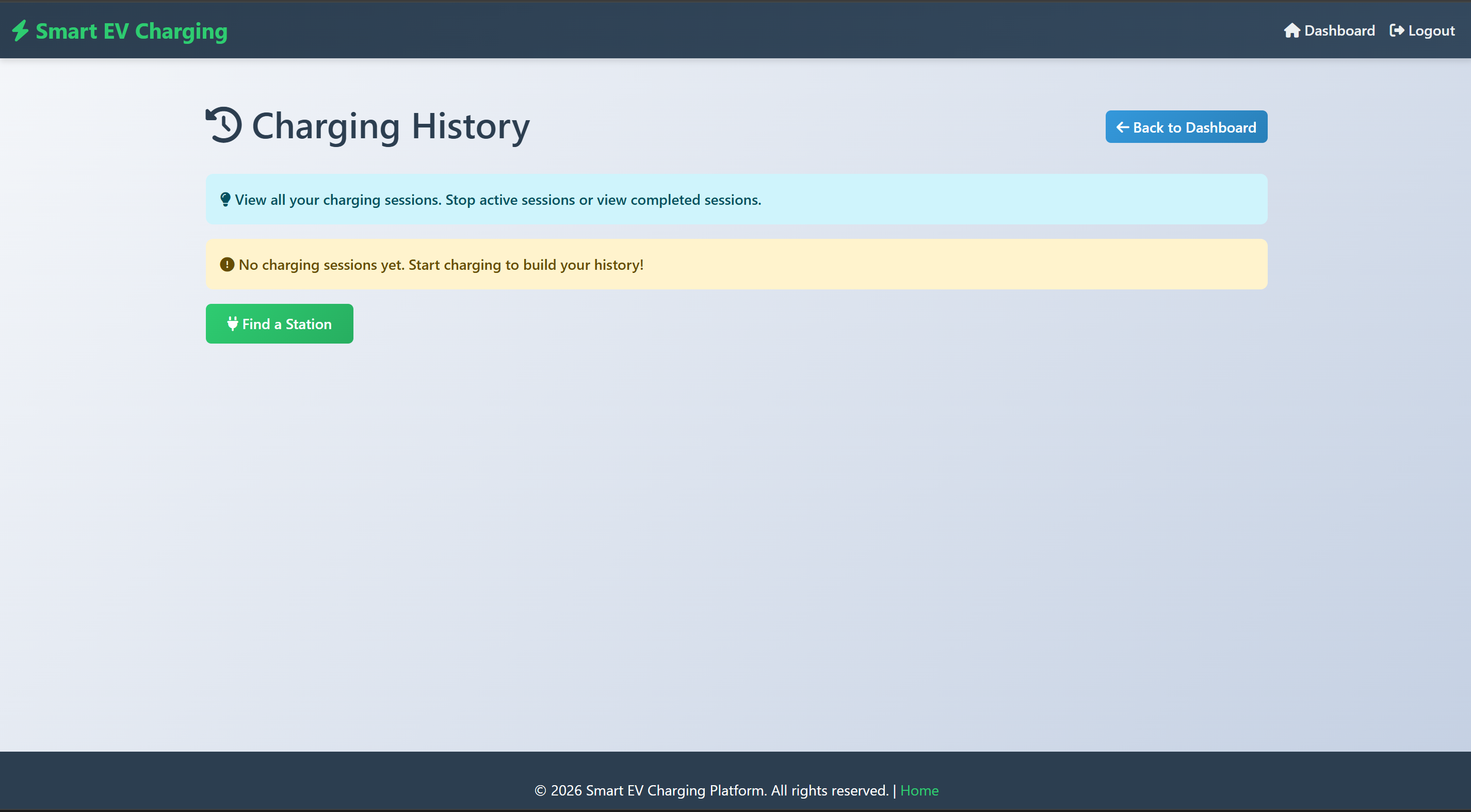
Charging History
-
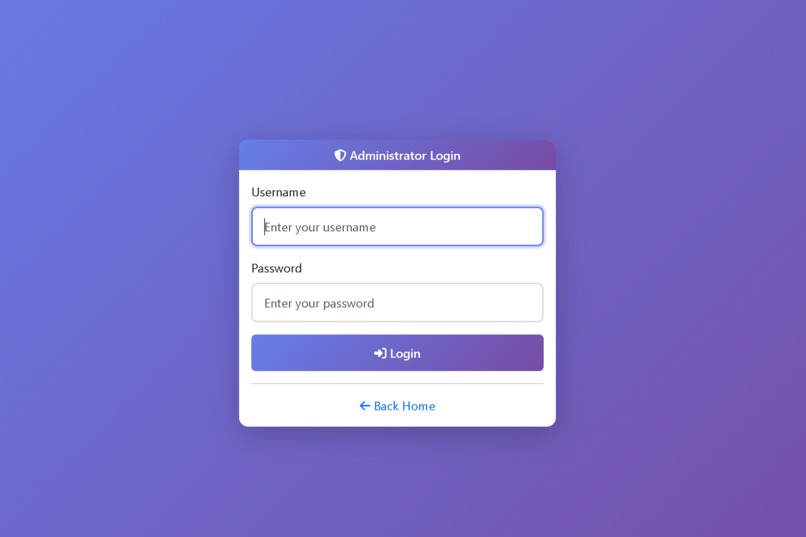
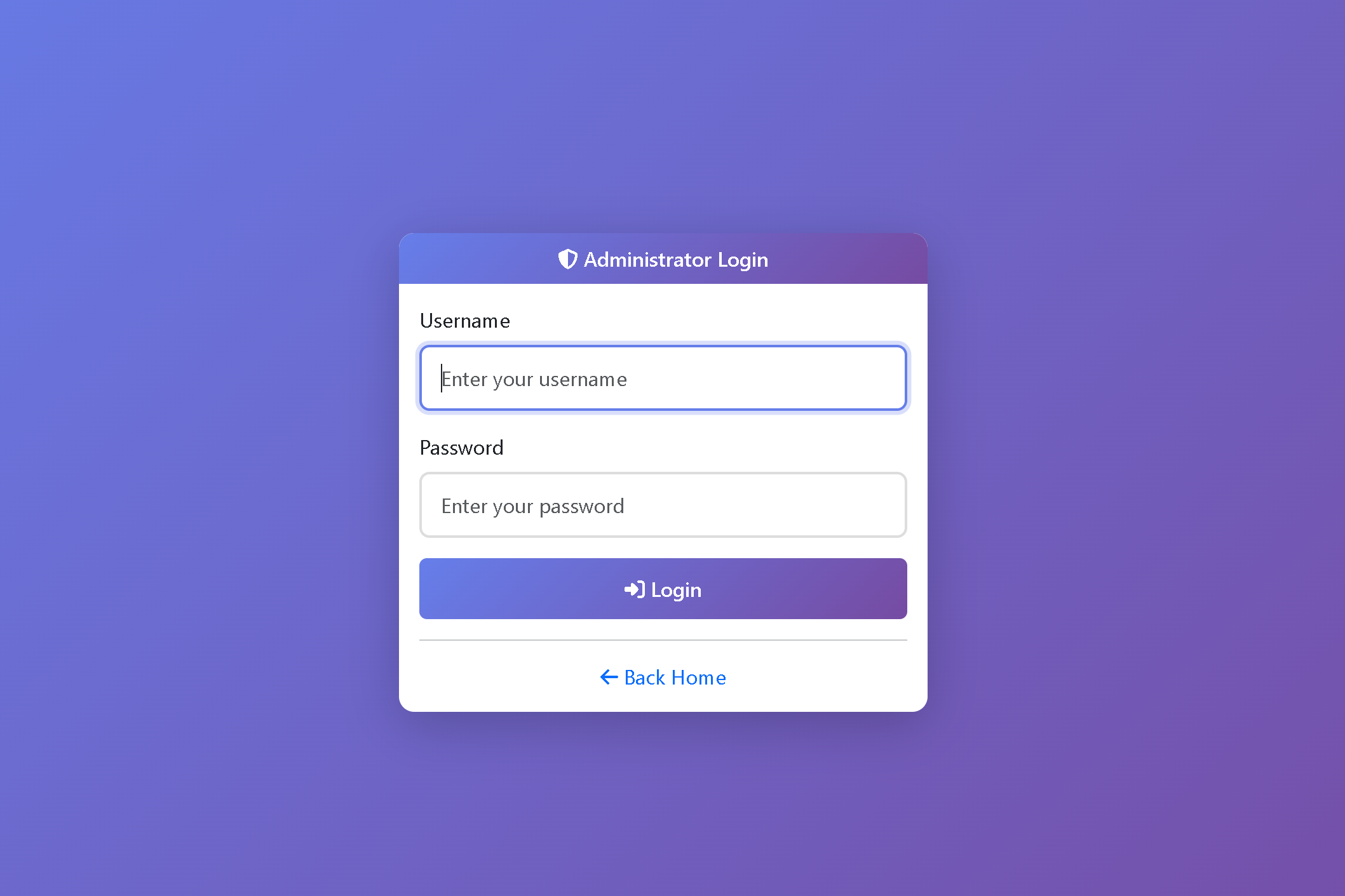
Administrator Login
-
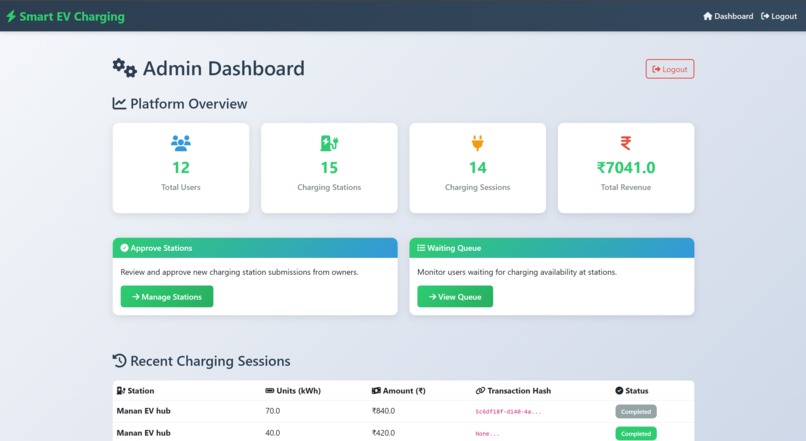
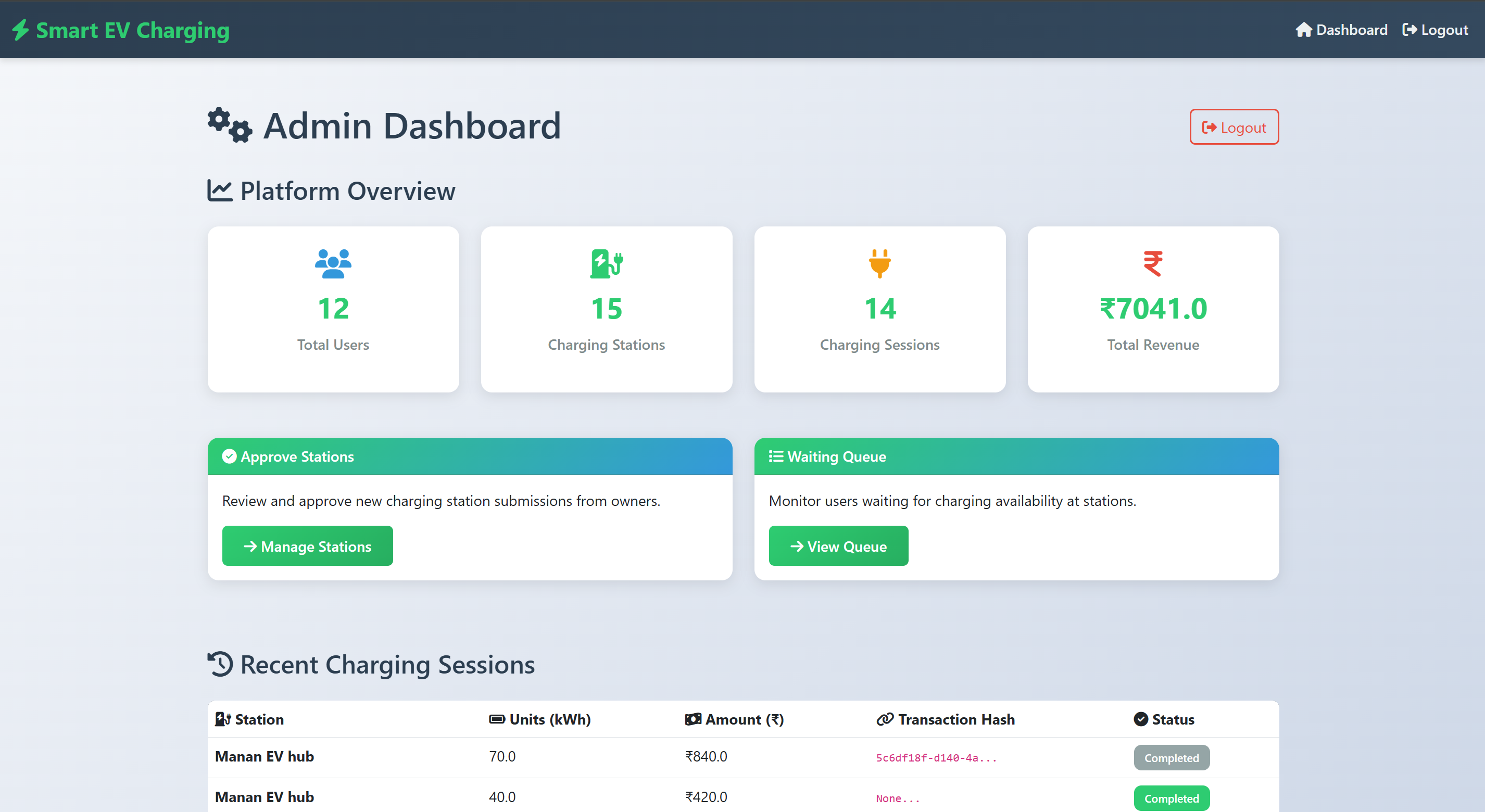
Admin Dashboard
-
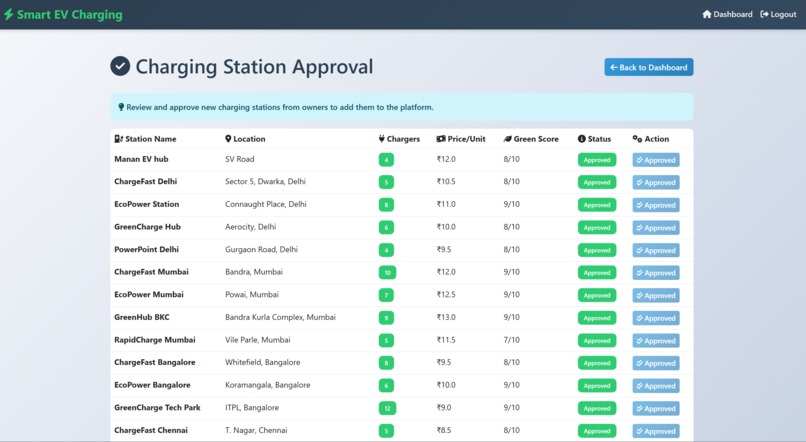
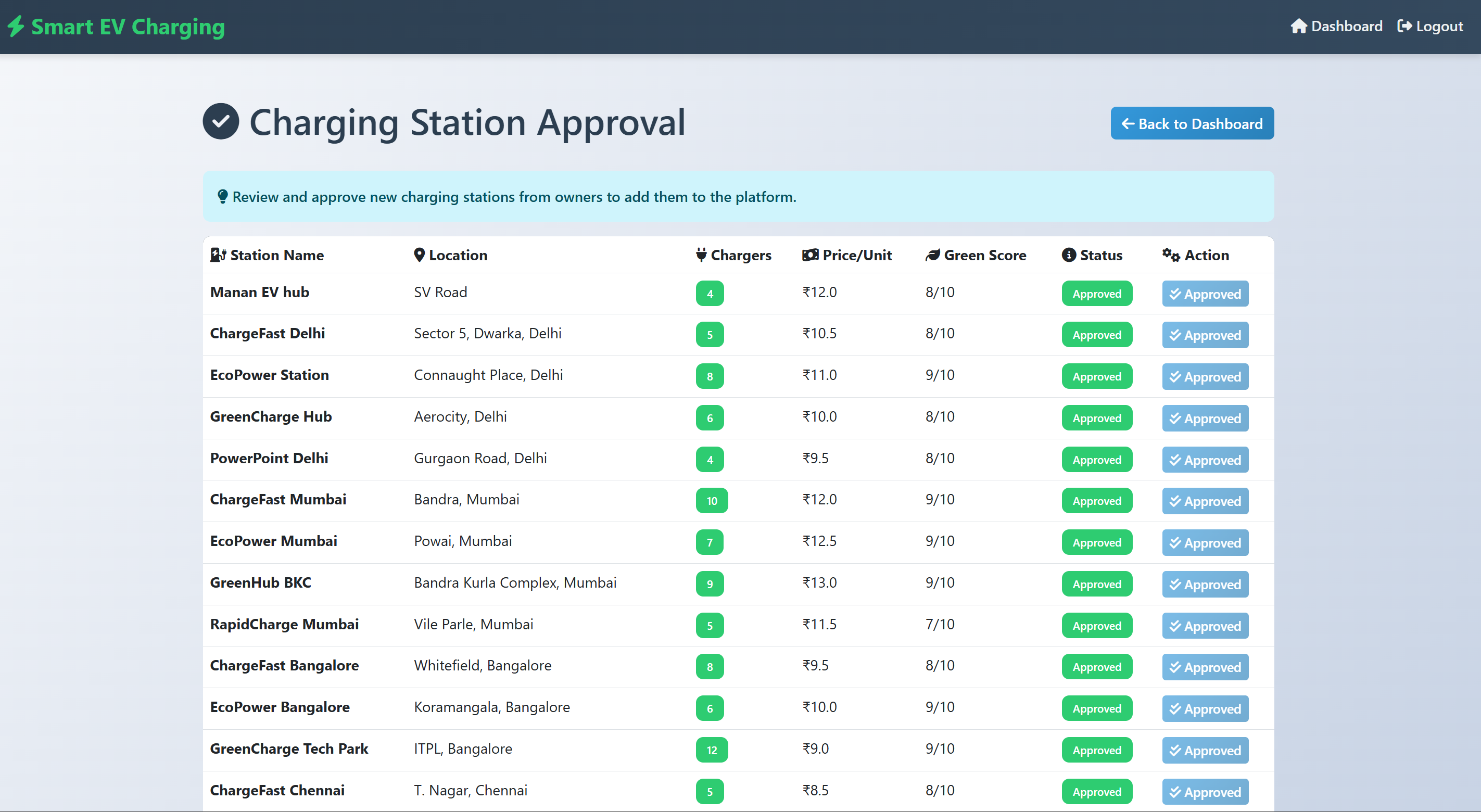
Charging Station Approval
-
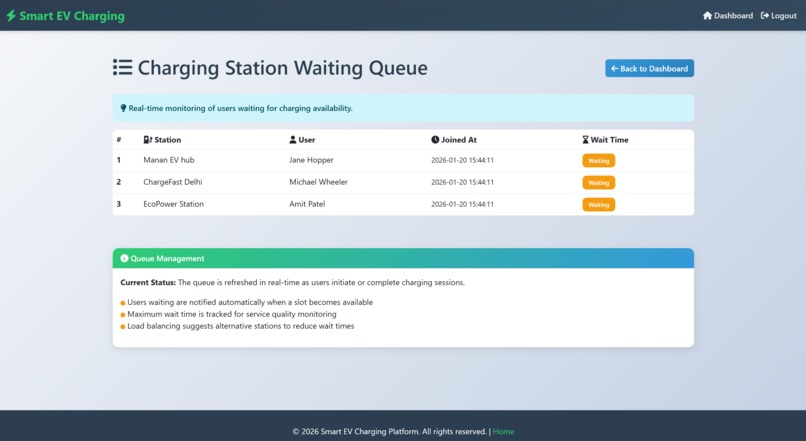
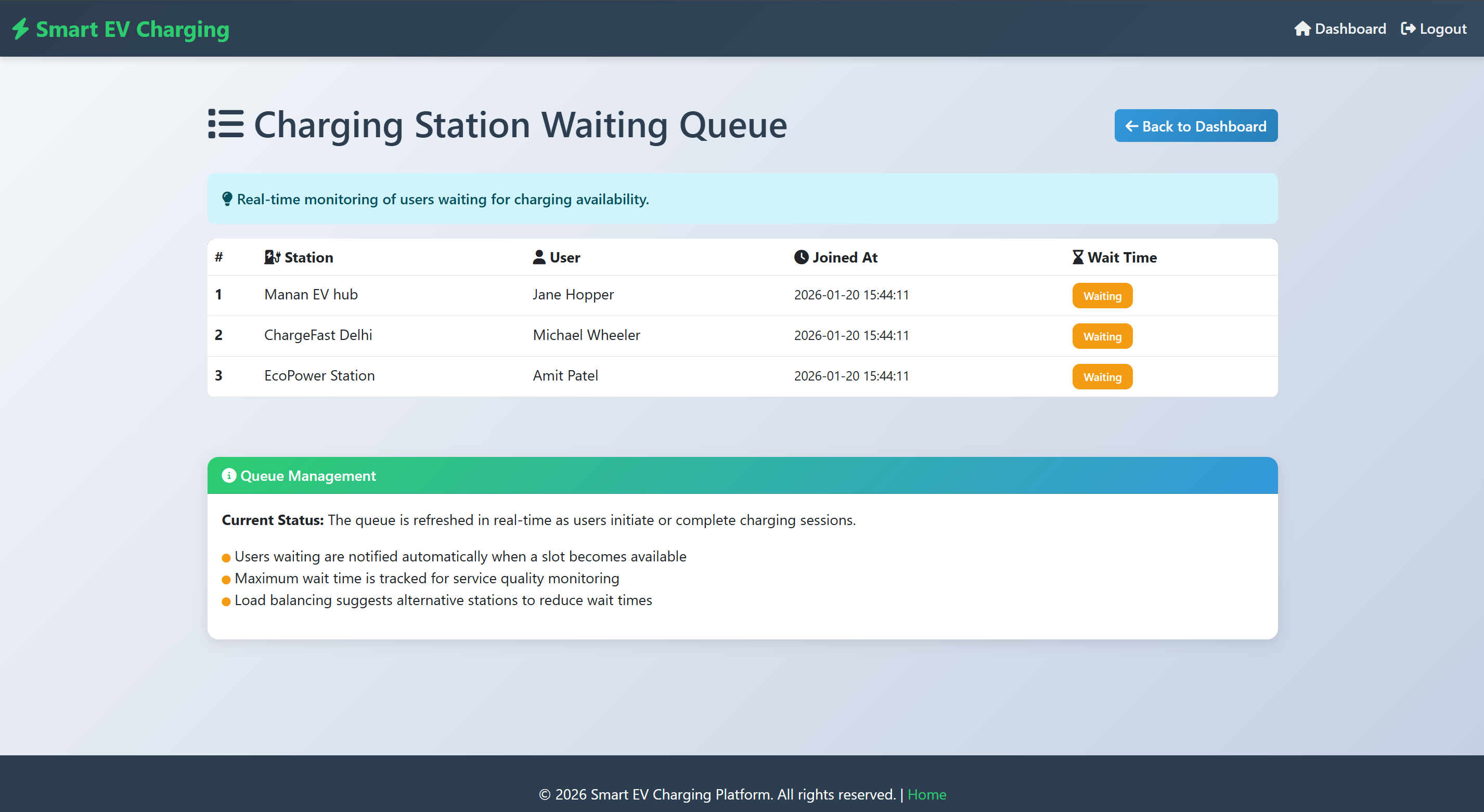
Charging Station Waiting Queue
Inspiration ?
As students watching the EV revolution from Mumbai, dominated by EV-Scooters in traffic, we have spent the last three years noticing a disturbing trend. While industry giants talk about 2030 electrification targets and "tailpipe emissions", the students and consumers on the ground see a different reality. We are told about the lower Total Cost of Ownership (TCO), but the high upfront costs and range anxiety make EVs feel like a luxury risk rather than a logical choice. We realized that greenwashing won't save our environment, but utilization will. We wanted to build something that moves past the preaching and provides real, localized value to the Indian driver.
The idea was to stop treating charging like a chore and start making it a predictable part of the day. We wanted to solve the utilization problem because if a charger is sitting idle because people are afraid to use it or simply can't find it, the environmental benefit is lost. That is where we started.
What it does ?
Our platform acts as an intelligent companion for EV owners. It is not just a basic directory but a smart hub that helps users manage their entire charging lifecycle.
First, we have an interactive map using Google Maps that shows charging stations with real-time status. It uses color-coded markers so you can see what is available or eco-friendly at a glance. We also integrated an assistant powered by Gemini that handles natural language. Instead of clicking through filters, you can just ask it where the cheapest fast charger is or why your charging speed is dropping.
The dashboard gives users a breakdown of their spending and their environmental impact. It translates battery units into actual metrics like money saved and carbon offset, making the abstract benefits of an EV feel real. We also included predictive analytics to show peak hours at stations, helping users avoid the long queues that are common in busy areas like Bandra or Andheri.
How we built it ?
The core of our application is built on Flask for the backend and SQLite for managing our data. Since this was for a Gemini Hackathon, we focused heavily on how to use AI to make the app more human. We used the Google Gemini Pro API to power our chatbot and the natural language search system. This allows the app to understand context rather than just matching keywords.
On the frontend, we used HTML, CSS, and JavaScript with Tailwind CSS to keep the UI clean and fast. We spent a lot of time on the Google Maps JavaScript API integration, specifically using the Haversine formula to calculate precise distances between the user and the stations. We also made sure the handoff between the map and the AI chatbot felt natural so users wouldn't feel like they were switching between two different tools.
Challenges we ran into !
One of the biggest headaches was handling the API interactions. We had to figure out how to feed the right context from our SQLite database into Gemini so the chatbot would actually know about the specific stations on the map. Mapping the ground reality of Mumbai traffic and usage patterns into a predictive model was also tricky.
Technically, we struggled with handling API rate limits and ensuring the chatbot didn't hallucinate station details. We had to write specific prompts to keep the AI focused on the EV domain. Another challenge was making a dashboard that looked premium while keeping the code simple enough to be fast on a mobile browser, as that is where most drivers will actually use it.
Accomplishments that we're proud of ✓
We are really happy with how the Gemini integration turned out. It is not just a box on the side but actually helps find information that would usually be buried in menus. We also managed to build a fully functional system that handles user registration, station management, and session tracking in a very short time. Seeing the Impact Dashboard update in real time based on simulated charging sessions was a great moment for the team.
What we learned !
We learned that building for the user is very different from building for a grade. We had to think about things like what if the user has a slow 4G connection in a basement parking lot, or if a button is easy to click while standing next to a scooter. On the technical side, we got a much deeper understanding of how to use LLMs as a functional layer in an app rather than just a gimmick. It taught us that AI is most powerful when it is solving small, annoying problems like search and troubleshooting.
What's next for Smart EV Charging & Mobility Platform ?
The next step is to move from discovery to transactions. We want to integrate live payment gateways so users can pay for their charging directly through the app. We also want to look into grid load management, which would help station owners manage electricity spikes. Another idea is to build a specific mode for delivery fleets, who have very different charging needs compared to a casual commuter. We want to make this the default tool for anyone driving electric in Mumbai.
Built With
- css3
- flask
- google-cloud
- google-gemini-api
- google-maps
- html5
- javascript
- python
- render-(deployment)
- sqlite
- tailwind-css


Log in or sign up for Devpost to join the conversation.