-
-
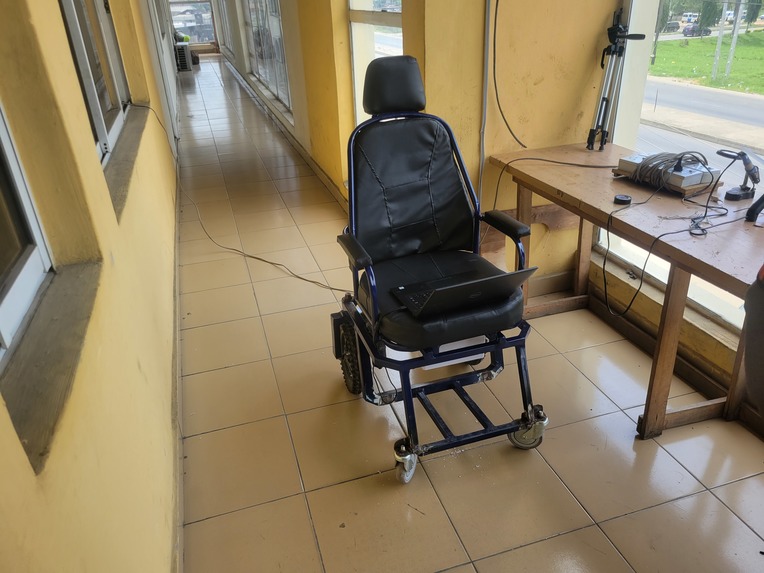
Meet ProGo's smart wheelchair
-
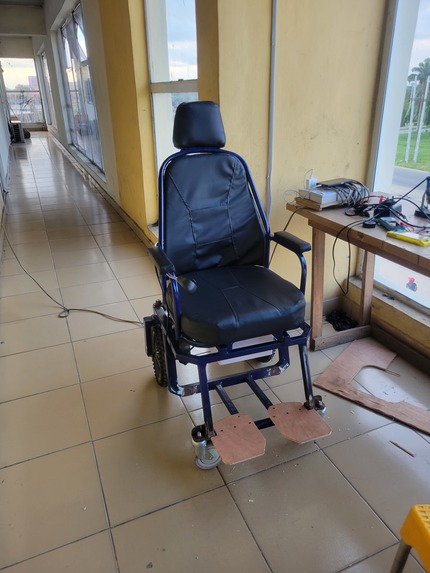
Meet ProGo's smart wheelchair
Inspiration
In Africa, millions of people with mobility impairments face a double challenge: they lack affordable assistive devices, and even when such devices are available, they’re not designed for the local context—frequent power outages, rough terrain, and poor access to internet or repair services.
Imported electric wheelchairs are expensive, power-hungry, and optimized for smooth, urban roads—not the real-world conditions faced by people in underserved African communities. We were inspired to build a solution that empowers mobility with dignity while working within extreme resource constraints.
What it does
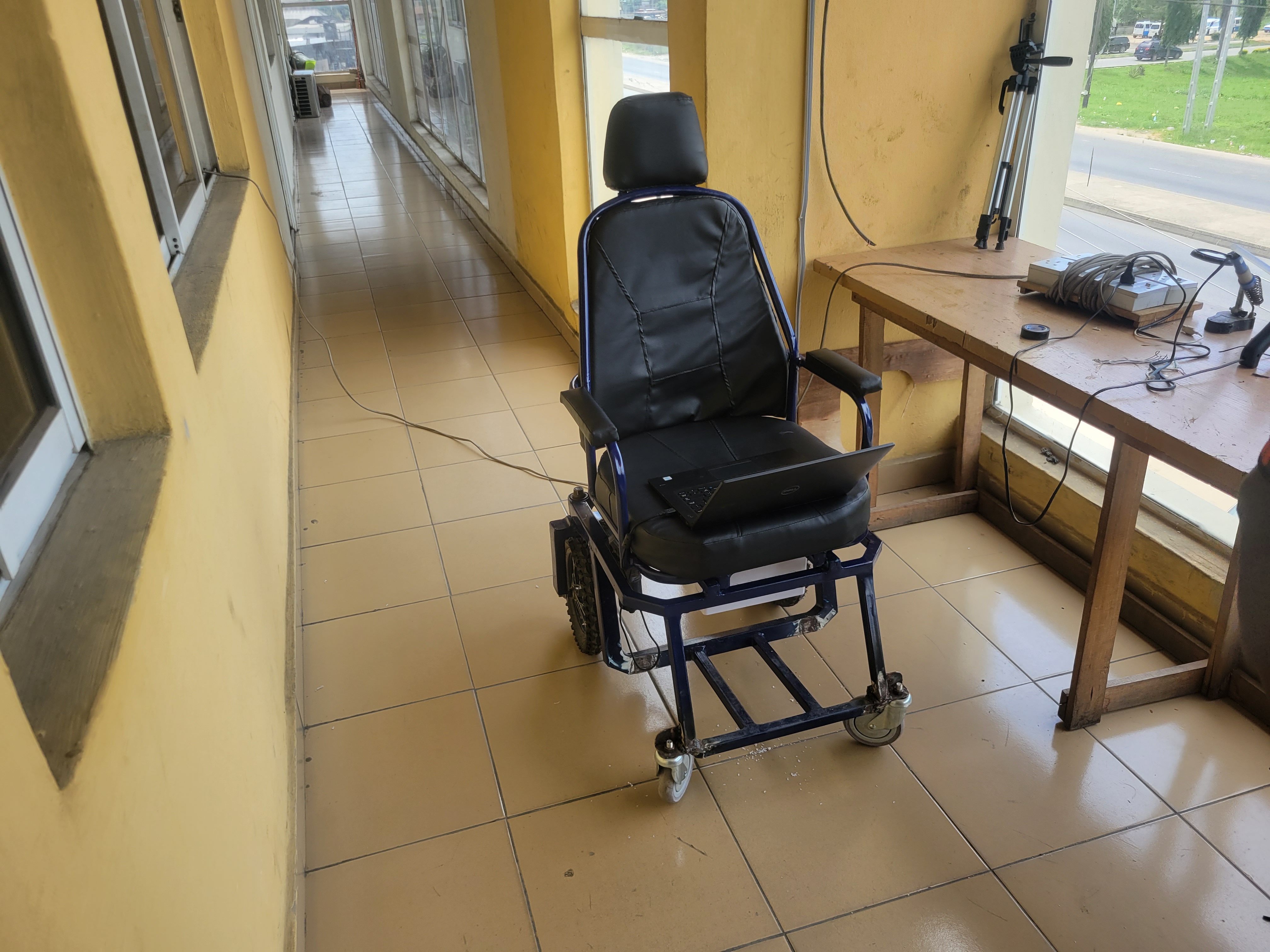
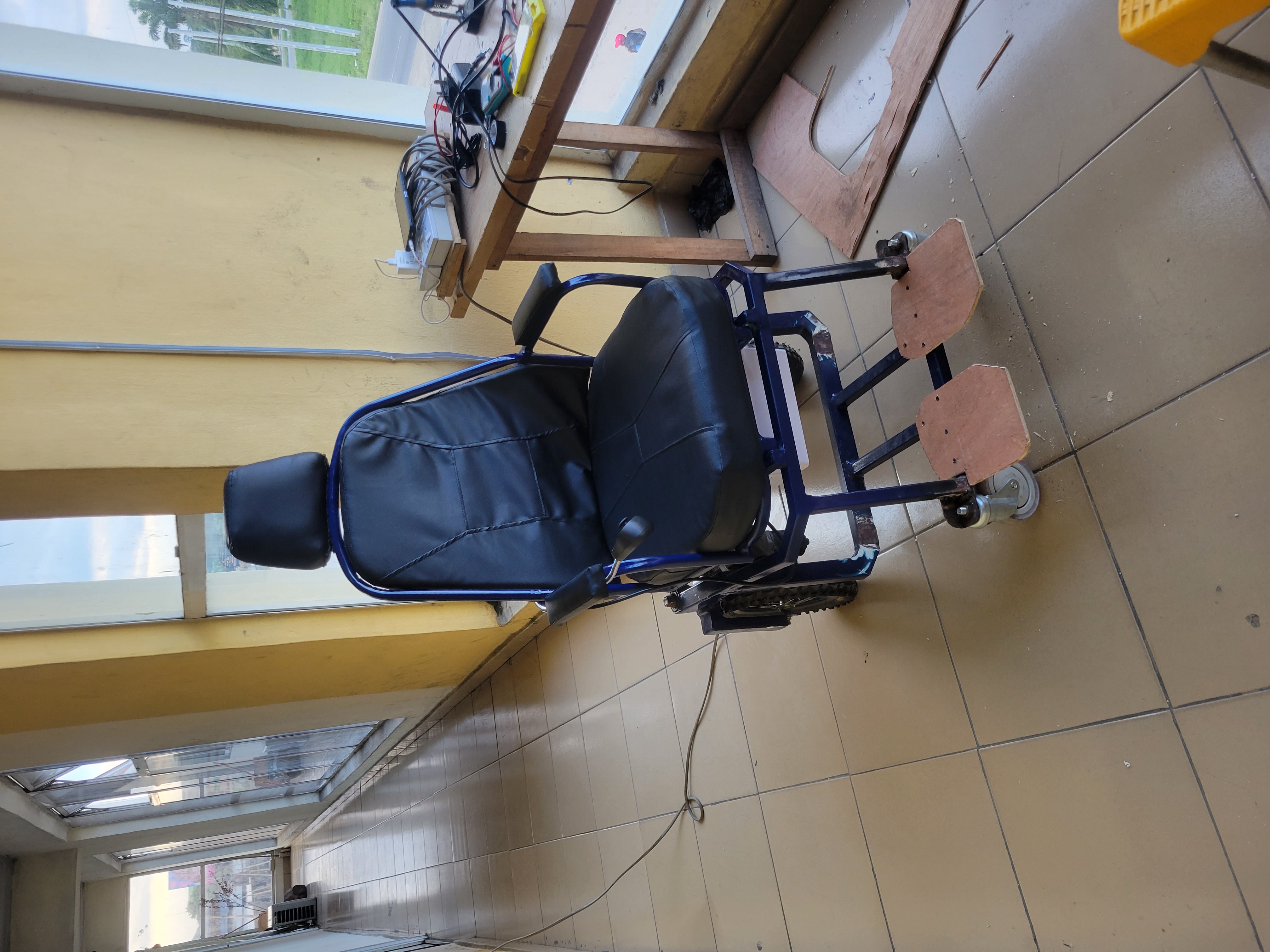
The ProGo Smart Wheelchair is an ultra-efficient electric wheelchair designed for African environments. We plan to integrate edge computing to manage power usage, monitor the user’s health, and help them navigate safely—all without relying on internet connectivity.
This is just the beginning. We are also working on obstacle detection using ultrasonic sensors to detect nearby objects and help prevent collision, and temperature sensors to check for signs of fever and send alerts to caregivers via Bluetooth.
Our primary aim is to implement an offline-first architecture by making all these features run locally, with little to zero cloud dependency. This makes it ideal for rural and peri-urban communities where power, roads, and connectivity are unreliable or expensive.
How we built it
The design process started with ideation and component sourcing. This phase was crucial because it helped us refine our design based on what was available locally and affordable. We visited mechanic shops, scrap markets, and industrial shops to get data on available motors, metals, etc.
With the components secured, we started designing a CAD model of the wheelchair. This detailed model gave us insights on how each component should fit together, analyze strength and durability, and fine-tune the product’s aesthetics.
Challenges we ran into
Power Optimization: Balancing real-time motor control with low energy usage was complex. We had to simplify our initial AI models into lighter-weight logic that could run on a microcontroller.
Motor Calibration: After initial fabrication, we tested movement but discovered that the motor we chose didn't have the right speed-to-torque ratio for our application. Even when we changed to a high-torque geared DC motor, we needed to calibrate the movement while running live tests in order to optimize comfort, power, and efficiency.
Unavailability of preferred components: When picking components, we had difficulties finding the right components for our build. And the fact that we wanted to stay local made things even harder. We had to spend time searching for available components in scrapyards, mechanic shops, and industrial markets before we could find the appropriate parts.
Accomplishments that we're proud of
We built a fully offline, smart wheelchair control system using only low-cost, low-power components. And made it affordable so that it can directly address the needs of disabled users in Africa, which are often ignored by commercial tech.
What we learned
Less is more: Resource constraints actually led us to design more elegant, efficient solutions.
User feedback is gold: Conversations with people who use or care for wheelchair users gave us unexpected insights that shaped critical features.
Edge computing works: Even without cloud access, small microcontrollers can make powerful decisions locally when designed well.
What's next for Untitled
Integrate solar-assisted charging to remove reliance on grid power entirely.
Add weight sensors and fall detection for better health insights and emergency alerts.
Open-source our firmware and design files so local innovators can build, improve, or adapt the solution.
Partner with local disability organizations to pilot tests and deploy in underserved communities.
Our long-term vision is to make dignified, affordable, smart mobility accessible to every African who needs it.


Log in or sign up for Devpost to join the conversation.