-
-
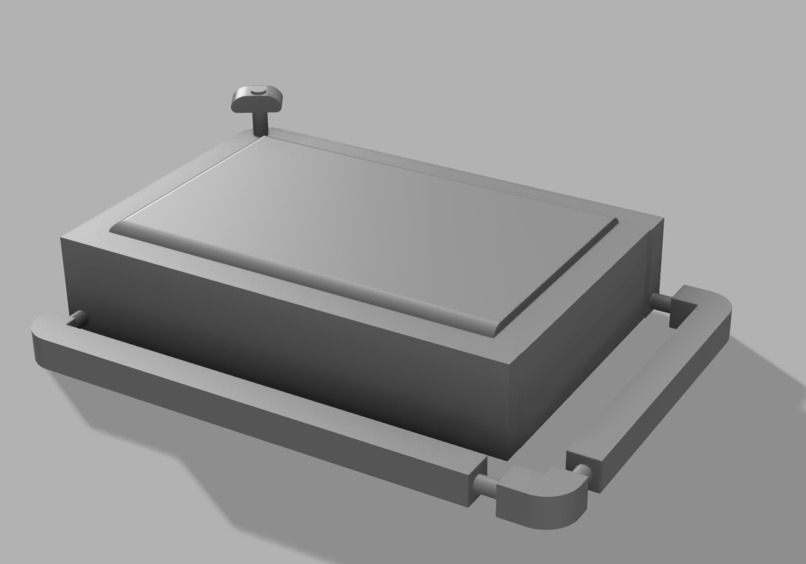
Rendered Project of the Smart Dustbin Lid: made out of sustainable bio-plastic.
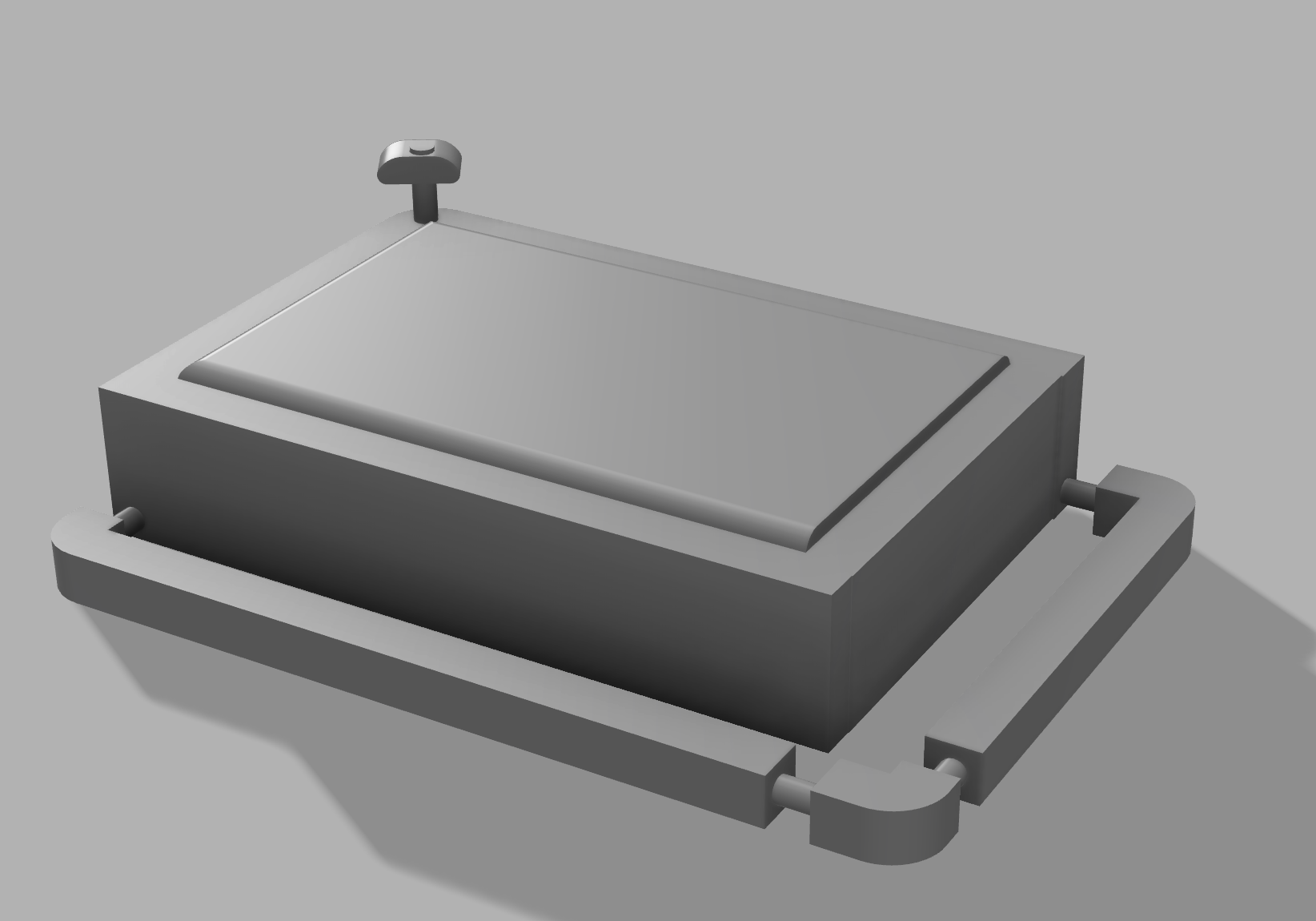
Project Report – USL Smart Dustbin Lid
Team Members: Rishit Chatterjee (rc33), Rishi Kodavati (rk33), Shobhit Sinha (ss194)
Introduction The urgency of sustainable waste management has never been more critical, with global urbanization and consumption patterns leading to an unprecedented increase in waste generation. One of the fundamental challenges in waste management is effective segregation at the source, which is crucial for recycling processes and minimizing landfill use. Particularly, we aimed to tackle this problem at the grassroots level, targeting households where our product can be conveniently, cost-effectively, and efficiently implemented, so that we can create as wide an impact as possible.
Problem Statement Inefficient waste segregation poses a significant challenge to recycling efforts, often leading to contamination of recyclables, increased landfilling, and ineffective recycling. Most consumers lack the knowledge or means to accurately segregate waste, resulting in recyclable materials being mixed with general waste.
Target Consumers Our solution is designed for household consumers, particularly those living in urban and suburban areas. These consumers often face challenges in waste segregation primarily due to insufficient knowledge about recyclable materials. Additionally, limited space for dedicated recycling systems and busy lifestyles stand as obstacles to accurately segmenting waste.
Technical Design Features The smart dustbin lid is equipped with a camera and sensors that scan items presented to the bin. Using image recognition and machine learning algorithms, it identifies whether an item is recyclable or not. Based on this determination, the lid either opens to accept the item or remains closed. Key features include: 1) AI-Powered Recognition System: Utilizes a comprehensive database of recyclable and non- recyclable items to accurately classify waste. 2) Sustainable Materials: Constructed from recycled plastics, emphasizing the project's commitment to sustainability. 3) User-Friendly Interface: Includes an LED attached to the camera to indicate whether the item is recyclable or not, flashing green if it is and red if it is not. 4) Cost-Effective Construction: The construction of the lid is made as streamlined and optimized as possible in terms of material cost, so that this solution can be implemented by the largest possible group of consumers.
Design Iterations Our initial prototype focused on making a rover for identifying waste in landfills, but we determined that it would be a solution that would not be convenient for implementation – additionally, if it got stuck or ran out of power far from humans within the landfill (which was highly likely), it would be far too financially damaging to replace. Following that, we decided to only keep the aspect of the rover that identified the waste – a camera working on Machine Learning algorithms that was trained to differentiate recyclable and non-recyclable items. After this we attempted to make a design that would identify non-recyclable items in recycling facilities and separate them, but any possible implementation would drastically slow down throughput in these facilities, which is critical to their effectiveness. Finally, we decided the easiest place to implement a solution for waste segregation would be right before they go for processing – in houses. Thus, we decided on a smart bin – but it already existed, so we elected to make it more efficient and implementable in households, since the actual smart bin design was incredibly inconvenient to use. The design can be extended to fit all sizes of dustbin, making it scalable, and only the flap fitting the original size needs to lock, open and close, since the functionality of the dustbin is tied to identifying whether items would be recyclable or not.
Sustainable Waste Management By facilitating accurate waste segregation, the smart dustbin lid promotes recycling, reduces landfill use, and encourages consumers to engage in sustainable waste disposal practices. It also serves as an educational tool, raising awareness about recyclability among users. Additionally, due to being made from sustainable materials, it promotes sustainability in general through its very existence.
User Story/Walkthrough Sarah's Experience: Sarah, a busy professional with a keen interest in sustainability, recently installed our smart dustbin lid in her kitchen. One evening, while cooking, she approached the bin with a yogurt container. Unsure of its recyclability, she held it up to the lid. The LED confirmed it was recyclable, and the lid opened. Sarah was impressed by the simplicity and effectiveness of the system, feeling more confident in her recycling efforts.
Next Steps and Improvements 1) Expand Database: Continuously update the database to include more items and adapt to changes in recyclable materials. 2) Enhance User Engagement: Develop a mobile app that provides detailed feedback on recycling habits and tips for reducing waste. 3) Increase Energy Efficiency: Integrate solar panels to power the device, further reducing its environmental impact. 4) Make Variations: Making more variations to fit different shapes of dustbins, rather than simply fitting different sizes of the standard rectangular dustbin. 5) Increase Opening Size: Improve the design to accommodate for different sizes of recyclable materials, rather than merely the original size of our dustbin flap prior to expansion.
Conclusion The smart dustbin lid represents a significant step forward in addressing the challenge of waste segregation at the source. By combining technology with sustainability, it offers a practical solution that not only improves recycling rates but also fosters a culture of environmental responsibility among consumers. As we continue to refine and develop this technology, we aim to make sustainable waste management an accessible and effortless part of daily life.

Log in or sign up for Devpost to join the conversation.