-
-
-
-
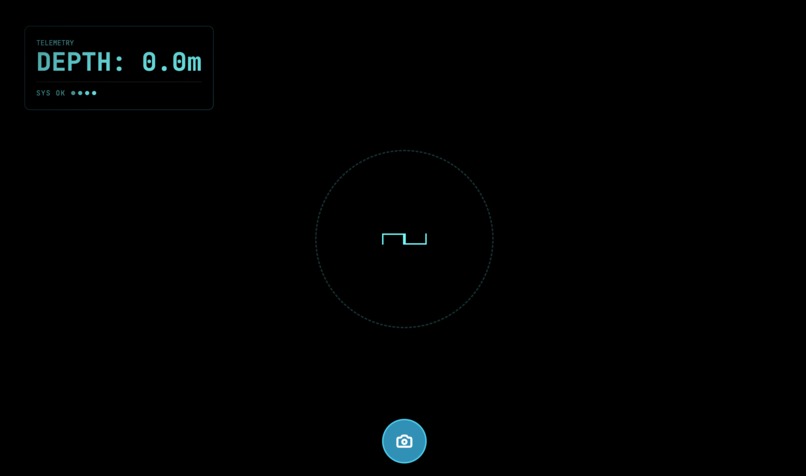
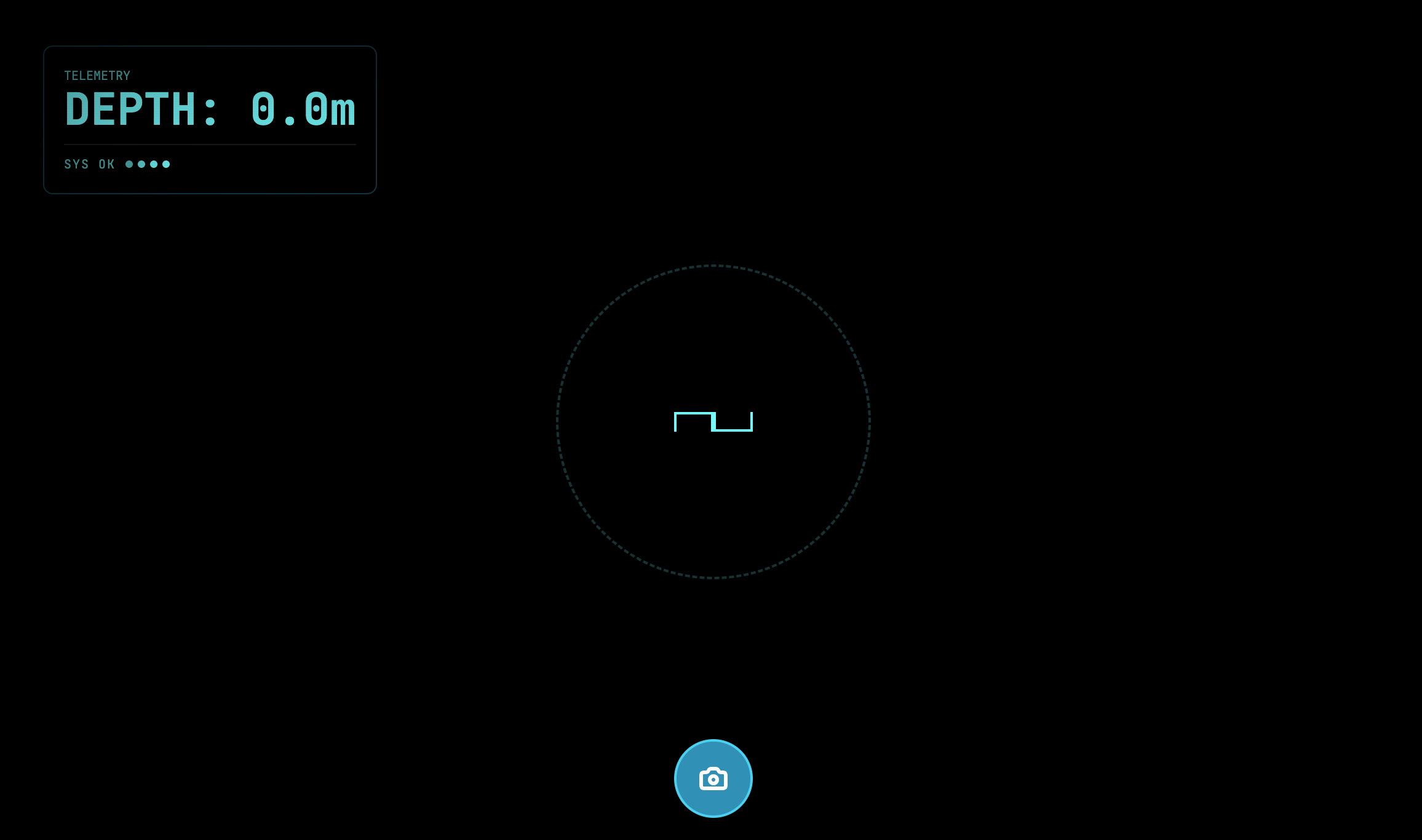
Starting Screen (without camera)
-
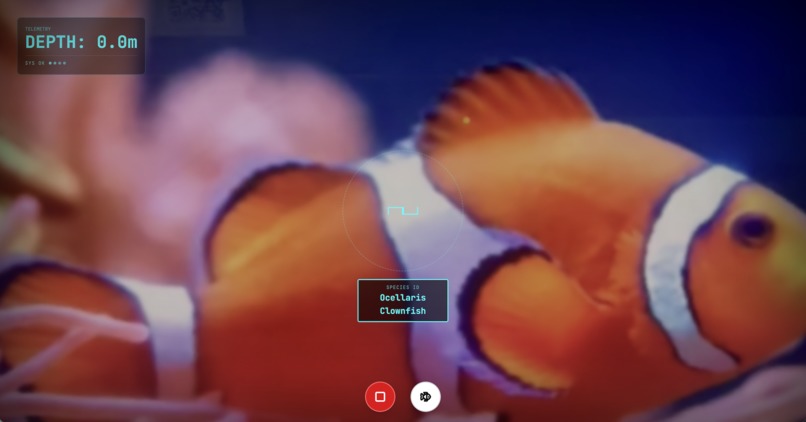
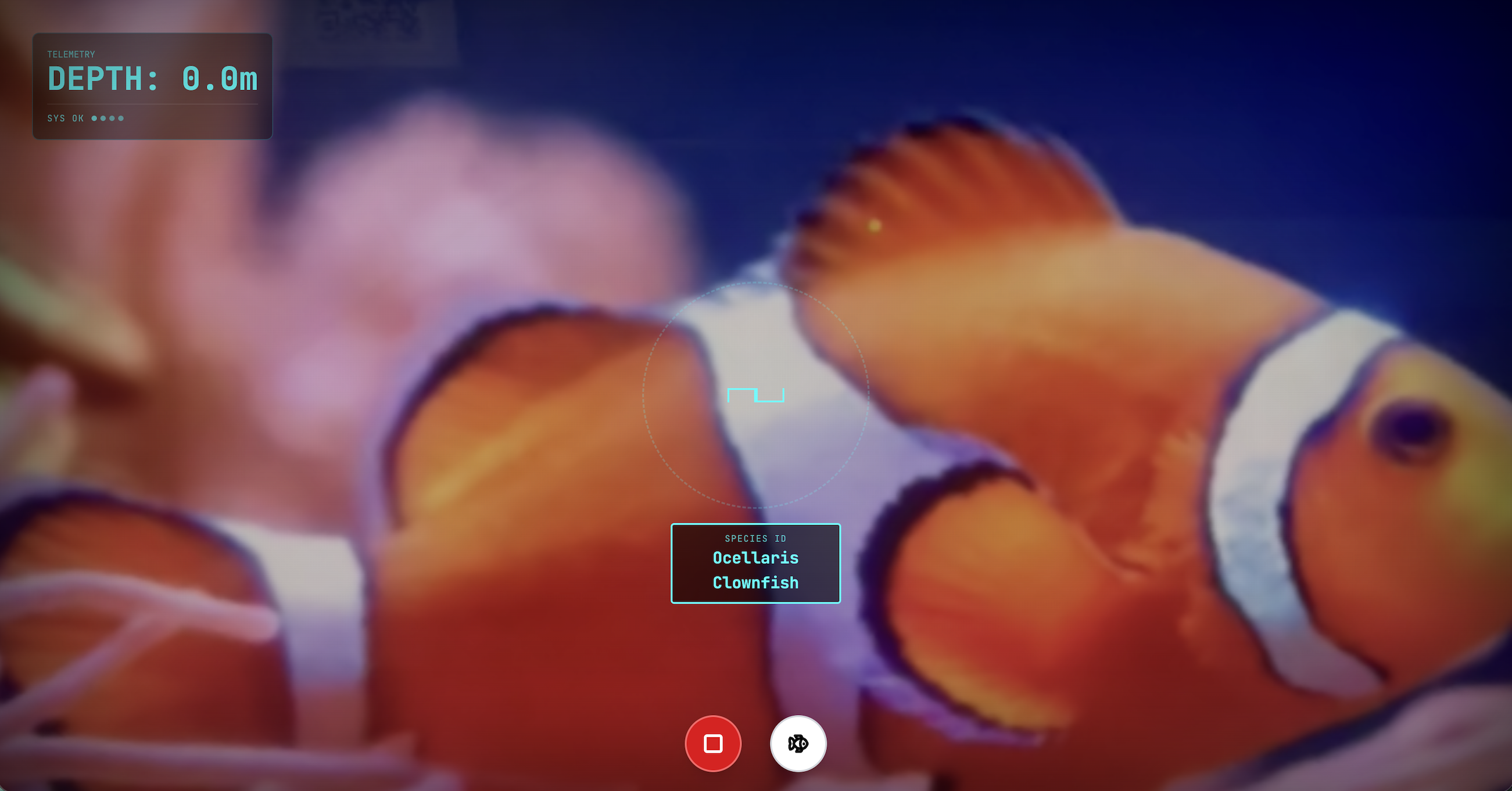
Ocellaris Clownfish Identification
-
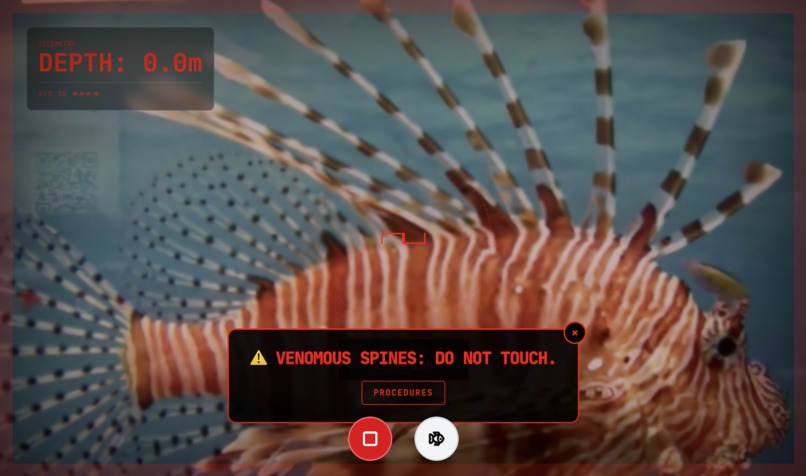
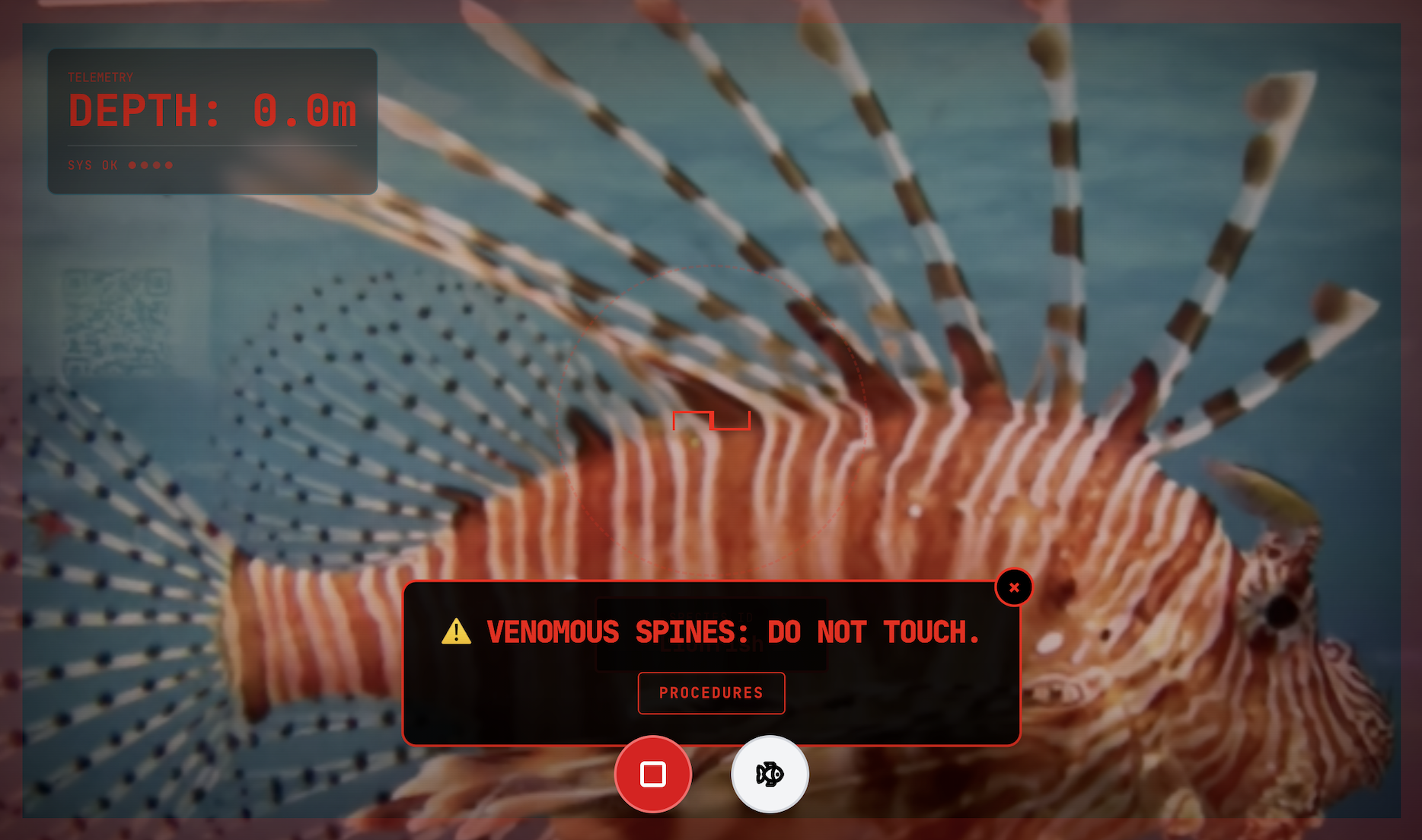
Lionfish Identification
Inspiration
Underwater diving requires constant awareness in an environment where visibility is limited, conditions change rapidly, and threats can appear without warning. Even the smallest delays in decision-making can lead to dangerous situations. Divers must monitor oxygen levels, pressure, and equipment reliability, all while staying alert to nearby marine life. This led us to ask: what if divers had real-time, intelligent assistance directly in their field of vision?
What it does
SmartDive AI is an application designed for underwater smart goggles that enhances diver safety and awareness. It provides:
- Real-time marine species identification
- Instant alerts for potentially dangerous species nearby
- Depth tracking through integration with diving equipment (Dive computers, Vuzix smart glasses, etc)
- Offer advice on how to resolve dangerous situations
How we built it
We designed SmartDive AI as a wearable-integrated application that connects with diving hardware such as:
- Vuzix smart glasses
- Dive computers/consoles
- First stage regulators
We combined computer vision for species detection with real-time alert systems, and focused on creating a seamless, non-intrusive interface suitable for underwater conditions.
Challenges we ran into
Some challenger we ran into while developing our app were a UI Alert Glitch, where the interface continued flashing red even after a dangerous species was no longer detected, and code versioning issues.
We fixed these problems by...
- UI Alert Glitch: implementing a time limit on alerts after troubleshooting with Google AI Studio.
- Code Version Issues: using Git revert commands to restore a stable version of the code efficiently.
Accomplishments that we're proud of
- Designing a system that prioritizes safety without adding cognitive overload
- Developing a solution that could realistically improve reaction time underwater
What we learned
Through this project, we learned:
- The importance of human-centered design in high-risk environments
- How real-time AI systems must balance accuracy and speed
- How hardware and software integration plays a key role in building impactful solutions
What's next for Smart Dive AI
Next, we hope to:
- If given more time, we would add an underwater trained vision model, and release it to edge devices (like AR goggles), and connect it to live camera feeds with depth sensing and GPS enabled surface relay systems for emergency signaling.
- Add vibration signaling when danger is detected to add to the red alerting system.
- Improve the accuracy and range of species detection
- Expand hardware compatibility with more diving equipment
- Test the system in real world diving conditions
- Explore additional features like navigation assistance and environmental monitoring

Log in or sign up for Devpost to join the conversation.