-
-
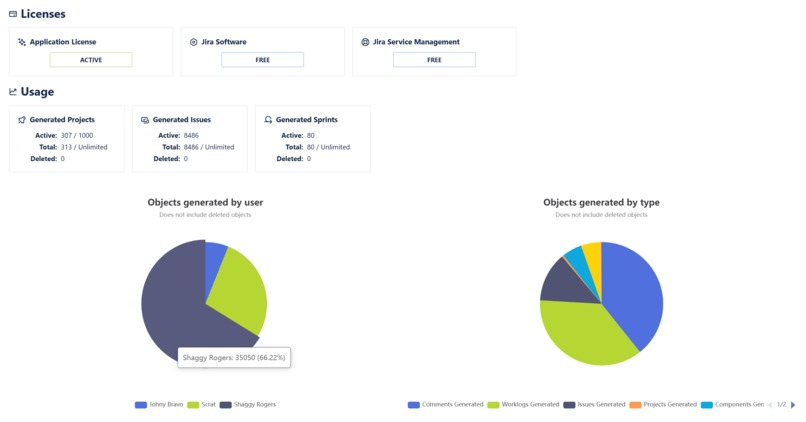
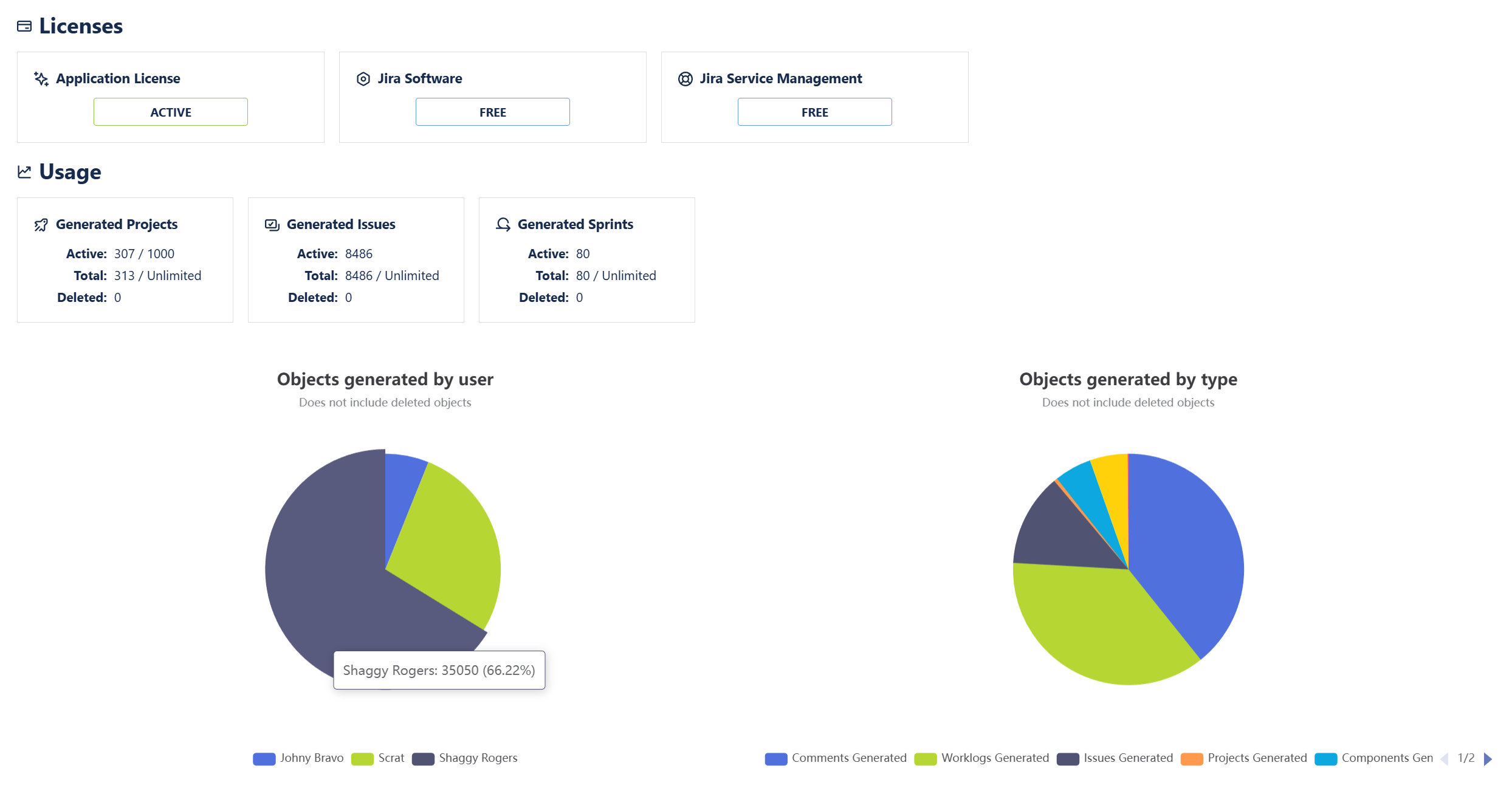
App Dashboard
-
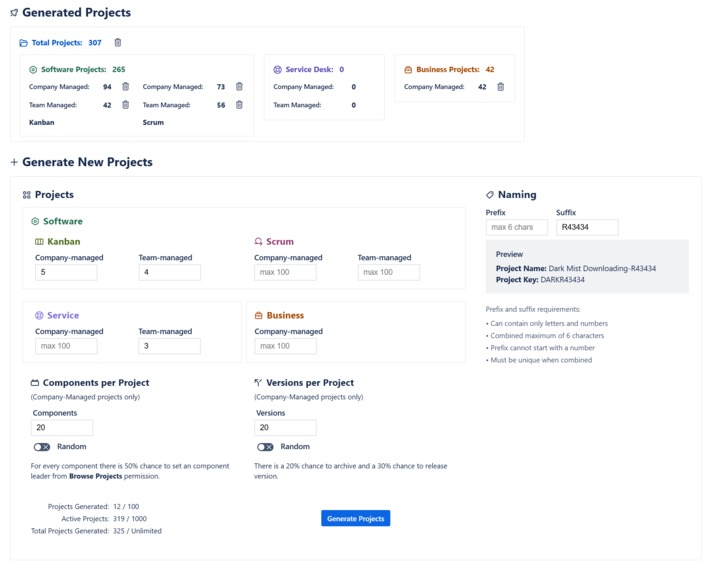
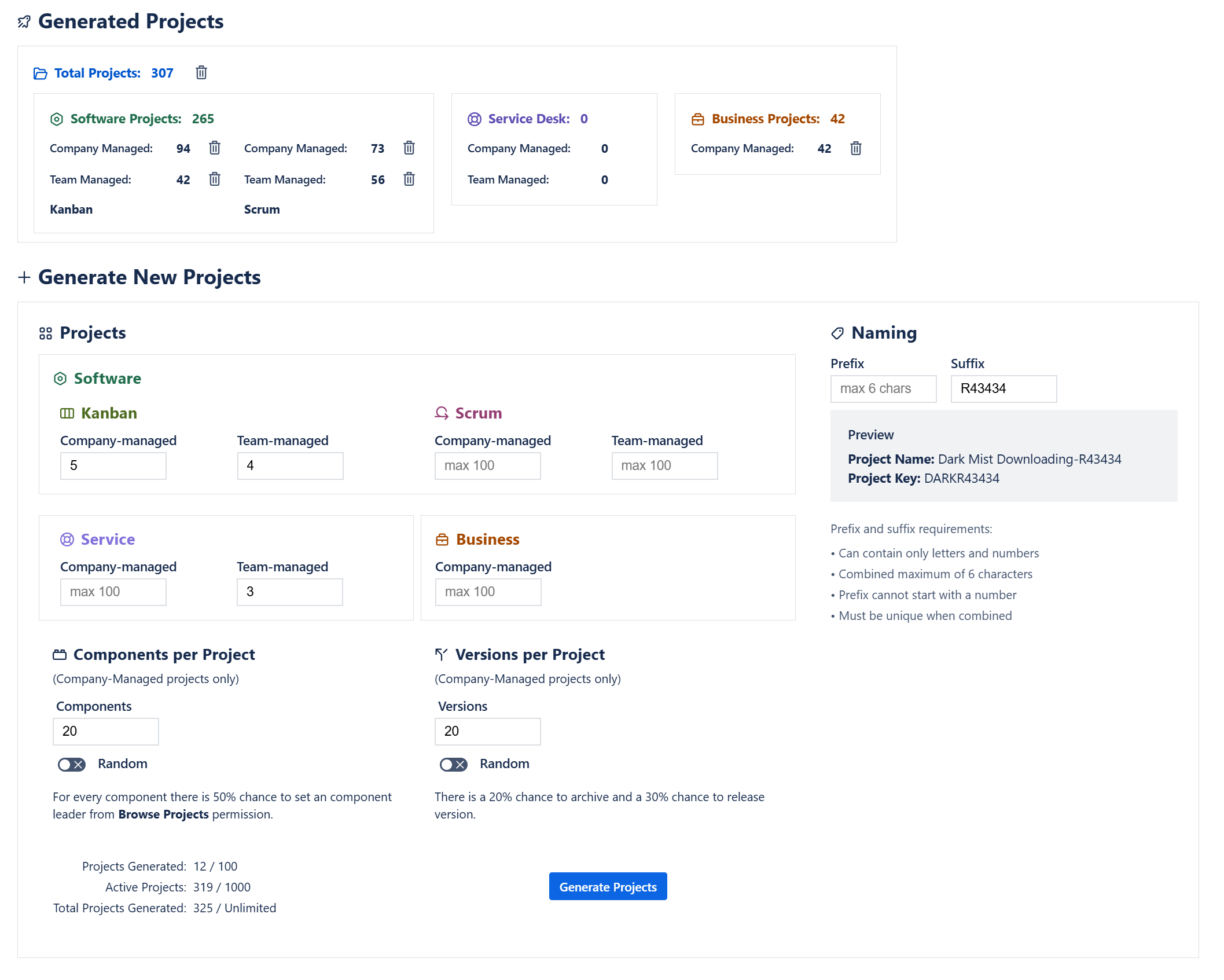
Generate Projects with Versions and Components
-
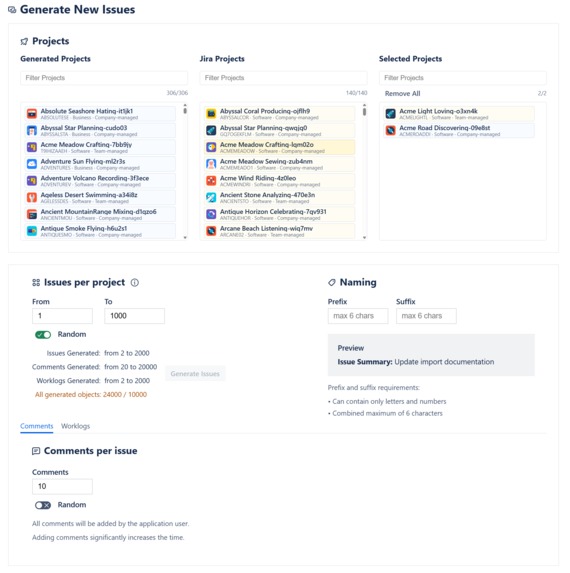
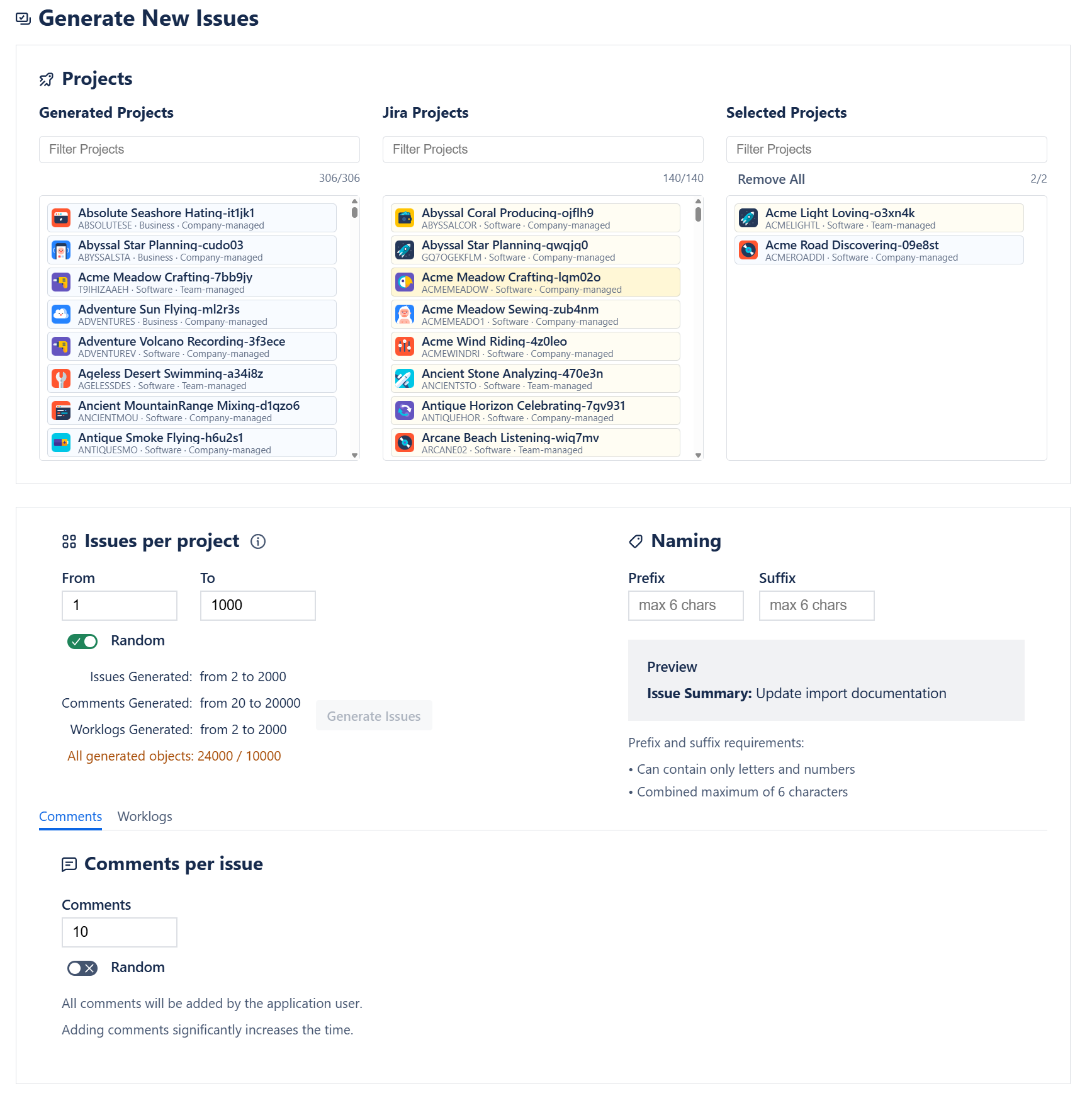
Generate Issues with Comments and Worklogs
-
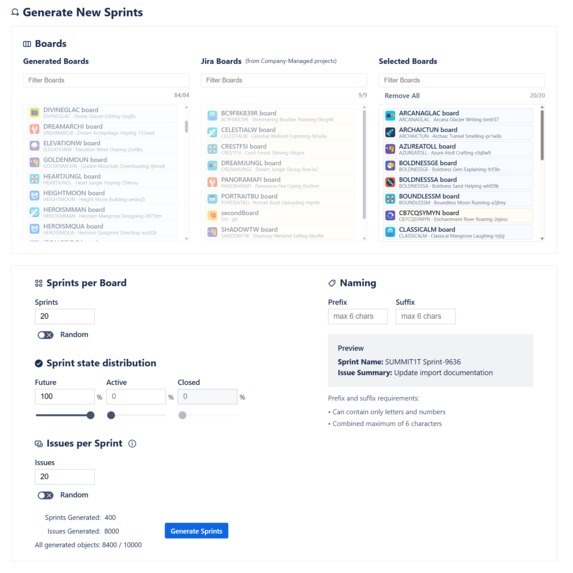
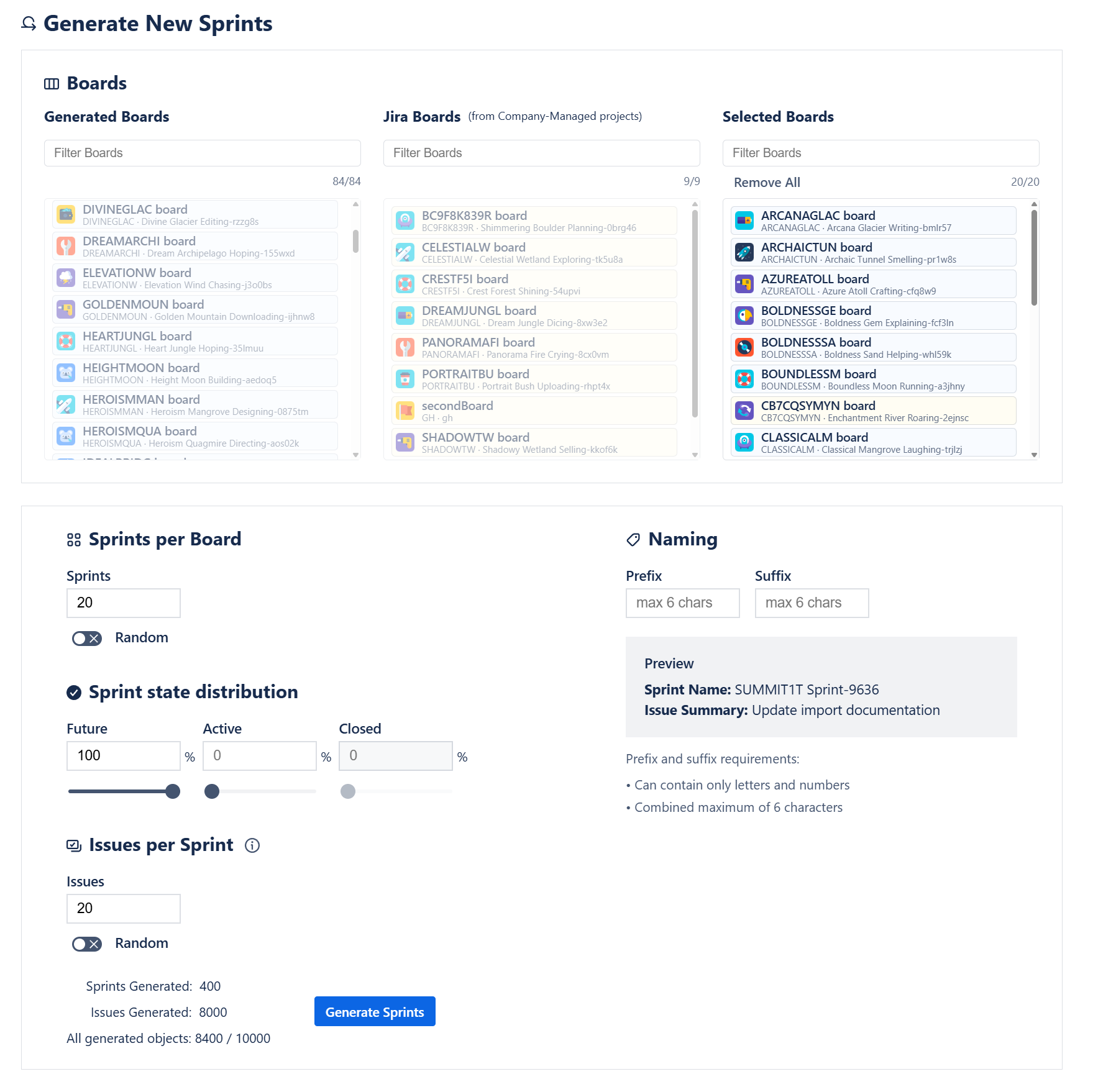
Generate Sprints with issues
-
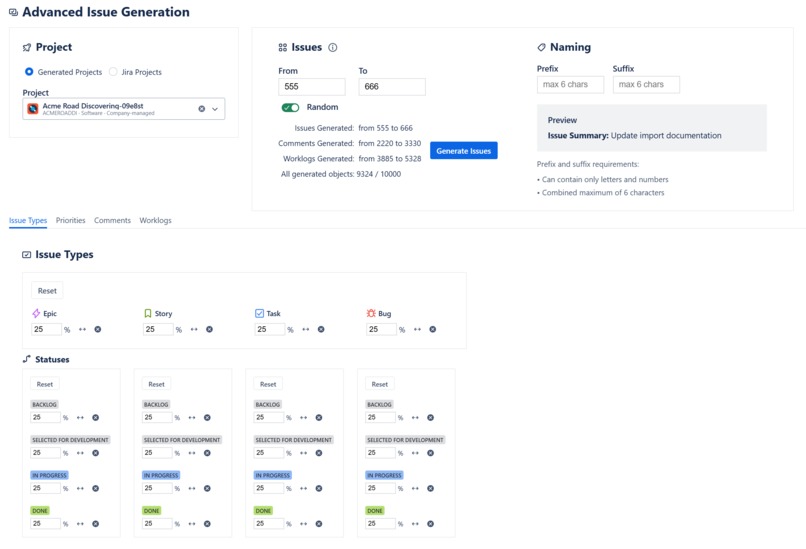
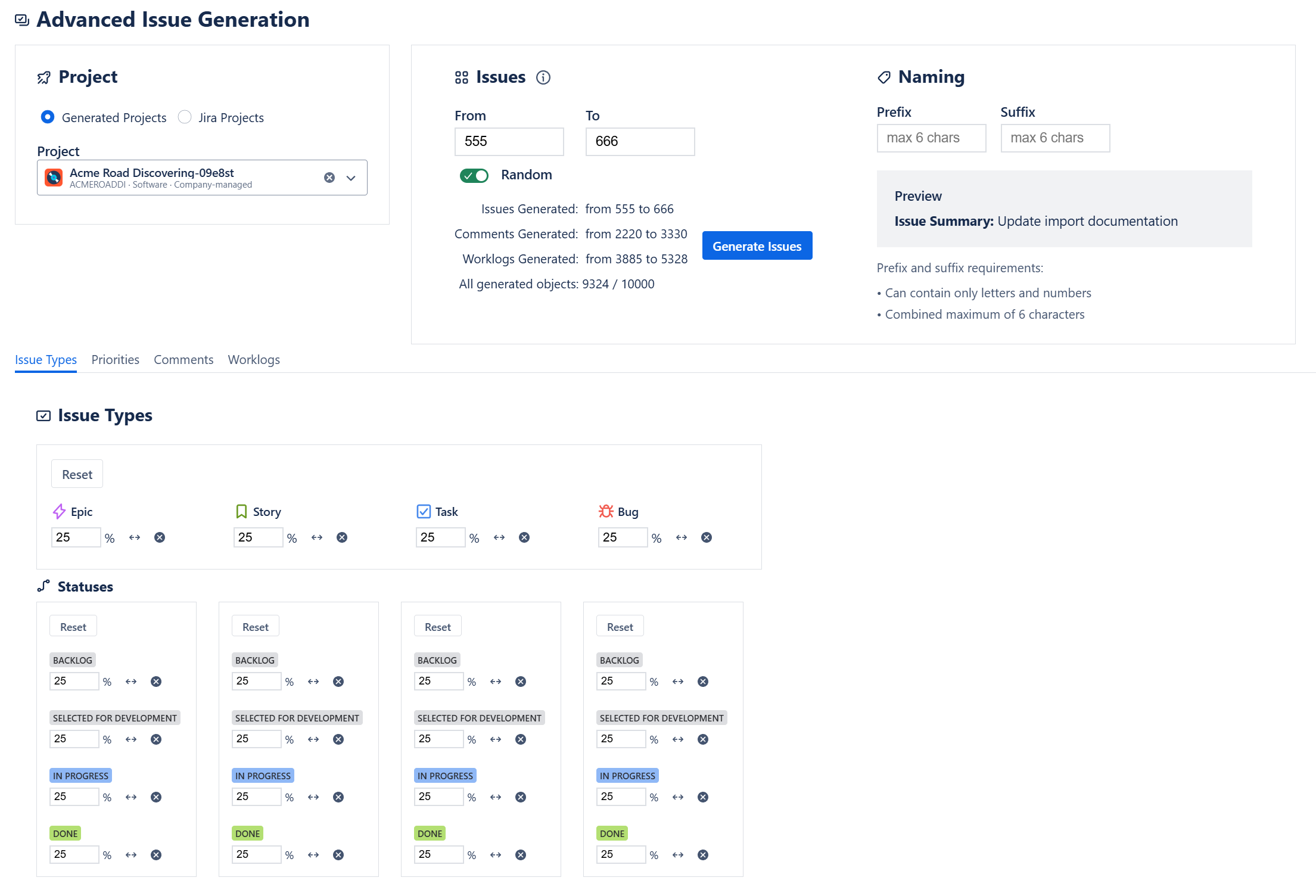
Advanced Issue Generation
-
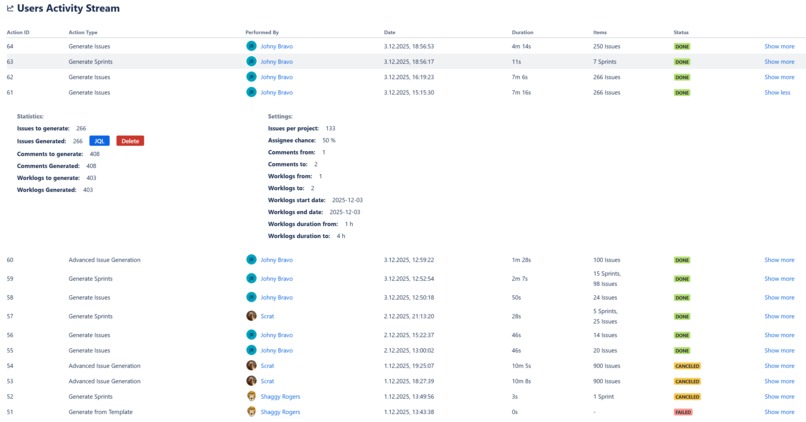
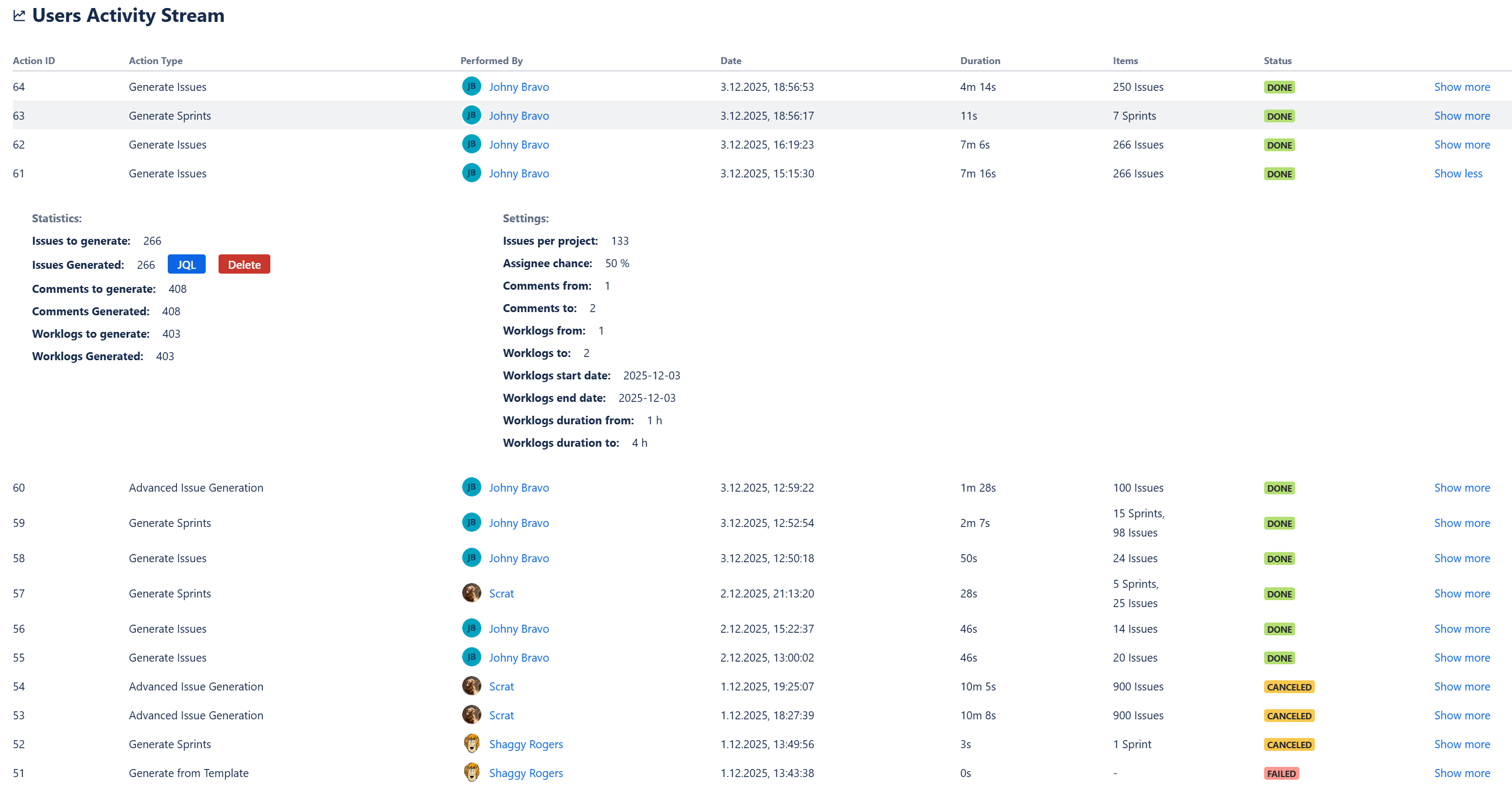
Activity stream of generations
-
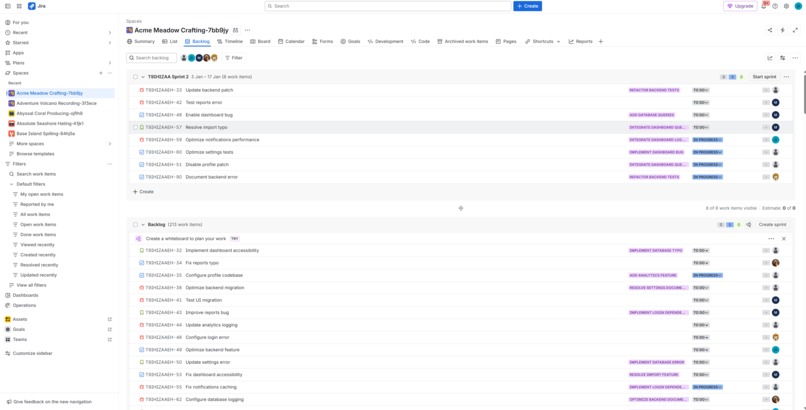
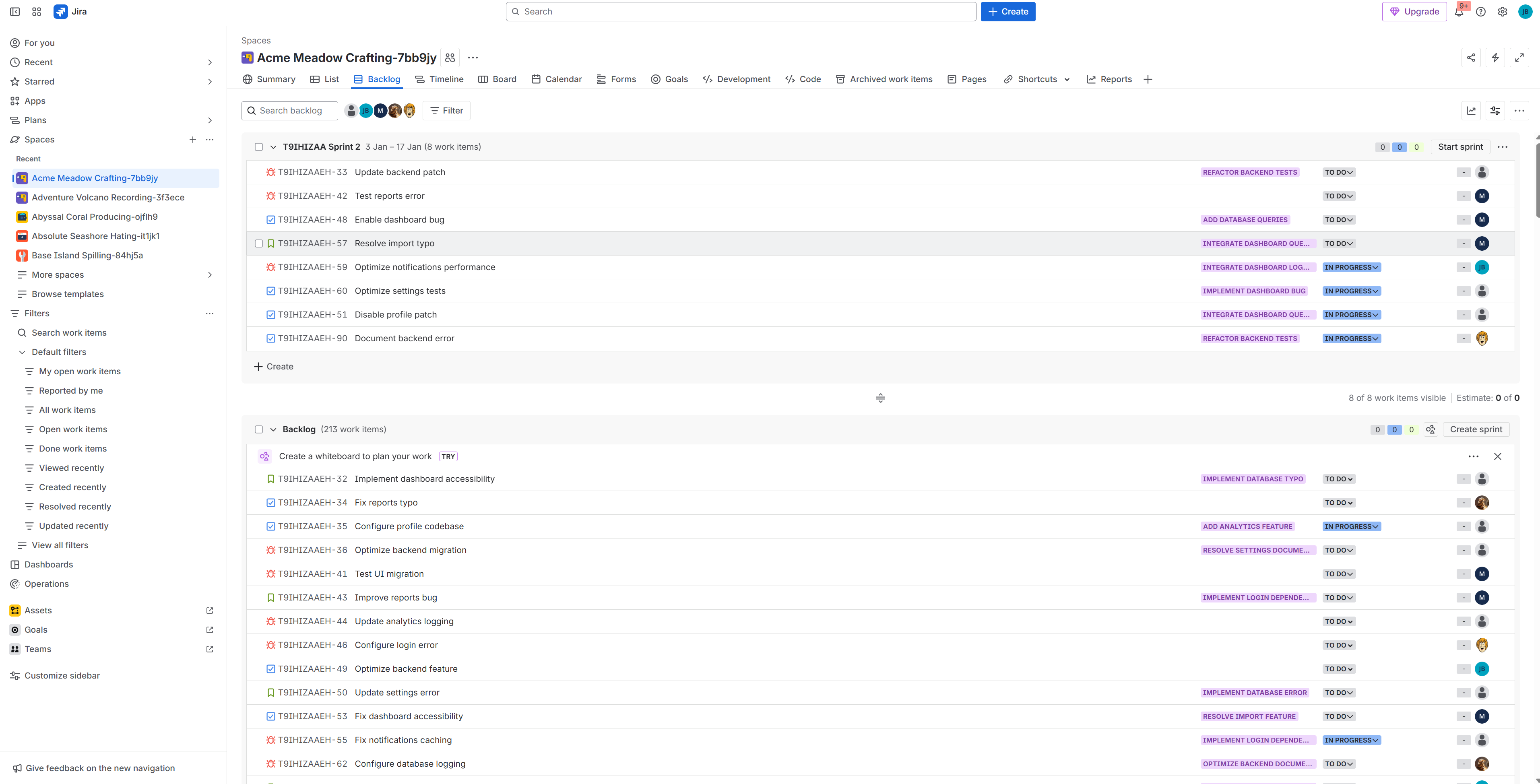
Generated data example
-
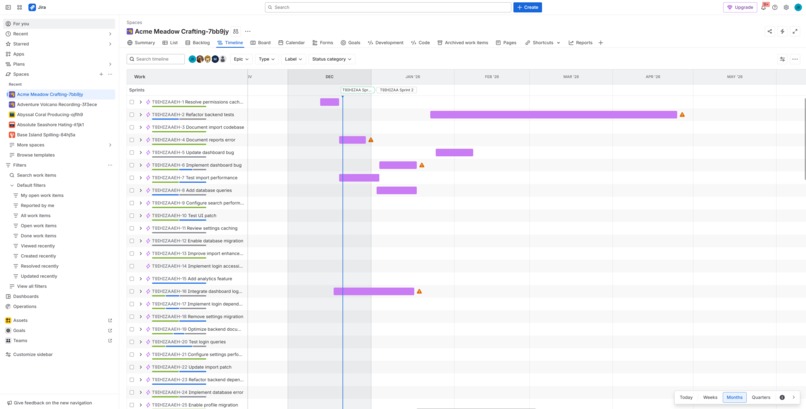
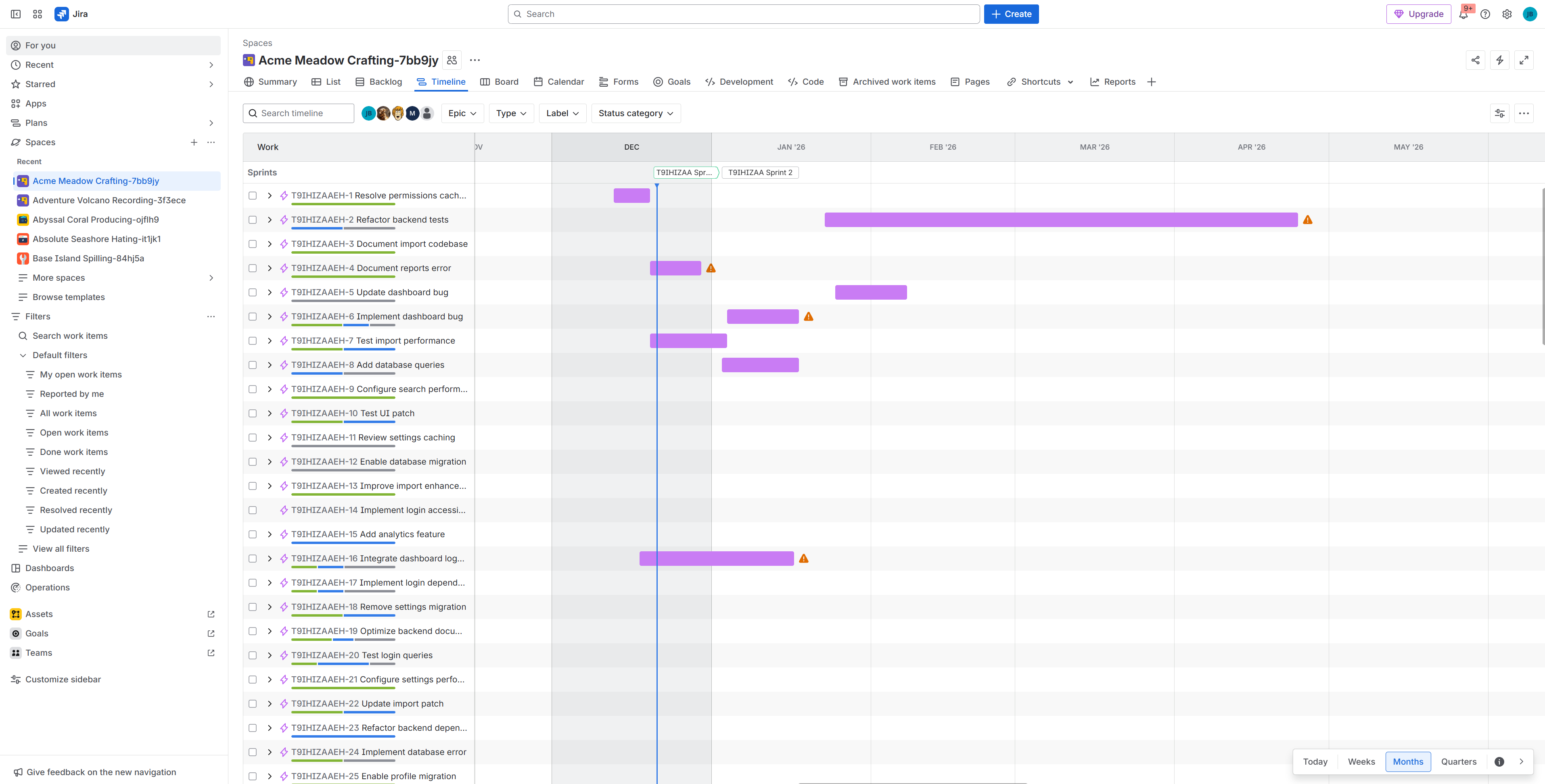
Generated data example
-
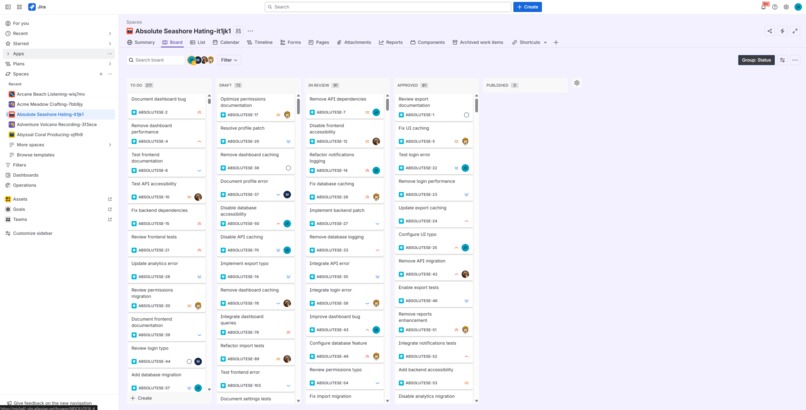
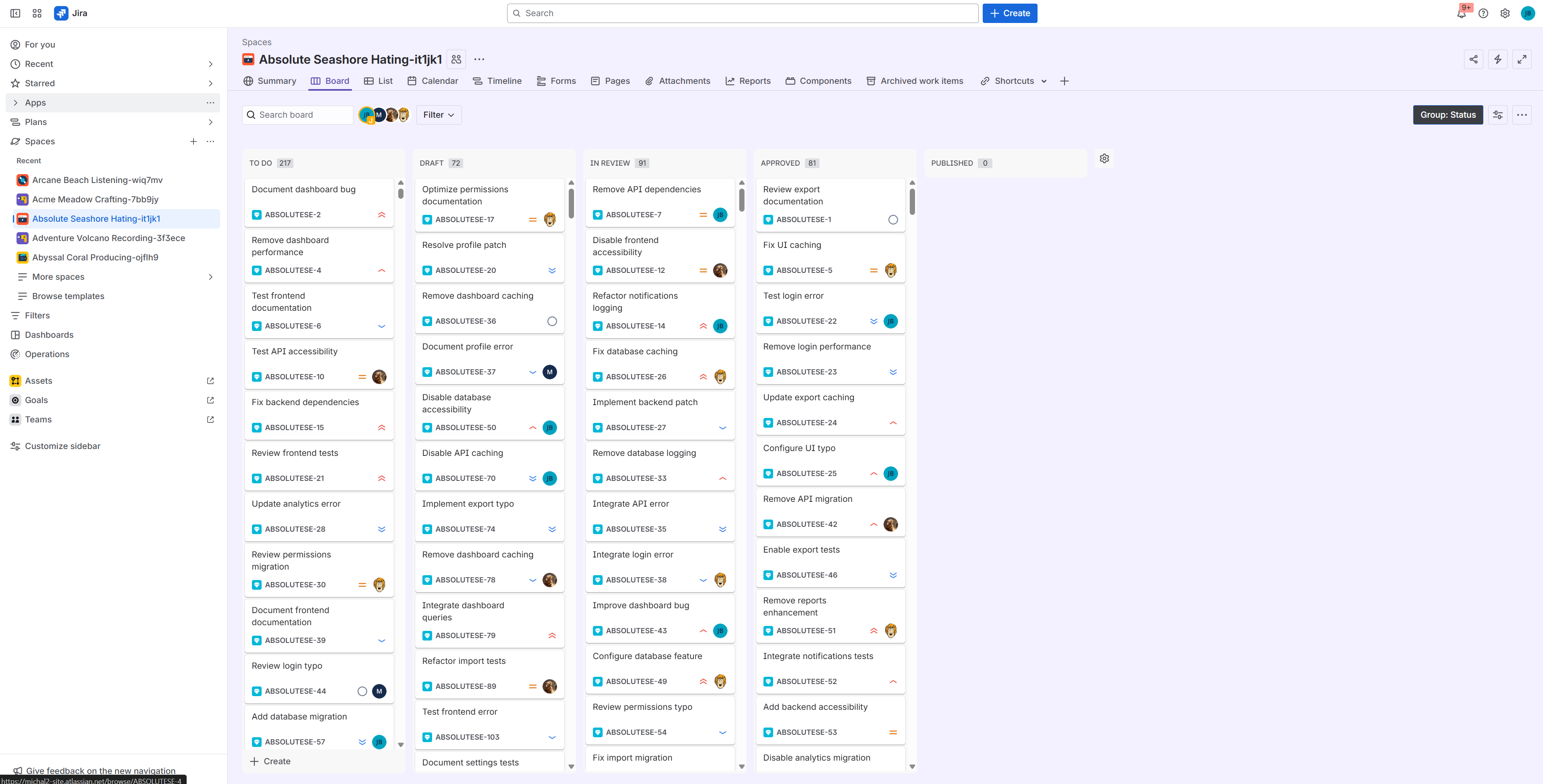
Generated data example
-
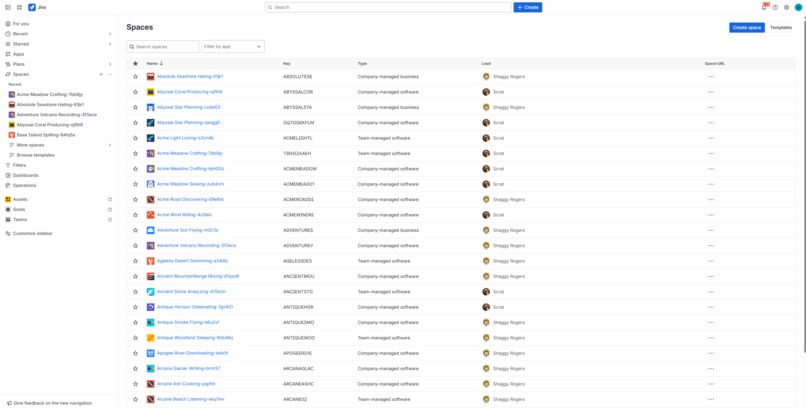
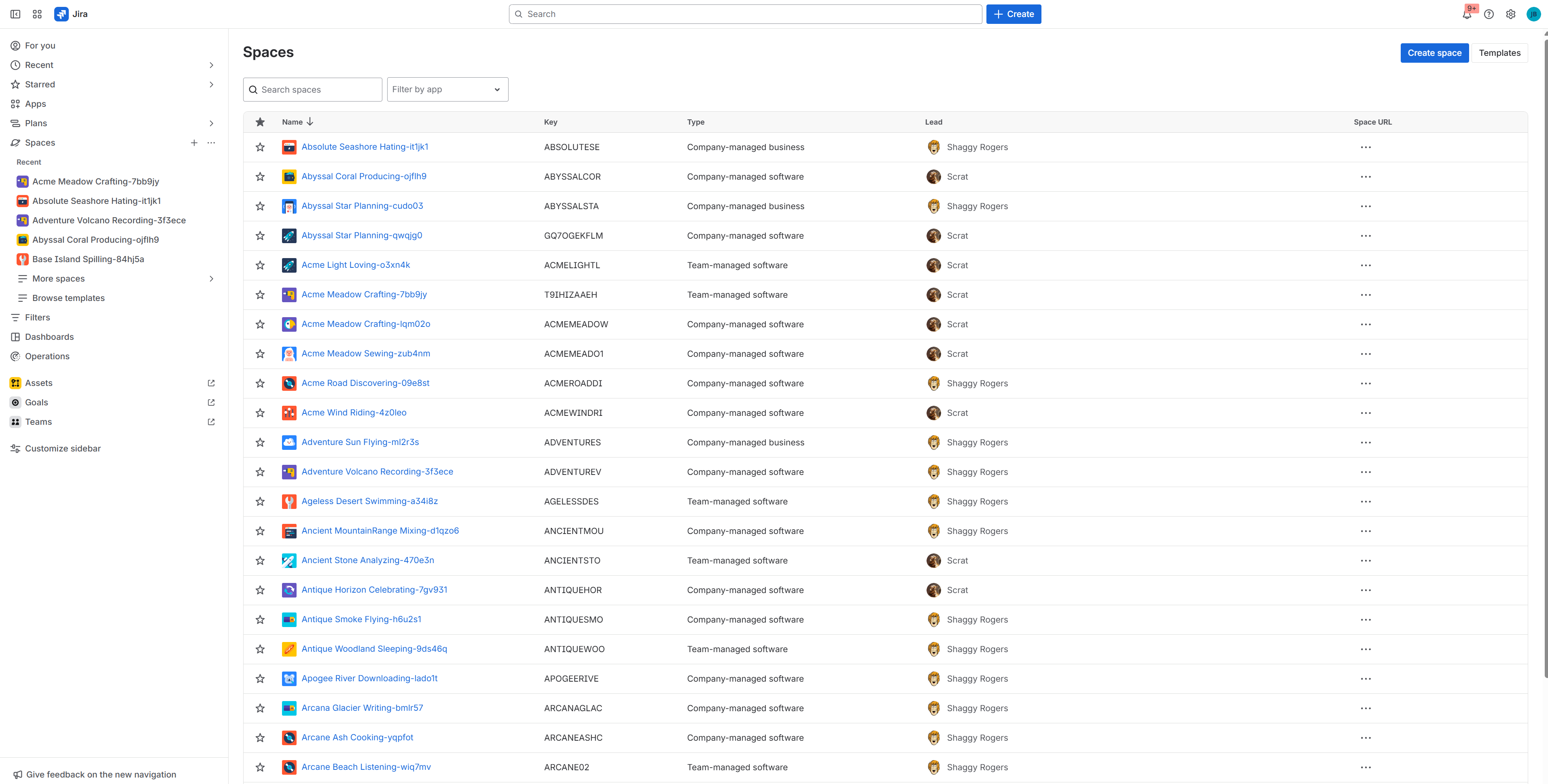
Generated data example
Inspiration
While building our own apps for the Atlassian Marketplace, we repeatedly faced a very specific internal need: the ability to quickly spin up Jira sites and populate them with large volumes of realistic data to validate and test selected functionalities. Manual setup was too slow, and copying real data was not an option due to security and repeatability concerns.
We searched the Atlassian Marketplace for a solution that would meet these requirements but could not find any app that offered the level of control, scale, and reliability we needed. As a result, we decided to build our own solution tailored to our workflows.
What started as an internal tool quickly proved useful beyond our original use case. The same challenges apply to demos, proofs of concept, onboarding, staging environments, and experimentation across many teams. This led us to evolve the solution into Smart Data Generator for Jira and make it available on the Marketplace so others could benefit from the same fast, safe, and repeatable approach to Jira data generation.
What it does
Smart Data Generator for Jira generates realistic Jira data at scale. It creates issues with populated fields and enriches them with sprints, versions, components, comments, and worklogs. The generated data behaves like native Jira data and fits naturally into existing projects, boards, and reports.
Main App features
Project Generation
Automatically prepares Jira projects with supporting structures such as components and versions, creating a solid foundation for realistic work scenarios. This allows teams to quickly start working with meaningful project setups instead of empty projects.
DocumentationIssue Creation
Generates issues in bulk with populated fields and realistic distributions across issue types. This feature helps quickly fill backlogs and boards with data that behaves like real Jira issues.
DocumentationSprint Generation
Creates sprints and assigns issues to them, making boards and reports immediately usable. This is especially useful for validating Scrum configurations, velocity charts, and sprint-based workflows.
DocumentationAdvanced Issue Generation
Extends basic issue creation with advanced configuration options, including detailed field population, comments, and worklogs. It provides high flexibility to match different project setups and reporting needs.
DocumentationRovo Data Generator
An AI-powered Rovo agent that allows users to generate issues using natural language prompts. It offers a fast, intuitive way to create realistic Jira data for demos, onboarding, and rapid setup, with full visibility in the Rovo Activity Stream.
Documentation
The app is designed for demos, evaluations, training, and staging environments where realistic Jira content is required quickly and safely.
How we built it
The app was built as a Jira Cloud solution using Atlassian APIs and a cloud-native architecture, fully aligned with the Runs on Atlassian model. This ensures data residency, security, and reliability by running entirely within Atlassian infrastructure.
The focus was on controlled data generation that respects Jira permissions, project configurations, and platform limits. Special attention was given to orchestration logic so that generated issues, sprints, versions, components, comments, and worklogs remain consistent and immediately usable across boards and reports.
The implementation prioritizes performance, predictability, and configurability while keeping the user experience simple and fast.
Challenges we ran into
One of the biggest challenges was generating many different Jira objects in a single flow. This is inherently time-consuming and required working around Forge limitations, both execution time limits and API request quotas. To handle this, we had to carefully design batching, sequencing, and retry mechanisms to reliably create larger data volumes without failures.
Another challenge was operating within Jira Cloud API limits while maintaining consistency across issues, sprints, versions, components, comments, and worklogs. Ensuring that partially generated data does not break boards or reports required strict ordering and error handling.
We also faced the challenge of integrating and configuring the Rovo agent. Making sure it behaves predictably and aligns with our expectations required careful prompt design, scope control, and validation of responses so that it supports the app without introducing ambiguity or unwanted actions.
Finally, balancing flexibility with simplicity remained a constant challenge. The app needed to support different project configurations while staying fast, clear, and easy to use.
Accomplishments that we're proud of
The biggest accomplishment is delivering an app that significantly reduces the time needed to prepare Jira environments while maintaining data realism and safety. The solution helps teams work faster, demonstrate Jira setups more effectively, and experiment without risk.
We also developed a robust approach that allows generating very large numbers of Jira objects over extended periods of time while respecting Forge platform limits. This includes handling execution time constraints and API quotas without compromising reliability.
Another important achievement is the rich configuration of issues. By providing many options for field population and structure, the app offers high flexibility and adapts well to different project setups, use cases, and team needs.
What we learned
Developing the app provided a deep understanding of Jira Cloud internals, data relationships, and API constraints. A major learning was how data volume and structure directly impact Jira performance and usability. The project reinforced the importance of repeatability and deterministic outcomes when generating large data sets.
Working with the Forge platform required a lot of patience. Platform limits are reached quickly, and achieving the desired results often depends on finding workarounds rather than using straightforward solutions. Some functionalities that would significantly simplify implementation are currently unavailable and are not expected in the near future, which forced careful design decisions and compromises.
This experience highlighted the need to design resilient architectures that work within strict constraints while still delivering real value to users.
What's next for Smart Data Generator for Jira
Future plans include expanding configuration options, supporting additional Jira entities, improving performance for very large data sets, and adding presets for common scenarios. The long-term goal is to make Jira environment preparation effortless for any team size or use case.
Built With
- atlaskit
- echarts
- forge
- javascript
- jira-rest-api
- react
- rovo


Log in or sign up for Devpost to join the conversation.